Which marketing ideas should a window company start with?
Start where people already trust you, then pay to reach strangers. The ideas below cost more time than money, and each one has its own guide.
Low-cost ideas to start with
Ask every customer for a review
- What it takes
- A text with your review link on the day the install is finished
A referral program
- What it takes
- A thank-you worth having, asked for at the final walk-through
Yard signs and door hangers
- What it takes
- A sign in the yard during the install, with permission, and hangers on the neighbors' doors
Answer leads fast
- What it takes
- Someone who calls back within the hour, every hour you're open
- Guide
- Speed to lead
A website that books
- What it takes
- Your phone number, a short form and real photos on every page
Your Google Business Profile and local search
- What it takes
- A complete profile and pages that answer homeowners' questions
Showing up in chatbot answers
- What it takes
- The same pages written answer-first, plus mentions on other sites
Email to past customers and open quotes
- What it takes
- A list you already have and a few emails a year
- Guide
- Email marketing
Posts and short videos of real installs
- What it takes
- A phone, a weekly habit and the homeowner's permission
- Guide
- Social media and video marketing
Reps who find their own leads
- What it takes
- Knocking and networking around the jobs you already have
- Guide
- Self-generated leads
| Idea | What it takes | Guide |
|---|---|---|
| Ask every customer for a review | A text with your review link on the day the install is finished | How to get more reviews |
| A referral program | A thank-you worth having, asked for at the final walk-through | Window company referral program |
| Yard signs and door hangers | A sign in the yard during the install, with permission, and hangers on the neighbors' doors | Yard signs and referrals and door-to-door window sales |
| Answer leads fast | Someone who calls back within the hour, every hour you're open | Speed to lead |
| A website that books | Your phone number, a short form and real photos on every page | Window company website |
| Your Google Business Profile and local search | A complete profile and pages that answer homeowners' questions | SEO for window companies |
| Showing up in chatbot answers | The same pages written answer-first, plus mentions on other sites | Get recommended by ChatGPT |
| Email to past customers and open quotes | A list you already have and a few emails a year | Email marketing |
| Posts and short videos of real installs | A phone, a weekly habit and the homeowner's permission | Social media and video marketing |
| Reps who find their own leads | Knocking and networking around the jobs you already have | Self-generated leads |
Which paid channels should a window company add, and when?
Add one paid channel at a time and give it a full quarter before you judge it, with the lead source written on every appointment. If you can't tell which channel booked a job, you can't tell which one to cut.
Paid channels to add one at a time
Google search ads
- Good for
- Homeowners searching for window replacement right now
- Watch out for
- Clicks from outside your area, and the price per lead: LocaliQ's 2025 benchmark for Doors & Windows Sales is $200.341
- Guide
- Google Ads
Local Services Ads
- Good for
- Calls from homeowners searching on Google
- Watch out for
- Paying for calls that aren't window jobs
- Guide
- Local Services Ads
Facebook and Instagram ads
- Good for
- Reaching homeowners in your towns before they search
- Watch out for
- Cheap form fills from people who weren't shopping
- Guide
- Facebook ads
Direct mail
- Good for
- Neighborhoods of older homes you want to work in
- Watch out for
- Mailing with no way to track who replied
- Guide
- Direct mail
Home shows
- Good for
- Face-to-face leads in a few days
- Watch out for
- Booth costs, and leads that cool off by Monday
- Guide
- Home show leads
Bought leads
- Good for
- Filling the calendar while your own channels grow
- Watch out for
- Shared leads that other companies call at the same time
- Guide
- Window replacement leads and lead companies
A marketing agency
- Good for
- Running paid channels when nobody in-house has the hours
- Watch out for
- Long contracts and reports with no appointments in them
- Guide
- Hiring an agency
| Channel | Good for | Watch out for | Guide |
|---|---|---|---|
| Google search ads | Homeowners searching for window replacement right now | Clicks from outside your area, and the price per lead: LocaliQ's 2025 benchmark for Doors & Windows Sales is $200.341 | Google Ads |
| Local Services Ads | Calls from homeowners searching on Google | Paying for calls that aren't window jobs | Local Services Ads |
| Facebook and Instagram ads | Reaching homeowners in your towns before they search | Cheap form fills from people who weren't shopping | Facebook ads |
| Direct mail | Neighborhoods of older homes you want to work in | Mailing with no way to track who replied | Direct mail |
| Home shows | Face-to-face leads in a few days | Booth costs, and leads that cool off by Monday | Home show leads |
| Bought leads | Filling the calendar while your own channels grow | Shared leads that other companies call at the same time | Window replacement leads and lead companies |
| A marketing agency | Running paid channels when nobody in-house has the hours | Long contracts and reports with no appointments in them | Hiring an agency |
How much should a window company spend on marketing?
Work back from the jobs you need, not from a percentage someone quoted at a trade show. You need four numbers: your sales goal, your average job, your close rate on sat appointments, and what a sat appointment costs from each source. Use your own once you have a quarter of data. Until then, published benchmarks give you a place to start.
Here's the arithmetic with benchmarks. Say you want 100 more jobs next year. Siro's in-home data gives windows and doors an average close rate of 29.1%2, so 100 jobs takes about 344 sat appointments. Elevarus, a lead seller, estimates that a shared windows lead works out to about $220 to $310 per sat appointment3. Going by what Elevarus estimates, 344 sits would cost about $76,000 to $107,000 in leads3. At Siro's median windows and doors deal of $7,5384, 100 jobs is about $754,000 in sales, which puts that lead cost at roughly 10 to 14 cents of every sales dollar.
Those are other people's numbers. Siro's come from companies that record their appointments, and Elevarus sells leads, so its figures describe bought, shared ones. Referrals and repeat customers carry no lead fee at all, which is why the low-cost ideas come first. Do the math per channel: a source with cheap leads that never sit can cost more per job than an expensive one that does.
Work back from the jobs you need
1. Jobs needed
- Formula
- Sales goal ÷ average job
- Your number
- ___
2. Sat appointments needed
- Formula
- Jobs needed ÷ your close rate
- Your number
- ___
3. Appointments to set
- Formula
- Sat appointments ÷ the share of set appointments that actually sit
- Your number
- ___
4. Leads needed
- Formula
- Appointments to set ÷ the share of leads you manage to set
- Your number
- ___
5. Budget
- Formula
- Leads needed × cost per lead, source by source
- Your number
- ___
| Step | Formula | Your number |
|---|---|---|
| 1. Jobs needed | Sales goal ÷ average job | ___ |
| 2. Sat appointments needed | Jobs needed ÷ your close rate | ___ |
| 3. Appointments to set | Sat appointments ÷ the share of set appointments that actually sit | ___ |
| 4. Leads needed | Appointments to set ÷ the share of leads you manage to set | ___ |
| 5. Budget | Leads needed × cost per lead, source by source | ___ |
What promotions can a window company run honestly?
A good promotion gives the homeowner a real reason to act now that you can explain in one sentence. The ones that hold up are tied to something true about your business: open install dates, a slow month, a cost you really do save.
Two rules cover most of it. On "free," the FTC's guide says a seller shouldn't make up the cost of a free item by raising the ordinary price of what must be bought, and should state the conditions clearly up front5. On "was" prices, the FTC's pricing guides say a former price counts only if you actually offered it to the public, regularly, for a reasonably substantial period6.
Window sellers have been accused of exactly this. The Washington Attorney General's Office alleged that Seattle window seller Evans Glass misrepresented that its windows ordinarily sold for much more and that its prices were specially reduced; the company denied wrongdoing and agreed to marketing restrictions in a settlement7. A price that's only good tonight raises a second problem: the FTC lists pressure for an immediate decision among the warning signs of a home improvement scam8.
This is general information, not legal advice. States have their own rules on advertised prices and promotions, so check yours and run each new offer past your lawyer.
Promotion ideas: the honest version and the trap
Off-season install dates
- Honest version
- "We have install dates open in January and February. Book a visit by [date] to get one."
- The trap
- Inventing scarcity. If the dates aren't limited, don't say they are.
An upgrade included
- Honest version
- Colonial grilles included on every window in orders signed by [date], with the window prices left exactly where they always are.
- The trap
- Raising the window price to pay for the "free" grilles5.
Street pricing
- Honest version
- Less off each order when two houses on one street order together, because one trip and one setup really do cost you less.
- The trap
- A "neighbor price" offered to everyone, every month.
Referral thank-you
- Honest version
- A gift card or a check when someone they send you signs an order.
- The trap
- Paying for reviews instead. Buying reviews on condition they're positive is banned under the FTC's 2024 rule9.
A financing offer
- Honest version
- The lender's real terms, shown the way the lender requires. See window replacement financing.
- The trap
- Teaser terms in big type and the conditions in small type.
A color promotion
- Honest version
- "Black frames at no extra charge this month," when black normally costs more with you.
- The trap
- Calling a price a sale when it's the price you always charge6.
| Promotion | Honest version | The trap |
|---|---|---|
| Off-season install dates | "We have install dates open in January and February. Book a visit by [date] to get one." | Inventing scarcity. If the dates aren't limited, don't say they are. |
| An upgrade included | Colonial grilles included on every window in orders signed by [date], with the window prices left exactly where they always are. | Raising the window price to pay for the "free" grilles5. |
| Street pricing | Less off each order when two houses on one street order together, because one trip and one setup really do cost you less. | A "neighbor price" offered to everyone, every month. |
| Referral thank-you | A gift card or a check when someone they send you signs an order. | Paying for reviews instead. Buying reviews on condition they're positive is banned under the FTC's 2024 rule9. |
| A financing offer | The lender's real terms, shown the way the lender requires. See window replacement financing. | Teaser terms in big type and the conditions in small type. |
| A color promotion | "Black frames at no extra charge this month," when black normally costs more with you. | Calling a price a sale when it's the price you always charge6. |
Promotion wording you can adapt
Install dates: Our crews have openings the weeks of [dates]. Book your estimate by [date] and we'll hold one of those weeks for you.
Included upgrade: Order by [date] and colonial grilles are included on every window in your order. The window prices are our regular prices.
Street pricing: If you and a neighbor on your street both order by [date], we take [amount] off each order, because we can install both in one trip.
Fill in only dates, limits and amounts that are true, and keep the terms on the same page or flyer as the offer.
Is Nextdoor worth it for a window company?
It can be, because neighborhood apps like Nextdoor are where people ask each other who did their windows. That question is a referral waiting to happen, and the best answer comes from one of your customers, not from you. Here's how to work it:
- Set up a business page with your real name, service area and photos of local installs.
- At the final walk-through, ask customers to recommend you there if a neighbor ever asks. Ask everyone, not only the ones you expect to rave.
- When someone asks for a window company, answer as yourself, named as the owner or as staff. Never post as a customer.
- Post a finished job in that neighborhood with the homeowner's permission, no house number, and one line on what you replaced.
- Add Nextdoor to the office's how-did-you-hear list, so you know what it books.
- If you try Nextdoor's paid ads, treat them like any paid channel: one area at a time, judged on what a set appointment costs.
Do you need review and texting software?
Once you install more than a few jobs a week, asking for reviews and texting leads by hand starts to slip. Review and texting tools send the review request after each install, let the office text from a business number, and keep each thread in one place. Before you pay for one, check that it:
- Texts from a number homeowners can call back, and shows the whole thread to whoever picks it up.
- Records consent and handles STOP replies by itself. People can withdraw consent to texts in any reasonable way10.
- Sends review requests to every customer, not only the happy ones, with no feature that screens unhappy customers away from public review sites. Google's Maps policy says businesses shouldn't selectively solicit positive reviews11, and the FTC's guide for marketers says not to ask only the customers you expect to be positive12. This is general information, not legal advice; check your state's rules and your lawyer. How to ask is in how to get more reviews for a window company.
- Works with the CRM you already use, or replaces the spreadsheet. See CRM for window companies.
- Lets you attach a picture, so a follow-up text can carry the customer's own house.
Should a window company hire a marketing agency?
Hire one when you know what a good month looks like and nobody in the company has the hours to run the paid channels. Judge it on one number: cost per set appointment, meaning everything you pay (ad spend plus fees) divided by the appointments its work set. Clicks, impressions and traffic are the agency's numbers. Set appointments are yours.
Google's own guide to hiring an SEO says no one can promise a top ranking on Google, warns about firms that contact you out of the blue, and suggests asking for examples of past work, how they measure success and whether they'll share every change they make to your site13. For paid search, Google Ads' third-party policy says partners that manage your account must give you cost and performance data at least monthly, including costs, clicks and impressions14.
Agency contract red flags
The agency owns your website or domain
- Why it matters
- Leaving means starting over with a new site at a new address.
Your ads run in the agency's own account
- Why it matters
- You lose the history and the data when you leave.
Tracking numbers that belong to the agency
- Why it matters
- The number on your ads and listings stops ringing when the contract ends.
A long term with no way out
- Why it matters
- You keep paying after you know it isn't working.
Reports with clicks but no appointments
- Why it matters
- You can't compare the agency with any other channel.
Leads shared with your competitors
- Why it matters
- You pay to start a race with other companies for the same homeowner.
A promised top ranking or a set number of leads
- Why it matters
- Google says nobody can promise rankings13, and a lead count says nothing about whether those leads sit.
| Red flag | Why it matters |
|---|---|
| The agency owns your website or domain | Leaving means starting over with a new site at a new address. |
| Your ads run in the agency's own account | You lose the history and the data when you leave. |
| Tracking numbers that belong to the agency | The number on your ads and listings stops ringing when the contract ends. |
| A long term with no way out | You keep paying after you know it isn't working. |
| Reports with clicks but no appointments | You can't compare the agency with any other channel. |
| Leads shared with your competitors | You pay to start a race with other companies for the same homeowner. |
| A promised top ranking or a set number of leads | Google says nobody can promise rankings13, and a lead count says nothing about whether those leads sit. |
Questions to ask an agency before you sign
If we part ways, who owns the website, the domain, the ad accounts, the Business Profile and the tracking phone numbers?
Do you work with any other window company in my area?
What will you report each month? I want leads, set appointments and cost per set appointment, by channel.
Can I have my own login to every ad account?
How long is the contract, and what does it cost to leave?
Can I talk to a window or remodeling client who has been with you for more than a year?
Get the answers in writing and check them against the contract before you sign.
Where the render fits in your marketing
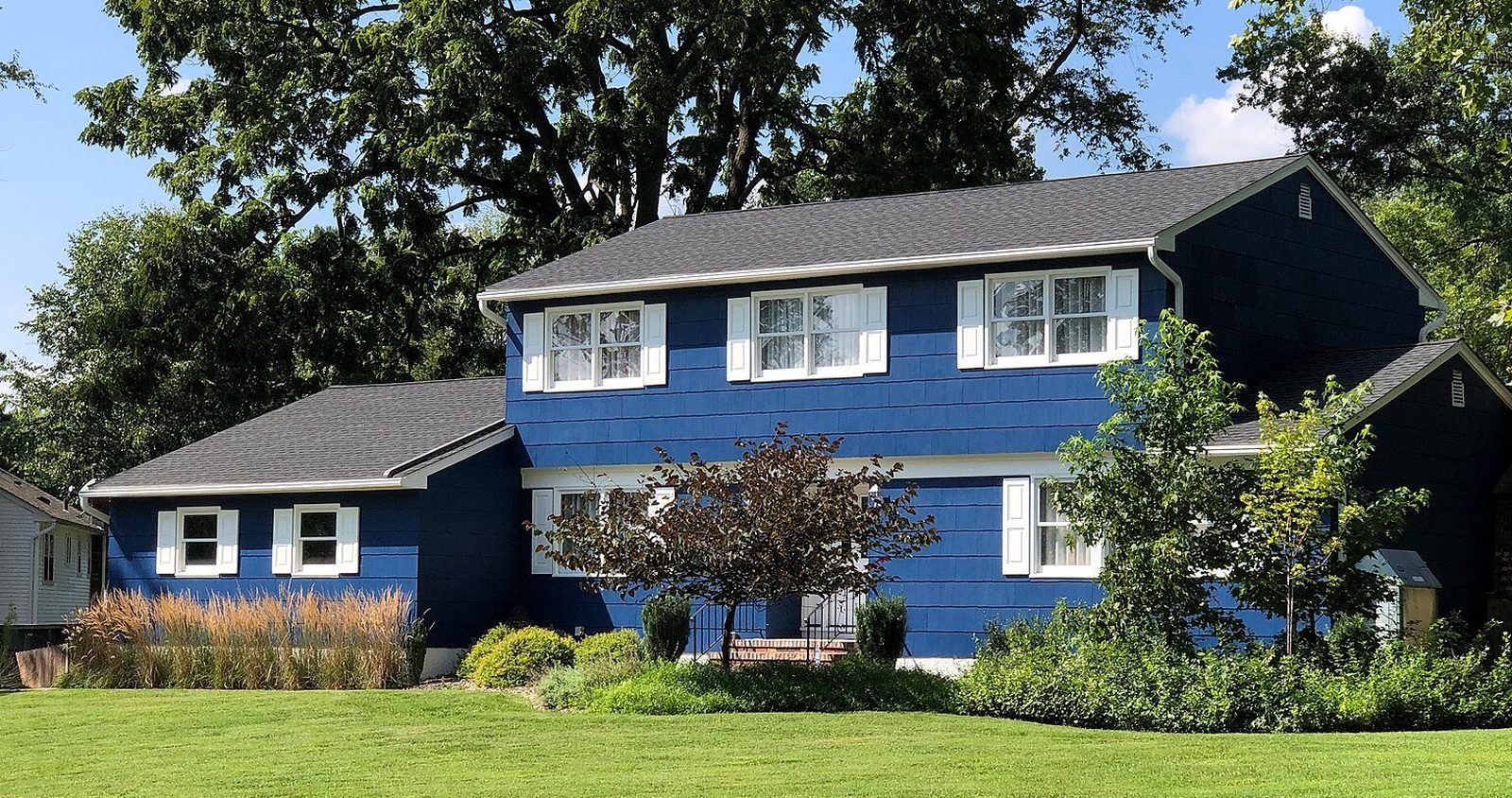
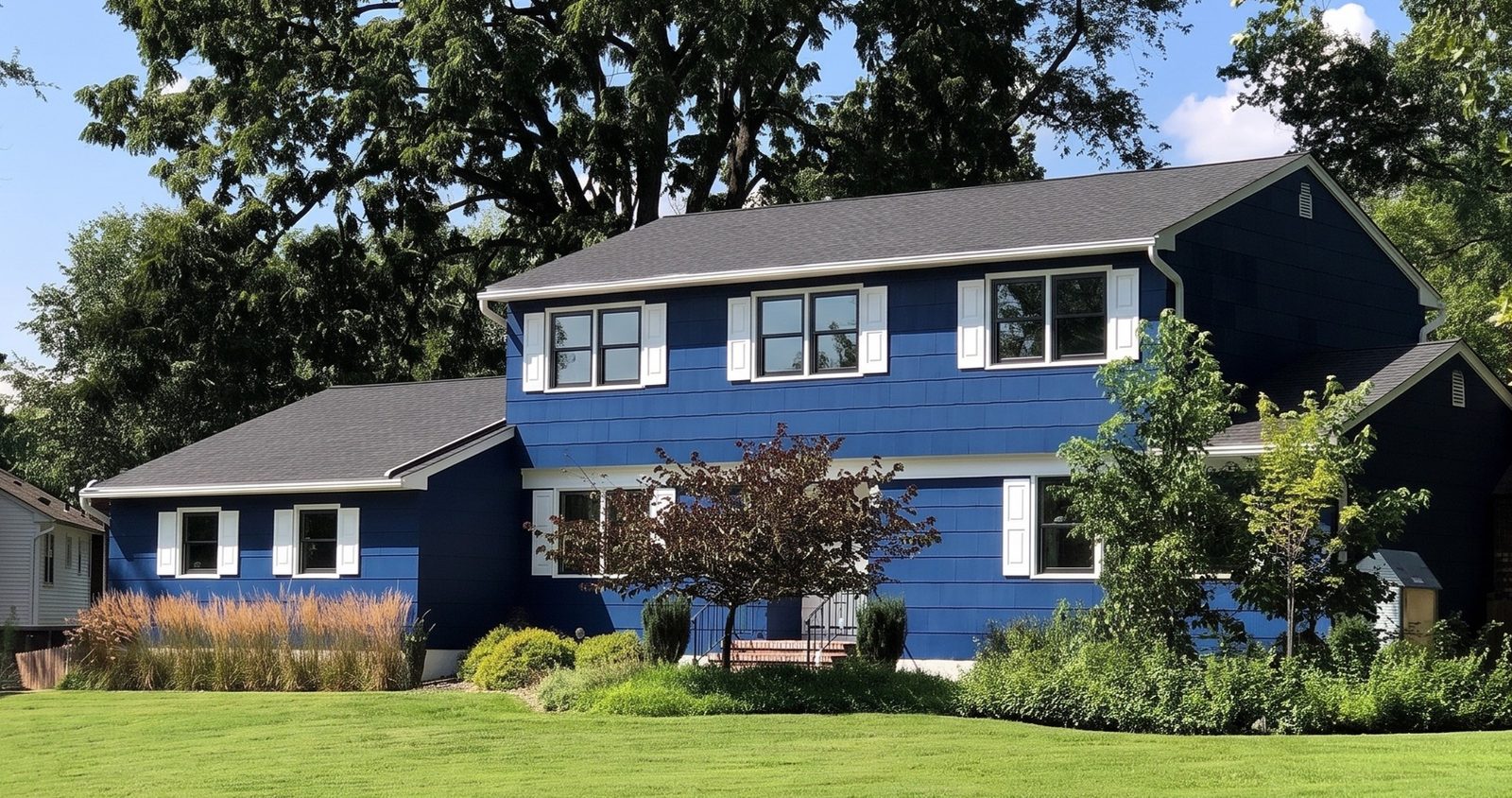
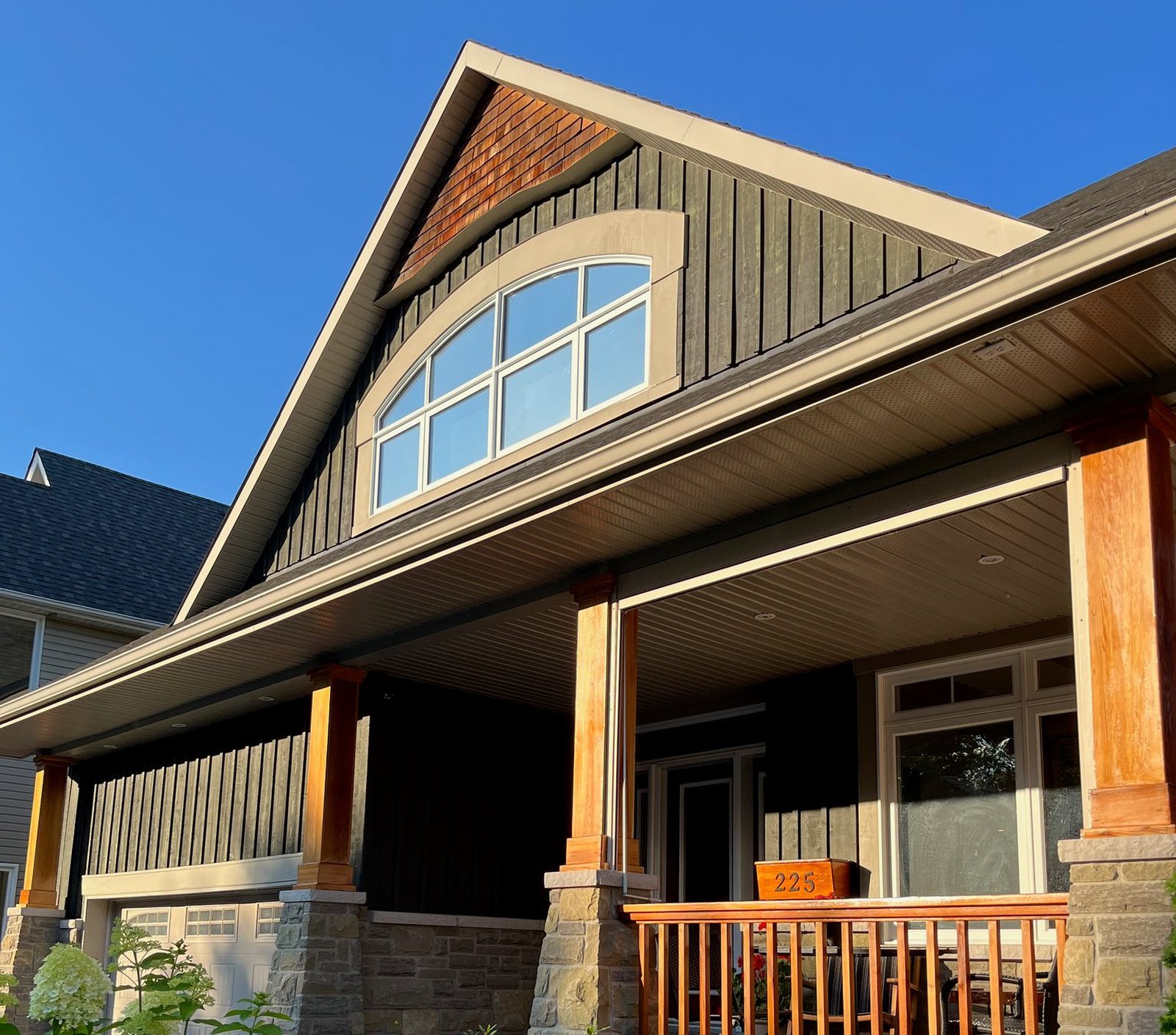
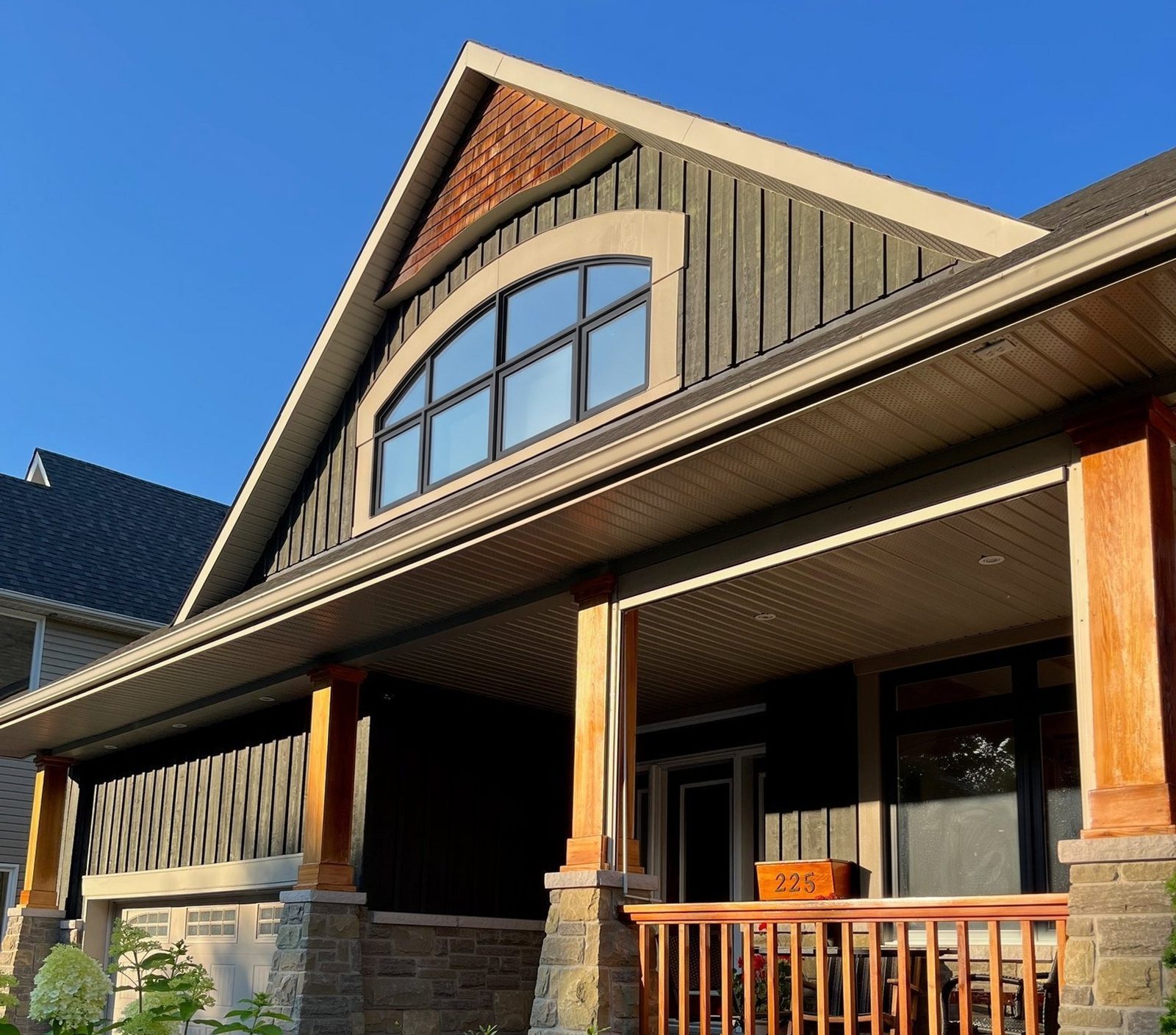
In the first reply to a lead. Ask for a photo of the front, render the frames they mentioned and send it with your callback. The homeowner gets something they want to look at, and your text stands apart from the other companies they sent forms to.
At a home show booth. Ask a visitor for a photo of their house from their phone, show them the new frames on it in 30 seconds, and text it to them if they'd like a copy. You leave with a name, a number and a reason to call.
In posts, labelled as renders. A real photo of a local house next to a render of the same house in black frames makes a good post for social media, Nextdoor or a mailer, as long as the homeowner agreed and the caption says it's a render, not a finished job.