Where should a window company start with SEO?
With whatever brings calls soonest. A homeowner looking for an installer searches with a town in mind, or types "near me," and Google answers with a map of local businesses. Getting into that map is the first job. The website does the slower work underneath it, and paid channels such as Facebook ads for window companies buy attention while it builds.
Here's the order to work in. Each step makes the next one count for more.
SEO for a window company, in order
1. Google Business Profile
- What to do
- Claim and verify it, pick the right categories, set your service area, list your services, add hours and real job photos
- Why it comes here
- It's what shows in the map, and it costs nothing
2. Reviews
- What to do
- Ask every customer on install day and reply to every review
- Why it comes here
- They feed prominence, one of the three things Google says local results rest on1, and homeowners read them before they call
3. Service pages
- What to do
- One page per service you sell, with your own photos and real details
- Why it comes here
- Gives homeowners and search engines something specific to match a search to
4. Town pages
- What to do
- Only for towns where you have jobs and something particular to say
- Why it comes here
- Thin copies of one page don't help anyone
5. Listings
- What to do
- The same name, address and phone on your site, your profile, the directories you use and your manufacturer's dealer locator
- Why it comes here
- Mismatched details confuse homeowners and search engines alike
6. Local links
- What to do
- Sponsorships, suppliers, trade groups, local news about a project
- Why it comes here
- Earned through real local relationships, never bought in bulk
| Step | What to do | Why it comes here |
|---|---|---|
| 1. Google Business Profile | Claim and verify it, pick the right categories, set your service area, list your services, add hours and real job photos | It's what shows in the map, and it costs nothing |
| 2. Reviews | Ask every customer on install day and reply to every review | They feed prominence, one of the three things Google says local results rest on1, and homeowners read them before they call |
| 3. Service pages | One page per service you sell, with your own photos and real details | Gives homeowners and search engines something specific to match a search to |
| 4. Town pages | Only for towns where you have jobs and something particular to say | Thin copies of one page don't help anyone |
| 5. Listings | The same name, address and phone on your site, your profile, the directories you use and your manufacturer's dealer locator | Mismatched details confuse homeowners and search engines alike |
| 6. Local links | Sponsorships, suppliers, trade groups, local news about a project | Earned through real local relationships, never bought in bulk |
How do you set up a Google Business Profile for a window company?
Fill in every field you honestly can and keep it current. Google says the way to rank locally starts with complete, accurate information, a verified location and correct hours1. Field by field, for a window and door installer:
- Name: your real business name as it appears on your sign, trucks and paperwork. Google's guidelines say not to add taglines, or service or town words that aren't part of your real name2.
- Address: if you go to customers' homes and don't see customers at your office, set the profile up as a service-area business and hide the address. A P.O. box, or a mailbox somewhere you want to rank, isn't an acceptable location2.
- Service area: the towns and ZIP codes you actually drive to, not the whole state.
- Categories: type "window" into the category box and pick the primary category that matches the work you do most. For an installer that's the installation category, not a supplier, tinting or cleaning one. Add secondary categories only for what else you really sell, such as doors.
- Services: list each one separately (replacement windows, each frame material you install, entry doors, patio doors), with a sentence or two in your own words.
- Photos: your crews, your trucks and your finished jobs, with the homeowner's OK. Keep renders off the profile: it's where people check what your real work looks like.
- Updates: post a finished job, a new product line or a real install opening now and then, so the profile looks alive.
- Phone: one number that someone answers during the hours you list, the same number that's on your website and trucks.
How do reviews affect a window company's ranking?
They count, and they do double duty. Google says review count and review score factor into local ranking1. Meanwhile the homeowner reading them is deciding whether to let your crew into their house.
The short version: ask every customer in person on install day, text the review link that evening, ask everyone rather than only the ones you expect to be happy, never pay for or write reviews, and reply to every one. The scripts, a review request text and what the FTC's 2024 rule on fake reviews bans3 are in how to get more reviews for a window company.
What pages should a window company website have for SEO?
One page for each thing a homeowner might search for that you actually sell, written by someone who knows the work. Google says its ranking systems are built to put helpful, reliable content made for people ahead of content made to rank4. For a window company, helpful means specific: the brands and lines you install, how you take the old windows out, how long a typical job takes, what the warranty covers, and pictures of houses in your area.
How the site should look and turn visitors into booked estimates is a separate job, covered in window company website.
Pages that earn their place on a window company site
Replacement windows
- What goes on it
- What you install, how a job runs from measure to clean-up, and what moves the price
- Proof to include
- Job photos, the product lines you carry, and your license number if your state issues one. California, for one, requires it in all of a licensed contractor's advertising5; other states set their own rules, so check with your licensing board
One page per frame material
- What goes on it
- Vinyl, fiberglass, wood or clad wood: who each suits, the colors you offer, the upkeep
- Proof to include
- Close-ups from real installs
One page per window style
- What goes on it
- Double-hung, casement, sliders, bay and bow: where each one works in a house
- Proof to include
- Pictures of your own jobs, not only the maker's catalog
Doors
- What goes on it
- Entry and patio doors, if you sell them
- Proof to include
- Finished door jobs
Town pages
- What goes on it
- Only where you have real jobs: the neighborhoods, the housing stock, local permit or HOA notes
- Proof to include
- Jobs in that town, with the homeowners' permission
About and contact
- What goes on it
- Who owns the company, how long you've been at it, where you work, how to book
- Proof to include
- Real team photos and your real address or service area
| Page | What goes on it | Proof to include |
|---|---|---|
| Replacement windows | What you install, how a job runs from measure to clean-up, and what moves the price | Job photos, the product lines you carry, and your license number if your state issues one. California, for one, requires it in all of a licensed contractor's advertising5; other states set their own rules, so check with your licensing board |
| One page per frame material | Vinyl, fiberglass, wood or clad wood: who each suits, the colors you offer, the upkeep | Close-ups from real installs |
| One page per window style | Double-hung, casement, sliders, bay and bow: where each one works in a house | Pictures of your own jobs, not only the maker's catalog |
| Doors | Entry and patio doors, if you sell them | Finished door jobs |
| Town pages | Only where you have real jobs: the neighborhoods, the housing stock, local permit or HOA notes | Jobs in that town, with the homeowners' permission |
| About and contact | Who owns the company, how long you've been at it, where you work, how to book | Real team photos and your real address or service area |
Can you use renders on your website and Google profile?
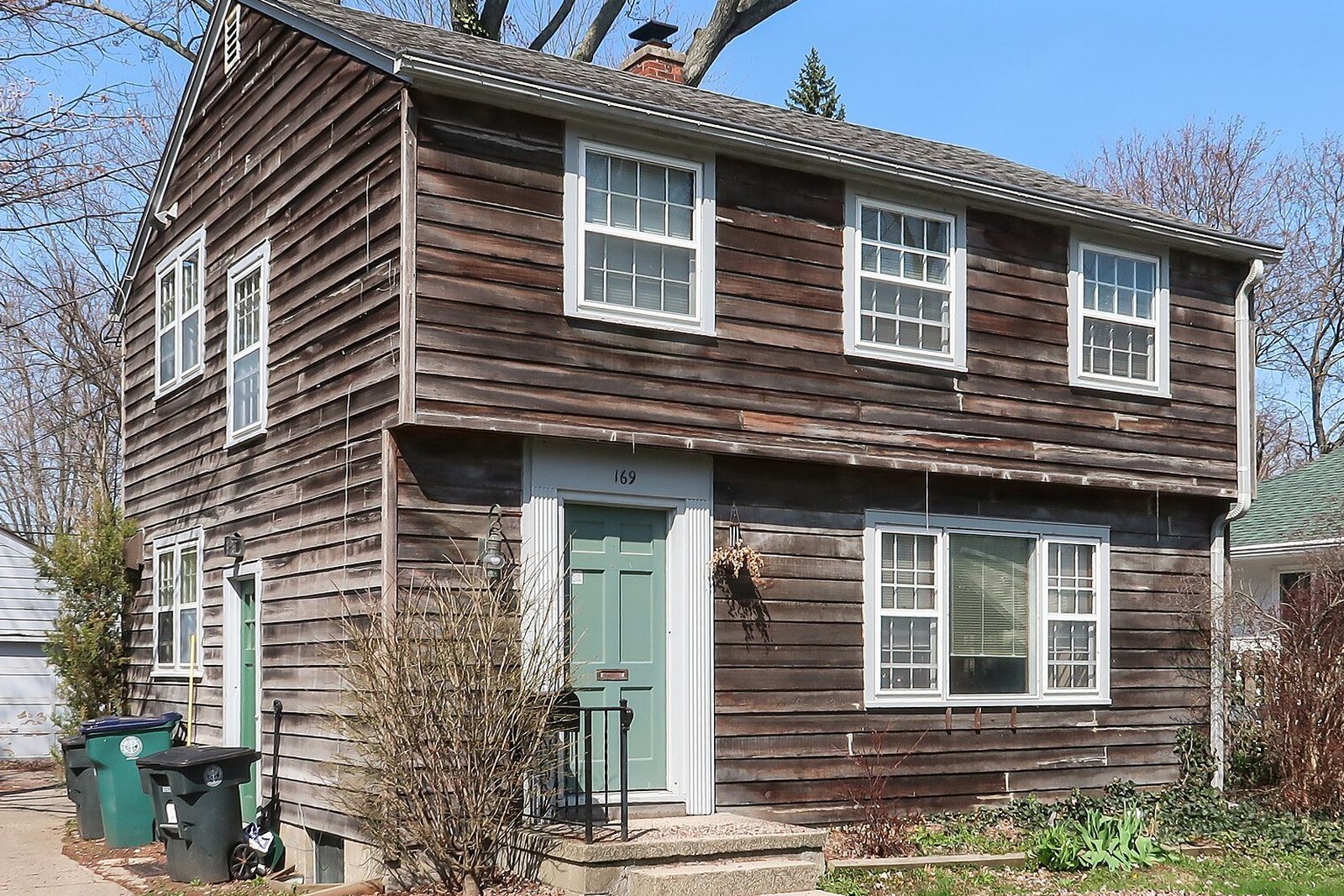
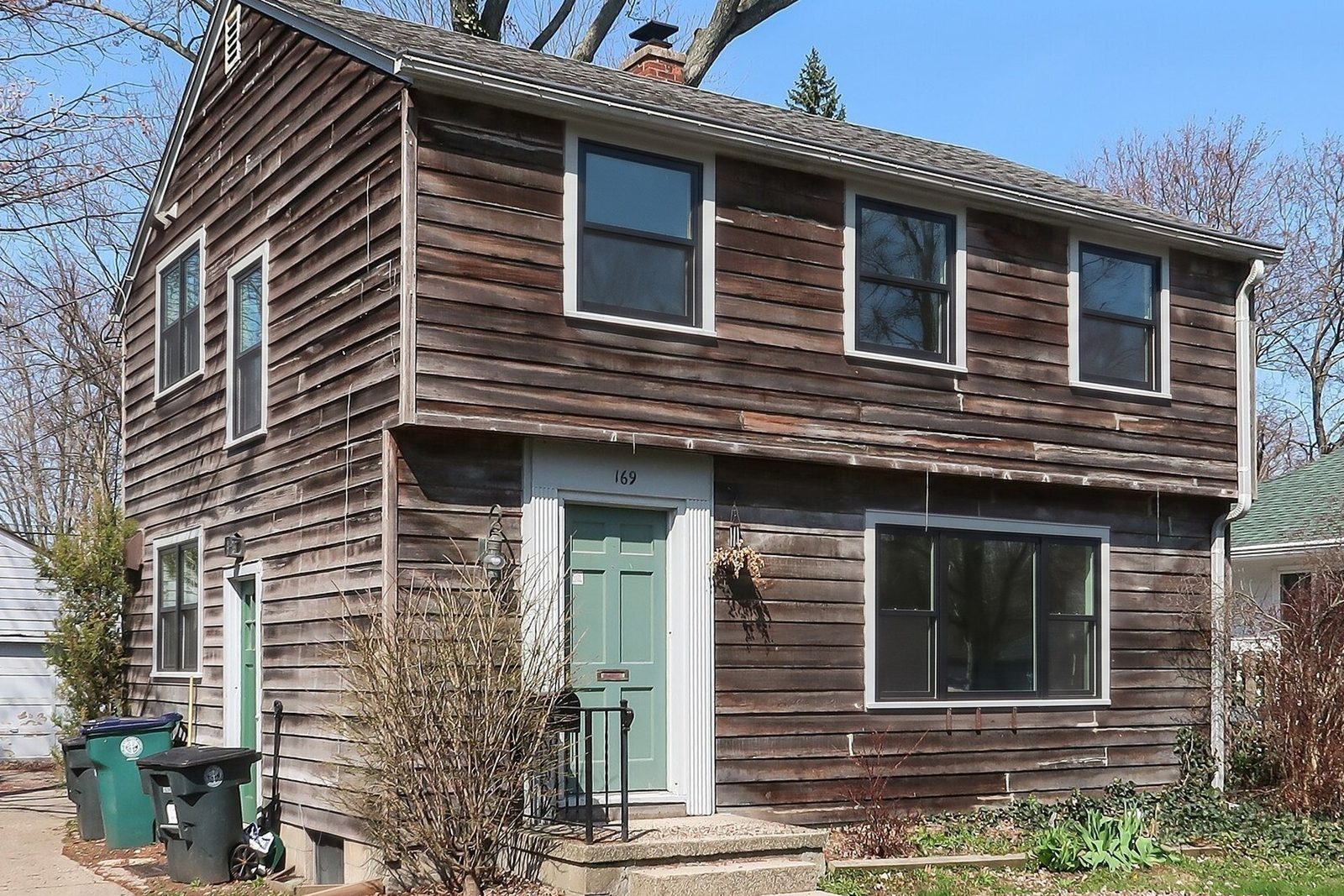
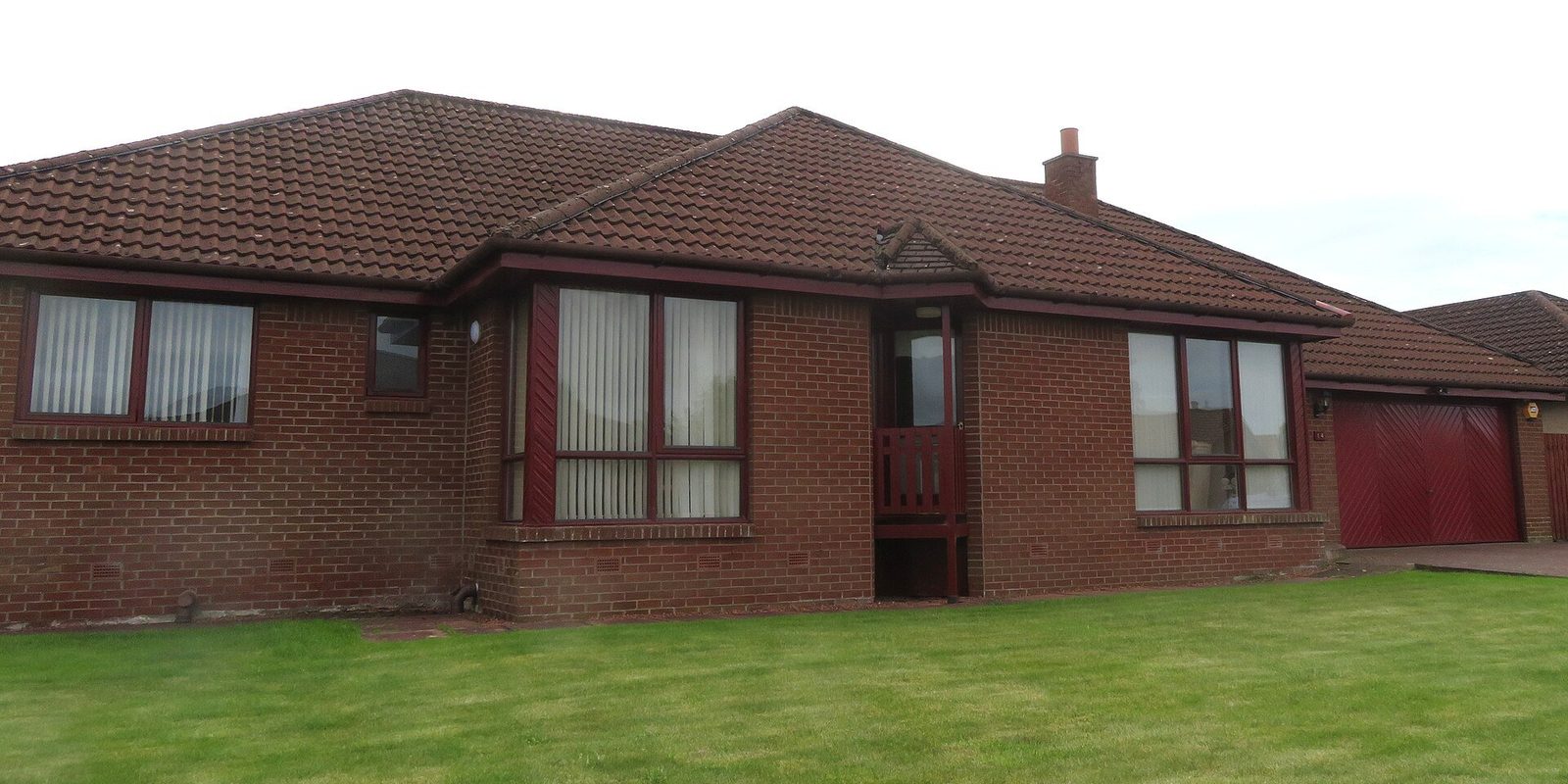
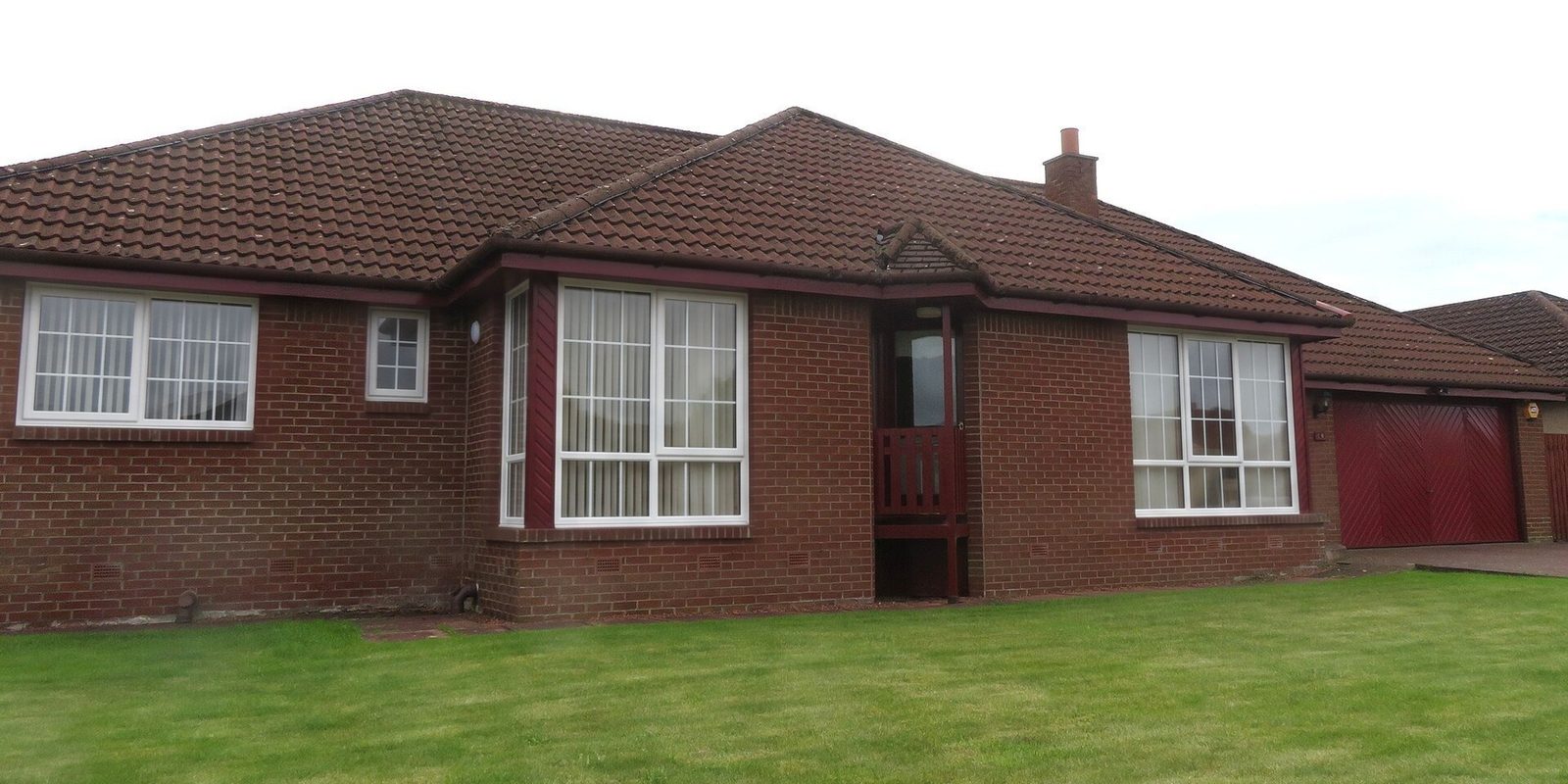
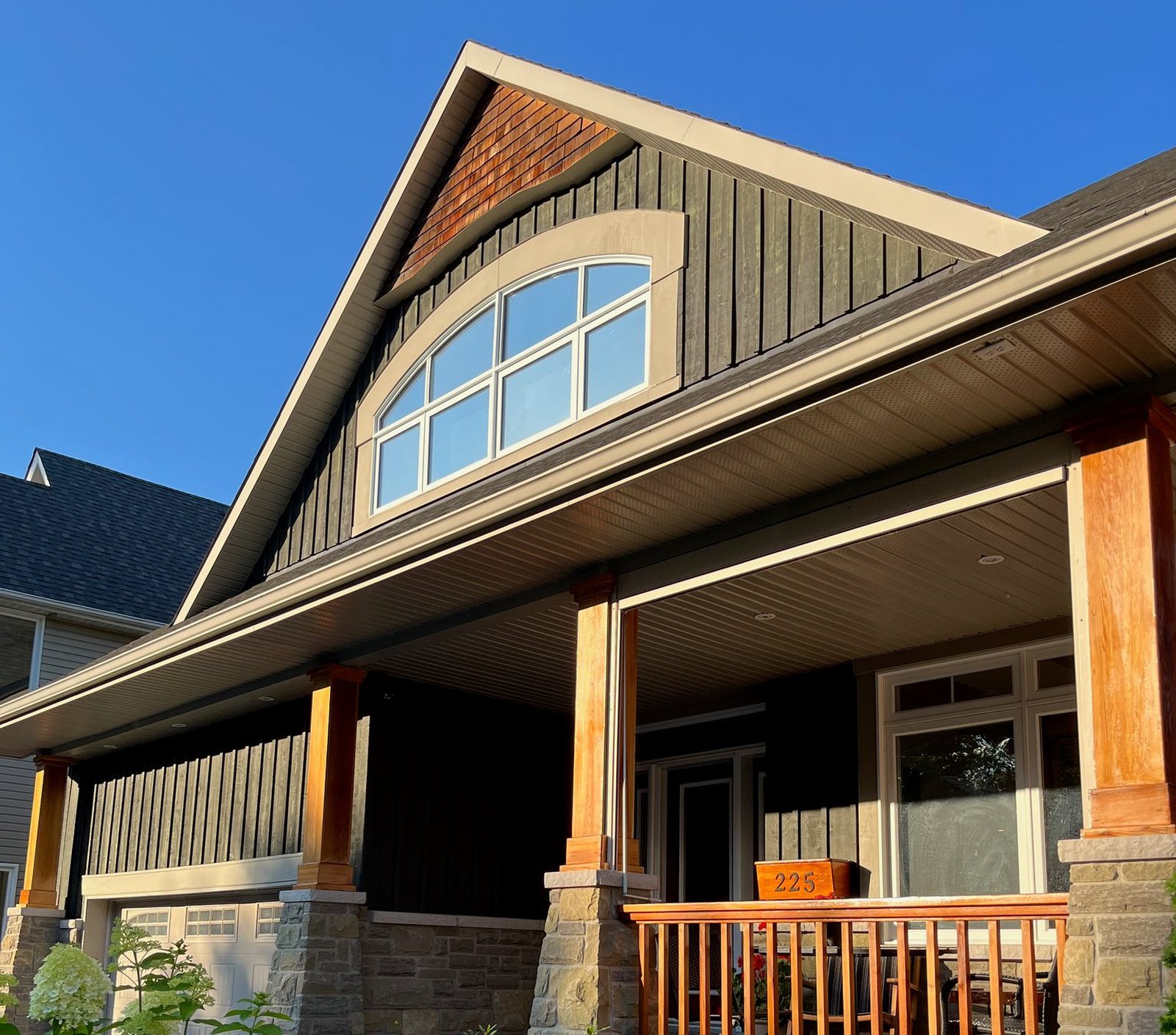
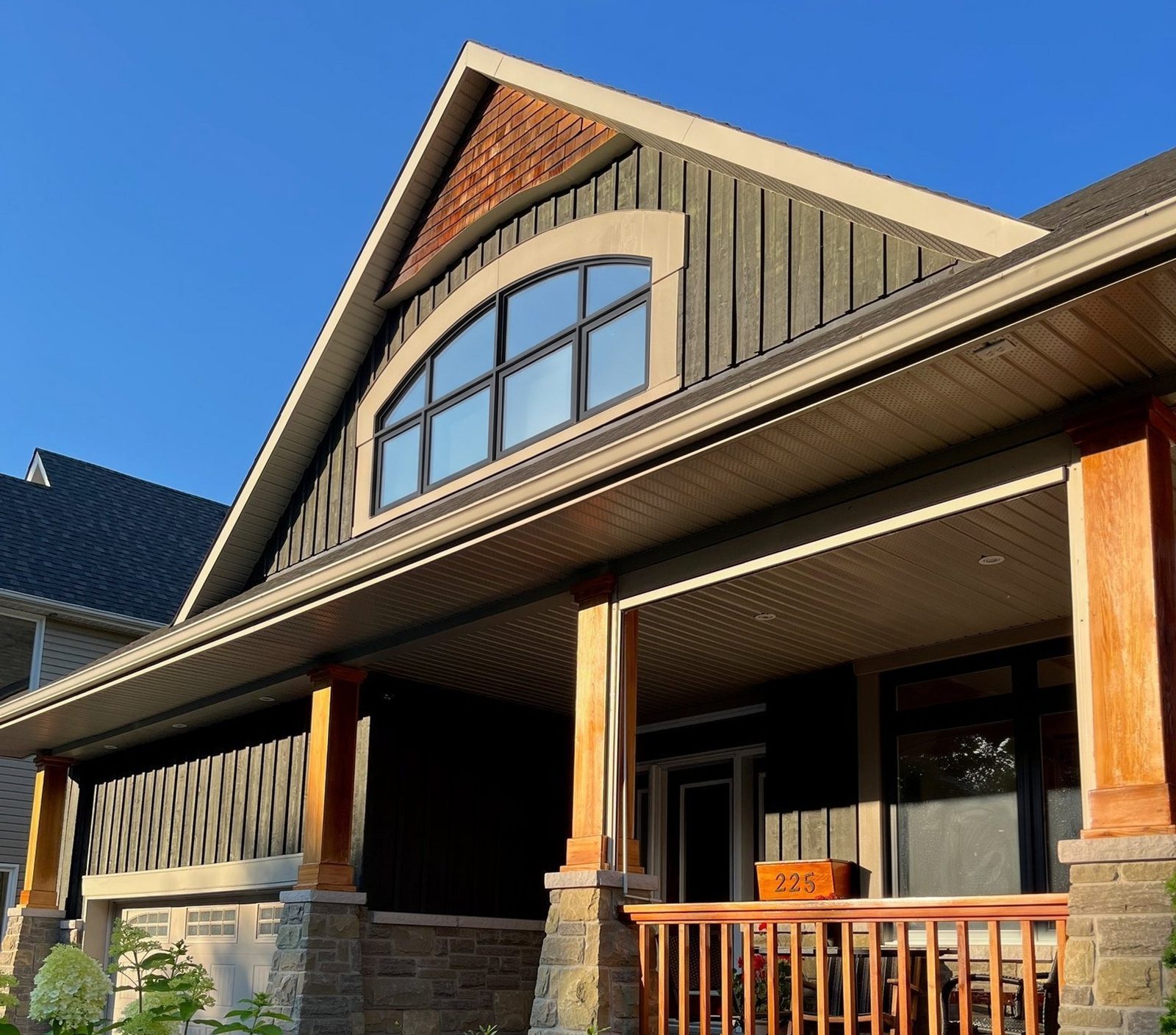
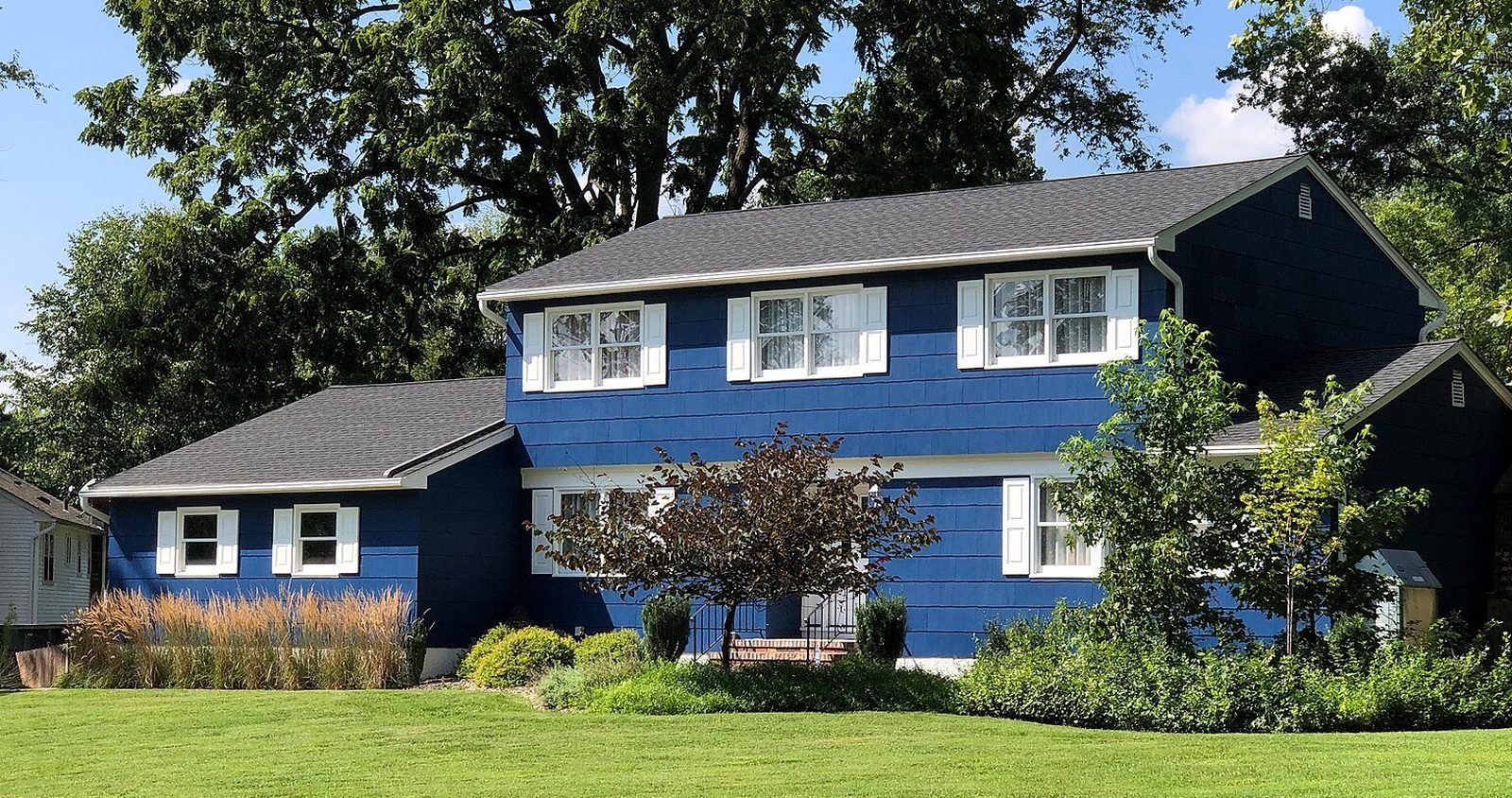
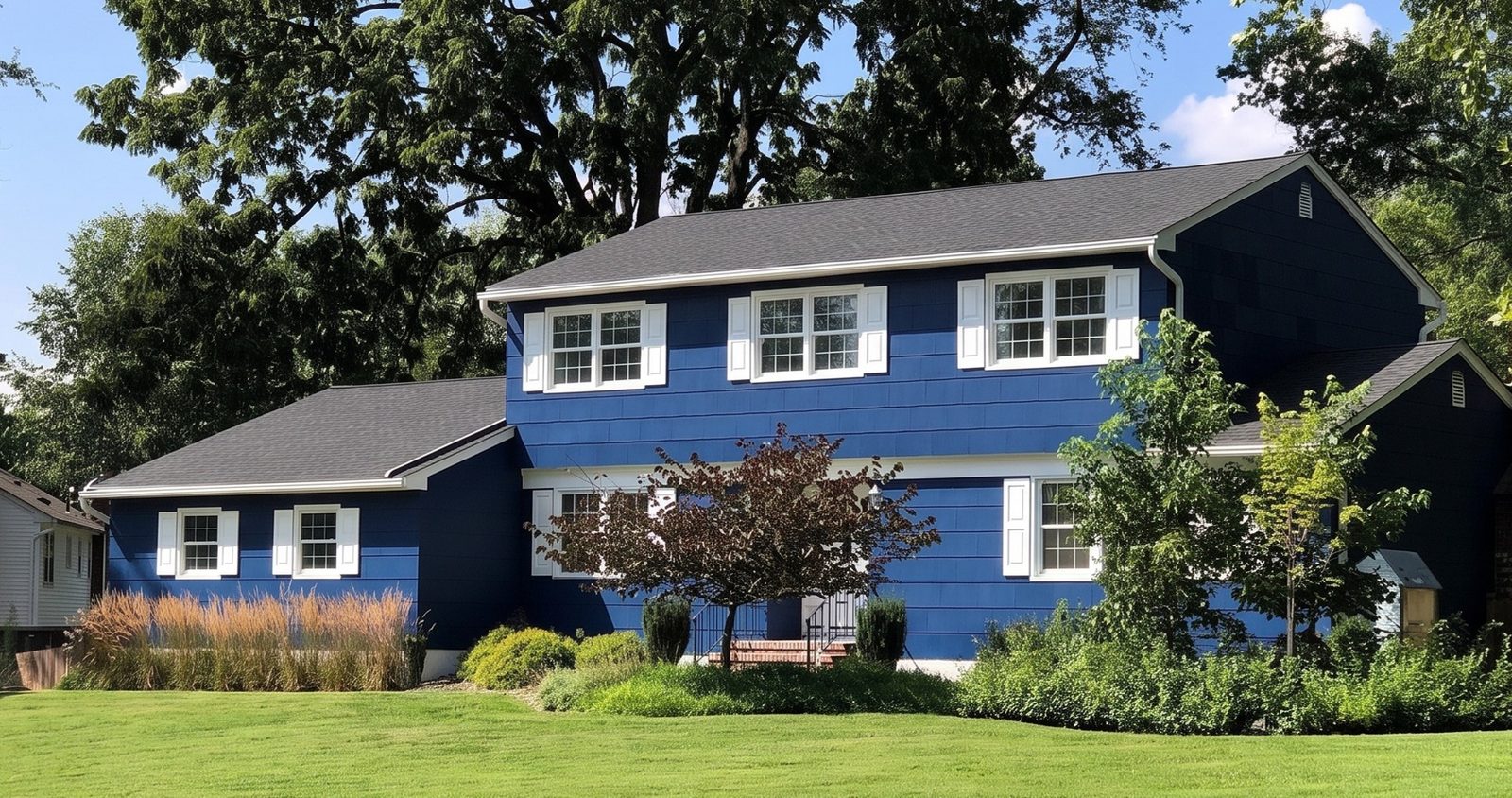
On your website, yes, labelled. A render is a fair way to show what a frame color or grille pattern does to a house, and to invite homeowners to send a photo of their own. It is not proof of your workmanship, so it never goes in an "our work" gallery, on a past-jobs page, or anywhere it could pass for an install. The FTC says claims in ads must be truthful and not deceptive6, and your website is advertising.
On your Google Business Profile, no. That's where homeowners look at your real jobs, so post finished work there.
Real job pictures do the heavy lifting for trust and for search: the same angle before and after, the street in view, the homeowner's permission in writing. Give each file a name and alt text that say what it shows, such as "black vinyl double-hung windows on a brick ranch in [town]."
Captions for a render on your site
Render: this house with white frames and colonial grids, made from one photo. A preview of the look, not a finished job.
Want to see your own house like this? Send us a photo of the front and we'll show you at your free estimate.
Keep the word "render" on the image or right under it, where nobody can miss it.
How do you tell if SEO is bringing in window jobs?
Count booked estimates and sold jobs from search, not rankings. Rankings move around by street and by device, and a high spot for a phrase nobody in your towns types pays nothing.
Three habits make the numbers real. Ask every caller and every form "How did you find us?" and write the answer on the lead, all the way to the signed contract. Add a tracking tag to the website link on your Business Profile (for example, end the link with ?utm_source=google&utm_medium=business-profile), so visits from the map show up apart from other search visits in your website analytics. And look at the same few numbers on the same day every month, so you see the trend instead of a lucky week. The full set of sales numbers worth tracking is in window sales metrics.
SEO numbers a window company should check every month
Calls and website clicks from your profile
- Where to find it
- The performance numbers in your Business Profile
- What it tells you
- Whether the map is sending people to you
Searches and clicks to your site
- Where to find it
- Google Search Console
- What it tells you
- Which services and towns people find you for, and which pages they land on
Leads that say they found you on Google
- Where to find it
- Your own lead sheet
- What it tells you
- Whether search turns into conversations
Estimates booked and jobs sold from search
- Where to find it
- Your lead sheet, carried to the contract
- What it tells you
- Whether SEO pays, compared with ads and referrals
New reviews this month
- Where to find it
- Your Business Profile
- What it tells you
- Whether the install-day ask happens on every job
| Number | Where to find it | What it tells you |
|---|---|---|
| Calls and website clicks from your profile | The performance numbers in your Business Profile | Whether the map is sending people to you |
| Searches and clicks to your site | Google Search Console | Which services and towns people find you for, and which pages they land on |
| Leads that say they found you on Google | Your own lead sheet | Whether search turns into conversations |
| Estimates booked and jobs sold from search | Your lead sheet, carried to the contract | Whether SEO pays, compared with ads and referrals |
| New reviews this month | Your Business Profile | Whether the install-day ask happens on every job |
What SEO mistakes do window companies make?
Most of them are shortcuts that worked for somebody once. Here are the common ones, then the questions to ask before you hire anyone to do this for you.
- Copy-paste town pages. Pages that differ only in the town name are what Google's spam policies warn about: its examples of doorway abuse include pages targeted at specific regions or cities that funnel users to one page, and substantially similar pages7. Write a town page only when you have something real to say about that town.
- Keywords stuffed into the business name, like "[Company] Windows Doors Replacement Cheap," which Google's naming guidelines rule out2.
- A mailbox or P.O. box in a town you want to show up in, which isn't an acceptable location under the same guidelines2.
- Stock photos or the manufacturer's pictures presented as your jobs.
- Buying fake reviews, which the FTC's rule bans3, or buying links in bulk from sites that have nothing to do with your town or your trade.
- Hiring whoever promises the top spot. Google's own page on whether you need an SEO says no one can promise a top ranking on Google, warns about SEO firms that contact you out of the blue, and suggests asking for examples of past work and how they measure success8.
- Setting the profile up once and leaving it: old hours, holiday closures nobody entered, the same five photos for years, last week's bad review with no reply.
Questions to ask an SEO agency before you sign
What will you do in the first three months?
- A good answer sounds like
- Specific work on your profile, your service pages and your review process, in that order
How will we measure it?
- A good answer sounds like
- Calls, form fills and booked estimates from search and the map, month by month, not rankings for words nobody types
Who writes the pages?
- A good answer sounds like
- Someone who interviews you and your installers, not a template with your town dropped in
How do you get links?
- A good answer sounds like
- Local sponsorships, suppliers, trade groups and press, never bought packages
Will you show me every change you make to the site, and why?
- A good answer sounds like
- Yes, in writing. Google's own hiring advice suggests asking exactly this8
What happens if we leave?
- A good answer sounds like
- You keep the website, the profile, the content and every login
| Ask | A good answer sounds like |
|---|---|
| What will you do in the first three months? | Specific work on your profile, your service pages and your review process, in that order |
| How will we measure it? | Calls, form fills and booked estimates from search and the map, month by month, not rankings for words nobody types |
| Who writes the pages? | Someone who interviews you and your installers, not a template with your town dropped in |
| How do you get links? | Local sponsorships, suppliers, trade groups and press, never bought packages |
| Will you show me every change you make to the site, and why? | Yes, in writing. Google's own hiring advice suggests asking exactly this8 |
| What happens if we leave? | You keep the website, the profile, the content and every login |
Where the render fits in SEO
Right after the search, not in place of your job photos. When a homeowner finds you on Google and calls or fills in your form, ask for a photo of the front of the house and reply with a render of it in the look they asked about. A search lead turns into a conversation about their own house before you've driven anywhere.
On a frame color or grille page, a labelled render of one house in two looks, say black frames and white with grids, answers what the words can't. Keep it labelled, keep it off your Google profile, and let your finished jobs be the proof.