How do ChatGPT and Google decide which window companies to name?
There's no list of good window companies to get onto. When a homeowner asks "who replaces windows near me" or "is fiberglass worth it" and the engine searches the web, it reads the pages it finds, writes a summary and links some of its sources. You get named when your pages are in the index it searches, answer the question plainly, and other sites back up what you say.
Each engine has its own way in. Google says a page must be indexed and eligible to show a snippet in Google Search to appear as a supporting link in its answer features1. OpenAI says its crawler OAI-SearchBot is what surfaces and links websites in ChatGPT's search features, and recommends allowing it in robots.txt2. Perplexity says the same about PerplexityBot3. For "near me" questions your Google Business Profile matters too: Google says its local results rest mainly on relevance, distance and prominence4.
Check one more thing with whoever runs your site. Some security plugins and firewall settings block unfamiliar crawlers by default, and a robots.txt that says yes does nothing if the firewall says no.
Make sure each engine can find you
Google search and its overview answers
- What to check
- Your key pages are indexed and nothing blocks their snippets1
- Where to check it
- Google Search Console: the Pages report and URL Inspection
Google Maps and local results
- What to check
- A verified Business Profile with the right category, hours, service area and photos4
- Where to check it
- Your Business Profile
ChatGPT search
- What to check
- robots.txt allows OAI-SearchBot2
- Where to check it
- yourdomain.com/robots.txt
Perplexity
- What to check
- robots.txt allows PerplexityBot3
- Where to check it
- yourdomain.com/robots.txt
Bing
- What to check
- The site is verified and your sitemap is submitted
- Where to check it
- Bing Webmaster Tools
| Engine | What to check | Where to check it |
|---|---|---|
| Google search and its overview answers | Your key pages are indexed and nothing blocks their snippets1 | Google Search Console: the Pages report and URL Inspection |
| Google Maps and local results | A verified Business Profile with the right category, hours, service area and photos4 | Your Business Profile |
| ChatGPT search | robots.txt allows OAI-SearchBot2 | yourdomain.com/robots.txt |
| Perplexity | robots.txt allows PerplexityBot3 | yourdomain.com/robots.txt |
| Bing | The site is verified and your sitemap is submitted | Bing Webmaster Tools |
robots.txt lines that let the two search crawlers in
User-agent: OAI-SearchBot
Allow: /
User-agent: PerplexityBot
Allow: /
Ask whoever runs your site to add these to robots.txt, then open yourdomain.com/robots.txt on your phone to check they're there. Look out for "User-agent: *" followed by "Disallow: /": that shuts out every crawler without a group of its own in the file, Google's included. To keep your pages out of model training without leaving search, see the GPTBot question below.
What makes a page easy for an answer engine to quote?
Write each page so the answer can be lifted out whole. An engine pulls a sentence or a table row, not your company story, so put the answer where it's easy to find and easy to trust.
Page checklist for a window company site
Answer first
- What it looks like on your site
- The question is the heading, and the first one or two sentences answer it. The detail comes after.
One question per section
- What it looks like on your site
- "How long does window installation take?" gets its own section, not a line buried on the About page.
Question headings
- What it looks like on your site
- Headings the way homeowners ask: "Do you install windows in winter?" rather than "Seasonal services."
Tables for comparisons
- What it looks like on your site
- Frame materials, grille options or what an install includes, in rows and columns.
Dated numbers from your own jobs
- What it looks like on your site
- "In 2025 most of our installs took [number] days from order to finish" beats "fast installs." Put the year next to every number.
A visible updated date
- What it looks like on your site
- Show when the page was last checked, and change the date only when the content changes.
Real text, not pictures of text
- What it looks like on your site
- Prices, warranties and service areas typed on the page, not locked inside a flyer image or a PDF.
Who's behind it
- What it looks like on your site
- The owner's name, your license number and your address or service area.
Fast on a phone
- What it looks like on your site
- Open the page on your own phone on mobile data. If you're waiting, so is everyone else.
| Check | What it looks like on your site |
|---|---|
| Answer first | The question is the heading, and the first one or two sentences answer it. The detail comes after. |
| One question per section | "How long does window installation take?" gets its own section, not a line buried on the About page. |
| Question headings | Headings the way homeowners ask: "Do you install windows in winter?" rather than "Seasonal services." |
| Tables for comparisons | Frame materials, grille options or what an install includes, in rows and columns. |
| Dated numbers from your own jobs | "In 2025 most of our installs took [number] days from order to finish" beats "fast installs." Put the year next to every number. |
| A visible updated date | Show when the page was last checked, and change the date only when the content changes. |
| Real text, not pictures of text | Prices, warranties and service areas typed on the page, not locked inside a flyer image or a PDF. |
| Who's behind it | The owner's name, your license number and your address or service area. |
| Fast on a phone | Open the page on your own phone on mobile data. If you're waiting, so is everyone else. |
An answer-first section, ready to fill in
Heading: How much do replacement windows cost in [town]?
First lines: Most of our [town] window replacements in [year] came to between [low] and [high] per window, installed, depending on frame material, size and grilles. A whole-house job usually runs [range].
Then: a table by frame material, what the price includes (removal, trim, cleanup, warranty) and what can push it up, like rot repair or a custom shape.
Last line: how to get an exact price, and how long the estimate visit takes.
Use real ranges from your own invoices and put the year on them. When your prices change, change the page and its date.
Which homeowner questions should your website answer?
Start with what your reps hear at the table and the office hears on the phone. Every one of those questions was typed into a search box, or asked of a chatbot, by someone before they called anyone.
Link these pages the way a homeowner moves between them: cost to materials, materials to colors, colors to your gallery. How each page fits the rest of your site is in window company website.
Questions worth their own page or section
How much do replacement windows cost in [town]?
- Where to answer it
- A cost page
- What makes the answer worth quoting
- Your own price ranges, dated, and what moves them
Vinyl or fiberglass?
- Where to answer it
- A frame materials page
- What makes the answer worth quoting
- A side-by-side table of the lines you sell, the colors each comes in, and which costs more with you
Do black windows cost more?
- Where to answer it
- Your colors page
- What makes the answer worth quoting
- Which of your lines offer black, inside and out, and what it adds to a job with you
How long does installation take?
- Where to answer it
- A how-it-works page
- What makes the answer worth quoting
- Each step from measure to install day, with your usual lead time and the date you checked it
Do you install in winter?
- Where to answer it
- A seasonal page or FAQ
- What makes the answer worth quoting
- How your crews protect the house in the cold, step by step
Which brands do you carry?
- Where to answer it
- A brands page
- What makes the answer worth quoting
- The lines you actually sell, linked to the makers
Are you licensed and insured?
- Where to answer it
- The footer and About page
- What makes the answer worth quoting
- Your license number and the state that issued it
| Homeowners ask | Where to answer it | What makes the answer worth quoting |
|---|---|---|
| How much do replacement windows cost in [town]? | A cost page | Your own price ranges, dated, and what moves them |
| Vinyl or fiberglass? | A frame materials page | A side-by-side table of the lines you sell, the colors each comes in, and which costs more with you |
| Do black windows cost more? | Your colors page | Which of your lines offer black, inside and out, and what it adds to a job with you |
| How long does installation take? | A how-it-works page | Each step from measure to install day, with your usual lead time and the date you checked it |
| Do you install in winter? | A seasonal page or FAQ | How your crews protect the house in the cold, step by step |
| Which brands do you carry? | A brands page | The lines you actually sell, linked to the makers |
| Are you licensed and insured? | The footer and About page | Your license number and the state that issued it |
What should your Google Business Profile show?
A homeowner asking for a window company near them is asking a local question, and your Business Profile is the record Google keeps about you. Google's tips for its local results are short: complete information, a verified location, accurate hours, reviews you respond to, and photos. It also says review count and review score factor into local ranking4. The field-by-field setup for a window installer is in SEO for window companies.
For answer engines, three things matter on top of that setup:
- The same business name, phone, service towns and services on your profile, your website and every directory. When your sources agree, a summary has nothing to trip over.
- Services in the words homeowners use when they ask, such as "replacement windows, vinyl and fiberglass, black or white frames," rather than your manufacturer's product codes.
- A website link that goes to the page that answers what the profile can't, like your cost page. Answer every review too, the bad ones calmly; getting more of them is in how to get more reviews for a window company.
How do you get other websites to mention your window company?
Google says prominence in its local results draws on what it knows about a business from across the web, such as links, articles and directories4. The answer engines read the same web. Get your company named, accurately, in the places homeowners and local reporters already look.
Don't manufacture any of it. The FTC's 2024 rule on fake reviews bans, among other things, reviews that misrepresent who wrote them and undisclosed reviews by company insiders5. Staff shouldn't review the company they work for, and when they answer questions online they should say who they work for. This is general information, not legal advice; check your state's rules and your lawyer.
Places to get named, and how
Your manufacturer's dealer locator
- How to get there
- Ask your rep to list you, with your real service area and website.
Local directories and the chamber of commerce
- How to get there
- One listing each, with the same name, address and phone as your site.
Home improvement directories homeowners use
- How to get there
- A complete profile with photos of your own jobs, kept current.
Local news and community sites
- How to get there
- A story with a reason behind it: new windows donated to a family in need, a new showroom, a hiring push.
Partners' websites
- How to get there
- Realtors, builders and remodelers you work with can list you as their window installer.
Neighborhood groups and forums
- How to get there
- Answer window questions as yourself, with your company named. Never post as a customer.
| Where | How to get there |
|---|---|
| Your manufacturer's dealer locator | Ask your rep to list you, with your real service area and website. |
| Local directories and the chamber of commerce | One listing each, with the same name, address and phone as your site. |
| Home improvement directories homeowners use | A complete profile with photos of your own jobs, kept current. |
| Local news and community sites | A story with a reason behind it: new windows donated to a family in need, a new showroom, a hiring push. |
| Partners' websites | Realtors, builders and remodelers you work with can list you as their window installer. |
| Neighborhood groups and forums | Answer window questions as yourself, with your company named. Never post as a customer. |
What should a window company avoid?
- Blocking the crawlers you want. Check robots.txt and the firewall after every site rebuild or plugin change.
- Hundreds of near-identical town pages. Google's spam policies call generating many pages mainly to manipulate rankings scaled content abuse, however the pages are made6. Write a town page only where you have real jobs and something specific to say. More in SEO for window companies.
- Paying for a special file or markup package sold as the fix. Google says its answer features need no special optimization beyond normal SEO1. An llms.txt file is cheap to add, but it won't do the work of good pages.
- Answers that live only in images, PDFs or a chat widget. If a crawler can't read the text, it can't quote it.
- Prices and claims you won't stand behind. A number an answer engine repeats is still your claim, and energy savings claims need proof: see window energy savings claims.
- Anyone who promises to make you the company ChatGPT recommends. Nobody can promise what an answer engine will say next month.
How do you check whether answer engines mention your company?
Once a quarter, ask the same questions and write down what comes back. Answers change with the person, the place and the day, so look for a trend over several checks rather than reading much into one result.
A quarterly check that takes about an hour
1. Pick ten questions
- What to do
- Five local ones ("best window replacement company in [town]") and five product ones your site answers ("vinyl or fiberglass windows in [state]").
2. Ask each engine
- What to do
- ChatGPT, Perplexity, Google and Microsoft Copilot, in a private browser window, with your town in the question.
3. Log it
- What to do
- One row per question per engine: the date, whether you were named, which competitors were, and which sites were linked.
4. Follow the links
- What to do
- The sites the engines cite for your town are the ones to get listed on or mentioned by.
5. Ask your leads
- What to do
- Add "asked ChatGPT or another chatbot" to the office's how-did-you-hear list.
6. Check the indexes
- What to do
- Google Search Console and Bing Webmaster Tools, for pages that dropped out.
| Step | What to do |
|---|---|
| 1. Pick ten questions | Five local ones ("best window replacement company in [town]") and five product ones your site answers ("vinyl or fiberglass windows in [state]"). |
| 2. Ask each engine | ChatGPT, Perplexity, Google and Microsoft Copilot, in a private browser window, with your town in the question. |
| 3. Log it | One row per question per engine: the date, whether you were named, which competitors were, and which sites were linked. |
| 4. Follow the links | The sites the engines cite for your town are the ones to get listed on or mentioned by. |
| 5. Ask your leads | Add "asked ChatGPT or another chatbot" to the office's how-did-you-hear list. |
| 6. Check the indexes | Google Search Console and Bing Webmaster Tools, for pages that dropped out. |
Where the render fits
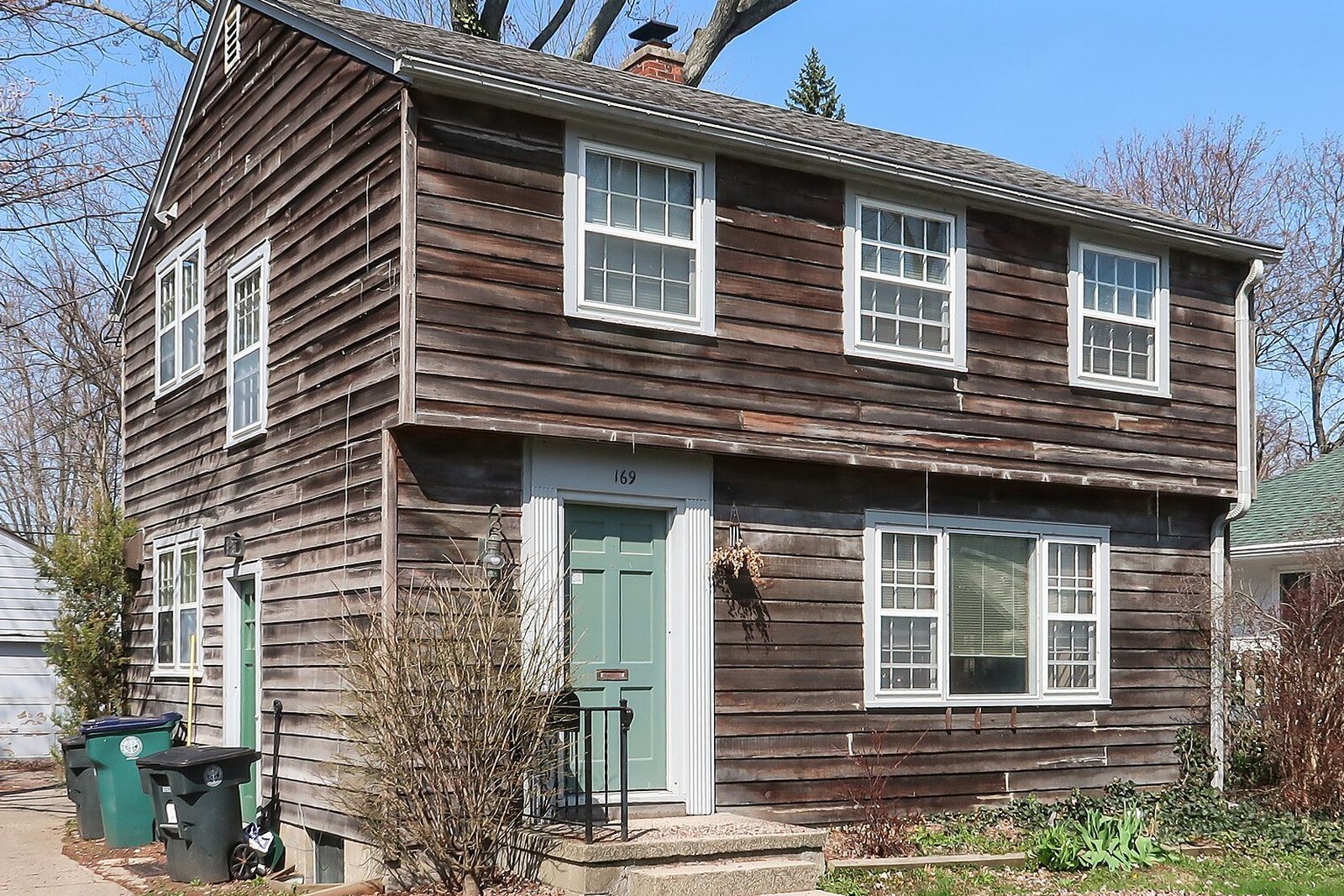
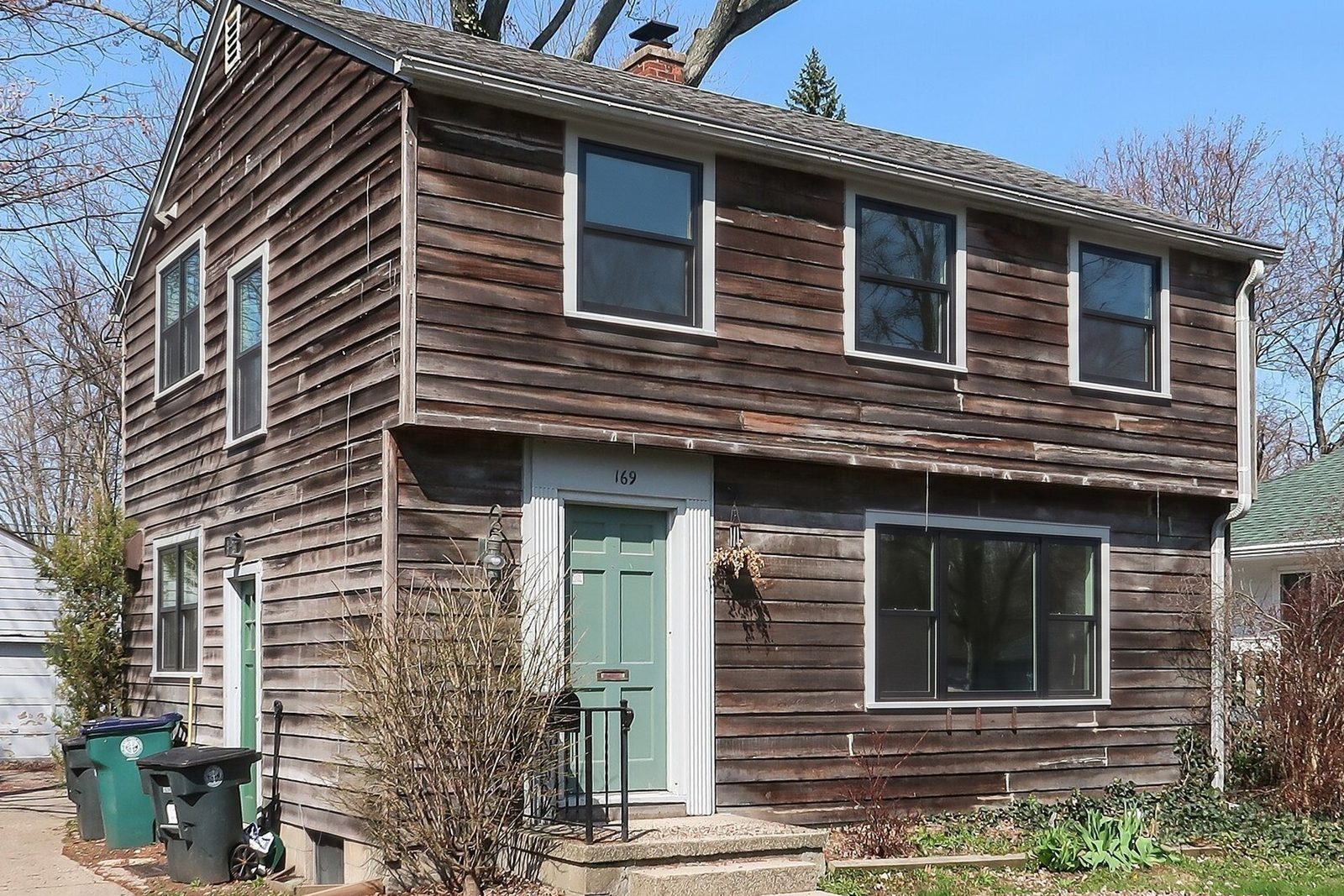
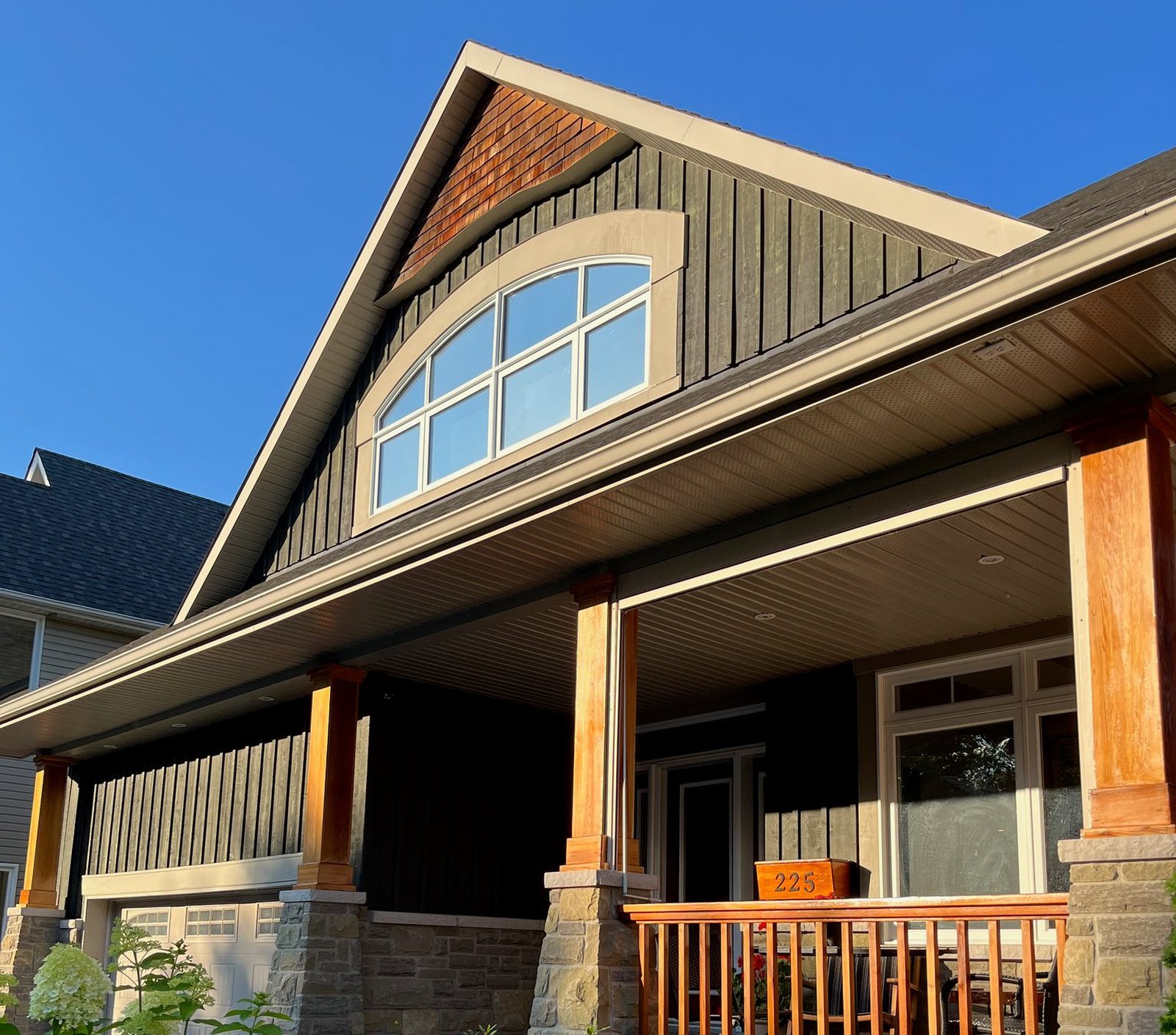
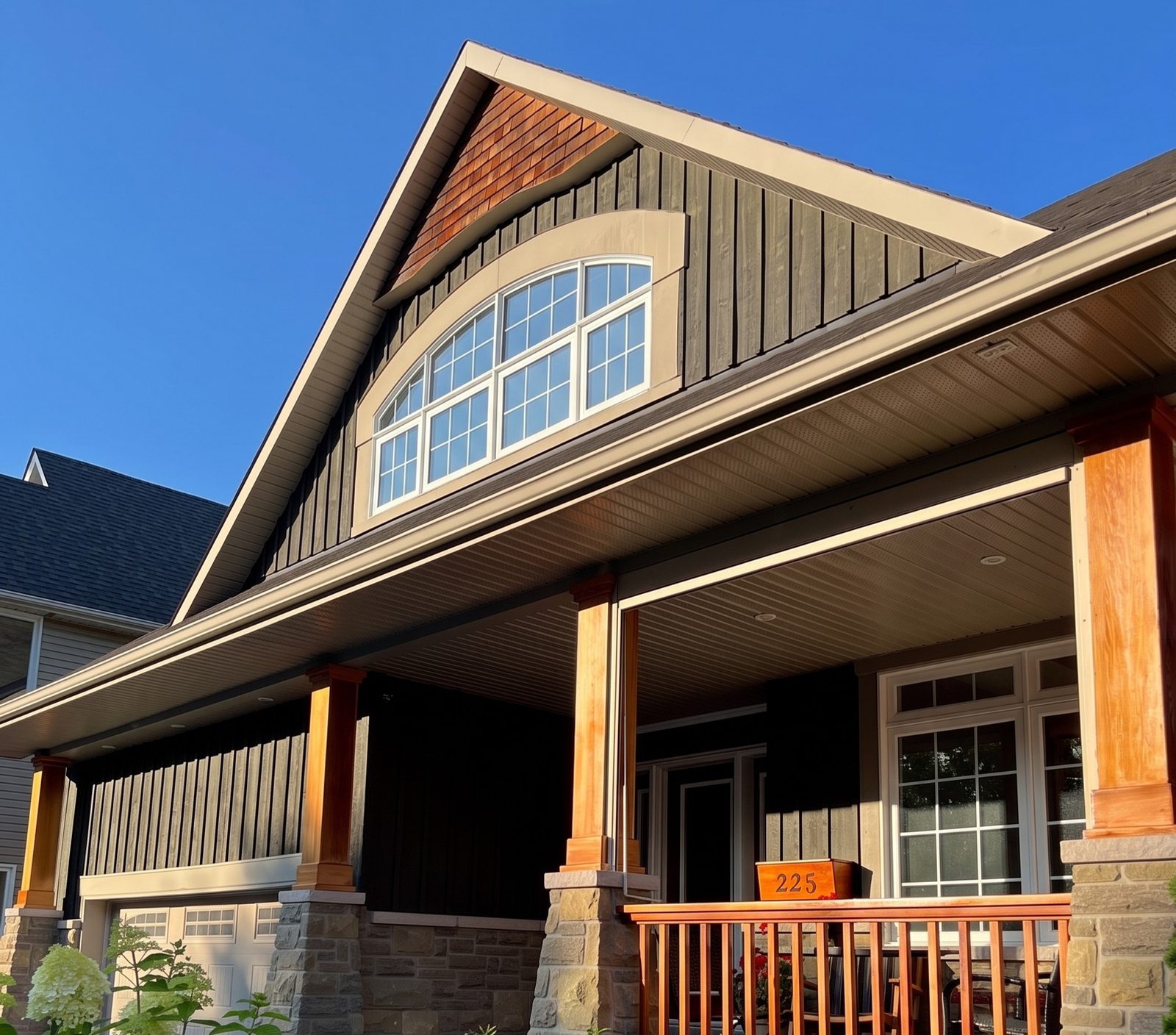
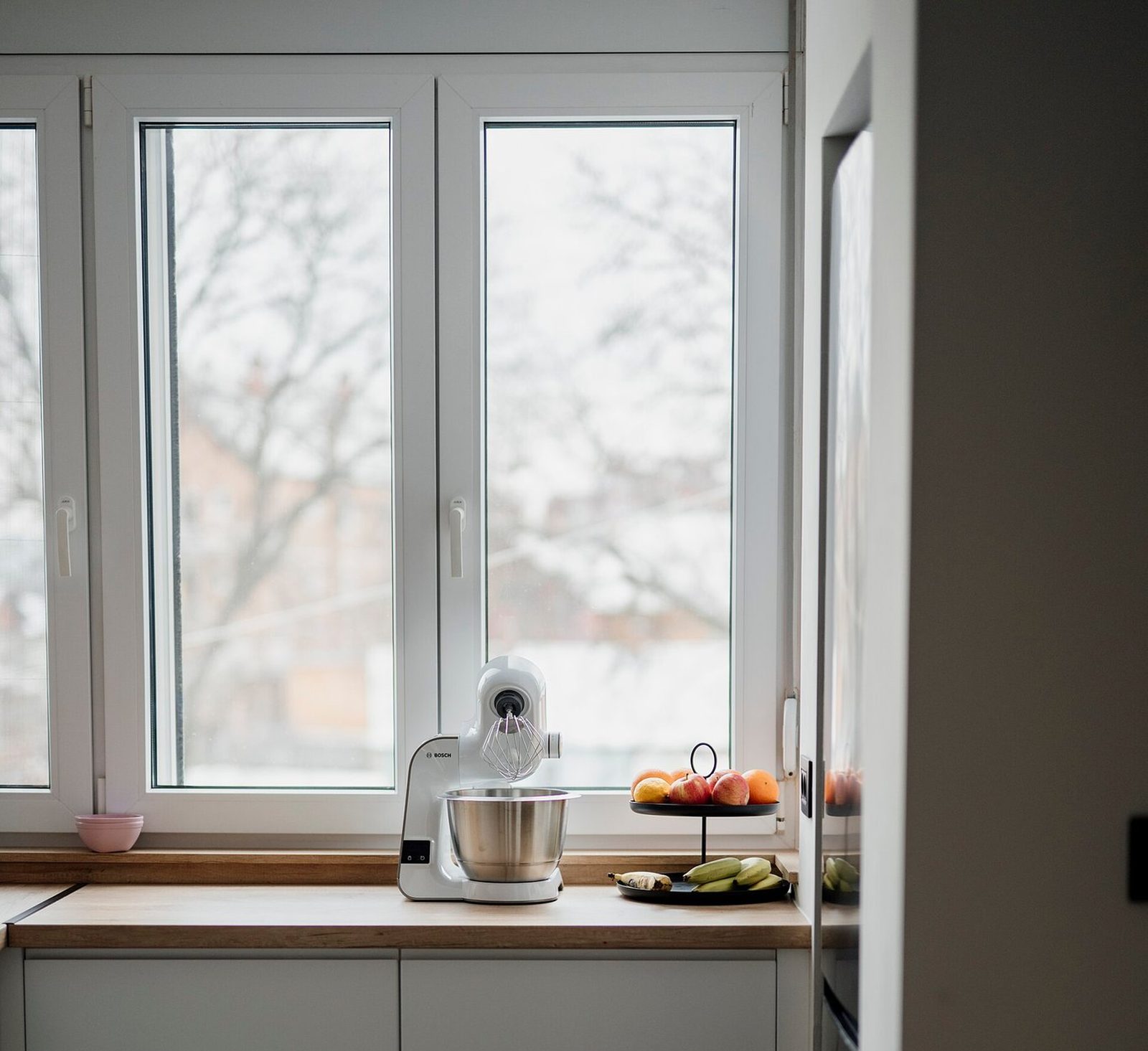
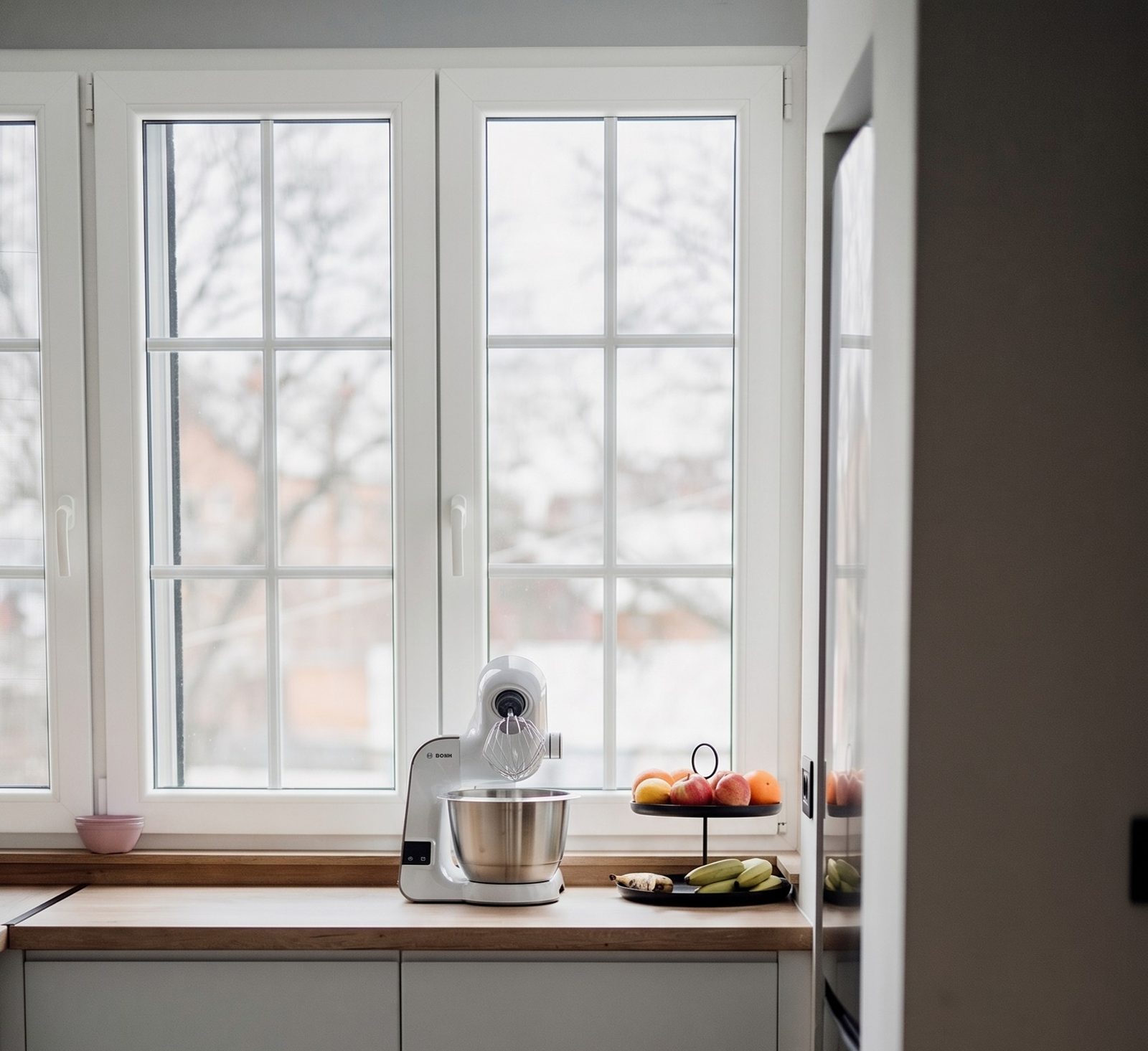
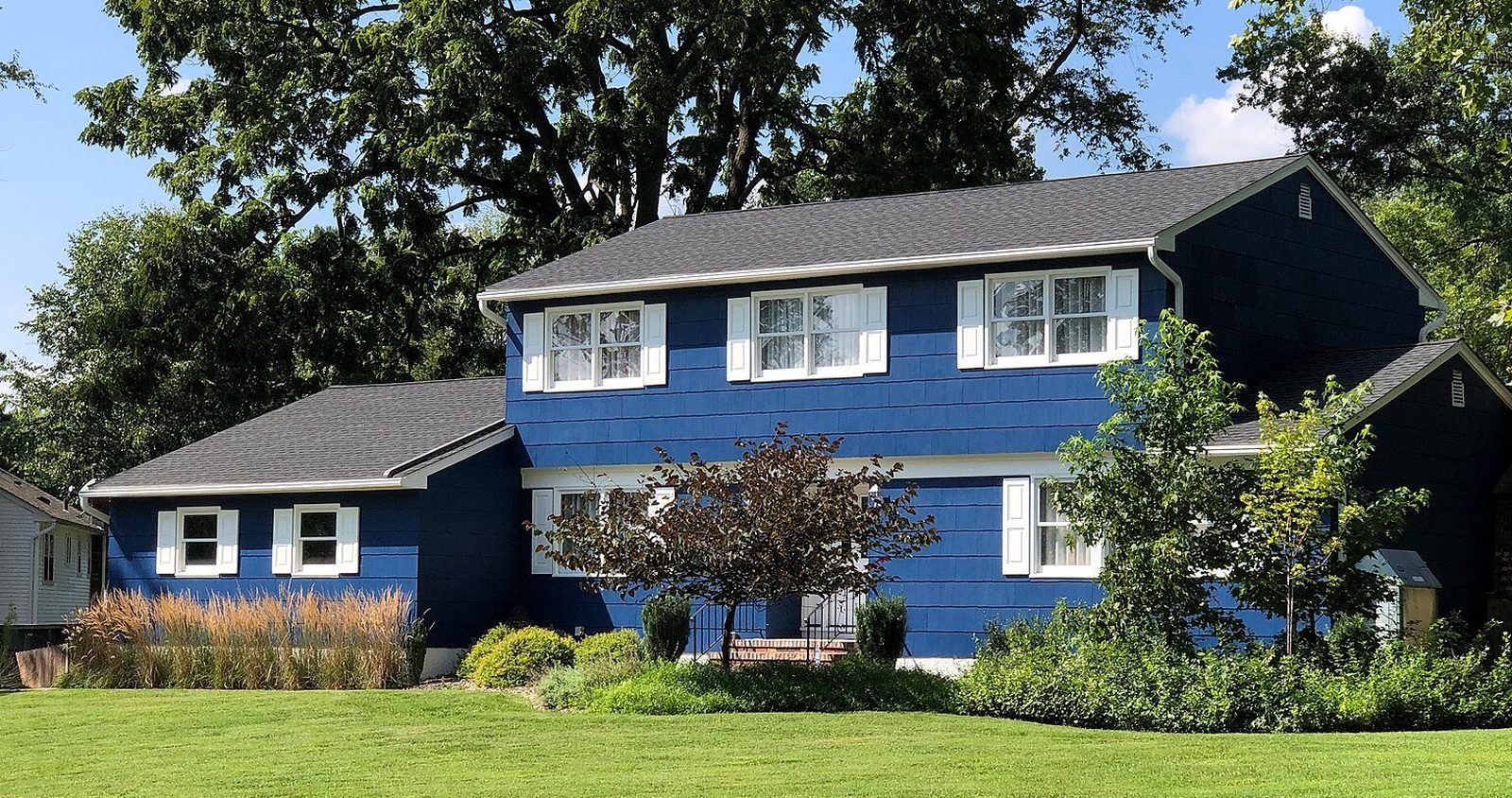
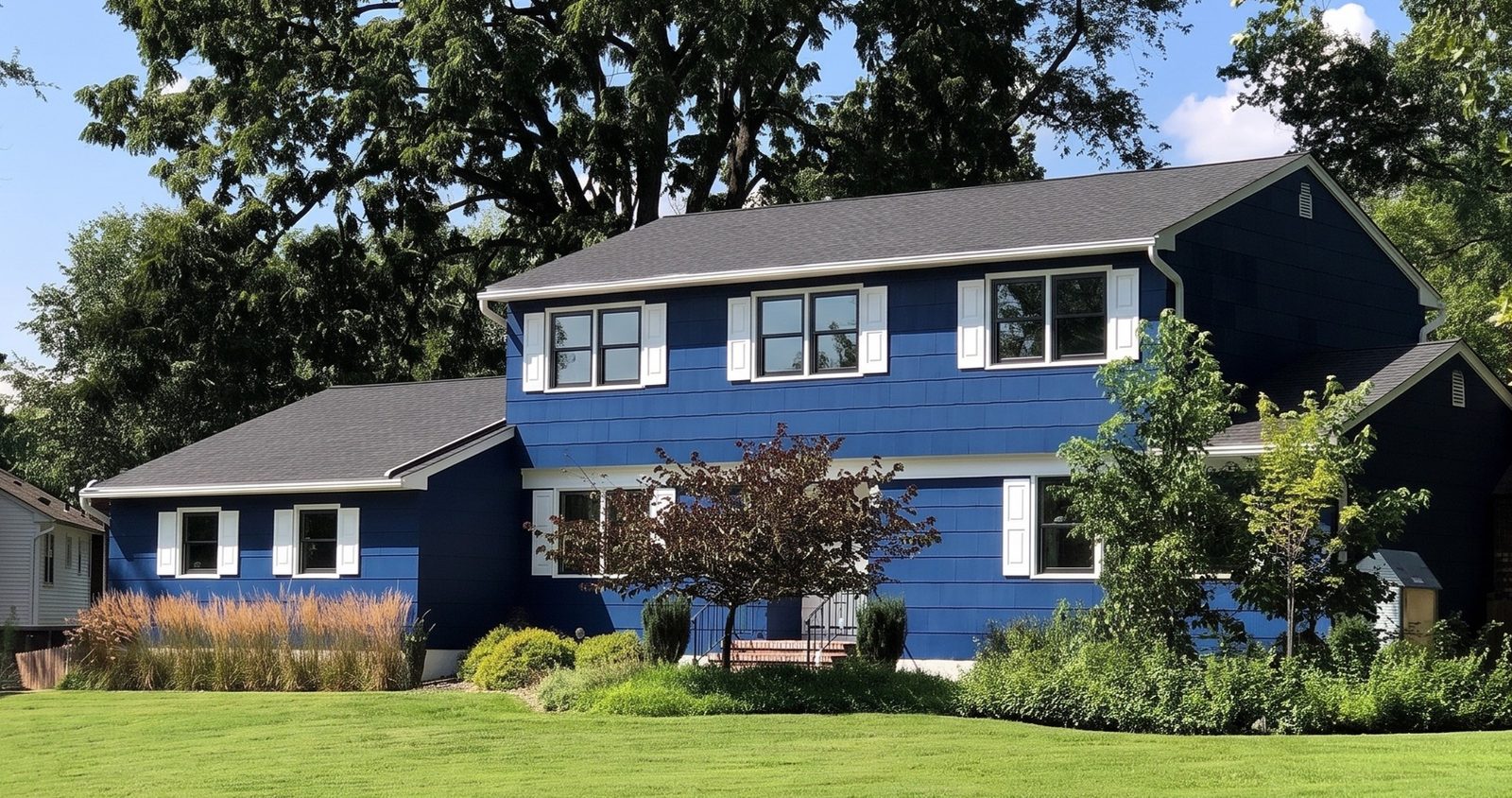
Answer engines send you homeowners who have already read a summary of everyone. What they haven't seen is their own house. When a lead says they found you through ChatGPT and they're leaning toward black frames, ask for a photo of the front, render it in 30 seconds and send it back while you book the visit. Speed still matters: in a 2011 study reported in Harvard Business Review, firms that tried to reach a web lead within an hour were nearly seven times as likely to qualify it as firms that waited even an hour longer7.
On your own site, a page that shows a real local house in two frame colors, labelled as renders, answers "what would black windows look like on a brick ranch" in a way a written summary can't. Get the homeowner's permission, leave the address off, and call each image a render, never an installed job.