Do homeowners buy windows in the winter?
When someone calls in winter, ask what happened. Often there's a reason they can feel: a draft by the couch, frost on the inside of the glass, a sash that won't close, a room nobody uses after Thanksgiving. That's a stronger starting point than a spring call from someone who's "just getting ideas."
There's a scheduling upside too. Ply Gem says installers often have lulls in the winter months, especially around the holidays, so a winter install can often be booked sooner3. If your crews have open days in January, that's a real reason to go ahead now, and you can say so.
What do homeowners notice about their windows in winter?
Walk the house with them and look for these. Point at each one and let them feel it for themselves.
- Cold air at the sash or along the frame edge, worst on windy days.
- Condensation or frost on the inside of the glass, or water sitting on the sill.
- Fog between the panes of double-pane glass that never wipes off.
- Sashes that stick, won't lock, or have been painted or caulked shut.
- Rooms that stay cold no matter what the thermostat says.
How should you talk about energy in winter?
Lead with comfort and keep the numbers honest. The Department of Energy puts windows at 25% to 30% of residential heating and cooling energy use1, but what one homeowner saves depends on their climate and on the windows they have now, so don't promise a bill.
Teach them one number instead: the U-factor on the NFRC label. ENERGY STAR explains that the lower the U-factor, the better the window insulates4. For colder climates, the Department of Energy suggests gas-filled windows with low-e coatings to reduce heat loss1. Show them the label on your sample and on the spec sheet, and tell them to check it on every other quote.
Can you install replacement windows when it's cold?
Yes, with care, and homeowners worry about it, so explain the day before they ask. Renewal by Andersen says its winter crews work in teams, take out one window at a time and close off the room they're in where they can, to limit heat loss5.
Respect the weather limits. Ply Gem's installation guidance says not to install unless temperatures will stay above freezing for the next 24 hours, so the sealants can cure, and never onto wet or frosty surfaces6. Your product's own instructions and the sealant's data sheet come first. If a day doesn't meet them, move the install.
Explaining a winter install
We do one opening at a time. The old window comes out, the new one goes in and gets sealed, and then we move to the next, so the house is only open in one spot.
We'll close the door to the room we're working in when we can, and cover the floor and furniture.
We watch the forecast. If it's too cold for the sealant to cure properly, we move the day, and you'll hear from us before that happens.
Only say what your crew actually does, and check your product's installation instructions for its temperature limits.
What do you say now that the window tax credit is gone?
Say it plainly, before they bring it up. The IRS says the energy efficient home improvement credit, which covered qualifying windows, can't be claimed for anything placed in service after December 31, 20252. The "install before the end of the year" pitch is over, and a homeowner who heard about the credit from a neighbor will trust you more for telling them first.
Check for local money before the visit. ENERGY STAR says window rebates may be available through the local utility and points homeowners to a zip-code tool for finding them7. Look up the utility for the address before you go, and never promise a rebate you haven't confirmed. This is general information, not tax advice.
How do you take good photos for a render in winter?
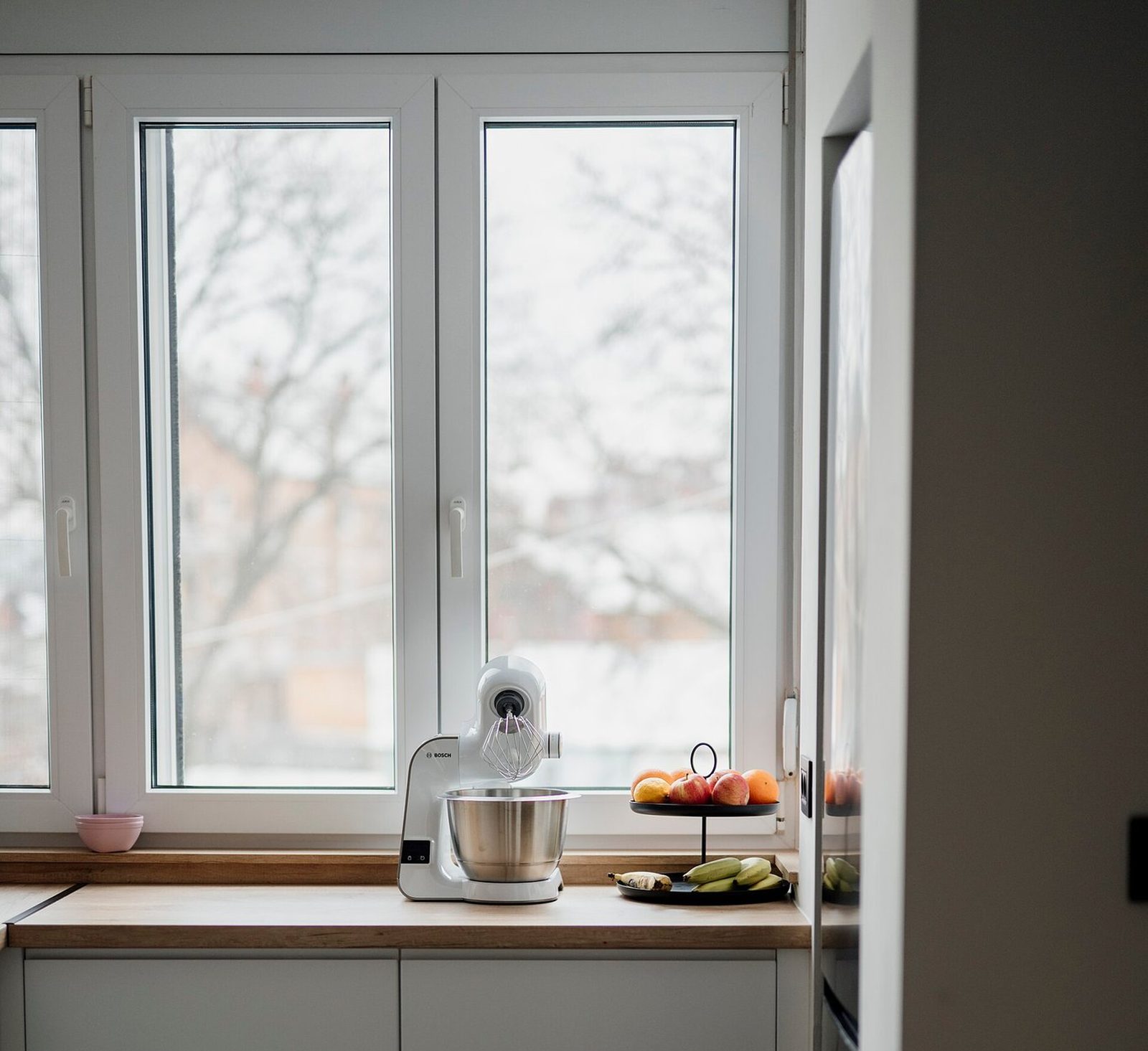
Shoot inside when you can. In winter you're sitting in their kitchen, not standing in the yard, and the window they want fixed is the one they look through every morning. The kitchen below was photographed on a snowy day, and the render kept the bare trees and the snow in the view.
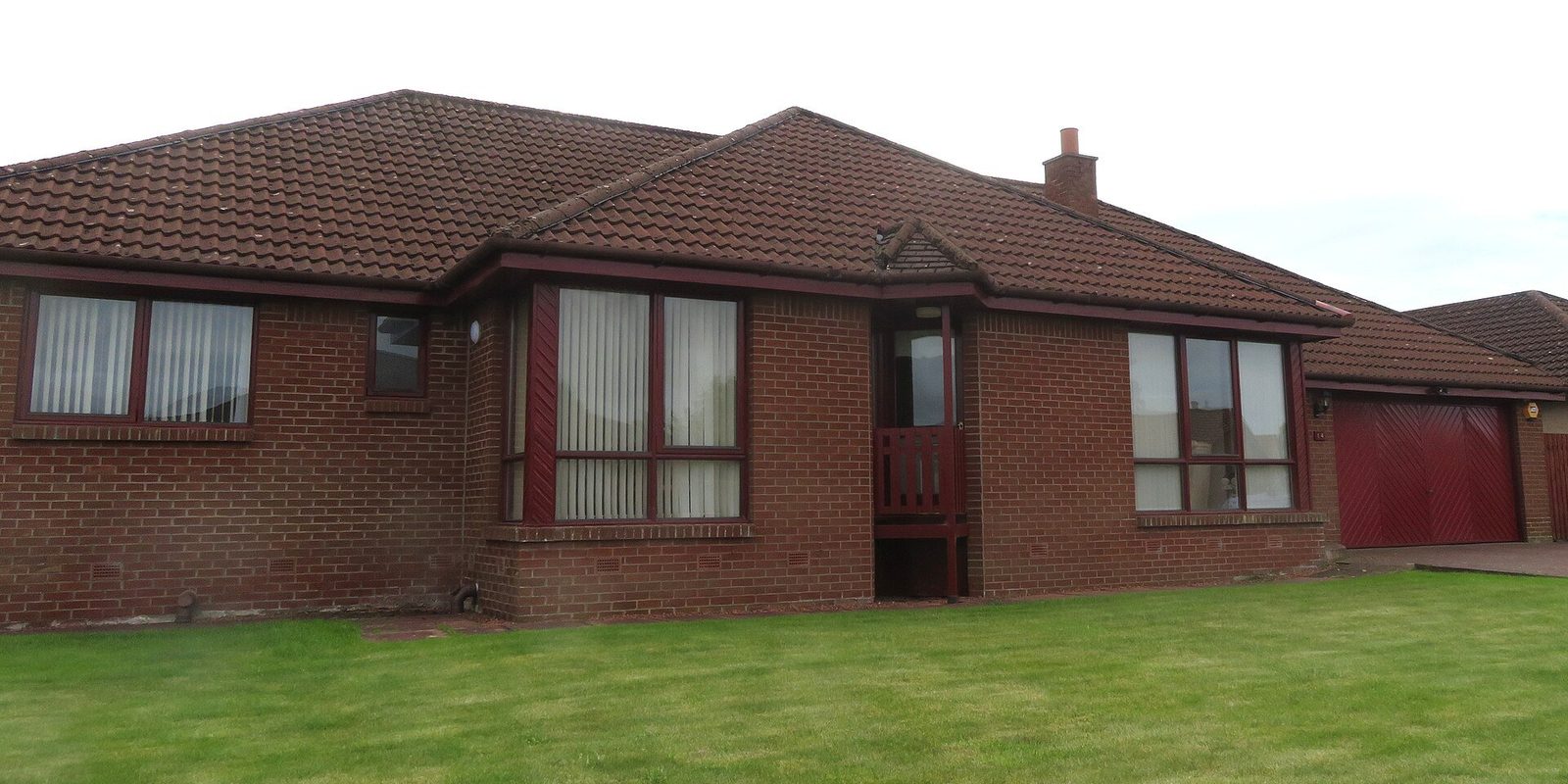
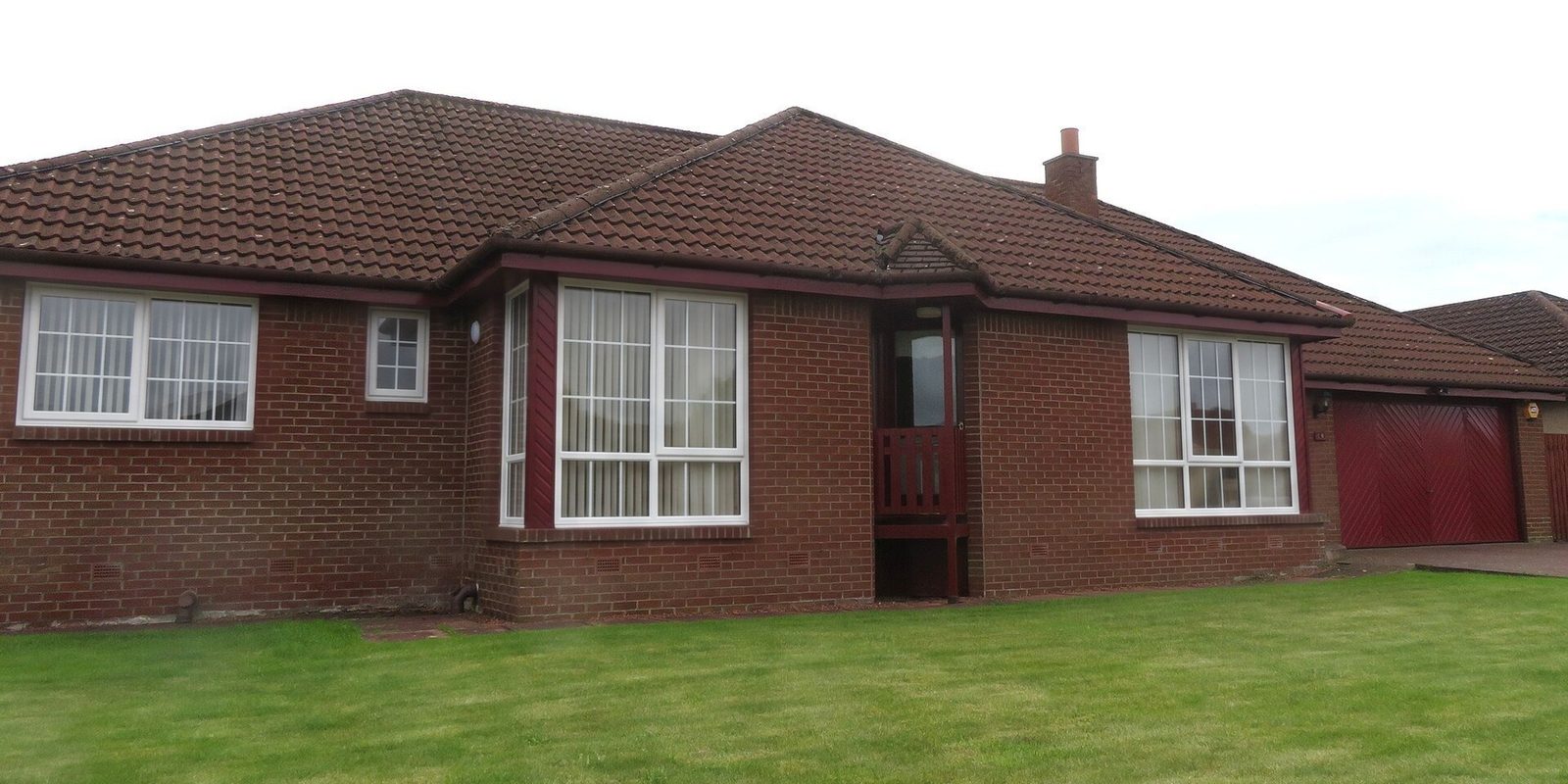
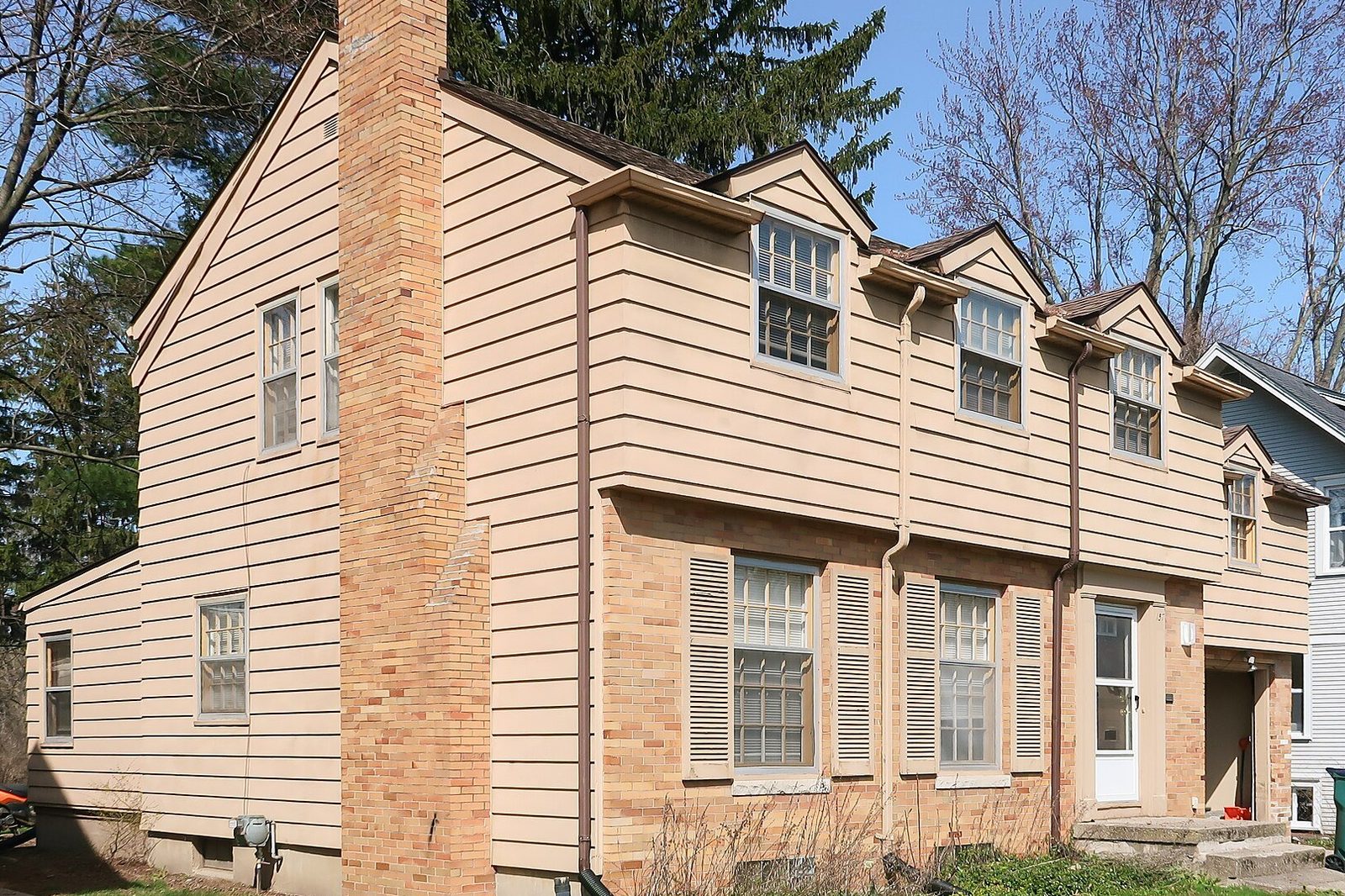
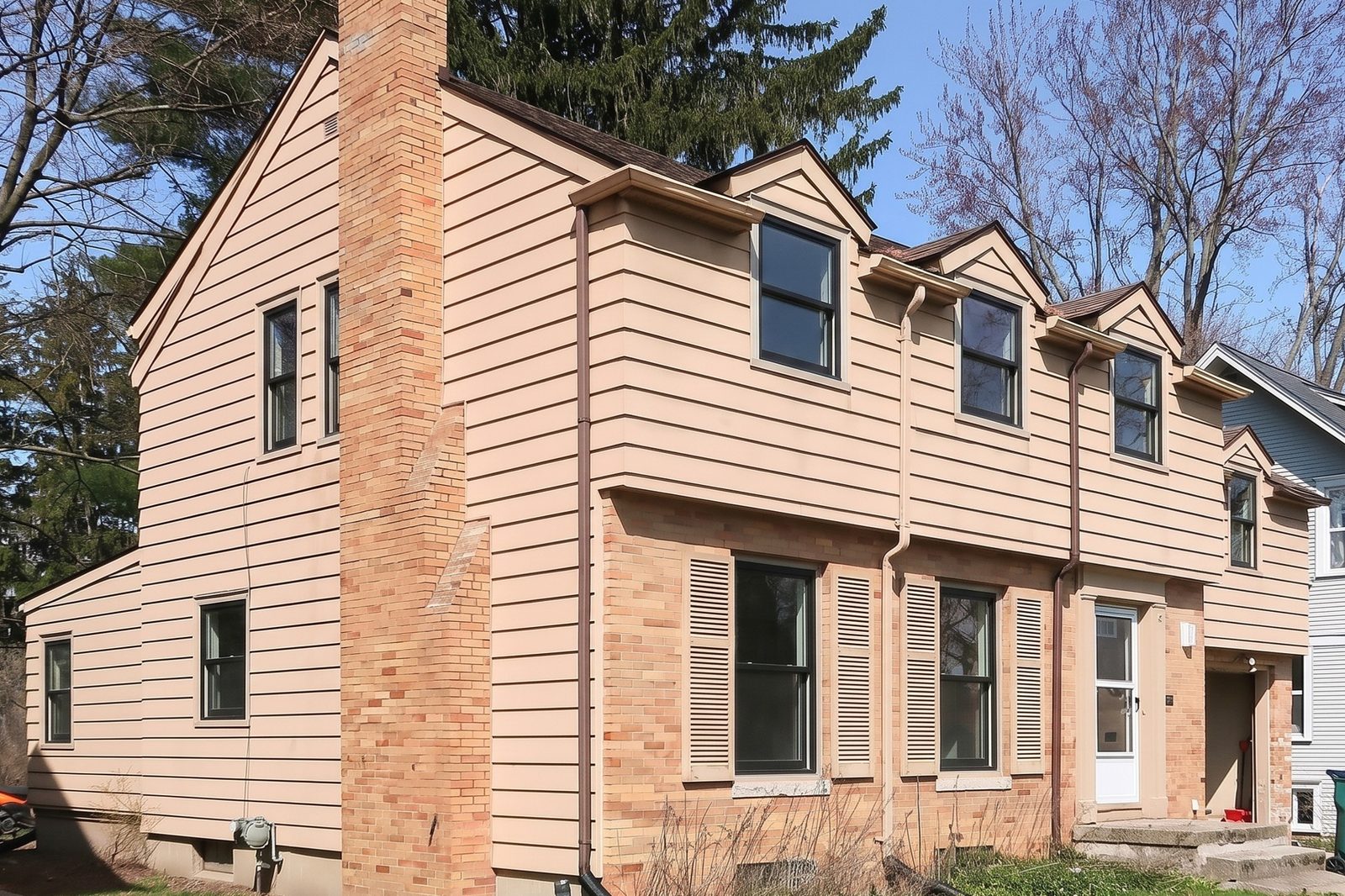
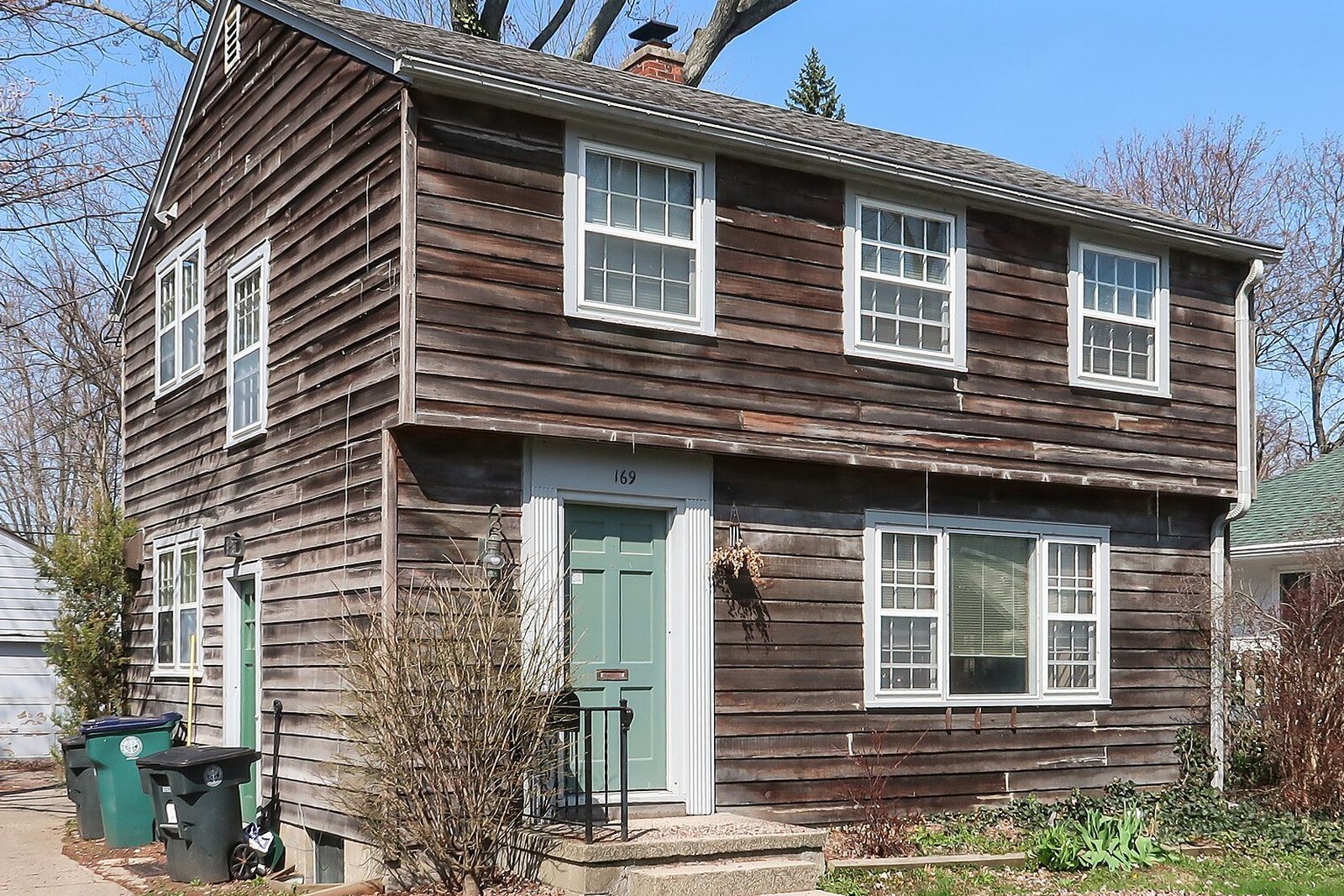
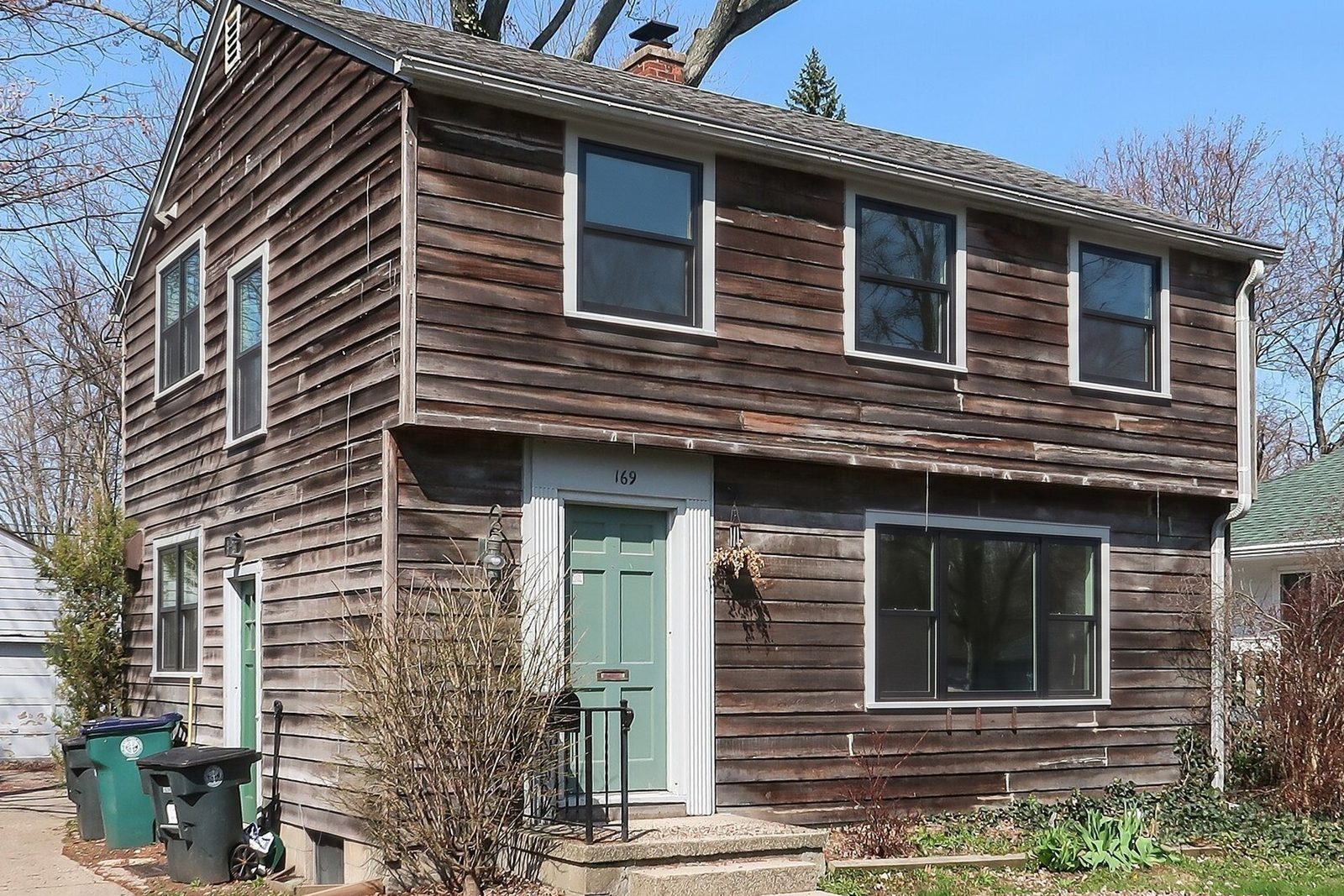
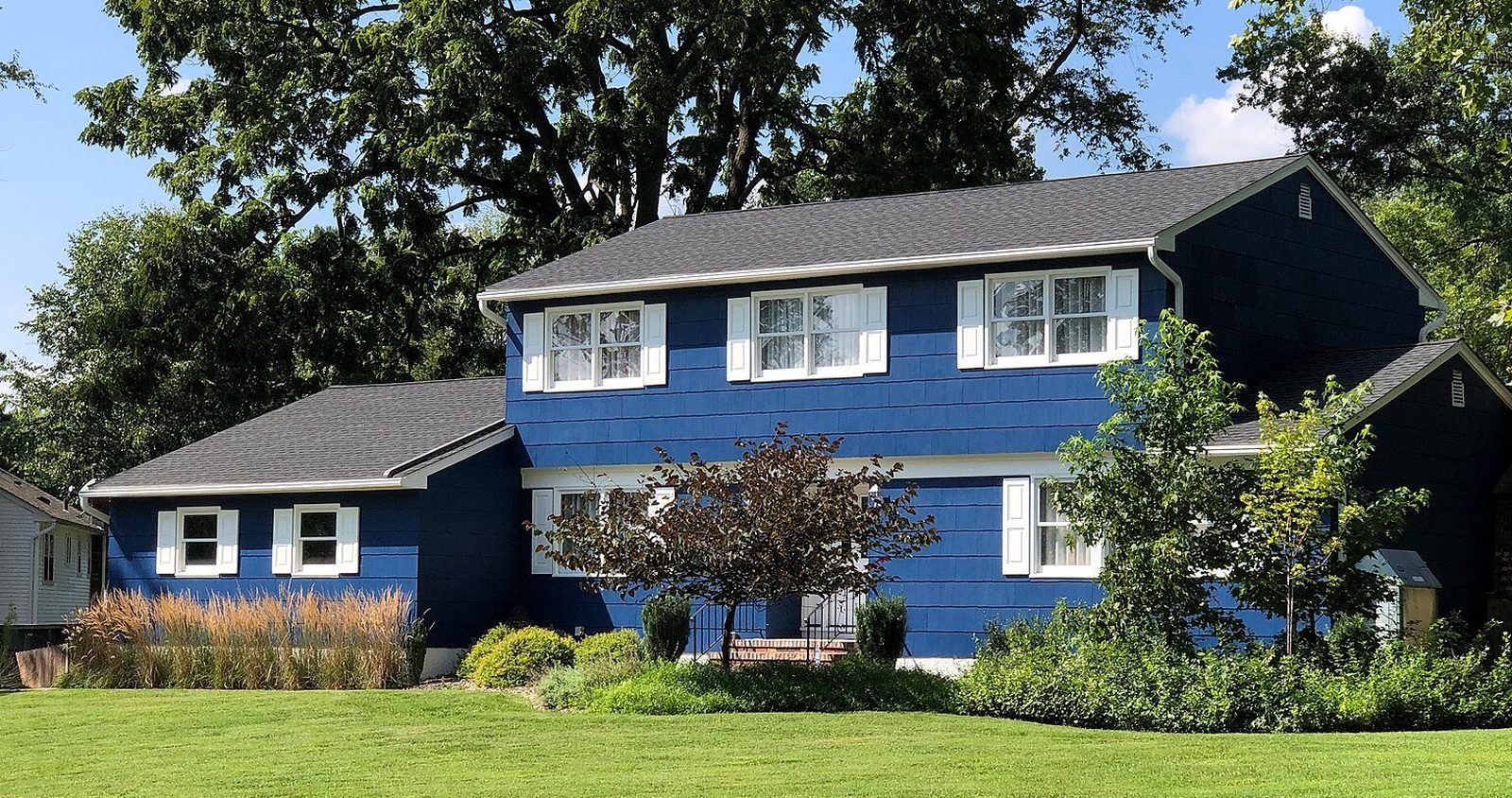
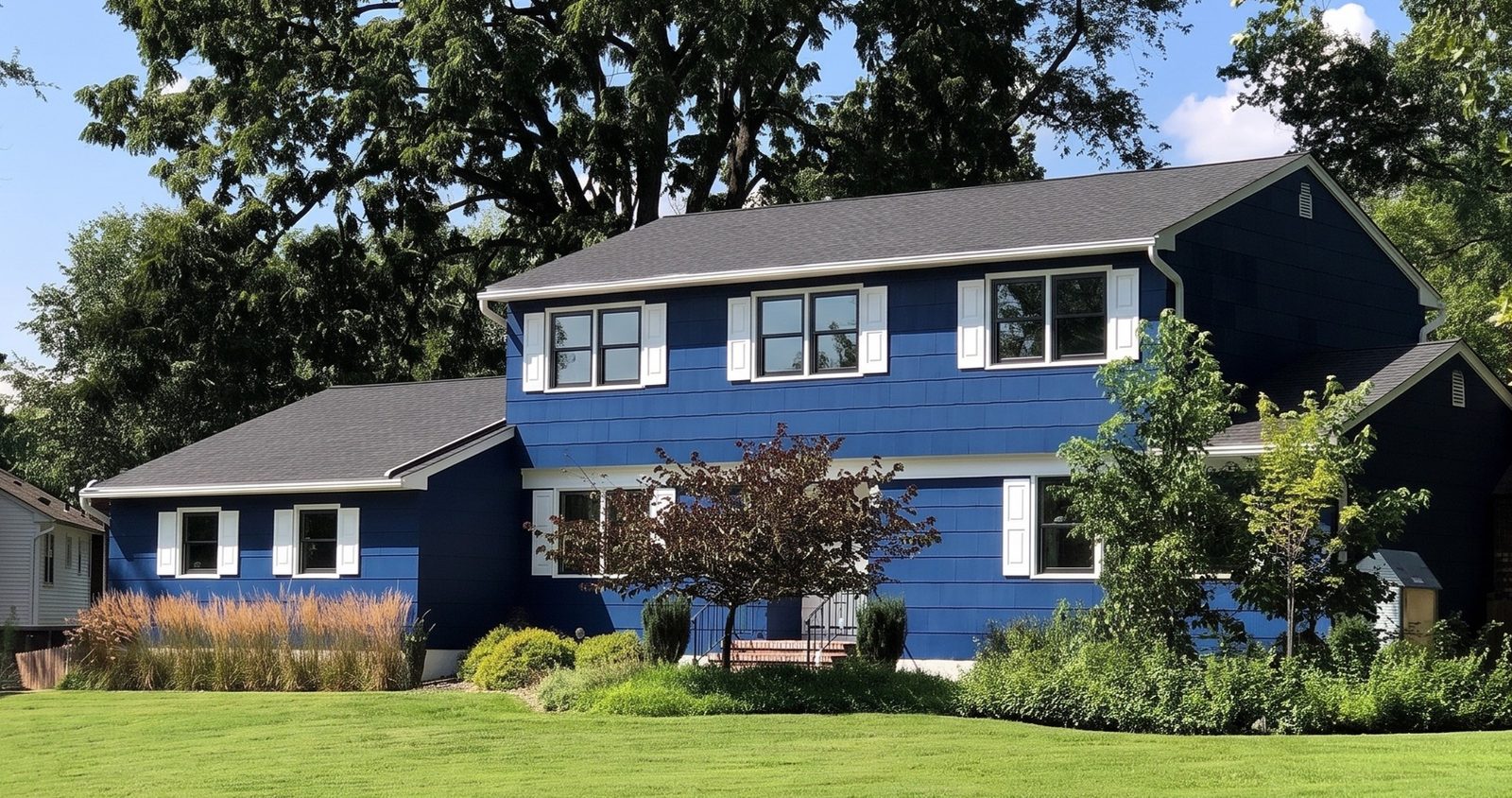
Take outside photos in daylight. If the appointment runs after dark, render an inside window that night and ask them to text you a daytime photo of the front for the follow-up. Once the leaves are down, trees also hide less of the house: the colonial at the top of this page was shot with its trees bare, and every window shows. In the summer photo of the blue colonial below, the trees in front cover part of the ground-floor windows.

How do you keep winter leads from waiting until spring?
Give them a reason that's true: an open install date, a draft that gets worse every week, a room they can't use. Then make the next step small. They sign now, and you schedule the install for a day that meets the product's temperature limits.
If they still want to wait, keep the render on their phone and follow up with something new, the way how to follow up window sales lays out. For "we'll wait until spring" and the other usual answers, see window sales objections. For the whole process, start with how to sell replacement windows.
Where the render fits in a winter sale
At the kitchen table, from the inside. Photograph the window that's bothering them, the one with the draft or the frost, and render it with the frame they're leaning toward. They see their own snowy view through new windows, right where they'll sign.
Then send it that night. A homeowner who's cold enough to call in January will look at it again the next time the wind picks up.