What are the most common window sales objections?
Most of them are one of a handful, and each points to a different worry. Treat the words as a clue, not the answer.
Common objections, what's usually behind them, and what to do
"We want to think about it."
- What it often means
- A worry about the price, the company or the product that they haven't said out loud1.
- What to do
- Ask which part they want to think over, then answer that part.
"That's more than we expected."
- What it often means
- The price is above the number in their head.
- What to do
- Ask what they had in mind and show an option that fits it.
"We're getting other quotes."
- What it often means
- They're comparing, as homeowners are told to.
- What to do
- Make your quote the easiest one to compare.
"I need to talk it over with my spouse."
- What it often means
- A decision maker wasn't at the table.
- What to do
- Send the render tonight and book a time with both of them.
"I'm not sure black will look right."
- What it often means
- They can't picture it on their house.
- What to do
- Render both looks from the same photo.
"We'll wait until spring."
- What it often means
- Worry about installing in the cold, or plain delay.
- What to do
- Explain how a winter install works, step by step.
"We'll wait for the tax credit."
- What it often means
- They think the federal credit is still around.
- What to do
- Tell them it ended and point them to local rebates (see the last question below).
| They say | What it often means | What to do |
|---|---|---|
| "We want to think about it." | A worry about the price, the company or the product that they haven't said out loud1. | Ask which part they want to think over, then answer that part. |
| "That's more than we expected." | The price is above the number in their head. | Ask what they had in mind and show an option that fits it. |
| "We're getting other quotes." | They're comparing, as homeowners are told to. | Make your quote the easiest one to compare. |
| "I need to talk it over with my spouse." | A decision maker wasn't at the table. | Send the render tonight and book a time with both of them. |
| "I'm not sure black will look right." | They can't picture it on their house. | Render both looks from the same photo. |
| "We'll wait until spring." | Worry about installing in the cold, or plain delay. | Explain how a winter install works, step by step. |
| "We'll wait for the tax credit." | They think the federal credit is still around. | Tell them it ended and point them to local rebates (see the last question below). |
How do you answer "we want to think about it"?
Agree, then narrow it down. "Think about it" is rarely about thinking. It's a polite way to leave a worry unsaid, and your job is to give them an easy way to say it.
When they say they want to think about it
That's fair, it's a big decision. Can I ask which part you want to think over? Is it the price, the windows themselves, or us as the company?
If it's the price: "Let's look at it together. What number did you have in mind?"
If it's the look: "Let me show you the other option on your house right now, so you're not guessing."
If it's us: "What would help? I can send you our license and insurance, and the install steps in writing."
Ask once. If they still want time, book the follow-up call before you leave.
How do you handle a price objection on windows?
Don't cut the price on the spot. A number that drops the moment they push makes every other number on the quote look padded. Find the size of the gap first, then change the job, not the margin.
There are honest ways to close the gap: a different frame material, the worst windows now and the rest next year, or fewer options on each window. Render the version you're offering so they see what they'd get for the lower number. Siro puts the median windows and doors deal in its data at $7,5384, so most homeowners are weighing a big purchase. Give them a smaller one to say yes to instead of a discount to wait for.
What do you say when a homeowner wants other quotes?
Say "good." The FTC tells homeowners to get several written estimates, to skip the automatic lowest bid, and to ask for an explanation when prices differ a lot5. Fighting that makes you look like the one with something to hide.
Help them compare instead. Put the product line, frame material, color, grilles, install method, what gets removed and hauled away, and the warranty on your quote, and tell them to ask the others for the same list. Leave the render too. Another company's quote is a page of numbers; yours comes with a picture of their house.
How do you answer "I can't picture it"?
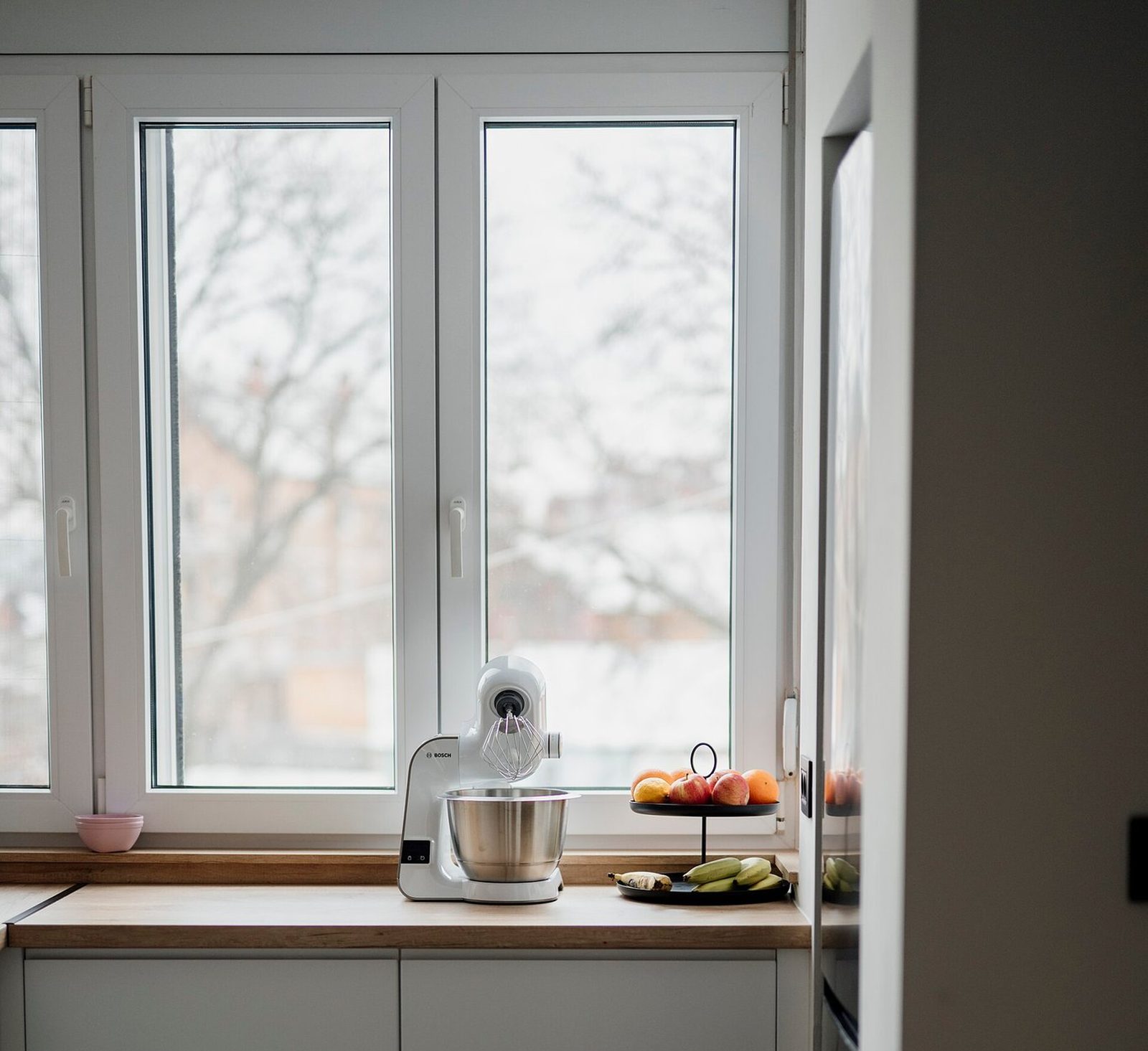
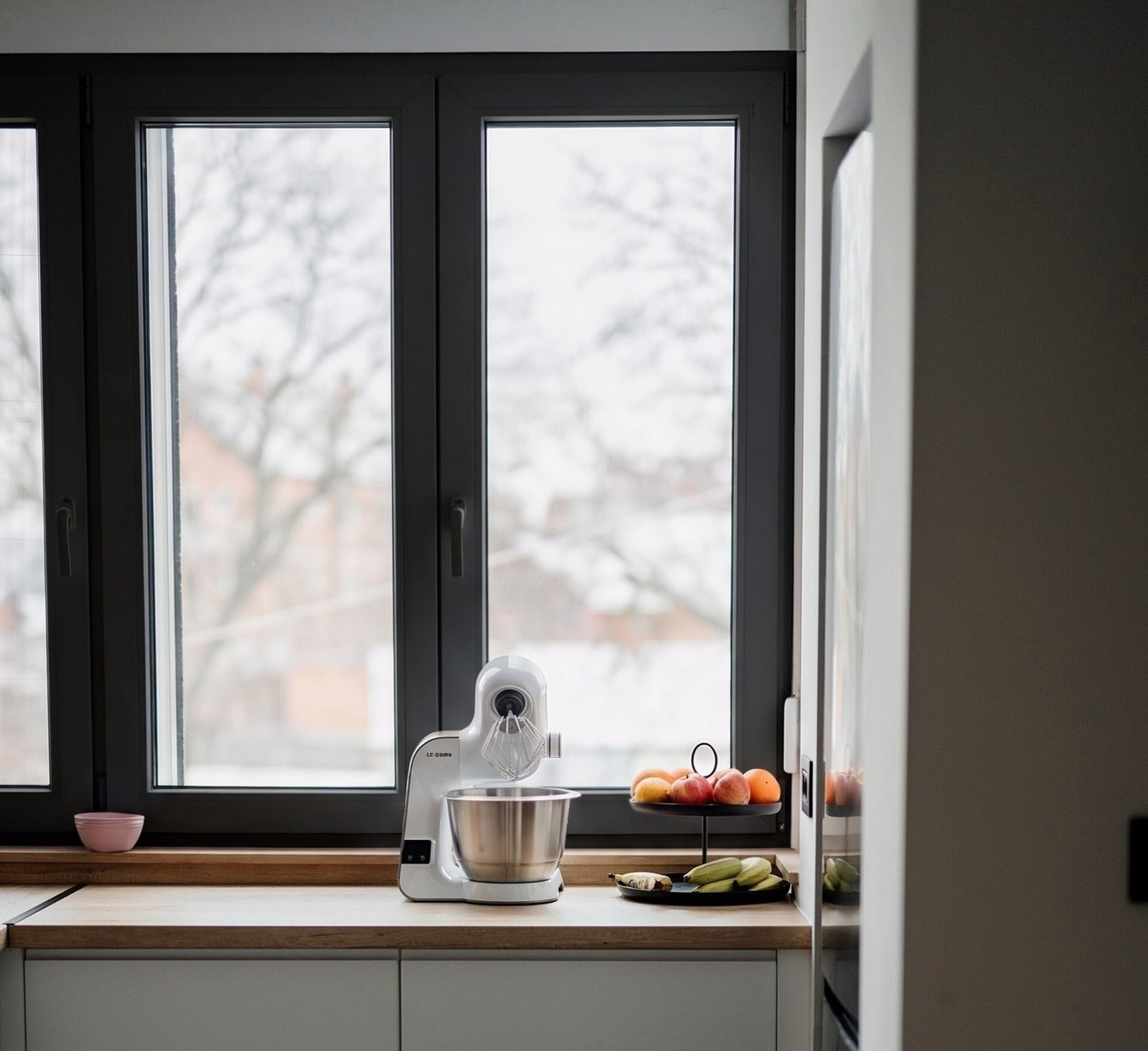
This is the one objection you can settle right there. People hesitate on color and grids because they're guessing, and a chip held against the siding doesn't help much. Render the look they're unsure about from a photo of their house, then the alternative, and let them flip between the two.
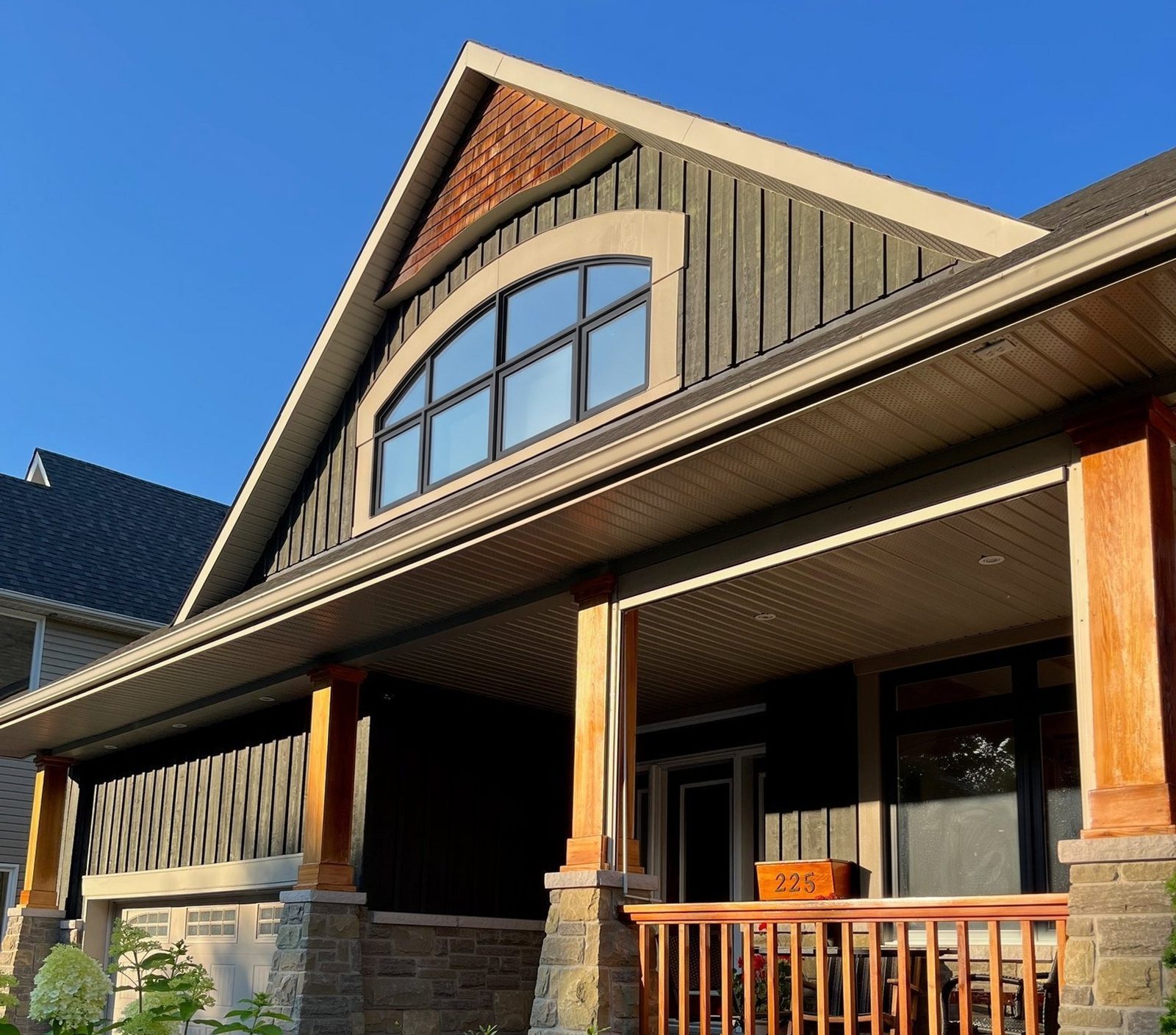
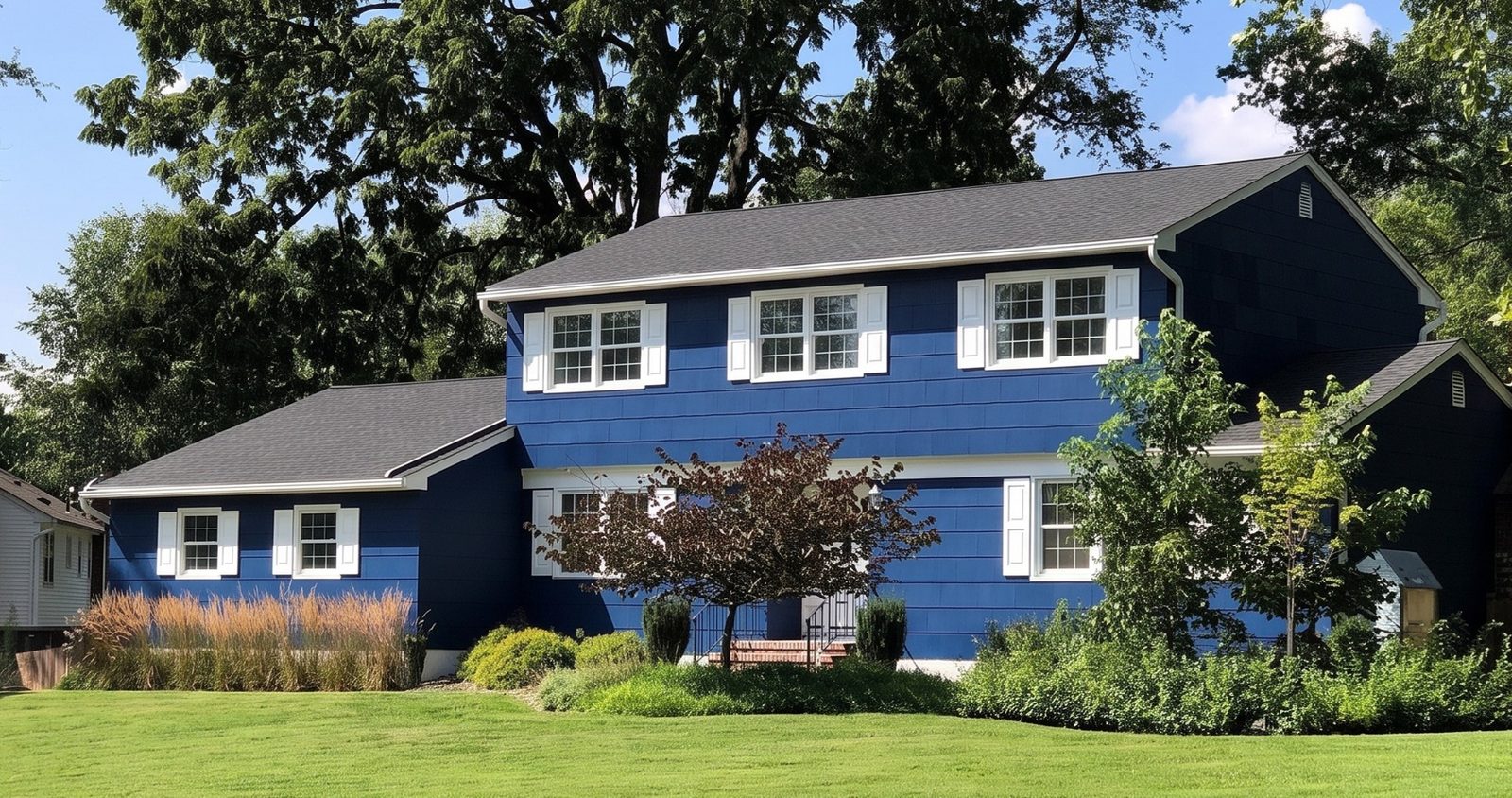
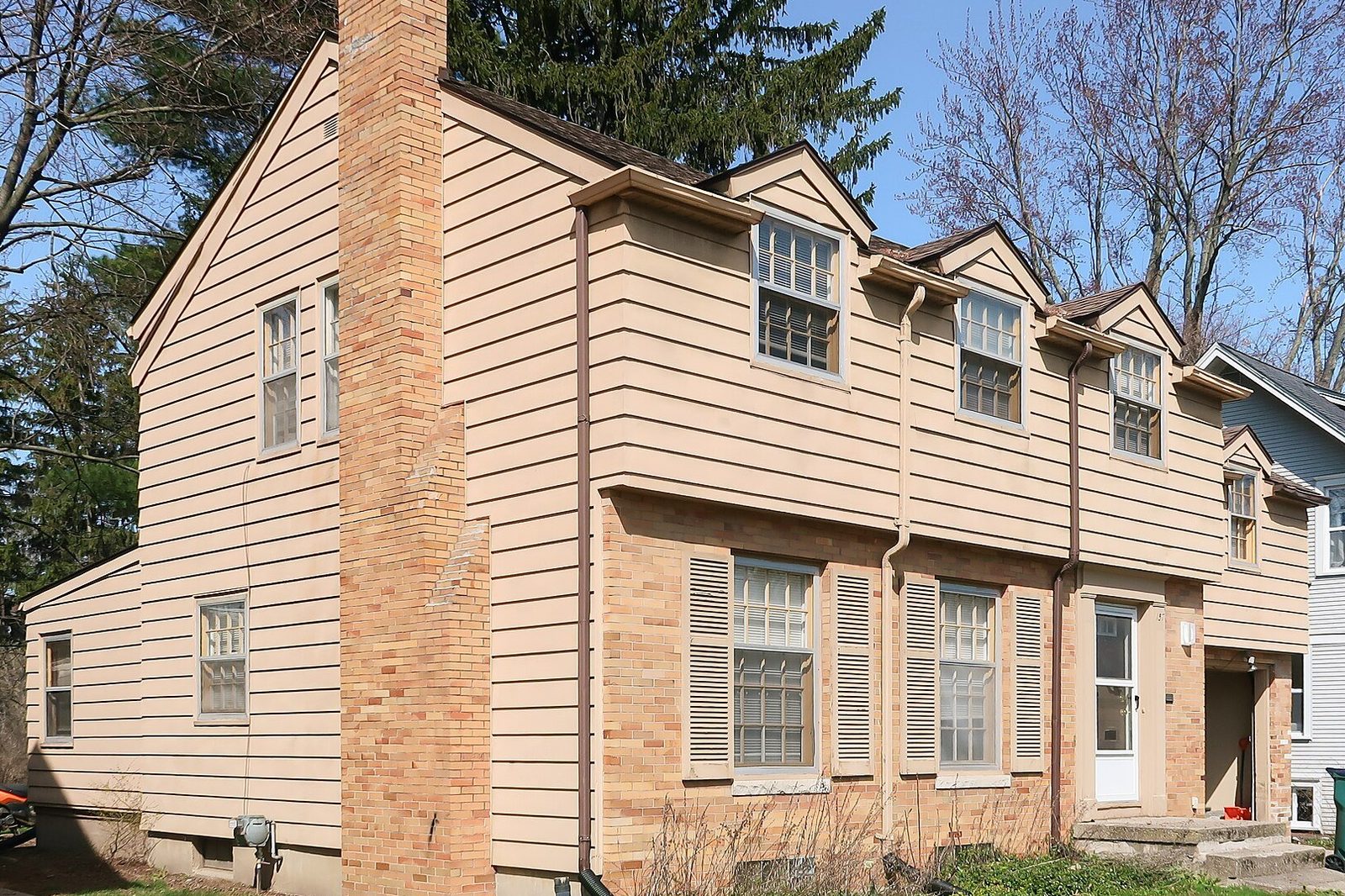
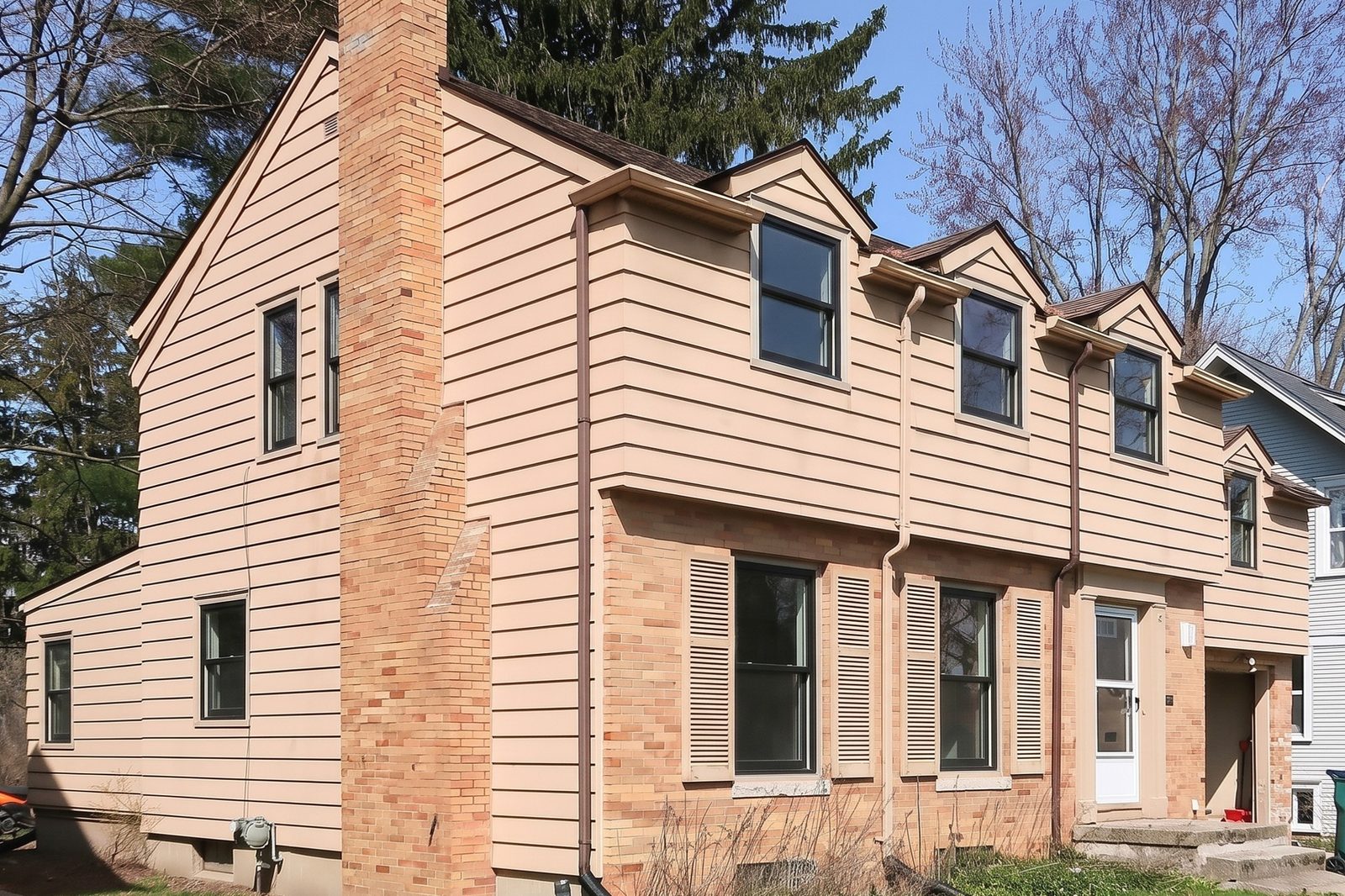
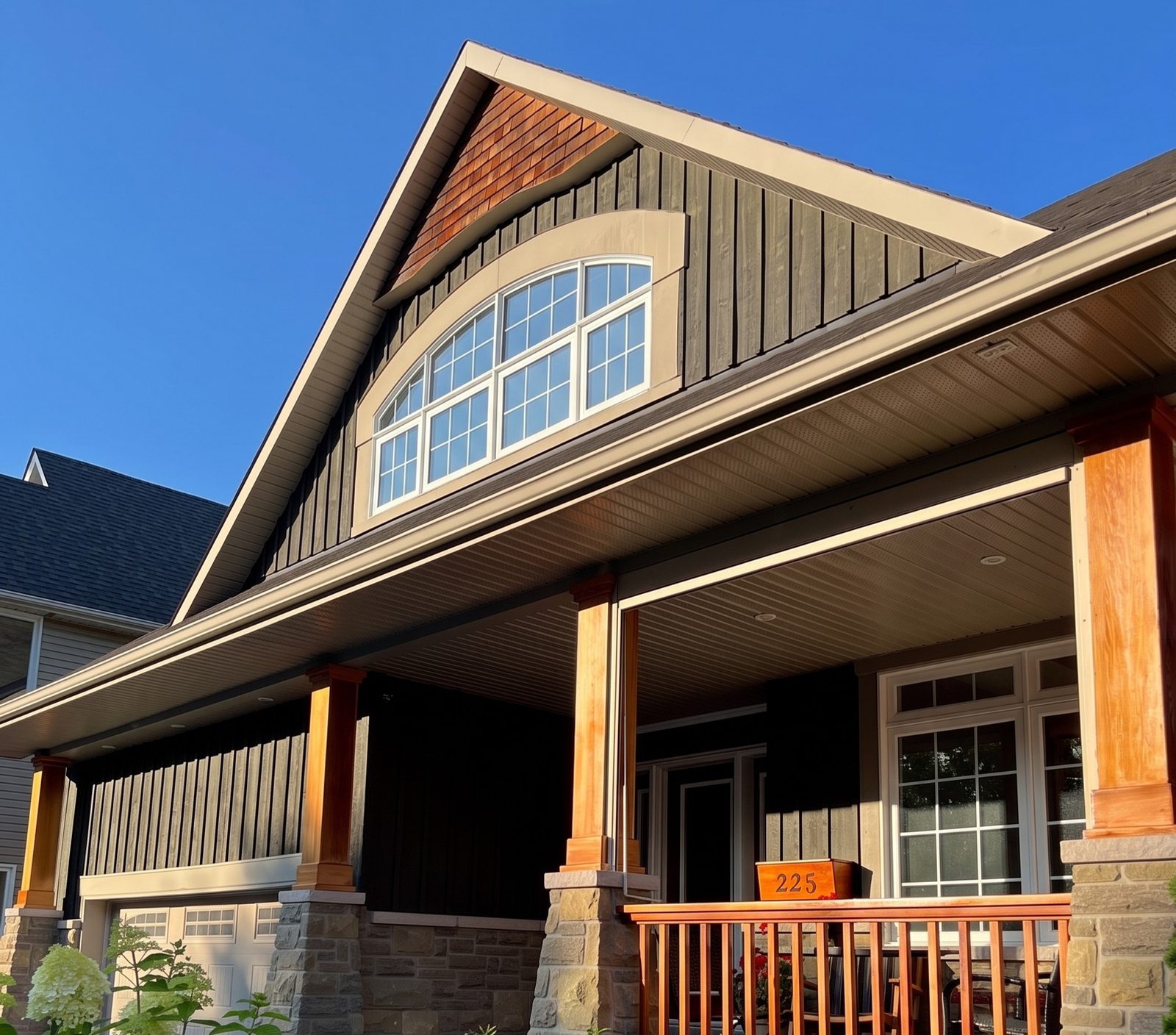
The pair below is that exact question, "will grids look too busy?", answered on a real house: white windows rendered with white colonial grids added. It works the other way too. The colonial at the top of this page had white grids and is rendered in black with the grids taken out, a change many homeowners ask for and then second-guess.
Which objections should you answer before they come up?
The ones you hear every week. JLC advises answering the objection you expect before the customer raises it, and telling customers about their right to cancel, to cut cancellations3. If homeowners keep asking about winter installs, cover it during the walk-through. If they always bring up other quotes, hand over your comparison list first.
Bring up the right to cancel yourself. Federal rules give a homeowner a few days to cancel a sale made at home, and you have to tell them so; how to sell replacement windows has the details. Saying it first shows you aren't worried about it.
And never manufacture urgency. The FTC lists pressure for an immediate decision among the warning signs of a home improvement scam5. A real reason, like an open install date next week, is fine to mention. A price that expires when you walk out the door isn't.
What if the answer is still no?
Ask what would need to change for it to be a yes, write it down, and book the next call before you leave. The days after are covered in how to follow up window sales, and cold-weather answers are in selling windows in winter.
For the full process from first call to signed order, see how to sell replacement windows, and for running the visit itself, window sales presentation.
Where the render fits when objections come up
Use it on the look objections: "I'm not sure about black," "will grids look busy," "my partner needs to see it." Render the look they doubt and the alternative from one photo of their house and hand them the phone. They stop arguing with a picture in their head and start choosing between two real ones.
It won't fix a price, trust or timing objection, and it shouldn't try. Answer those with your quote, your paperwork and your schedule. Even then, sending the render that night keeps their house with your windows on their phone while they decide.