How long should a window sales presentation take?
Long enough to look at every window, short enough that nobody checks the clock. The big brands land in the same place, and Pella's version shows what fits in the time: design, material and color options, measuring, installation day and a quote, all in one visit1.
Tell them the length when you book and again when you sit down. People relax when they know when it ends, and a homeowner who expected a quick quote will rush you through the part that matters.
What order should the presentation follow?
The order matters more than the words. Each step earns the next one, and the price comes last because by then they know exactly what it buys.
An in-home window presentation, in order
Agenda
- What you do
- Say what will happen: look at the windows together, see a few options on their house, then go over the price.
- Why it's here
- No surprises. The price at the end is expected, not sprung.
Why now
- What you do
- Ask what made them call, which windows bother them, and what they had in mind to spend.
- Why it's here
- You present to their reasons, not your brochure.
Walk and measure
- What you do
- Every window, inside and out. Open each sash. Point out what you find and let them touch it.
- Why it's here
- They see the problem with their own eyes.
Product
- What you do
- A corner sample, the glass package, and how the install works on their house.
- Why it's here
- Answers the quality worry before it's raised.
Their house, new windows
- What you do
- Photo, render, slider. Their first choice, then the alternative.
- Why it's here
- Turns a guess about the look into a choice.
Price
- What you do
- One written price per option, itemized.
- Why it's here
- Easy to compare and easy to say yes to.
Decision
- What you do
- Ask once. Go through the paperwork and the right to cancel, or book the next step.
- Why it's here
- The night ends with an answer or a date.
| Step | What you do | Why it's here |
|---|---|---|
| Agenda | Say what will happen: look at the windows together, see a few options on their house, then go over the price. | No surprises. The price at the end is expected, not sprung. |
| Why now | Ask what made them call, which windows bother them, and what they had in mind to spend. | You present to their reasons, not your brochure. |
| Walk and measure | Every window, inside and out. Open each sash. Point out what you find and let them touch it. | They see the problem with their own eyes. |
| Product | A corner sample, the glass package, and how the install works on their house. | Answers the quality worry before it's raised. |
| Their house, new windows | Photo, render, slider. Their first choice, then the alternative. | Turns a guess about the look into a choice. |
| Price | One written price per option, itemized. | Easy to compare and easy to say yes to. |
| Decision | Ask once. Go through the paperwork and the right to cancel, or book the next step. | The night ends with an answer or a date. |
Opening the presentation
Thanks for having me. Here's how tonight goes, so you know what to expect.
First I'd like to hear what's going on with your windows. Then we'll walk the house together and I'll measure.
After that I'll show you a couple of options on a photo of your own house, and we'll go over the price for each one. You'll have everything you need to decide before I leave.
What should you ask before you show any product?
Ask, then listen for the reason behind the answer. The money question belongs here too, before you present, not after the number is on the table; how to sell replacement windows explains why.
- Which windows bother you most, and what do they do that you don't like?
- What are these rooms like on a cold, windy night?
- How long do you plan to stay in the house?
- What have you seen that you like, on a neighbor's house or online?
- Have you had other companies out? What did you think?
- What did you have in mind to spend, roughly?
- Who else will help you decide?
How do you show window options without overwhelming people?
Two or three looks, never twelve. Start with what they told you they like, then the alternative they mentioned, and a third only if they ask. Every extra option is one more reason to say "let us think about it."
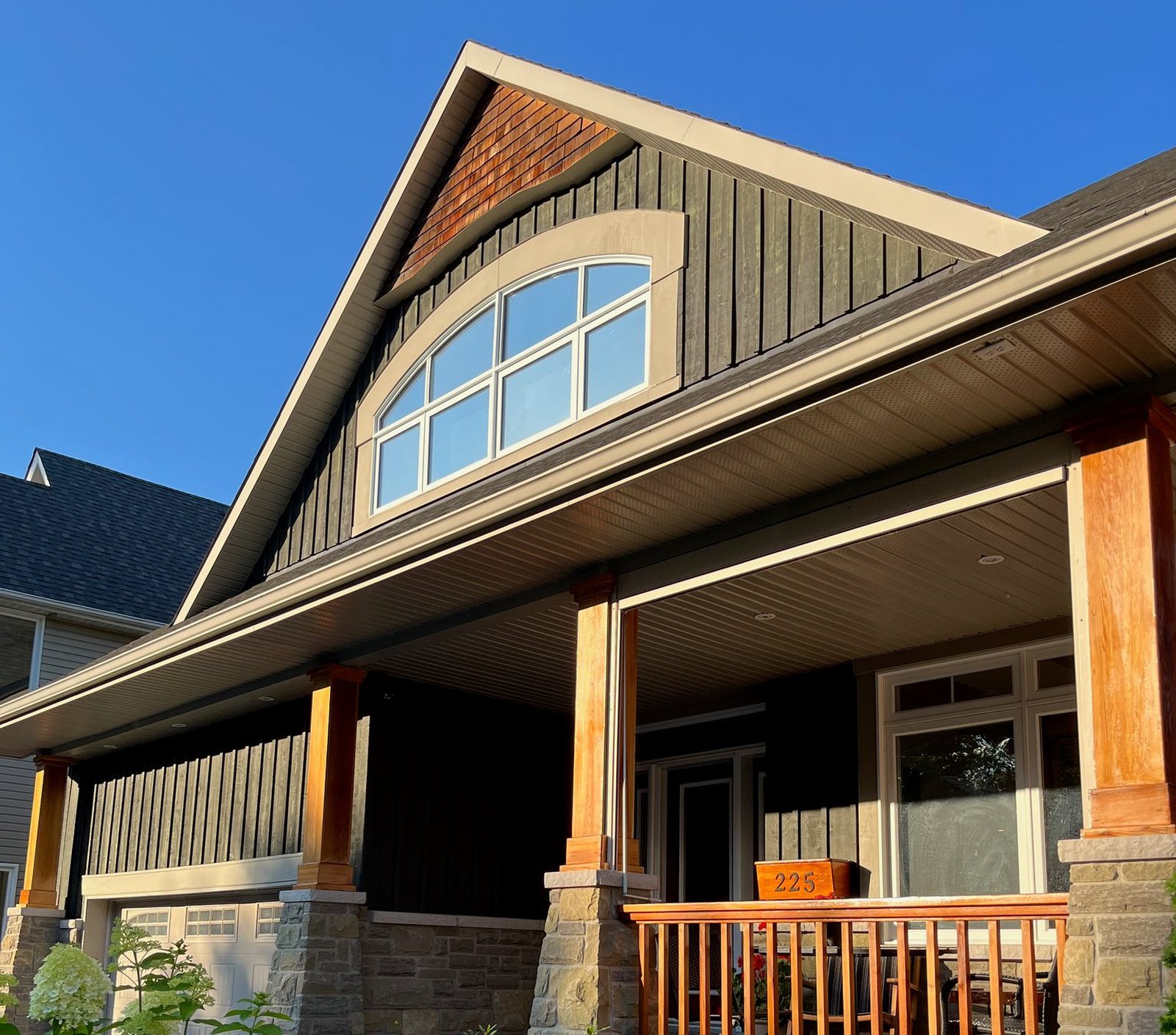
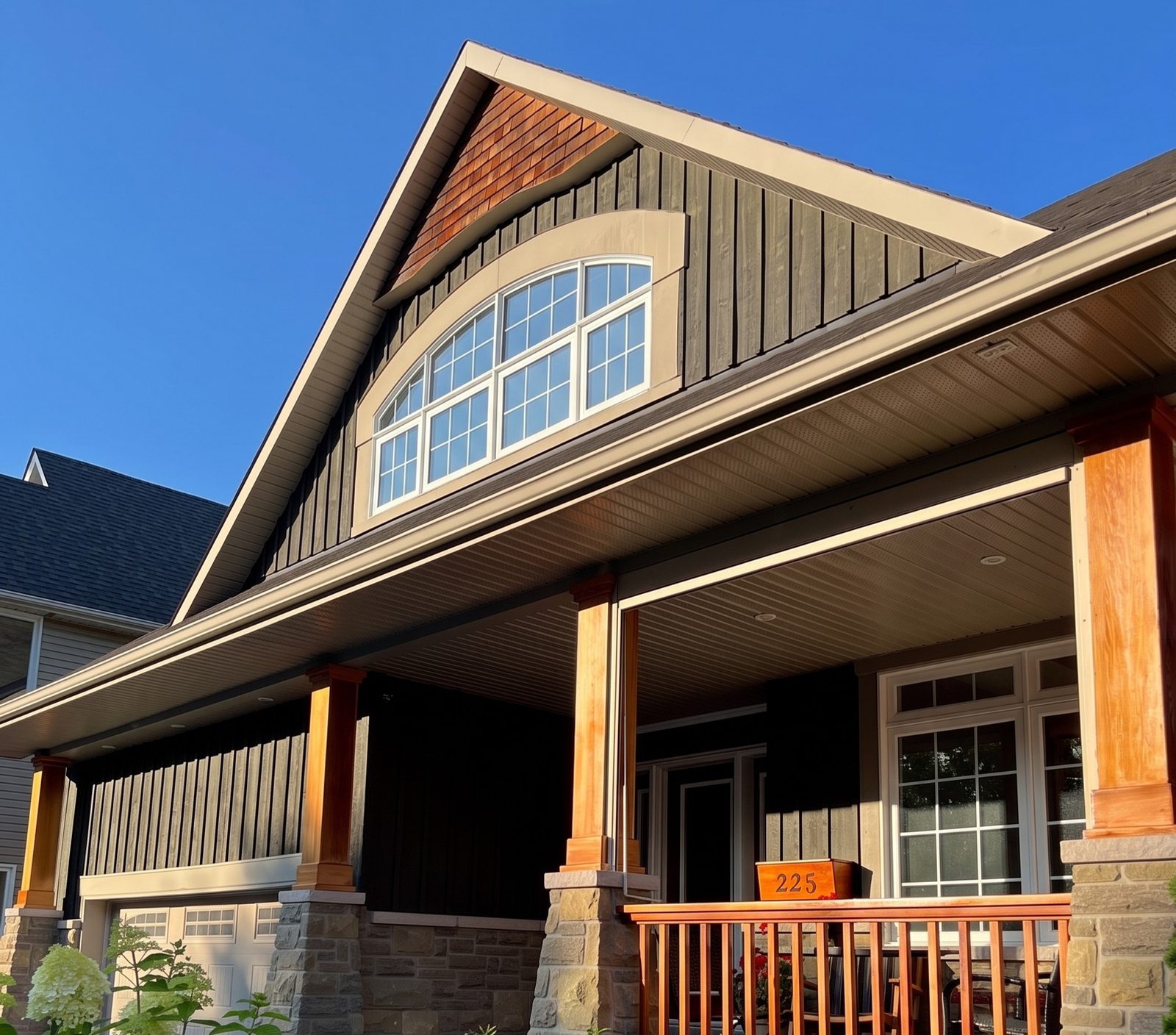
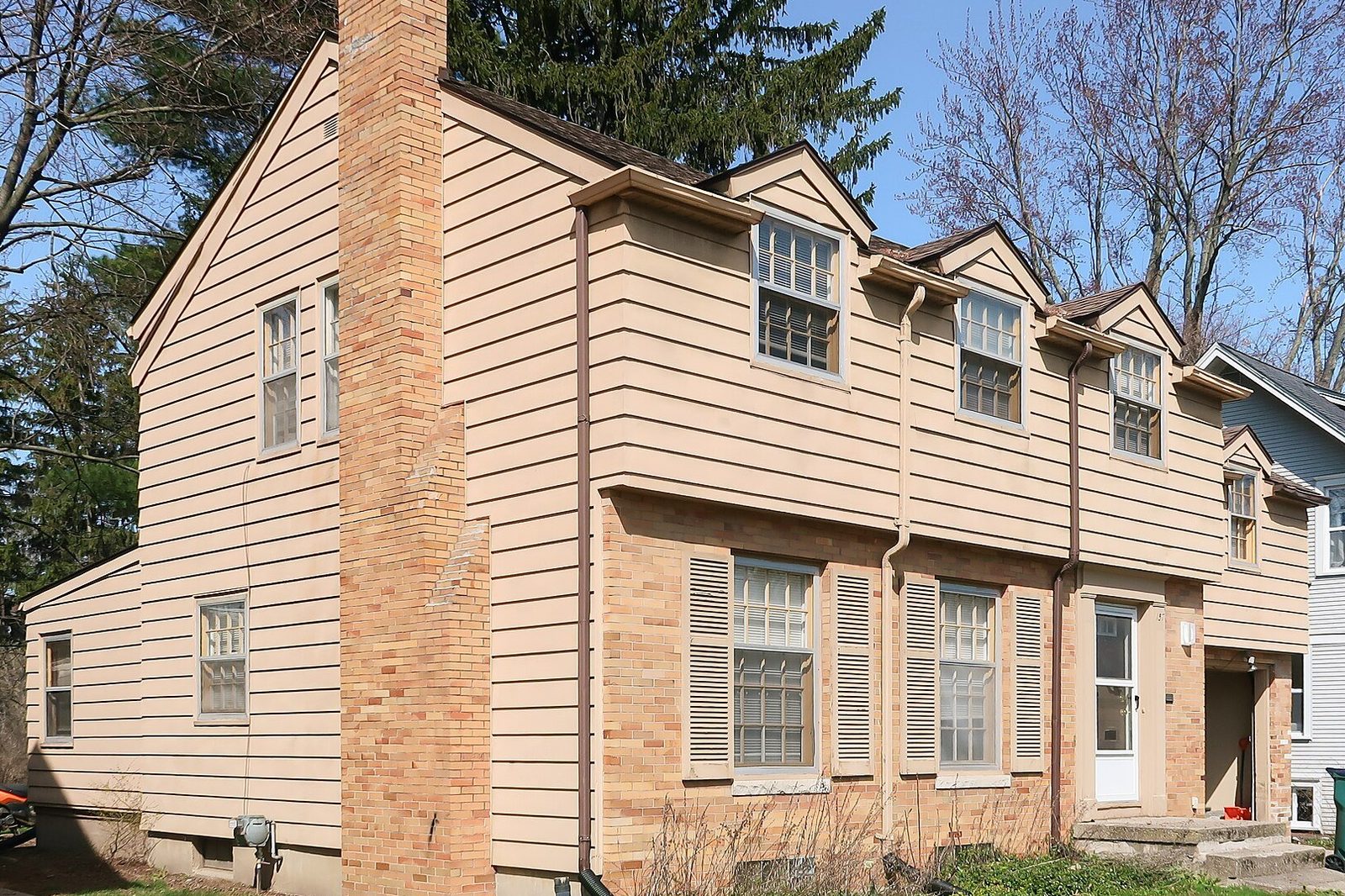
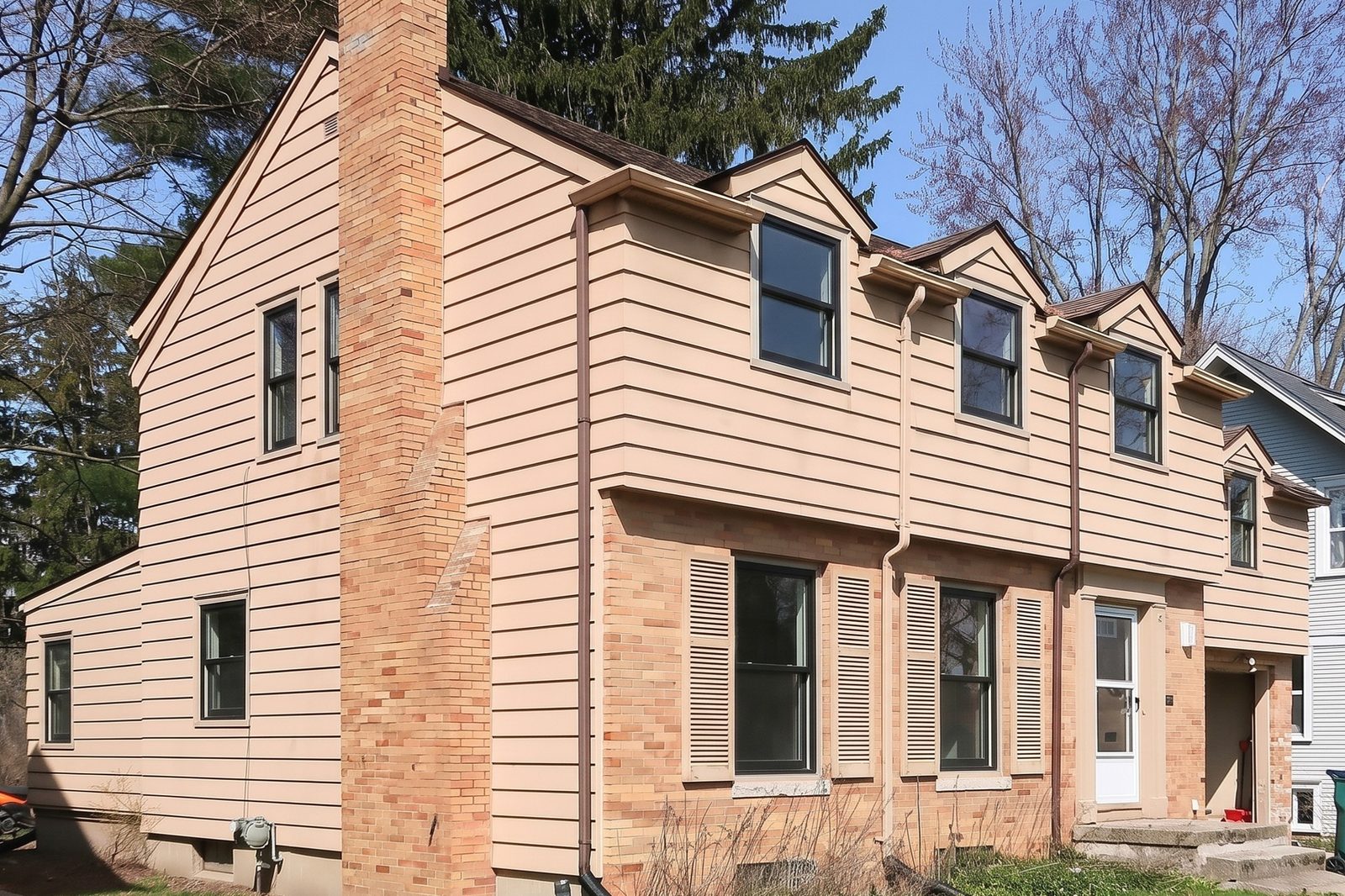
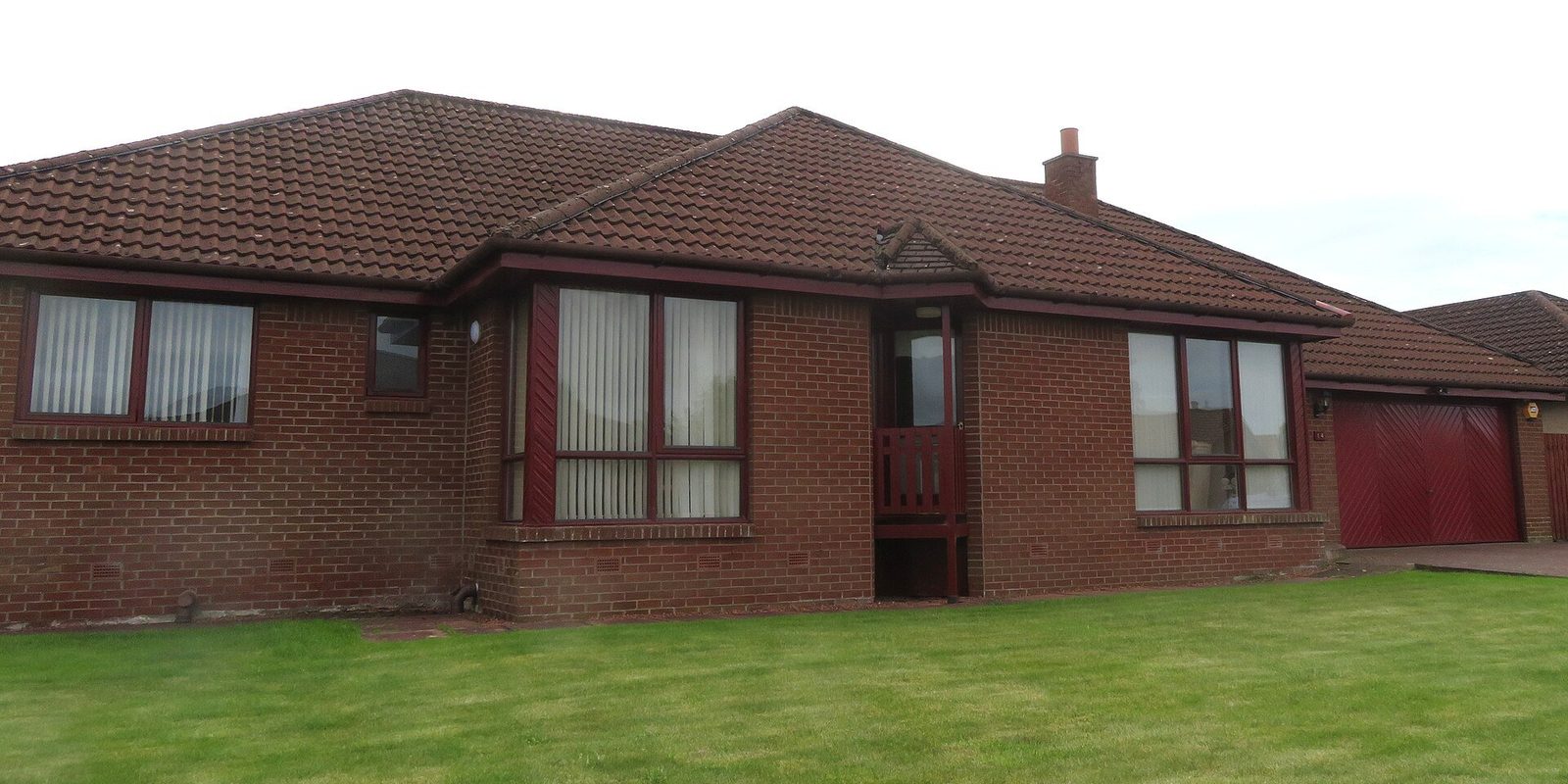
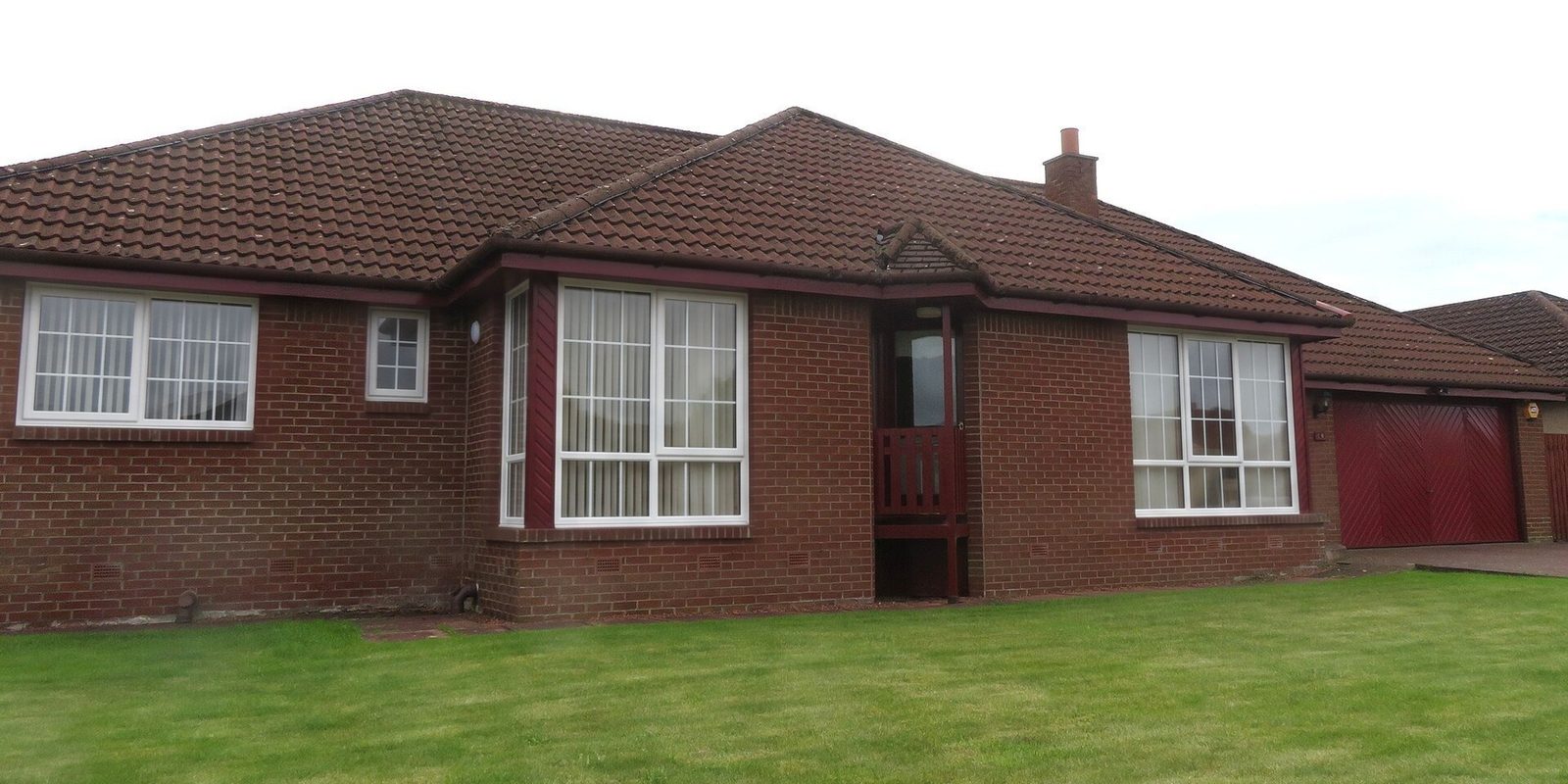
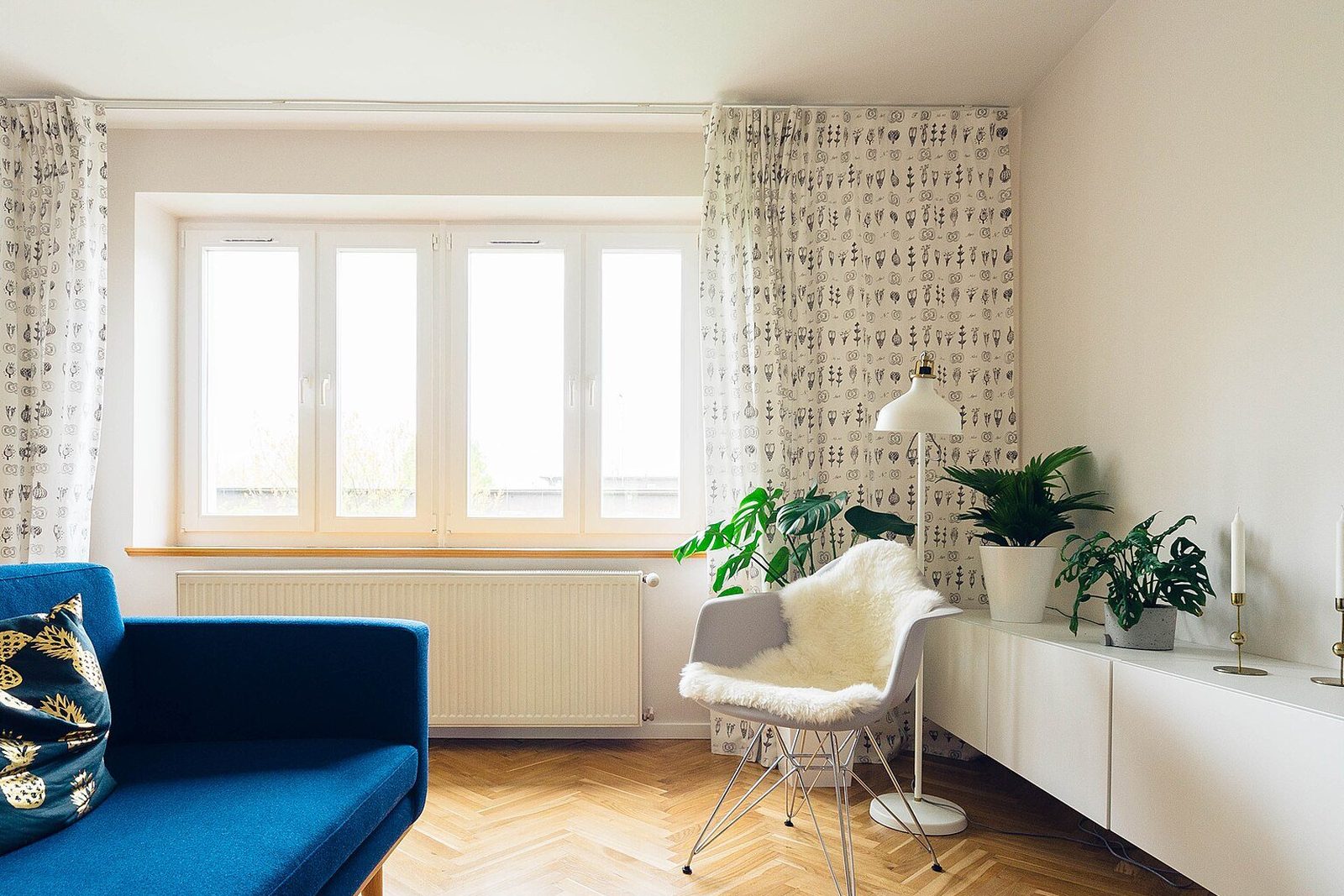
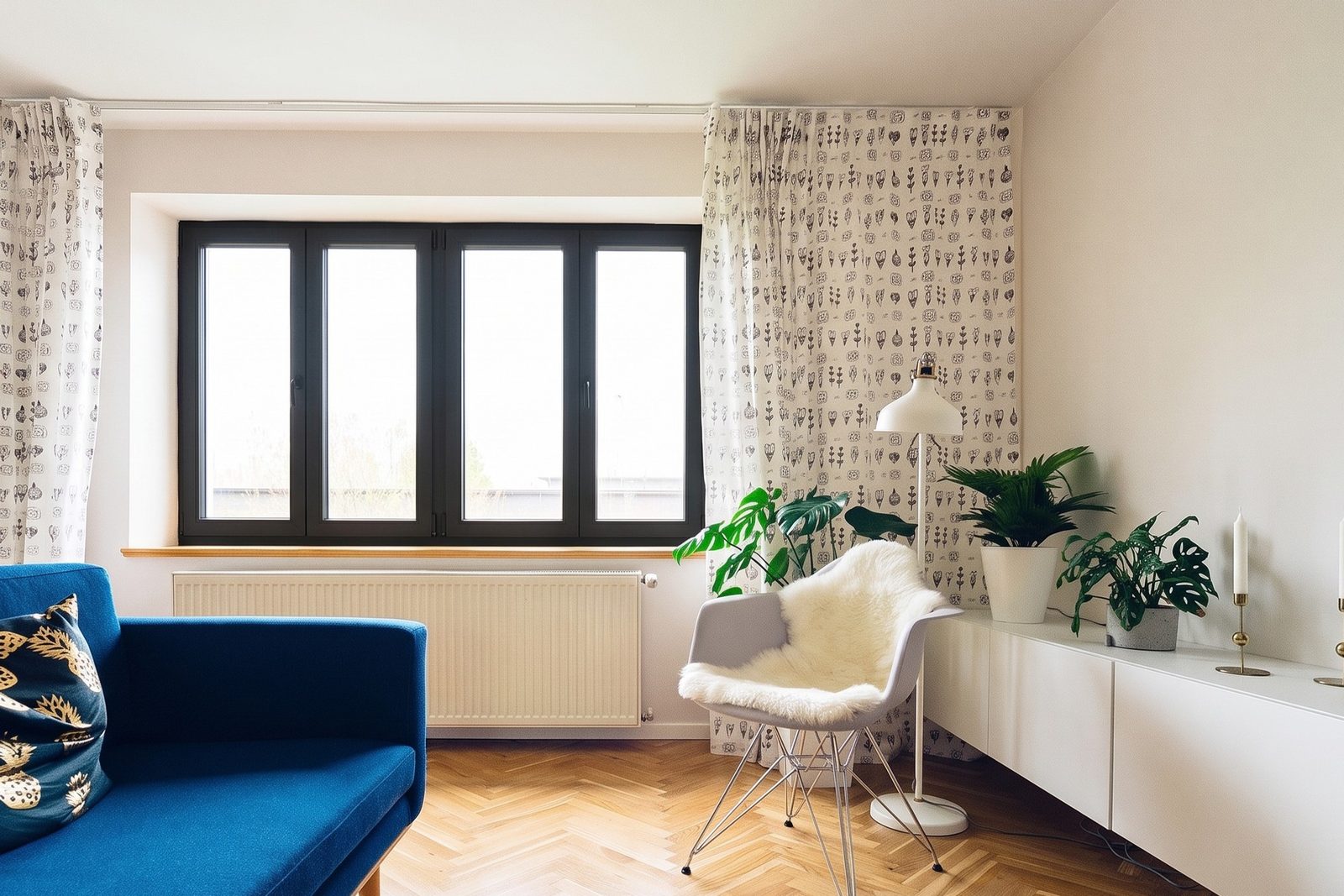
Show the inside if that's where they live with the windows. Most people see their windows from the kitchen sink or the couch, not from the street. Below is one real kitchen photo next to two renders of it: same window, same snowy view, two different frames.
Pick the frame material, color and grilles to match what you sell. Each window keeps the style it has, so a double-hung stays a double-hung; changing the style itself isn't offered yet. The picker also lists colors named after the window lines many installers carry. They are close matches, not the maker's exact finish, and the names come from public sources rather than each maker's current list, so finish with the real chip.
One kitchen window: the photo and two looks
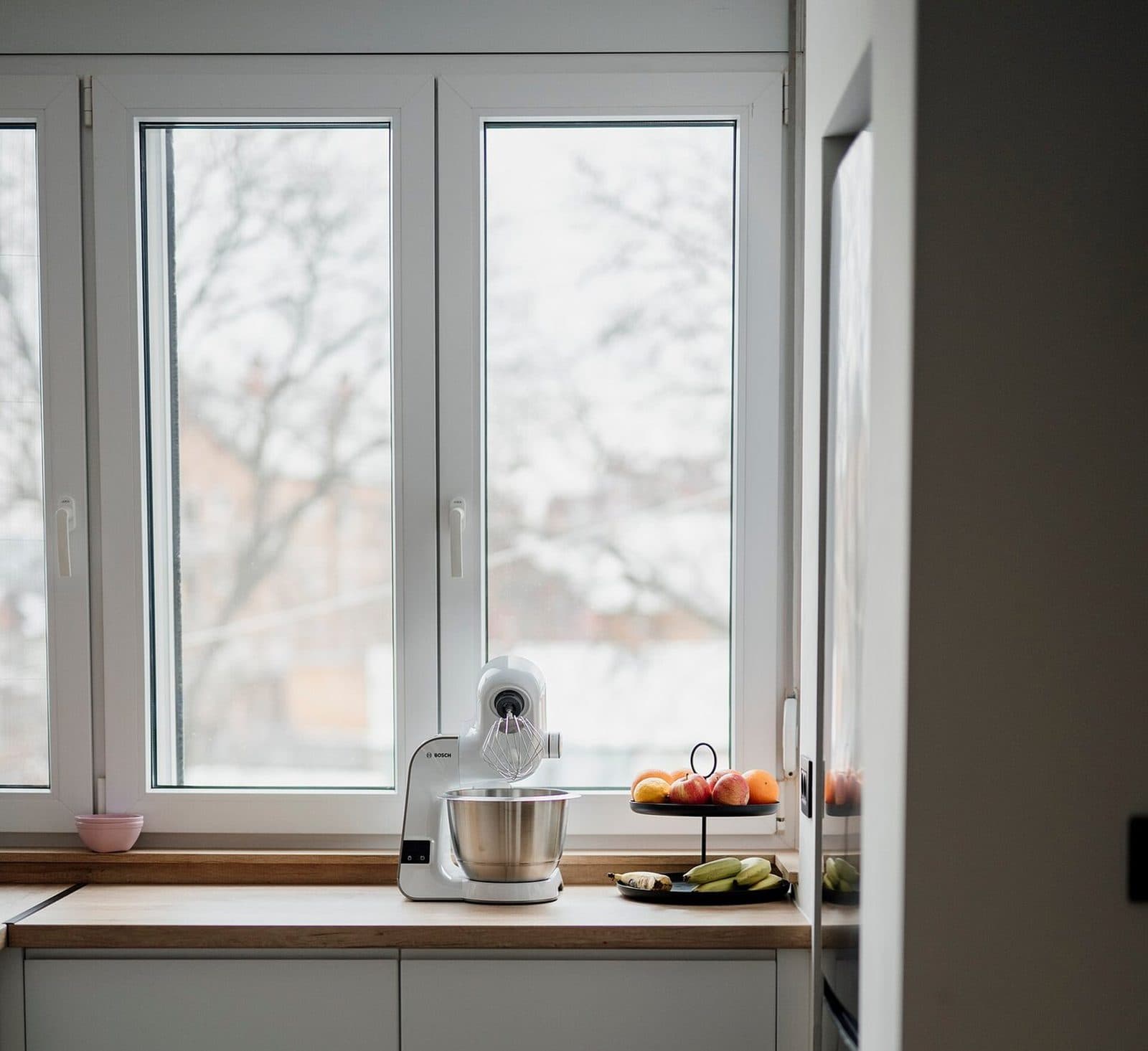 Photo
Today
The real photo
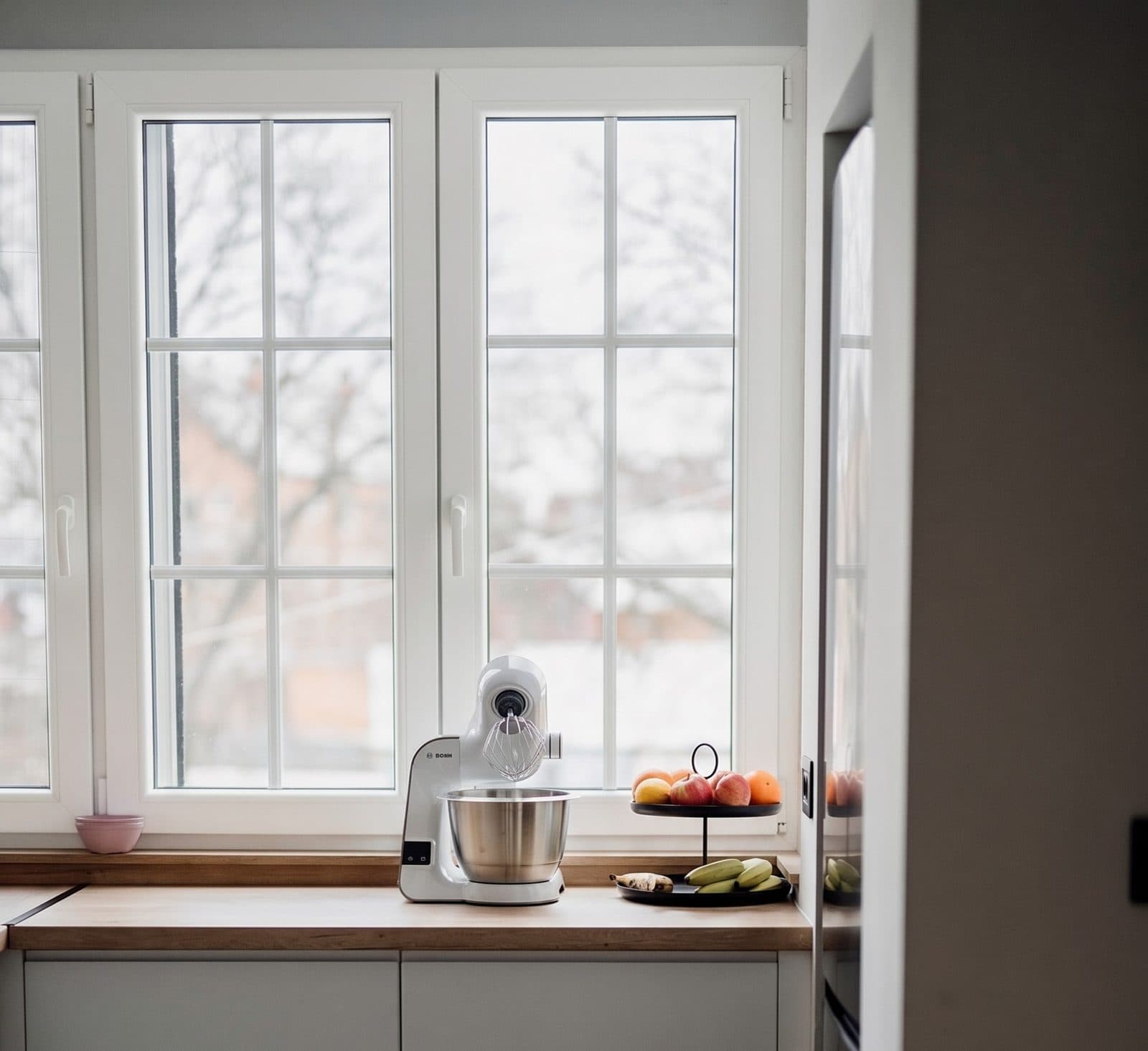 Render
White vinyl, colonial grilles
Try this look on your photo
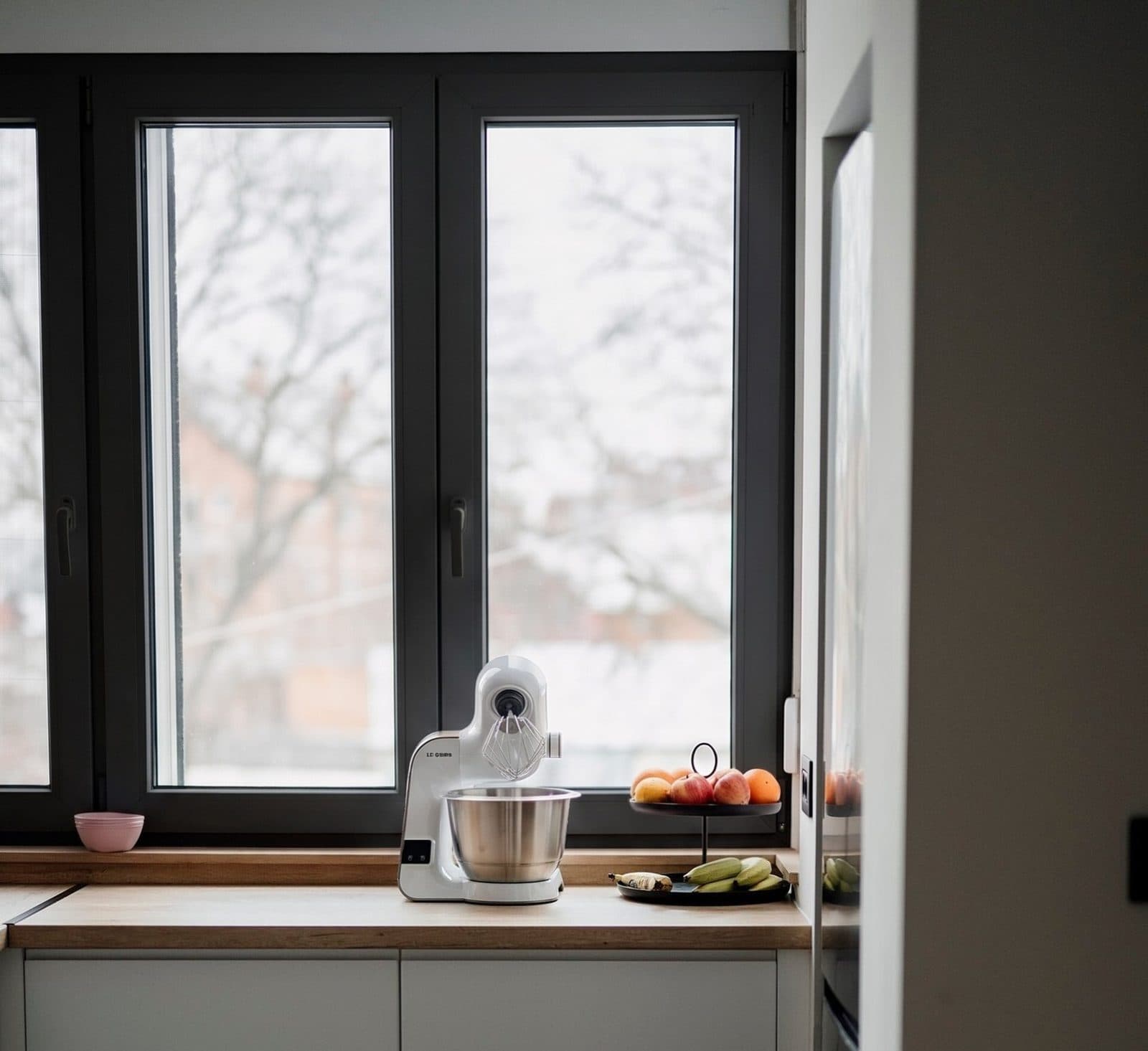 Render
Black fiberglass, no grilles
Try this look on your photo
How do you present the price so it holds up?
Put the number on paper, one line per option, and walk through what each line includes before you say the total. Homeowners are told to compare written quotes (more in window sales objections), so explain your difference before they have to ask.
Answer the objection you can see coming before they raise it. JLC recommends exactly that, along with telling customers about their right to cancel, to cut cancellations3. If they've mentioned another quote, say what yours includes that a cheaper one may leave out.
Then ask. "Which of these do you want to go with?" is a fine question, and the silence after it is fine too.
What do you do when the presentation ends without a yes?
Find out what's left to decide, book the next step before you stand up, and make sure they keep the render. The usual reasons and how to answer them are in window sales objections, and the days after the visit are covered in how to follow up window sales.
For the whole sale, from the first call to the signed order, start with how to sell replacement windows.
Where the render fits in the presentation
Between the walk-through and the price. You've measured, you've seen which windows they care about, and they've told you what they like. Now take the photo: the room they spend the most time in, or the front of the house from the street in daylight.
Render their first choice, hand them the phone and let them drag the slider. Then render the alternative from the same photo. Whichever one they pick is the option you price first.
Frame the photo so nothing sits in front of the windows you're quoting. It's a preview of the look, and you should say so.