What does "let me think about it" mean in window sales?
It rarely means they need more facts. By the end of a long visit they have the measurements, the options and the price. What they don't have is a comfortable way to say what's bothering them, and "we'll think about it" ends the evening without an argument.
A JLC column lists it with "price is too high" and "we want to get other quotes" as the three objections in-home reps hear over and over, and says "think it over" is fast becoming the one heard most2. Another JLC article sorts the worry under it into price, workmanship and product1. In window sales you'll usually find a few more: how the new frames will look on the house, the person who wasn't at the table, and plain timing.
The worry behind "let me think about it" and how to bring it out
Price
- Clues you may have noticed
- Silence at the number, a look between partners, sudden questions about monthly payments.
- A question that brings it out
- "Is it the investment you want to think over, or something about the windows?"
The windows
- Clues you may have noticed
- Questions about other brands, fogged glass, vinyl versus fiberglass, the warranty.
- A question that brings it out
- "Is there anything about the windows themselves you're not sure of?"
Your company or the install
- Clues you may have noticed
- Questions about who installs, how long you've been around, a story about a bad contractor.
- A question that brings it out
- "Is it us? It's fine to say so. What would you want to know about how we'd do the job?"
The look
- Clues you may have noticed
- Holding the color chip to the siding, "I just can't picture it."
- A question that brings it out
- "Is it how they'll look on the house? Let me show you right now."
Someone who wasn't there
- Clues you may have noticed
- "My husband handles the money," "I'll need to show my wife."
- A question that brings it out
- "What do you think they'll ask? Let's get those answers on paper tonight."
Timing
- Clues you may have noticed
- Talk of a kitchen remodel, a possible move, the holidays.
- A question that brings it out
- "Is it the windows or the timing? When would you want them in?"
Too many choices
- Clues you may have noticed
- Flipping between options, asking you to repeat prices.
- A question that brings it out
- "If it were only between these two, which way would you lean?"
| Hidden worry | Clues you may have noticed | A question that brings it out |
|---|---|---|
| Price | Silence at the number, a look between partners, sudden questions about monthly payments. | "Is it the investment you want to think over, or something about the windows?" |
| The windows | Questions about other brands, fogged glass, vinyl versus fiberglass, the warranty. | "Is there anything about the windows themselves you're not sure of?" |
| Your company or the install | Questions about who installs, how long you've been around, a story about a bad contractor. | "Is it us? It's fine to say so. What would you want to know about how we'd do the job?" |
| The look | Holding the color chip to the siding, "I just can't picture it." | "Is it how they'll look on the house? Let me show you right now." |
| Someone who wasn't there | "My husband handles the money," "I'll need to show my wife." | "What do you think they'll ask? Let's get those answers on paper tonight." |
| Timing | Talk of a kitchen remodel, a possible move, the holidays. | "Is it the windows or the timing? When would you want them in?" |
| Too many choices | Flipping between options, asking you to repeat prices. | "If it were only between these two, which way would you lean?" |
What should you say, word for word?
Use the same four moves every time: agree, isolate, answer, ask again. Agreeing lowers the temperature. Isolating gives them a short menu, so they only have to point. Answering deals with one worry instead of re-running the whole pitch. Asking again is one plain question, said once.
When they say "let me think about it"
Of course. It's a big decision, and you should feel good about it before you do anything.
Usually when people want to think it over, it comes down to one of a few things: the price, the windows themselves, us as a company, or not being sure how it'll look. Which one is it for you?
[Answer only the one they name. Then:] Does that settle it, or is there something else on your mind?
If that's handled, is there anything stopping us from getting your install on the calendar tonight?
If they name a second worry, run the same steps on it. If they can't name one, take them at their word and book the follow-up.
How do you find the real worry without pushing?
If the worry turns out to be money, it needs its own handling; the levers are in window price objection. If it's "we want to see what others charge," use what to do when a homeowner wants other quotes. The rest of the usual objections are in window sales objections.
- Ask once. A second "but which part is it?" after they've said "nothing, really" turns a question into pressure.
- Then stop talking. Let them fill the quiet; the first thing they say is usually the real worry.
- Make the hard answer easy to give: "If it's the price, just say so. Lots of people feel that way, and there's usually something we can do."
- Use their words from the walk-through. If they said the back bedroom is drafty, ask about the back bedroom, not about "energy performance."
- Don't restart the presentation. Repeating every feature tells them you didn't hear them.
- Write the worry on your notepad where they can see it. It shows you're dealing with it, not talking past it.
How do you stop "let me think about it" before it starts?
Many stalls are set up early in the visit, long before the price, so that's where to head them off. These habits remove the usual reasons before the number ever comes out.
- Get every decision maker in the room. Renewal by Andersen asks all property owners to be present for its whole consultation3. Ask for the same when you confirm, and move the appointment rather than present to half the household.
- Ask about money during the walk-through. JLC suggests learning what the customer plans to spend before you present4, so the number at the end isn't a shock.
- Agree on the ending at the start: you'll ask for a yes or a no, and no is a fine answer.
- Show two options, not six. Every extra choice is one more thing to go away and think about.
- Bring up their right to cancel yourself, calmly, before they wonder about it. The FTC requires a seller to tell the buyer about that right at the time of sale5, and JLC ties answering expected objections early, and telling customers about the right to cancel, to fewer cancellations6.
At the start of the visit
Here's how tonight usually goes. We'll look at the windows together, I'll show you a couple of options on a photo of your own house, and then we'll go over the price.
At the end I'll ask if you want to go ahead. A no is completely fine. All I ask is that you tell me what's in the way, so I'm not guessing.
What if they still want time to think?
Then give it to them, on a schedule. Ask what they need to decide and by when, write it down, and book the call before you stand up: "I'll call Thursday at six. Does that work for both of you?" A stall with a date on it is a next step. A stall without one is usually a lost lead.
Leave the quote in writing with every option priced, and send the render that night, while the visit is fresh. If they ask for a second look, render it from the same photo so only the windows change. The days after are planned out in how to follow up window sales, and going back for a second visit is covered in window sales rehash.
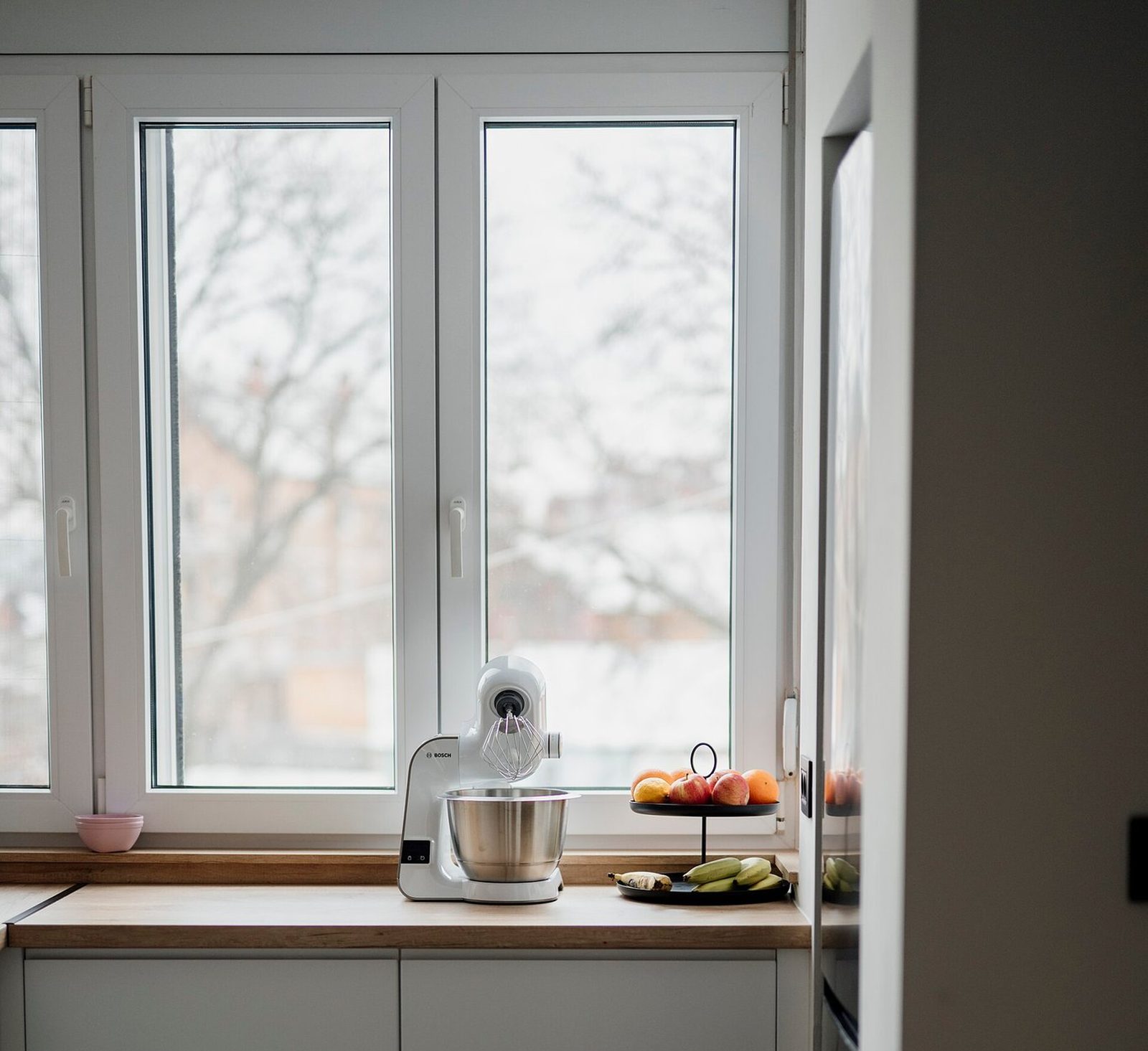
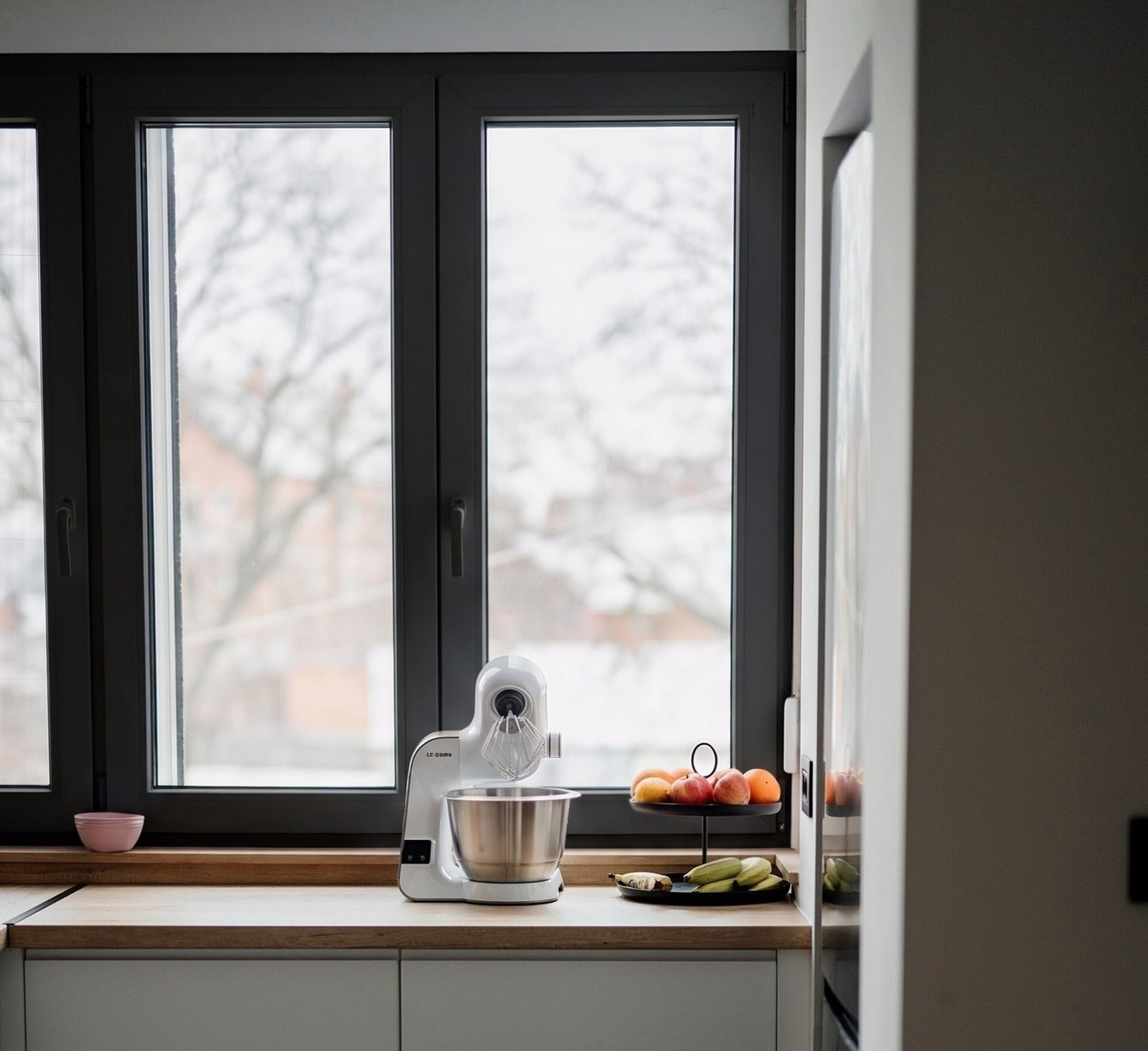
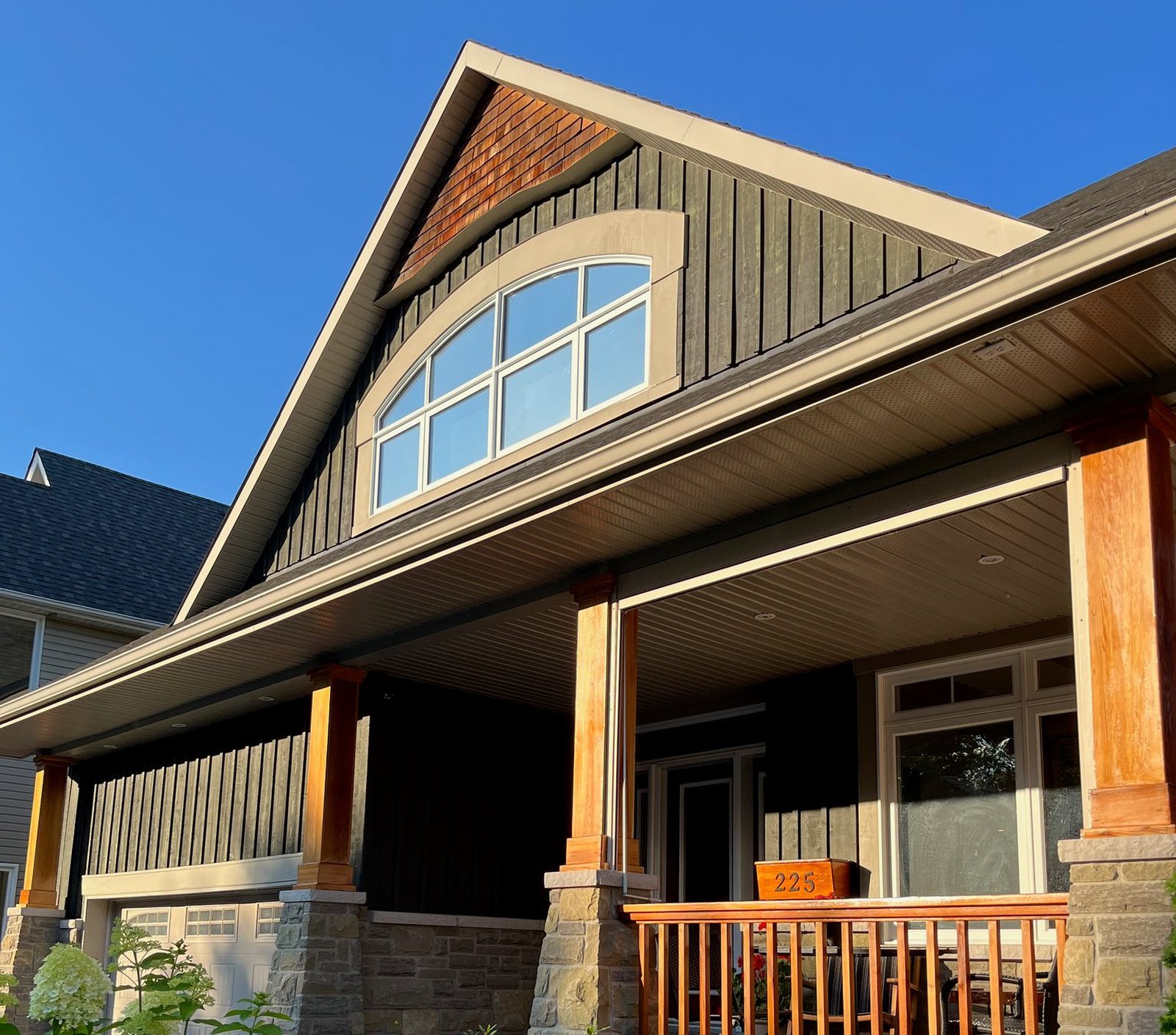
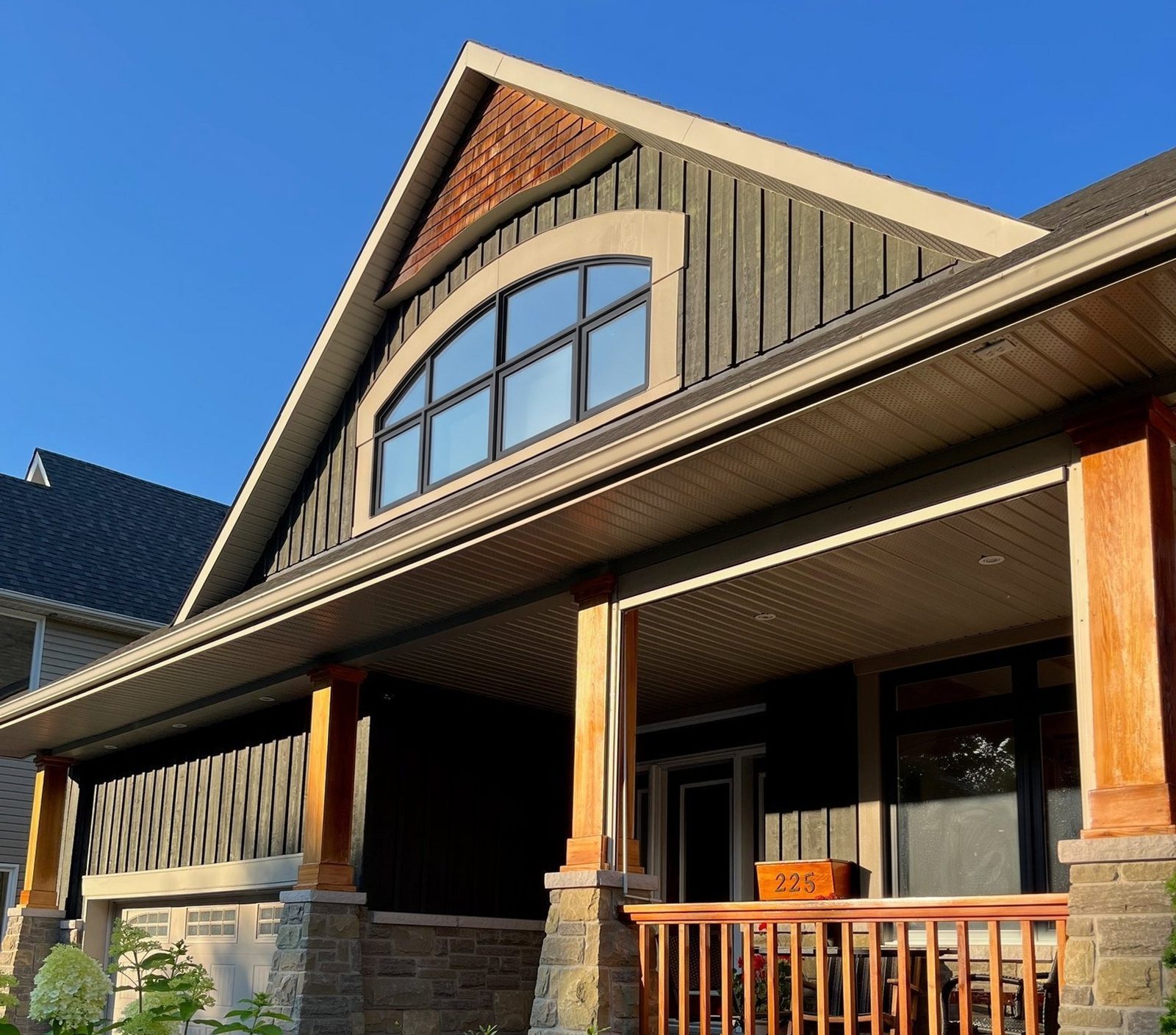
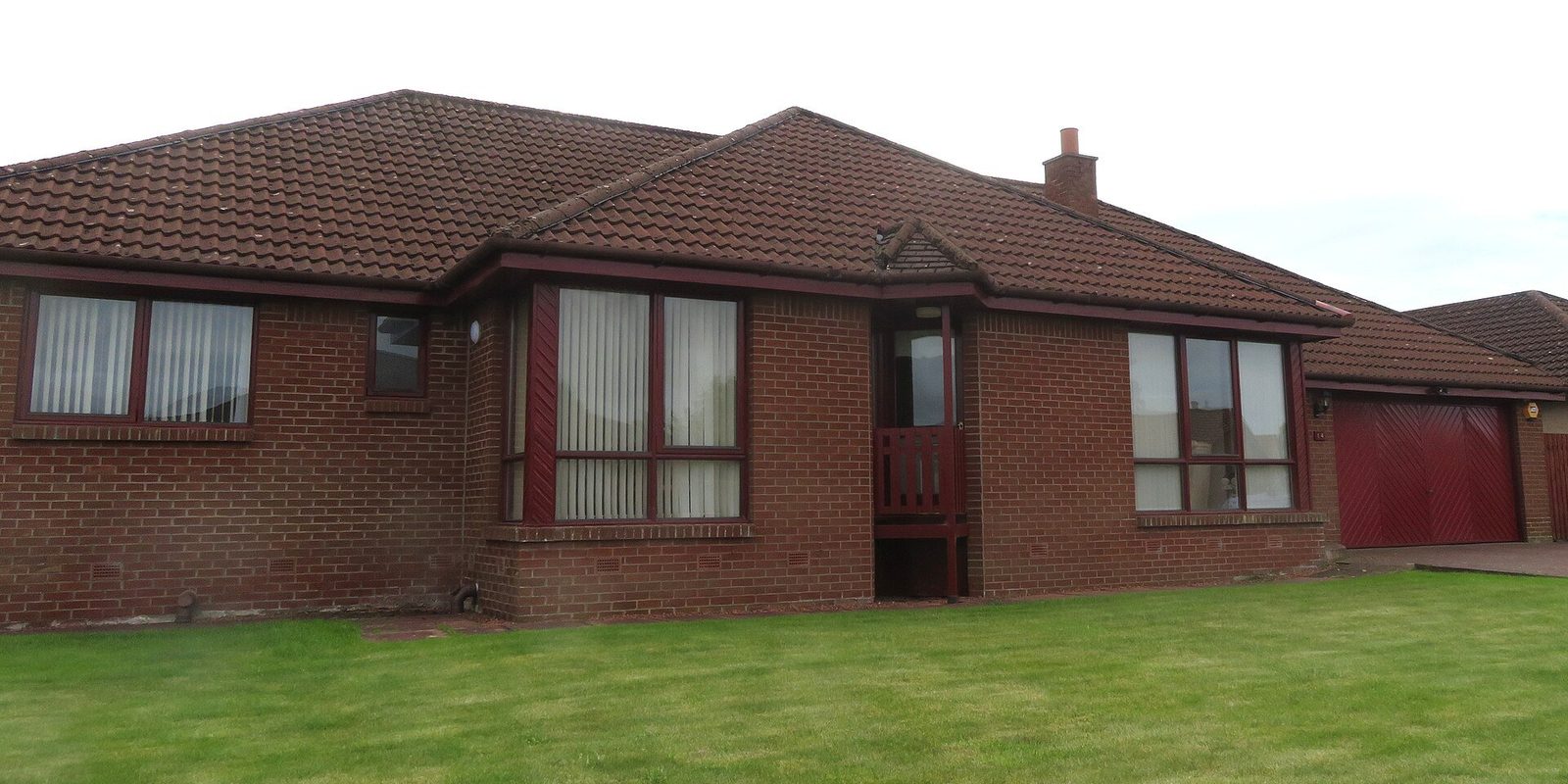
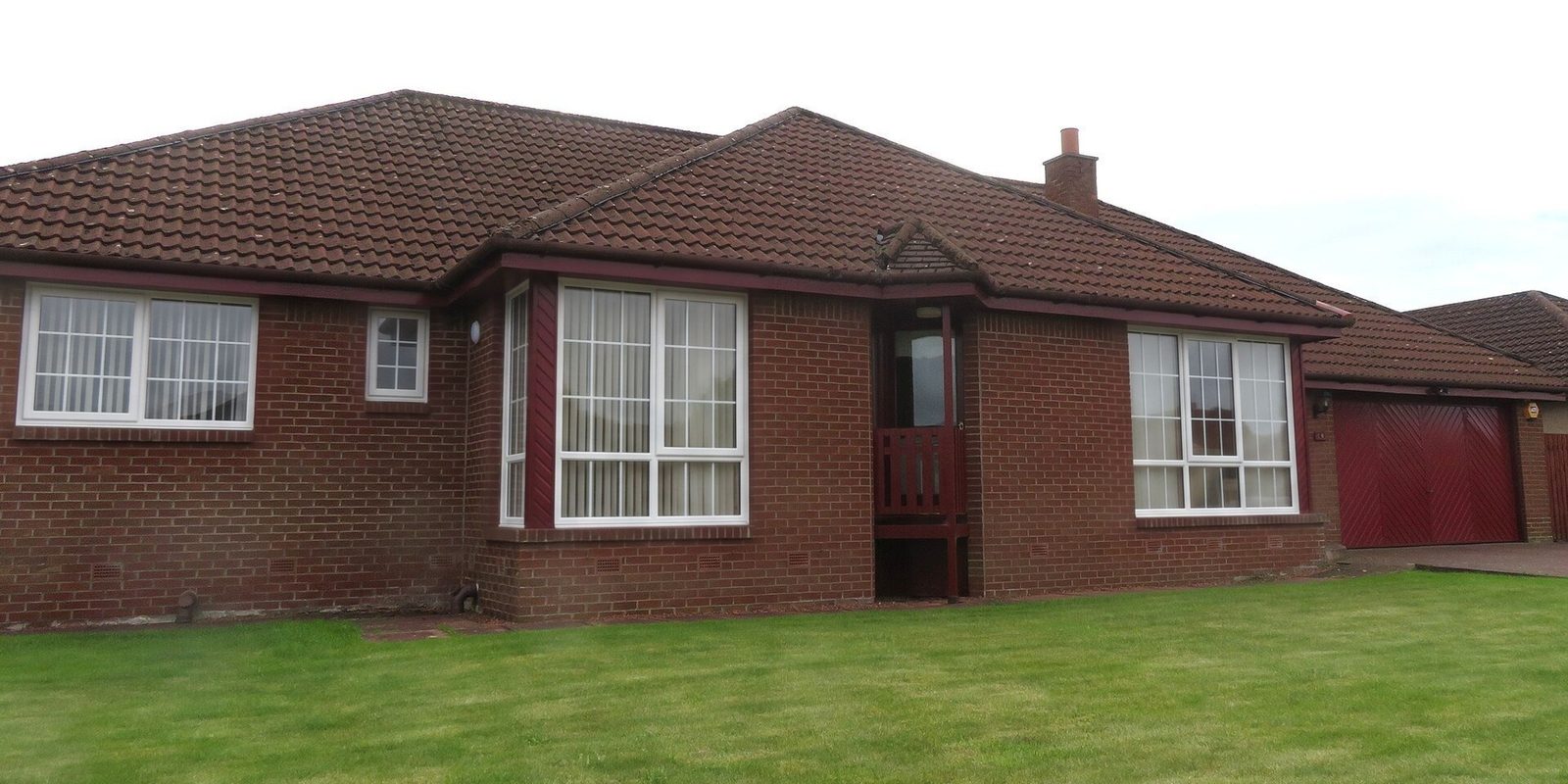
Thanks again for tonight. Here's your house with the black frames, from the photo I took out front, so you can look at it together.
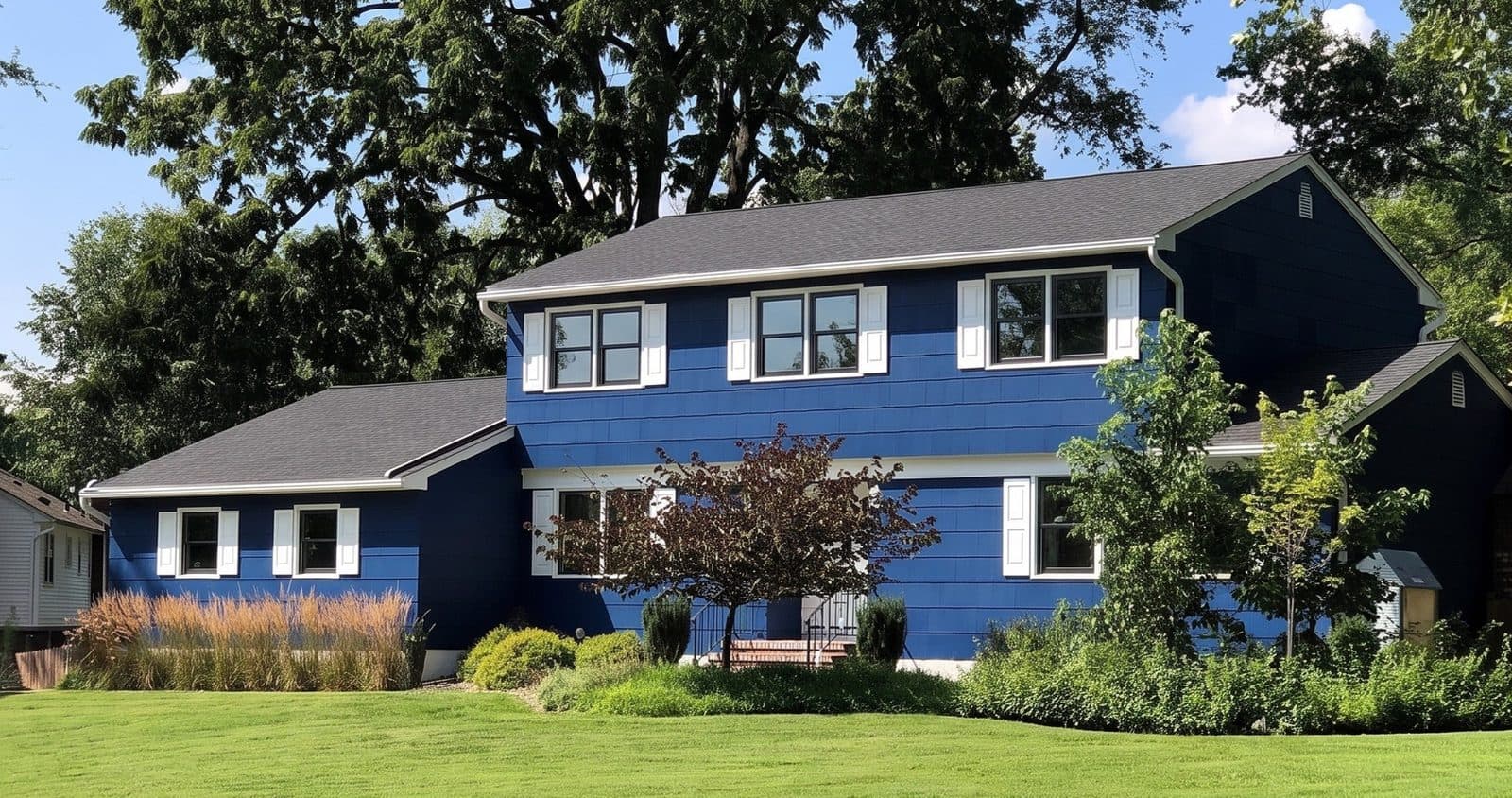 Render
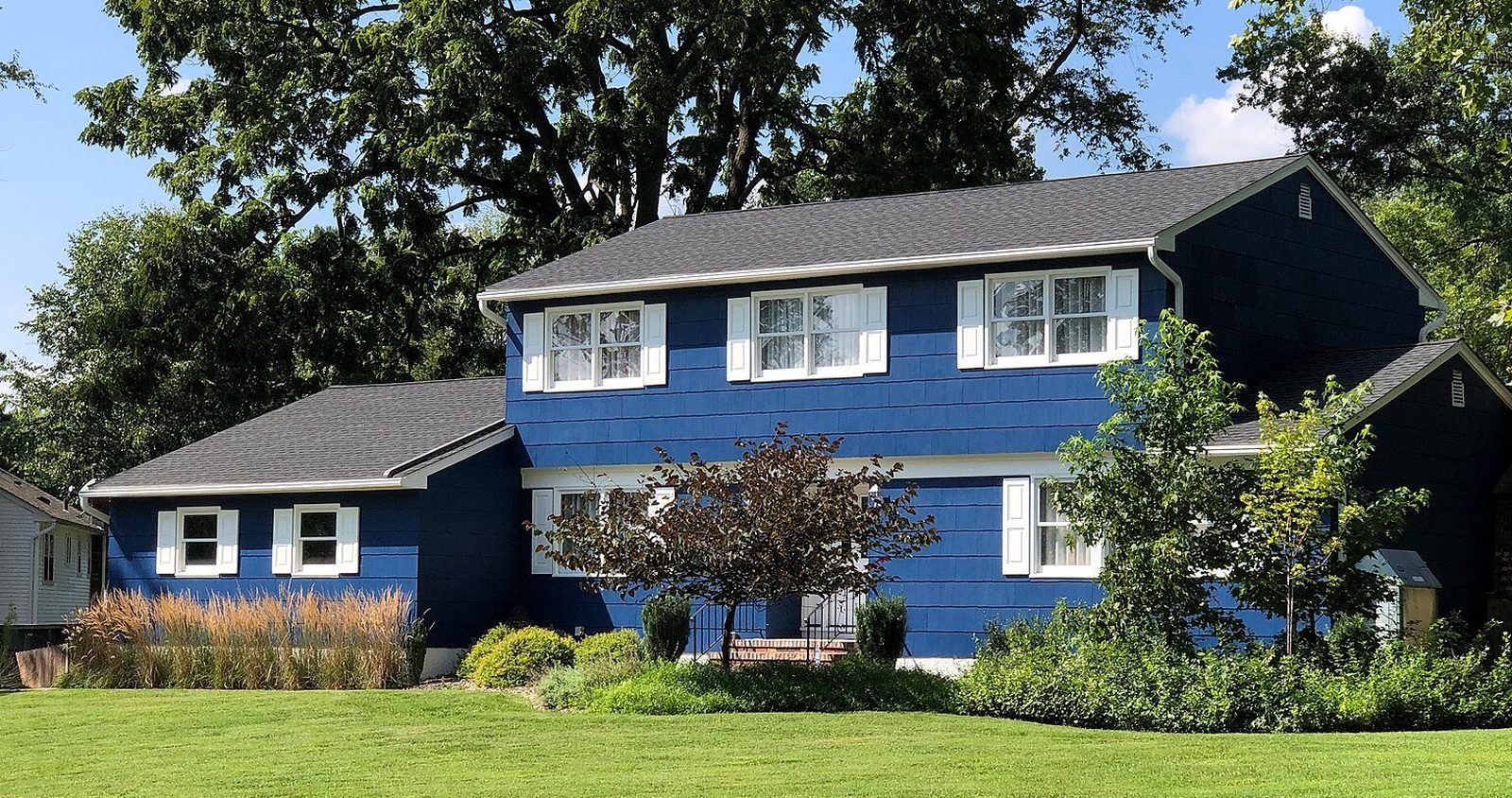
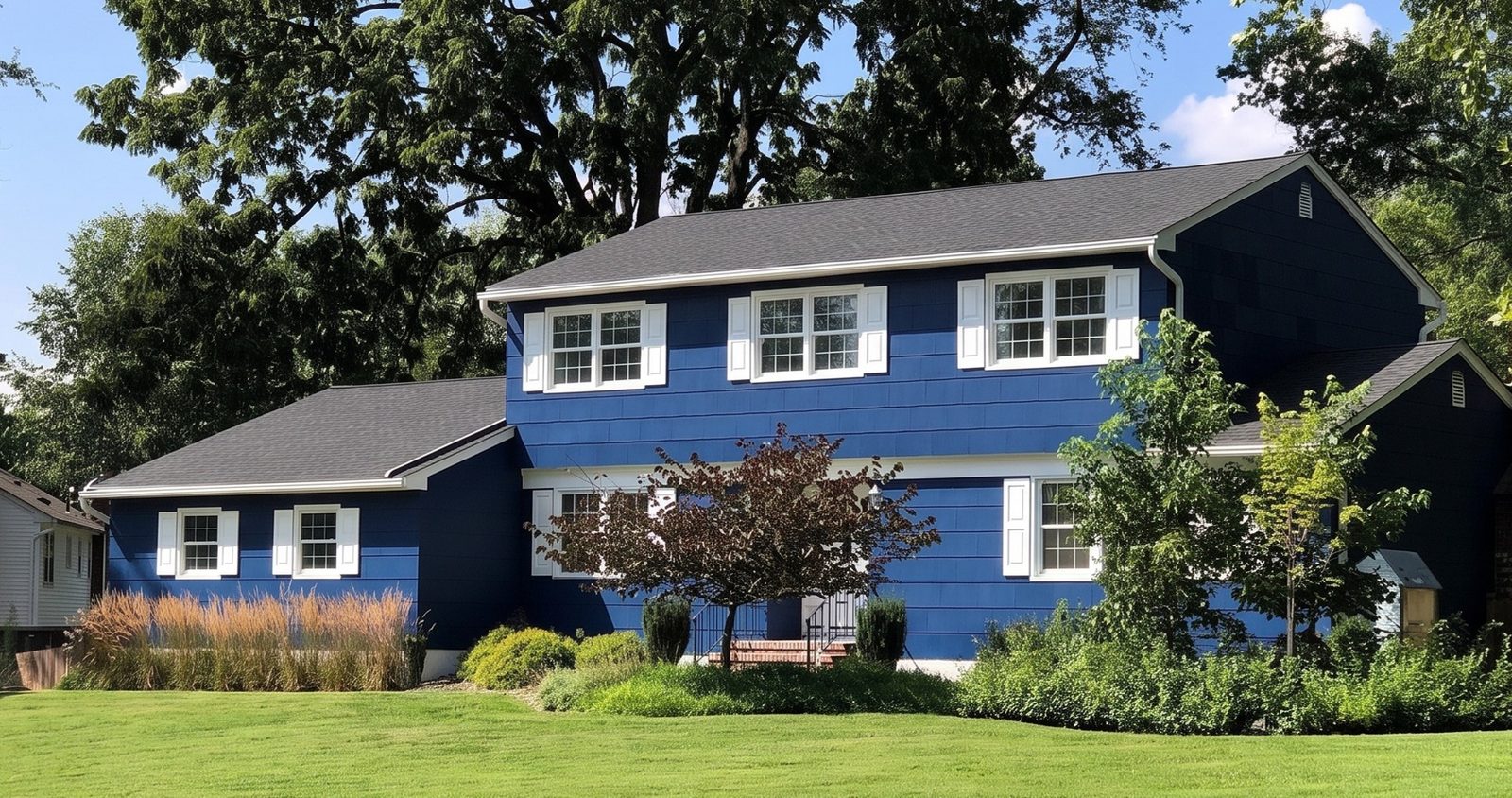
You said the big question was how it'd look with the white shutters. Want the white with grids too, from the same photo? I'll call Thursday at six like we said.
Yes please, send the white one. He wants to see both side by side.
Which mistakes turn "let me think about it" into a no?
- A price that expires when you walk out. The FTC names a contractor pushing for an immediate decision as a warning sign of a home improvement scam7. If a price truly changes on a date, give the date and the reason.
- Using the right to cancel as a closing line. Under the FTC's Cooling-Off Rule, a buyer can cancel a sale of $25 or more made at home until midnight of the third business day after it5. "Sign tonight, you can always cancel" turns a doubter into a cancellation by Thursday. States can add their own rules, so check yours with your lawyer; this is general information, not legal advice. More in window sale cancellations.
- Discounting to break the stall. A number that drops when they hesitate makes them wonder what else on the quote is padded.
- Arguing. "What's there to think about?" forces them to defend the stall instead of telling you the worry.
- Leaving without a date. "I'll give you a call sometime" is how good leads go quiet.
- Calling every day. One plan, spaced out, with something new each time.
Where the render fits when they want to think it over
When the hidden worry is the look, the render ends the stall at the table. Take one photo, render the frame color and grilles they're unsure about, then the alternative from the same photo, and hand them the phone. Once they've seen their own house both ways, they're choosing between two pictures instead of guessing.
When the worry is someone who wasn't there, the render is how that person sees the job. Text it that night. The quote is a page of numbers; the render is what gets passed across the table and opened again before your Thursday call.
It won't settle price, trust or timing, and it doesn't measure or quote anything. Answer those worries with your numbers, your paperwork and your install schedule.