What does a window price objection really mean?
"Too expensive" covers several different objections, and the answer to one is wrong for the others. A JLC column's advice for "price is too high" starts with pinning down what the homeowner is comparing your price to2. Their answer tells you which kind you're facing.
Kinds of window price objection and the first move for each
"Wow. That's a lot."
- What it usually is
- Sticker shock: the price is above the number in their head.
- Your first move
- Ask what they expected, and where that number came from.
"We can't afford that."
- What it usually is
- A budget limit: the price is above what they can spend.
- Your first move
- Ask what they can spend, then build a job that fits inside it.
"Is it really worth that much?"
- What it usually is
- Value: they don't see what the money buys.
- Your first move
- Go back to the problems they showed you on the walk-through.
"The other company was cheaper."
- What it usually is
- A comparison: they have another number.
- Your first move
- Compare the scope line by line; see when the homeowner wants other quotes.
"I saw windows for way less online."
- What it usually is
- An anchor from a per-window ad or a cost guide.
- Your first move
- Ask what that price includes, then show what it may leave out: install, trim, haul-away, warranty.
"We need to look at our budget."
- What it usually is
- Often a stall, with price as the polite reason.
- Your first move
- Ask if it's the price or something else; see let me think about it.
| They say | What it usually is | Your first move |
|---|---|---|
| "Wow. That's a lot." | Sticker shock: the price is above the number in their head. | Ask what they expected, and where that number came from. |
| "We can't afford that." | A budget limit: the price is above what they can spend. | Ask what they can spend, then build a job that fits inside it. |
| "Is it really worth that much?" | Value: they don't see what the money buys. | Go back to the problems they showed you on the walk-through. |
| "The other company was cheaper." | A comparison: they have another number. | Compare the scope line by line; see when the homeowner wants other quotes. |
| "I saw windows for way less online." | An anchor from a per-window ad or a cost guide. | Ask what that price includes, then show what it may leave out: install, trim, haul-away, warranty. |
| "We need to look at our budget." | Often a stall, with price as the polite reason. | Ask if it's the price or something else; see let me think about it. |
How do you prevent sticker shock before you give the price?
Talk about money before you talk about product. JLC suggests learning what the customer plans to spend before you present1. Ask during the walk-through, when it's just a question, not a reaction to a number on the table.
The number in a homeowner's head may come from an ad, a cost guide or a neighbor's job, and it may describe a very different job from theirs. Even published benchmarks are far apart because they measure different things: Siro puts the median windows and doors deal in its data at $7,5383, while the 2025 Cost vs. Value report prices its national vinyl window replacement project at $22,0734. Give them your own range for a job like theirs early, so the final price lands inside something they've already heard.
If your prices went up since they last heard a number, say so before you present, not after. Our guide to explaining window price increases has the words for that conversation.
During the walk-through
Before I put options together: have you set a number in your mind for this project, even a rough one?
That helps. For a house like yours with this many windows, our jobs usually land between [low] and [high], depending on the line and the options. Does that range work, or should I build something that comes in lower?
Use a range from your own recent jobs. A range you can't back up is worse than none.
What do you say the moment they react to the price?
Say nothing for a beat. Then ask the one question that splits the two most common kinds: is it more than they expected, or more than they can spend? Surprise needs an explanation of where the money goes. A budget limit needs a different job.
When they react to the number
I can tell that's more than you were thinking. Can I ask: is it more than you expected, or more than you can spend right now?
If it's more than they expected: "That's fair. Let me show you where the money goes, window by window, and you tell me what matters most."
If it's more than they can spend: "OK. What number would work? Let's see what we can do inside it without cutting corners on the install."
If it's both: "Then let's start from what you can spend, and I'll show you what that gets you."
Don't lower the price in the same breath. A number that drops when they flinch makes the rest of the quote look padded.
How do you close the gap without cutting your price?
Change the job, not your margin. These are the honest levers; pick the one that fits what they told you during the walk-through. Building good, better and best options before the visit is its own subject. The point here is narrower: when the homeowner balks, offer a smaller version of the job they want, not a discount on it.
Ways to bring a window job down to the homeowner's budget
Do it in phases
- What changes
- Replace the worst windows now (rotted, fogged or painted shut) and the rest later.
- Watch out for
- Matching later: confirm the line and color will still be sold, and price the second phase in writing.
A different product line
- What changes
- A similar look in a lower-priced series or frame material.
- Watch out for
- Say plainly what the lower line gives up, such as warranty terms or frame material.
Fewer options
- What changes
- No grilles, a white frame instead of a color your line charges extra for, or fewer upgrades.
- Watch out for
- Don't drop the thing they told you mattered most.
Financing
- What changes
- The job stays the same; the cost is spread over monthly payments, and interest or fees can make the total higher.
- Watch out for
- Show the total cost and every term in writing, and check your state's lending rules with your lender and your lawyer. Dealer fees and the rest are in window replacement financing.
Not this year
- What changes
- Nothing gets sold tonight.
- Watch out for
- Leave the quote and the render, and offer to come back when the timing works.
| Lever | What changes | Watch out for |
|---|---|---|
| Do it in phases | Replace the worst windows now (rotted, fogged or painted shut) and the rest later. | Matching later: confirm the line and color will still be sold, and price the second phase in writing. |
| A different product line | A similar look in a lower-priced series or frame material. | Say plainly what the lower line gives up, such as warranty terms or frame material. |
| Fewer options | No grilles, a white frame instead of a color your line charges extra for, or fewer upgrades. | Don't drop the thing they told you mattered most. |
| Financing | The job stays the same; the cost is spread over monthly payments, and interest or fees can make the total higher. | Show the total cost and every term in writing, and check your state's lending rules with your lender and your lawyer. Dealer fees and the rest are in window replacement financing. |
| Not this year | Nothing gets sold tonight. | Leave the quote and the render, and offer to come back when the timing works. |
How do you show the lower-priced option?
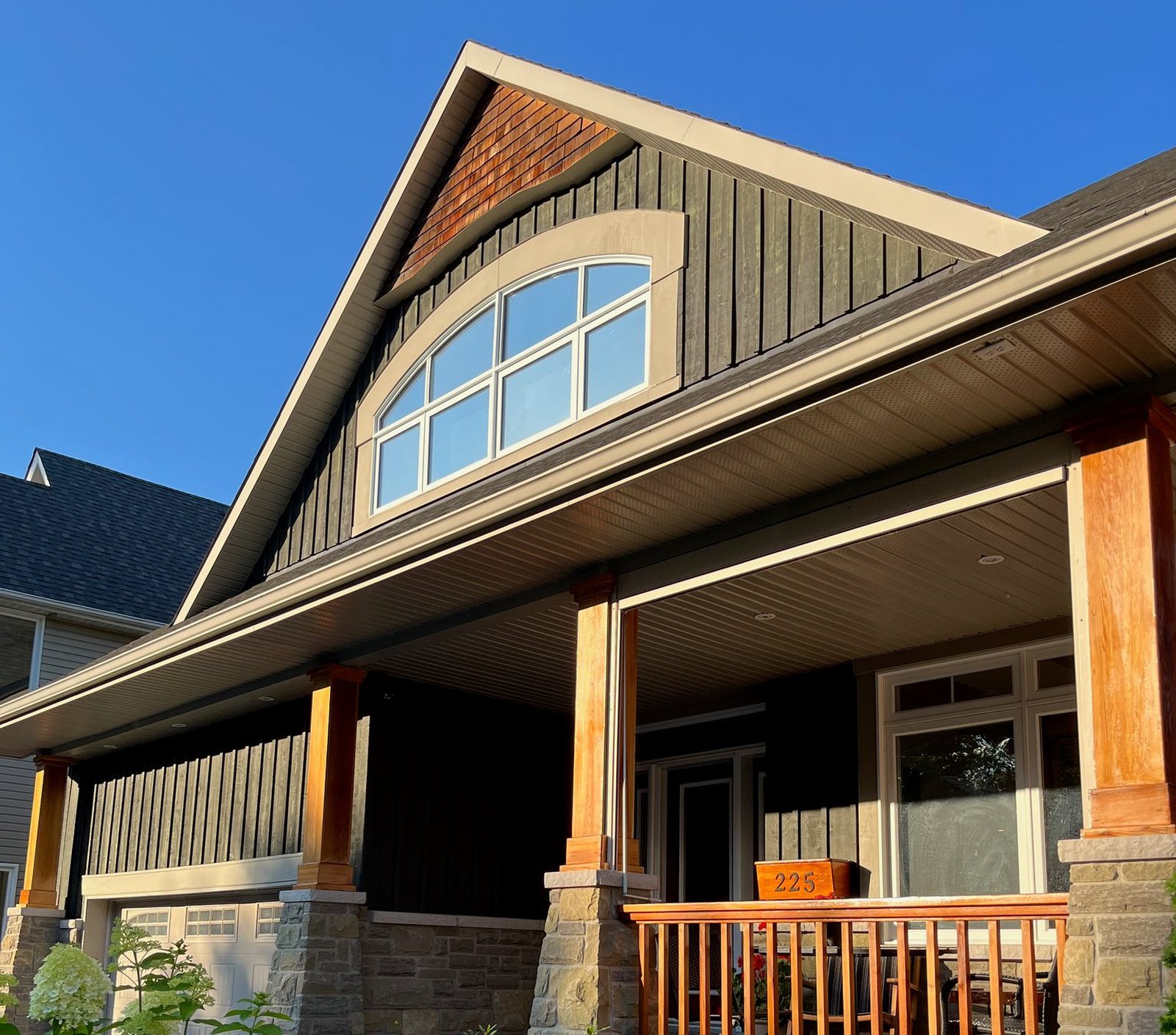
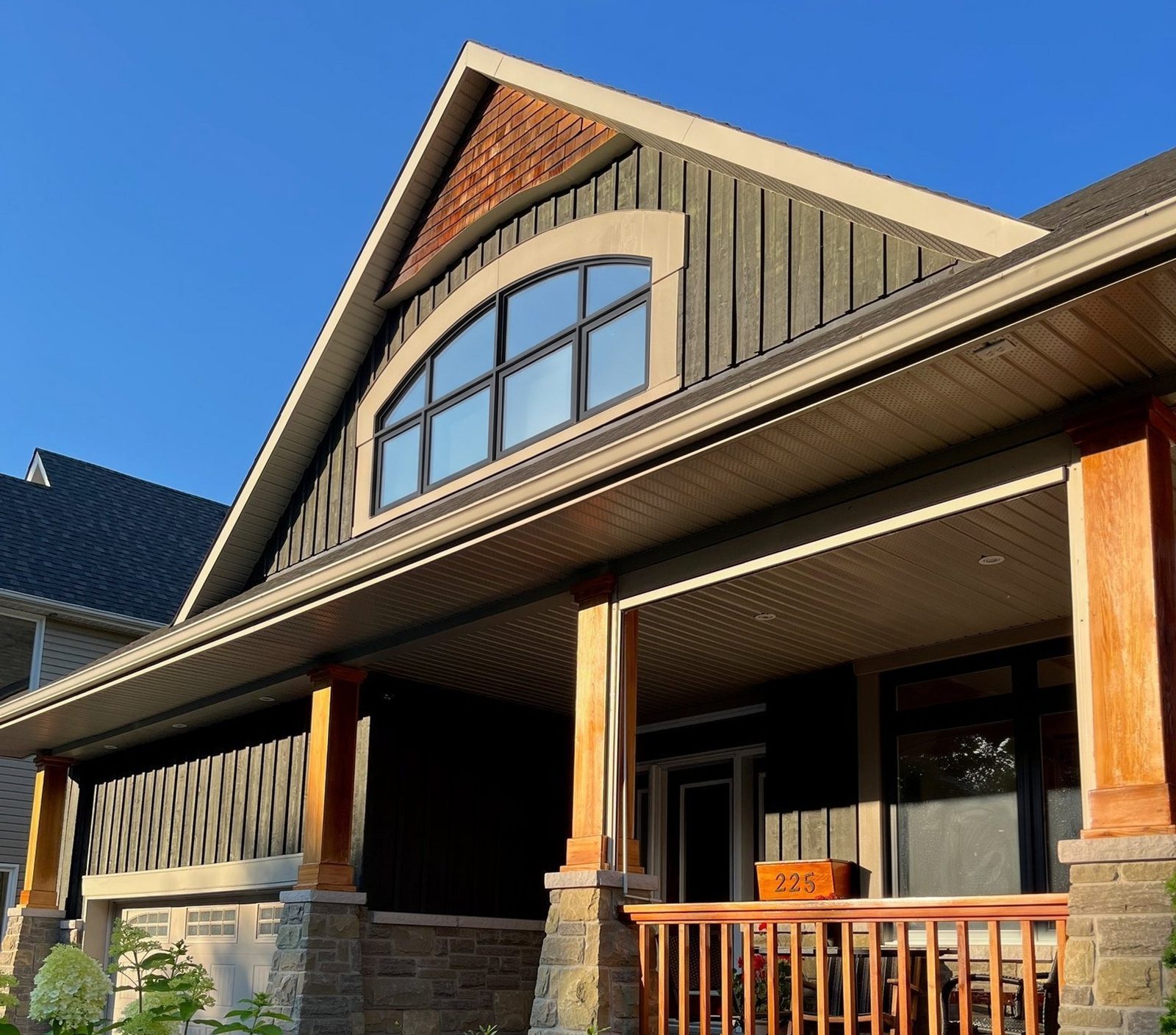
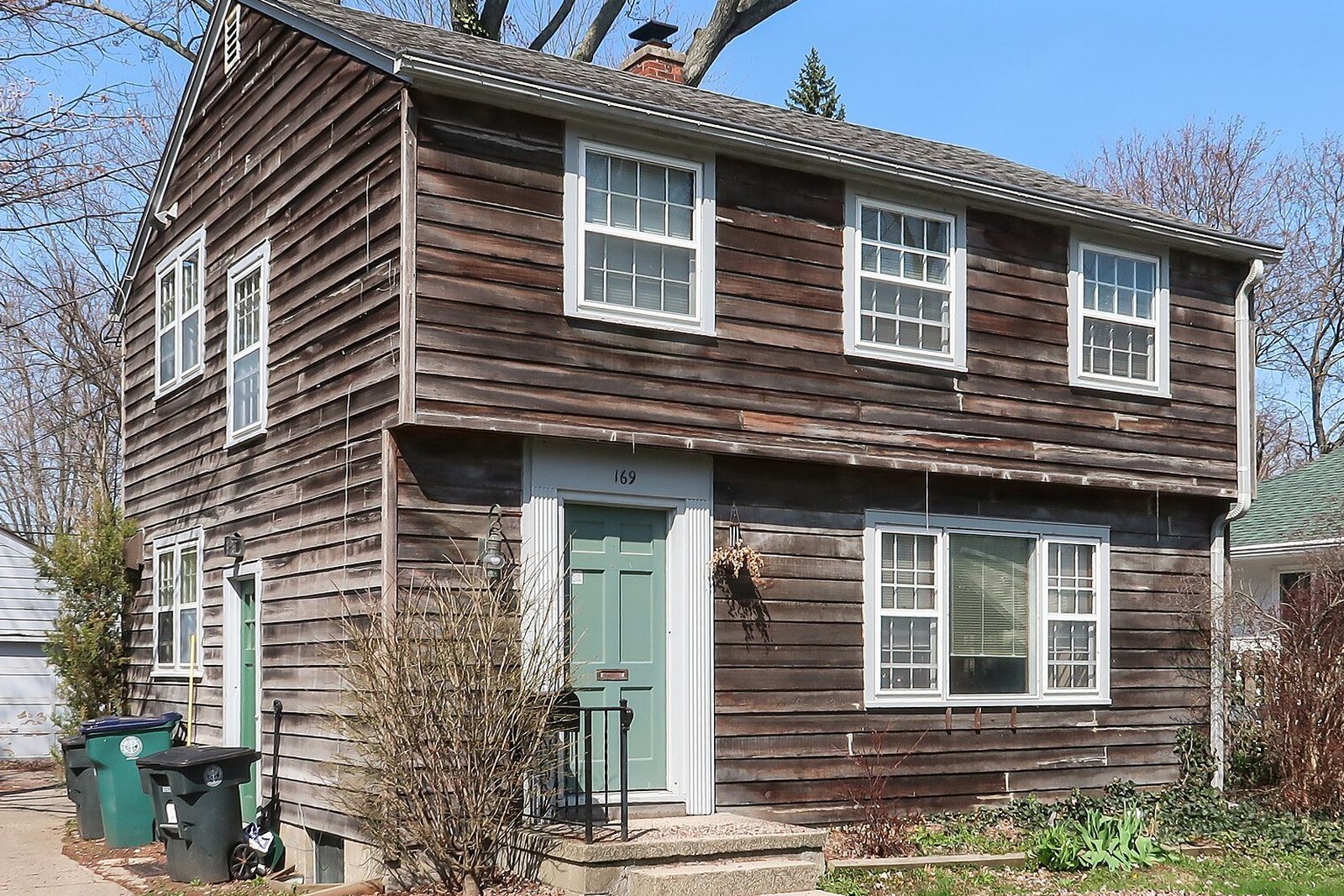
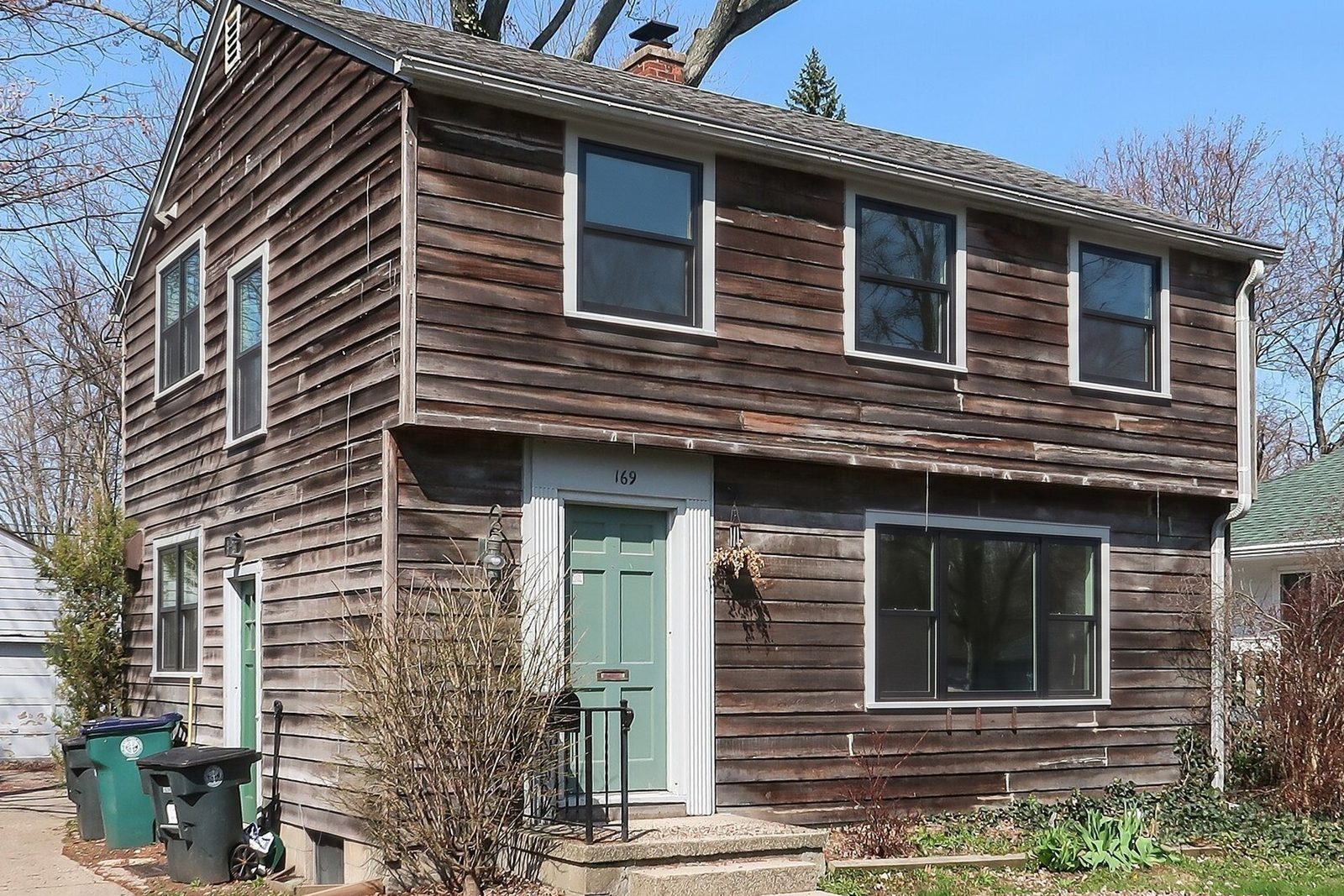
On their house. A homeowner who hears "a lower-priced line" pictures something that looks cheap. Render the option you're offering from the same photo as the one they picked, and let them flip between the two. Sometimes the lower-priced version looks close enough that the choice gets easy. Sometimes it looks different enough that they decide to find the money for the first one. Either way they're choosing between two real pictures, not guessing.
Below is one house in two looks: white vinyl frames with colonial grilles, and black fiberglass frames with no grilles. If those two sit at different prices on your sheet, that's the whole conversation: here's each one on your house, and here's what each one costs.
Showing the smaller option
This is the one you picked. Now look at this one: the [lower-priced line], same house, same photo. Can you see much difference from the street?
The first one is [price A]. This one is [price B]. Which one feels right for your house?
One house, two options to price
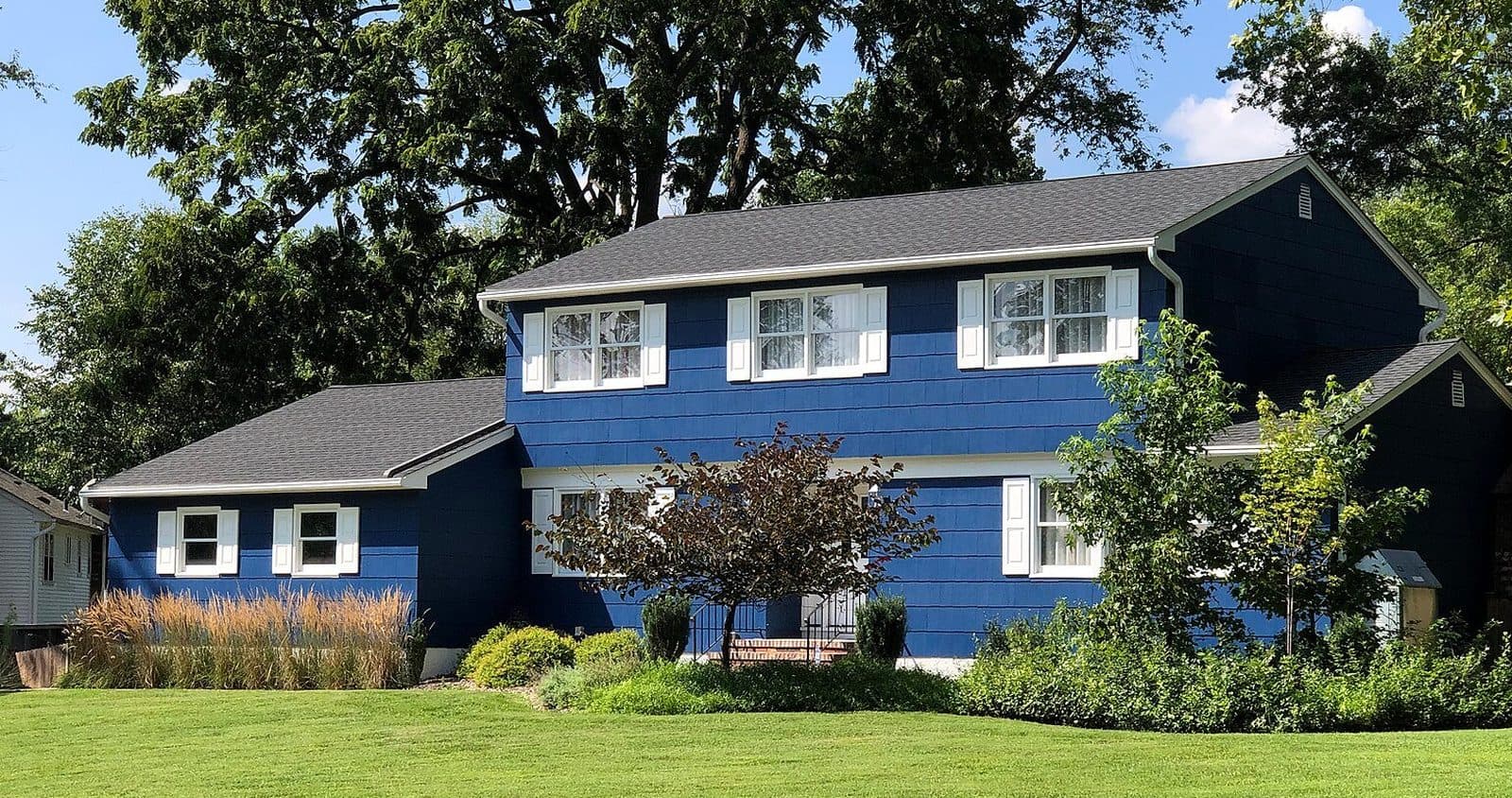 Photo
Today
The real photo
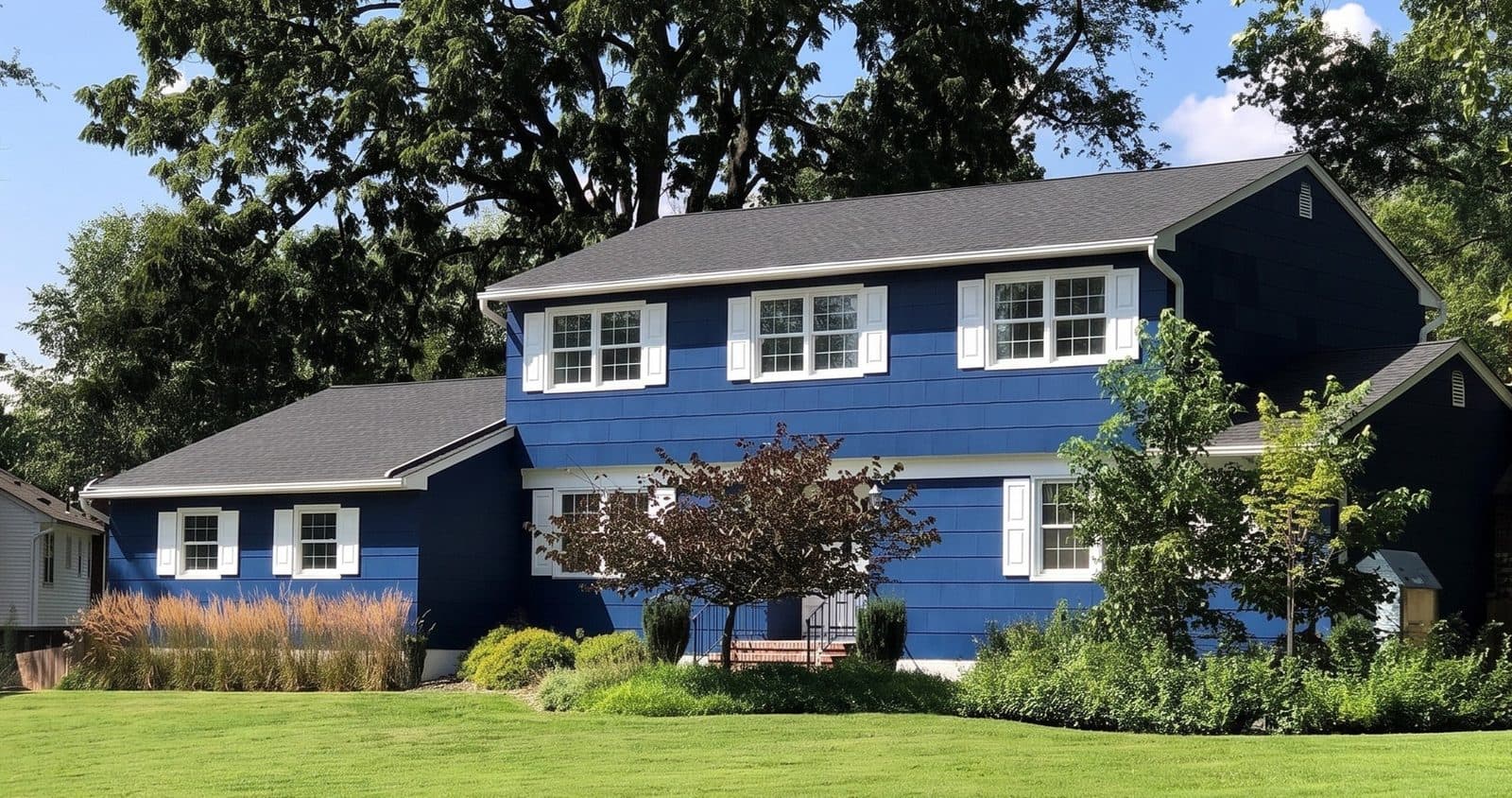 Render
White vinyl, colonial grilles
Try this look on your photo
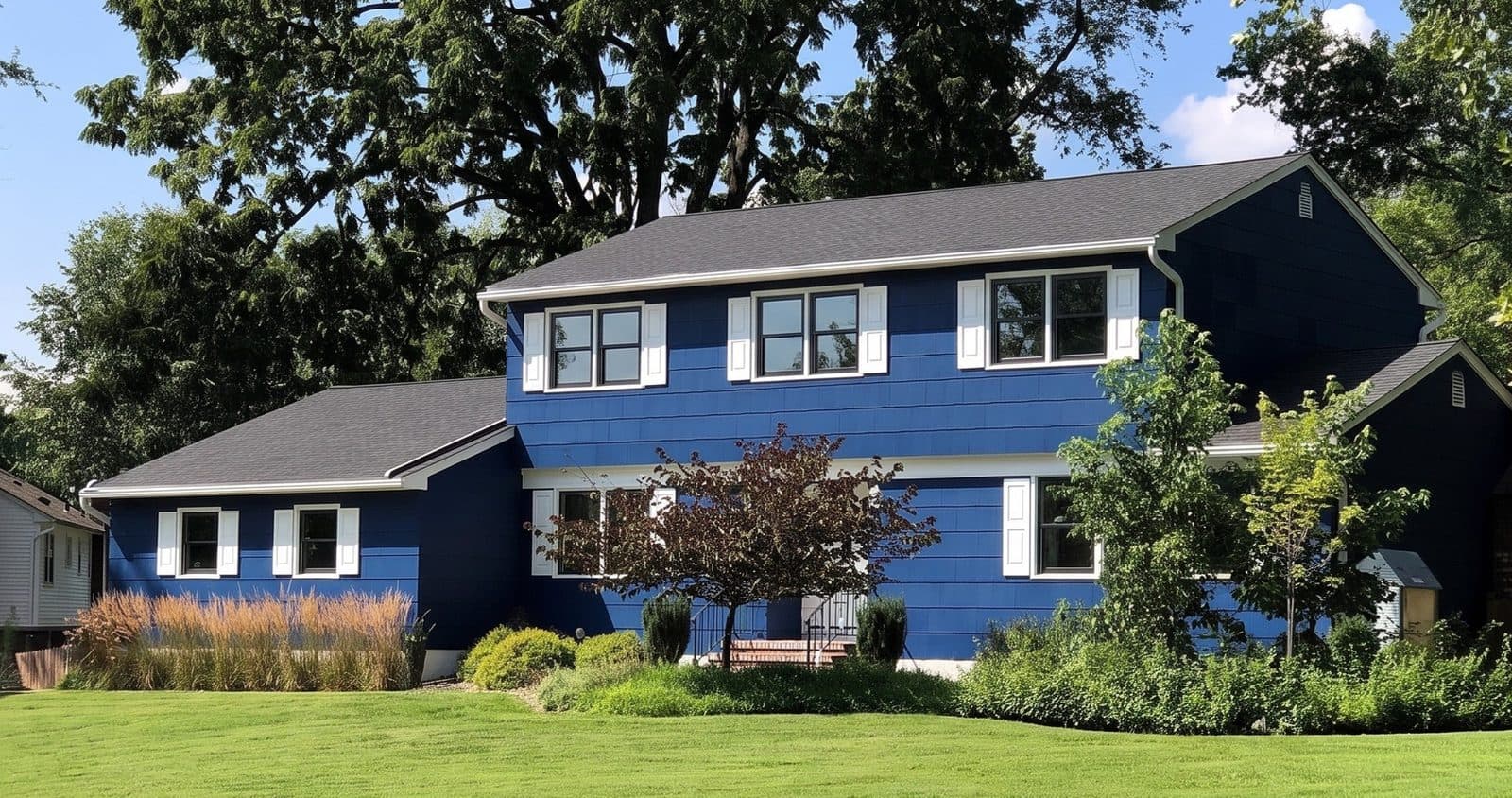 Render
Black fiberglass, no grilles
Try this look on your photo
Which price objection mistakes cost you the sale?
- Dropping the price on the spot. If the number can fall tonight, they'll assume it can fall again next week.
- A price that expires when you leave. The FTC counts pressure to decide right away among its home improvement scam warning signs5, and a homeowner who already thinks the price is high will read it that way.
- Promising the windows will pay for themselves. The Department of Energy says heat gain and loss through windows account for 25% to 30% of residential heating and cooling energy use6. That's the share moving through all the windows, not what new ones will save, so don't turn it into a payback promise; see window energy savings claims.
- Leaning on a tax credit. The IRS says the energy efficient home improvement credit can't be claimed for property placed in service after December 31, 20257. What to say instead is in selling windows without tax credits. General information, not tax advice; homeowners should ask their tax preparer.
- Arguing with spec sheets. Nobody gets talked out of "too expensive" with a glass coating chart.
- Calling the other company's windows junk. Compare the scope instead.
Where the render fits in a price objection
Right after you offer a smaller job. A lower price with no picture sounds like a worse product. Render the option you're offering from the same photo as their first choice, so they can see the house still looks right at the lower number, or decide the first one is worth stretching for.
Then text both renders, with both prices, that night. The money decision usually happens after you leave, at their own kitchen table, and both options should be on the phone in front of them.
The render changes what they're looking at, not your numbers. It doesn't measure, price or quote anything; your price sheet does that.