Why do window prices go up?
Homeowners don't need an economics lesson. They need your reason, in one sentence, with something on paper behind it. Use your own supplier's numbers, not national headlines: your product line, your region and your costs are what moved your price, and a homeowner who reads a different figure online will ask why yours doesn't match.
Match each reason to the proof you can actually show. If you can't show it, it isn't your reason.
Common reasons a window quote goes up, and the proof to show
The manufacturer raised its prices
- What to say
- "Our manufacturer's new pricing started on [date]."
- Proof to show
- The maker's or distributor's notice, with its date.
Tariffs on imported products or materials
- What to say
- "Our supplier added a tariff charge on this line starting [date], and it's in this price."
- Proof to show
- The supplier's notice that names the tariff. If there isn't one, don't say tariffs.
A material or freight surcharge
- What to say
- "Our supplier added a surcharge for [glass, aluminum, freight]."
- Proof to show
- The surcharge line on the supplier's notice or invoice.
Your own labor and insurance
- What to say
- "Our installers' pay and our insurance went up, and that's in the price."
- Proof to show
- Nothing. It's your decision, so own it.
The job changed
- What to say
- "Since the first quote we added [grilles, a color, two more windows]."
- Proof to show
- The old and new quotes side by side.
| Reason | What to say | Proof to show |
|---|---|---|
| The manufacturer raised its prices | "Our manufacturer's new pricing started on [date]." | The maker's or distributor's notice, with its date. |
| Tariffs on imported products or materials | "Our supplier added a tariff charge on this line starting [date], and it's in this price." | The supplier's notice that names the tariff. If there isn't one, don't say tariffs. |
| A material or freight surcharge | "Our supplier added a surcharge for [glass, aluminum, freight]." | The surcharge line on the supplier's notice or invoice. |
| Your own labor and insurance | "Our installers' pay and our insurance went up, and that's in the price." | Nothing. It's your decision, so own it. |
| The job changed | "Since the first quote we added [grilles, a color, two more windows]." | The old and new quotes side by side. |
What should you do the day a price notice arrives?
Most of the trouble with a price increase comes from the weeks after it, when old quotes, old ads and reps with different stories are all still out there. Work through this list the day the notice lands.
- Read it for three things: how big the change is, the date it starts, and whether orders already placed are protected.
- Update your price book to take effect on that date, not before.
- List every open quote with its price-hold date. For each one that runs past the change, decide now: honor it, or call the homeowner and re-quote before the date.
- Decide what happens to jobs that are signed but not yet ordered. If the contract set the price, the price stands.
- Give every rep the same one-sentence reason and a copy of the notice, so the office and the field say the same thing.
- Decide what a homeowner may see. Many notices show your cost. Ask your supplier for a version written for homeowners, or show only the announcement and its date: the homeowner needs the reason, not your margin.
- Find the ads, web pages and printed examples that show prices, and fix the ones that will be wrong after the date.
- Put a reminder on the calendar to check pricing again in three months. Suppliers can change prices more than once a year.
How do you tell a homeowner their price went up?
Before they find it. A homeowner who spots a higher number on their own assumes the worst about everything else on the page. Lead with the new number, then the reason, then what didn't change.
At the table the same idea holds when they bring up an old price: a neighbor's job from a few years back, or a per-window figure from a cost guide. For "the price is too high," a JLC column on in-home objections advises pinning down what the homeowner is comparing your price with, by asking about the product, the install method, promotions and options2. Then walk through what yours includes. If the gap is about budget, not surprise, the answers are in how to handle the window price objection.
Whichever way it comes up, skip the habits that make an increase sound made up:
- Don't apologize for the number or call it crazy. If you sound like you don't believe the price, neither will they.
- Don't blame "the economy" or "inflation." Name the cost that moved and show where it's written down.
- Don't email a bigger number with no call first. The homeowner reads it alone and fills in the reason themselves.
- Don't cut the price on the spot to make the increase go away. That tells them the first number wasn't real either.
- Don't let reps tell different stories. One reason, one notice, the same words from everyone.
On the phone, re-quoting an older estimate
I'm calling about the quote I gave you in [month]. Before you look at it again, I want you to hear this from me: it was good through [date], and our manufacturer's new prices started on [date].
For the same windows, the same install and the same warranty, the new total is [amount]. I'm happy to send you their announcement.
If that's more than you want to spend, I can price a version that comes in closer to the old number and render it on your house, so you can see exactly what changes.
Have the new quote ready before you dial. "It went up, I'll get back to you" sounds like you're still deciding the number.
How long should a window quote be good for?
Long enough for the homeowner to decide, short enough that you won't lose money keeping it. Print a "prices good through" date on every quote, set from how long your supplier holds your cost. Renewal by Andersen, for one, says its detailed estimate comes with pricing good for one year3. Match the hold to what your own supplier gives you: if your cost can change on a month's notice, a one-year hold is a promise you may not be able to keep.
Say what happens after the date, too: the quote is updated to current pricing, and the homeowner sees the new number before signing anything. If you want a clause that lets the price change after signing, have your lawyer write it and explain it before they sign. Contract rules differ by state, so have your lawyer review the wording below before it goes on your forms, too. A surprise after the signature costs more than the increase ever would.
What a quote should say about price and timing
Price good through
- Example wording
- "Prices on this quote are good through [date]."
- Why it helps
- An old quote can't turn into an argument months later.
What's included
- Example wording
- "Windows, removal and haul-away, installation, interior and exterior trim, cleanup."
- Why it helps
- Any later or higher number is easy to compare line by line.
What's set once signed
- Example wording
- "Once signed, the price for the windows listed is the price on this contract."
- Why it helps
- Takes the worry about price changes off the table.
Estimated lead time
- Example wording
- "Your windows are built to the sizes we measure; we estimate [range] from final measure to delivery."
- Why it helps
- Sets the clock before the homeowner has to ask.
When we'll call
- Example wording
- "We'll confirm your install date once your windows arrive."
- Why it helps
- One promise you control.
| Line on the quote | Example wording | Why it helps |
|---|---|---|
| Price good through | "Prices on this quote are good through [date]." | An old quote can't turn into an argument months later. |
| What's included | "Windows, removal and haul-away, installation, interior and exterior trim, cleanup." | Any later or higher number is easy to compare line by line. |
| What's set once signed | "Once signed, the price for the windows listed is the price on this contract." | Takes the worry about price changes off the table. |
| Estimated lead time | "Your windows are built to the sizes we measure; we estimate [range] from final measure to delivery." | Sets the clock before the homeowner has to ask. |
| When we'll call | "We'll confirm your install date once your windows arrive." | One promise you control. |
Can you use a coming price increase to close the sale?
Only if it's real, dated and on paper, and only once. "Our manufacturer's new prices start on the first, here's the notice, and anything we order before then is at today's price" is information the homeowner can use. "This price is only good tonight" is the kind of push for an immediate decision that the FTC lists among the warning signs of a home improvement scam1.
The same care goes for discounts. The FTC's Guides Against Deceptive Pricing say a former price is a fair basis for a comparison only if it was the real price offered to the public on a regular basis for a reasonably substantial period4. A made-up regular price with a special discount from it is the kind of thing the Washington Attorney General's Office alleged against Seattle window seller Evans Glass, which denied wrongdoing5.
This is general information, not legal advice. Check your state's rules with your lawyer before you put a deadline or a discount in writing.
When a real increase is coming
One thing you should know before you decide: our manufacturer's new prices start on [date]. Here's their notice.
If you order before then, it's the price on this quote. If that timing doesn't work for you, that's fine. I'll update the quote after the change, and you'll see the new number before you sign anything.
Say it once. If you'd say the same thing to every homeowner every month, it isn't a reason.
How do you explain window lead times?
Custom replacement windows are built to the sizes you measured, so the homeowner is waiting on a factory, a truck and your crew, in that order. Explain the steps, give a range from your own recent orders, and say who will call when something moves.
Ask your supplier whether special colors, grilles or sizes take longer on the line you're quoting, and say so at the table rather than after the order. Never promise an install date you don't control. If a date slips, call before the homeowner has to ask.
Where the time goes between signing and install
Final measure
- Who controls it
- You
- What to tell the homeowner
- When you'll come back to measure, if you measure twice.
Order
- Who controls it
- You
- What to tell the homeowner
- That you'll confirm sizes, colors and grilles with them before the order goes in.
Manufacturing
- Who controls it
- The manufacturer
- What to tell the homeowner
- Your supplier's current range for this line and color, as a range, not a date.
Delivery
- Who controls it
- The supplier
- What to tell the homeowner
- That you'll check the windows when they arrive, before install day.
Install
- Who controls it
- You
- What to tell the homeowner
- The install date, once the windows are in your hands.
| Step | Who controls it | What to tell the homeowner |
|---|---|---|
| Final measure | You | When you'll come back to measure, if you measure twice. |
| Order | You | That you'll confirm sizes, colors and grilles with them before the order goes in. |
| Manufacturing | The manufacturer | Your supplier's current range for this line and color, as a range, not a date. |
| Delivery | The supplier | That you'll check the windows when they arrive, before install day. |
| Install | You | The install date, once the windows are in your hands. |
Should you tell open leads a price increase is coming?
Yes, once, if it's true and they agreed to hear from you. A homeowner with an open quote would rather hear about a coming change from you than discover it on a new quote. Send the date, the reason in one line, and an easy next step.
Check the rules before you text or call a list. FCC rules ban autodialed texts to a mobile phone without the owner's prior consent, and autodialed marketing texts need written consent6. This is general information; ask your lawyer about your own setup.
Hi, it's [name] from [company], about your window quote. Heads-up: our manufacturer's new prices start on [date]. Your quote is good until then.
How much more after that?
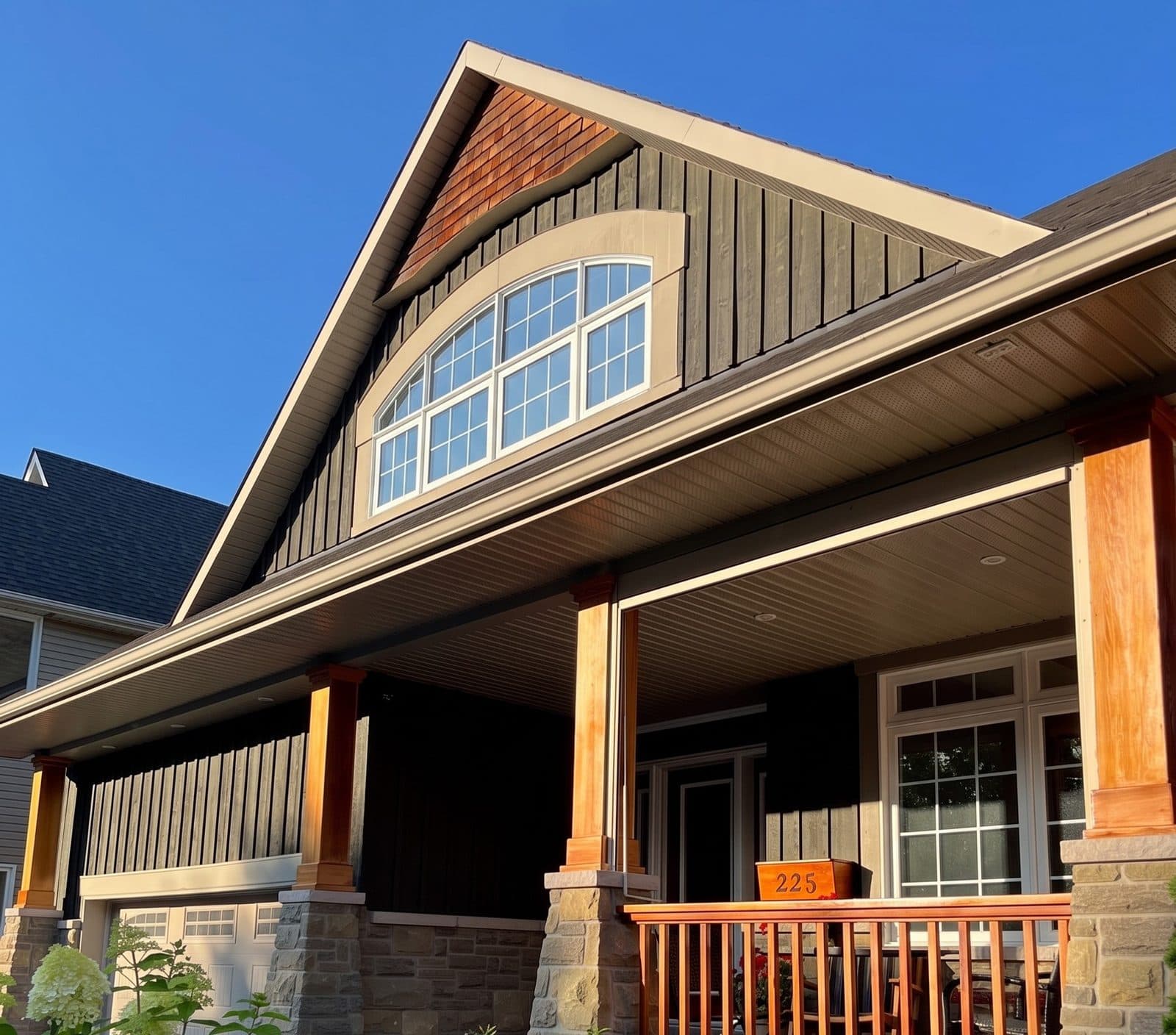
About [amount] on your job. Here's your house again with the white grids you liked. If you'd like to go ahead before the change, I can set up the final measure.
 Render
Where the render fits when the price goes up
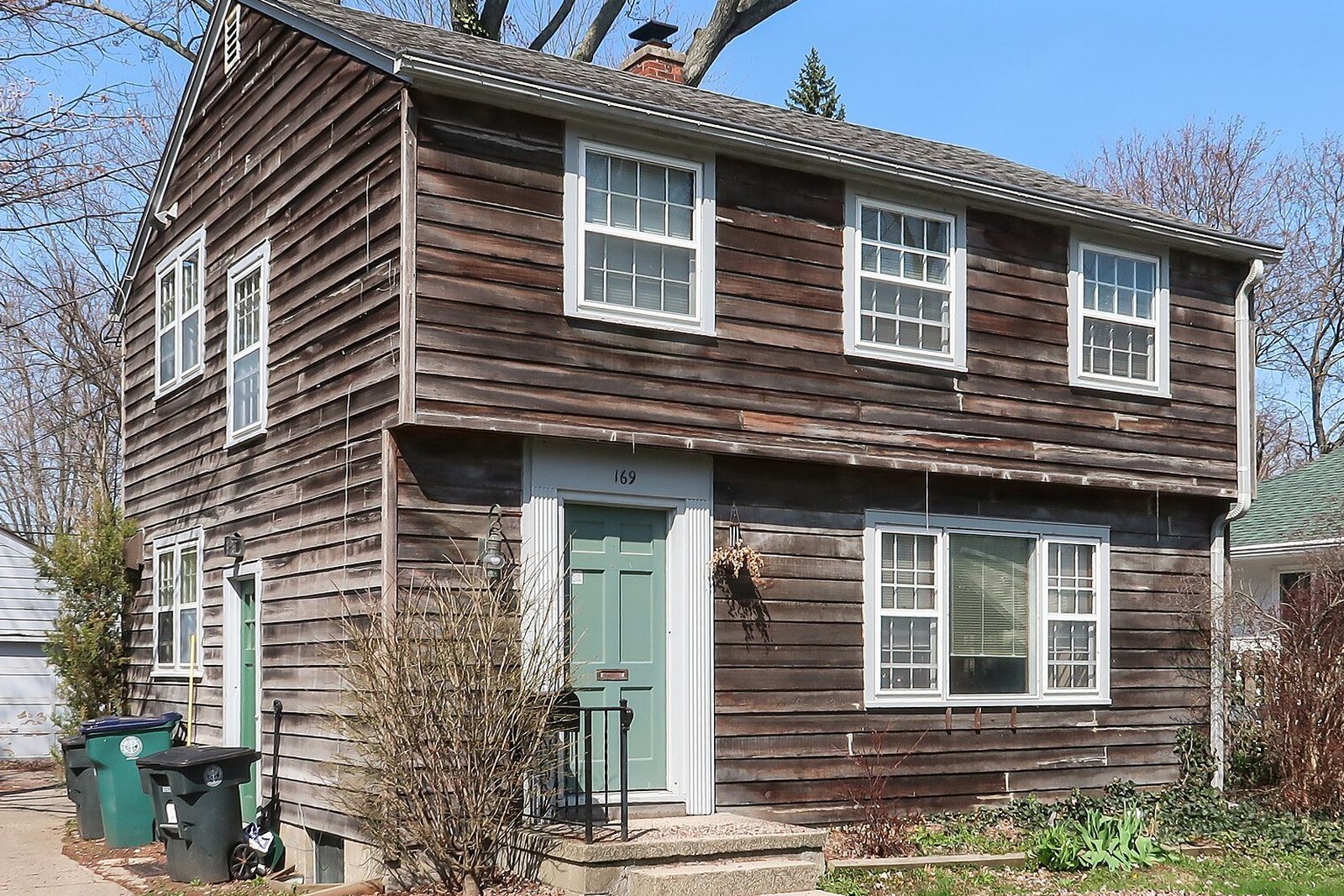
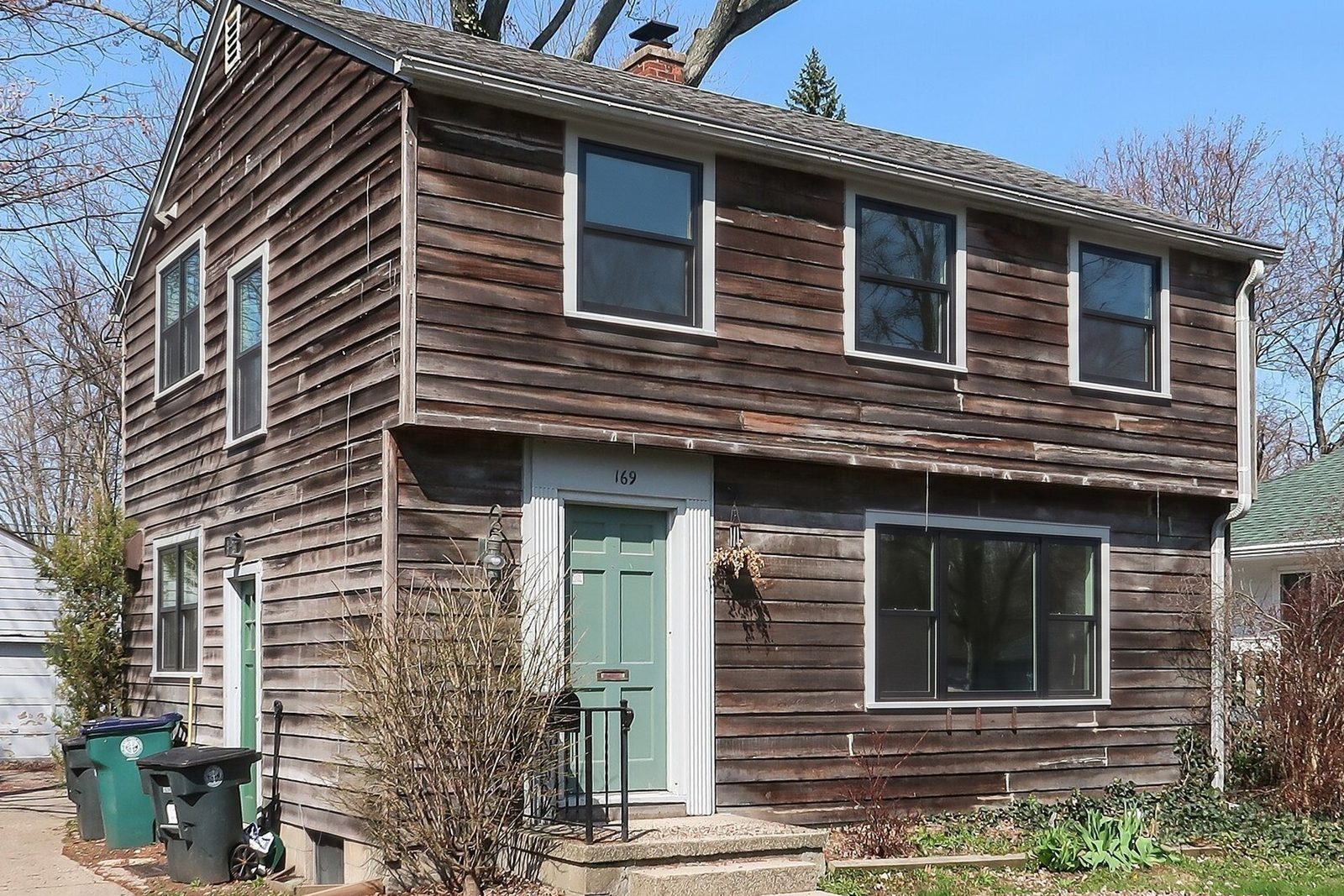
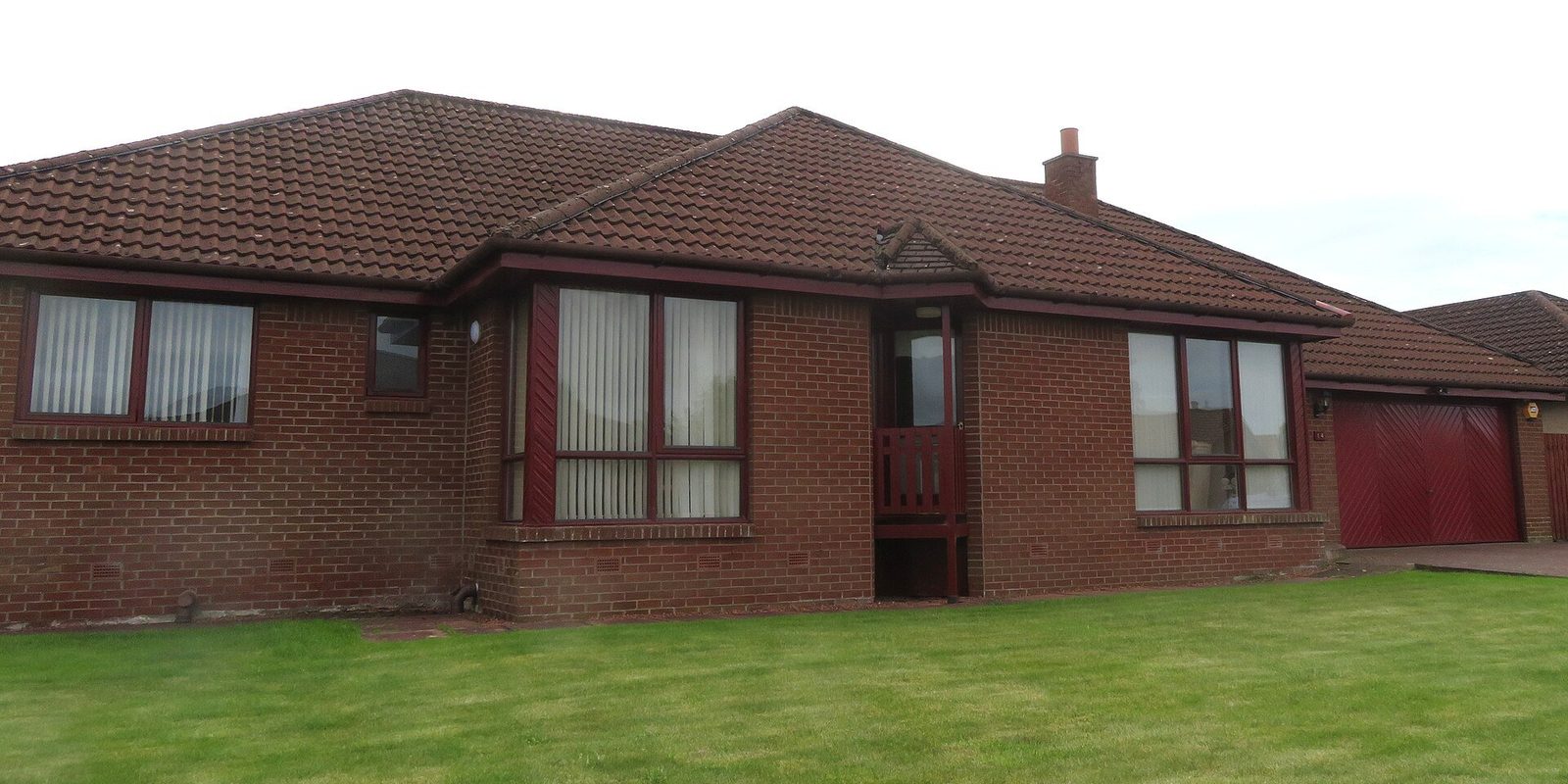
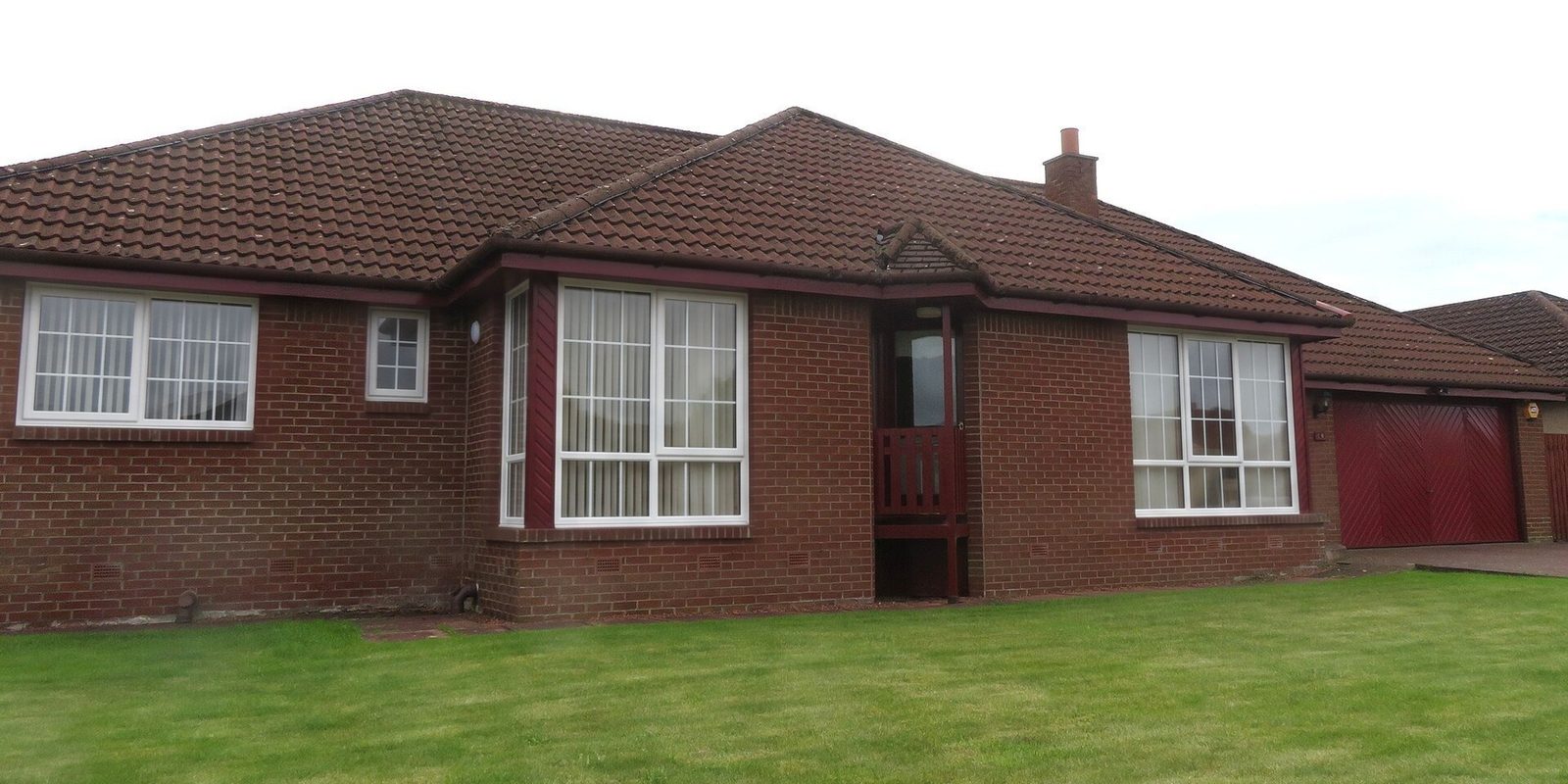
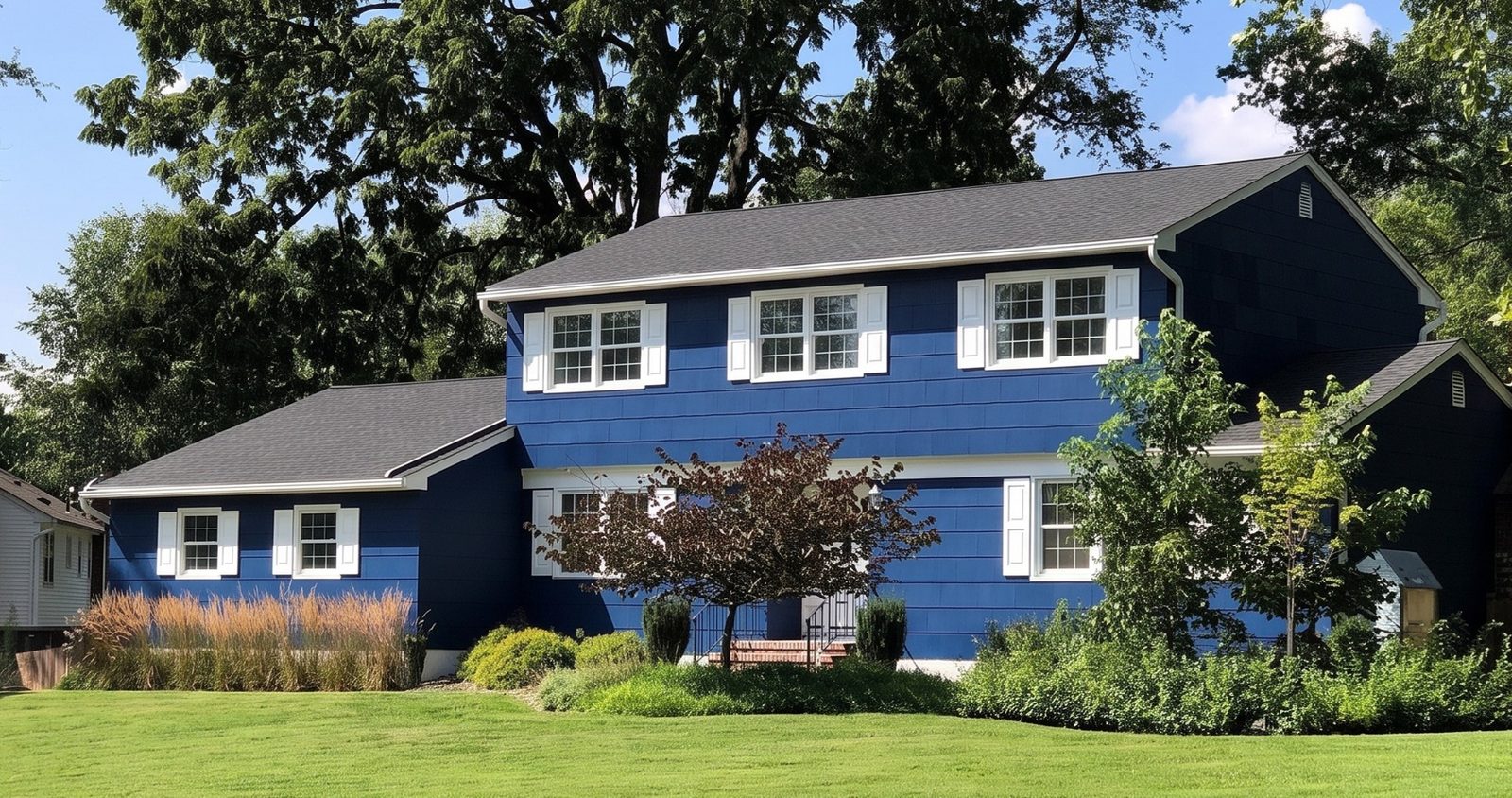
In the re-quote. When an old quote has to go up, the homeowner stops looking at windows and starts staring at a number. Send the new quote and the render of their house in the same message, so the number arrives next to the reason they called you in the first place.
At the table, when the increase pushes the job past their budget. Render the lower-priced option from the same photo as their first choice. Sometimes seeing it still looks right on their house settles it; sometimes it shows the first choice is worth the stretch. Either way they're choosing between two renders of their own house.
The render shows the look. It doesn't price, measure or quote; your price book does that.