What are the steps of a replacement window sale?
Every company names them differently, but the sale runs in the same order. Skip a step and it comes back later as an objection, usually at the kitchen table with the price sitting on it.
The window sale, start to finish
1. Answer the lead
- What you do
- Call back the same hour, then text so they have your number. Book a time when every owner can be home.
- What the homeowner leaves with
- A set time and a name to expect.
2. Confirm
- What you do
- Call or text the day before. Ask them to think about which windows bother them most.
- What the homeowner leaves with
- A short list of problem windows.
3. Walk the house
- What you do
- Open and close every window with them. Look for rot, drafts, fogged glass and painted-shut sashes. Measure.
- What the homeowner leaves with
- The sense that you looked at their house, not a brochure.
4. Show their house
- What you do
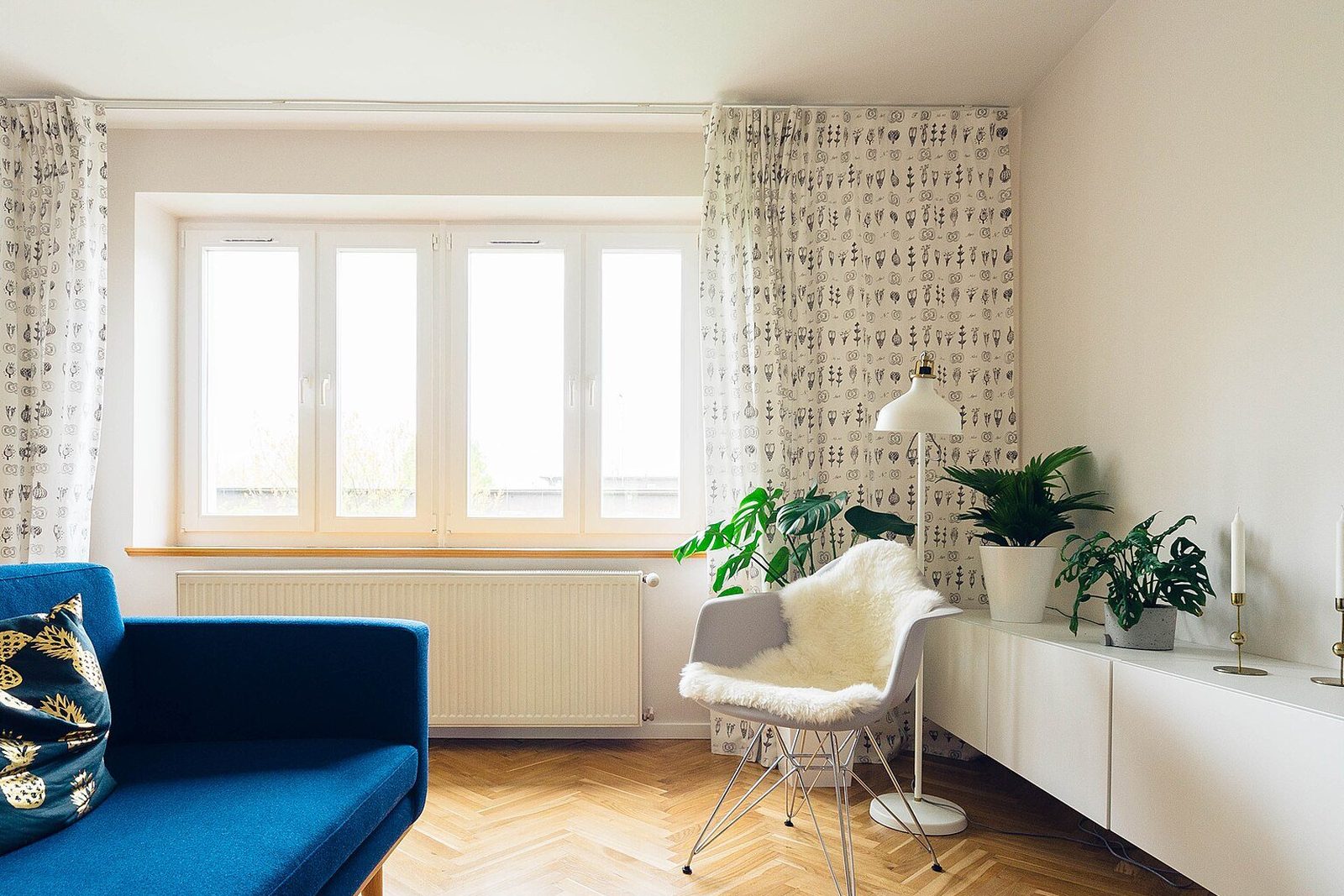
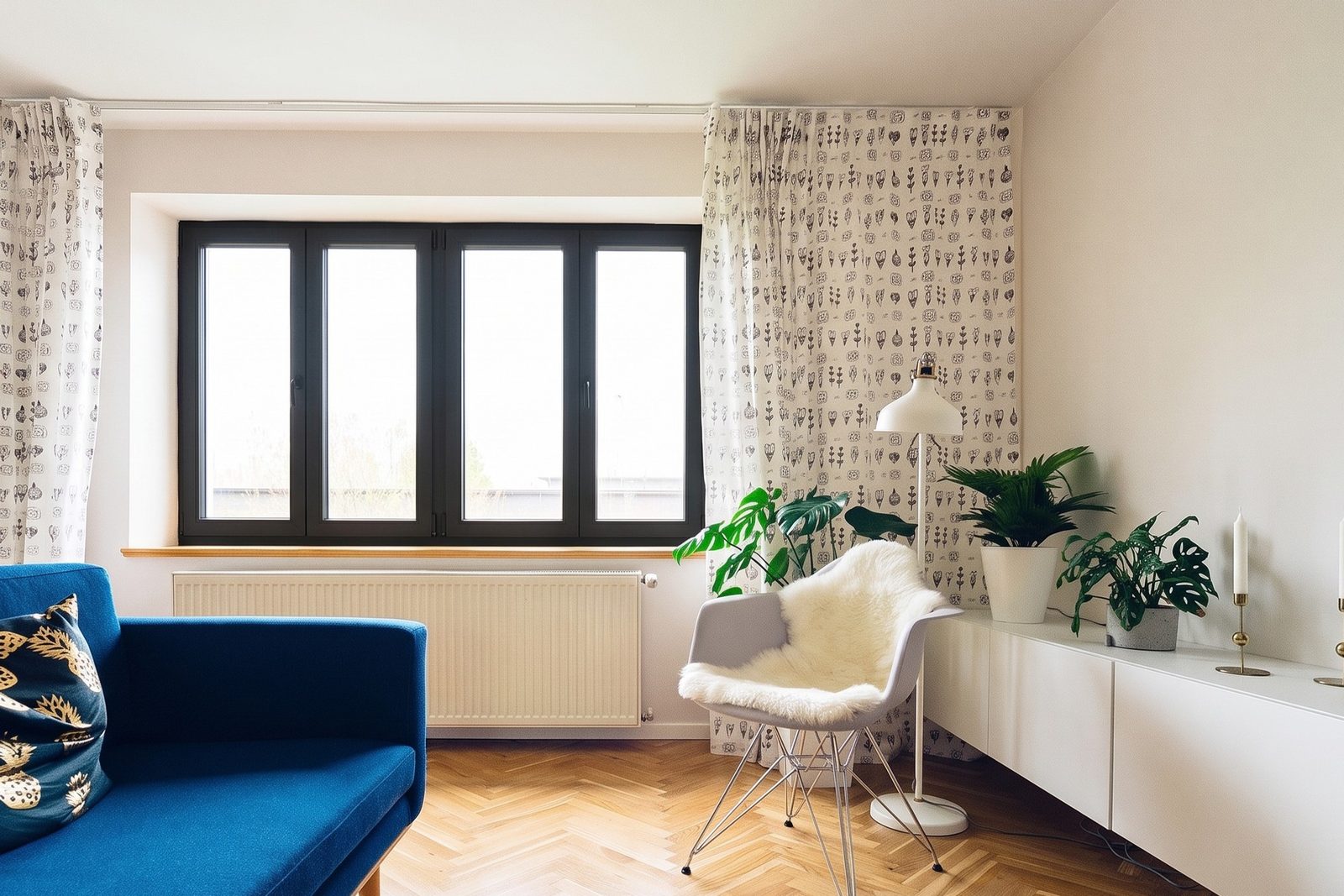
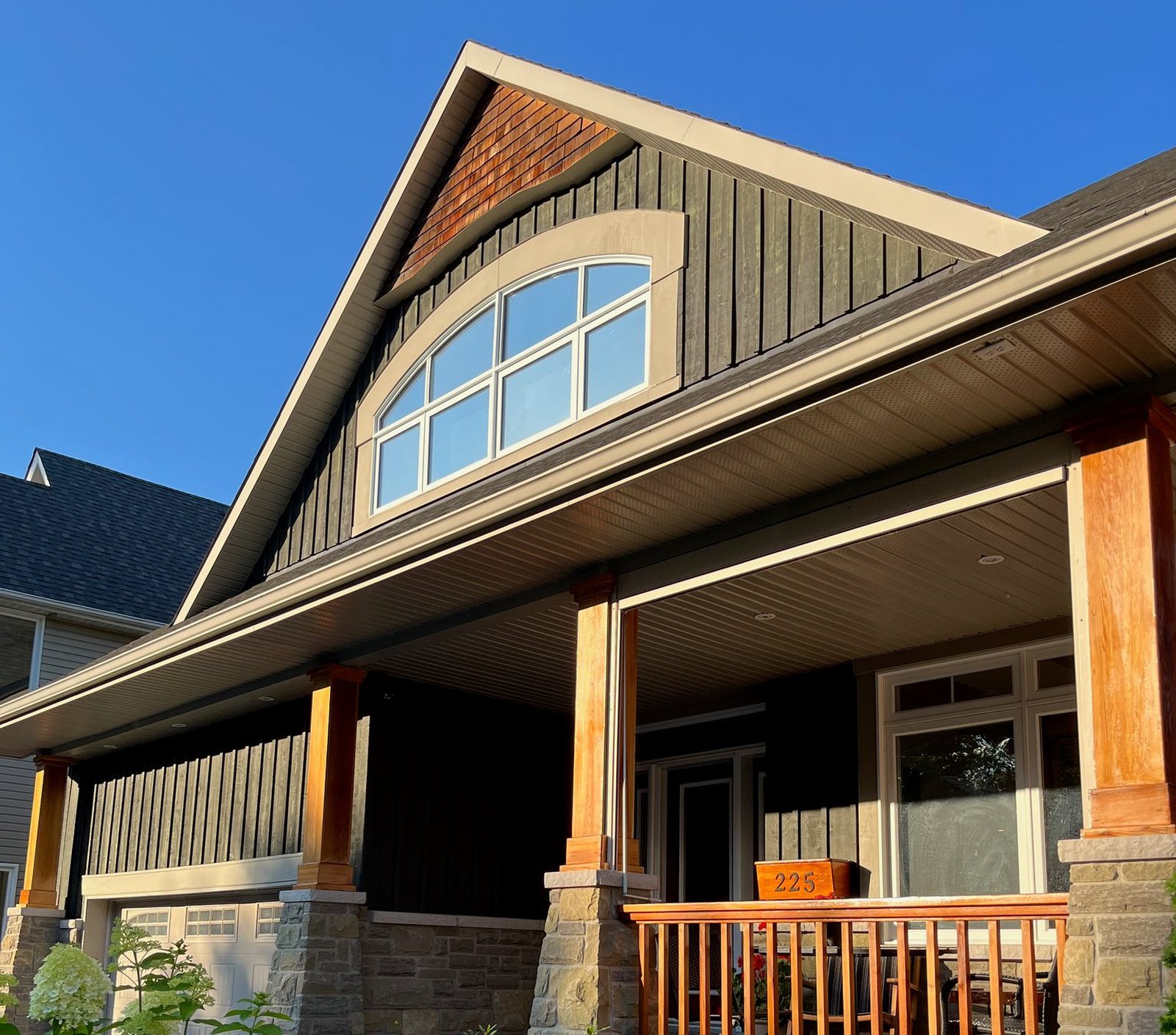
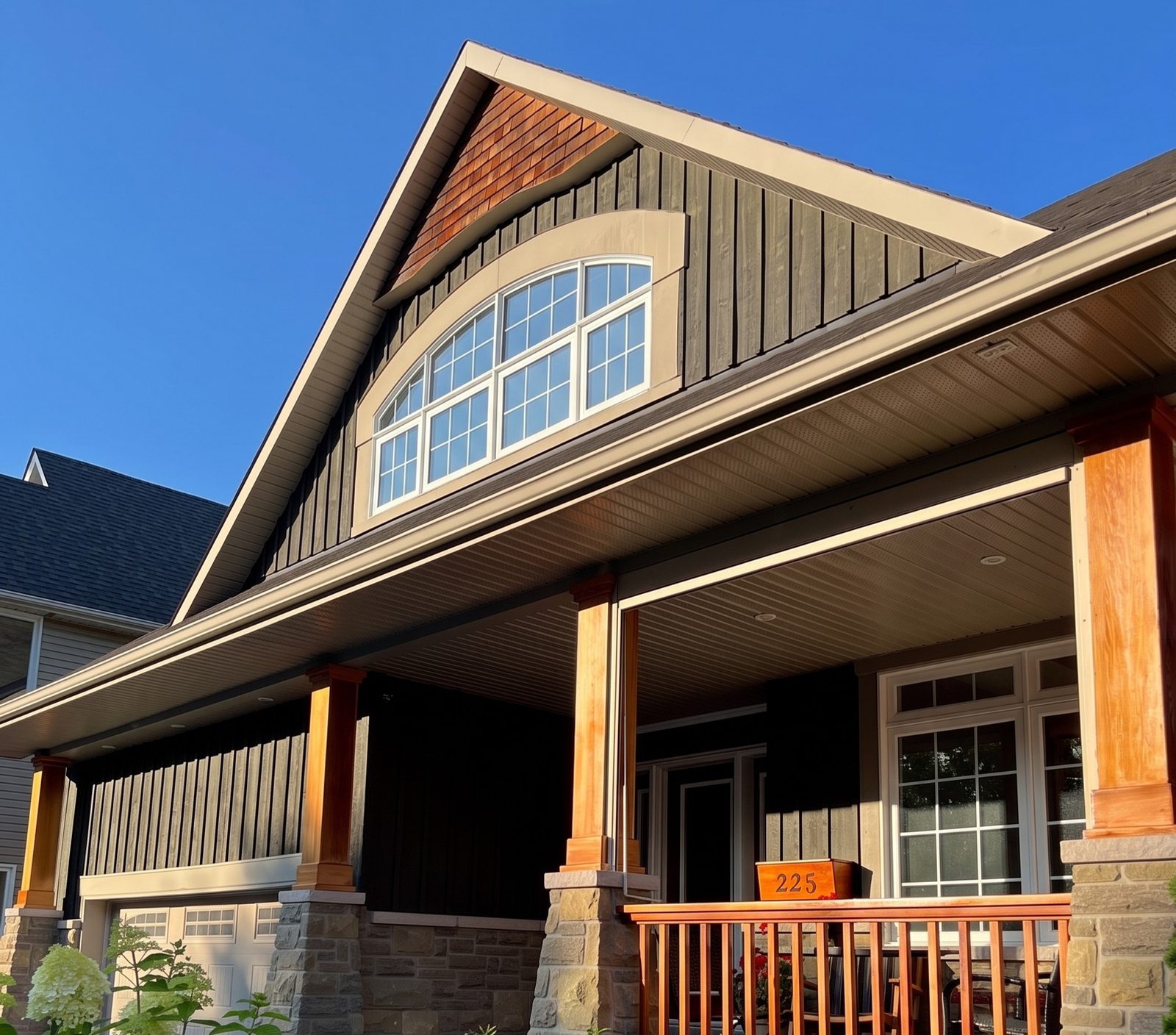
- Photograph the house or the room, render the look they lean toward, then the one they're unsure about.
- What the homeowner leaves with
- A picture of their own house with the new windows.
5. Price
- What you do
- One written price for each option, itemized so it's easy to compare.
- What the homeowner leaves with
- A quote they can hold up against anyone else's.
6. Ask
- What you do
- Ask for the order once, plainly. If they sign, go through the paperwork and their right to cancel.
- What the homeowner leaves with
- A signed order, or a clear next step.
7. Follow up
- What you do
- Text the render that night and call within two days.
- What the homeowner leaves with
- A reason to say yes later.
| Step | What you do | What the homeowner leaves with |
|---|---|---|
| 1. Answer the lead | Call back the same hour, then text so they have your number. Book a time when every owner can be home. | A set time and a name to expect. |
| 2. Confirm | Call or text the day before. Ask them to think about which windows bother them most. | A short list of problem windows. |
| 3. Walk the house | Open and close every window with them. Look for rot, drafts, fogged glass and painted-shut sashes. Measure. | The sense that you looked at their house, not a brochure. |
| 4. Show their house | Photograph the house or the room, render the look they lean toward, then the one they're unsure about. | A picture of their own house with the new windows. |
| 5. Price | One written price for each option, itemized so it's easy to compare. | A quote they can hold up against anyone else's. |
| 6. Ask | Ask for the order once, plainly. If they sign, go through the paperwork and their right to cancel. | A signed order, or a clear next step. |
| 7. Follow up | Text the render that night and call within two days. | A reason to say yes later. |
How fast should you call a new window lead back?
Fast. Window leads cost real money: LocaliQ's 2025 search-ad data puts Doors & Windows Sales at $200.34 per lead1, and Elevarus, a lead seller, estimates that a $95 shared lead works out to about $220 to $310 per appointment that actually sits2.
Speed decides whether you ever talk to them. In a study of 1.25 million leads reported in Harvard Business Review, companies that tried to reach a lead within an hour were nearly seven times as likely to have a real conversation with a decision maker as companies that waited even an hour longer3. Call first. If nobody picks up, text right away so your name is on their phone.
Who needs to be home for the appointment?
Everyone whose name will be on the contract. Renewal by Andersen asks for all property owners to be present for its whole consultation4, and there's a reason big companies put it in writing: the owner who wasn't there never saw what you showed, and "I need to talk it over with my spouse" ends the night.
When you confirm, say it out loud: "The visit takes about an hour and a half, and I'll need both of you there for the last part, when we go over the options and the price." If one owner can't make it, move the appointment rather than present twice.
What should you show a homeowner besides samples?
Bring a corner sample and a color chip. People want to feel the sash and see the real finish, and a screen can't do that. But a sample is a few inches of window in their hand, and a brochure is someone else's house. Neither tells them what their own house will look like.
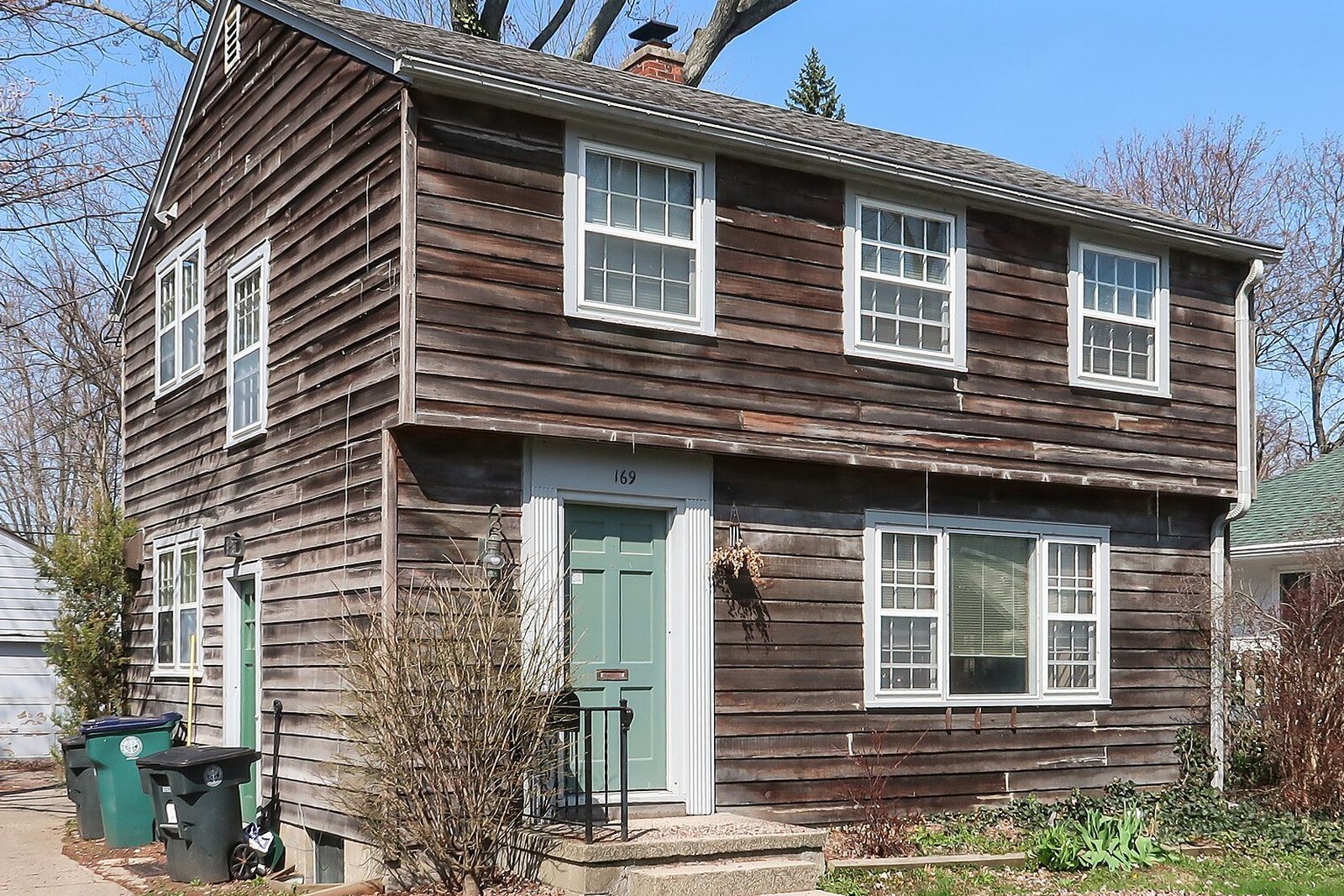
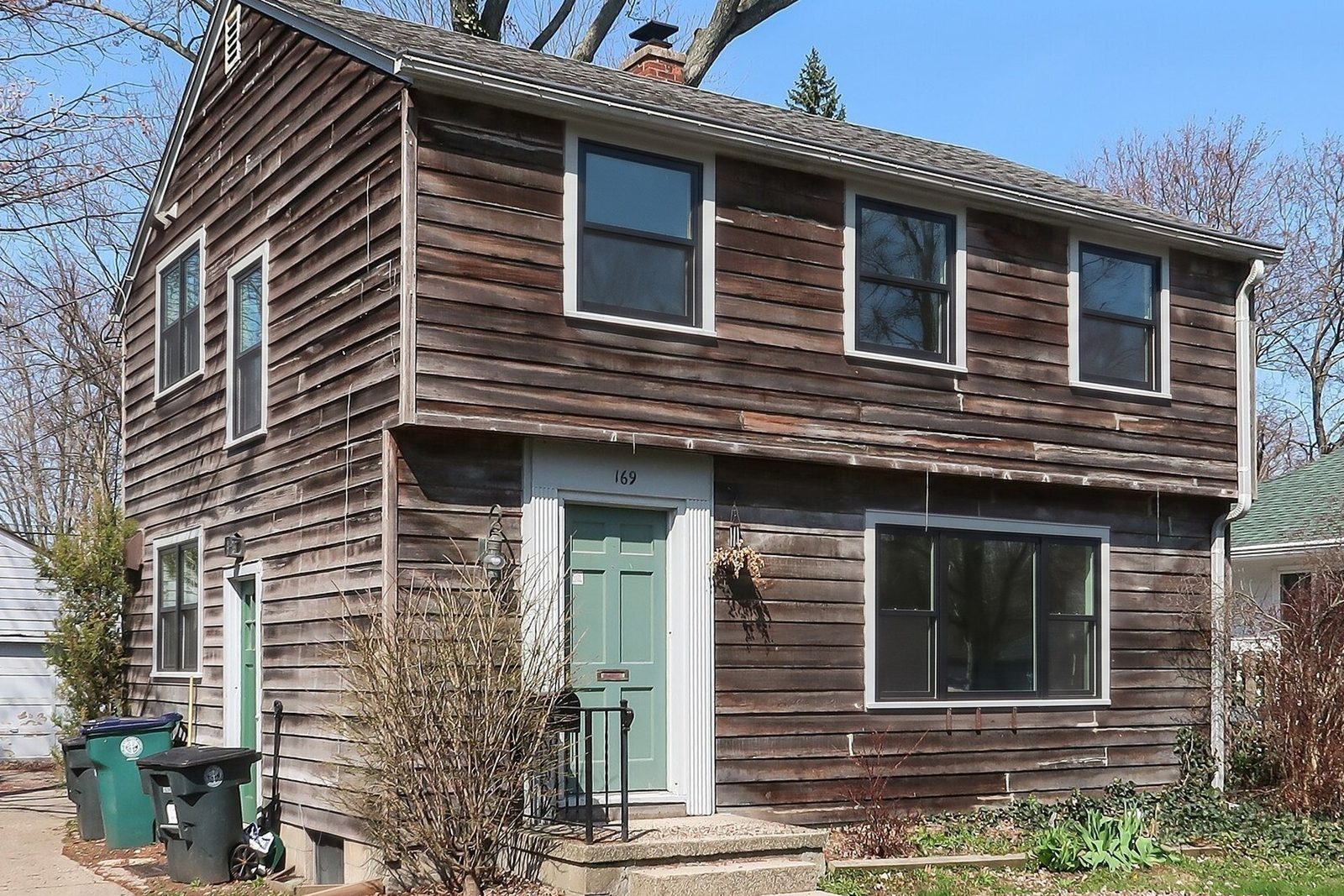
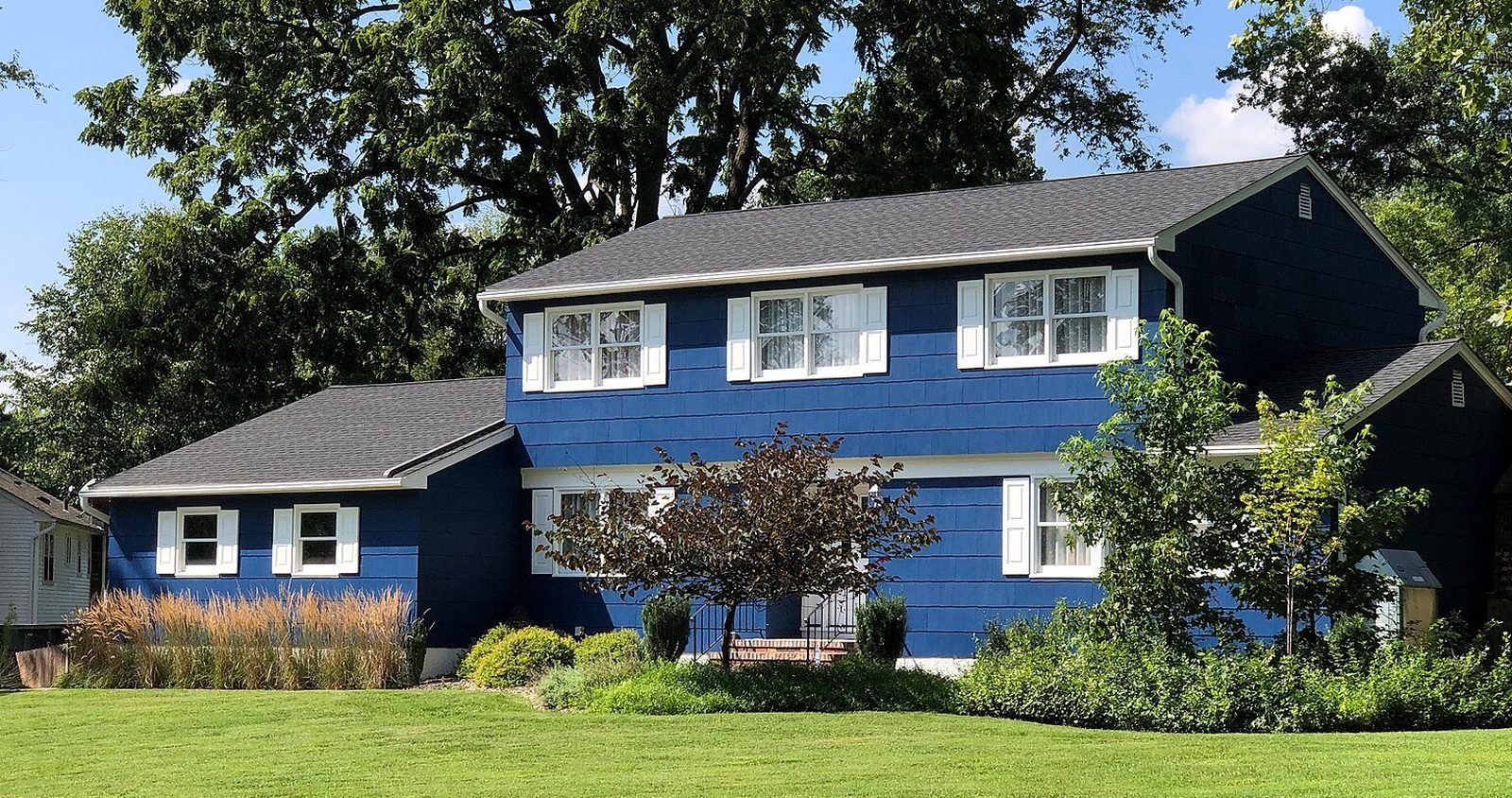
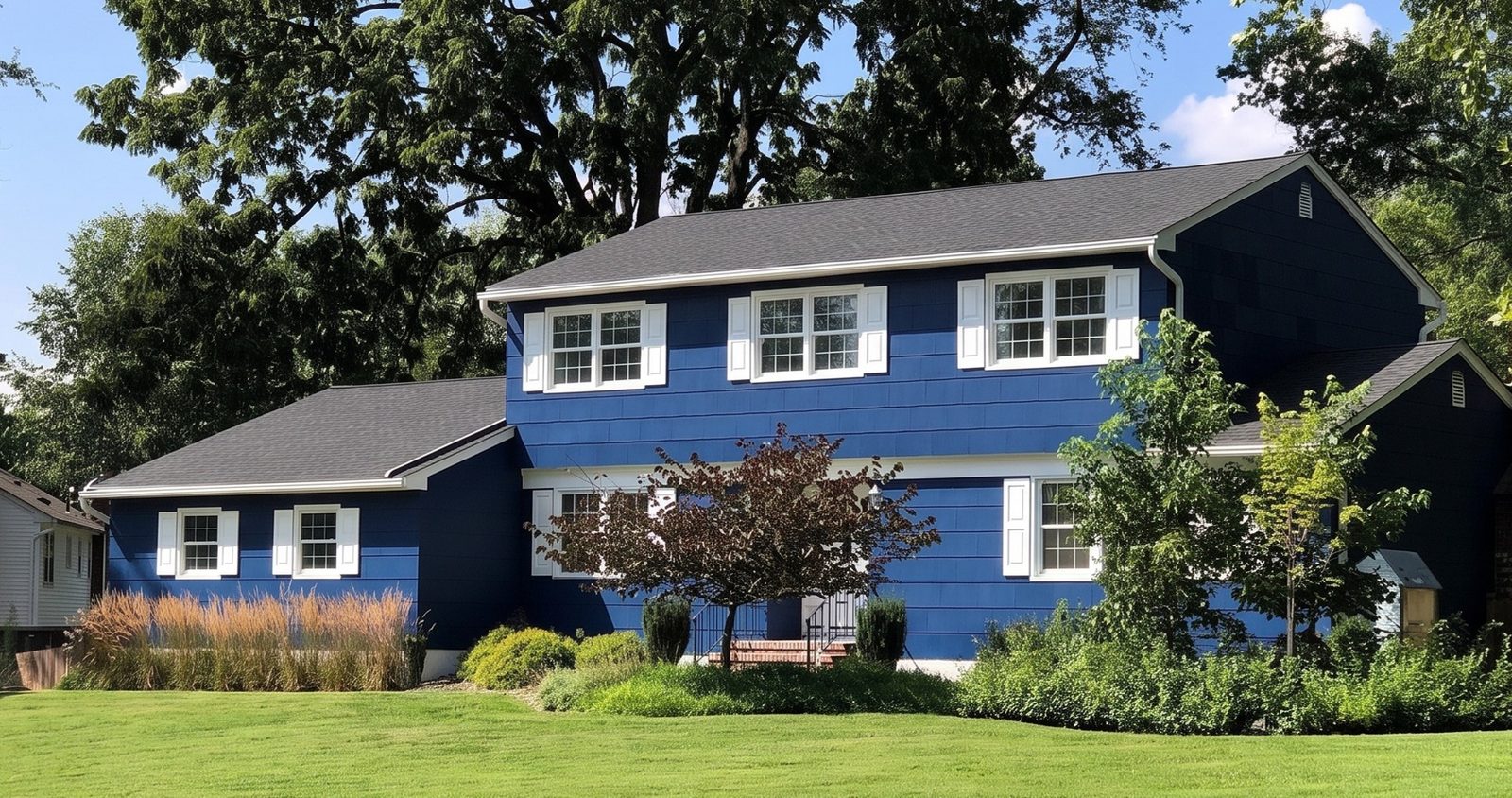
That's the question behind most hesitation about color and grids, and it's the easiest one to answer now. Take one photo, pick the frame material, color and grilles you're quoting, and in 30 seconds they're looking at their own house. Render their second choice from the same photo and let them choose between two real options instead of imagining one.
At the table, before the price
Before we talk numbers, I want you to see what we're actually talking about.
This is the photo I took out front. Same house, same angle. Drag this across: that's it with black frames and no grids.
Now the other one you mentioned. Which one looks more like your house?
Present the render as a preview of the look, never as a photo of a finished job.
How should you present the price?
Know the budget before you show the number. JLC says money is usually the homeowner's biggest objection and suggests finding out what they plan to spend before you present5. Ask early, while you're still walking the house, not after.
Then put it in writing, itemized. Homeowners are told to collect several written estimates and to ask why when they differ a lot (the source is in window sales objections), so assume your quote will sit next to two others. List the product line, frame material, color, grilles, how the old windows come out, what the install includes and what the warranty covers. A quote that answers those questions on paper keeps selling after you leave.
Two or three options is plenty: the look they picked, one step down, and one step up only if they asked about it. Past that, people stop deciding and start comparing.
Should you push for a one-call close?
Ask for the order once, clearly, and then stop talking. Pushing past that costs more than it wins. The FTC lists a contractor who pressures for an immediate decision among the warning signs of a home improvement scam6, and the homeowner can cancel a sale made at home for three business days afterward anyway (the rule is in the questions at the end). A deal squeezed out tonight can be gone by Thursday.
Deal with the objections you expect before they come up, and bring up the right to cancel yourself. What to say to the usual ones is in window sales objections.
If they don't sign, leave with a next step on the calendar and work the plan in how to follow up window sales.
Which numbers should a window sales rep track?
Three numbers tell you most of what you need: how many leads become appointments that sit, how many sits become sales, and your average job. Siro's in-home benchmarks put windows and doors at the highest average close rate of the trades it tracks, 29.1%, against 26.9% for all trades7, with a median windows and doors deal of $7,5388. Both come from companies that record their appointments, so treat them as a yardstick, not a target.
Track all three by lead source. A source that books plenty of appointments but never closes is costing you more than its price per lead says.
For running the visit itself, see window sales presentation. When the weather turns, the pitch changes too: see selling windows in winter.
Where the render fits in the sale
Right after the walk-through and right before the price. By then you've measured, you know which windows they care about, and you've heard which look they lean toward. That's when one photo and a render turn "I think black would look good" into "that's our house."
Stand back far enough to get the whole front in the frame, in daylight, with the windows you're replacing clearly visible. Inside, shoot the window they look at most, like the one over the sink. Render their first choice, then their second, from the same photo.
Then use it twice more: text it that night, so the decision happens with your quote and their house on the same screen, and put it in the proposal.