What are the ways to price a window replacement job?
Most companies use one of four methods, or a mix of them: build each job from its costs, charge a set price per opening, price by united inches, or sell from a price book with good, better and best lines. The method matters less than two rules. Every price has to come from your real costs, and two similar jobs should get similar prices, whoever quotes them.
Tiers are a presentation choice as much as a pricing one.
Four ways to price a window job
Cost-plus (job costing)
- How it works
- Add up the windows, labor, materials, sales cost and overhead for this job, then price to your target margin.
- Good for
- Unusual jobs, mixed sizes, lots of extras
- Watch out for
- Slow at the table, and two reps can price the same house differently
Per opening
- How it works
- A set price for each window by type and size bracket, with adders for extras.
- Good for
- Fast quotes that homeowners can follow
- Watch out for
- Large and small windows end up with the same price unless your brackets are tight
United inch
- How it works
- Width plus height in inches puts each window in a size bracket, and each bracket has a price. A window 36 inches wide and 60 tall is 96 united inches.
- Good for
- Tracking product cost, which usually climbs with size
- Watch out for
- Homeowners don't know the term, so show them a price per window
Price book with tiers
- How it works
- Preset good, better and best lines, each priced per opening or by united inch.
- Good for
- Training new reps and keeping margins steady
- Watch out for
- A book nobody updates goes stale the week your costs change
| Method | How it works | Good for | Watch out for |
|---|---|---|---|
| Cost-plus (job costing) | Add up the windows, labor, materials, sales cost and overhead for this job, then price to your target margin. | Unusual jobs, mixed sizes, lots of extras | Slow at the table, and two reps can price the same house differently |
| Per opening | A set price for each window by type and size bracket, with adders for extras. | Fast quotes that homeowners can follow | Large and small windows end up with the same price unless your brackets are tight |
| United inch | Width plus height in inches puts each window in a size bracket, and each bracket has a price. A window 36 inches wide and 60 tall is 96 united inches. | Tracking product cost, which usually climbs with size | Homeowners don't know the term, so show them a price per window |
| Price book with tiers | Preset good, better and best lines, each priced per opening or by united inch. | Training new reps and keeping margins steady | A book nobody updates goes stale the week your costs change |
How do you build a window price from your costs?
Start with one real job and list every cost in the order below. The first four lines are hard costs that change with the job. The rest are costs of being in business, and every job has to carry its share.
Take hard costs from your own invoices. For install labor, use what you really pay: your crew's full daily cost divided by the openings it actually finishes in a day, or your subcontractor's rate sheet. Add the extras this job needs, not the ones an average job needs.
Commission is a share of the price, not of your cost, so it belongs in the formula before you set the price. Plans differ widely: Florida Window & Door's job post describes a 10% base commission plus bonuses1, and a Window Works Co. post pays 8 to 13% depending on lead source and volume2. How to set a plan is in window sales commission.
Lead cost per sale is marketing spend divided by jobs sold. LocaliQ's 2025 data puts Doors & Windows Sales at $200.34 per lead from search ads3, and it takes several leads to make one sale, so this line is often bigger than owners expect.
If you offer promotional financing, the lender's fee on that plan comes out of your price too; the details are in window replacement financing. Overhead per job is a year's overhead divided by the jobs you expect to sell. Recheck it every quarter, because when sales slow, each job carries more.
Pricing worksheet for one window job
1. Windows
- What goes in it
- Units at your cost, freight, color and grille upcharges, screens, special shapes
- Where the number comes from
- Your supplier's quote for this job
2. Install labor
- What goes in it
- Tear-out, setting the units, mulling, exterior capping or trim, interior trim
- Where the number comes from
- Crew cost per day divided by openings per day, or your sub's rate sheet
3. Materials
- What goes in it
- Foam, sealant, flashing tape, coil, fasteners, shims
- Where the number comes from
- The average of your recent jobs
4. Disposal and permits
- What goes in it
- Haul-away, a share of the dumpster, permit fees where required
- Where the number comes from
- Your local rates
5. Commission
- What goes in it
- The rep's share of the selling price
- Where the number comes from
- Your commission plan
6. Lead cost
- What goes in it
- Marketing spend per job sold
- Where the number comes from
- Last quarter's spend divided by jobs sold
7. Financing fee
- What goes in it
- The lender's fee on promotional plans, when used
- Where the number comes from
- Your lender's fee sheet
8. Overhead
- What goes in it
- Office, vehicles, insurance, software, admin
- Where the number comes from
- Yearly overhead divided by expected jobs
9. Service reserve
- What goes in it
- Callbacks, warranty trips, remakes
- Where the number comes from
- Your own history; start small and adjust
10. Profit
- What goes in it
- What the business keeps
- Where the number comes from
- Your target, checked against what's left
| Line | What goes in it | Where the number comes from |
|---|---|---|
| 1. Windows | Units at your cost, freight, color and grille upcharges, screens, special shapes | Your supplier's quote for this job |
| 2. Install labor | Tear-out, setting the units, mulling, exterior capping or trim, interior trim | Crew cost per day divided by openings per day, or your sub's rate sheet |
| 3. Materials | Foam, sealant, flashing tape, coil, fasteners, shims | The average of your recent jobs |
| 4. Disposal and permits | Haul-away, a share of the dumpster, permit fees where required | Your local rates |
| 5. Commission | The rep's share of the selling price | Your commission plan |
| 6. Lead cost | Marketing spend per job sold | Last quarter's spend divided by jobs sold |
| 7. Financing fee | The lender's fee on promotional plans, when used | Your lender's fee sheet |
| 8. Overhead | Office, vehicles, insurance, software, admin | Yearly overhead divided by expected jobs |
| 9. Service reserve | Callbacks, warranty trips, remakes | Your own history; start small and adjust |
| 10. Profit | What the business keeps | Your target, checked against what's left |
What gross margin should a window dealer use, and how is it different from markup?
Markup is what you add to cost. Margin is the share of the price you keep. They aren't the same number, and mixing them up is how owners underprice without noticing: mark a cost up by half and you keep a third of the price as gross profit, not half.
Work from margin. Add up what each sales dollar has to cover after hard costs: commission, leads, financing fees, overhead, service and profit. If those come to 45 cents of every dollar, divide the job's hard cost by 0.55 to get the price. The table below does the division for a range of targets.
Which target? We couldn't find a reliable published gross-margin benchmark for window dealers, so this guide doesn't give one. The margin figures you'll see online are for the net profit of a whole business, such as TRUiC's 14%4 and ZenBusiness's 15 to 25%5, not the gross margin on a job. Build your target from your own overhead, lead cost and profit goal.
Know your gross profit job by job before you grow. JLC's checklist for hiring a first salesperson asks for prices with enough markup and margin to cover the new hire, and for systems to measure gross profit on sold jobs6.
Margin to multiplier (arithmetic, not a benchmark)
25 cents
- Divide hard cost by
- 0.75
- Same as multiplying hard cost by
- 1.33
30 cents
- Divide hard cost by
- 0.70
- Same as multiplying hard cost by
- 1.43
35 cents
- Divide hard cost by
- 0.65
- Same as multiplying hard cost by
- 1.54
40 cents
- Divide hard cost by
- 0.60
- Same as multiplying hard cost by
- 1.67
45 cents
- Divide hard cost by
- 0.55
- Same as multiplying hard cost by
- 1.82
50 cents
- Divide hard cost by
- 0.50
- Same as multiplying hard cost by
- 2.00
| Left from each sales dollar after hard costs | Divide hard cost by | Same as multiplying hard cost by |
|---|---|---|
| 25 cents | 0.75 | 1.33 |
| 30 cents | 0.70 | 1.43 |
| 35 cents | 0.65 | 1.54 |
| 40 cents | 0.60 | 1.67 |
| 45 cents | 0.55 | 1.82 |
| 50 cents | 0.50 | 2.00 |
Should you price per opening or by the united inch?
United inches are a window's width plus its height, in inches. Many price books group windows into united-inch brackets, because bigger windows cost more to make and ship. Per-opening pricing sets one price for each window of a type and size bracket. Most companies end up with a blend: per-opening prices built on united-inch brackets, plus adders.
Per opening is easier to present, because the homeowner sees a price for each window and can count. United inches follow your cost more closely on jobs with a few very large windows. Whichever you use, show the homeowner a price per window and a total, and keep the bracket math on your side of the table.
Price the options that raise your cost as adders, never buried in a package. Color is the common one, and sellers differ: Brennan, an installer, says black frames add 10 to 25% to the price7, US Window & Door says black typically costs 10 to 15% more than white8, and Pella says black exterior frames cost no more than another color within the same Pella line9. Use your own supplier's upcharge.
Some adders have to be settled before you order. Andersen says its full divided light grilles are applied at the factory and can't be added after purchase10, so confirm grilles at signing, not at install.
Adders to price as separate lines
Exterior color other than white
- Why it costs more
- Painted or capped finishes, and some colors only in certain lines
- How to price it
- Per opening, from your supplier's upcharge
Grilles
- Why it costs more
- Material and pattern; some kinds must be ordered with the window
- How to price it
- Per opening, by grille type
Glass upgrades
- Why it costs more
- Triple pane, tempered glass where code calls for it, obscure glass
- How to price it
- Per opening, from your supplier
Mulled units and bays
- Why it costs more
- Extra parts and labor to join units
- How to price it
- Per mull, plus the units
Special shapes
- Why it costs more
- Arches, circles and custom shapes cost more to make
- How to price it
- Quote each one
Exterior capping or trim
- Why it costs more
- Coil, labor, and sometimes a second trade
- How to price it
- Per opening
Interior trim
- Why it costs more
- Material, carpentry and paint
- How to price it
- Per opening, or leave it out and say so in writing
Upper floors and hard access
- Why it costs more
- Ladders, staging, more time
- How to price it
- Per opening above the first floor
Lead-safe setup in older homes
- Why it costs more
- Containment, cleanup and records
- How to price it
- Per job, where it applies
| Adder | Why it costs more | How to price it |
|---|---|---|
| Exterior color other than white | Painted or capped finishes, and some colors only in certain lines | Per opening, from your supplier's upcharge |
| Grilles | Material and pattern; some kinds must be ordered with the window | Per opening, by grille type |
| Glass upgrades | Triple pane, tempered glass where code calls for it, obscure glass | Per opening, from your supplier |
| Mulled units and bays | Extra parts and labor to join units | Per mull, plus the units |
| Special shapes | Arches, circles and custom shapes cost more to make | Quote each one |
| Exterior capping or trim | Coil, labor, and sometimes a second trade | Per opening |
| Interior trim | Material, carpentry and paint | Per opening, or leave it out and say so in writing |
| Upper floors and hard access | Ladders, staging, more time | Per opening above the first floor |
| Lead-safe setup in older homes | Containment, cleanup and records | Per job, where it applies |
How much should you charge to install a window?
Charge for the opening you'll actually face, not an average window. An insert into a sound frame and a full-frame tear-out on a rotted opening are different jobs, and one price for both loses money on the second.
This guide gives no dollar figure, because labor rates vary too much by market to be useful. Build your rate instead: a crew's full daily cost (pay, payroll taxes, workers' compensation, vehicle, tools and fuel) divided by the openings it really finishes in a day, plus materials, plus the margin your business needs on labor. Then add the conditions you find on the walk-through as separate lines, so the homeowner can see why two houses with the same window count price differently.
If you subcontract installs, get the sub's rate sheet in writing, with every adder on it, and agree in writing who pays for remakes and return trips. Roofers and siding contractors setting up window installs for the first time will find the crew-or-sub choice in adding windows to a roofing business.
- Frame condition at each opening: sound, soft or rotted.
- Insert or full-frame, and the reason.
- Floor and access: ladders, staging, landscaping, decks and porch roofs.
- Storm windows, awnings or security bars to come off.
- Interior trim: reuse it, replace it or leave it alone.
- Painted surfaces you'll disturb, and the year the house was built. In homes built before 1978, EPA's lead rule covers paid work that disturbs lead paint11, and EPA counts replacing a window of any size as a renovation under it12, so price the containment, cleanup and records.
How much deposit should you take on a window job?
Enough to cover your risk, and no more than your contract and your state allow. Replacement windows are made to order for each opening, so once you order, a canceled job can leave you holding windows nobody else can use. That's why many companies take a deposit at signing, collect the balance at completion, and order only after the cancellation period has passed.
Check two sets of rules before you set a deposit policy. First the federal floor: if you sell in the home, the buyer can cancel a sale of $25 or more until midnight of the third business day for a full refund, deposit included13. Then your state, because some states cap the deposit. California's contractor board says a home improvement contractor may not take a down payment of more than $1,000 or 10 percent of the contract price, whichever is less, and that later payments may not run ahead of the work done or material delivered14. Massachusetts says a deposit required before work starts cannot exceed one-third of the total contract price or the actual cost of special-order or custom-made materials that must be ordered in advance15. Other states set different rules or none, so look up your state's home improvement or contractor law and have your lawyer write the payment terms into your contract.
This is general information, not legal advice. Check your state's rules and talk to your lawyer before you change your deposit or payment schedule. What to do when a homeowner does cancel is in window sale cancellations.
Payment schedules window companies use
Deposit at signing, balance at completion
- How it works
- A deposit when the contract is signed, the rest when the job is done and walked
- What to check
- Your state's rules on down payments, and how the deposit comes back if they cancel in time
Deposit after the cancellation period
- How it works
- Sign tonight, collect the deposit at the final measure once the cancellation period is over
- What to check
- That the homeowner knows the amount and the date
Deposit, delivery payment, balance at completion
- How it works
- A middle payment when the windows arrive
- What to check
- Whether your state allows payments ahead of the work done
Financing
- How it works
- The lender pays you on its terms
- What to check
- The lender's funding rules and fees
| Schedule | How it works | What to check |
|---|---|---|
| Deposit at signing, balance at completion | A deposit when the contract is signed, the rest when the job is done and walked | Your state's rules on down payments, and how the deposit comes back if they cancel in time |
| Deposit after the cancellation period | Sign tonight, collect the deposit at the final measure once the cancellation period is over | That the homeowner knows the amount and the date |
| Deposit, delivery payment, balance at completion | A middle payment when the windows arrive | Whether your state allows payments ahead of the work done |
| Financing | The lender pays you on its terms | The lender's funding rules and fees |
Explaining the deposit at the table
Your windows are built to fit your openings, so we take a deposit to place the order, and the balance when the job's done and you've walked it with me.
You have until midnight on [day] to cancel for a full refund, and here's the form if you want it. We don't order anything until that day has passed.
After that, the next step is the final measure. I'll call you on [day] to set it up.
Use your own deposit amount, your contract's wording and your state's deadline. Never ask a homeowner to give up the right to cancel.
Which pricing mistakes cost window companies money?
- Pricing from a competitor's number. You don't know their costs, their margin or what they left out. Price from your costs, then decide whether you want the job at that price.
- An inflated list price with a same-night discount. The FTC's pricing guides call a bargain based on a fictitious former price a false one16. Washington's Attorney General alleged that a Seattle window seller misrepresented its regular prices so buyers would think they were getting a bargain; the company denied wrongdoing17.
- "Free" extras paid for with a higher price. The FTC's guide on the word "free" says not to make up the cost of a free item by raising the price of what has to be bought18.
- Leaving out commission, lead cost or financing fees, and finding out at year end.
- A price book nobody updates. When your supplier's prices go up, your book changes the same week; how to tell homeowners is in window price increases.
- Discounting to close. A discount with no reason teaches homeowners to wait for the next one. Offer a different product or a smaller first phase instead; see window price objection.
- Not checking finished jobs. Compare each job's real costs with what you priced, so the next quote is closer.
- Quoting a firm price over the phone. Angi tells homeowners many contractors don't, because a reasonable quote needs a look at the project19. Give a range at most, then measure.
Where the render fits when you present the price
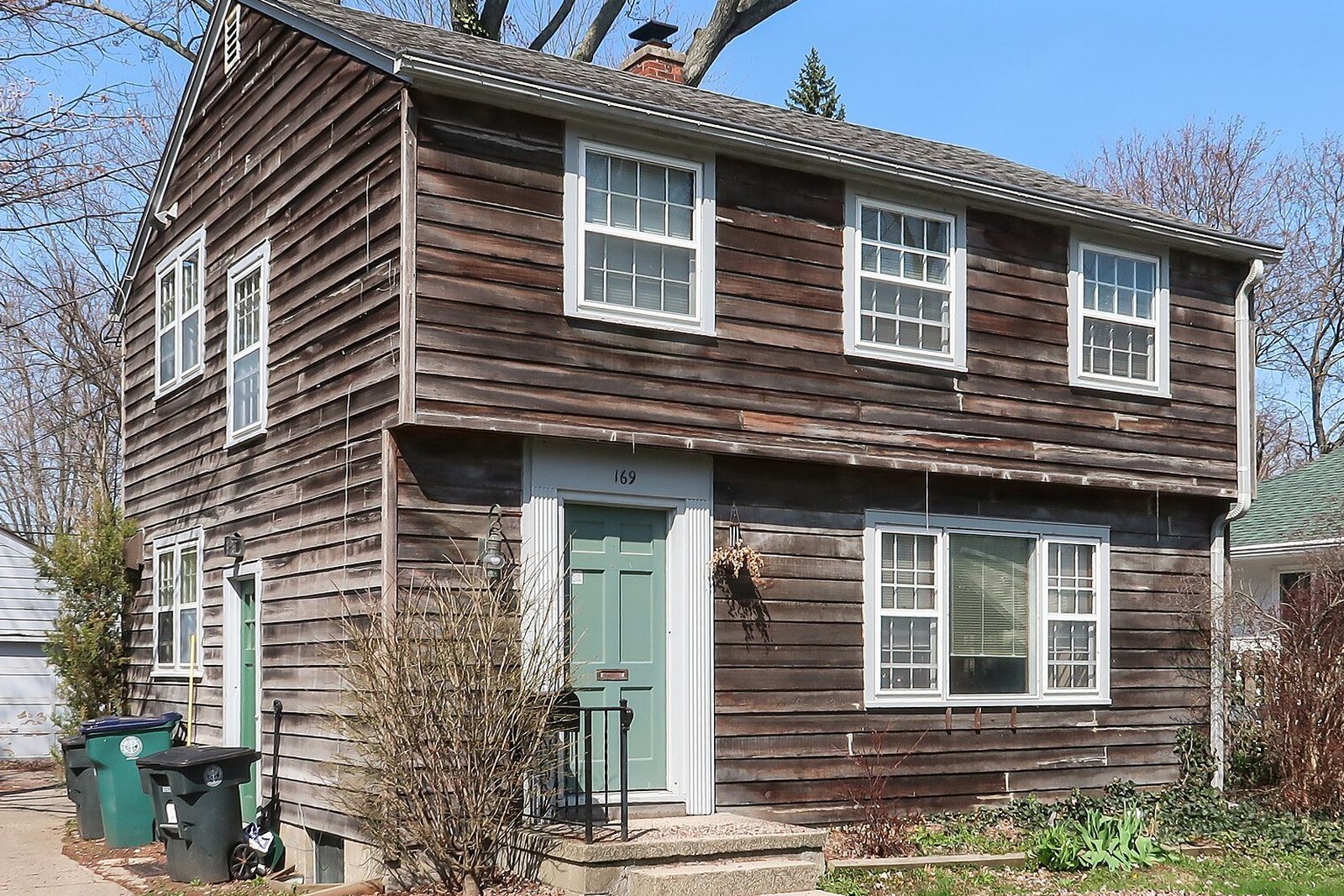
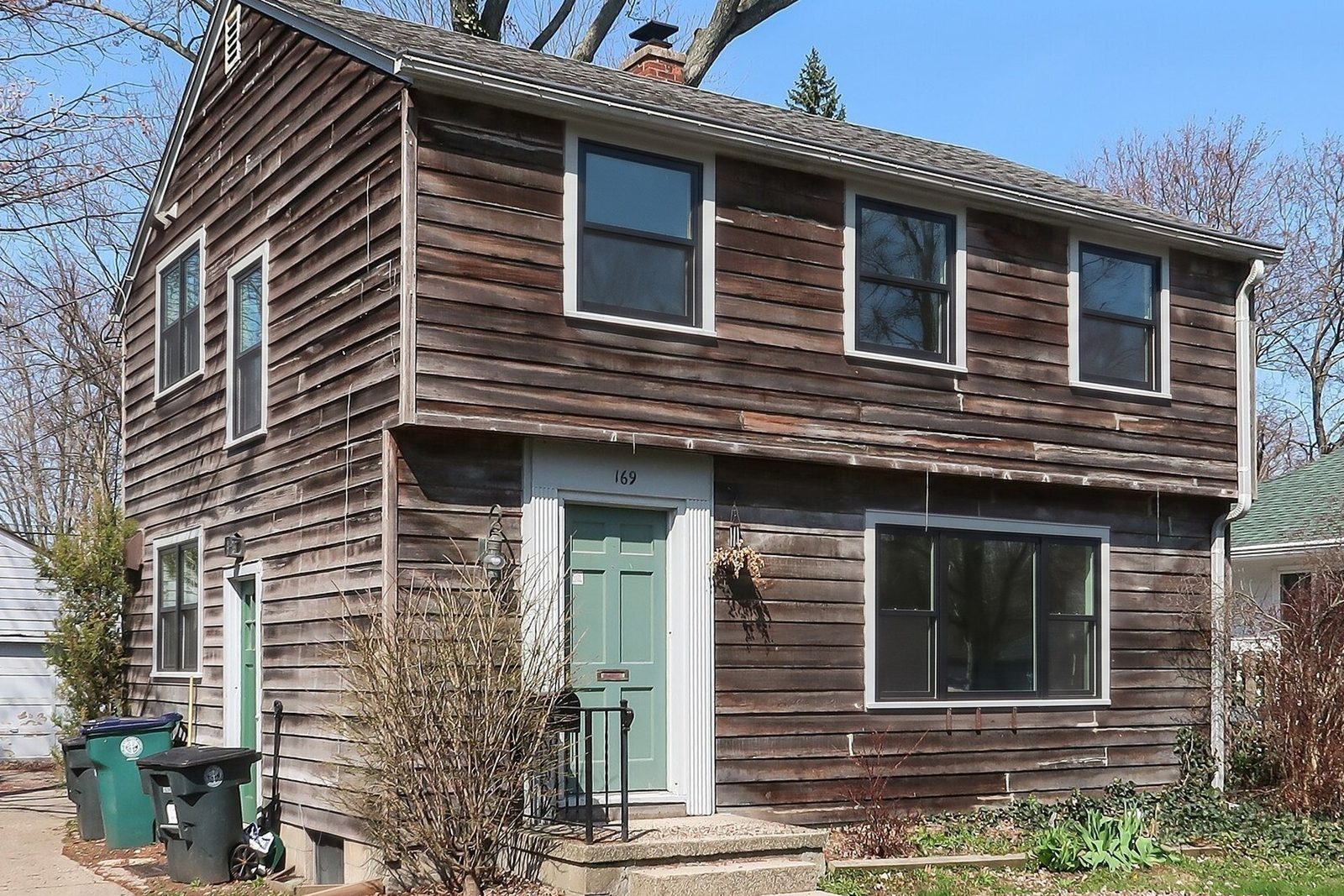
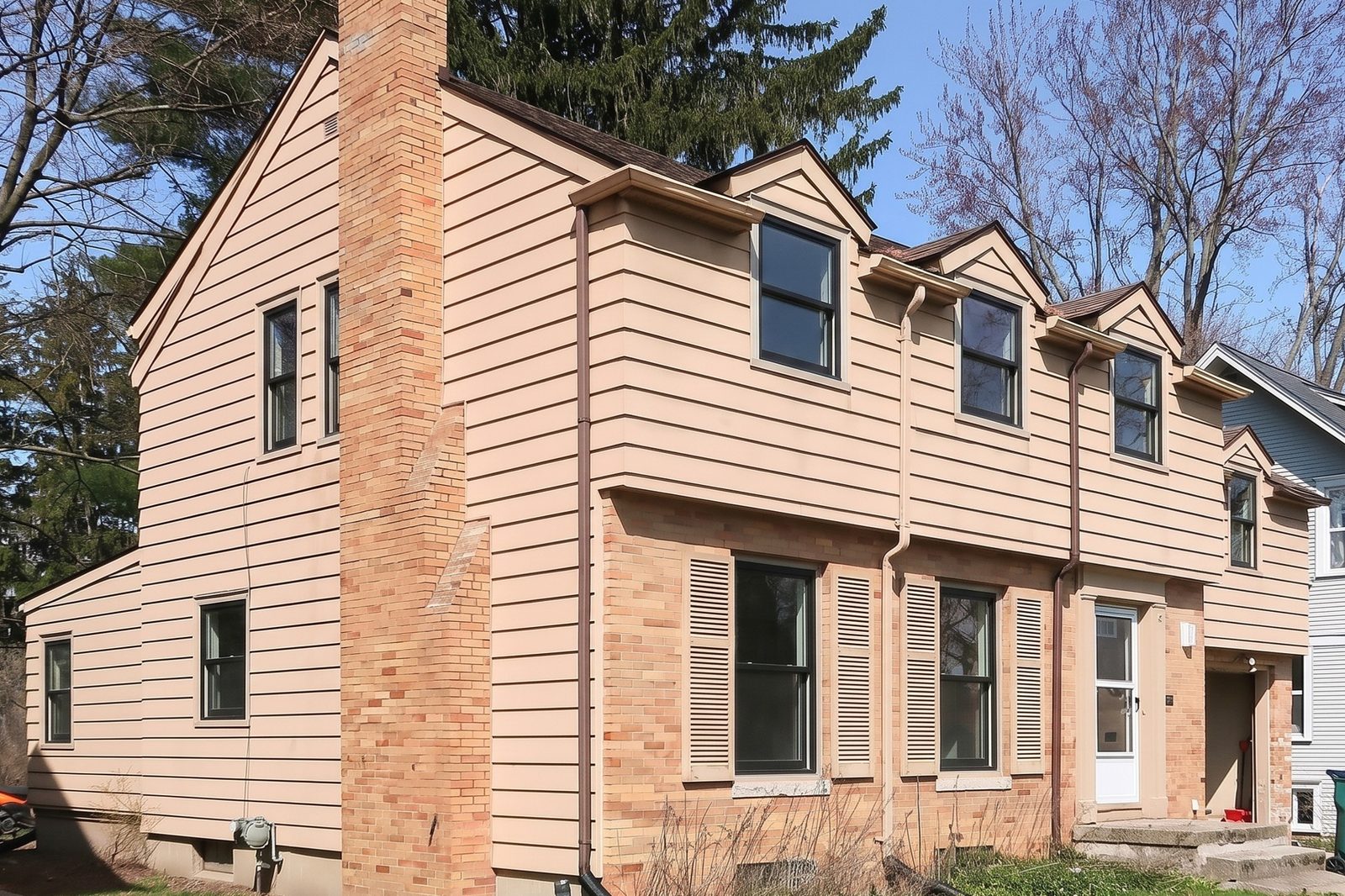
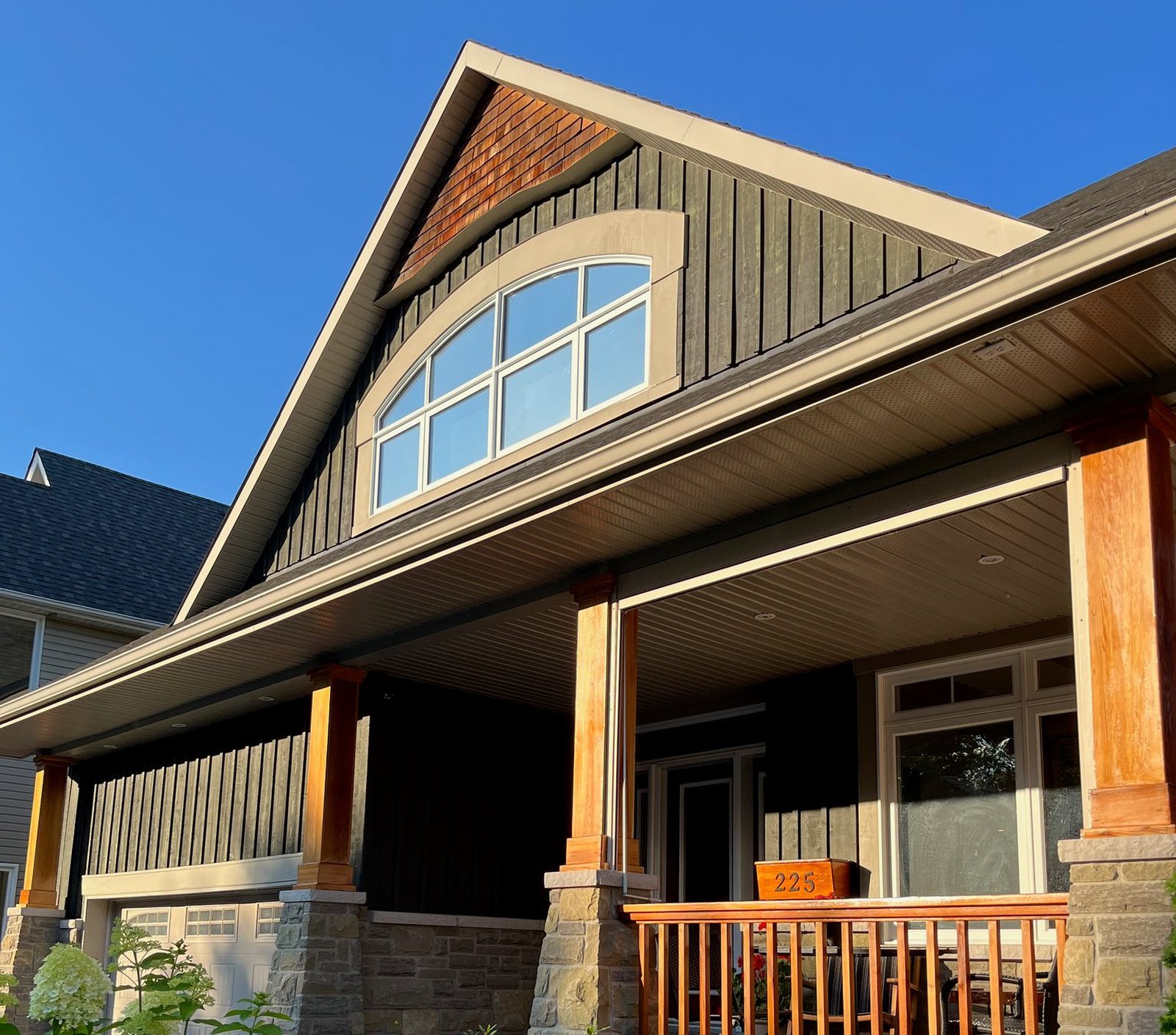
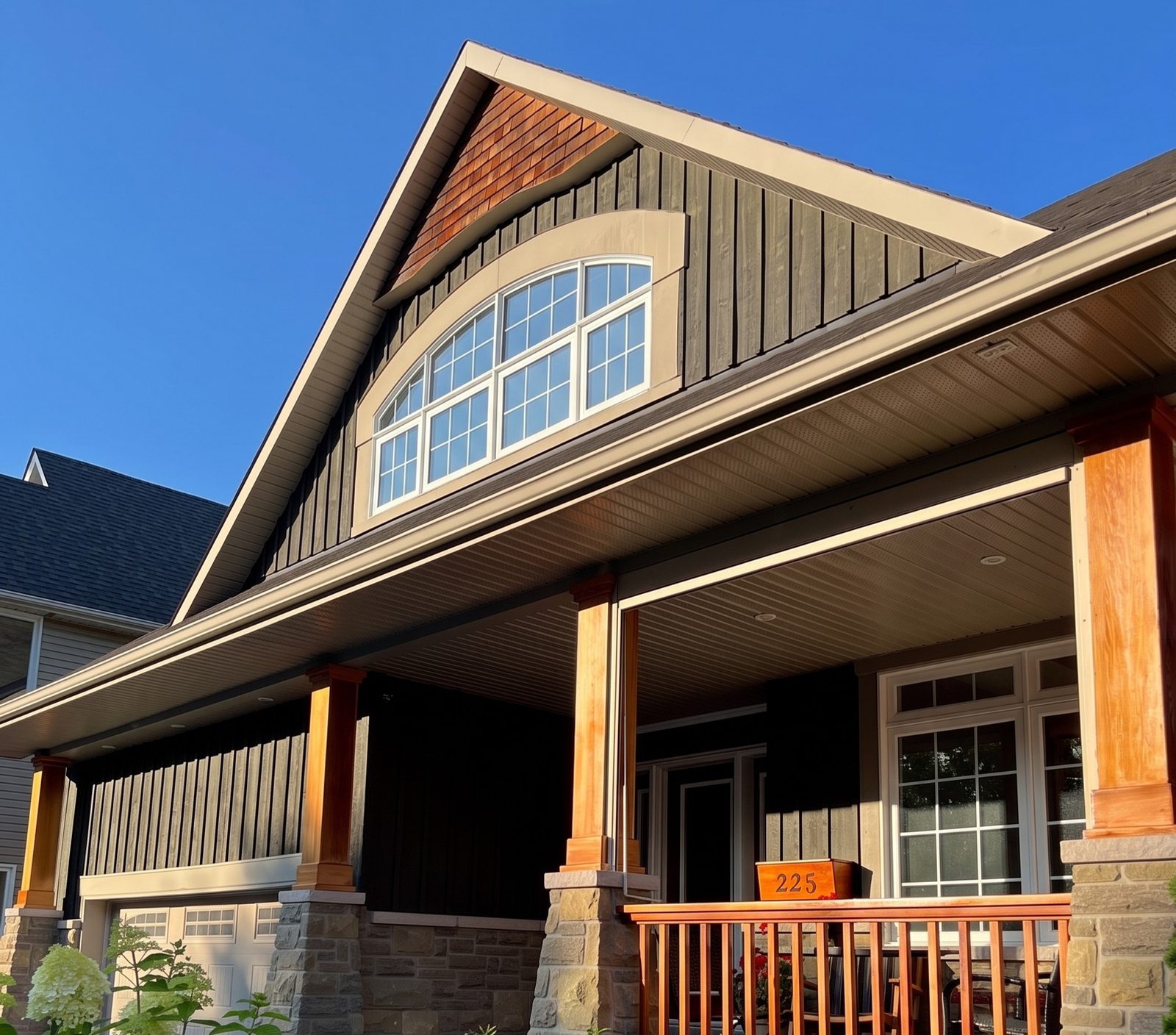
Right next to the price. When you show two or three options, render each one from the same photo of their house, so every line on the quote has a picture: white with colonial grilles at one price, black with no grilles at another. The homeowner compares what they get, not just the totals.
It helps with adders too. A color or grille upcharge is easier to accept when they can see it on their own house, and easier to drop when they can see they don't love it. Put the renders in the written proposal and the follow-up text, so the price never travels without the picture.
The render changes frame material, color and grilles, and each window keeps its current style. Confirm the color with a real sample before you order. The first render is free with no account, and a free account adds 3 more, no card.