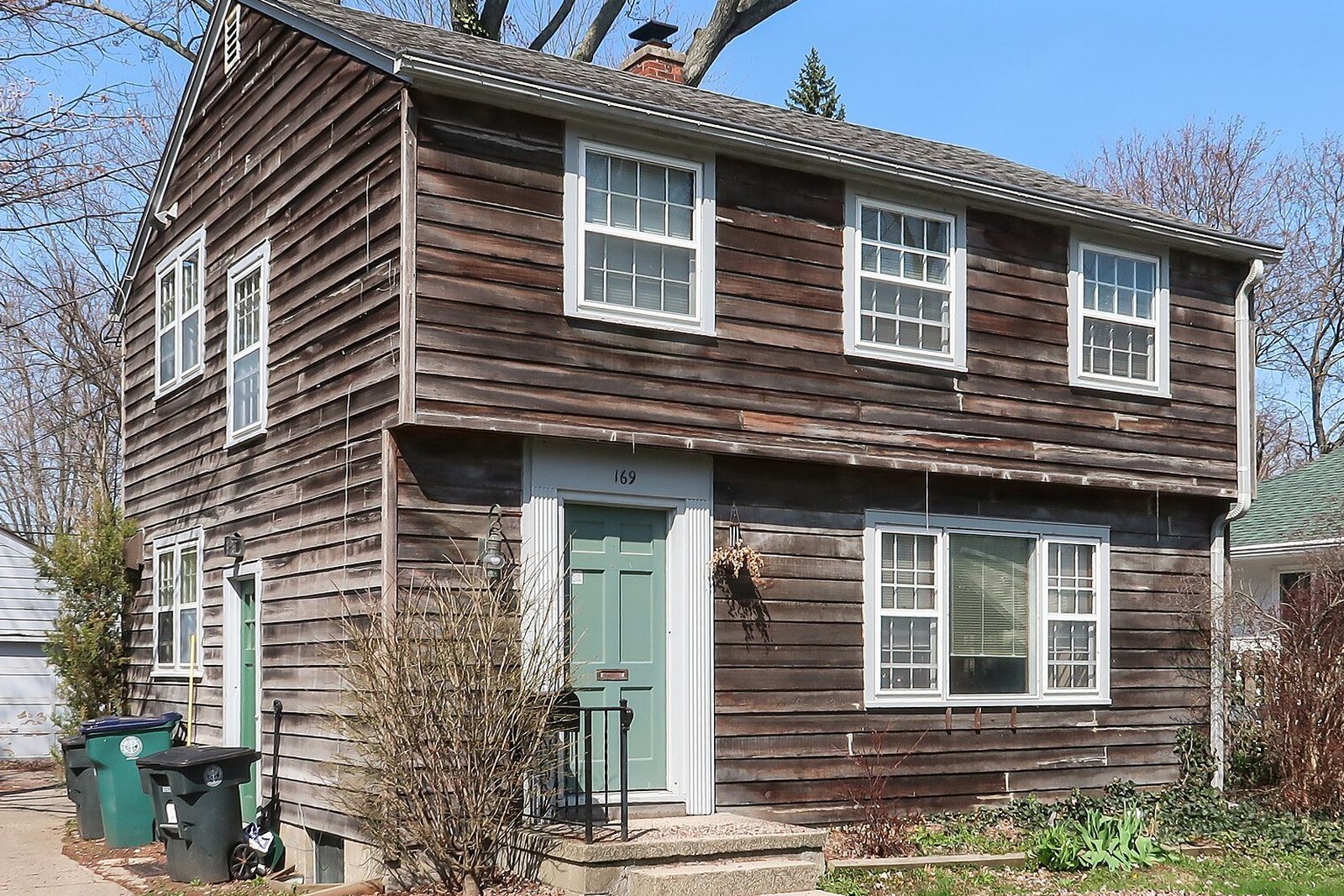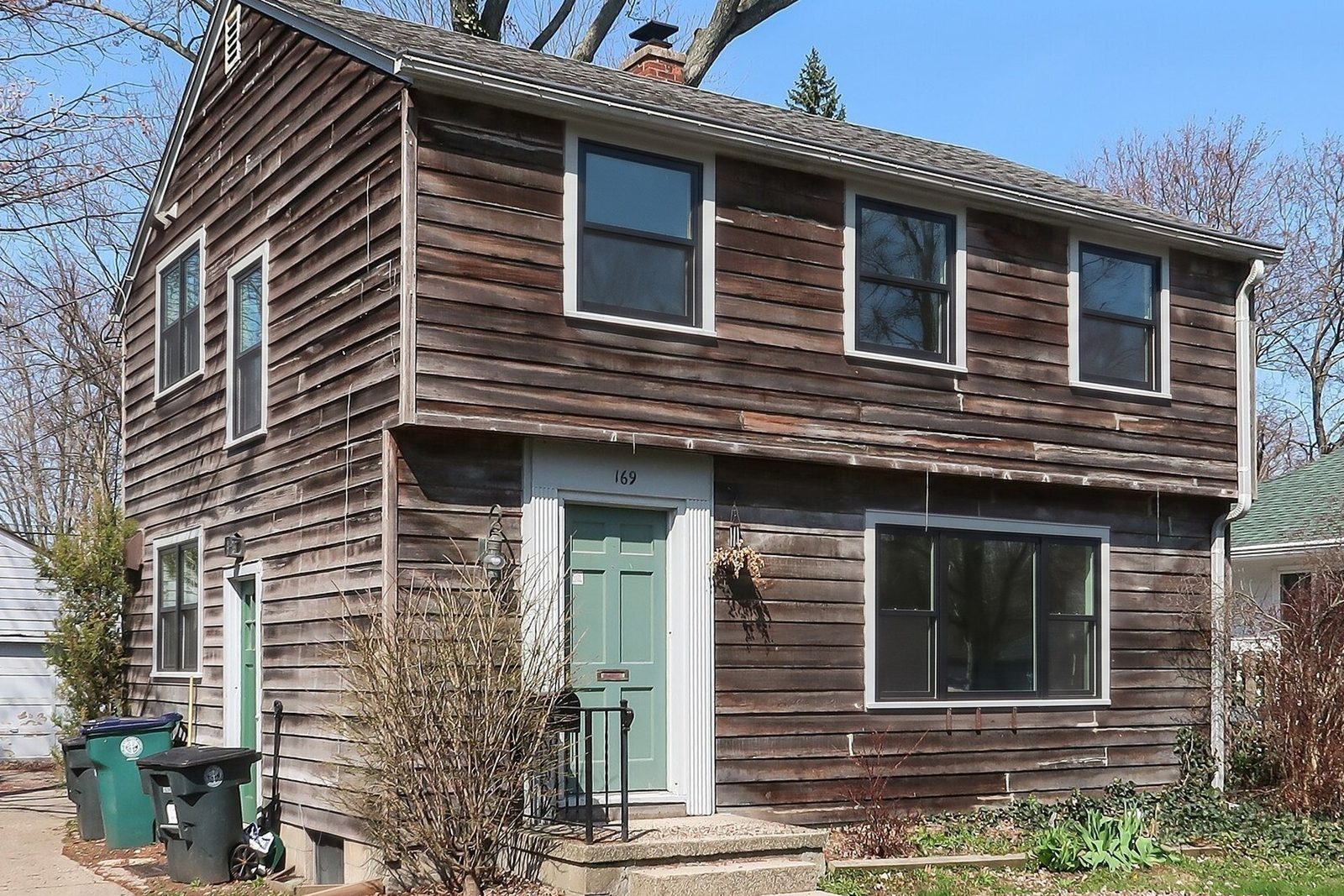

Why do roofing and siding contractors add windows?
Because the customer, the exterior and the sales visit are already yours. A roofing customer who liked your work is the cheapest window lead you'll ever get: you've met them, they've paid you, and they trust your crew on their property.
Leads cost real money in both trades. LocaliQ's 2025 search-ad benchmarks put Roofing & Gutters at $228.15 per lead and Doors & Windows Sales at $200.341. Selling a second trade to someone who already bought the first spreads that cost over two jobs.
Windows also close well in the home. Siro's in-home benchmarks put windows and doors at the highest average close rate of the trades it tracks, 29.1%2, with a median deal of $7,538 in its data3. Those numbers come from companies that record their appointments, so treat them as a yardstick, not a promise.
Some of your tools may already cover windows. If you measure roofs with Hover, its 3D model includes measurements for siding, windows and doors as well4, and you can switch the roof, siding and windows on it to products from brands such as GAF, James Hardie and Alside4.
Roofing and window replacement: what changes
Where the homeowner sees it
- Roofing
- From the yard and the street
- Window replacement
- From the street, and from inside every day as they open and close them
Measuring
- Roofing
- Squares and pitch, often from photos or aerial reports
- Window replacement
- Every opening, checked inside and out before you order
Ordering
- Roofing
- Mostly stock material from the supply house
- Window replacement
- Made to order for each opening; a wrong size means a remade window
Install
- Roofing
- Outside, on the roof
- Window replacement
- Opening by opening, inside the house, with interior trim and cleanup
Choices to sell
- Roofing
- Shingle line and color
- Window replacement
- Frame material, color, grilles, glass and how each window opens
Who stands behind it
- Roofing
- The shingle maker's warranty plus your workmanship
- Window replacement
- The window maker's warranty plus your installation
| Roofing | Window replacement | |
|---|---|---|
| Where the homeowner sees it | From the yard and the street | From the street, and from inside every day as they open and close them |
| Measuring | Squares and pitch, often from photos or aerial reports | Every opening, checked inside and out before you order |
| Ordering | Mostly stock material from the supply house | Made to order for each opening; a wrong size means a remade window |
| Install | Outside, on the roof | Opening by opening, inside the house, with interior trim and cleanup |
| Choices to sell | Shingle line and color | Frame material, color, grilles, glass and how each window opens |
| Who stands behind it | The shingle maker's warranty plus your workmanship | The window maker's warranty plus your installation |
Where do roofing contractors buy windows?
There are three routes, and you may use more than one. Whichever you pick, ask every supplier the same things: what you'll pay, how long orders take, who handles warranty claims, and which selling and measuring tools come with the account.
Ask your roofing supply house first. Some already carry windows: ABC Supply lists windows and doors among the products it sells to contractors, and says the brands it lists aren't available at every location5. Ask your branch which window lines it stocks or orders, and whether your current credit terms cover them.
Then look at the siding brands you already buy, because some make windows too. Alside's 2023 announcement of three new supply centers says they serve remodelers and builders, and describes one stocking Alside siding and windows along with doors and decking6. Brands like these also give dealers selling tools: ProVia says its Pro Visualizer gives dealers measurements of walls, openings and roofing without visiting the home7.
Some lines are dealer-only. Infinity by Marvin's listing says its windows are sold only through a select network of dealer partners8, so you apply for the brand rather than open an account. Brand-by-brand notes and the application steps are in how to become a window dealer.
Three ways to buy windows as an exterior contractor
Manufacturer dealer program
- How it works
- You apply to the brand or its distributor and buy as an authorized dealer
- Good for
- A brand to lead with, training and dealer tools
- Ask first
- Is my area open? Is there a first-order or yearly minimum? Does the warranty depend on installer training?
Your supply house
- How it works
- You buy windows where you already buy roofing or siding, if it carries a window line
- Good for
- Starting small, on credit terms you already have
- Ask first
- Which window lines do you carry, how long do orders take, and who handles warranty claims?
A siding brand that also makes windows
- How it works
- You add windows through a contractor program you may already be in
- Good for
- One rep and one program for both trades
- Ask first
- Which window lines are in the program, and on what terms?
| Route | How it works | Good for | Ask first |
|---|---|---|---|
| Manufacturer dealer program | You apply to the brand or its distributor and buy as an authorized dealer | A brand to lead with, training and dealer tools | Is my area open? Is there a first-order or yearly minimum? Does the warranty depend on installer training? |
| Your supply house | You buy windows where you already buy roofing or siding, if it carries a window line | Starting small, on credit terms you already have | Which window lines do you carry, how long do orders take, and who handles warranty claims? |
| A siding brand that also makes windows | You add windows through a contractor program you may already be in | One rep and one program for both trades | Which window lines are in the program, and on what terms? |
Should you install windows with your own crew or a subcontractor?
Subcontract first, in most cases. Roofers are good on ladders and in weather, but window installation is finish work in someone's living room: square, plumb, sealed, trimmed and swept up. Until you sell enough windows to keep a crew busy, a good window sub costs less than a crew you're still training.
Bring installs in house when the sub's calendar starts costing you sales, or when callbacks tell you quality needs your own eyes. Either way, one person on your team has to own measuring. A roofer's habit of rounding up works for shingles and ruins windows.
Settle whether each installer is an employee or a contractor before the first job. The IRS looks at behavioral control, financial control and the type of relationship9. Keep every sub's certificates of insurance on file, and check whether your state wants your license number on subcontracts; California requires it on contracts, subcontracts and advertising10. In homes built before 1978, EPA's lead rule requires firms paid to disturb lead paint to be certified, use trained renovators and follow lead-safe work practices11, so ask EPA or your state's lead program what that means for your company and your sub. General information, not legal advice.
Pay, training and certifications for installers are covered in hiring window installers.
Subcontractor or your own crew
Cost
- Subcontractor
- The sub's rate per opening, plus your margin on it
- Your own crew
- Pay, payroll taxes, workers' compensation, vehicle and tools, busy or not
Quality control
- Subcontractor
- Through the subcontract and your own inspections
- Your own crew
- Direct
Scheduling
- Subcontractor
- Their calendar, shared with other contractors
- Your own crew
- Yours
Training
- Subcontractor
- They bring it; ask how they learned
- Your own crew
- You provide it, along with your brand's installer training
Callbacks
- Subcontractor
- Who pays is set in the subcontract
- Your own crew
- Your crew, your cost
Best when
- Subcontractor
- Window sales are new or uneven
- Your own crew
- You sell enough windows to keep a crew busy
| Subcontractor | Your own crew | |
|---|---|---|
| Cost | The sub's rate per opening, plus your margin on it | Pay, payroll taxes, workers' compensation, vehicle and tools, busy or not |
| Quality control | Through the subcontract and your own inspections | Direct |
| Scheduling | Their calendar, shared with other contractors | Yours |
| Training | They bring it; ask how they learned | You provide it, along with your brand's installer training |
| Callbacks | Who pays is set in the subcontract | Your crew, your cost |
| Best when | Window sales are new or uneven | You sell enough windows to keep a crew busy |
How do you sell windows to past roofing customers?
Start with the list you already have. Pull every roof and siding job from the last several years and sort it: houses with their original windows first, then homeowners who mentioned drafts or fogged glass, then anyone your crew noticed with soft sills while on the job.
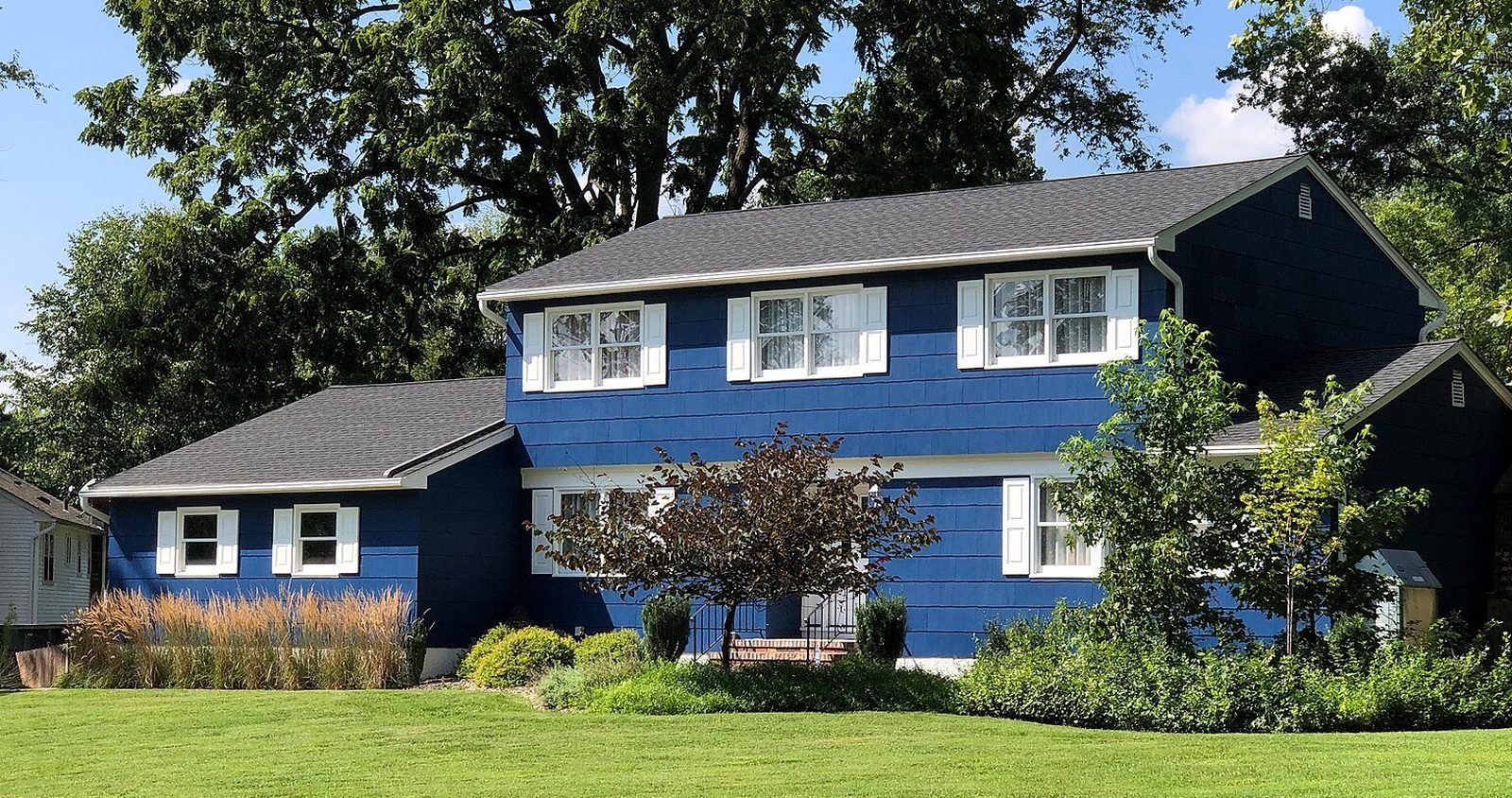
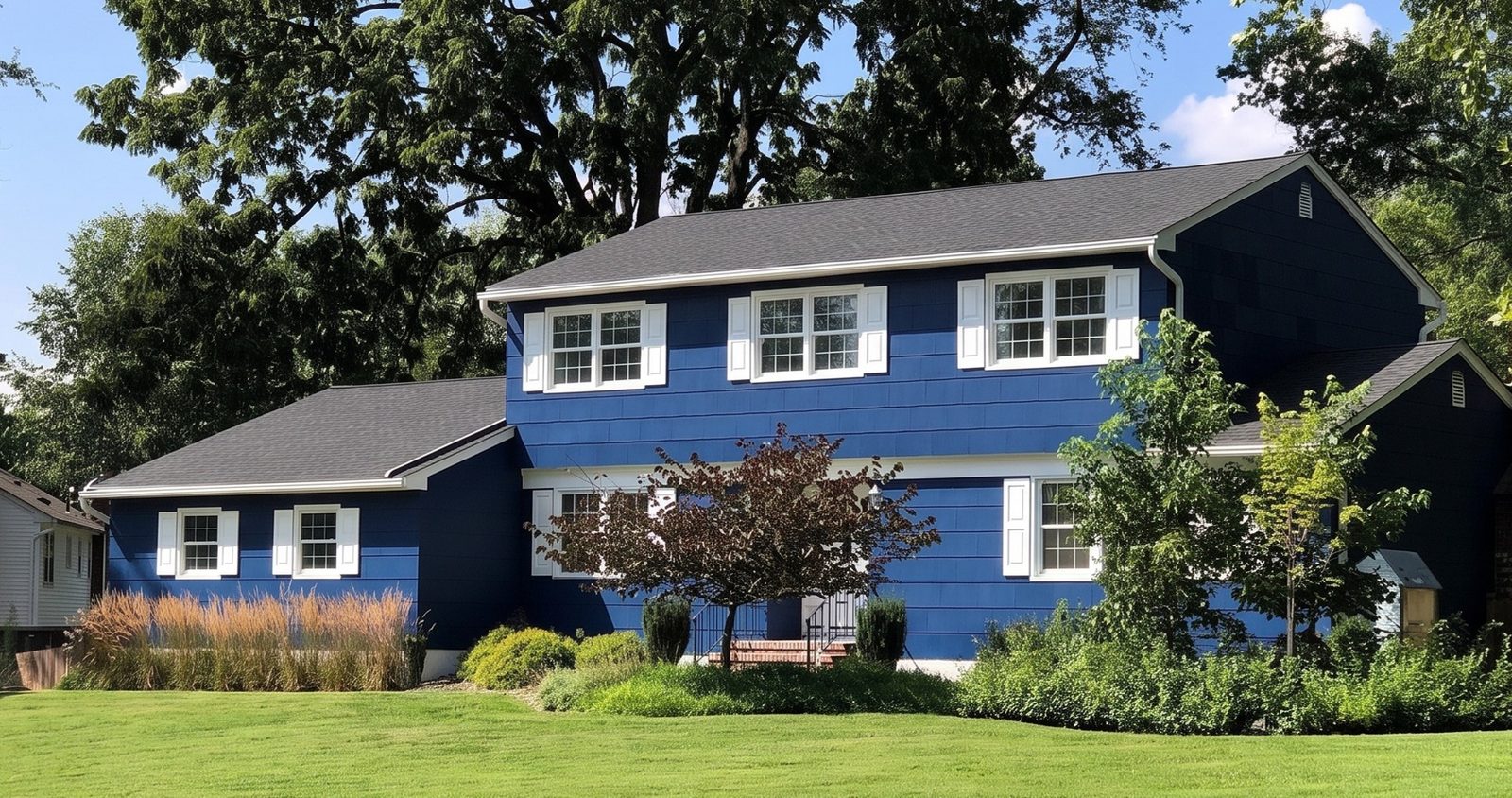
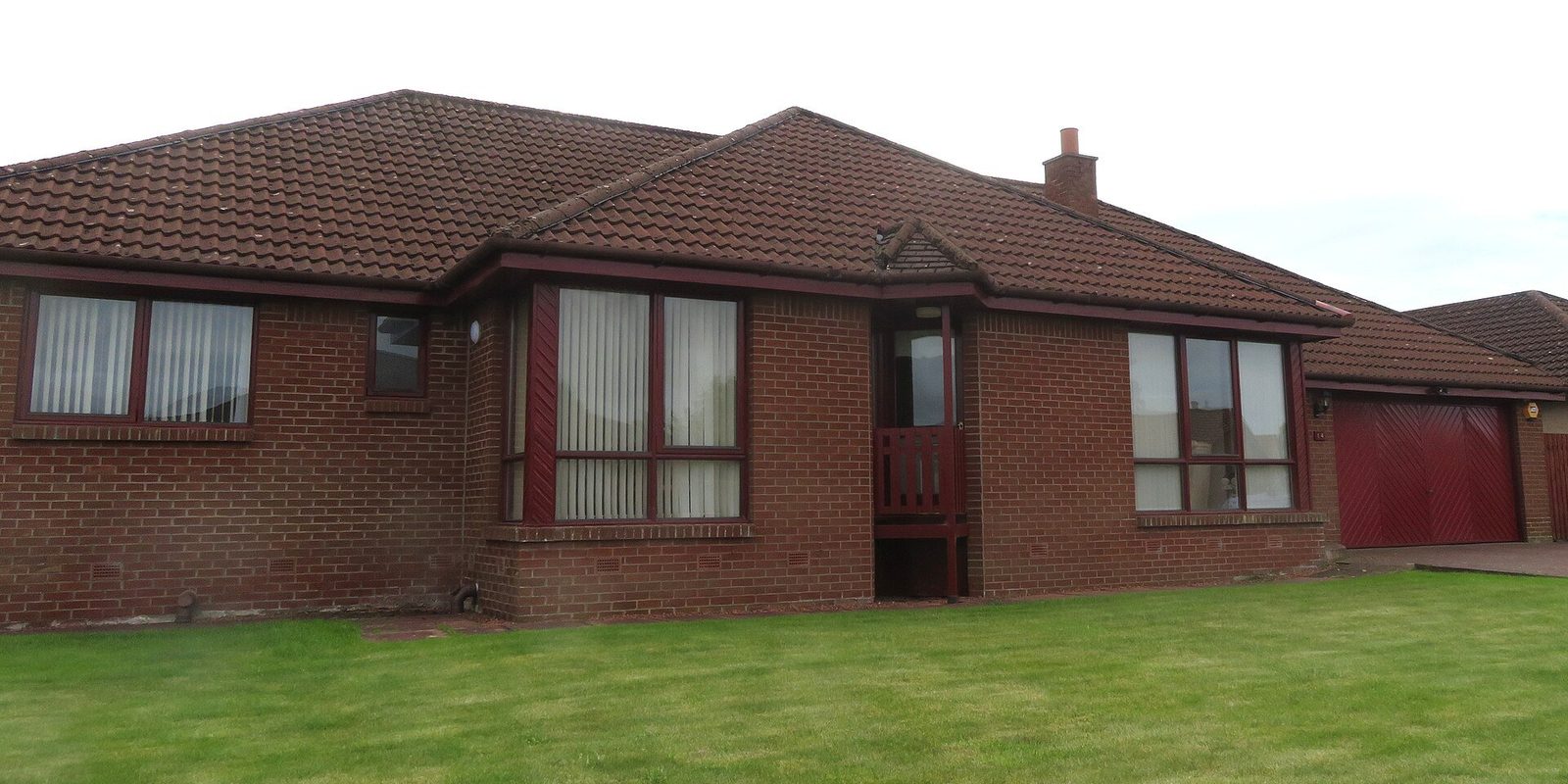
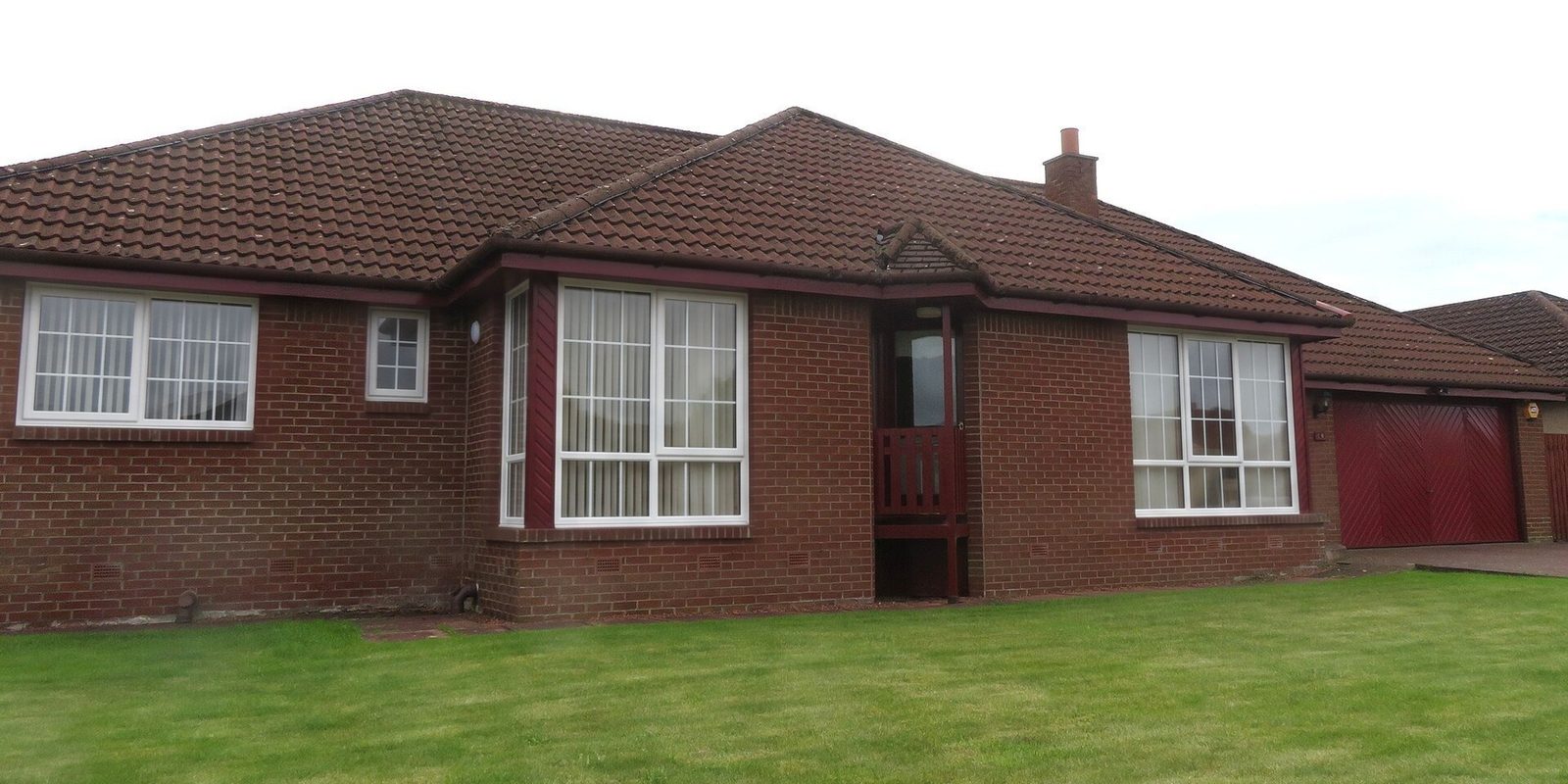
You probably have a photo of every one of those houses from the roof estimate. That's your way back in: render the house with new windows from the photo in your job file and send it with a short note. It's personal, it's their house, and it gives them a reason to reply.
Send them one at a time, from a person, and check the rules before you automate anything: FCC rules ban texts sent with an autodialer without the owner's consent, and autodialed marketing texts need written consent12. This is general information, not legal advice.
On new roof jobs, ask about the windows during the inspection and write down what you see. When the roof is done, the window conversation has already started.
On the roof inspection
While I'm up here, how are the windows treating you? Any that stick, fog up or let a draft in?
We do windows too. If you want, I'll take one photo of the front and show you what new frames would look like when I bring the roof estimate.
The roof estimate comes first. The window look is an add-on to the visit, not a second pitch.
Hi, it's [name] from [company]. We did your roof a couple of summers ago. Hope it's treating you well.
We install windows now too, so I made a render from the photo of your house we took back then, with black frames. No obligation, just thought you'd like to see it.
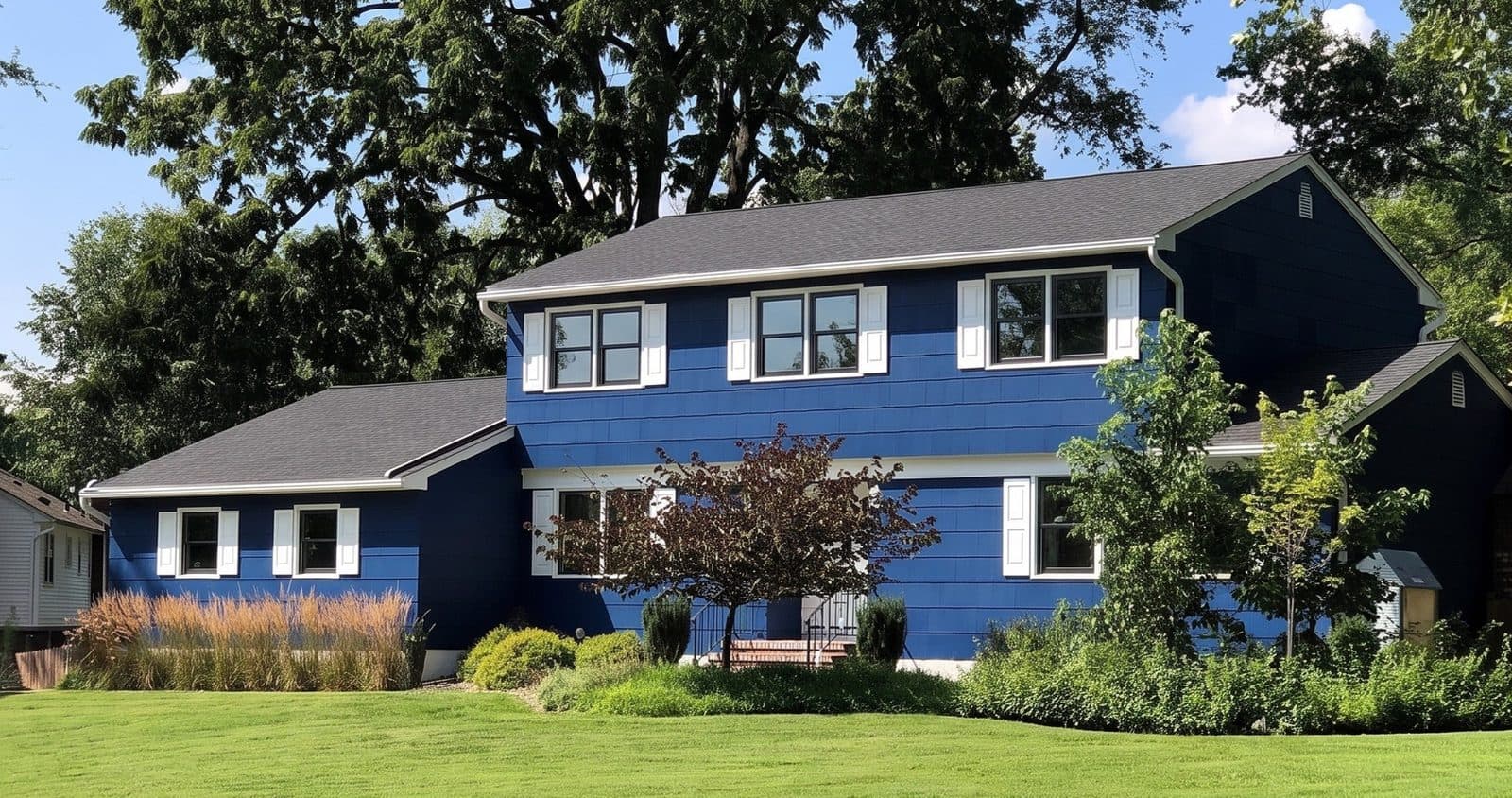 Render
Oh wow, that looks good. What would something like that cost?
Depends on the windows and the openings, so I'd need to measure. I'm near you Thursday. Would 5:30 work for a quick look?
What should general contractors and remodelers know about selling window replacement?
Plenty of general contractors and remodelers already put windows in as part of a kitchen, an addition or a whole-house remodel, and sub out the install. Selling window replacement on its own is a different business: a product sale, often decided in one or two visits, against companies that do nothing but windows.
Decide which you want to be. If windows stay part of your remodels, price the window sub's work with your margin on it, put the license numbers your state requires on the paperwork, and make the contract say who handles which warranty: the maker covers the product, and someone has to cover the installation.
If you want replacement windows as a line of their own, set it up the way the roofers above do: a brand or supply account, one person who owns measuring and ordering, an installer you trust, and a written price per window. You'll be compared with window specialists, and the FTC tells homeowners to get several written estimates and not to automatically choose the lowest bid13, so your quote has to be as clear as theirs.
If you sell at the homeowner's house, the federal right to cancel applies to you as much as to a window company: a buyer can cancel a sale of $25 or more made at home until midnight of the third business day, for a full refund14. Order after that period ends.
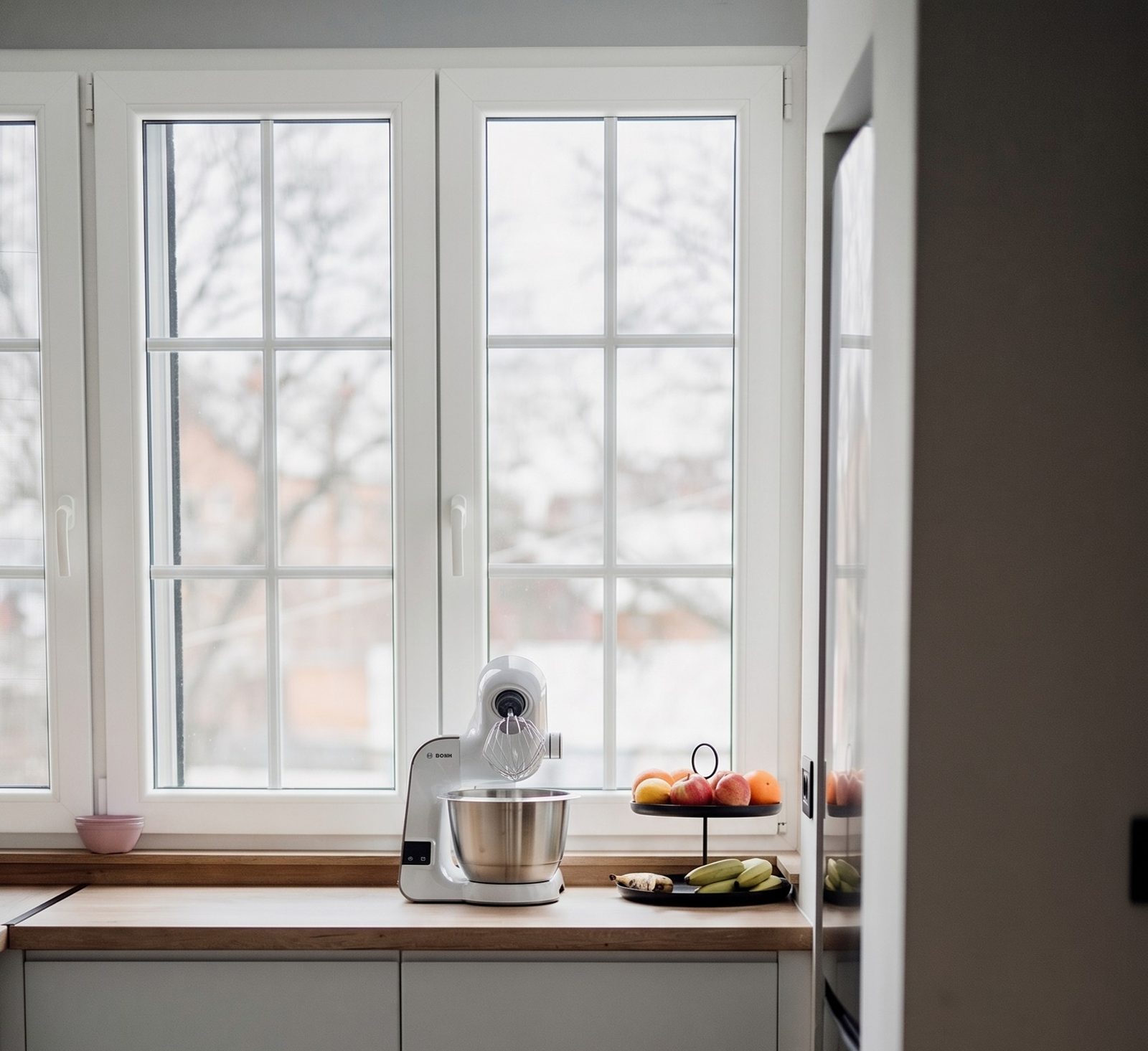
Remodelers can render the room they're already working on. Here's a kitchen from one photo of the room, with white frames and colonial grilles and with black frames.


What mistakes do roofers make when they add windows?
- Measuring like a roofer. Rounding works for squares of shingles; a window that's a little off is a remake. Measure every opening, and have a second person check before you order.
- Ordering before the cancellation period ends. Windows are built for one opening and rarely go back to the supplier; see window sale cancellations.
- Pricing windows like roofing, by feel or by the job. Build each price from window cost, labor, commission and overhead; the method is in how to price window replacement jobs.
- Carrying three window brands in year one. Learn one line well enough to measure, quote, install and service it before you add another.
- Sending the roof crew to set windows without training. Flashing, sealing and interior trim are a different skill.
- Folding the windows into the roof price. Give each trade its own written price, so the homeowner can say yes to one without losing the other.
- Selling from a brochure. Your past customers know their own house; show them that, not a catalog house.
Where the render fits for a roofing company adding windows
On the roof estimate visit and in the follow-up. You already photograph the house for the roof, so the window render needs no extra trip: pick the frame material, color and grilles you'd quote, and in 30 seconds the homeowner sees their own house with new windows, right next to your roof estimate.
For past customers, the render is the reason to get back in touch. Render the house from the photo in your job file and send it with a short personal note. For remodelers, render the room you're already working in.
The render shows the look: frame material, color and grilles, with each window keeping its current style. It doesn't measure, so keep measuring every opening before you order. The first render is free with no account, and a free account adds 3 more, no card.