What does it take to start a window replacement business?
A window replacement business sells new windows for existing homes and installs them. Before the first sale you need five things: a way to buy windows at dealer cost, a license and insurance, someone to install, a way to sell in the home, and enough cash to pay for windows before the homeowner's final payment comes in.
Most people who start one already know half the job. Installers know the work and have to learn selling. Reps know the kitchen table and have to learn ordering, scheduling and service. Be honest about which half you're missing, because it decides your first hire.
Who starts a window company, and what each usually has to add
An installer or crew lead
- What you bring
- Measuring, install quality, maybe a crew
- What to line up first
- A sales process, a dealer account in your own name, and prices that cover a sales commission
A window sales rep
- What you bring
- In-home selling, objection handling, a feel for prices
- What to line up first
- Installers you trust, ordering and service, and cash for the first orders
A roofer, siding or general contractor
- What you bring
- Past customers, a license, insurance, a supply house
- What to line up first
- Window measuring and a brand to sell; see adding windows to a roofing business
Someone new to the trade
- What you bring
- Capital and business experience
- What to line up first
- Time inside the trade first, as a rep or installer, or a program that trains you
| Starting as | What you bring | What to line up first |
|---|---|---|
| An installer or crew lead | Measuring, install quality, maybe a crew | A sales process, a dealer account in your own name, and prices that cover a sales commission |
| A window sales rep | In-home selling, objection handling, a feel for prices | Installers you trust, ordering and service, and cash for the first orders |
| A roofer, siding or general contractor | Past customers, a license, insurance, a supply house | Window measuring and a brand to sell; see adding windows to a roofing business |
| Someone new to the trade | Capital and business experience | Time inside the trade first, as a rep or installer, or a program that trains you |
In what order should you set up a window company?
In this order, because each step depends on the one before it. The sections below cover the money, the plan, the paperwork and the franchise question in detail.
- Pick your service area and how you'll buy windows: a dealer account, a license program, a franchise or your supply house.
- Form the company and get a tax ID, then the contractor or home improvement license your state and county require, and any bond that comes with it.
- Buy general liability, workers' compensation and commercial auto. If you'll work on homes built before 1978, get EPA lead-safe firm certification too3.
- Open your supplier account and learn its measuring, ordering and warranty rules before you sell anything.
- Line up installers: your own crew, or a subcontractor with their own insurance. Pay and vetting are in hiring window installers.
- Have a lawyer write your contract, with the cancellation notice and your deposit and payment terms.
- Build a price book from your real costs, with commission and lead cost in it from day one.
- Sell your first jobs to people who already know you, tighten the presentation, then start buying leads.
How much profit does a window replacement business make?
Less than the size of a window job suggests. The estimates online are rough: TRUiC lists a 14% profit margin for a window installation business1, and ZenBusiness estimates 15 to 25% for successful window replacement businesses2. Both come from small-business guide sites, not from a survey of window companies, so use them as a sanity check, not a target.
The jobs themselves are sizable. Siro, whose customers record their in-home sales appointments, puts the median windows and doors deal in its data at $7,5384. That money has to pay for the windows, the install, the rep, the lead that started it, the office and the callbacks before any of it is yours.
Sales cost is the line new owners forget. Job posts show what reps get paid: Renewal by Andersen of Central Virginia's post offers a 7% base commission with bonuses of up to 12%5, and a Window Works Co. post pays 8 to 13% depending on lead source and volume6. Price for it even while you sell every job yourself, or the company can't afford its first rep. How plans are built is in window sales commission.
Leads cost money too. LocaliQ's 2025 search-ad data puts Doors & Windows Sales at $200.34 per lead7. Elevarus, a lead seller, estimates that a $95 shared lead works out to about $220 to $310 per appointment that actually sits8.
Put two of those together as a rough example. Siro reports an average close rate of 29.1% for windows and doors9, which means three to four sits per sale. At the $220 to $310 per sat appointment that Elevarus says a shared lead works out to, lead cost alone comes to roughly $750 to $1,070 per sale8. That's arithmetic on two outside estimates, not a benchmark, but it shows why a company that buys leads needs a price that carries them.
Where the money from a window job goes
Windows
- What's in it
- Units, freight, color and grille upcharges, screens, special shapes
- How to find your number
- Your dealer price sheet or your supplier's quote
Install labor
- What's in it
- Removal, install, exterior capping or trim, interior trim, and the second trip when something's wrong
- How to find your number
- Your crew's pay per day, or your subcontractor's rate per opening
Materials and disposal
- What's in it
- Foam, sealant, flashing, capping coil, fasteners, haul-away
- How to find your number
- Average your last ten jobs
Sales
- What's in it
- Commission, or your own time if you sell
- How to find your number
- Your commission plan, applied to the selling price
Leads and marketing
- What's in it
- Lead buys, ads, mailers, home shows, website
- How to find your number
- Last quarter's marketing spend divided by jobs sold
Overhead
- What's in it
- Office, vehicles, insurance, software, admin pay
- How to find your number
- A year's overhead divided by the jobs you expect to sell
Service
- What's in it
- Callbacks, warranty visits, remakes
- How to find your number
- Set a share of each job aside and adjust it after year one
Profit
- What's in it
- What the business keeps
- How to find your number
- Your target, checked against what each finished job really left
| Cost | What's in it | How to find your number |
|---|---|---|
| Windows | Units, freight, color and grille upcharges, screens, special shapes | Your dealer price sheet or your supplier's quote |
| Install labor | Removal, install, exterior capping or trim, interior trim, and the second trip when something's wrong | Your crew's pay per day, or your subcontractor's rate per opening |
| Materials and disposal | Foam, sealant, flashing, capping coil, fasteners, haul-away | Average your last ten jobs |
| Sales | Commission, or your own time if you sell | Your commission plan, applied to the selling price |
| Leads and marketing | Lead buys, ads, mailers, home shows, website | Last quarter's marketing spend divided by jobs sold |
| Overhead | Office, vehicles, insurance, software, admin pay | A year's overhead divided by the jobs you expect to sell |
| Service | Callbacks, warranty visits, remakes | Set a share of each job aside and adjust it after year one |
| Profit | What the business keeps | Your target, checked against what each finished job really left |
What goes in a window replacement business plan?
A business plan for a window company doesn't need to be long. It needs to answer the questions a bank, a supplier's credit department or a partner will ask, and the ones you'll be asking yourself in month four. The outline below fits on a few pages. Three tips before you fill it in:
- Write section 10 of the outline below last, then test it against outside numbers like the close rate and lead costs above. If the plan only works with a close rate far above what in-home window sellers report, fix the plan, not the spreadsheet.
- Plan the cash month by month. You'll pay for windows and labor before the final payment comes in, and the gap grows as you sell more.
- Write sections 3 and 7 together. The brand you pick sets your cost, and your cost sets the price you have to defend at the table.
Window replacement business plan outline
1. Summary
- What to write
- One paragraph: what you sell, where, to whom, and how customers will find you.
- The question it answers
- Can you say it in two sentences?
2. Service area
- What to write
- The towns you'll cover, how old the housing is, and who else sells windows there.
- The question it answers
- How far will you drive for an appointment, and for an install?
3. Product
- What to write
- Brands, product tiers, and how you buy: dealer account, license, franchise or supply house.
- The question it answers
- Why should a homeowner buy these windows from you?
4. Installation
- What to write
- Your own crew or subcontractors, who measures, and who handles service.
- The question it answers
- Who fixes a leak in month ten?
5. Sales
- What to write
- In-home or showroom, who runs appointments, how you present and follow up.
- The question it answers
- What happens between the lead and the signed order?
6. Leads
- What to write
- Where leads come from in year one, and what each source costs.
- The question it answers
- How many leads do your sales targets need?
7. Pricing
- What to write
- How you price a job, your target gross margin, your deposit and payment terms.
- The question it answers
- Does every price cover commission, leads and overhead?
8. Legal and insurance
- What to write
- What your state and county require, your coverages, your contract and cancellation form.
- The question it answers
- Has a lawyer read your contract?
9. Startup costs and cash
- What to write
- One-time costs, monthly costs, and cash to pay for orders before final payments arrive.
- The question it answers
- How many months can you run with no sales?
10. Year-one numbers
- What to write
- Leads, appointments that sit, close rate, average job and gross profit, month by month.
- The question it answers
- Which number has to be true for the plan to work?
| Section | What to write | The question it answers |
|---|---|---|
| 1. Summary | One paragraph: what you sell, where, to whom, and how customers will find you. | Can you say it in two sentences? |
| 2. Service area | The towns you'll cover, how old the housing is, and who else sells windows there. | How far will you drive for an appointment, and for an install? |
| 3. Product | Brands, product tiers, and how you buy: dealer account, license, franchise or supply house. | Why should a homeowner buy these windows from you? |
| 4. Installation | Your own crew or subcontractors, who measures, and who handles service. | Who fixes a leak in month ten? |
| 5. Sales | In-home or showroom, who runs appointments, how you present and follow up. | What happens between the lead and the signed order? |
| 6. Leads | Where leads come from in year one, and what each source costs. | How many leads do your sales targets need? |
| 7. Pricing | How you price a job, your target gross margin, your deposit and payment terms. | Does every price cover commission, leads and overhead? |
| 8. Legal and insurance | What your state and county require, your coverages, your contract and cancellation form. | Has a lawyer read your contract? |
| 9. Startup costs and cash | One-time costs, monthly costs, and cash to pay for orders before final payments arrive. | How many months can you run with no sales? |
| 10. Year-one numbers | Leads, appointments that sit, close rate, average job and gross profit, month by month. | Which number has to be true for the plan to work? |
What licenses and insurance does a window contractor need?
It depends on your state, and often your county or city. Some states license home improvement contractors, some license specific trades, and some leave it to local government. Look it up before you print a business card, because homeowners will: the FTC tells them to consider only licensed and insured contractors, to check the license with the state or county, and to ask for proof of insurance10.
Some states also say how you must show the license. California requires every licensed contractor to put the license number in all construction contracts, in subcontracts and calls for bid, and in all forms of advertising11. Expect rules like that to reach your truck, your website and your quote form.
Then write your contract. If you sell in the home, the FTC's Cooling-Off Rule lets the buyer cancel a sale of $25 or more for a full refund until midnight of the third business day, and you must tell them and give them a cancellation form12. How to sell so the deal stays sold is in window sale cancellations.
Check the age of the houses you'll work on. EPA's lead rule requires firms paid to disturb lead-based paint in homes built before 1978 to be certified by EPA or an authorized state, to use trained renovators and to follow lead-safe work practices3. EPA counts replacing a window of any size as a renovation under that rule, not minor repair13. In an area of older houses, get the firm and your installers certified before you sell.
If you'll hire, decide who is an employee and who is a subcontractor before the first job. The IRS looks at behavioral control, financial control and the type of relationship14.
This is general information, not legal advice. Check your state's licensing board, and talk to a lawyer and an insurance agent who work with contractors. The table is a checklist for those conversations.
Paperwork and coverage to line up before the first job
Business registration
- What it covers
- Your company's legal form and name with the state, and a tax ID
- Who to ask
- Your accountant: which structure fits, and how you'll pay yourself
Contractor or home improvement license
- What it covers
- Your right to contract for the work where you sell it
- Who to ask
- Your state licensing board and county: which license, which exam, whether a bond is required
General liability
- What it covers
- Damage to the home, or injury to others, caused by your work
- Who to ask
- Your agent: the limits, and whether subcontracted work is covered
Workers' compensation
- What it covers
- Injuries to your employees; the rules for small crews and owners differ by state
- Who to ask
- Your agent and your state's workers' compensation agency
Commercial auto
- What it covers
- Trucks and vans used for the business
- Who to ask
- Your agent: whether your personal policy excludes business use
Certificates from subcontractors
- What it covers
- Proof your subs carry their own liability and workers' compensation
- Who to ask
- Your subs, before the first job; keep the certificates on file
Lead-safe certification
- What it covers
- Window work in homes built before 1978, where old paint may contain lead
- Who to ask
- EPA or your state's lead program: firm certification, renovator training and the records each job needs
Installer training from your brand
- What it covers
- How the maker wants its windows installed
- Who to ask
- Your brand: which training it offers, and whether the warranty or dealer agreement requires it
| Item | What it covers | Who to ask |
|---|---|---|
| Business registration | Your company's legal form and name with the state, and a tax ID | Your accountant: which structure fits, and how you'll pay yourself |
| Contractor or home improvement license | Your right to contract for the work where you sell it | Your state licensing board and county: which license, which exam, whether a bond is required |
| General liability | Damage to the home, or injury to others, caused by your work | Your agent: the limits, and whether subcontracted work is covered |
| Workers' compensation | Injuries to your employees; the rules for small crews and owners differ by state | Your agent and your state's workers' compensation agency |
| Commercial auto | Trucks and vans used for the business | Your agent: whether your personal policy excludes business use |
| Certificates from subcontractors | Proof your subs carry their own liability and workers' compensation | Your subs, before the first job; keep the certificates on file |
| Lead-safe certification | Window work in homes built before 1978, where old paint may contain lead | EPA or your state's lead program: firm certification, renovator training and the records each job needs |
| Installer training from your brand | How the maker wants its windows installed | Your brand: which training it offers, and whether the warranty or dealer agreement requires it |
Should you buy a window franchise or start an independent company?
There are three models, and each trades control for a playbook. An independent dealer buys from a manufacturer or distributor and sells under its own name. A licensee runs its own company under a licensor's name and systems: a trade article describes Window Depot USA's program for independent dealers as a license, not a franchise15. A franchisee buys into a system with its brand, territory, rules and fees.
If you look at a franchise, the document that matters is the Franchise Disclosure Document. Under the FTC's Franchise Rule you must receive it at least 14 calendar days before you sign a binding agreement or pay the franchisor anything16, and the rule sets what each numbered item must cover17. Read these items first; the table after them compares the three models.
- Item 5 and Item 6 of the Franchise Disclosure Document: the initial fee and the ongoing fees.
- Item 7: the estimated initial investment, line by line. That is the real startup cost, not a figure from a franchise directory site, which can be years old.
- Item 19: any financial performance figures the franchisor chooses to give. If there's no Item 19, ask why.
- Item 20: outlet and franchisee information, including contact details for current franchisees and for those who left the system in the last fiscal year. The owners who left are the calls that teach you the most.
- Item 21: the franchisor's own financial statements.
Franchise, license or independent: what usually differs
Name on the truck
- Independent dealer
- Yours
- License program
- Set by the license agreement
- Franchise
- The franchisor's
Who picks the product
- Independent dealer
- You, within your dealer agreements
- License program
- Set by the program
- Franchise
- Set by the franchisor
Upfront cost
- Independent dealer
- Licensing, insurance, samples, tools and first marketing
- License program
- Your own startup costs plus what the agreement charges
- Franchise
- The franchise fee plus the startup costs in the disclosure document
Ongoing fees to a brand
- Independent dealer
- None
- License program
- Set by the license agreement
- Franchise
- Usually royalties and marketing fees
Training and systems
- Independent dealer
- What you build or buy
- License program
- The licensor's
- Franchise
- The franchisor's
Territory
- Independent dealer
- Nothing protected; you compete with everyone
- License program
- Depends on the agreement
- Franchise
- Defined in the agreement
Getting out
- Independent dealer
- Close or sell your company
- License program
- Depends on the agreement
- Franchise
- The transfer and exit terms in the agreement
| Independent dealer | License program | Franchise | |
|---|---|---|---|
| Name on the truck | Yours | Set by the license agreement | The franchisor's |
| Who picks the product | You, within your dealer agreements | Set by the program | Set by the franchisor |
| Upfront cost | Licensing, insurance, samples, tools and first marketing | Your own startup costs plus what the agreement charges | The franchise fee plus the startup costs in the disclosure document |
| Ongoing fees to a brand | None | Set by the license agreement | Usually royalties and marketing fees |
| Training and systems | What you build or buy | The licensor's | The franchisor's |
| Territory | Nothing protected; you compete with everyone | Depends on the agreement | Defined in the agreement |
| Getting out | Close or sell your company | Depends on the agreement | The transfer and exit terms in the agreement |
How do you choose between a franchise, a license and going independent?
Window World, for example, says on its franchise listing that each location is individually owned and operated18. For it or any other window franchise, the current fees and startup cost are in Items 5, 6 and 7 of the current disclosure document, not on a directory site. Ask for that document before anything else, call franchisees from the Item 20 lists yourself, including some who left, and have a franchise lawyer read the agreement. This is general information, not legal advice.
A franchise or license program makes the most sense when you're new to the trade and want someone else's system, training and name. If you've sold or installed windows for years, you'd be paying for things you already know, and an independent dealer account keeps your name and your margin. The steps to open one are in how to become a window dealer.
Questions for a franchisor or licensor
Which costs in Item 7 do most new owners go over, and by how much?
Who sets my prices, and can I carry a window line you don't sell?
Do you send me leads, and what do they cost me?
How many owners in my region left the system in the last three years, and why?
If I want out in year three, what does the agreement let me do?
Ask the same questions of every program you look at, and compare the answers in writing.
What mistakes sink new window companies?
- Pricing low to win the first jobs. Price for commission, leads and overhead from day one, even while you sell every job yourself; raising prices later is harder than starting right. The method is in how to price window replacement jobs.
- Buying leads before the sales process works. Run your first appointments from referrals, past customers and your own network, tighten the presentation, then buy leads.
- Ordering before the cancellation period ends. Windows are made to order for each opening, so a canceled sale with windows already on order is a loss.
- Running out of cash between the supplier's invoice and the homeowner's final payment. Know your supplier's terms and your deposit policy before the first order.
- Promising energy savings you can't back up. In 2012 the FTC announced settlements with five replacement window sellers over deceptive energy efficiency and savings claims19; the safe wording is in window energy savings claims.
- Inventing a list price to discount from. The FTC's pricing guides call a bargain built on an inflated former price a false one20.
- Borrowing other companies' job photos for your website and ads. Show your own installs as you finish them, with the owner's permission.
- Doing every job yourself for too long. An owner who sells, measures, installs and answers the phone caps the company at one person's week.
Where the render fits in a new window company
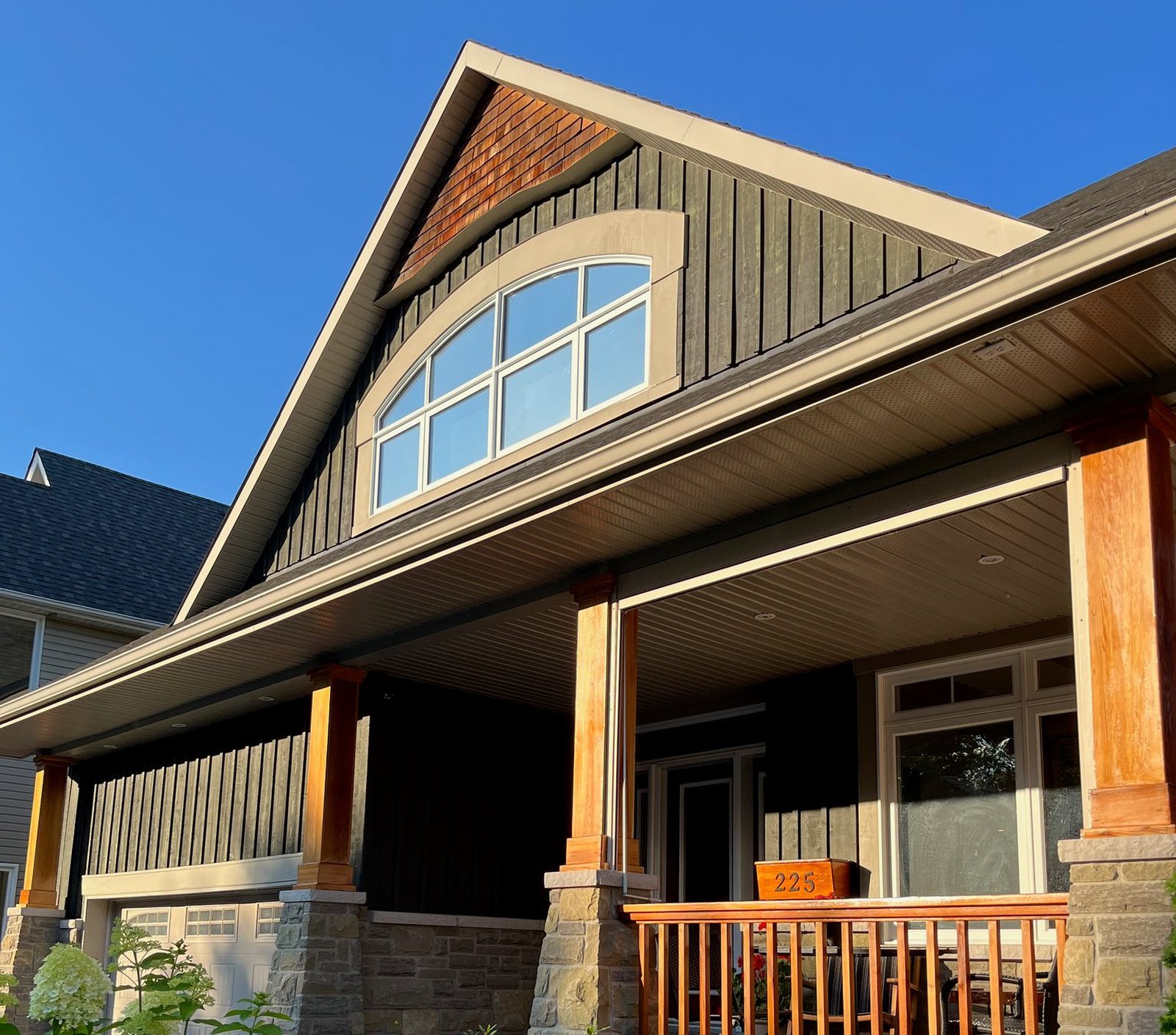
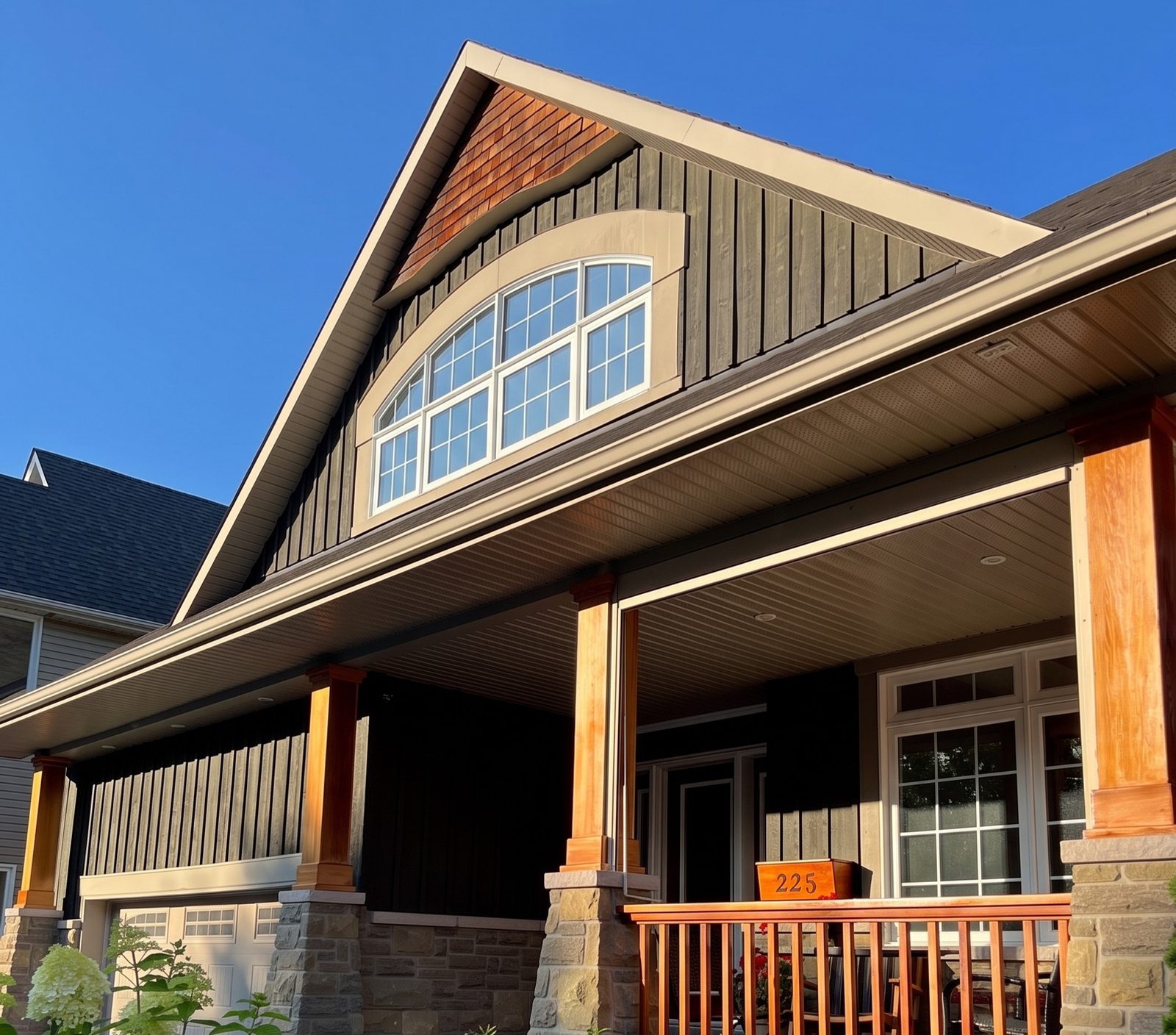
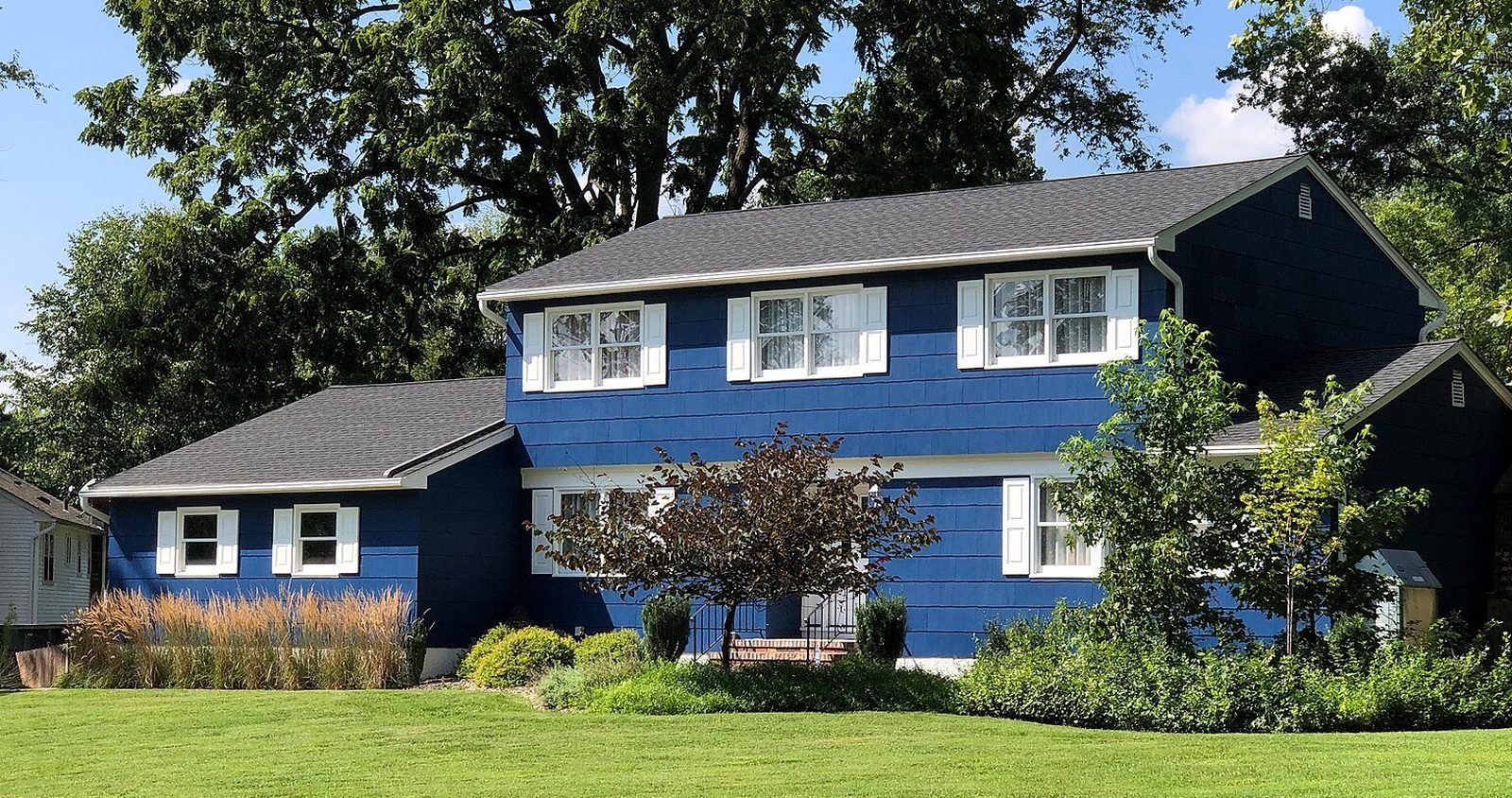
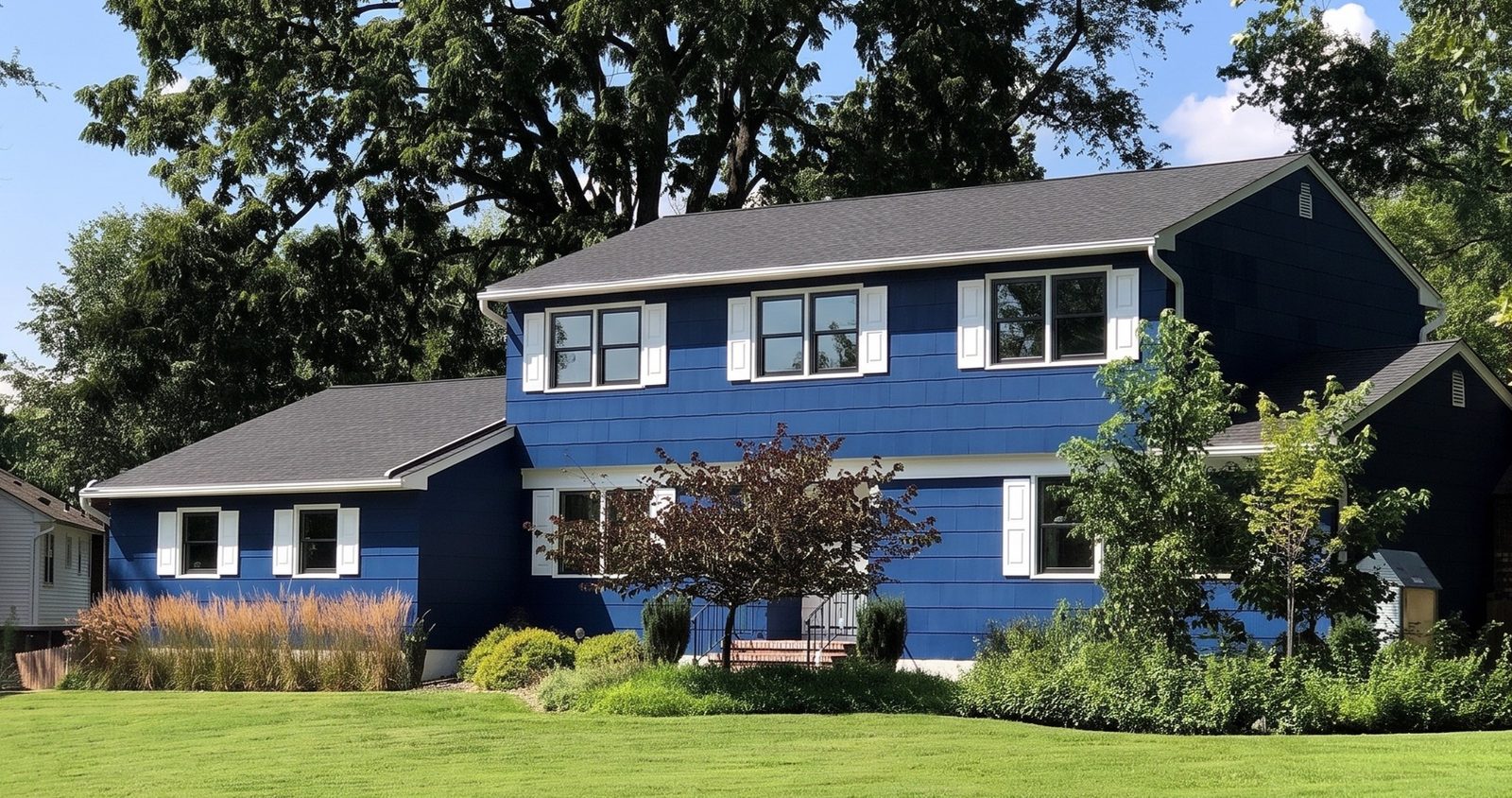
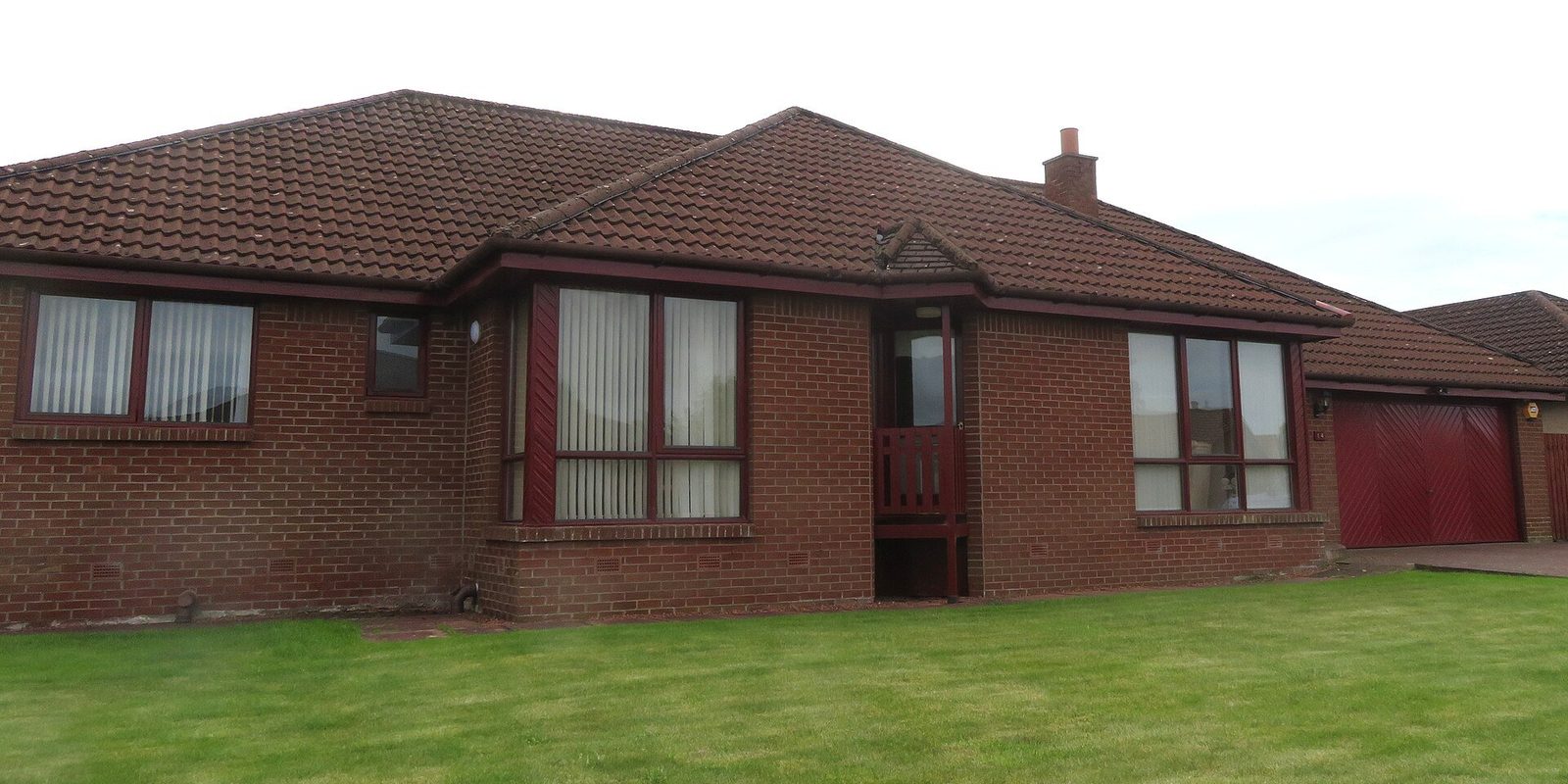
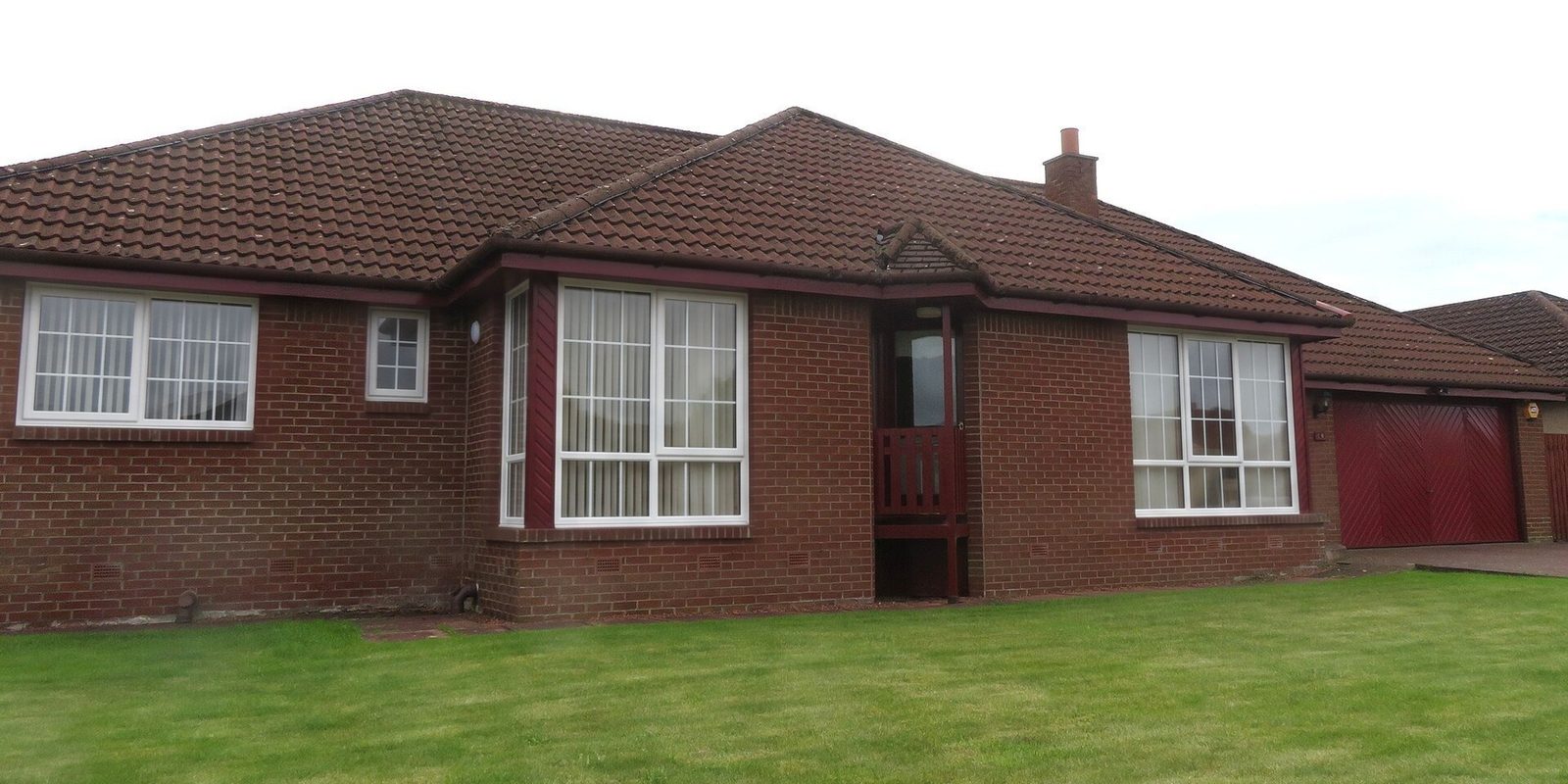
At your first appointments, before you have finished jobs to show. A new company can't hand the homeowner a book of its own installs, and it shouldn't borrow anyone else's. What it can show is the homeowner's own house: one photo of the front or the room, the frame material, color and grilles you're quoting, and in 30 seconds a render of their house with the new windows. Present it as a preview of the look, never as a job you've done.
Use it again in the follow-up text that night and in the written proposal. Each window keeps its current style, so use samples for style changes, and confirm the color with a real chip before you order.
It costs nothing to start: the first render is free with no account, and a free account adds 3 more, no card. Starter is $97 a month for 50 renders, and the first month is $1 for new accounts.