What did the FTC do about window energy savings claims?
It brought cases, and then it wrote letters. In February 2012 the FTC announced settlements with five replacement window sellers: Gorell Enterprises, Long Fence & Home, Serious Energy, THV Holdings and Winchester Industries. The FTC charged that they made deceptive energy efficiency and cost savings claims, in some cases that homeowners could cut their energy bills in half with new windows alone, and the settlements bar them from exaggerated or unsupported claims1.
That August, FTC staff sent warning letters to other replacement window makers. The letters pointed to claims such as new windows cutting heating and cooling costs by more than 30%, said energy savings claims must be backed by competent and reliable scientific evidence, and noted that the FTC had not decided whether those companies broke the law2. One letter flagged a website savings calculator that showed 35% savings whatever the visitor typed in4.
States act on this too. Washington's Attorney General said window seller Penguin Windows misrepresented energy savings and the purpose of its in-home visits; Penguin denied wrongdoing and settled in 20105.
Window energy cases and what they mean for your reps
FTC, five window sellers (2012)
- What was alleged
- Deceptive efficiency and savings claims, some promising to cut energy bills in half1.
- The lesson
- No bill promises without evidence for that exact claim.
FTC staff warning letters (2012)
- What was alleged
- Possible unsupported savings claims, such as heating and cooling costs cut by more than 30%2.
- The lesson
- Check every web page, brochure and dealer handout, not just what reps say out loud.
Washington AG, Penguin Windows (2010)
- What was alleged
- Misrepresented energy savings and the reason for in-home visits. Penguin denied wrongdoing5.
- The lesson
- Say plainly what the visit is for, and don't oversell savings.
Washington AG, Evans Glass
- What was alleged
- Reps said they were only coming to do a free home energy audit. The company denied wrongdoing6.
- The lesson
- Never use an energy check as cover for a sales visit.
| Case | What was alleged | The lesson |
|---|---|---|
| FTC, five window sellers (2012) | Deceptive efficiency and savings claims, some promising to cut energy bills in half1. | No bill promises without evidence for that exact claim. |
| FTC staff warning letters (2012) | Possible unsupported savings claims, such as heating and cooling costs cut by more than 30%2. | Check every web page, brochure and dealer handout, not just what reps say out loud. |
| Washington AG, Penguin Windows (2010) | Misrepresented energy savings and the reason for in-home visits. Penguin denied wrongdoing5. | Say plainly what the visit is for, and don't oversell savings. |
| Washington AG, Evans Glass | Reps said they were only coming to do a free home energy audit. The company denied wrongdoing6. | Never use an energy check as cover for a sales visit. |
Why are window energy savings so hard to promise?
Because the saving depends on the house, not just the window. The same window does different things in a drafty 1950s ranch and a tight newer house, in Minnesota and in Georgia, with a gas furnace or a heat pump, and for a family that keeps the heat at 62 or at 72. A number that's true for one house is a guess for the next one.
A computer model doesn't settle it on its own. The FTC staff letters warned that savings from energy modeling depend heavily on the homes picked for the model2, so results from an old, leaky test house can't stand in for the one you're sitting in.
And the big Department of Energy figure is not a savings figure. The DOE says heat gain and heat loss through windows are responsible for 25% to 30% of residential heating and cooling energy use7. That describes energy moving through the windows a house has now. New windows still let some through, so the figure can't be turned into a savings promise.
Which energy claims should your reps never make?
Most of these slip out with good intentions, usually when a homeowner asks "how much will we save?" Give every rep the right-hand column.
Risky window energy claims and what to say instead
"These windows will cut your energy bill in half."
- Why it's a problem
- It's the kind of claim the FTC charged as unsupported in its 2012 window cases1.
- Say this instead
- "I can't promise a number on your bill. I can show you how well these insulate."
"You'll save up to" a percentage
- Why it's a problem
- FTC staff said an "up to" claim needs evidence that nearly all consumers will reach the top figure2.
- Say this instead
- Drop the number and show the U-factor on the label.
"The windows will pay for themselves."
- Why it's a problem
- A payback promise depends on a saving you can't know ahead of time for their house.
- Say this instead
- "You're fixing the drafts and the rot we looked at. Your bills may go down, but I won't promise an amount."
"The energy savings will cover your payment."
- Why it's a problem
- It's a savings claim dressed up as a payment. A JLC column by a former one-call closer describes this old pitch: the monthly payment set against the energy bill8.
- Say this instead
- Give the total, then the payment options, with no energy math.
A savings calculator on your website
- Why it's a problem
- FTC staff flagged one that showed 35% whatever the visitor entered4.
- Say this instead
- Take it down unless real evidence sits behind it, and link to ENERGY STAR instead.
"We're coming out to do a free energy audit."
- Why it's a problem
- Washington's Attorney General alleged a window seller's reps used this line to get in the door; the company denied wrongdoing6.
- Say this instead
- "I'm coming to look at the windows, measure, and give you a price."
"This is the most efficient window you can buy."
- Why it's a problem
- A superlative you would have to prove against every other window.
- Say this instead
- "Here's its U-factor. Compare it with the label on anyone else's quote."
| The claim | Why it's a problem | Say this instead |
|---|---|---|
| "These windows will cut your energy bill in half." | It's the kind of claim the FTC charged as unsupported in its 2012 window cases1. | "I can't promise a number on your bill. I can show you how well these insulate." |
| "You'll save up to" a percentage | FTC staff said an "up to" claim needs evidence that nearly all consumers will reach the top figure2. | Drop the number and show the U-factor on the label. |
| "The windows will pay for themselves." | A payback promise depends on a saving you can't know ahead of time for their house. | "You're fixing the drafts and the rot we looked at. Your bills may go down, but I won't promise an amount." |
| "The energy savings will cover your payment." | It's a savings claim dressed up as a payment. A JLC column by a former one-call closer describes this old pitch: the monthly payment set against the energy bill8. | Give the total, then the payment options, with no energy math. |
| A savings calculator on your website | FTC staff flagged one that showed 35% whatever the visitor entered4. | Take it down unless real evidence sits behind it, and link to ENERGY STAR instead. |
| "We're coming out to do a free energy audit." | Washington's Attorney General alleged a window seller's reps used this line to get in the door; the company denied wrongdoing6. | "I'm coming to look at the windows, measure, and give you a price." |
| "This is the most efficient window you can buy." | A superlative you would have to prove against every other window. | "Here's its U-factor. Compare it with the label on anyone else's quote." |
How should you talk about window energy savings instead?
Be specific, and stick to what you can show. Point at what you found on the walk-through and at the label on the window you're quoting.
- What you found: "This sash rattles and you can feel air at the bottom. These two have fogged glass, which usually means the seal between the panes has failed."
- The label: the U-factor on the NFRC label shows how well the window insulates, and the lower it is, the better3. The same label lists the solar heat gain coefficient (SHGC), how much of the sun's heat comes through the glass; lower blocks more.
- Certification: if the window you're quoting is ENERGY STAR certified for the homeowner's part of the country, say so and show them where to look it up, rather than turning it into a savings figure.
- The glass package: for colder climates the Department of Energy suggests gas-filled windows with low-e coatings to cut heat loss7.
- Comfort, described as a change rather than a number: fewer drafts, and glass that doesn't feel cold when you sit next to it.
- Where to get a savings estimate: their utility or an energy auditor, not your sales sheet.
When they ask how much they'll save
I'm not going to give you a number, because it depends on your house, your heating and how you live, and anyone who promises one is guessing.
Here's what I can show you. This is the label from the window I'm quoting. This number is the U-factor: lower means it keeps the heat in better. Hold it up against the label on any other quote you get.
And the draft we felt in the back bedroom and the fogged glass in the kitchen get fixed either way. If you want a savings estimate, your utility can help with that.
If they press for a figure, send them to their utility or an energy auditor. Don't do the math for them.
What can you say about tax credits and rebates?
Only what's true today, because these are money claims too. The IRS says the energy efficient home improvement credit, which covered qualifying windows, can't be claimed for property placed in service after December 31, 20259. A rep who still mentions it is making a claim the homeowner can check on their phone before you finish the sentence.
Rebates may still exist locally. ENERGY STAR says window rebates may be available through the local utility and points homeowners to its zip-code tool10. Send them there rather than quoting an amount yourself. How to sell when the credit is gone is in selling windows without tax credits. This is general information, not tax advice.
How do you clean up your company's energy claims?
Go through everything with your name on it once, then check anything new before it goes out. FTC staff urged window makers to review all of their marketing, including the materials they hand to dealers and retailers2, so don't assume a number is fine because it came from the manufacturer's brochure.
- Keep a claims file. For every energy statement you use, write down where it appears, the evidence behind it and who approved it. If you can't fill in the evidence line, the claim comes out.
- Name one person who approves anything new with an energy word in it: ads, mailers, web pages, rep scripts and proposal templates. Reps and marketing vendors send their drafts to that person first.
- Ask every new rep in training, "How much will they save?", and listen for a number. Then teach the label script above.
- Your state's consumer protection law applies too. Have your lawyer look at any claim with a number in it before it runs. This is general information, not legal advice.
An energy claims check for a window company
Website and ads
- What to look for
- Savings percentages, "up to" claims, "pays for itself", savings calculators.
- What to do
- Remove any number you can't back with evidence. Link to ENERGY STAR and explain the NFRC label instead.
Brochures and maker handouts
- What to look for
- Savings figures from the manufacturer.
- What to do
- Ask the maker for the evidence behind the figure. No evidence, no figure.
Rep scripts and training
- What to look for
- Payments set against energy bills, "you'll save" lines.
- What to do
- Replace them with the label script above.
Appointment-setting scripts
- What to look for
- "Energy audit" or "energy survey" openers.
- What to do
- Say plainly that it's a visit to look at the windows, measure and price them.
Proposals and contracts
- What to look for
- Savings promises in writing.
- What to do
- Describe the product instead: the line, the glass package, and the U-factor and SHGC from the label.
| Where | What to look for | What to do |
|---|---|---|
| Website and ads | Savings percentages, "up to" claims, "pays for itself", savings calculators. | Remove any number you can't back with evidence. Link to ENERGY STAR and explain the NFRC label instead. |
| Brochures and maker handouts | Savings figures from the manufacturer. | Ask the maker for the evidence behind the figure. No evidence, no figure. |
| Rep scripts and training | Payments set against energy bills, "you'll save" lines. | Replace them with the label script above. |
| Appointment-setting scripts | "Energy audit" or "energy survey" openers. | Say plainly that it's a visit to look at the windows, measure and price them. |
| Proposals and contracts | Savings promises in writing. | Describe the product instead: the line, the glass package, and the U-factor and SHGC from the label. |
Where the render fits when energy comes up
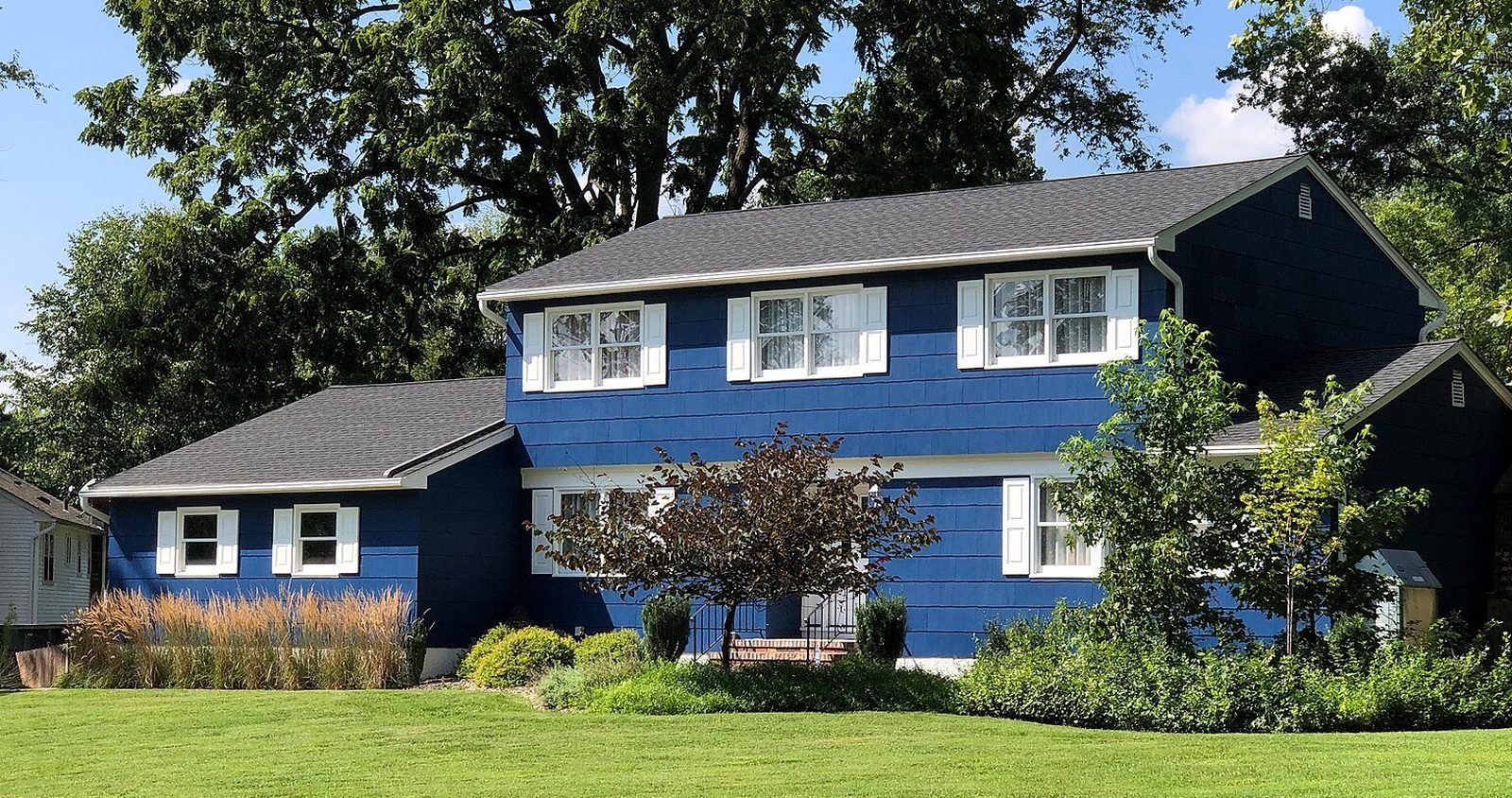
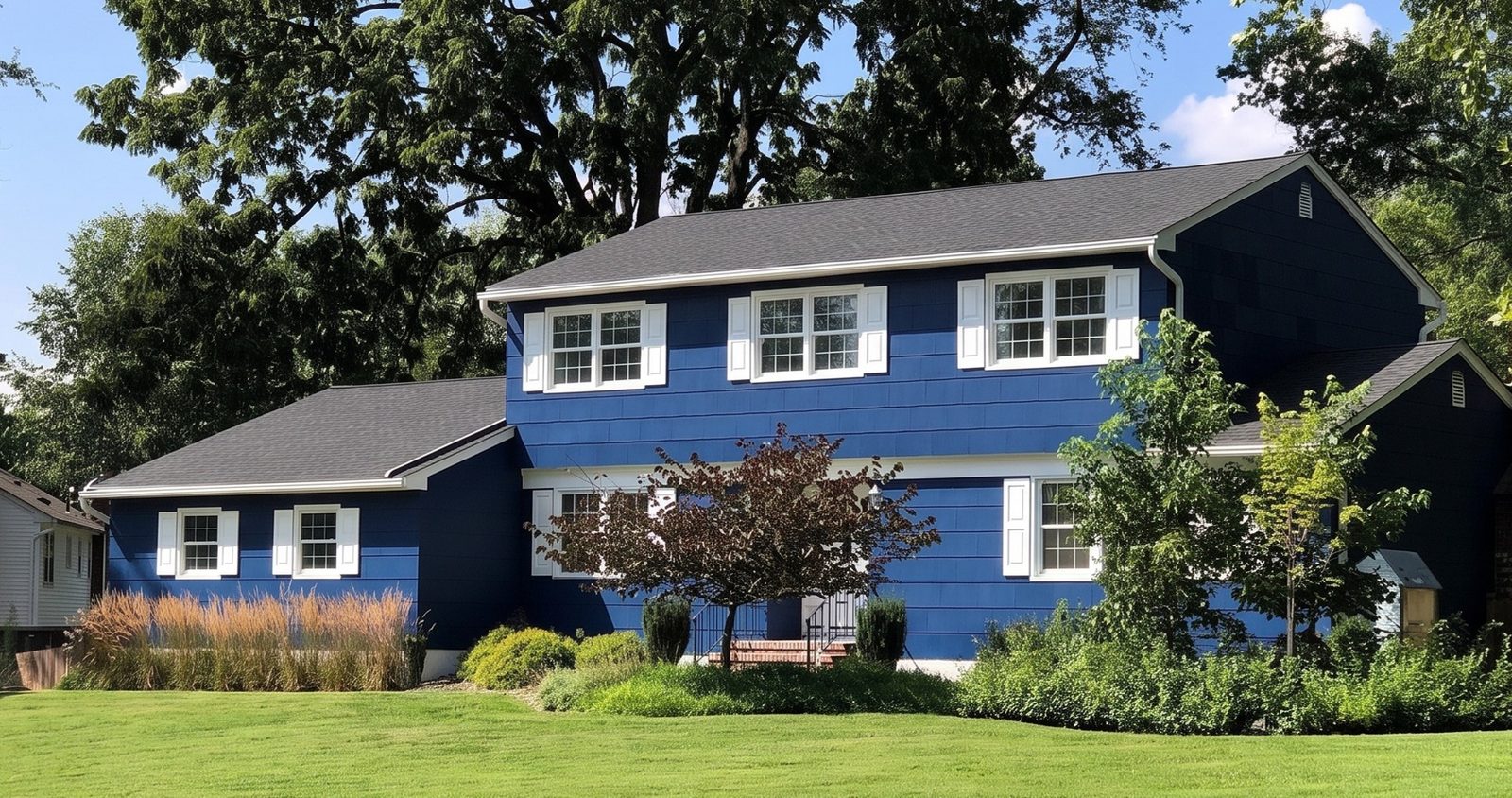
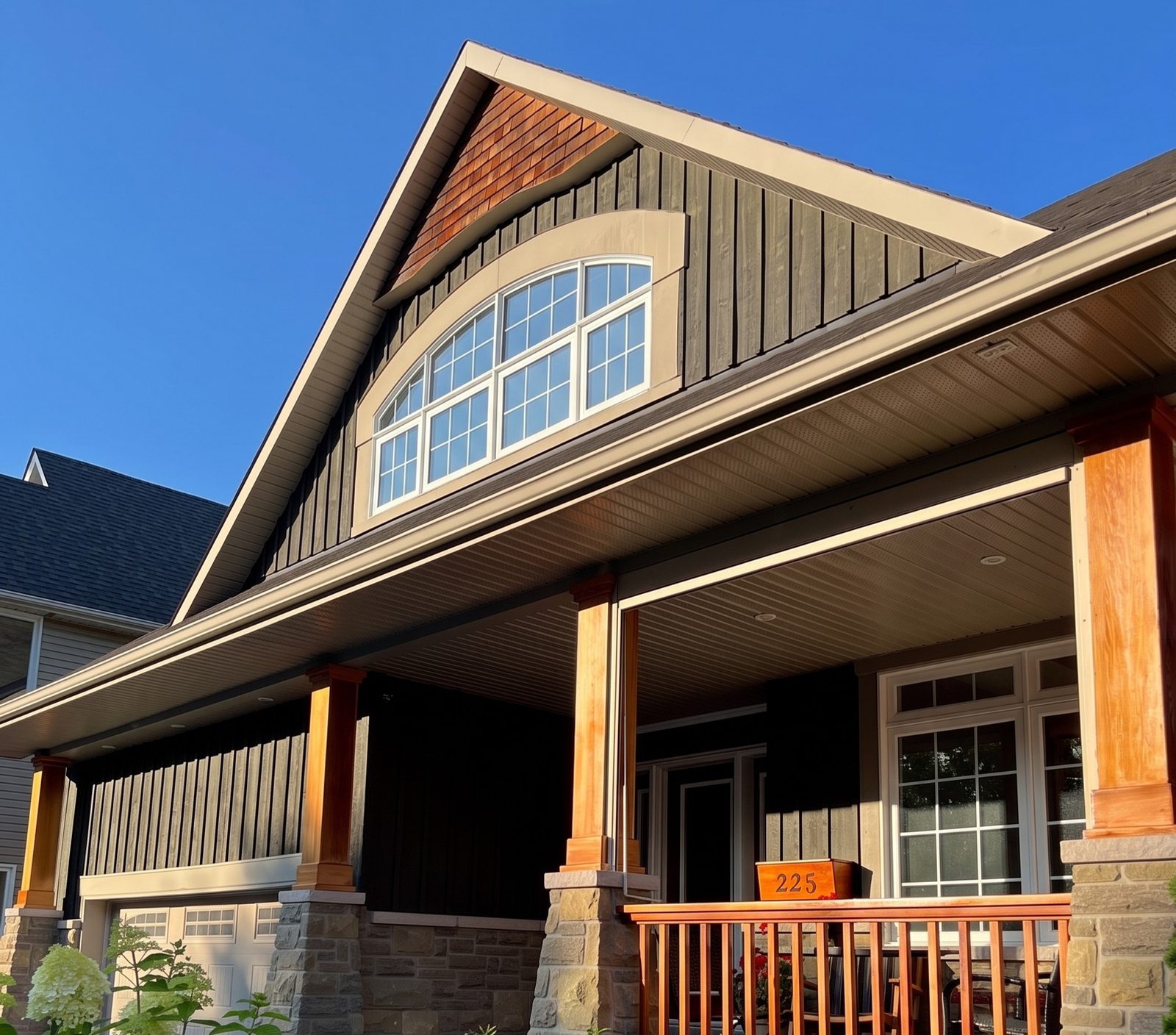
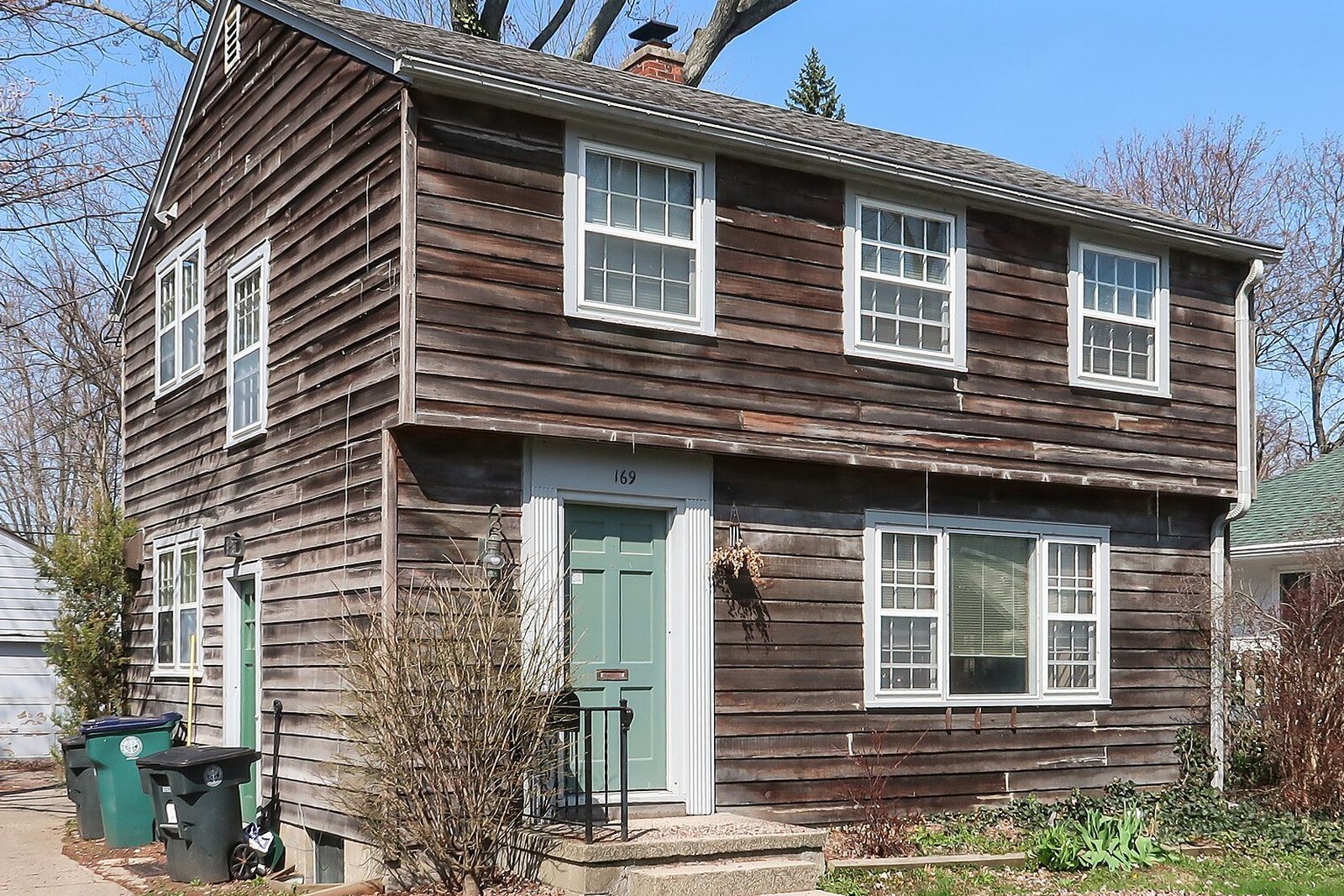
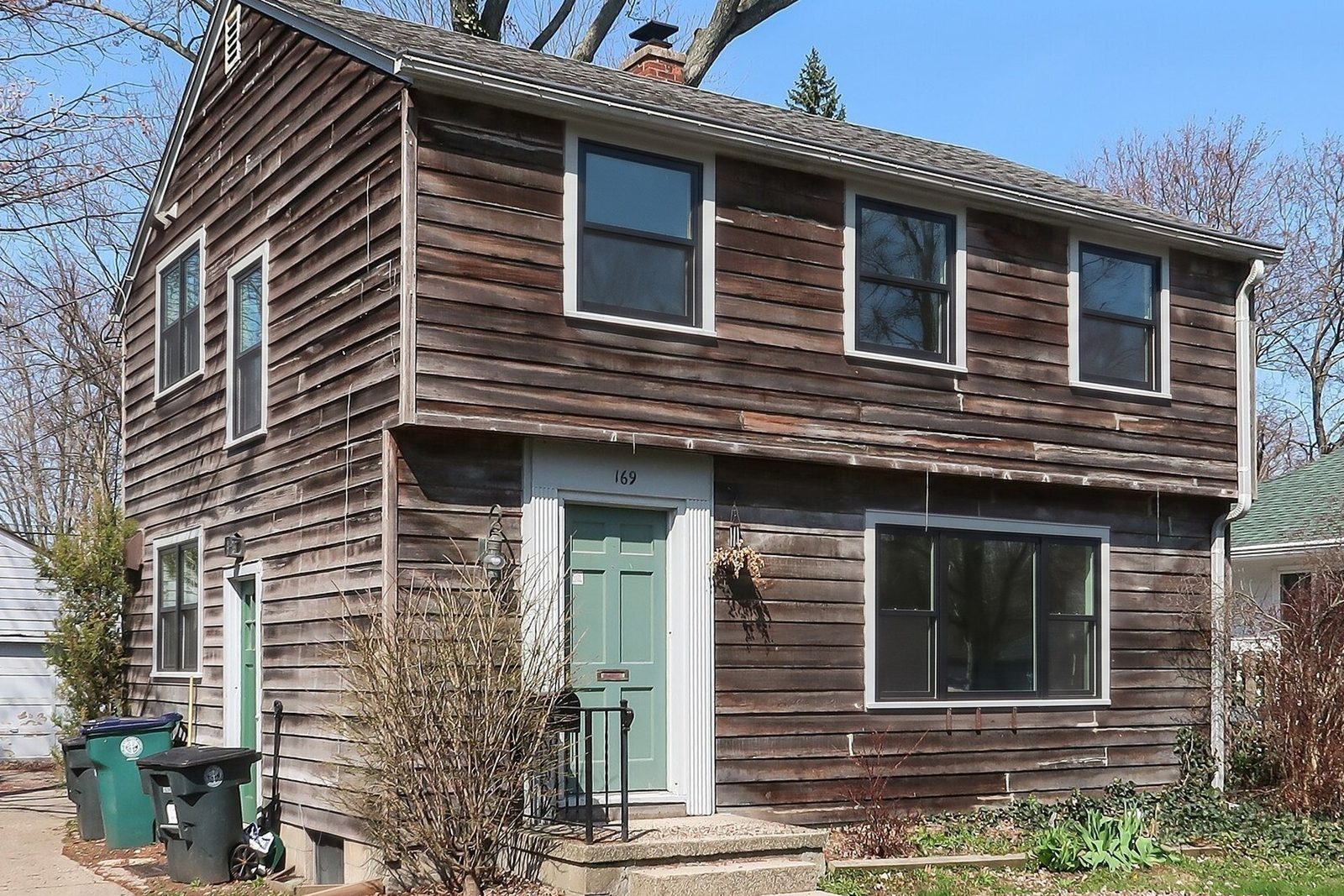
A render shows how the windows will look, not how they'll perform, so never present it as proof of anything about energy. Use it after the walk-through and before the price: render the frame color and grilles they're choosing from a photo of their house, and set it next to the NFRC label of the window you're quoting. The render answers the looks question, the label answers the performance question, and nobody has to promise a bill.
When a homeowner keeps circling back to "how much will we save?", they're sometimes really asking whether the job is worth the money. Their own house with the new windows on it answers part of that honestly, and you can text it that night without a single number in the message.