Is the federal window tax credit really over?
Yes, for windows placed in service from 2026 on. The IRS says the energy efficient home improvement credit, which covered qualifying windows, can't be claimed for property placed in service after December 31, 20251. Homeowners still bring it up because they heard about it from a neighbor, an old ad or a brochure printed before the change.
Notice what the IRS ties the cutoff to: the date the property was placed in service1. When a homeowner asks about a job that was signed in one year and installed in the next, or whether last year's windows still count, don't work it out for them. Send them to their tax preparer with the contract and the install date. The only tax advice a rep should give is "ask your tax preparer." If your own ads or paperwork promised the credit on a job that went in after 2025, call that homeowner before tax season, not after, and ask your lawyer how to handle it.
Nobody can tell you whether a future law will bring a window credit back. Sell as if it won't. If one is ever announced, read the official source before you repeat a word of it at a kitchen table.
What should you say when a homeowner asks about the tax credit?
Answer in one breath, without apologizing, and move straight to what you can do. Better still, bring it up yourself during the walk-through, right after you ask how they plan to pay. A homeowner who hears it from you first has no reason to wonder what else you'd leave out.
When they ask about the tax credit
Good question, and I'd rather you hear it from me than find out later. The federal credit for windows ended. Windows installed from 2026 on don't qualify.
What I can do is check whether your utility has a window rebate at this address. If it does, I'll show you the program's own terms in writing. If it doesn't, I won't pretend it does.
And the price you see from me is the price you pay. Nothing on it depends on a credit.
Never estimate a homeowner's tax outcome. If they press, send them to their tax preparer.
What if another company is still promising the credit?
It happens: old ad copy, a canvasser working from last year's opener, a brochure with a credit sticker still on it. Don't call the other company liars. Point the homeowner to the source and let the source settle it.
The FTC tells homeowners to get several written estimates and to ask for an explanation when they differ a lot2. A competing quote that subtracts a credit the IRS says has ended for new installs1 is exactly the kind of difference worth asking about. Help them compare like for like: windows, install, warranty and total, with no credit on either side.
When the other quote counts on a credit
I'd ask them to put that in writing: the name of the credit and where it comes from. Then check it with your tax preparer before you count on it.
To compare our quotes fairly, leave any credit off both. Look at the windows, the install, the warranty and the total. That's what you'll actually pay.
Stay with the facts about the credit. Never guess at the other company's motives.
What replaces the year-end deadline?
For years the credit handed reps a ready-made deadline: get the windows in before December 31 or lose the money. That reason is gone. The honest reasons that replace it are smaller and belong to this house, so use one only when it's true for this job, and say it once.
The industry has been here before. A JLC article on the drop in window sales after the earlier credits expired quoted a window company executive who blamed part of the slump on the industry's own "pressure sales and drop-down selling techniques"3. That's one person's view, but the lesson travels: when the easy reason to buy goes away, how you sell is what's left.
So never invent urgency to fill the gap. The FTC lists a contractor who pushes for an immediate decision among the warning signs of a home improvement scam2.
Real reasons to go ahead now, and what to show for each
The window is failing
- When it's true
- Soft wood at the sill, fog between the panes, a sash that won't open or won't lock.
- What to show
- The spot itself on the walk-through, and a photo of it in the quote.
An open install date
- When it's true
- Your crew really has an opening. Ply Gem says winter is often a lull for installers, particularly around the holidays, which can mean an earlier date4.
- What to show
- The date on your schedule.
A price change from your supplier
- When it's true
- Your manufacturer has announced new pricing with a start date.
- What to show
- The supplier's notice. See how to explain window price increases.
A confirmed rebate with a deadline
- When it's true
- A utility program is open now and you've checked it for this address.
- What to show
- The utility's own page or form, never your summary of it.
Their own date
- When it's true
- A house sale, a new baby, family coming for the holidays, winter on the way.
- What to show
- Nothing. It's their reason; plan the install around it.
| Reason | When it's true | What to show |
|---|---|---|
| The window is failing | Soft wood at the sill, fog between the panes, a sash that won't open or won't lock. | The spot itself on the walk-through, and a photo of it in the quote. |
| An open install date | Your crew really has an opening. Ply Gem says winter is often a lull for installers, particularly around the holidays, which can mean an earlier date4. | The date on your schedule. |
| A price change from your supplier | Your manufacturer has announced new pricing with a start date. | The supplier's notice. See how to explain window price increases. |
| A confirmed rebate with a deadline | A utility program is open now and you've checked it for this address. | The utility's own page or form, never your summary of it. |
| Their own date | A house sale, a new baby, family coming for the holidays, winter on the way. | Nothing. It's their reason; plan the install around it. |
What still sells windows without a credit?
The same things that sold windows before anyone mentioned a tax form. The difference is that now they carry the whole sale, so find them on the walk-through and write them down in the homeowner's own words. When you present, read their words back before you show a single option.
Reasons homeowners still buy windows, how to back each one up, and what not to say
Comfort
- How to show it
- Have them hold a hand at the sash on a windy day, or touch the glass on a cold one.
- Don't say
- A dollar figure for their heating bill.
Windows that work
- How to show it
- Open and close every window together. Note the ones painted shut, the broken balances, the locks that don't catch.
- Don't say
- "These are dangerous" unless you can say exactly why.
Clear glass
- How to show it
- Point out fog between the panes that never wipes off.
- Don't say
- That the fog is costing them a set amount of energy.
Less upkeep
- How to show it
- Peeling paint and soft wood on the sashes, sills and trim.
- Don't say
- "Maintenance-free" if your warranty says otherwise.
How the house looks
- How to show it
- Render their house in the frame color and grilles they like, then in the other option.
- Don't say
- That the render is a photo of a finished job.
Resale
- How to show it
- The 2025 Cost vs. Value report puts vinyl window replacement at 75.5% of its cost recouped at resale, nationally5.
- Don't say
- That the windows will pay for themselves when they sell.
Energy
- How to show it
- The NFRC label on your sample: ENERGY STAR explains that a lower U-factor means the window insulates better6.
- Don't say
- A payback period or a savings promise.
| Reason | How to show it | Don't say |
|---|---|---|
| Comfort | Have them hold a hand at the sash on a windy day, or touch the glass on a cold one. | A dollar figure for their heating bill. |
| Windows that work | Open and close every window together. Note the ones painted shut, the broken balances, the locks that don't catch. | "These are dangerous" unless you can say exactly why. |
| Clear glass | Point out fog between the panes that never wipes off. | That the fog is costing them a set amount of energy. |
| Less upkeep | Peeling paint and soft wood on the sashes, sills and trim. | "Maintenance-free" if your warranty says otherwise. |
| How the house looks | Render their house in the frame color and grilles they like, then in the other option. | That the render is a photo of a finished job. |
| Resale | The 2025 Cost vs. Value report puts vinyl window replacement at 75.5% of its cost recouped at resale, nationally5. | That the windows will pay for themselves when they sell. |
| Energy | The NFRC label on your sample: ENERGY STAR explains that a lower U-factor means the window insulates better6. | A payback period or a savings promise. |
Should you lean harder on energy savings now?
No. With the credit gone, it's tempting to make the energy story do its job, and that's where window sellers have gotten into trouble. In a 2010 settlement, the Washington Attorney General's Office said window seller Penguin Windows misrepresented energy savings, among other things; the company denied wrongdoing7.
Keep any energy number official and in context. The Department of Energy says heat gain and heat loss through windows are behind 25% to 30% of residential heating and cooling energy use8. That describes all the windows in a home, not what one homeowner will save by replacing theirs, so it never becomes a promise on a quote. What you can and can't claim is covered in window energy savings claims.
What has to come out of your scripts, ads and paperwork?
Anything that still offers the credit on new windows now tells homeowners something the IRS says isn't so1. Go through every place it could be hiding, this week, and assign each one to a person.
- Your website: service pages, blog posts, FAQ answers and any banner left over from an old promotion.
- Google Business Profile posts, and every ad still running, including seasonal campaigns that restart on their own.
- Door hangers, mailers and leave-behinds still in the trucks.
- Canvassing and appointment-setting openers that lead with the credit.
- Rep scripts, role-play sheets and the training deck.
- Proposal and contract templates, including any line that subtracts a credit or shows a price "after credit."
- Follow-up texts and email sequences written while the credit was live.
- Manufacturer brochures and window labels printed before the change. Ask your supplier for current ones.
- Financing promos that matched a payment to the credit. Rules for financing offers are in window replacement financing.
Where the render fits when there's no credit to sell
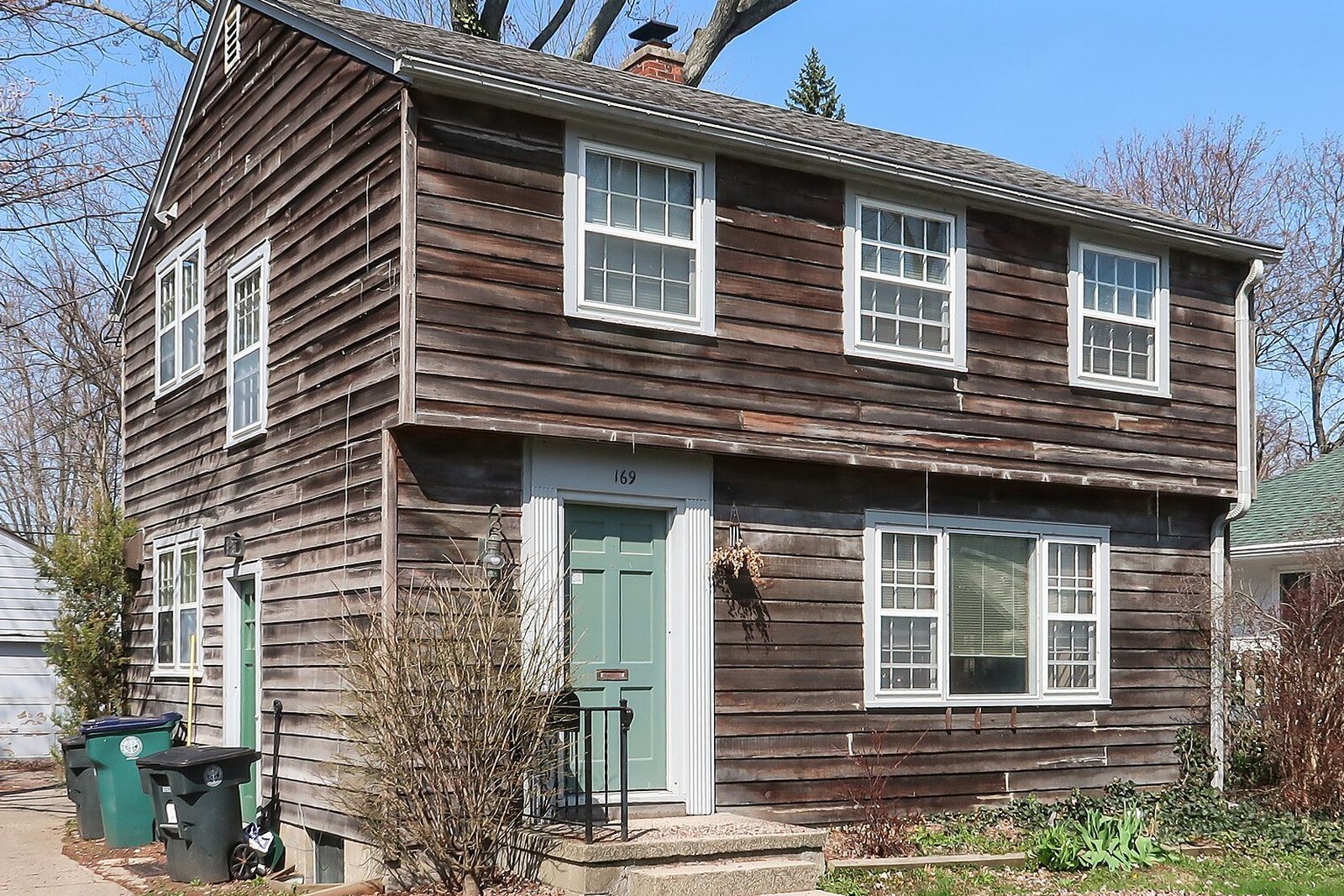
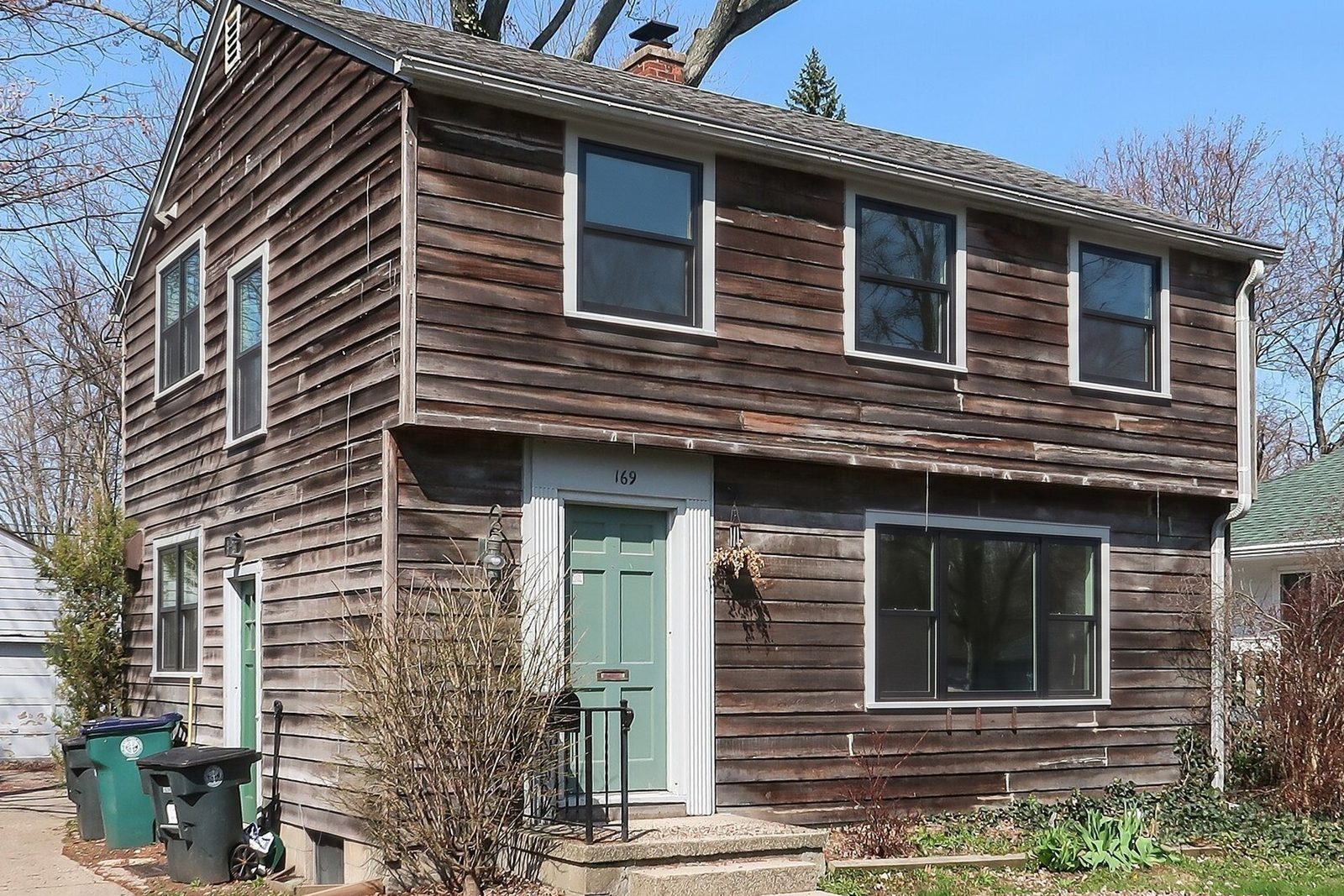
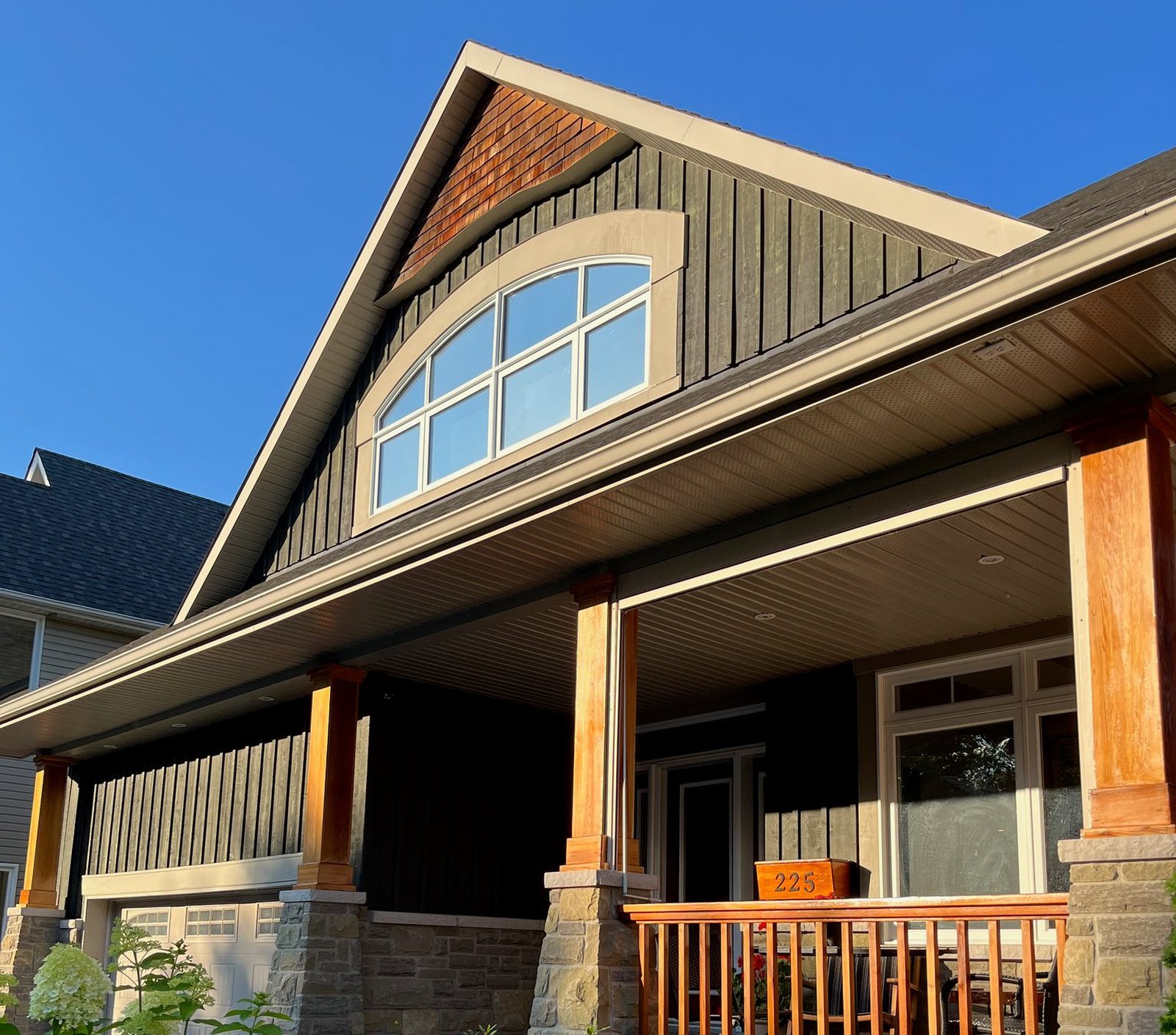
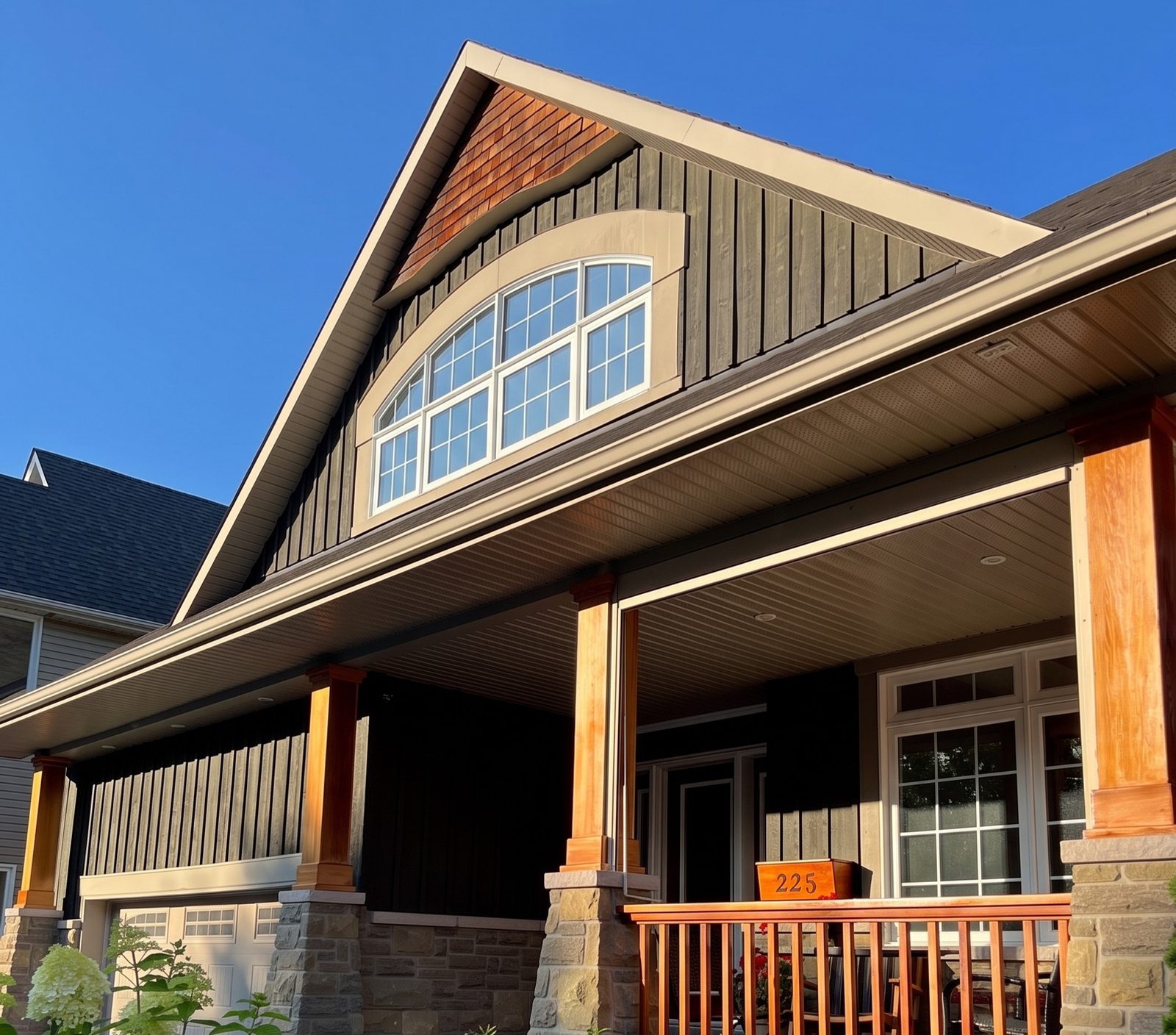
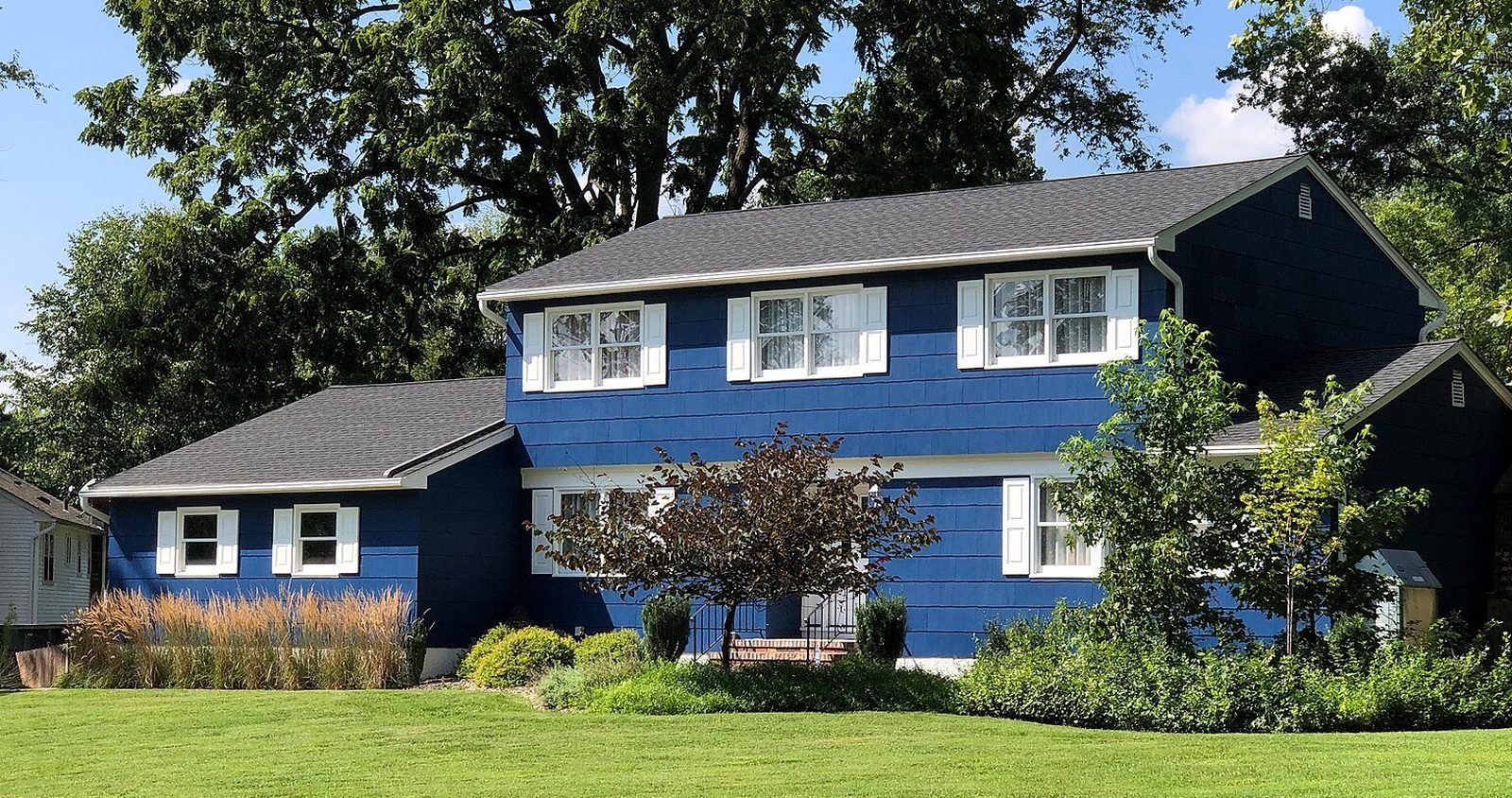
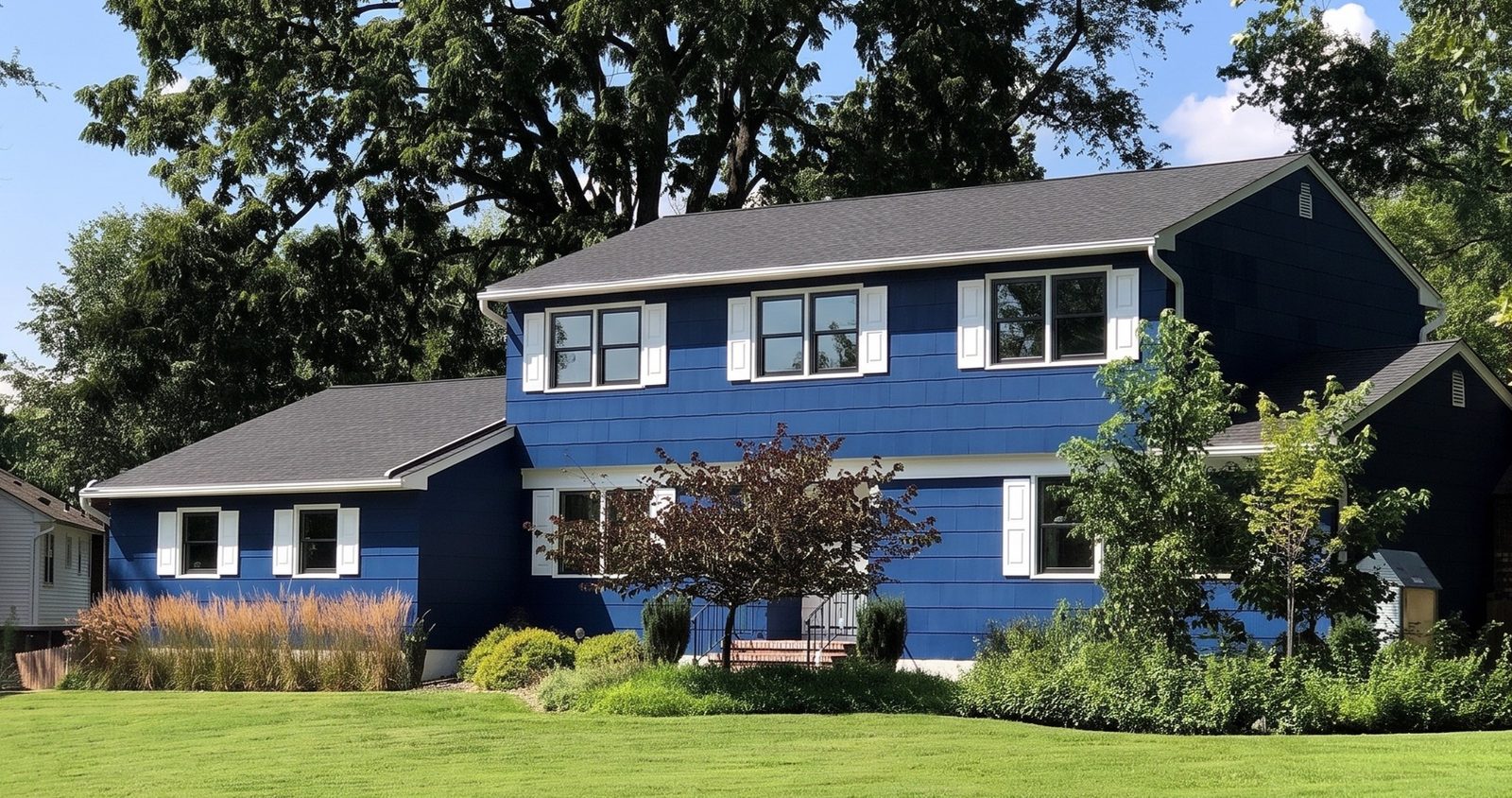
Right after you tell them the credit is gone. That's the moment the homeowner quietly asks what they'd really be paying for, and the honest answer is a house that works and looks the way they want. Take one photo of the front, render the frame color and grilles they lean toward, then the other option, and hand them the phone.
Then put it where the credit used to go. In the text that night, send the render instead of a credit reminder: their house, the look they picked, and a price with nothing subtracted. In the proposal, put it on the first page.
It shows the look, not the savings. Each window keeps its current style, and the render doesn't measure, price or say anything about energy.