Is the market slow, or is it your pipeline?
Find where the drop is before you change anything. "Sales are down" can mean fewer leads, fewer appointments that sit, fewer sales from the same sits, or the same number of smaller jobs, and each one has a different fix. Compare each month with the same month last year rather than with last month, so a normal seasonal dip doesn't look like a crisis, and split every number by lead source.
A benchmark helps you judge your close rate, as long as you know where it comes from. Siro's in-home benchmarks put windows and doors at a 29.1% average close rate, drawn from its own customers' recorded appointments1. Your own rate, tracked the same way every month, is the one to beat. Which numbers to track, and how, is in window sales metrics.
Where a slowdown shows up, and where to start
Fewer leads, same close rate
- What it usually means
- Fewer homeowners are shopping, or your lead spend dropped.
- Where to start
- Cost and close rate by source; move money to the sources that close. See window replacement leads.
Same leads, fewer sits
- What it usually means
- Appointments aren't confirming, or only one owner is home.
- Where to start
- Confirmations and setting both owners: window appointment setting.
Same sits, fewer sales
- What it usually means
- Homeowners like the job but stall on money or timing.
- Where to start
- Payment talk earlier, smaller first jobs, tighter follow-up.
Same sales, smaller jobs
- What it usually means
- Homeowners are fixing the worst windows, not the whole house.
- Where to start
- Write phase two into the first sale.
Longer time to decide
- What it usually means
- More "think about it" and more other quotes.
- Where to start
- A follow-up plan: how to follow up window sales.
| What you see | What it usually means | Where to start |
|---|---|---|
| Fewer leads, same close rate | Fewer homeowners are shopping, or your lead spend dropped. | Cost and close rate by source; move money to the sources that close. See window replacement leads. |
| Same leads, fewer sits | Appointments aren't confirming, or only one owner is home. | Confirmations and setting both owners: window appointment setting. |
| Same sits, fewer sales | Homeowners like the job but stall on money or timing. | Payment talk earlier, smaller first jobs, tighter follow-up. |
| Same sales, smaller jobs | Homeowners are fixing the worst windows, not the whole house. | Write phase two into the first sale. |
| Longer time to decide | More "think about it" and more other quotes. | A follow-up plan: how to follow up window sales. |
How do high interest rates change a window sale?
They change how the job gets paid for. A homeowner paying cash may barely notice rates. One who planned to finance, or to borrow against the house, feels them in every monthly number you show. So find out early: ask how they plan to pay during the walk-through, before you price anything.
Then present the total first and the payment second, both in writing, with every term. In an October 2023 ACHR News article for HVAC contractors, Rilla said its analysis of recorded sales conversations found that top performers talk about financial terms more than lower-performing reps do2. It was written for another trade, but the point carries over. When money is the worry, plain talk about it reads as honesty. The rules on financing offers, dealer fees and disclosures are in window replacement financing; read them before you change your financing pitch.
Don't give borrowing advice. If a homeowner asks whether to use a home equity line, a loan or savings, send them to their bank or financial advisor.
Asking about payment on the walk-through
Can I ask how you're thinking of paying for this: cash, financing, or not sure yet? It changes which options I put together for you.
If financing: "Then I'll show you the total and the monthly payment side by side, with the terms in writing, so nothing comes as a surprise."
If not sure: "That's fine. I'll price it both ways and you can decide later."
If they're waiting for rates to drop: "Nobody can tell you where rates are going, me included. If waiting is right for you, let's look at fixing the windows that are failing now and keep the rest on the quote for later."
Ask it as a planning question, the same way for every homeowner, and never guess at what they can afford or where rates are headed.
How do you sell a smaller window job?
When the whole house is too much this year, sell the part that matters most. Start with the windows that are failing: soft sills, fog between the panes, sashes that won't open or lock. Or start with the front of the house, which is what the homeowner and the neighbors see every day.
Write the rest into the same quote as a second phase, with the same line, color and grilles, and a date its price holds until, so phase two doesn't turn into a surprise. How to set that date is in how long a window quote should hold its price. Ask your supplier whether that line and color will still be available when phase two comes, and tell the homeowner what you learn.
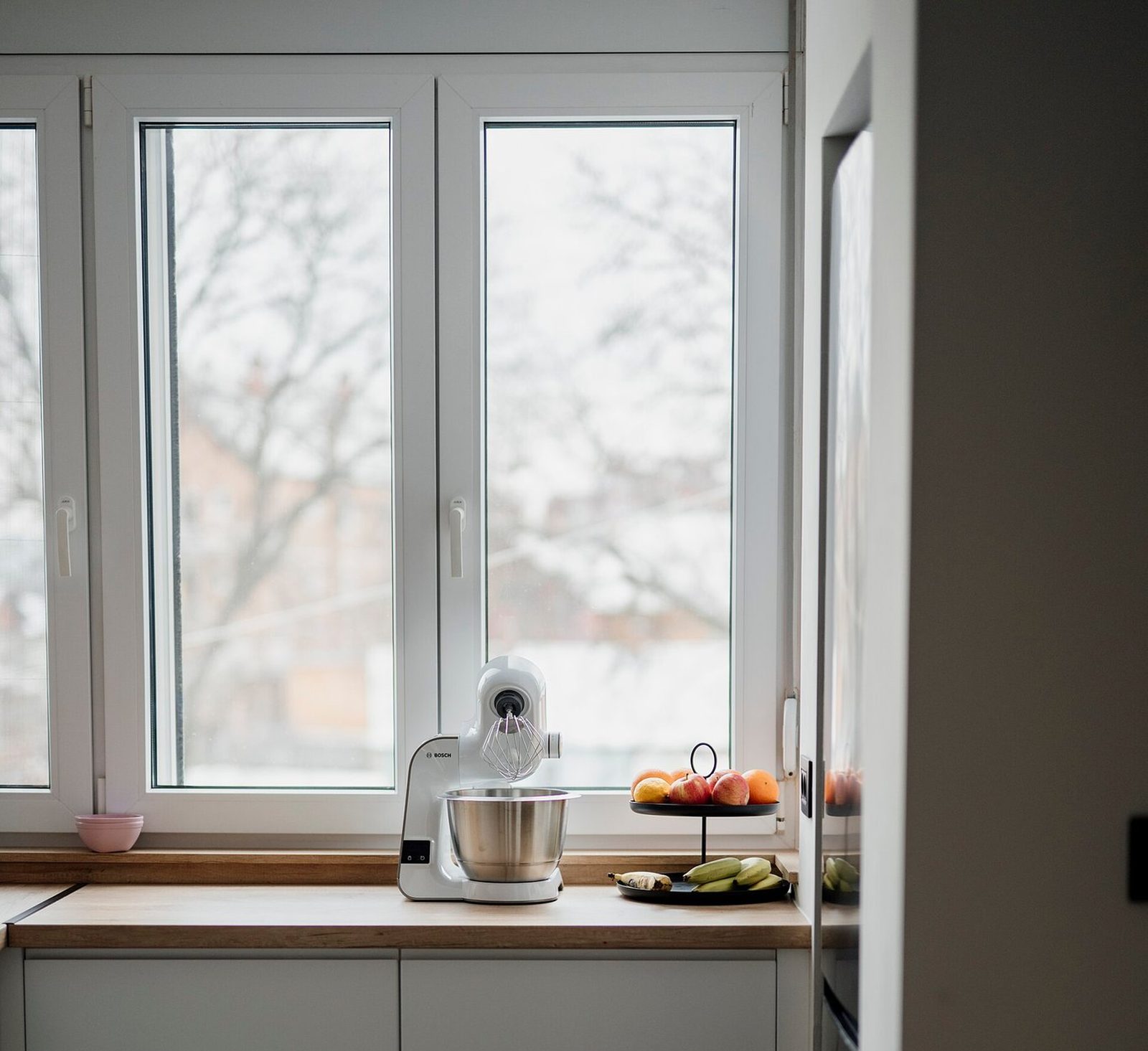
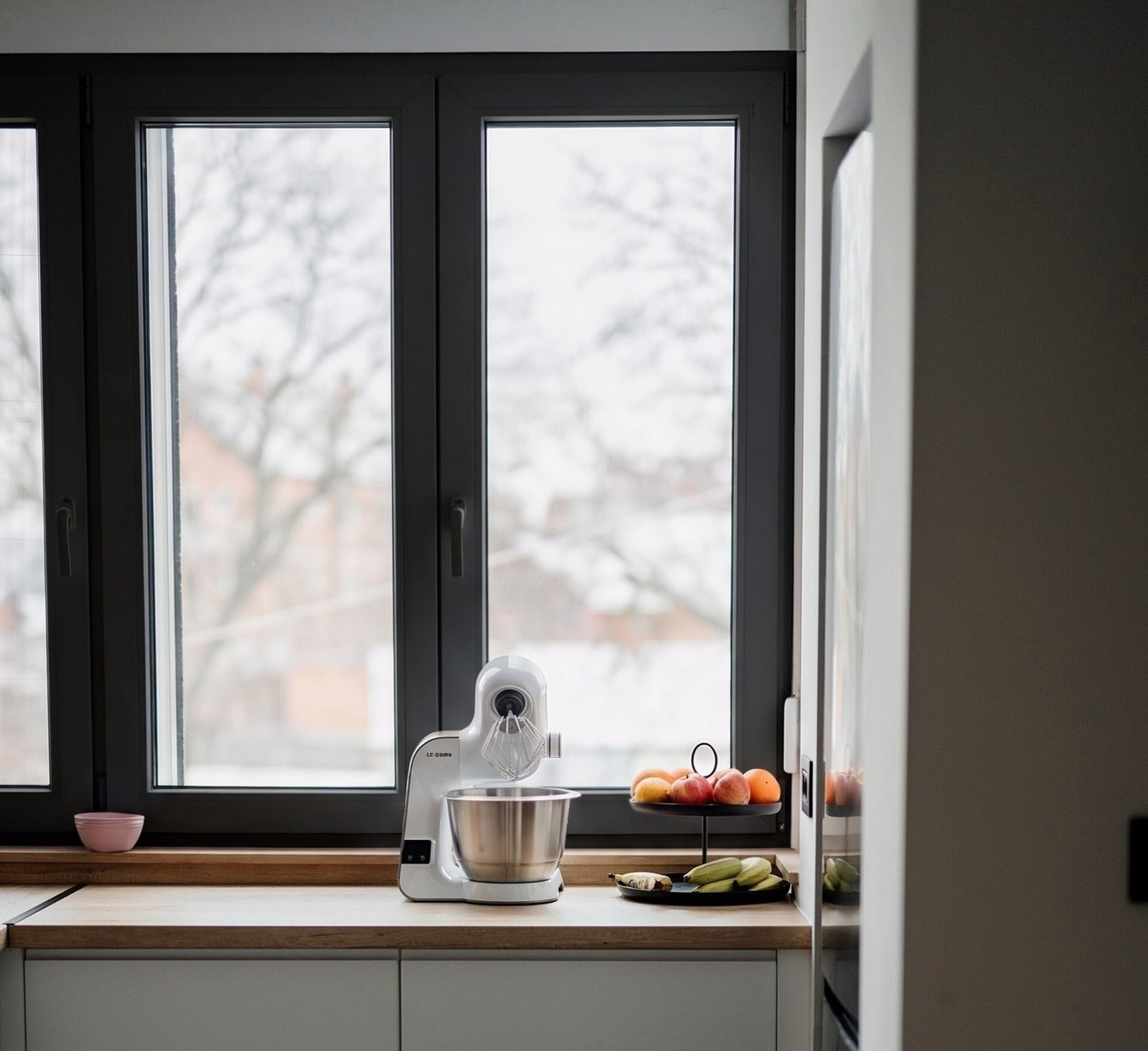
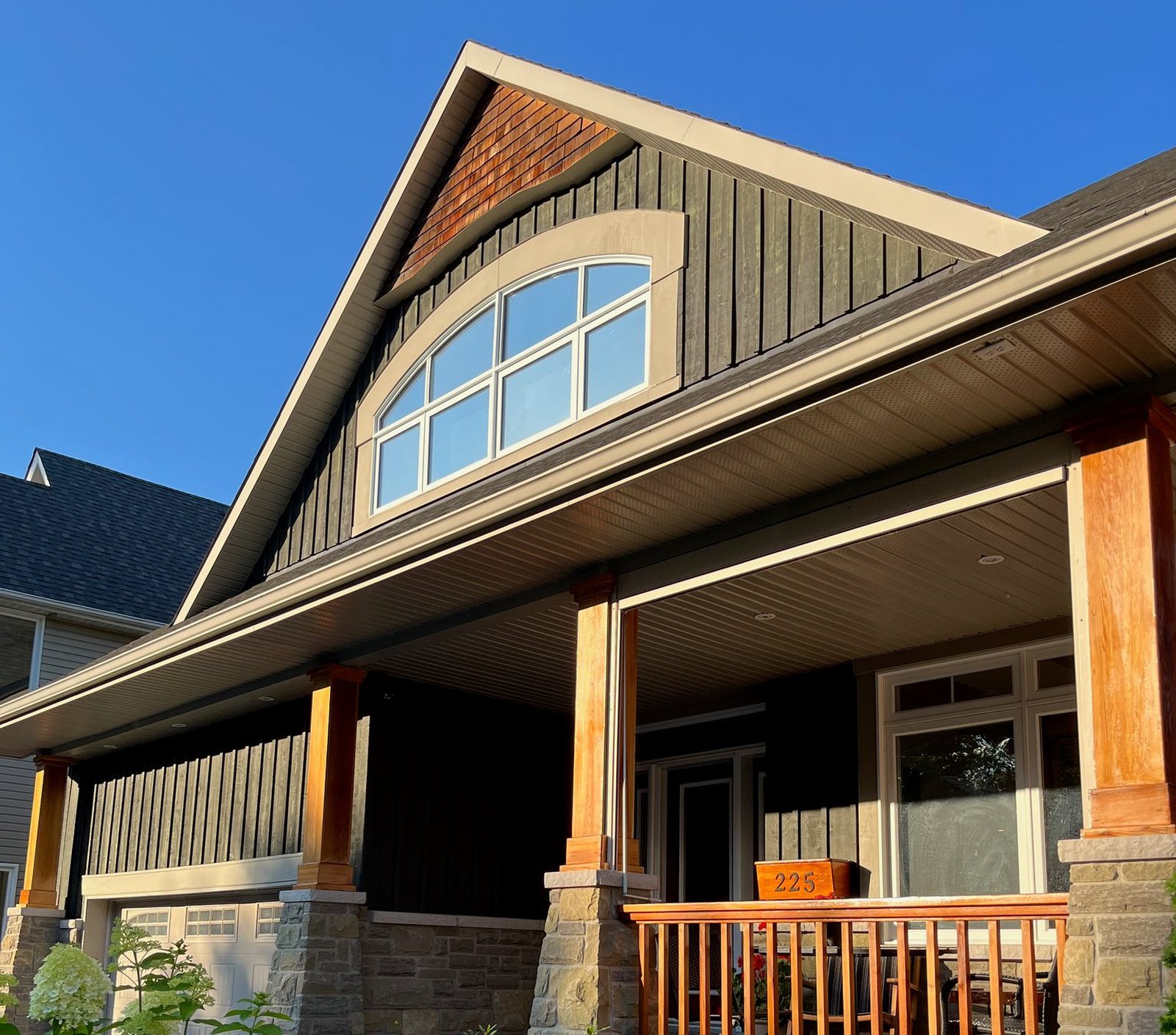
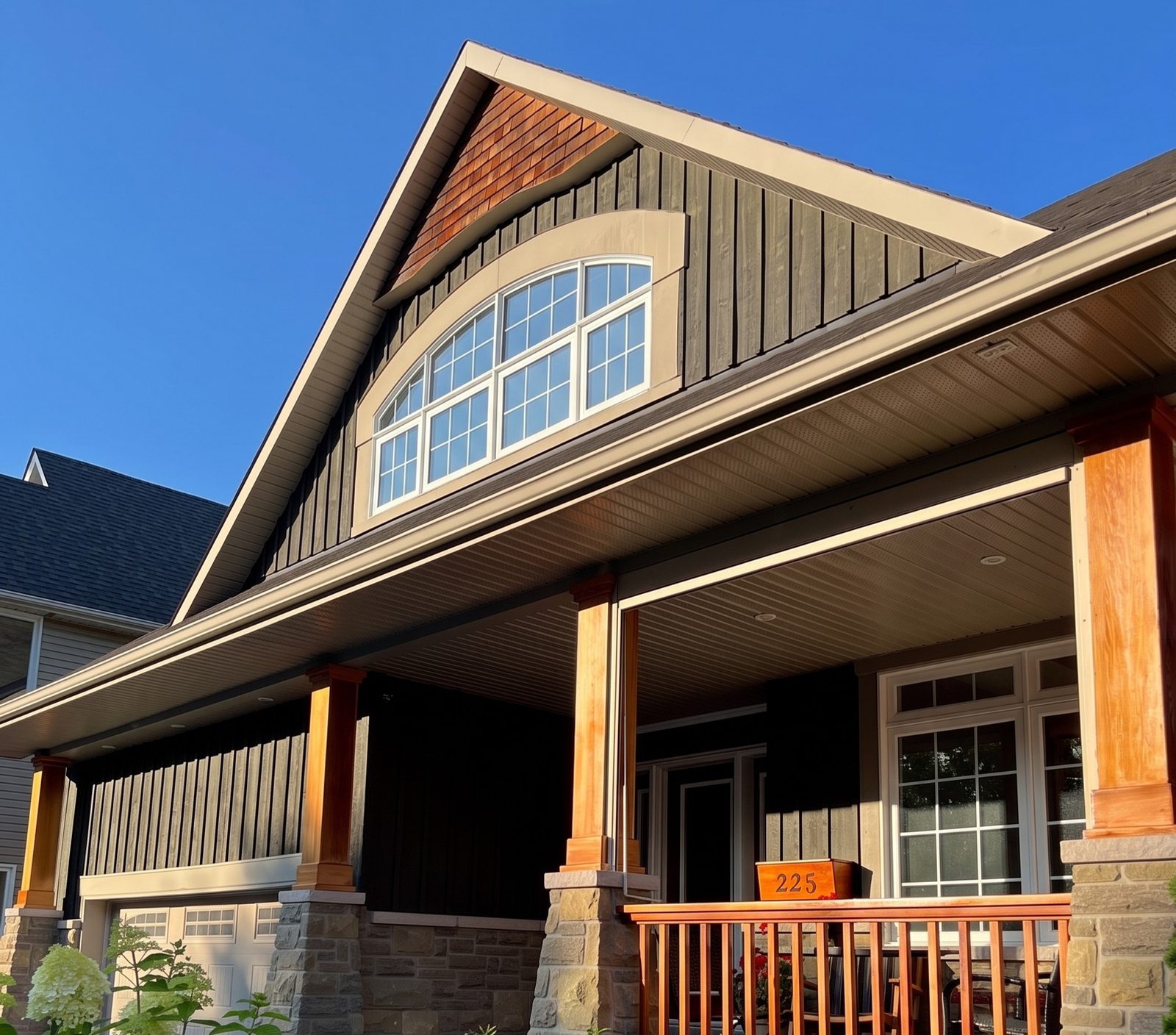
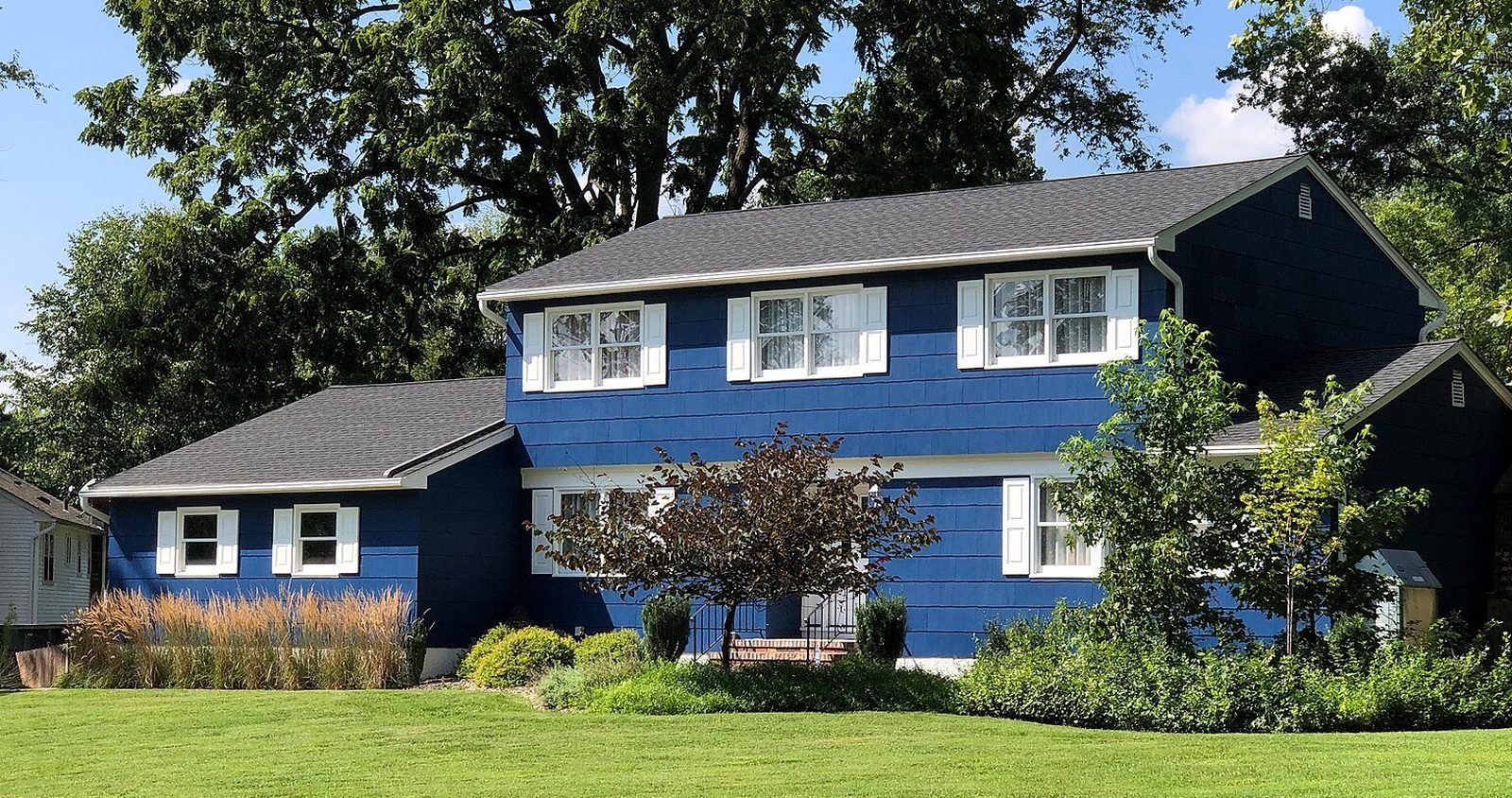
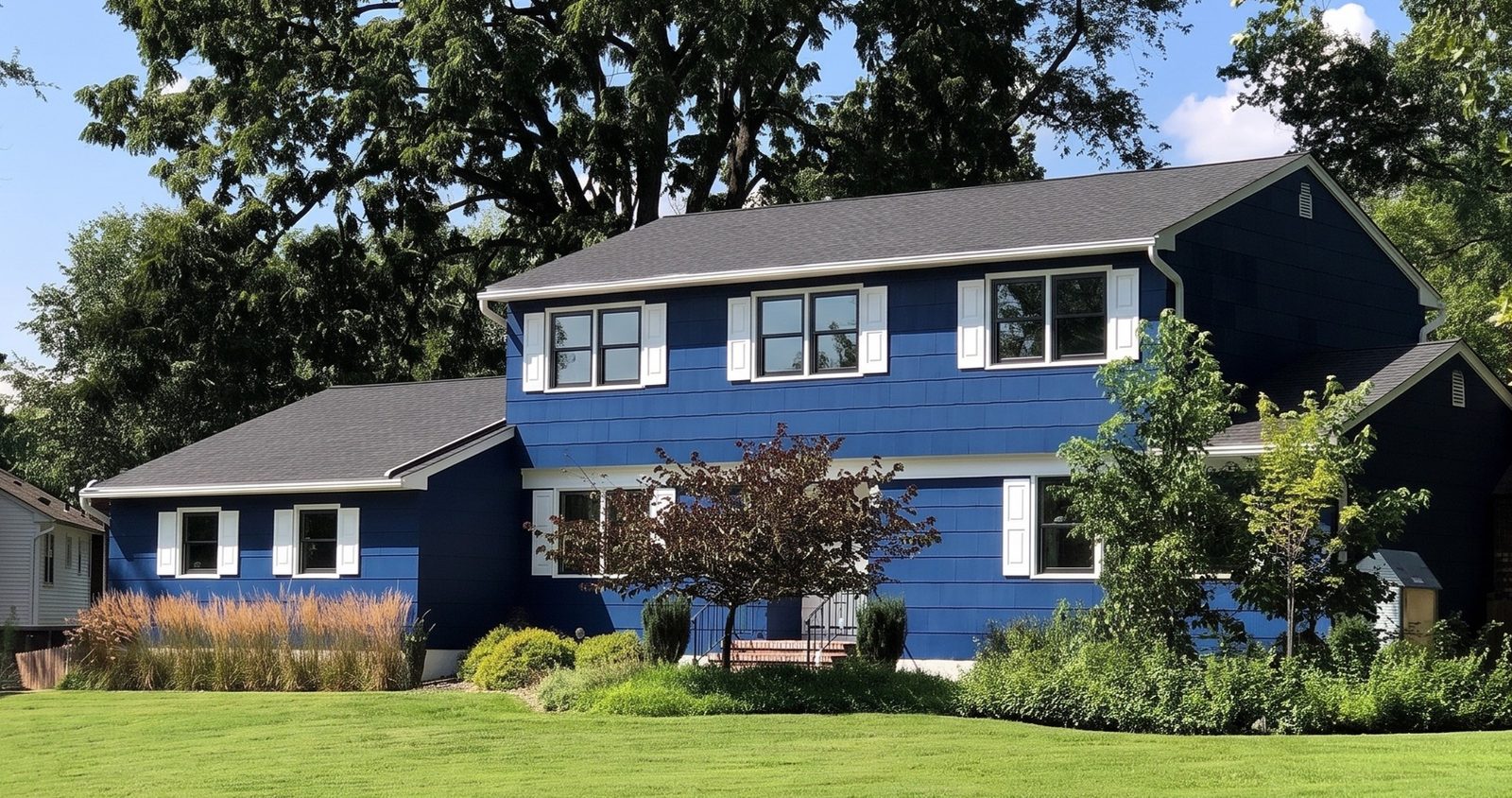
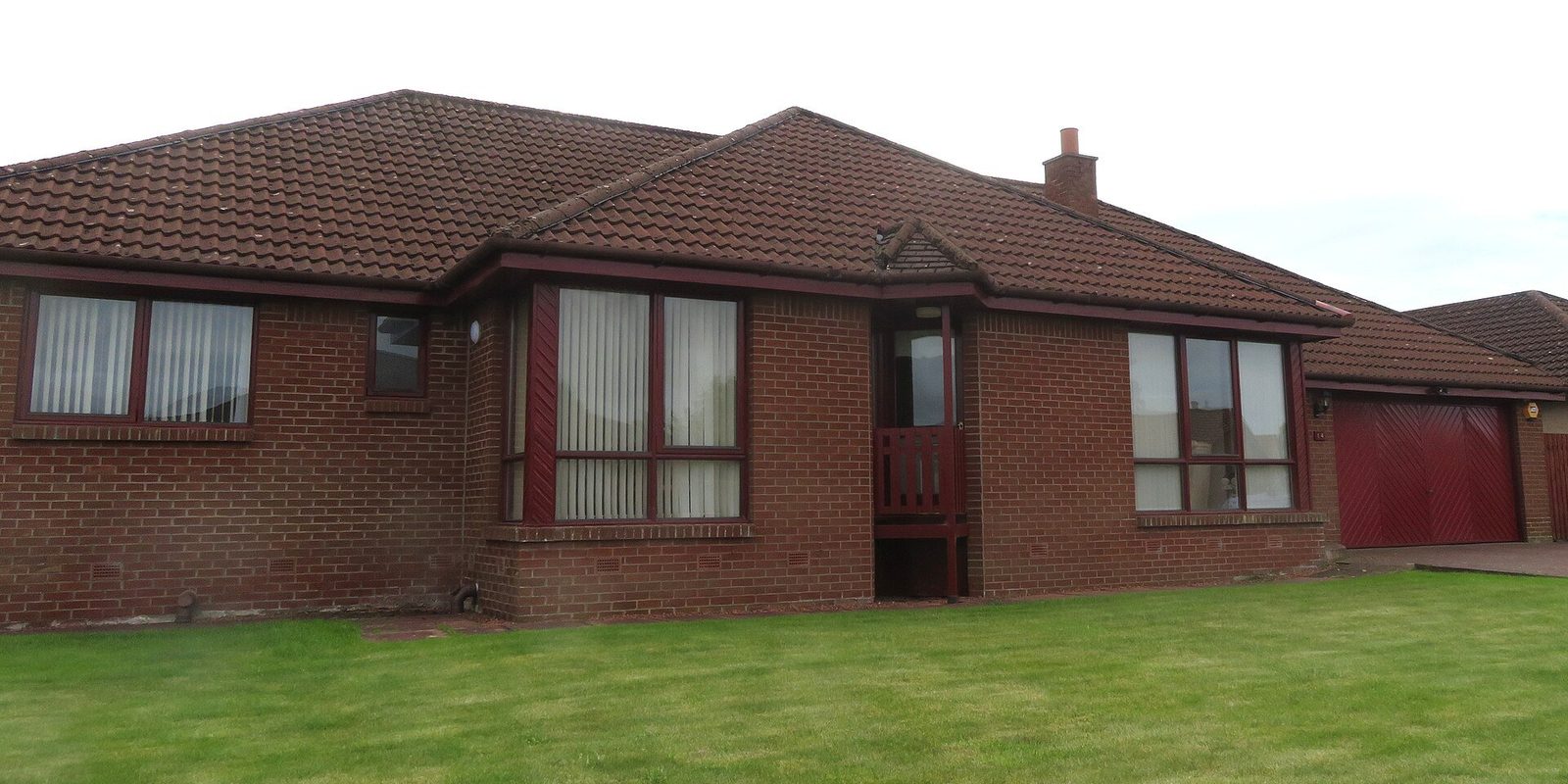
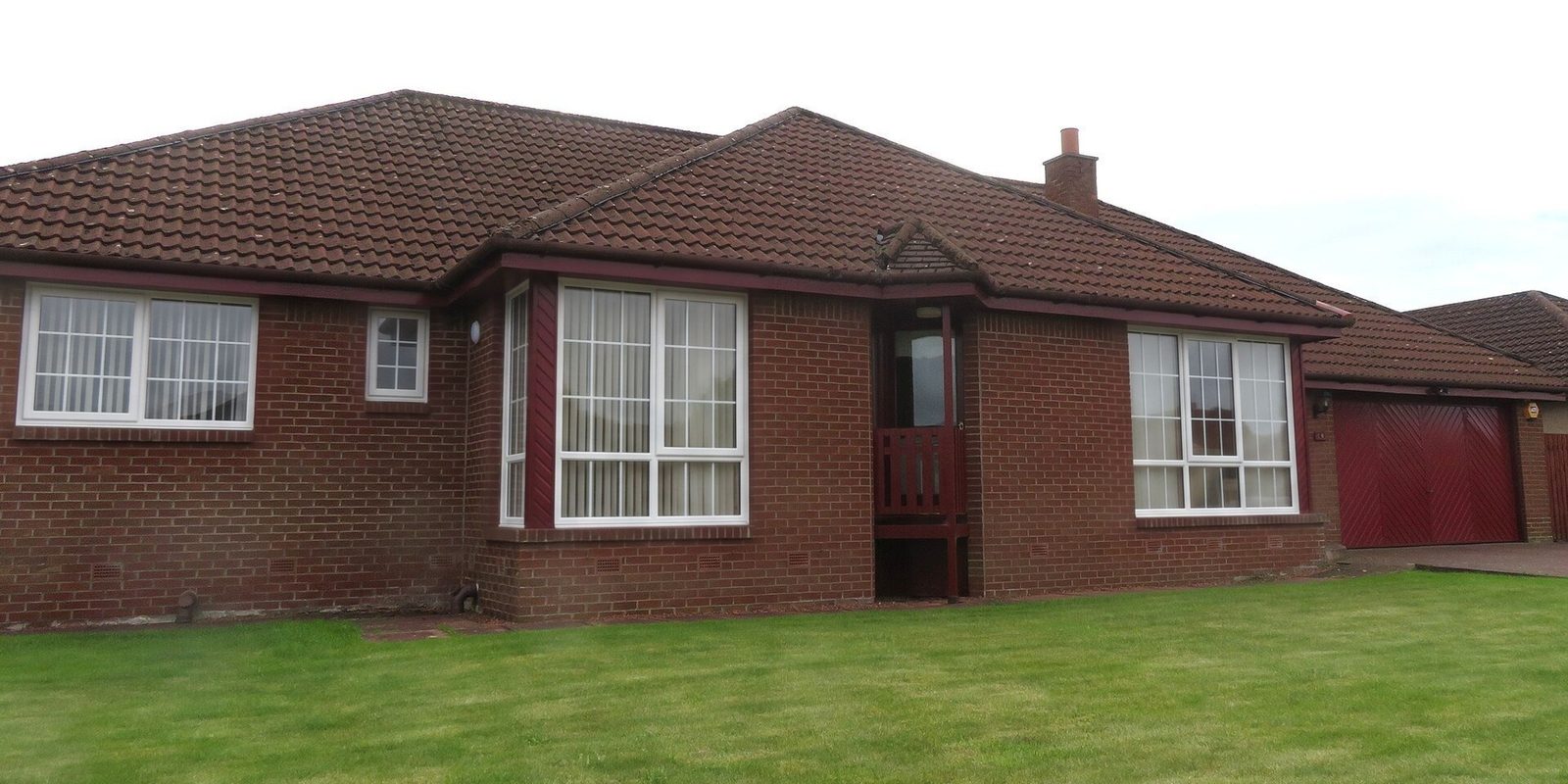
Render the side of the house that phase one changes. The render changes every window in the photo, so if phase one is the front, the front photo shows exactly what the street will see. If it's the failing windows at the back, photograph that side or that room instead.
Offering a first phase
If doing every window this year doesn't work, let's start with the ones that are failing: the two in the back bedroom and the one over the sink. That part is [amount].
I'll put the rest on the same quote as phase two, same line and same color, so when you're ready it's one phone call.
How do you work the leads you already paid for?
In a slow market some of your best leads are already in your files: homeowners you've met, measured and quoted. Each one cost real money. LocaliQ's 2025 search-ad benchmarks put Doors & Windows Sales at $200.34 per lead3, and that's before the drive and the evening at their table.
Go back through the last year of unsold quotes. Reach out to the ones who had a real reason to wait, and bring something new each time: an updated price, an open install date, a first-phase option, or a render of a look you didn't show them the first time. Running the second visit itself is covered in window sales rehash.
Check the rules before you contact a list. FCC rules require prior consent for autodialed texts to a mobile phone, and written consent for autodialed marketing texts4. The FTC's Do Not Call FAQ for businesses says a company may call someone on the national registry for up to three months after they inquire, but never someone who asked to go on the company's own do-not-call list5. So a quote from last spring may be past that window if the number is on the registry. States add their own rules, so ask your lawyer before you run a campaign.
Hi, it's [name] from [company]. You asked me to check back after the summer about your windows. I rendered the black frames you asked about, from the photo I took that day.
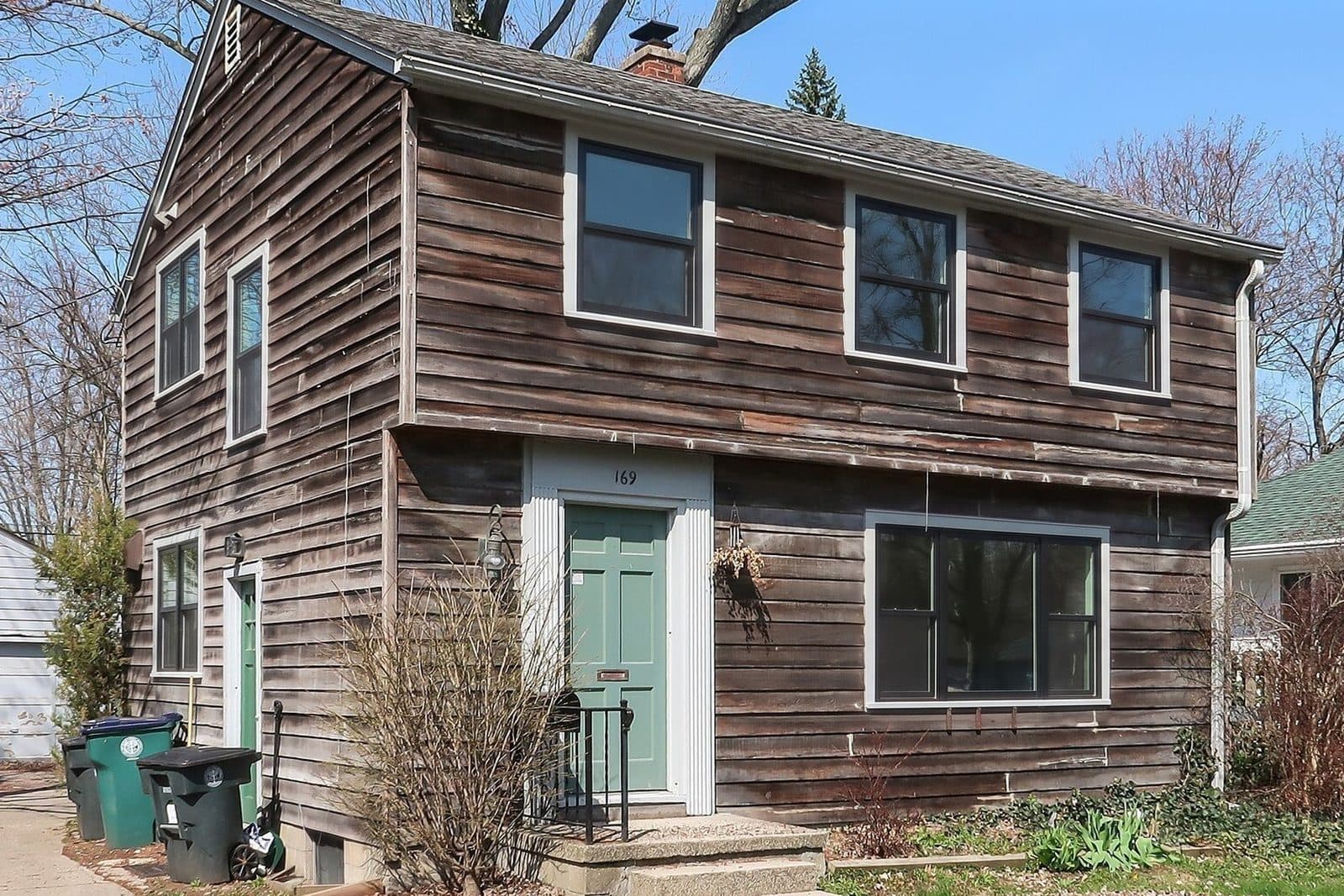 Render
Oh, that looks good. We held off because of the cost.
That makes sense. I can price just the front windows this year and the rest later. Want me to send that over?
Should you cut prices when sales slow down?
No. A discount that shows up because business is slow teaches homeowners to wait for the next one, and teaches reps to lead with it. Change the job instead: fewer windows now, a different product line, fewer options. Those levers, and how to offer them, are in how to handle the window price objection.
Be careful with "sales," too. The FTC's Guides Against Deceptive Pricing treat a discount from an inflated, made-up former price as a false bargain6. If you run a promotion, take it off a price you really charged, regularly and for a real stretch of time, give a real reason, and print the end date. This is general information; check your state's rules with your lawyer.
What about the slow season for window sales?
A slow season isn't a slow market. If your sales dip in the same months every year, that's a calendar to plan around, not a reason to change your pitch. Pull monthly sales for the last two or three years and mark the dips that repeat.
Then plan the quiet weeks while you're still busy. Keep a list of homeowners who said "after the holidays" and call them when the holidays are over. Book installs into the quiet weeks. Ply Gem says installers often have quiet stretches in winter, especially near the holidays, so homeowners can often get an earlier install date7. An earlier install date is a true reason to offer, as long as your crew really has it.
The full cold-weather playbook, from drafty-window walk-throughs to explaining a winter install, is in selling windows in winter.
What should an owner change when sales slow down?
Fewer, steadier moves beat a scramble. These are the ones that pay off whichever step of the sale slowed down.
- Judge lead sources by cost per sale, not cost per lead. A cheap lead that never closes is the expensive one.
- Keep follow-up running longer. When homeowners take longer to decide, a quote that's three weeks old isn't dead.
- Train every rep on the payment conversation and on phased jobs, and role-play both until they sound natural.
- Make sure every quote leaves the house with a render of the homeowner's own house, so it keeps working after the rep drives away.
- Ask past customers for referrals while they're still happy with the job. See window company referral program.
- Wait for your own numbers to turn, not the headlines, before you add big fixed costs.
Where the render fits in a slow market
At the table, when the homeowner is deciding whether to spend at all. In a slow market the question moves from "which windows" to "is it worth it this year," and a render of their own house with the new windows answers the part a price sheet can't. If you're offering a first phase, render the side of the house it changes, so they see what they'd get this year.
In the message to an old quote. A render of a look you didn't show the first time is a real reason to get back in touch, which "just checking in" never is.
The render shows how the windows will look on their house. Each window keeps its current style, and the render doesn't measure, price or replace your quote.