What does a window appointment setter do?
A setter turns a lead into a time on a rep's calendar. In a small company that's the owner or the rep between visits; in a bigger one it's a person or a team on the phones all day. Either way the job has three parts: reach the lead, qualify it, and book a visit that sits.
Keep the qualifying short. A setter who runs a full needs assessment on the phone talks people out of the visit; the deeper questions belong at the house, in window sales discovery questions. Write every answer where the rep will see it: a JLC article on lead sheets says to record the other decision maker's name, their relationship to the caller, and whether they'll be at the first meeting2. Before you book, find out:
- Does the caller own the home? Renters can't sign.
- How many windows, roughly, and which ones bother them most?
- Is anyone else on the deed, or anyone who'll help decide? What's their name?
- When are all of them home: a weekday evening, or Saturday?
- Is there an HOA or historic district that approves outside changes?
- Will they text a photo of the front of the house, so the rep can plan the visit?
Appointment setting terms
Lead
- What it means
- A name and number that asked about windows.
- Why it matters
- What you pay for.
Set
- What it means
- An appointment on the calendar.
- Why it matters
- What setters are often paid on, and the easiest number to inflate.
Confirmed
- What it means
- The homeowner said yes again, the day before.
- Why it matters
- The best early sign the set will sit.
Sit (or sat)
- What it means
- The rep got in the door and presented. Many companies count it only when every decision maker was there.
- Why it matters
- The only kind of appointment that can close.
One-legger
- What it means
- A sit where only one of the people who decide is home.
- Why it matters
- Often ends with "I need to talk it over."
No-show
- What it means
- Nobody home, or nobody answers the door.
- Why it matters
- A lead, a drive and an evening, gone.
| Term | What it means | Why it matters |
|---|---|---|
| Lead | A name and number that asked about windows. | What you pay for. |
| Set | An appointment on the calendar. | What setters are often paid on, and the easiest number to inflate. |
| Confirmed | The homeowner said yes again, the day before. | The best early sign the set will sit. |
| Sit (or sat) | The rep got in the door and presented. Many companies count it only when every decision maker was there. | The only kind of appointment that can close. |
| One-legger | A sit where only one of the people who decide is home. | Often ends with "I need to talk it over." |
| No-show | Nobody home, or nobody answers the door. | A lead, a drive and an evening, gone. |
What does a sat window appointment cost?
A sit costs more than the lead, which is why companies count leads, sets and sits separately (the terms are in the table above, and more in window sales terms). LocaliQ's 2025 search-ad benchmarks put Doors & Windows Sales at $200.34 per lead3. Elevarus, a lead seller, estimates that a $95 shared windows lead works out to about $220 to $310 per sat appointment once contact falloff, no-shows and reschedules are counted1.
Run the same math on your own numbers every month, by setter and by lead source:
- Cost per set: what you spent on leads, divided by appointments set.
- Cost per sit: the same spend, divided by appointments that sat with every decision maker home.
- Set-to-sit rate: sits divided by sets.
- Pay and coach setters on sits, or on sets that sit. Pay on raw sets and you'll get a full calendar of visits that never happen.
- The gap between cost per set and cost per sit is what weak setting costs you, and closing it is cheaper than buying more leads. Where the leads come from is in window replacement leads.
How do you get both decision makers at the appointment?
A one-legged appointment, or one-legger, is a visit where only one of the people who decide is home: one spouse, one of two owners, the daughter but not the parent who's paying. It's one of the most common ways a good lead ends in "I need to talk it over."
It happens even at companies that work hard to stop it. In a 2007 Remodeling magazine article, Legacy Remodeling of Pittsburgh said about 5% of its leads still turned out to be one-leggers even though it discouraged them4. That's one company's share of its own leads, so count yours: every sit where someone who decides was missing, by setter and lead source.
Prevention happens at the set. Big companies put the rule in writing: Renewal by Andersen asks for all property owners to be present for its whole consultation5. Ask "Is anyone else on the house with you, or anyone who'll want a say in the windows?", get the name, and book a time when both are home. Give a reason that helps them, not you: the options and the price are easier to weigh when both of them see them at once. If the other owner can't make any time this week, book next week instead of a one-legger tomorrow.
When you arrive and one is missing anyway, don't act annoyed and don't drive off. Remodeling's article describes Legacy training reps to find out, once they're inside, whether there's truly an interested buyer: if so, run the full presentation; if not, measure and book a return visit4. The table covers the usual cases.
When you arrive and a decision maker is missing
They can join by phone or video
- What to do
- Call them in for the options and the price, and show the render on the call.
The owner at home can decide alone and wants to
- What to do
- Run the visit. Leave the written quote and text the render to the other owner.
The owner at home can't decide alone
- What to do
- Walk and measure, take the photo, and book a time with both of them within a few days.
Nobody really wanted a visit
- What to do
- Be polite, leave a card, and log why. It's a setting problem, not a sales problem.
| Situation | What to do |
|---|---|
| They can join by phone or video | Call them in for the options and the price, and show the render on the call. |
| The owner at home can decide alone and wants to | Run the visit. Leave the written quote and text the render to the other owner. |
| The owner at home can't decide alone | Walk and measure, take the photo, and book a time with both of them within a few days. |
| Nobody really wanted a visit | Be polite, leave a card, and log why. It's a setting problem, not a sales problem. |
At the door, when one owner isn't home
No problem. Could [name] join us by phone for ten minutes later, when we get to the options and the price?
If not, here's what I'd suggest: I'll look at every window and measure today, and take a photo of the front. When can the three of us sit down for twenty minutes to go over it together?
I'll send [name] a picture of the house with the new windows tonight, so you're both looking at the same thing before we talk.
Ask for the absent owner's number, and whether they'd rather get the picture by text or email.
Hi, this is [rep] from [company]. I was at the house tonight about the windows, and [name] asked me to send you what we looked at.
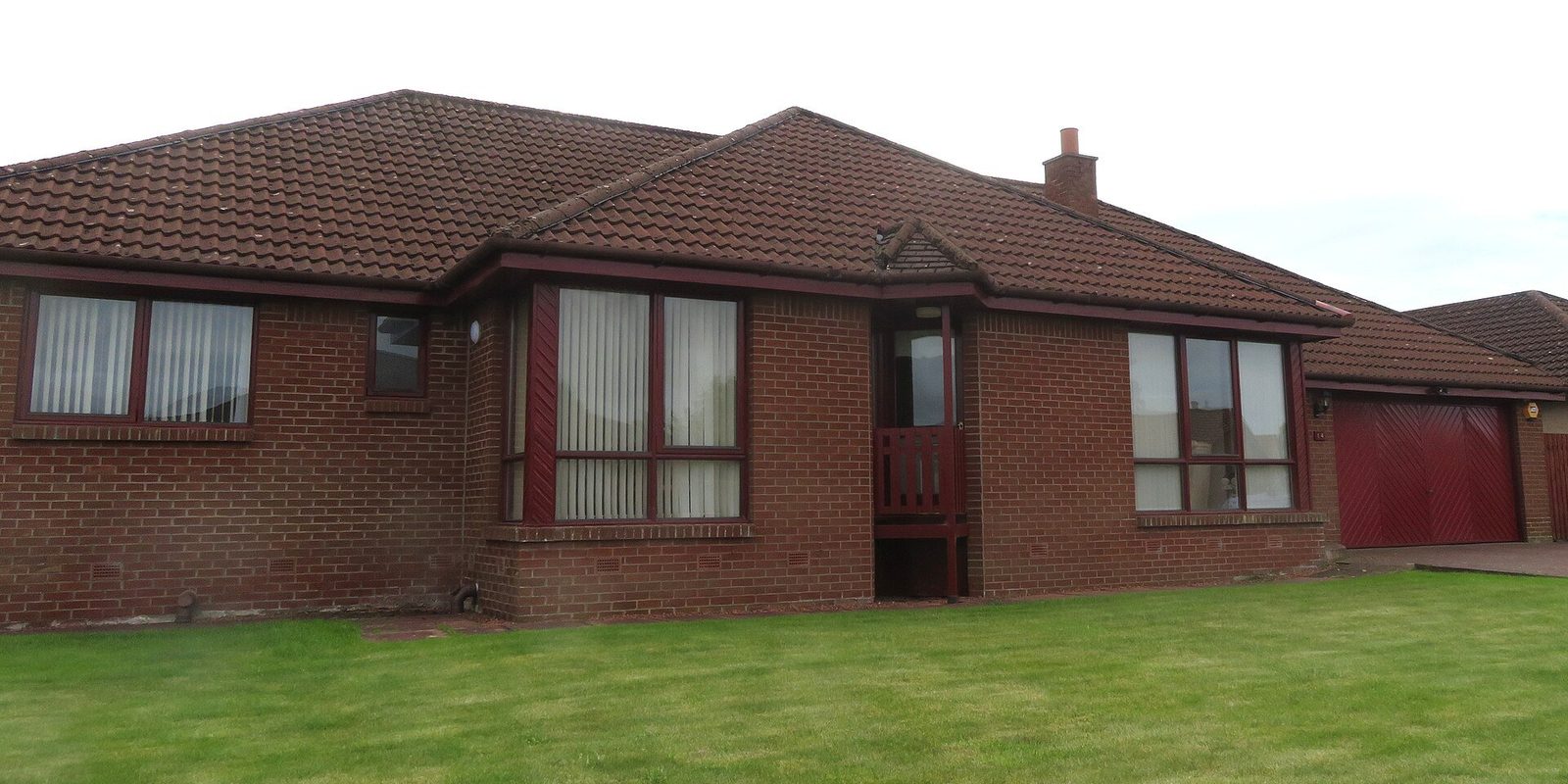
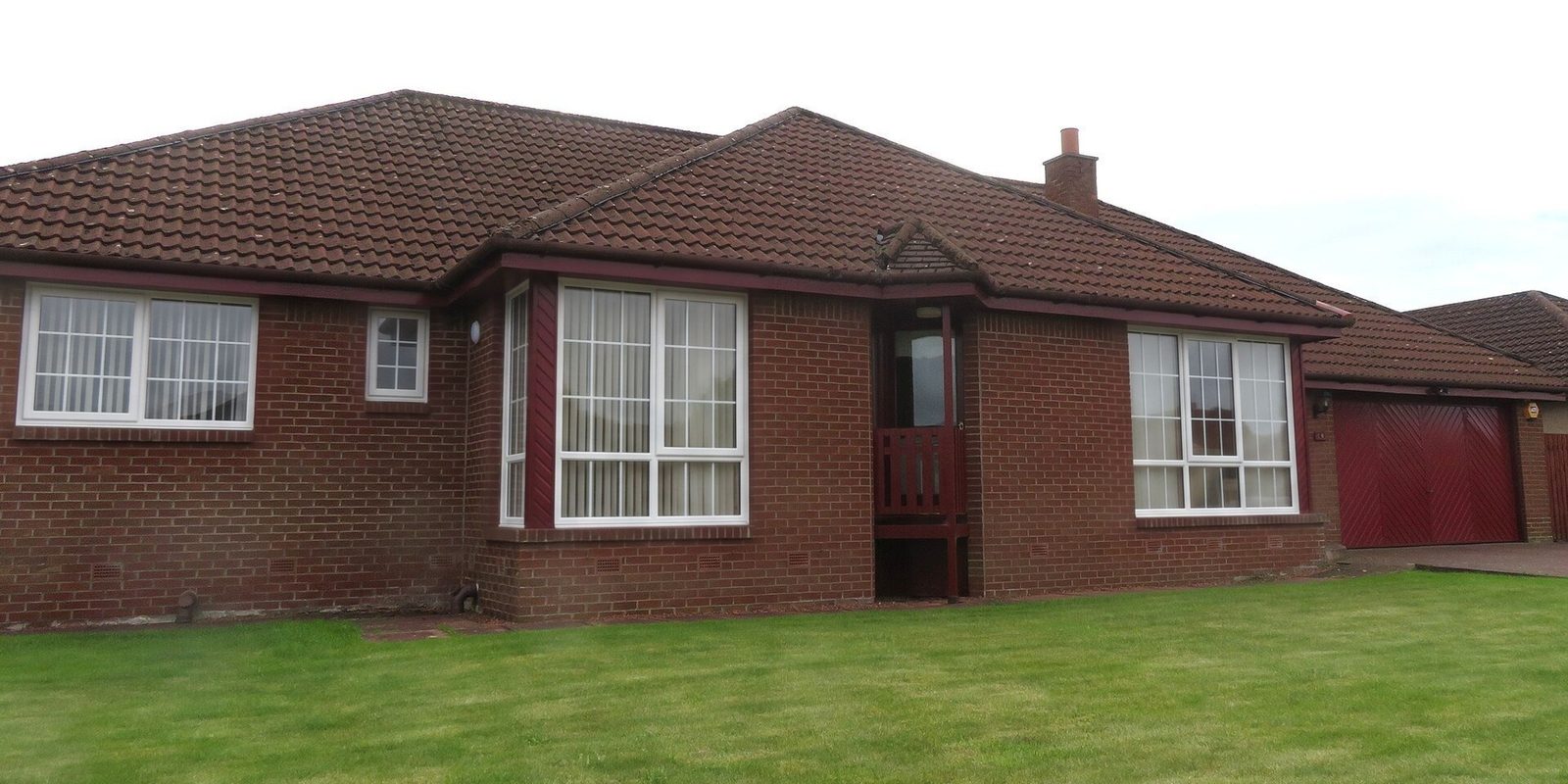
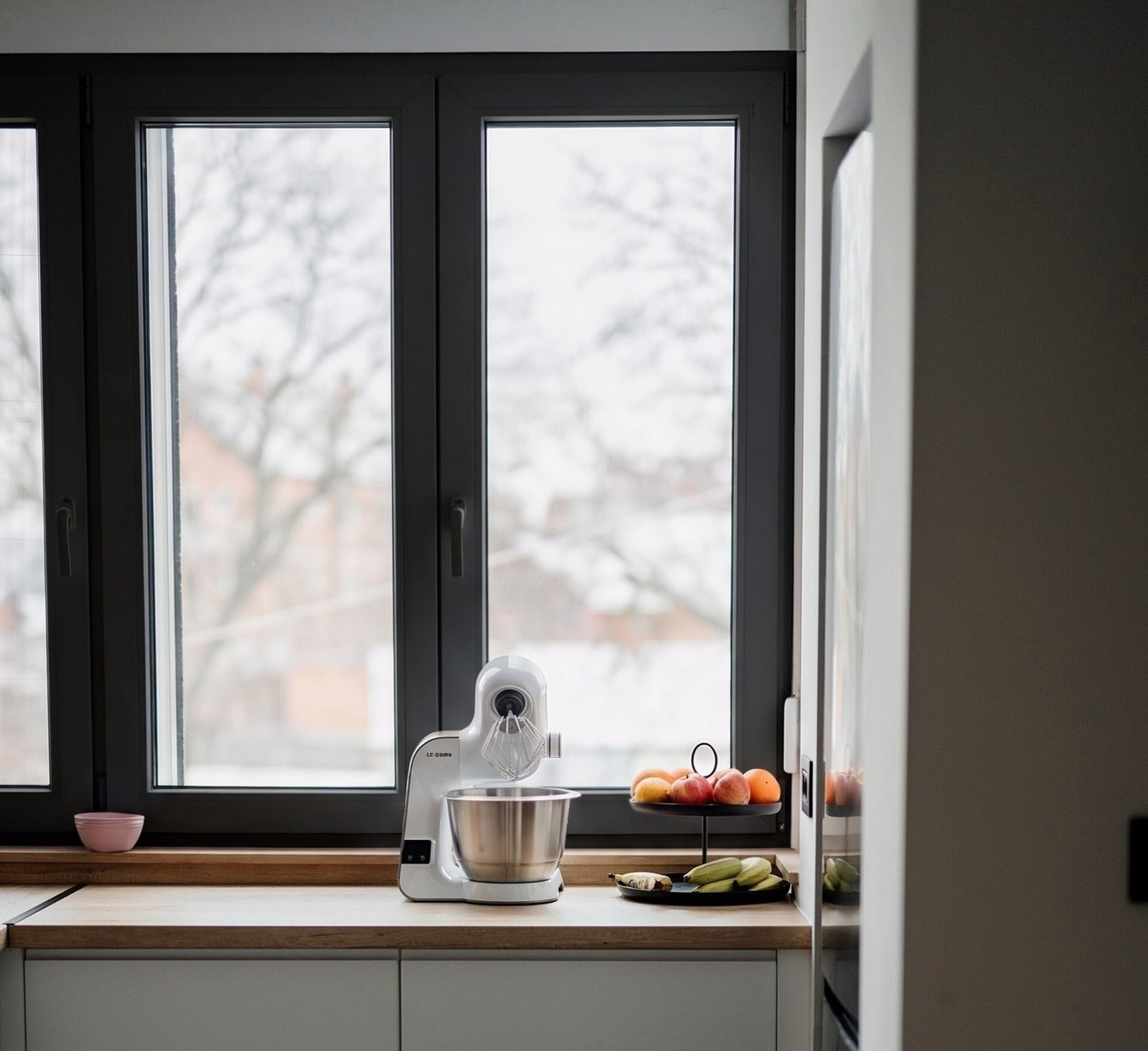
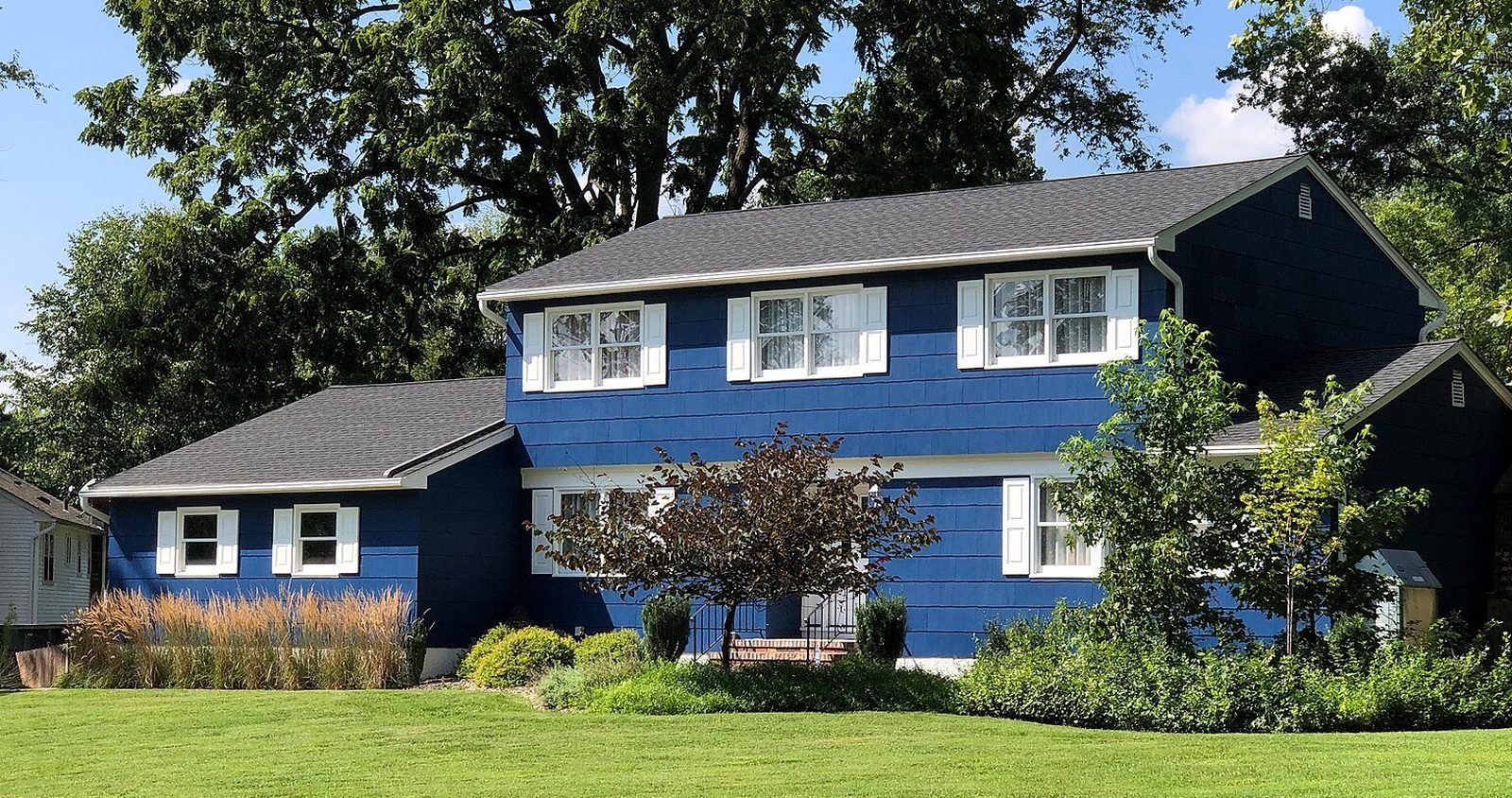
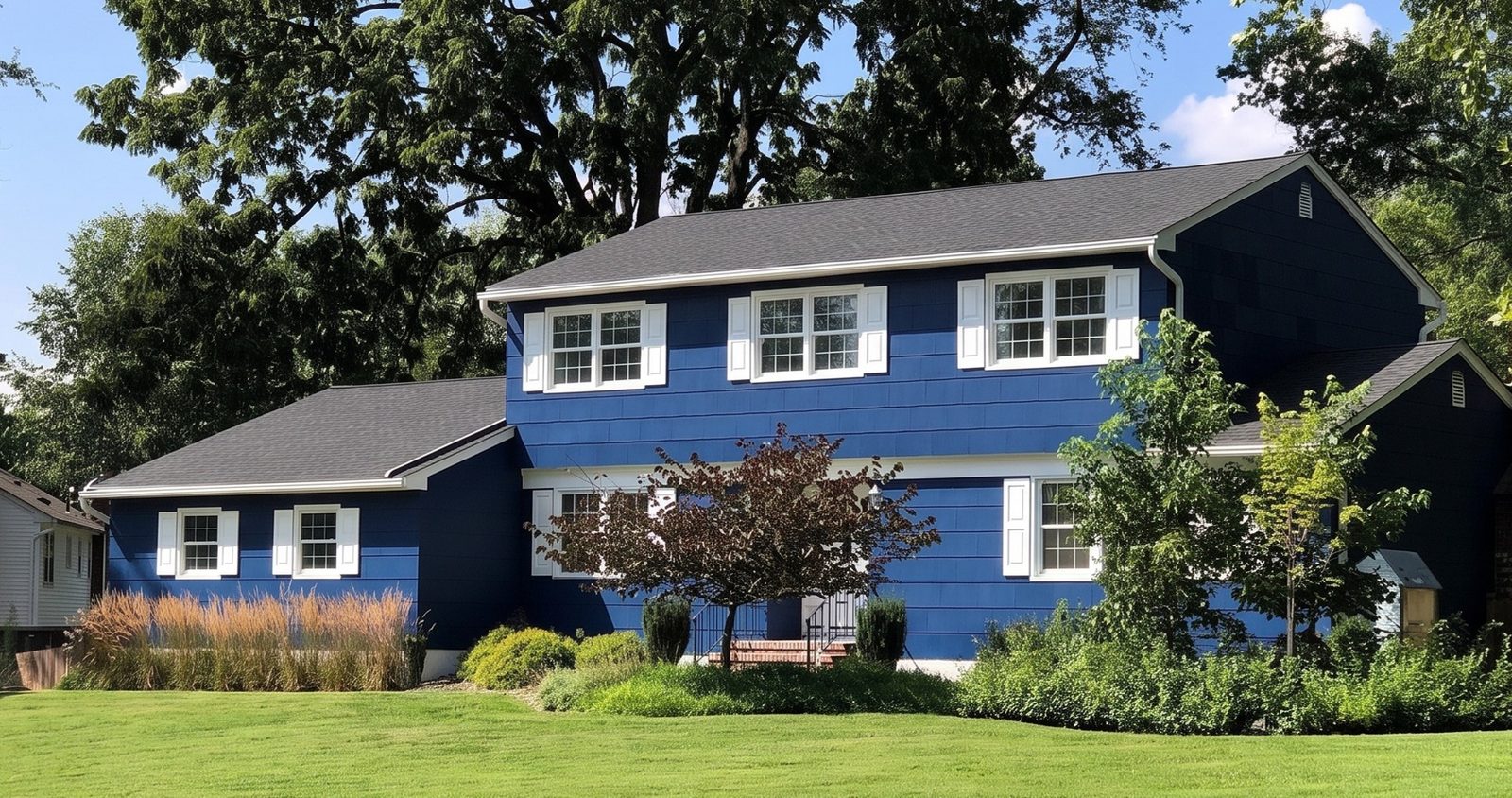
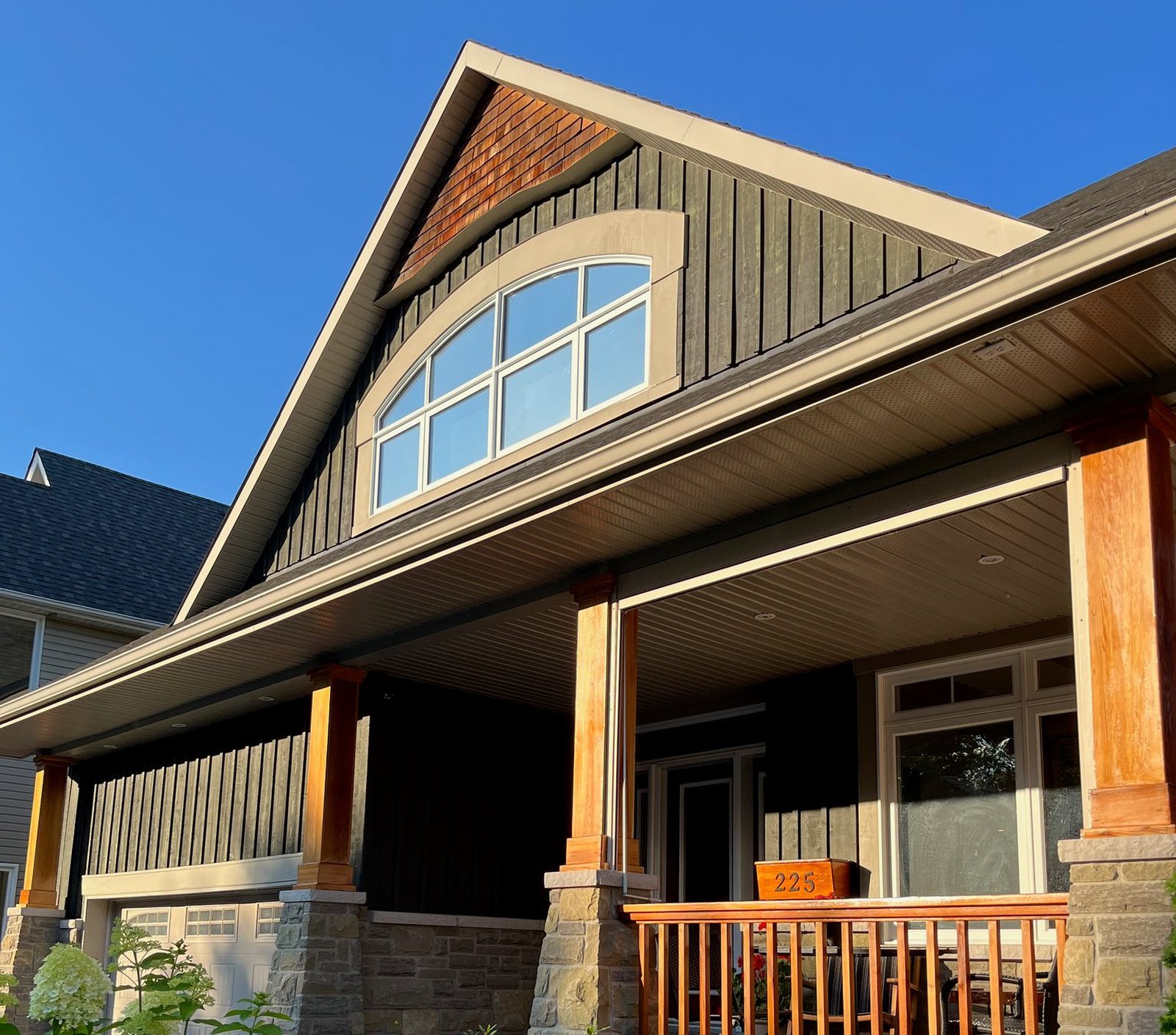
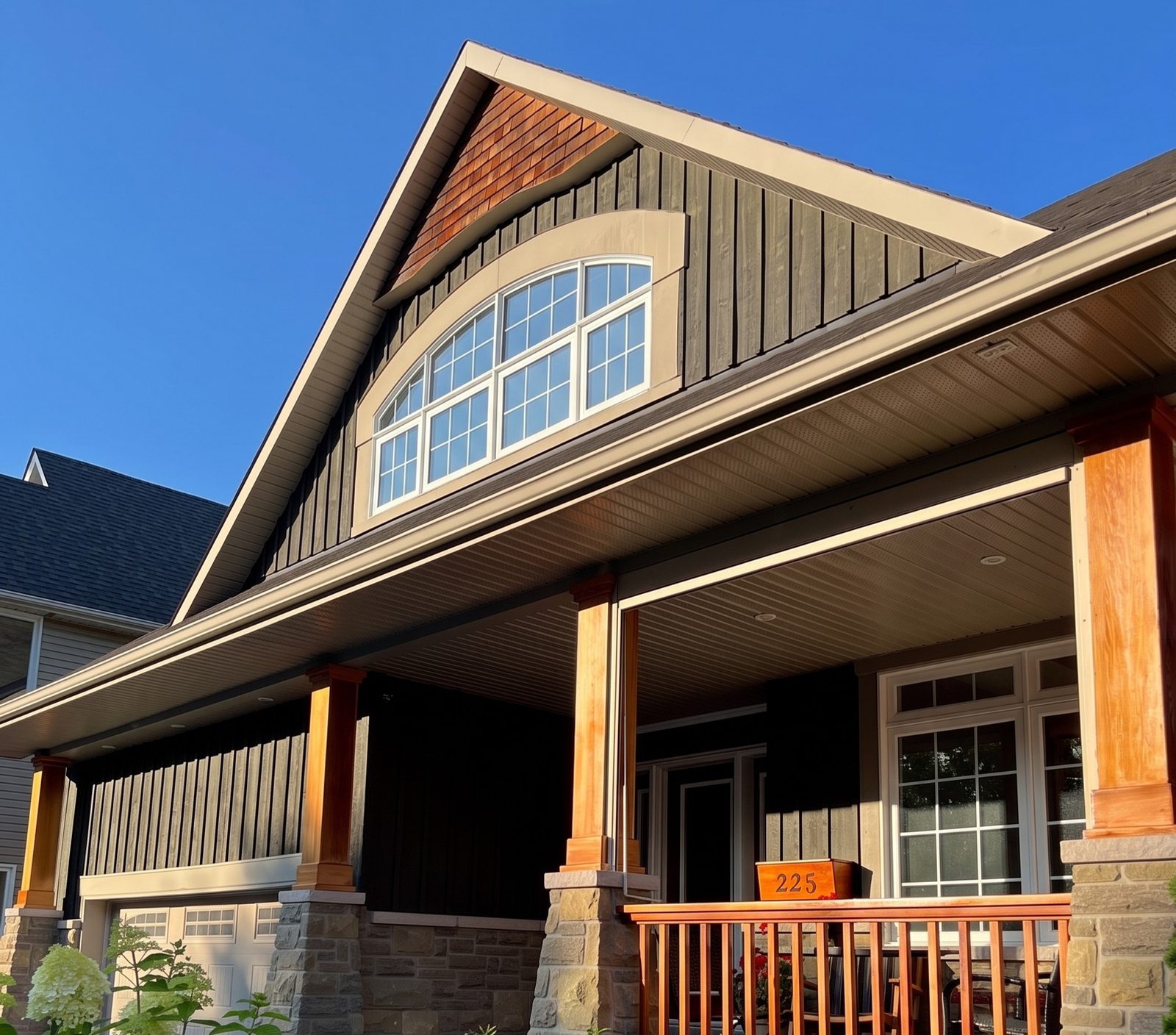
Here's your house with black frames, from the photo I took out front. Same windows, new color. The written quote is on the counter. Could the three of us talk Thursday at 7 for ten minutes?
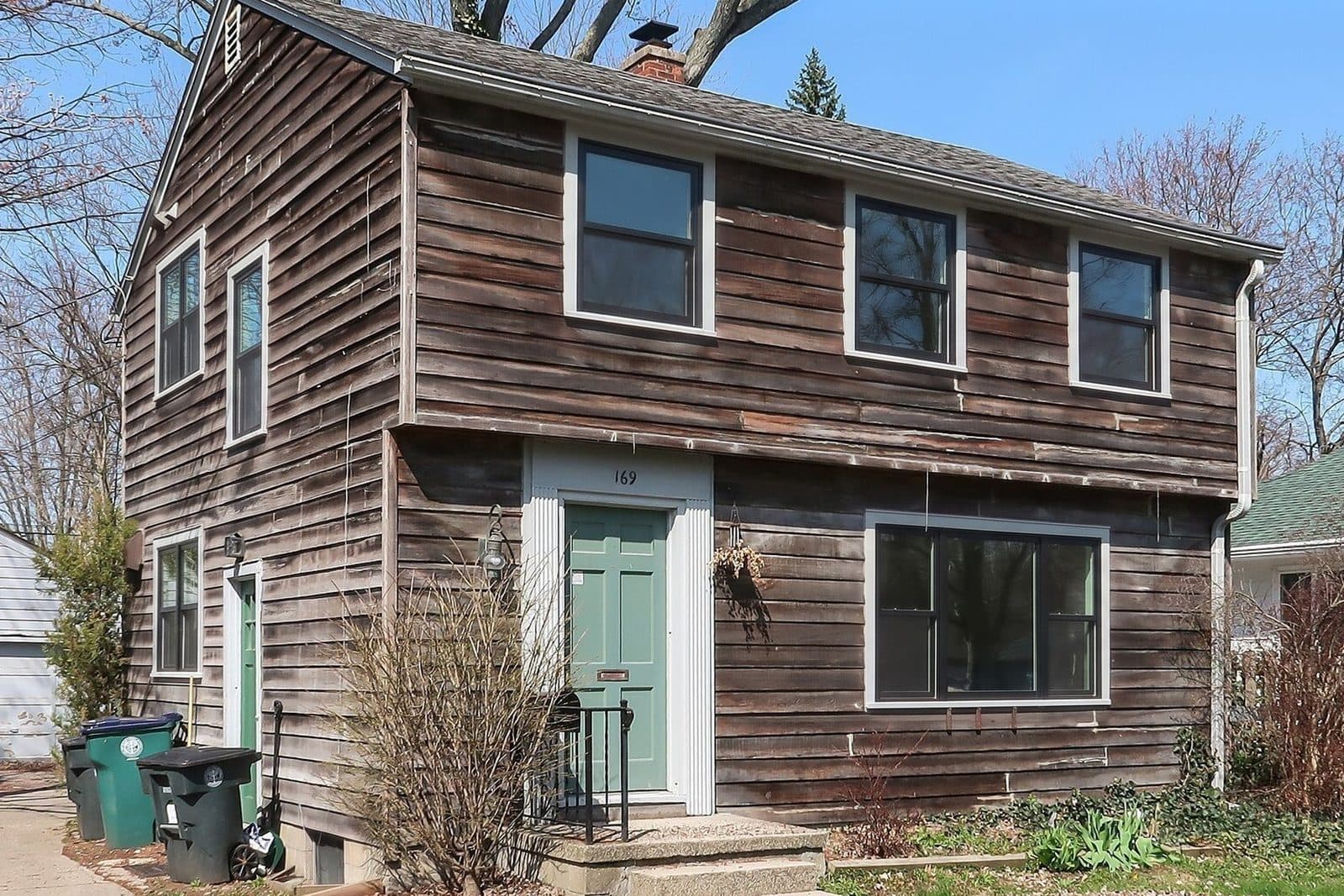 Render
What should the confirmation call say?
Book fast, then confirm twice: a call the day before and a short text the morning of. A JLC article on confirming appointments says the call that sets the visit should come as soon as possible because after 48 hours a lead is in limbo, and treats making sure the spouse or all interested parties will be home as central to the confirm, since a "maybe" will likely mean an incomplete presentation6.
Give the real length. Renewal by Andersen asks homeowners to set aside 60 to 90 minutes5. The same JLC article warns against shading it: it says people told a short visit for a long presentation end up rescheduling or canceling, and suggests asking whether they can keep the rest of the evening free6.
Ask for a photo of the front of the house at the set or the confirm. It gives the homeowner something to look forward to, and the rep arrives with their house instead of a brochure; photo tips are in how to photograph a house for a window quote. Then have the rep send the morning text from their own number, with their name and photo. People open the door for a name they expect.
Here's a confirmation call that covers all of it. Lines for the setting call itself are in window sales script.
The confirmation call, the day before
Hi [name], it's [setter] from [company], confirming [rep] for tomorrow at 6 to look at your windows. Does that still work?
And [other owner] will be there too? Good. Plan on about [real length]. The part where you both see the options on your house comes near the end.
[Rep] will text you in the morning with a photo, so you know who's at the door. If anything changes, text this number and we'll move it.
If you haven't already, text me a photo of the front of the house in daylight. [Rep] will bring it back with the new windows on it.
If you hear "maybe" about the other owner, offer a time when both are sure.
Good morning [name], it's [rep] with [company]. I'll be at your house at 6 tonight to look at the windows. That's me in the photo, so you know who's at the door. See you and [other owner] then. Reply STOP to opt out.
Thanks. [Other owner] gets home around 5:30, so 6 is good.
Perfect. I'll bring your house with the new windows on it, plus samples and an exact price.
How do you cut window appointment no-shows?
Most no-shows are decided before the day: the lead went cold, the time was a guess, or one owner never agreed to it. Fix the cause, not the reminder.
When a set doesn't sit, call within the hour to rebook and log the reason, with the setter, the lead source and the days between set and visit. After a month, the pattern is usually obvious, and you'll know which of the causes below is yours.
Why window appointments don't sit, and the fix
Booked too far out
- Fix
- Book within the next few days. A visit two weeks away is easy to forget and easy to cancel.
The other owner never agreed
- Fix
- Ask for them by name at the set and the confirm, and text both.
They didn't know how long it takes
- Fix
- Give the real length when you book and again when you confirm.
They forgot who was coming
- Fix
- A morning-of text with the rep's name and photo.
Another company got there first
- Fix
- Reach leads faster; see speed to lead for window companies.
They were never really buying
- Fix
- Qualify at the set: owner, decision makers, which windows, when.
No reason to keep it
- Fix
- Give them one: a render of their own house, with the price coming at the visit.
| Cause | Fix |
|---|---|
| Booked too far out | Book within the next few days. A visit two weeks away is easy to forget and easy to cancel. |
| The other owner never agreed | Ask for them by name at the set and the confirm, and text both. |
| They didn't know how long it takes | Give the real length when you book and again when you confirm. |
| They forgot who was coming | A morning-of text with the rep's name and photo. |
| Another company got there first | Reach leads faster; see speed to lead for window companies. |
| They were never really buying | Qualify at the set: owner, decision makers, which windows, when. |
| No reason to keep it | Give them one: a render of their own house, with the price coming at the visit. |
Should you give window prices over the phone?
Not a firm one. Angi tells homeowners that many contractors don't give quotes over the phone, because it's nearly impossible to give a reasonable quote without fully assessing the project7. For windows the reasons are concrete: nobody has measured, nobody knows what's behind the trim, and you haven't heard which product they actually want.
A bare number also does damage. Too low, and the real quote looks like a bait and switch. Too high, and they hang up and call the next company. Either way, your visit becomes a price check.
Refusing flat out doesn't work either; it sounds like you're hiding something. The honest middle is a broad range with the reasons it moves, then an offer of two things they can't get on the phone: an exact written price after someone measures, and a look at their own house with the new windows before the visit.
When they ask for a price on the phone
Fair question. It really depends on the size of each window, the frame material and how the old ones come out, and I'd be guessing until someone measures.
Most of our jobs fall in a wide range, and where yours lands depends on those three things. [Give your company's real range, and say what pushes a job to the top or bottom of it.]
Here's what I can do today: text me a photo of the front of the house, and I'll send it back with the new windows on it so you can see the look. Then [rep] can measure and give you an exact written price. Is Tuesday or Thursday evening better?
Only give a range you'd stand behind, and say so if their job sounds like it falls outside it.
What rules apply when setters call and text homeowners?
Setting is telemarketing, so federal rules apply and many states add their own. This is general information, not legal advice: check your state's rules and ask your lawyer before you start a calling or texting program.
- Calling hours: the FTC says that, without the person's prior consent, telemarketing calls to a home outside 8 a.m. to 9 p.m. local time break the Telemarketing Sales Rule8. The FCC's rule sets the same hours for telephone solicitations, at the called person's location9. Some states are stricter, so go by the homeowner's time zone and your state's rules.
- Do Not Call: the FTC's Do Not Call FAQ says a company may call someone for up to three months after they make an inquiry, even if their number is on the national registry, but never someone who has asked to be put on the company's own do-not-call list10.
- Texts: FCC rules ban autodialed texts to a mobile phone without prior consent, require written consent for autodialed marketing texts, and let people take back consent in any reasonable way, such as replying STOP11.
Where the render fits in appointment setting
Before the visit, as the reason to keep it. Ask for a photo of the front at the set or the confirm, render the look they mentioned, and text it back: "Here's your house with the new windows. [Rep] will bring the options and an exact price Tuesday." A homeowner who has seen their own house with new windows has a reason to be home, and so does the other owner.
At a one-legger, render the look the owner at home likes and text it to the one who isn't there, so both are deciding about the same picture. And when someone pushes for a phone price, a render of their house is the honest thing you can give on the call; the exact price comes with the tape measure. The render changes frame material, color and grilles, and each window keeps the style it has now.