What is speed to lead, and how fast is fast enough?
Speed to lead is the time from when a homeowner asks for a quote to when someone from your company actually talks to them. Not when the auto-reply goes out. When a person reaches them.
The research is old and not about windows, but it points one way. In a 2007 study InsideSales.com ran with an MIT researcher on six companies' web leads, the odds of reaching a lead were 100 times higher, and of qualifying it 21 times higher, when the first call came within 5 minutes instead of 302. InsideSales.com sold lead-response software, so treat the exact multiples loosely; the direction matches the larger Harvard Business Review study below.
The Harvard Business Review study is larger and better known: across 1.25 million leads, firms that tried to reach a lead within an hour were nearly seven times as likely to qualify it as firms that waited even an hour longer, and more than 60 times as likely as firms that waited a day or more1.
So the target for a window company is simple: a call within five minutes during business hours, and a text by hand right after if nobody picks up. Five minutes isn't magic. It's short enough that they're still thinking about windows, and often still holding the phone they filled in the form on.
Why does speed matter so much for window leads?
Because the lead costs real money, and you're rarely the only company they asked. LocaliQ's 2025 search-ad benchmarks put Doors & Windows Sales at $200.34 per lead3. A shared lead from a lead seller goes to other companies at the same moment, and the first one to reach them gets the first conversation.
Slow is normal, which is your opening. In the same Harvard Business Review article, researchers sent test web leads to 2,241 US firms: 37% replied within an hour, 23% never replied, and the ones that replied within 30 days took 42 hours on average1. Valve+Meter, a home services marketing agency, says that when it secret-shopped 466 home services companies, 40% hadn't responded within five days4.
You don't need to be brilliant on the phone to beat that. You need to answer, every time, fast.
What should happen in the first five minutes after a window lead comes in?
Write it down as a routine with names next to each step. Nobody follows a routine they made up in the moment. Here's one a two-person office can run.
When they pick up, keep the first call short: which windows bother them, who else decides, a time when everyone is home, and a photo of the house. The word-for-word call is in window sales script. When they don't pick up, the voicemail and the text below do the work.
The first five minutes after a web lead
Minute 0
- What happens
- The form lands. If the form asked for consent to text and they gave it, an automatic text goes out with a real name and the promise of a call.
- Who does it
- Your form tool or CRM
Minute 0
- What happens
- An alert hits the phone of whoever is on leads right now: name, number, town and what they asked about.
- Who does it
- Your CRM, or a forwarding rule
Minutes 1 to 5
- What happens
- Call. If they answer, find out which windows bother them, ask for a photo of the house and book the visit.
- Who does it
- Whoever is on leads
No answer
- What happens
- A short voicemail, then a text typed by hand: your name, the company, why you called, one easy question.
- Who does it
- Same person
Same hour
- What happens
- A second call. If you still haven't reached them, the lead goes on a written schedule of calls and texts, with one person's name on it.
- Who does it
- Same person, or the setter
After hours
- What happens
- The call goes out first thing, inside legal calling hours. Whether the automatic text goes out at night or waits for morning depends on your state: ask your lawyer.
- Who does it
- Whoever opens up
| When | What happens | Who does it |
|---|---|---|
| Minute 0 | The form lands. If the form asked for consent to text and they gave it, an automatic text goes out with a real name and the promise of a call. | Your form tool or CRM |
| Minute 0 | An alert hits the phone of whoever is on leads right now: name, number, town and what they asked about. | Your CRM, or a forwarding rule |
| Minutes 1 to 5 | Call. If they answer, find out which windows bother them, ask for a photo of the house and book the visit. | Whoever is on leads |
| No answer | A short voicemail, then a text typed by hand: your name, the company, why you called, one easy question. | Same person |
| Same hour | A second call. If you still haven't reached them, the lead goes on a written schedule of calls and texts, with one person's name on it. | Same person, or the setter |
| After hours | The call goes out first thing, inside legal calling hours. Whether the automatic text goes out at night or waits for morning depends on your state: ask your lawyer. | Whoever opens up |
No answer: the voicemail, then the text
Voicemail: "Hi [name], it's [your name] with [company]. You asked about new windows a few minutes ago. I'll text you from this number so you have it. Call or text back whenever it suits you."
Text, right after: "Hi [name], it's [your name] with [company], about the windows you asked about. Which ones bother you most? If it's easier, text me a photo of the front of the house and I'll send it back with new windows on it. Reply STOP to opt out."
Second call, same hour, no voicemail this time. If they still haven't answered by the next morning: "Hi [name], [your name] again. Still happy to help with the windows. Would a call after work be easier?"
One question per text, no links. If an automatic text already went out, the hand-typed one should add something: the question and the photo offer, not a second thank-you.
How do you set up an automatic reply without new software?
Most window companies already have the parts: a web form, a phone, and a CRM or a shared inbox. The setup is about who gets told, how fast, and what goes out while they're dialing.
- One person on leads at any moment. A shared inbox that "everyone watches" means nobody does. Put the name on a schedule.
- Alerts to a phone, not an inbox. Route every form, ad lead and call-tracking number to a text or push alert on the phone of whoever is on leads.
- A consent line on every form, in plain words, before you send any automatic text. Have your lawyer review the wording.
- An automatic text that names a person, says when they'll call, and gives an easy way to opt out.
- A written rule for after hours: the call goes out first thing, and the automatic text either goes out at once or waits until morning, depending on what your lawyer says your state allows.
- Bought leads in the same flow. If a lead seller delivers by email, forward it into the same alert so it doesn't wait until someone checks.
- Software helps once the routine works: the best CRM for window companies compares the options.
Hi [name], it's [rep] at [company]. Thanks for asking about new windows. I'll call you from this number in a few minutes. Reply STOP to opt out.
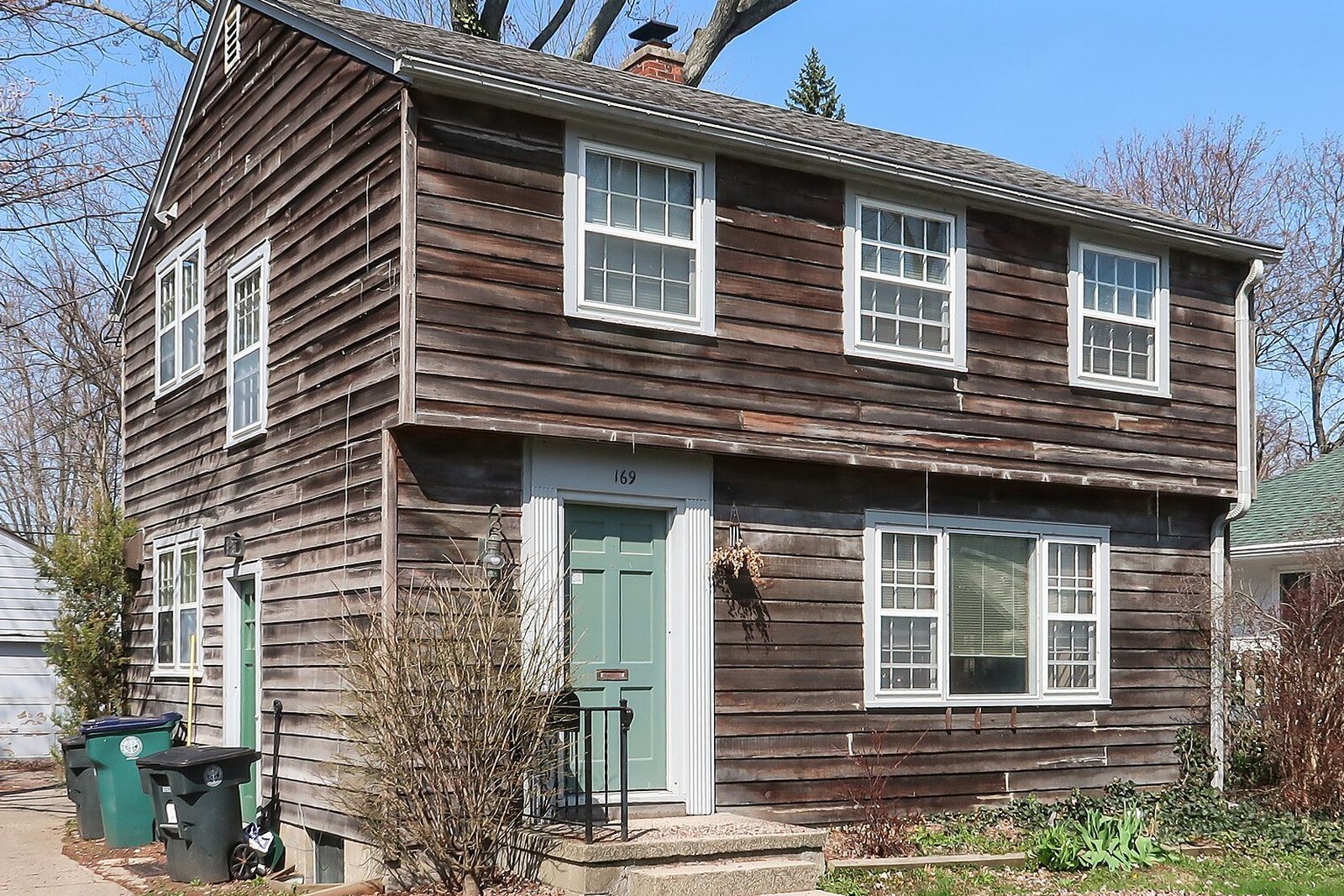
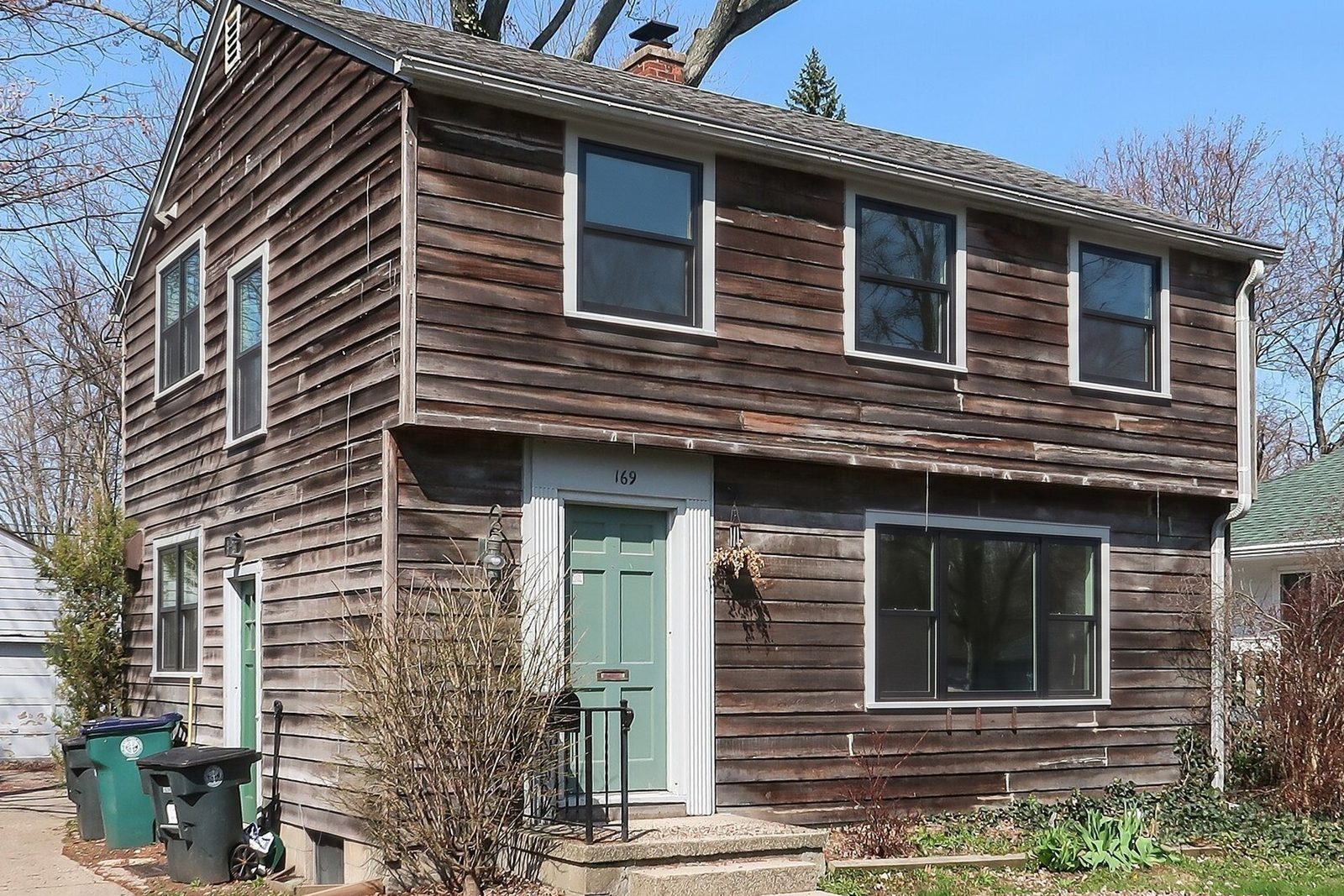
Can't talk now, at work. We were thinking black windows. Here's the front of the house.
No problem. Here's your house with black frames, same windows, from your photo. I'll call after 6 to find a time to measure and give you an exact price. Does 6:15 work?
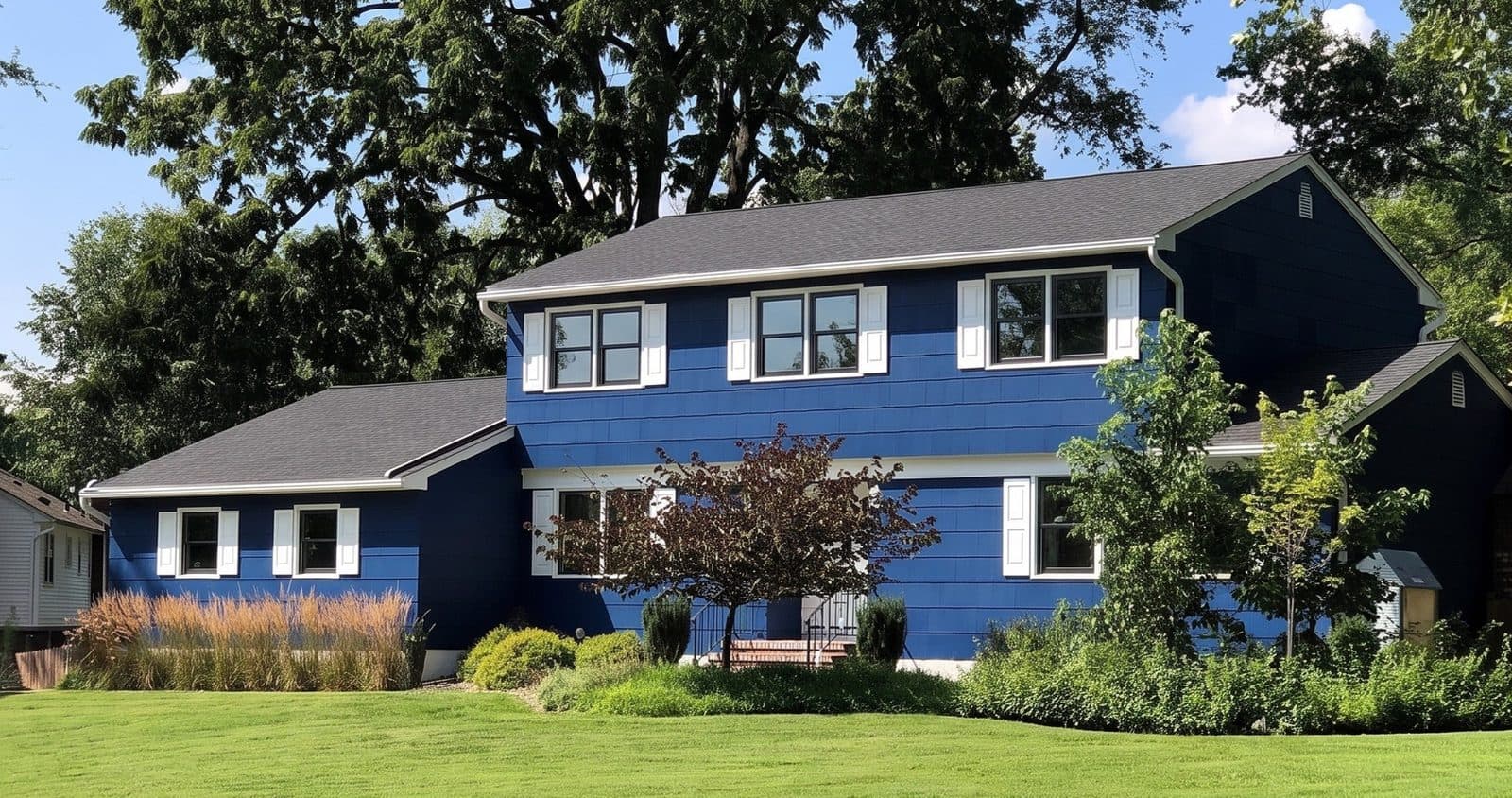 Render
How do you make the first reply worth answering?
Every company that answers fast says the same thing: "Thanks, when can we come out?" A homeowner who filled in three forms gets three of those. The reply that stands out shows them something.
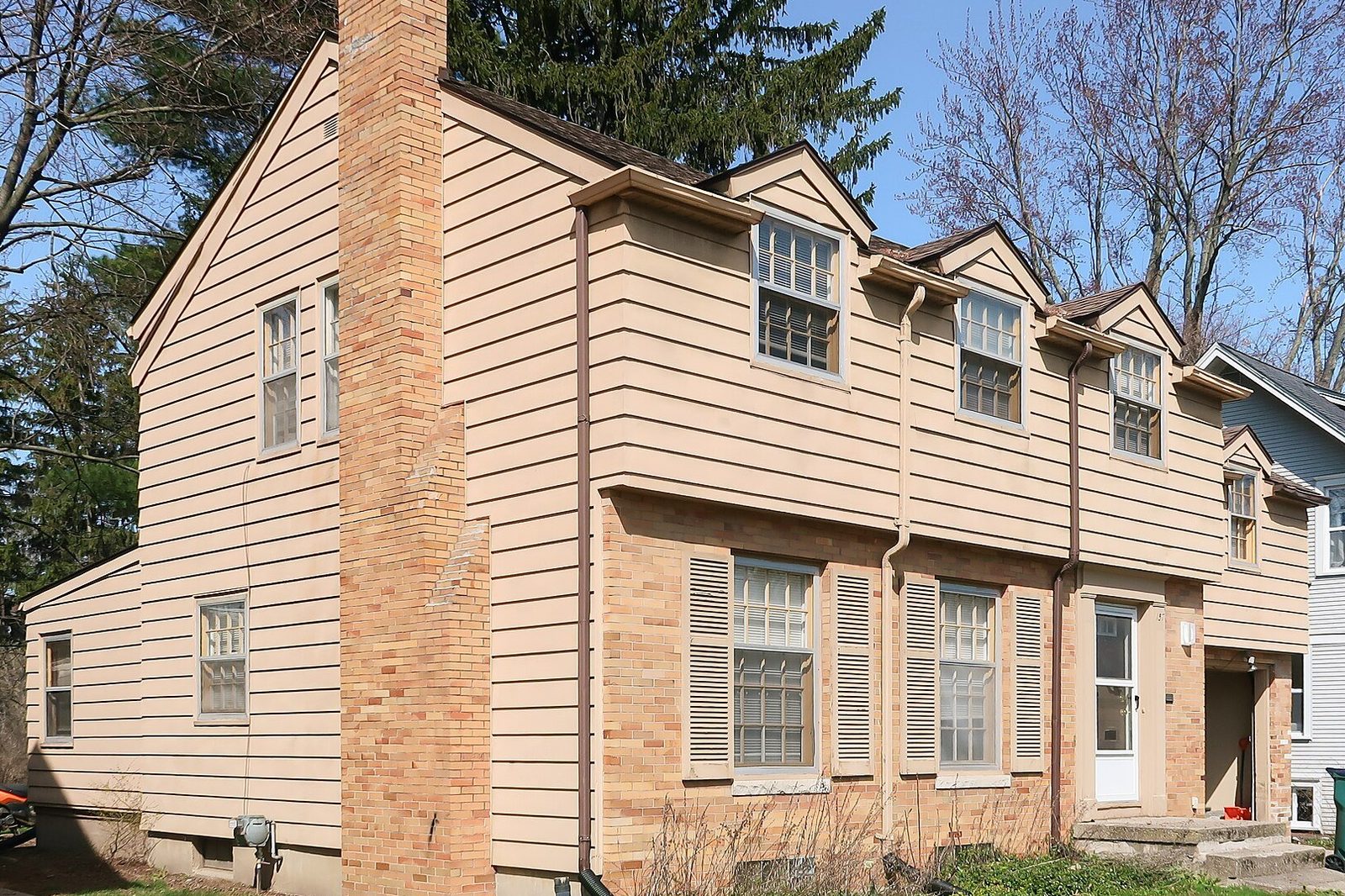
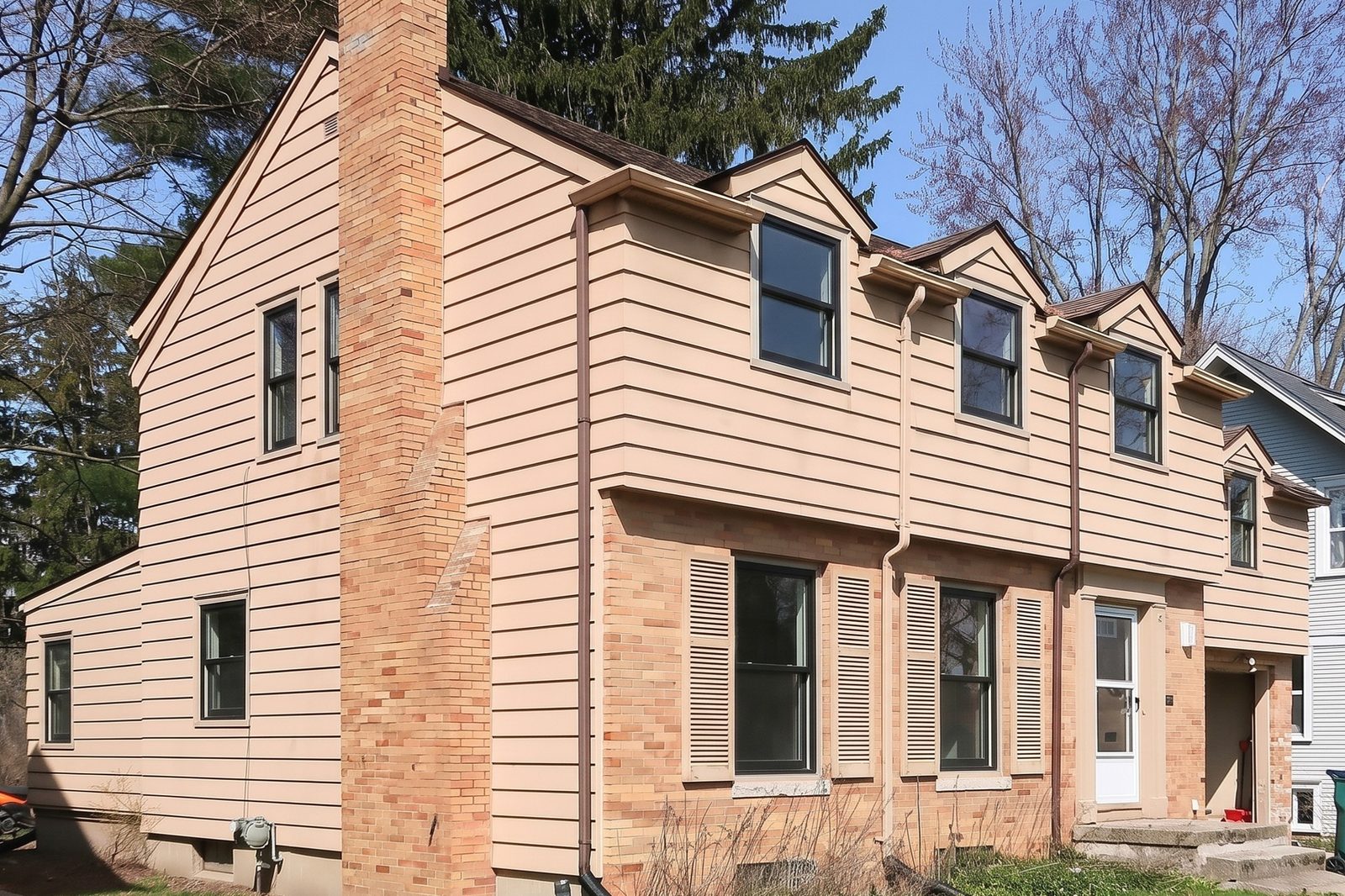
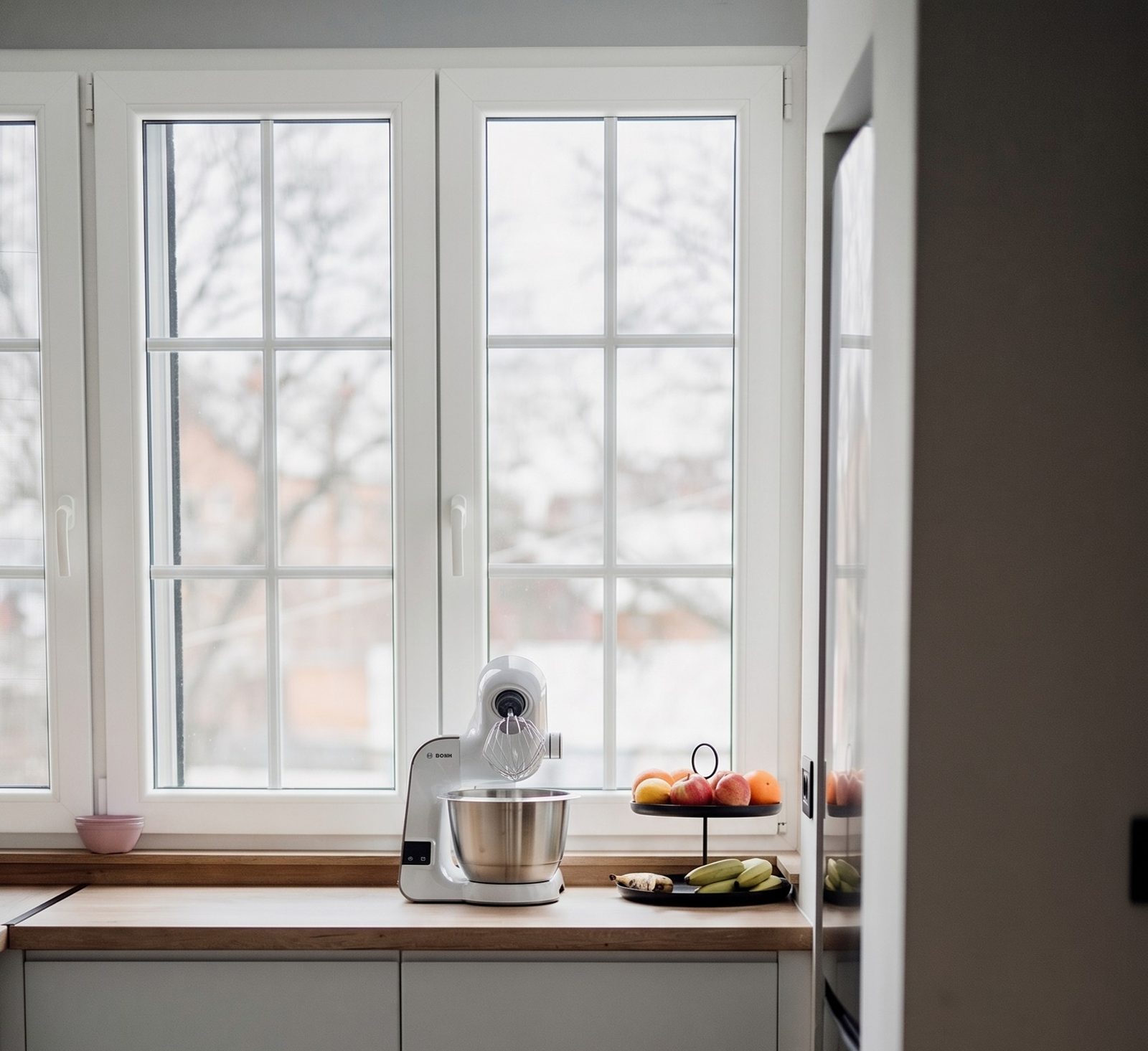
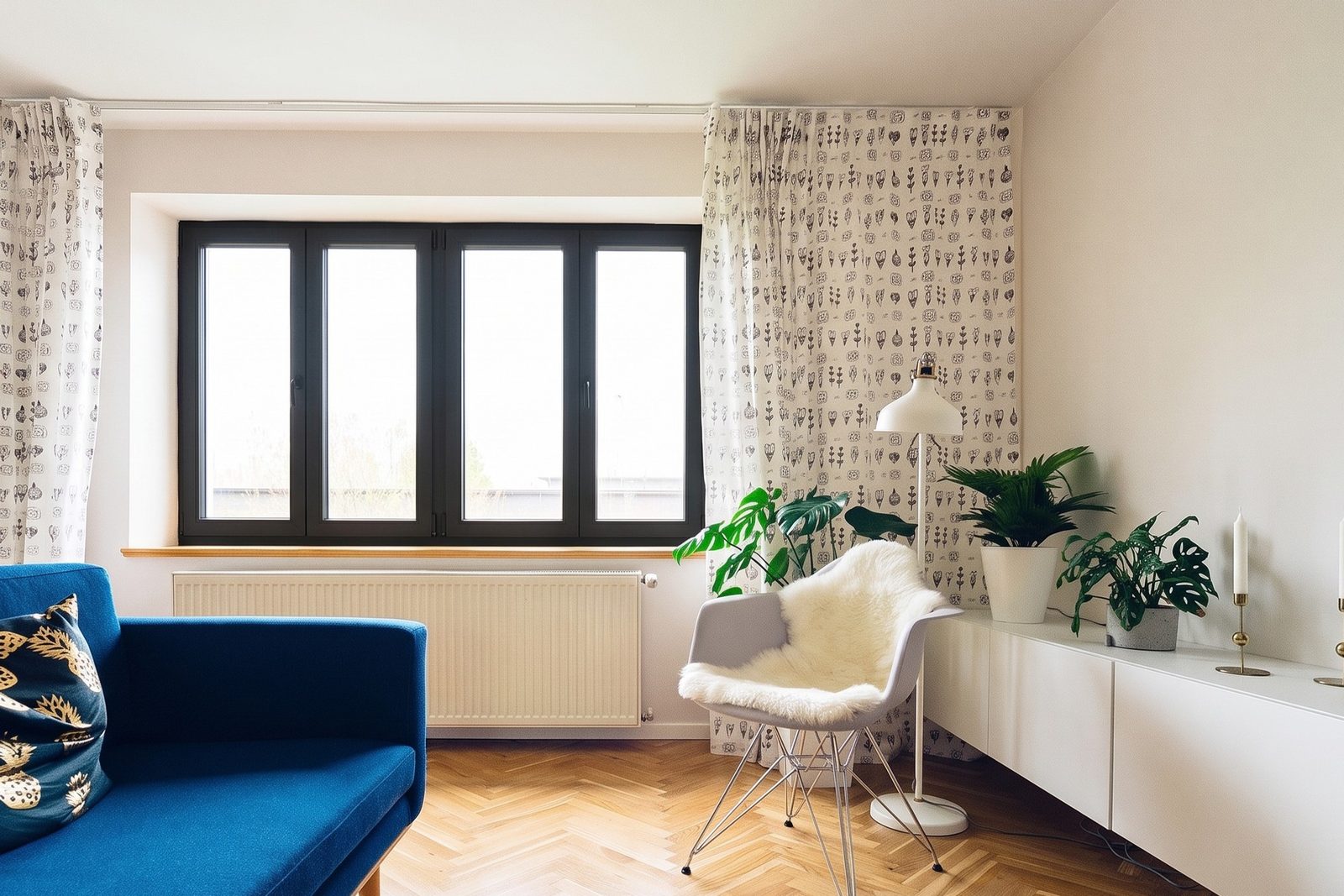
Ask for one photo of the front in daylight, or of the room they mentioned. Pick the frame material, color and grilles they asked about, and send back their own house with the new windows. Each render takes 30 seconds, so it fits inside the same conversation. Each window keeps the style it has now, so it's a preview of the look, not a design for the whole job.
It proves a real person read their request, it gives the other decision maker something to look at tonight, and it gives both of them a reason to be home when the rep brings the price. Photo tips are in how to photograph a house for a window quote.
Don't use it to dodge the price question, and don't present it as the finished job. The exact price still comes after someone measures.
How do you measure your own speed to lead by lead source?
Don't trust the feeling that you're fast. Pull the timestamps. Most CRMs record when a lead arrives and when the first call is logged; if yours doesn't, a shared spreadsheet works for a month. Log the fields in the table below for every lead, then read the log three ways:
- Use the median, not the average. One Friday-night lead found on Monday drags the average up and hides the pattern.
- Look at the share of leads reached within five minutes, by source and by hour of the day. The gaps are usually lunch, the end of the day and weekends.
- Put speed next to set and sit rates by source. If a seller's leads are slow to reach and rarely sit, the price per lead understates what they cost. Sources and costs are in window replacement leads, and the numbers to track beyond speed are in window sales metrics.
What to log for every new lead
Lead source
- Why it matters
- Your own site, search ads, a lead seller, a home show, a referral. Speed and results differ by source.
Time in
- Why it matters
- When the form or call arrived, to the minute.
First attempt
- Why it matters
- When someone first called or texted by hand.
First conversation
- Why it matters
- When a person actually talked to them. This is your real speed to lead.
Set and sat
- Why it matters
- Whether it became an appointment, and whether the appointment happened.
Who handled it
- Why it matters
- So you coach the person, not blame the source.
| Field | Why it matters |
|---|---|
| Lead source | Your own site, search ads, a lead seller, a home show, a referral. Speed and results differ by source. |
| Time in | When the form or call arrived, to the minute. |
| First attempt | When someone first called or texted by hand. |
| First conversation | When a person actually talked to them. This is your real speed to lead. |
| Set and sat | Whether it became an appointment, and whether the appointment happened. |
| Who handled it | So you coach the person, not blame the source. |
What are the rules for auto-texting and calling new leads?
This is general information, not legal advice. FCC rules ban texts to a mobile phone sent with an autodialer unless the owner consented first, require written consent for autodialed marketing texts, and let people take back consent in any reasonable way, such as replying STOP5. Before you switch on automatic texts, put a clear consent line on your form, honor every opt-out, and have your lawyer review the setup. Your state may have its own rules.
Timing has rules too. The FCC's rule bars telephone solicitations before 8 a.m. or after 9 p.m., local time where the person is6. The FTC says that, without the person's prior consent, telemarketing calls to a home outside those hours break the Telemarketing Sales Rule7. Some states are stricter, so treat texts as covered and go by the homeowner's time zone. A lead that arrives at 10 p.m. gets a call the next morning; whether your automatic reply can go out that late is a question for your lawyer.
Where the render fits in the first five minutes
In the first conversation, before the visit is booked. Ask for a photo on the call or in the first text, render the look they mentioned, and send it back while they're still on the thread. Then book the visit around it: "[Rep] will bring this and the exact price on Thursday."
After that it keeps working. The homeowner shows it to whoever else decides, the setter mentions it on the confirmation call, and the rep walks in with a house the family has already seen. How to protect that visit is in window appointment setting.