What are discovery questions in window sales?
Discovery is the part of the visit where you learn why they called. Some companies call it the needs assessment. It starts after you've set the agenda and before you walk the house, and it keeps going during the walk, because the best answers come out when the homeowner is standing next to the sash that sticks.
The goal isn't to fill in a form. It's to hear the reason for the call in the homeowner's own words, so the presentation answers that reason and the price lands on something they already said they wanted. Skip discovery and you end up presenting the brochure, and the brochure doesn't know the back bedroom is freezing.
Most of the job is listening. Rilla, which records in-home sales visits for its customers, says its top performers talk less than the team average1, and its CEO says top reps talk for roughly 45 to 65% of the conversation2. Those are a vendor's numbers from its own customers' recordings, with no published method, so read them as a direction, not a target.
The questions below are grouped by what you need to learn. You won't ask all of them. Pick the ones that fit the house, and let each answer choose the next question. Where discovery sits in the whole visit is in window sales presentation.
What should you ask about comfort and the problems with their windows?
Start with the problem, because the problem is what they'll pay to fix. Ask about rooms and moments, not specs: people remember the cold couch, not the glass package.
Follow each answer one step further. "How long has it been like that?" and "What have you tried?" tell you how much it bothers them. Then ask them to show you: walk to the worst window first and let them open it. A draft they feel with their own hand does more than any spec sheet.
Comfort and problem questions
Which room are you least comfortable in, summer or winter?
- Why you ask it
- Points you to the windows that matter most to them.
- Listen for
- A room they avoid, or a space heater they run.
What's that window like on a cold, windy night?
- Why you ask it
- Gets a story instead of a yes or no.
- Listen for
- Drafts, frost on the glass, a towel on the sill.
Are there any you can't open, or just don't bother to?
- Why you ask it
- Painted-shut and broken sashes are a safety and fresh-air problem, not just an annoyance.
- Listen for
- A bedroom window that won't open, a sash that drops.
Do any of them fog up between the panes?
- Why you ask it
- A failed seal is something they can see for themselves.
- Listen for
- Which ones, and how long it's been.
Does the sun overheat any room or fade the floors?
- Why you ask it
- Opens the glass conversation without a lecture.
- Listen for
- West-facing rooms, faded furniture, blinds always down.
Is street noise a problem anywhere?
- Why you ask it
- Some buyers care more about quiet than heat.
- Listen for
- Bedrooms on the street side, a busy road.
| Ask | Why you ask it | Listen for |
|---|---|---|
| Which room are you least comfortable in, summer or winter? | Points you to the windows that matter most to them. | A room they avoid, or a space heater they run. |
| What's that window like on a cold, windy night? | Gets a story instead of a yes or no. | Drafts, frost on the glass, a towel on the sill. |
| Are there any you can't open, or just don't bother to? | Painted-shut and broken sashes are a safety and fresh-air problem, not just an annoyance. | A bedroom window that won't open, a sash that drops. |
| Do any of them fog up between the panes? | A failed seal is something they can see for themselves. | Which ones, and how long it's been. |
| Does the sun overheat any room or fade the floors? | Opens the glass conversation without a lecture. | West-facing rooms, faded furniture, blinds always down. |
| Is street noise a problem anywhere? | Some buyers care more about quiet than heat. | Bedrooms on the street side, a busy road. |
What should you ask about how they want the windows to look?
Most homeowners arrive at the appointment with a picture in their head, from a neighbor's house or a phone full of saved photos. Find out what it is before you open the sample case.
- What have you seen on other houses that you liked? Can you show me?
- Do you want the windows to blend in with the trim, or stand out against it?
- Do you like the grids you have now, or would you rather see clear glass?
- Inside, should the frames match your trim, or stay white?
- Which view matters more to you: the house from the street, or the windows from the kitchen and living room?
- Is there an HOA or a historic district that gets a say in what the outside looks like?
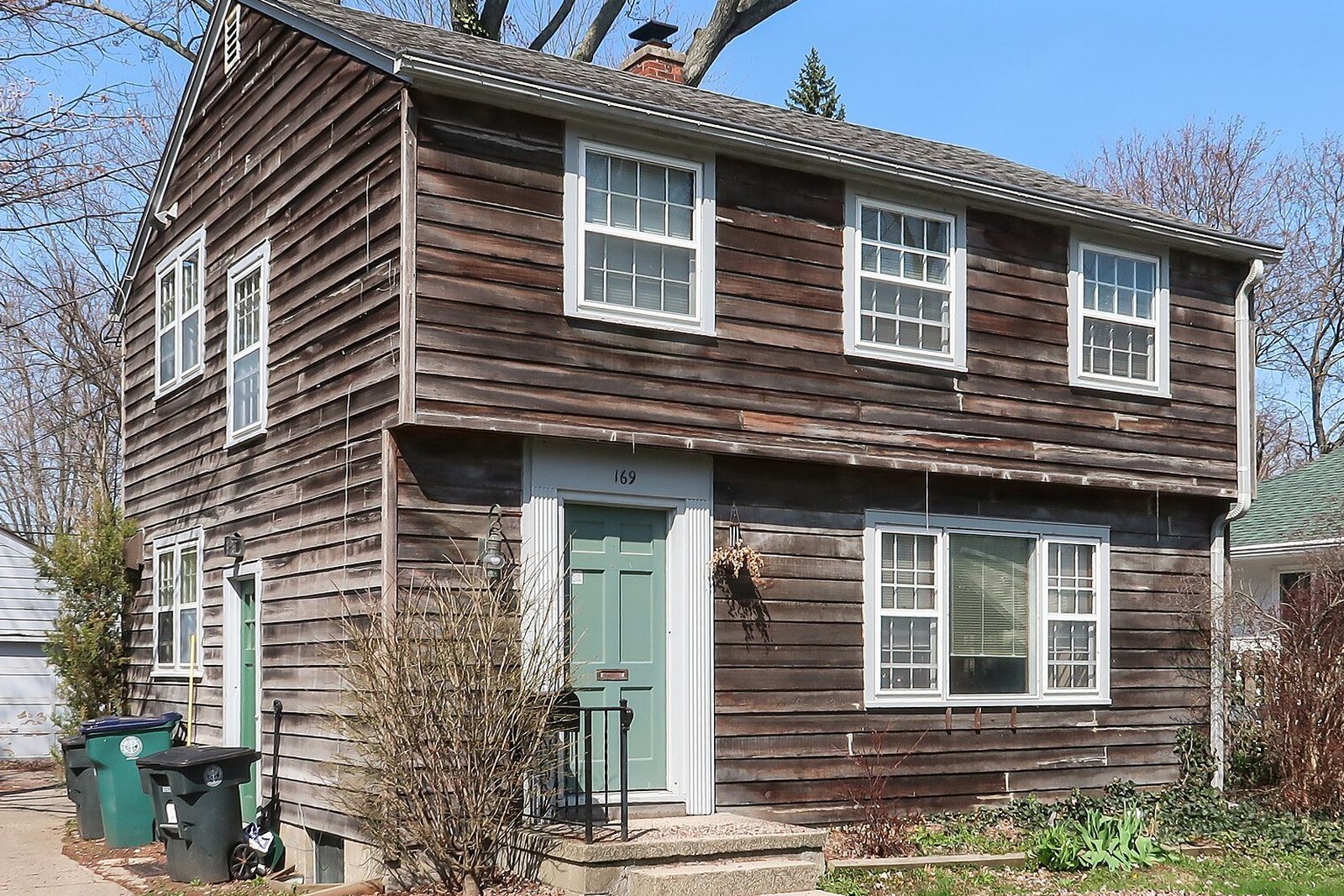
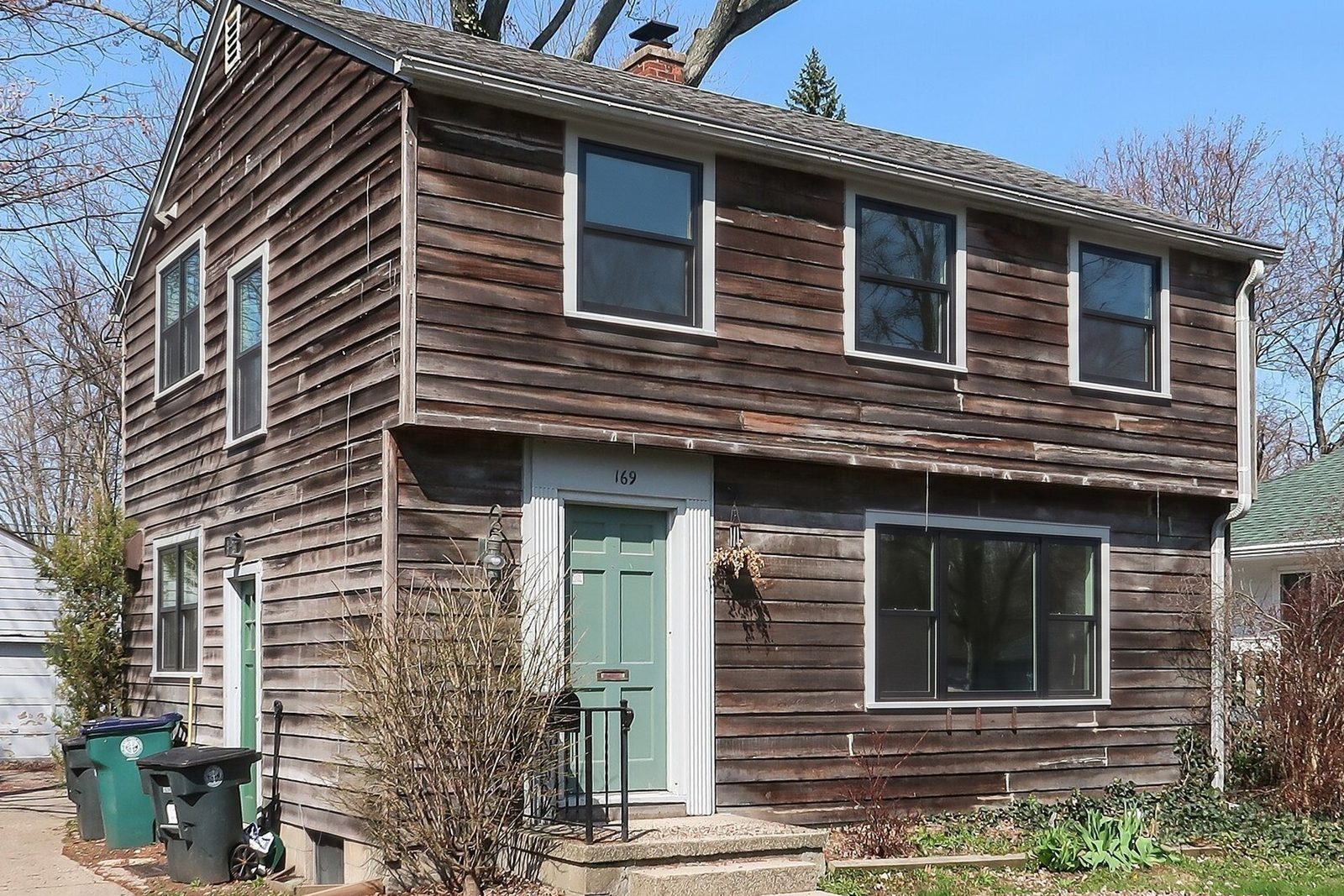
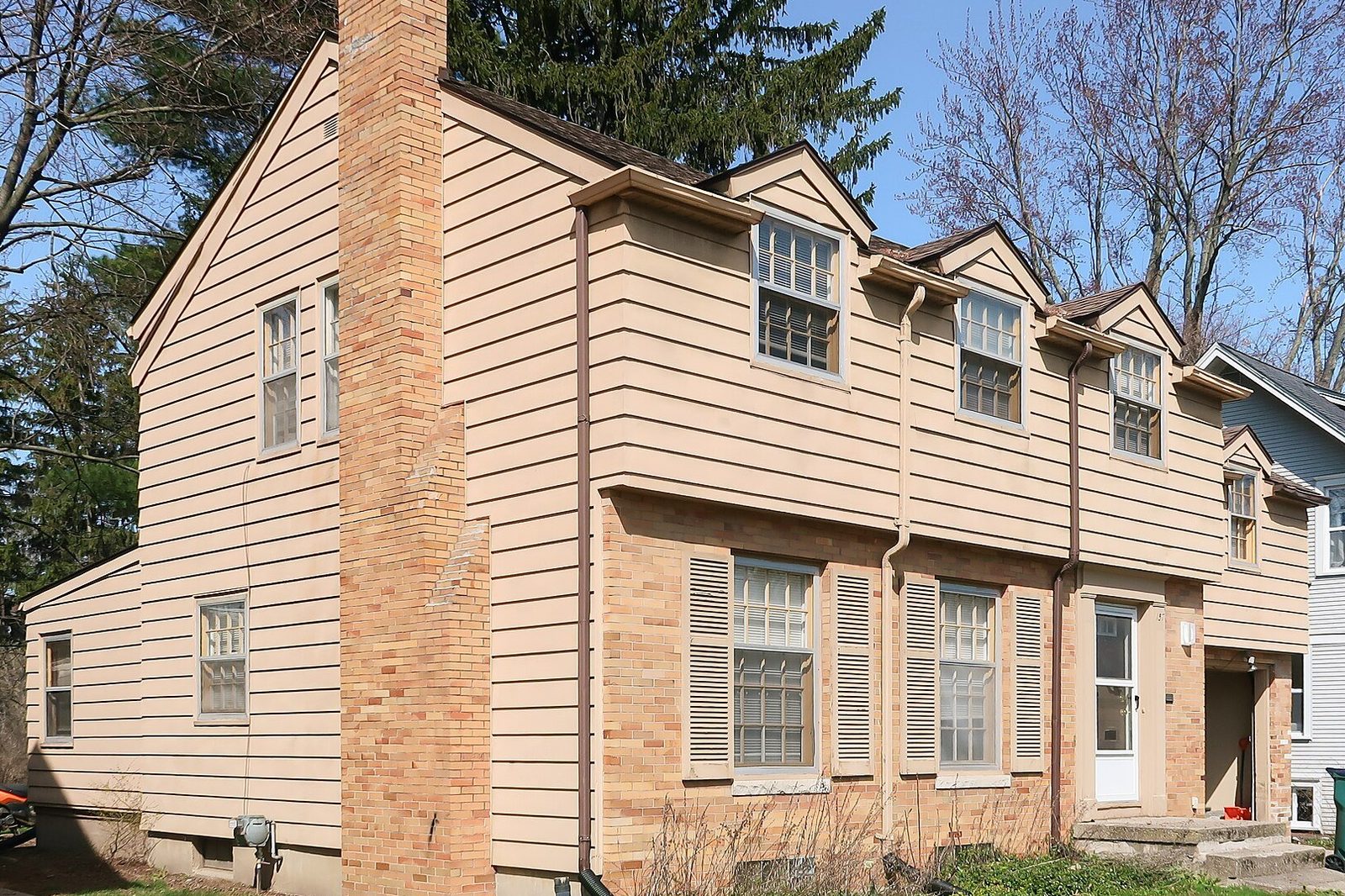
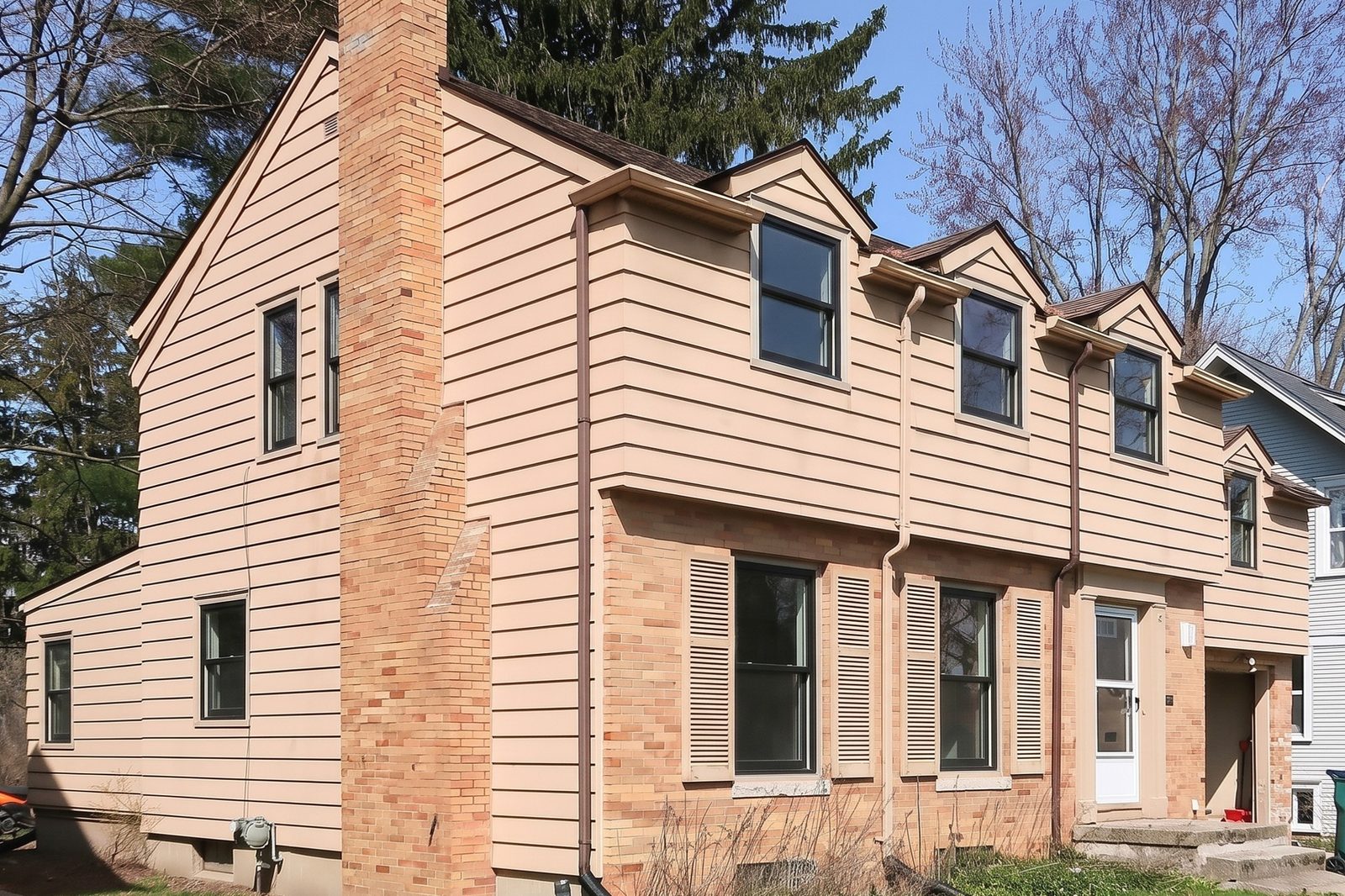
One house, the two looks homeowners ask about most
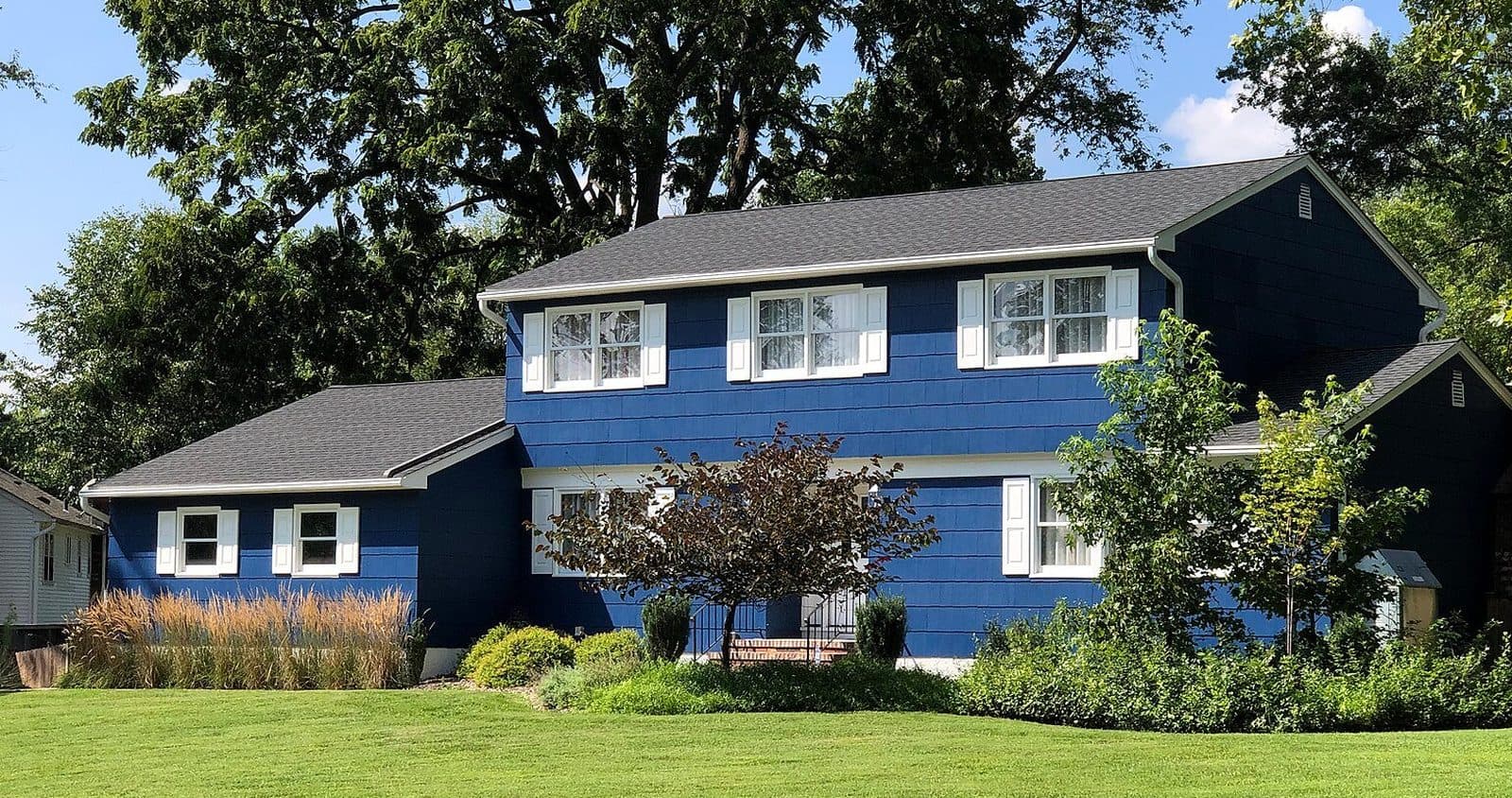 Photo
Today
The real photo
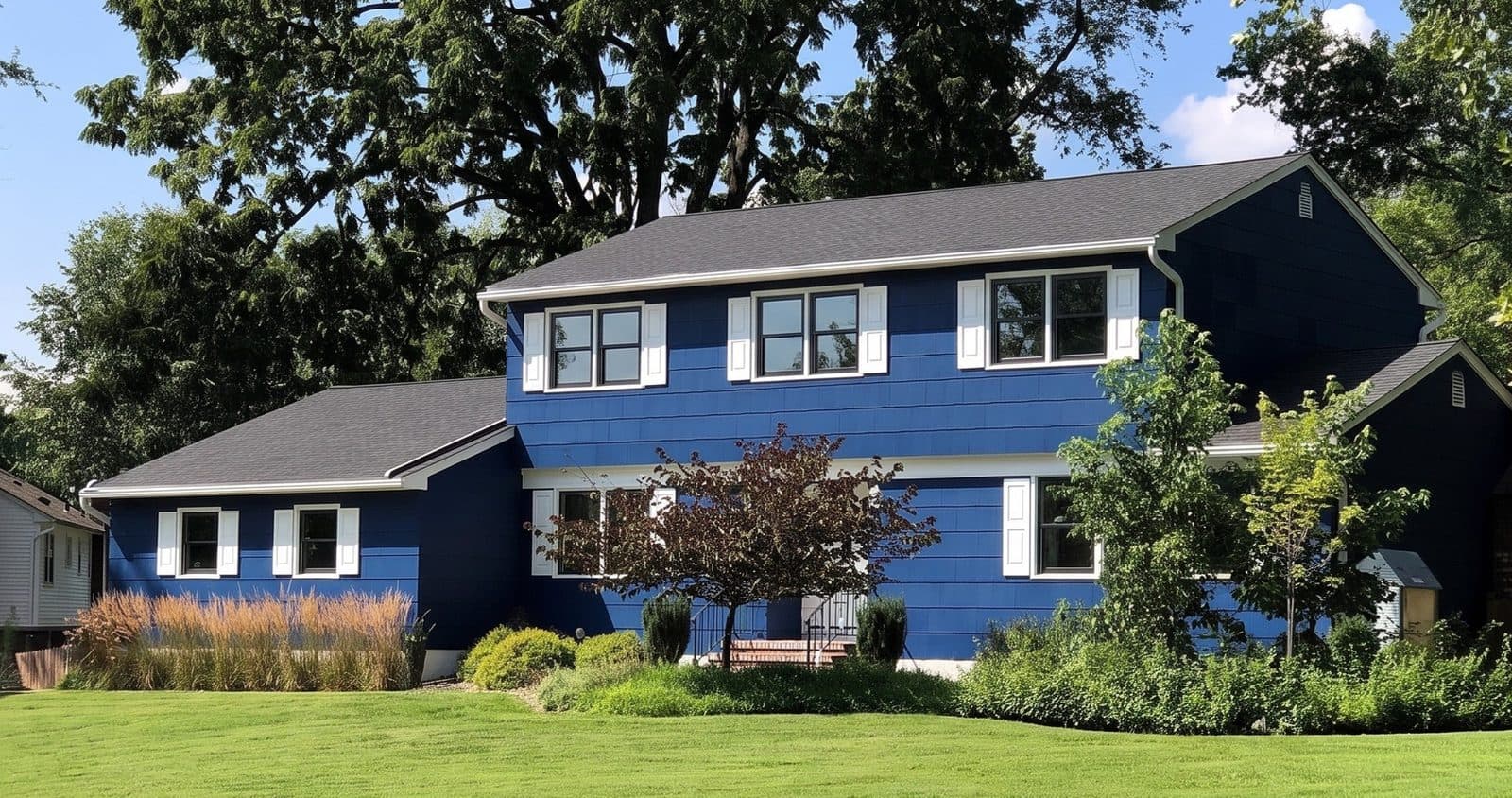 Render
Black fiberglass, no grilles
Try this look on your photo
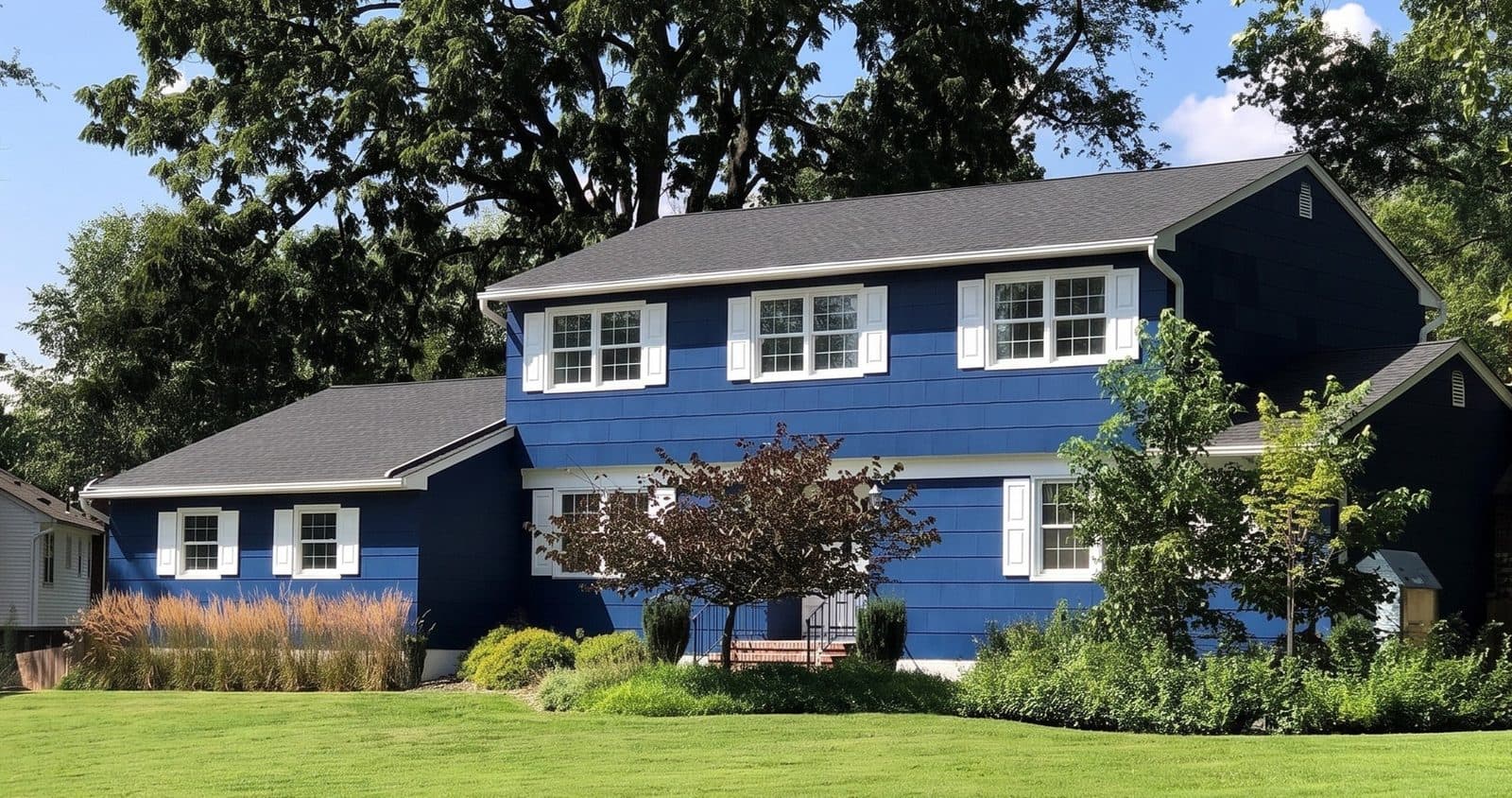 Render
White vinyl, colonial grilles
Try this look on your photo
How do you answer the color and grille questions on the spot?
Know the trends, but sell to the house. In the 2026 Houzz Outdoor Trends Study, 39% of homeowners redoing their exteriors chose black trim3, and Pella says white and black are the most popular window colors it sees on colonial homes4. Neither tells you which one will look right on the house in front of you.
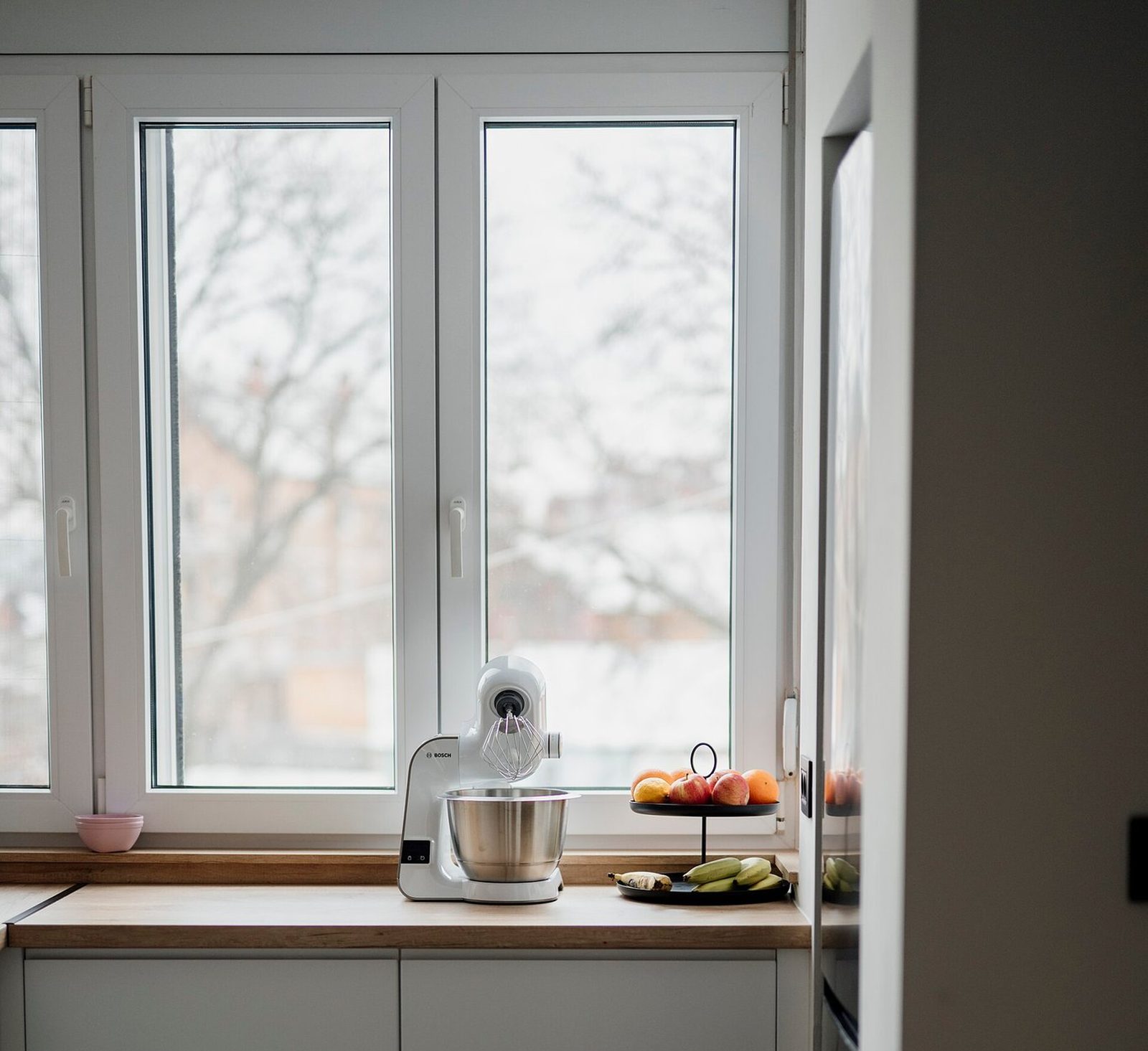
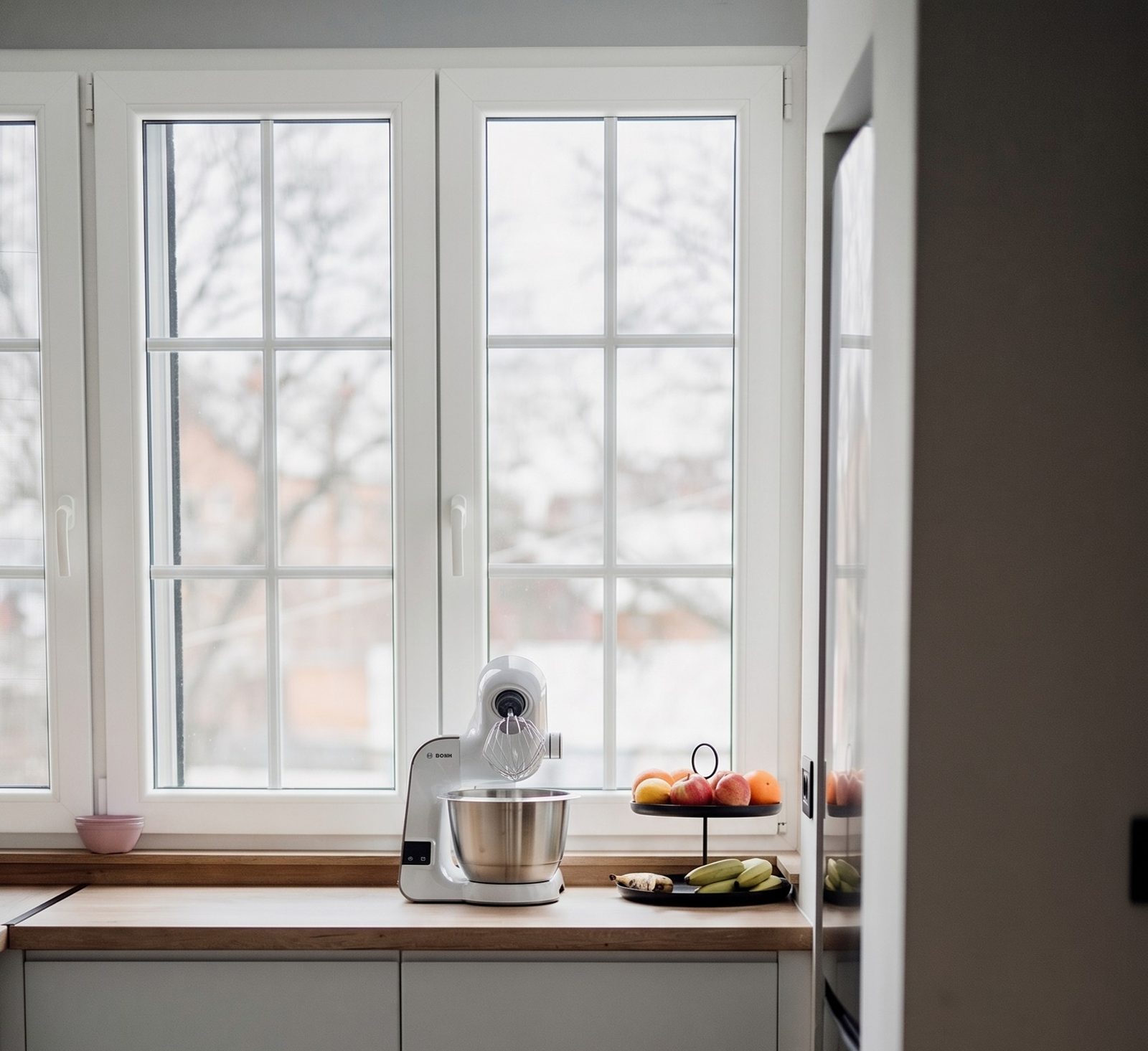
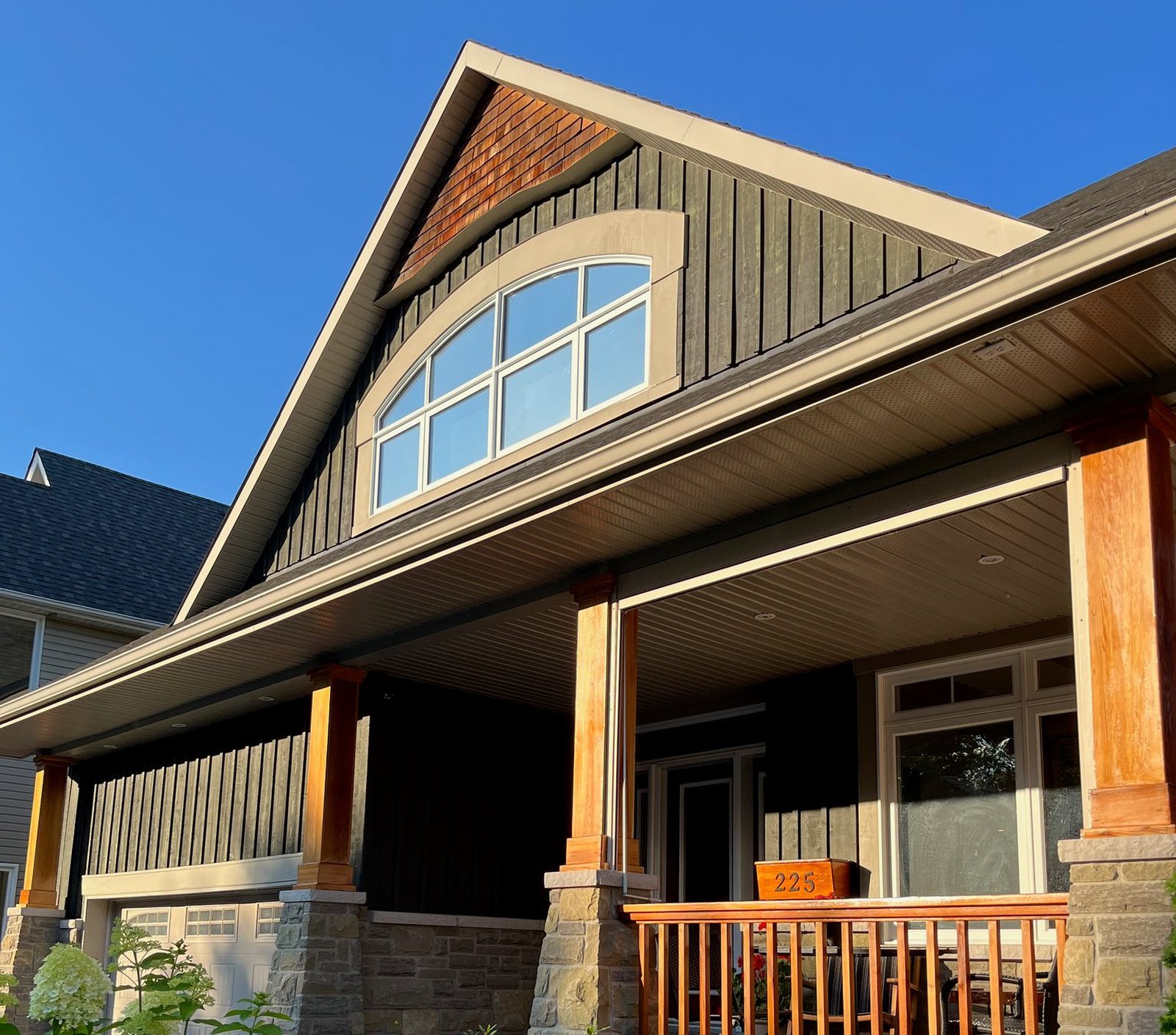
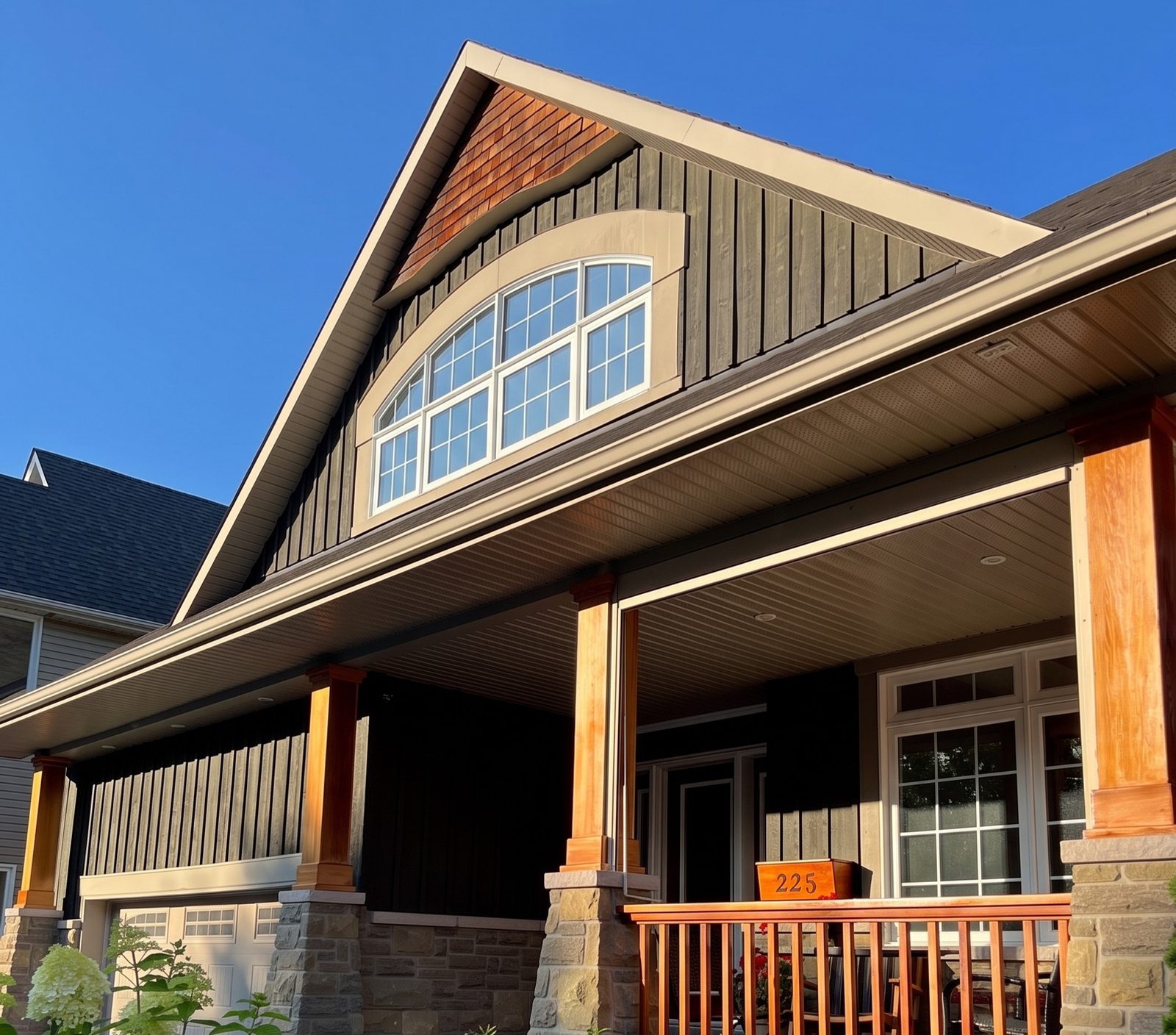
This is the one part of discovery you can settle before you leave the room. When they say "black, I think, but I'm not sure," don't write it down and move on. Take one photo, render the look they named, then render the other one from the same photo, the way the strip above shows one blue colonial both ways. Each render takes 30 seconds, and they're comparing their own house in two looks instead of imagining one.
Be clear about what you're showing. The render changes the frame material, color and grilles; each window keeps the style it has now. If they ask about switching to casements or sliders, answer with samples and the brochure, and keep the render for the look.
Turning a color question into a choice
You said black, but you weren't sure. Rather than have you guess, let me show you both.
This is the front of your house, from the photo I just took. Slide across and you'll see it with black frames and no grids.
Now the same photo in white, with the colonial grids you have today. Which one looks like your house?
Whichever one they pick is the option you price first. If they name a maker's color, render the close match from the picker, then confirm the final color with the real sample before you order.
How do you ask about budget without scaring them off?
Ask early, plainly, and as a choice rather than a demand for a number. JLC says money is usually the homeowner's biggest objection and suggests finding out what they plan to spend before you present5. A rep who waits until after the price has to guess, and guesses wrong in both directions.
Most people won't name a figure if you ask cold. They will pick a lane, and they'll tell you how they plan to pay if you explain why you're asking.
Whatever they say is useful. If they mention monthly payments, come back to it at the price; how to present financing, and the rules that come with it, is in offering financing for window replacement. If their lane is below the job you'd quote, you now know before the price instead of after, and window price objection covers what to do next. Here's one way to ask.
The budget question
Can I ask about budget? Not so I can spend all of it. I want to show you options that make sense for you, not the most expensive thing in the book.
Window prices swing a lot with the size, the frame material and how the old ones come out. Are you leaning toward the most affordable way to fix the problem, something in the middle, or mostly the best you can get?
And would you pay for this from savings, or would a monthly payment be easier?
Ask once, then move on. If they won't answer, show the middle option first and watch their face.
What should you ask about timing and who decides?
Timing questions tell you how urgent the job is and what the decision is really about. Decision-maker questions tell you whether a yes tonight is even possible. The table below has the questions and what each answer should change in your presentation; three of them need more care.
Ask how long they plan to stay, and use the answer honestly. If they're selling soon, don't pitch windows as an investment that pays for itself: the 2025 Cost vs. Value report puts vinyl window replacement at 75.5% of its cost recouped at resale, nationally6. Talk about the look and the listing photos instead.
Ask whether they've had other companies out, and when they say yes, say "good." The FTC tells homeowners to get several written estimates7, so a buyer who shops around is doing what they've been told. How to handle it is in when the homeowner wants other quotes.
Ask "Who else will help you decide?" rather than "Are you the homeowner?", which sounds like a test. The best time to learn the answer is before the visit: a JLC article on lead sheets says to record the other decision maker's name, their relationship to the caller and whether they'll be at the first meeting8. If one of them isn't home anyway, see one-legged window appointments.
Timing and decision questions, and what the answer changes
What made you start looking now?
- If they say
- A broken sash, a high bill, a sale coming up.
- What it changes
- That's the reason you open the presentation with.
How long do you plan to stay in the house?
- If they say
- A couple of years.
- What it changes
- Talk about the look and the listing, not payback.
When would you want the work done?
- If they say
- Before winter, before a family event, before a baby.
- What it changes
- A real date to plan the install around.
Have you had other companies out?
- If they say
- Yes, two.
- What it changes
- Ask what they liked and didn't. Make your quote easy to compare.
All the windows, or the worst ones first?
- If they say
- Just the front for now.
- What it changes
- Price the phase they asked for, and the rest as an option.
Who else will help you decide on this?
- If they say
- My husband, and my dad looks at contracts.
- What it changes
- Get both at the price, and send the render to the dad.
| Ask | If they say | What it changes |
|---|---|---|
| What made you start looking now? | A broken sash, a high bill, a sale coming up. | That's the reason you open the presentation with. |
| How long do you plan to stay in the house? | A couple of years. | Talk about the look and the listing, not payback. |
| When would you want the work done? | Before winter, before a family event, before a baby. | A real date to plan the install around. |
| Have you had other companies out? | Yes, two. | Ask what they liked and didn't. Make your quote easy to compare. |
| All the windows, or the worst ones first? | Just the front for now. | Price the phase they asked for, and the rest as an option. |
| Who else will help you decide on this? | My husband, and my dad looks at contracts. | Get both at the price, and send the render to the dad. |
How do you wrap up discovery before you present?
Read back what you heard before you show anything. It proves you listened, it catches anything you got wrong, and it gets them agreeing with their own reasons before you talk about your product. Use their words, cover all five parts in one breath, and end with a question.
If they correct you, good: fix it now, not after the price. If a new problem comes up, walk back to that window before you sit down to present. And if you can't fill in one of the five parts, that's the question to ask next.
Reading back what you heard
Before I show you anything, let me make sure I heard you right.
The back bedroom is the cold one, and the kitchen window won't stay up. You like black outside, but the inside should stay white to match the trim. You'd like something in the middle on price, maybe with a monthly payment. You want it done before the holidays, and [name] wants to see the numbers too.
Did I miss anything, or get anything wrong?
An example: swap in what they actually said, in their words. Then open the presentation with the first thing on the list.
What discovery mistakes cost window sales?
- Interrogating. Ten questions in a row feels like a form at the doctor's office. Ask one, follow the answer, then ask the next.
- Asking and then pitching anyway. If they said the back bedroom is the problem, start the walk-through in the back bedroom.
- Leading questions. "You'd want the best glass, right?" gets a polite yes and tells you nothing.
- Skipping the budget. You'll find out at the price, which is the worst possible time.
- Not writing it down. Put their words on the quote: "the cold bedroom" sells better than "unit 4."
- Arguing about taste. If they love a color you wouldn't pick, render it on their house. Your job is to show it, not to win.
- Filling every pause. When they stop talking, wait. The second answer is often the real one.
Where the render fits in discovery
On the look questions, the moment they come up. When the answer is "black, I think" or "I'm not sure about grids," take one photo of the front in daylight, or of the room they care about, and render the look they named. Then render the alternative from the same photo and hand them the phone.
It turns a maybe into a choice while you're still asking questions, and the look they pick becomes the first option you price. Then text it to the decision maker who wasn't home, so both of them are answering the same question about the same picture.