What does closing a window sale actually involve?
The close isn't one clever line at the end of the night. It's five small moves spread across the visit, and the signature only comes easily when the first four went well. Most sits still end without one, even in a trade that closes better than most: Siro's benchmarks, drawn from its customers' recorded appointments, put the average close rate for windows and doors at 29.1%, the highest of the trades it tracks2. Closing better mostly means fewer surprises at the table.
The five moves of a window close
Trial close
- When
- All through the walk-through
- What it sounds like
- "If we fixed the draft in the back bedroom, is that the window you'd want done first?"
- What it tells you
- Whether the problem is real to them, and which windows matter.
Look check
- When
- After measuring, before any number
- What it sounds like
- "Here's your house in black. Here it is in white with grids. Which one is yours?"
- What it tells you
- Whether the look is settled. If not, the price talk turns into a color talk.
Option pick
- When
- With the written price
- What it sounds like
- "Which of these two fits what you had in mind?"
- What it tells you
- Which option to write up, and whether the budget fits.
The ask
- When
- Right after they pick
- What it sounds like
- "Do you want to go ahead with the black, all twelve windows?"
- What it tells you
- Yes, no, or the real objection.
Post-close
- When
- After the signature
- What it sounds like
- "Let me walk you through what happens next, including your right to cancel."
- What it tells you
- Whether the deal will still be there next week.
| Move | When | What it sounds like | What it tells you |
|---|---|---|---|
| Trial close | All through the walk-through | "If we fixed the draft in the back bedroom, is that the window you'd want done first?" | Whether the problem is real to them, and which windows matter. |
| Look check | After measuring, before any number | "Here's your house in black. Here it is in white with grids. Which one is yours?" | Whether the look is settled. If not, the price talk turns into a color talk. |
| Option pick | With the written price | "Which of these two fits what you had in mind?" | Which option to write up, and whether the budget fits. |
| The ask | Right after they pick | "Do you want to go ahead with the black, all twelve windows?" | Yes, no, or the real objection. |
| Post-close | After the signature | "Let me walk you through what happens next, including your right to cancel." | Whether the deal will still be there next week. |
What is a trial close in window sales?
A trial close is a question that asks for a small decision instead of the big one. It takes the temperature without risking the sale. If the answer is yes, you've stacked one more agreement. If it's no or a shrug, you've found an objection early, while you still have time to deal with it.
Ask them where the decision naturally comes up: standing at the drafty window, at the rotted sill, when they compare two looks. A trial close that comes out of nowhere sounds like a trick. One that follows what they just showed you sounds like listening.
Trial closes during the walk-through
At the worst window: "Is this the one that bothers you most? If we only did a few this year, would it be on the list?"
When they mention a neighbor's house: "Is that the look you'd want here, or something closer to what you have now?"
On scope: "Are we talking every window in the house, or the front and the bedrooms first?"
On timing: "If everything made sense tonight, when would you want the install, before the cold or after the holidays?"
One trial close per topic. Stacking five in a row turns a conversation into an interrogation.
Where should the render go in the close?
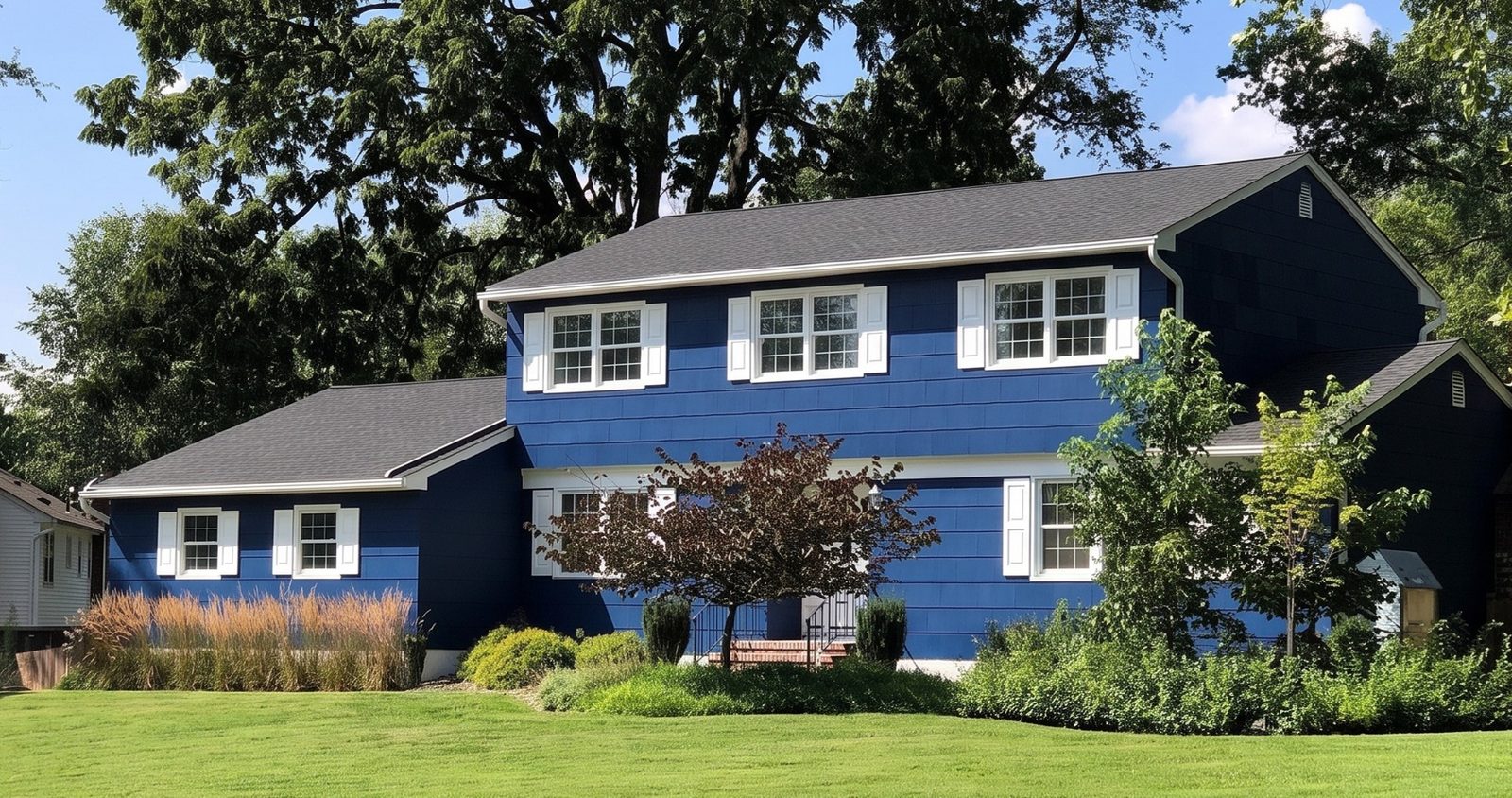
Just before the price. By then you've measured, you know which windows they care about, and you've heard which look they lean toward. Settle the look first, so that when the number comes out, the only question left on the table is money.
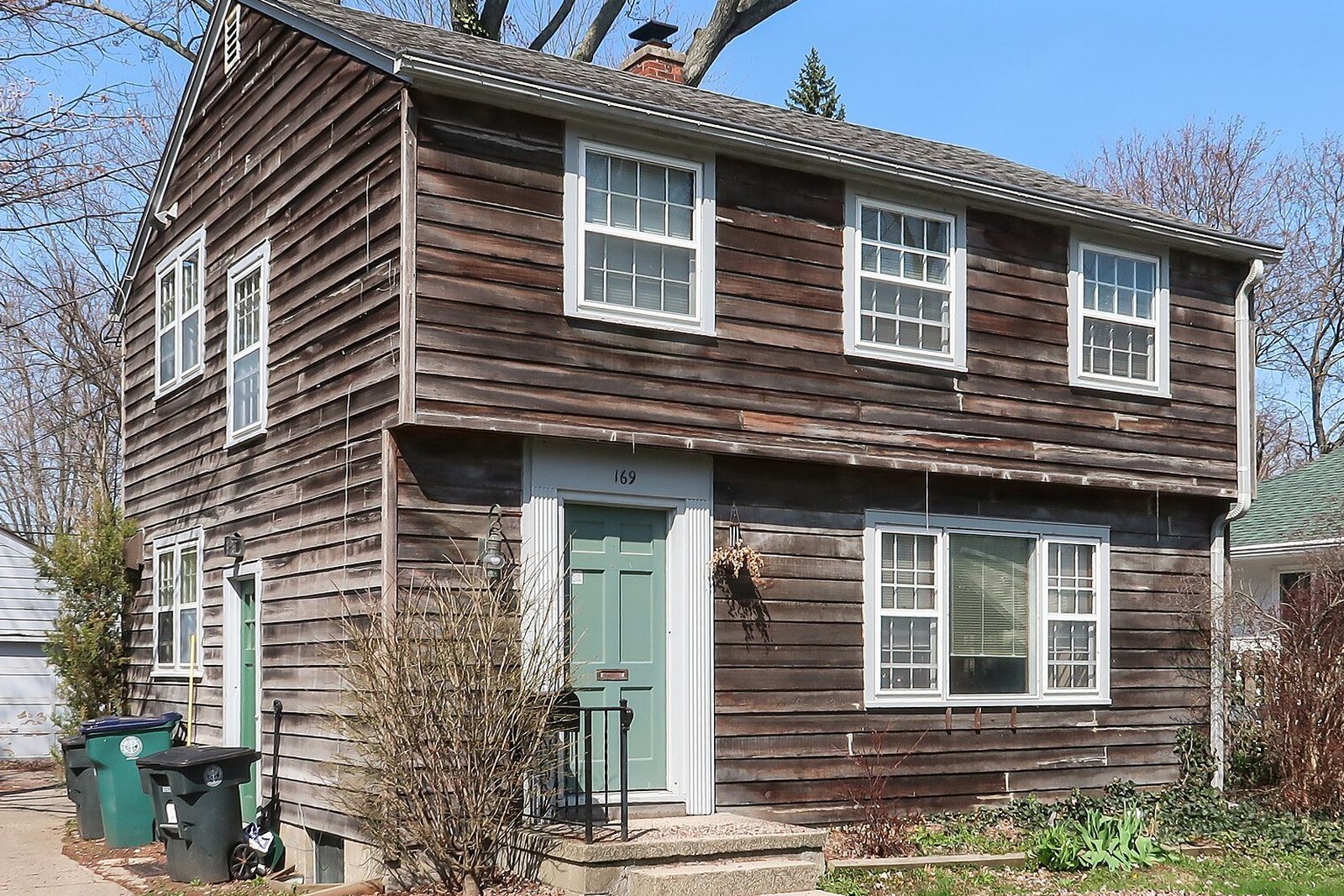
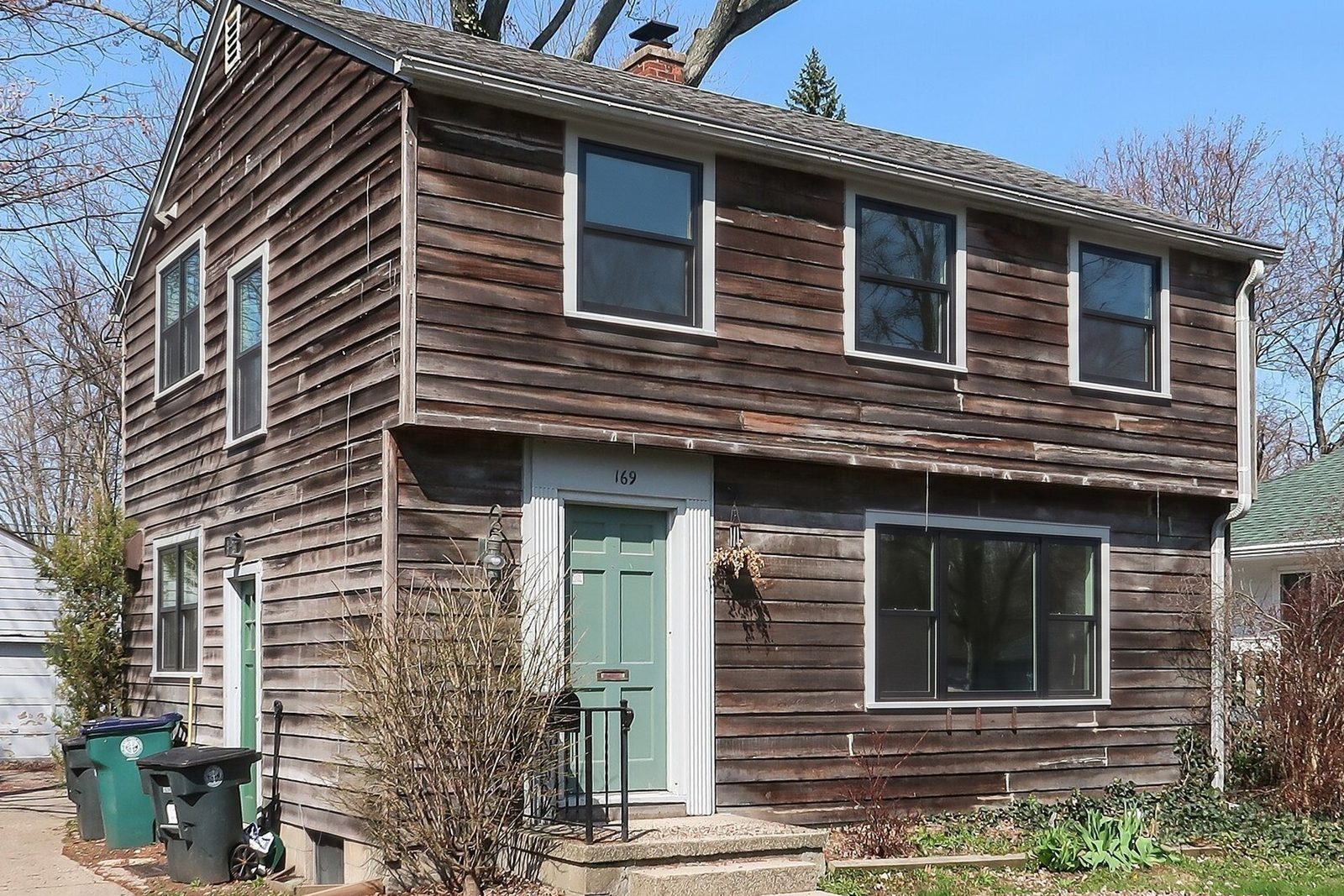
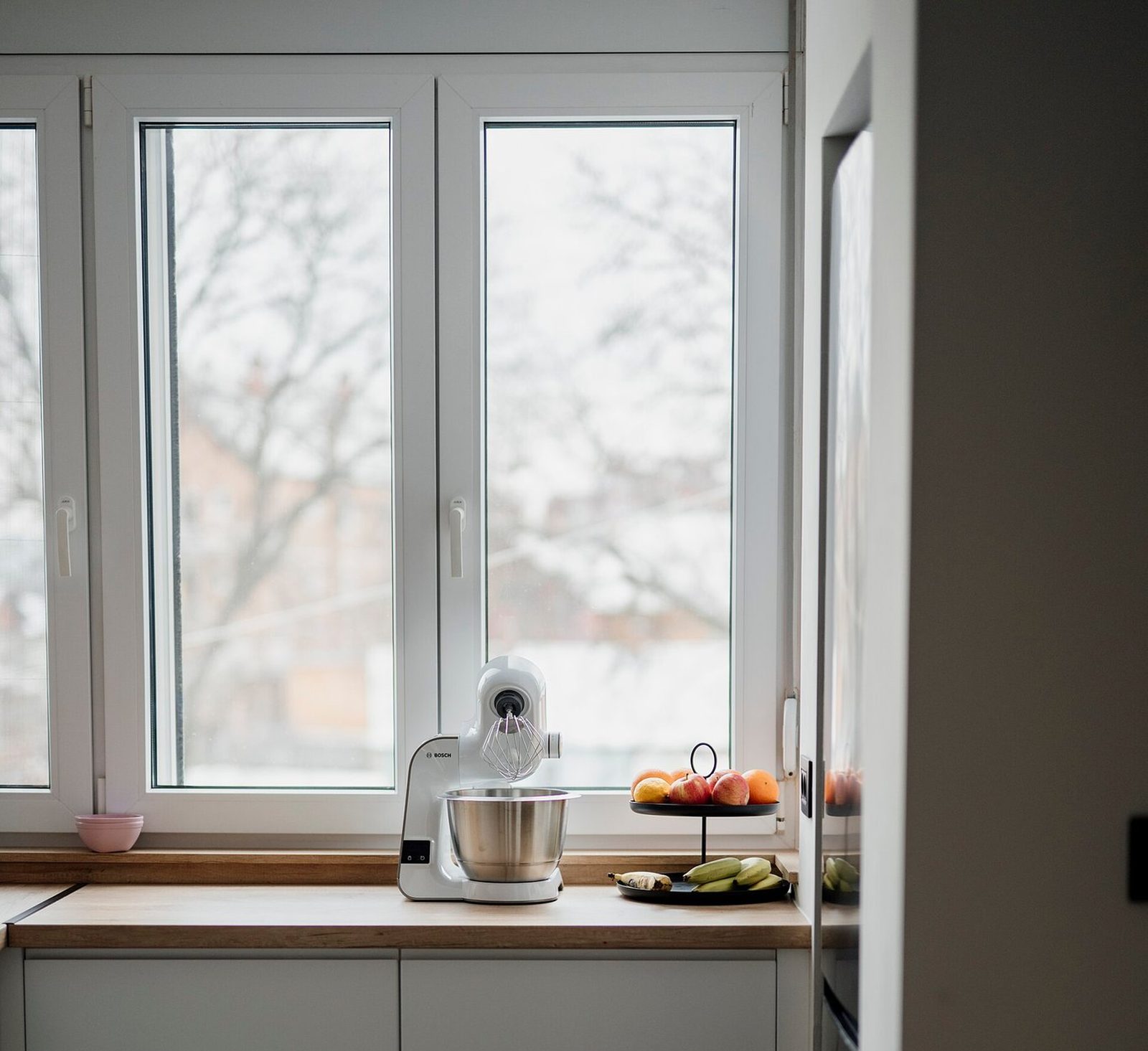
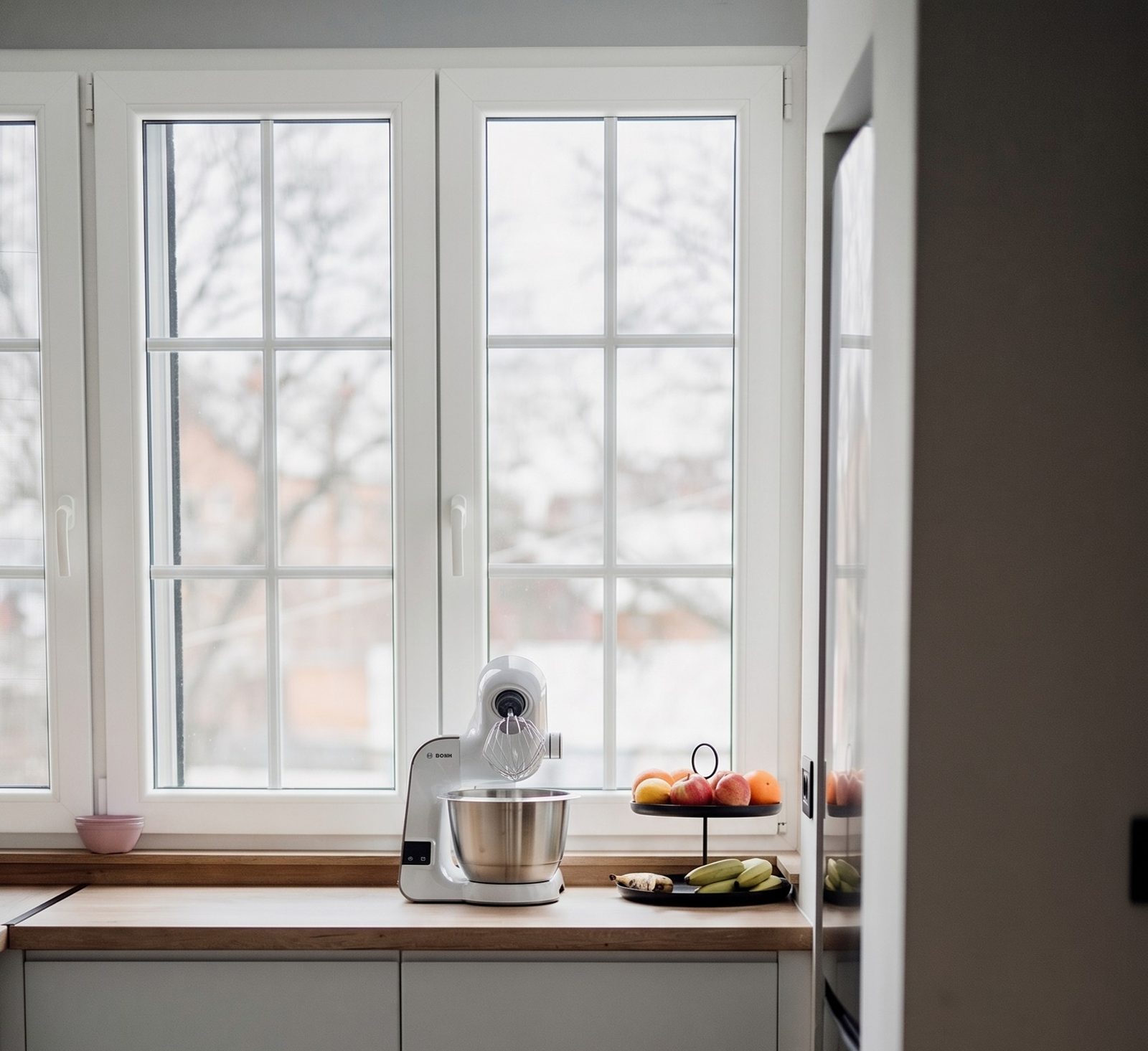
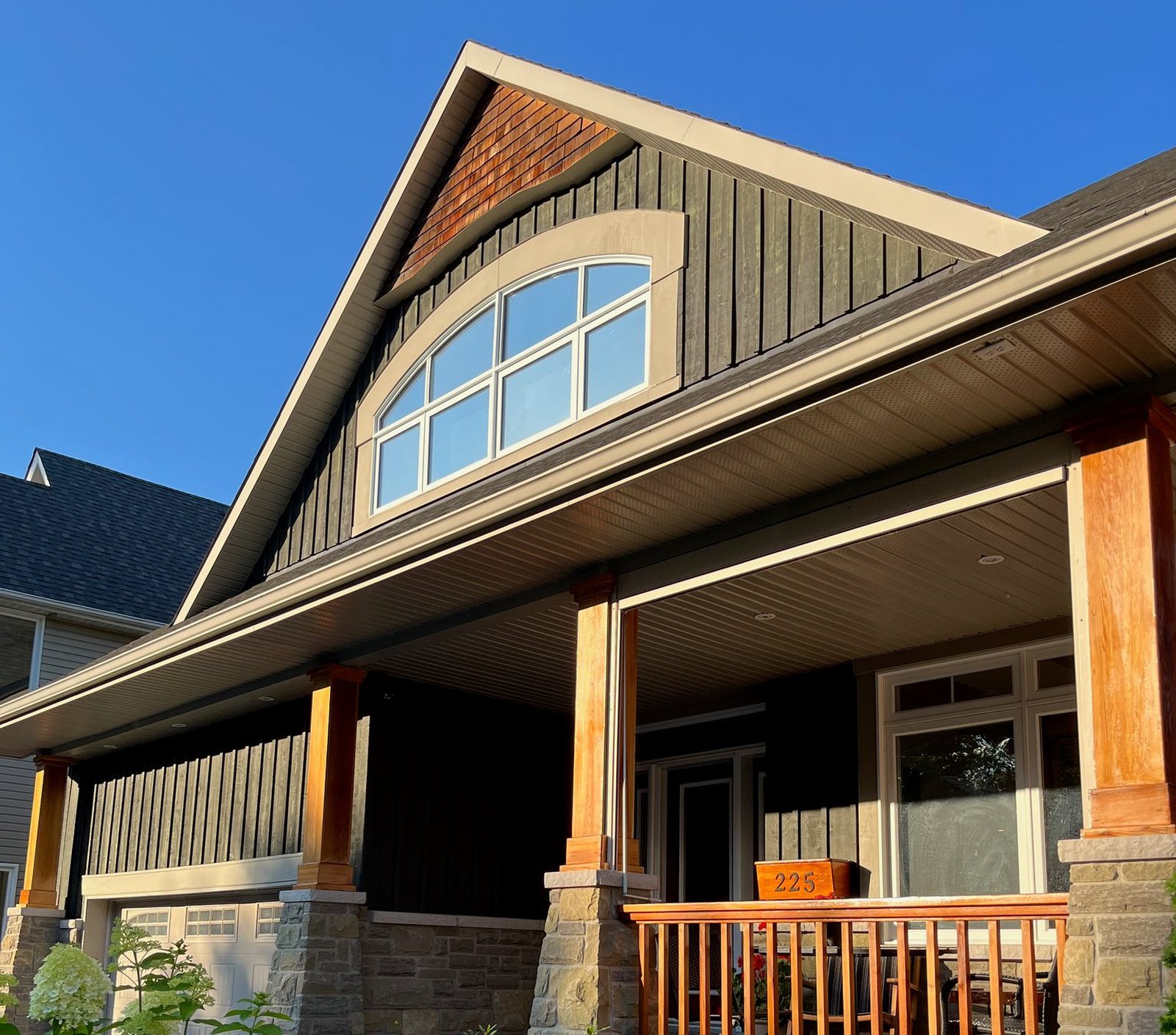
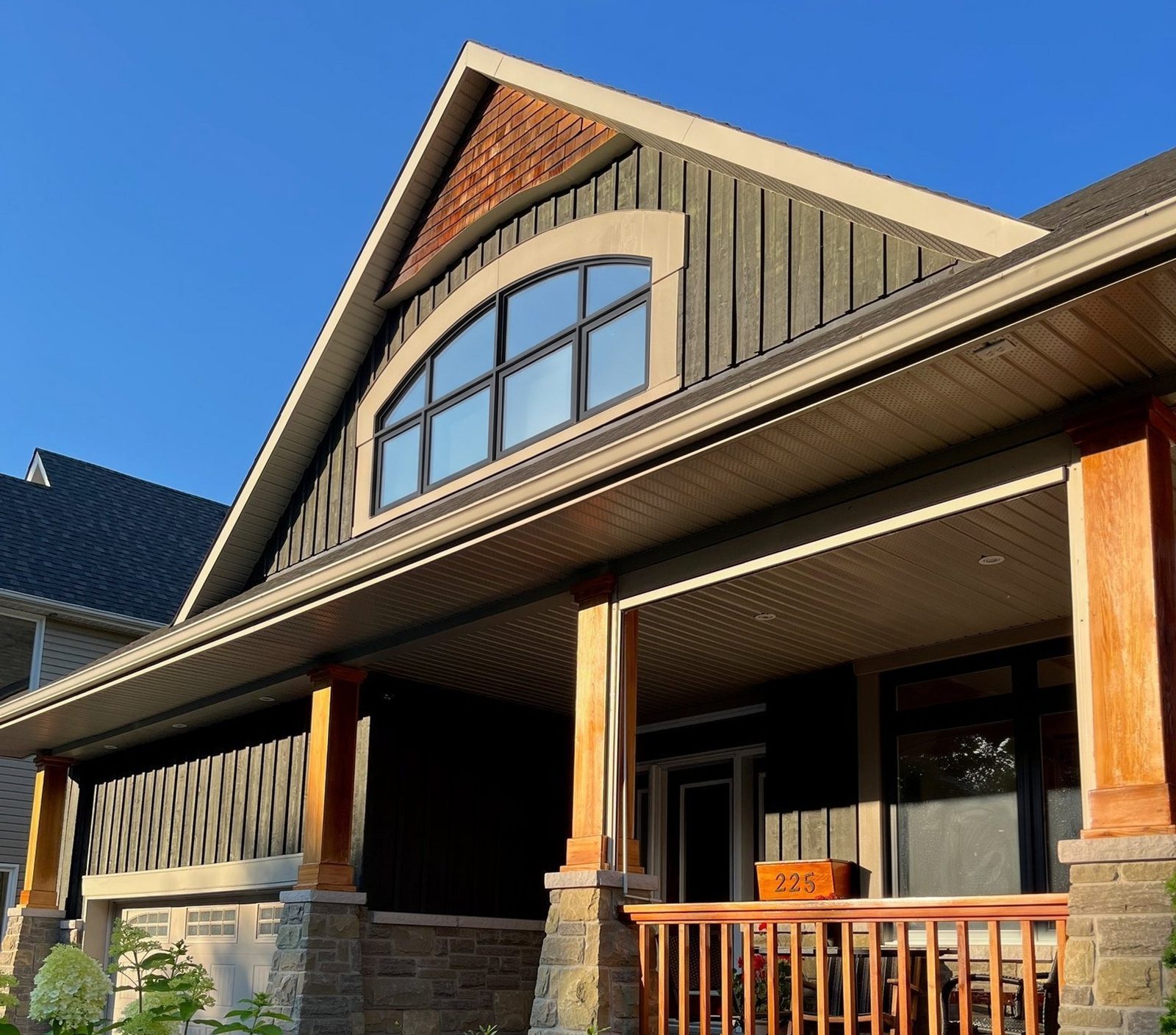
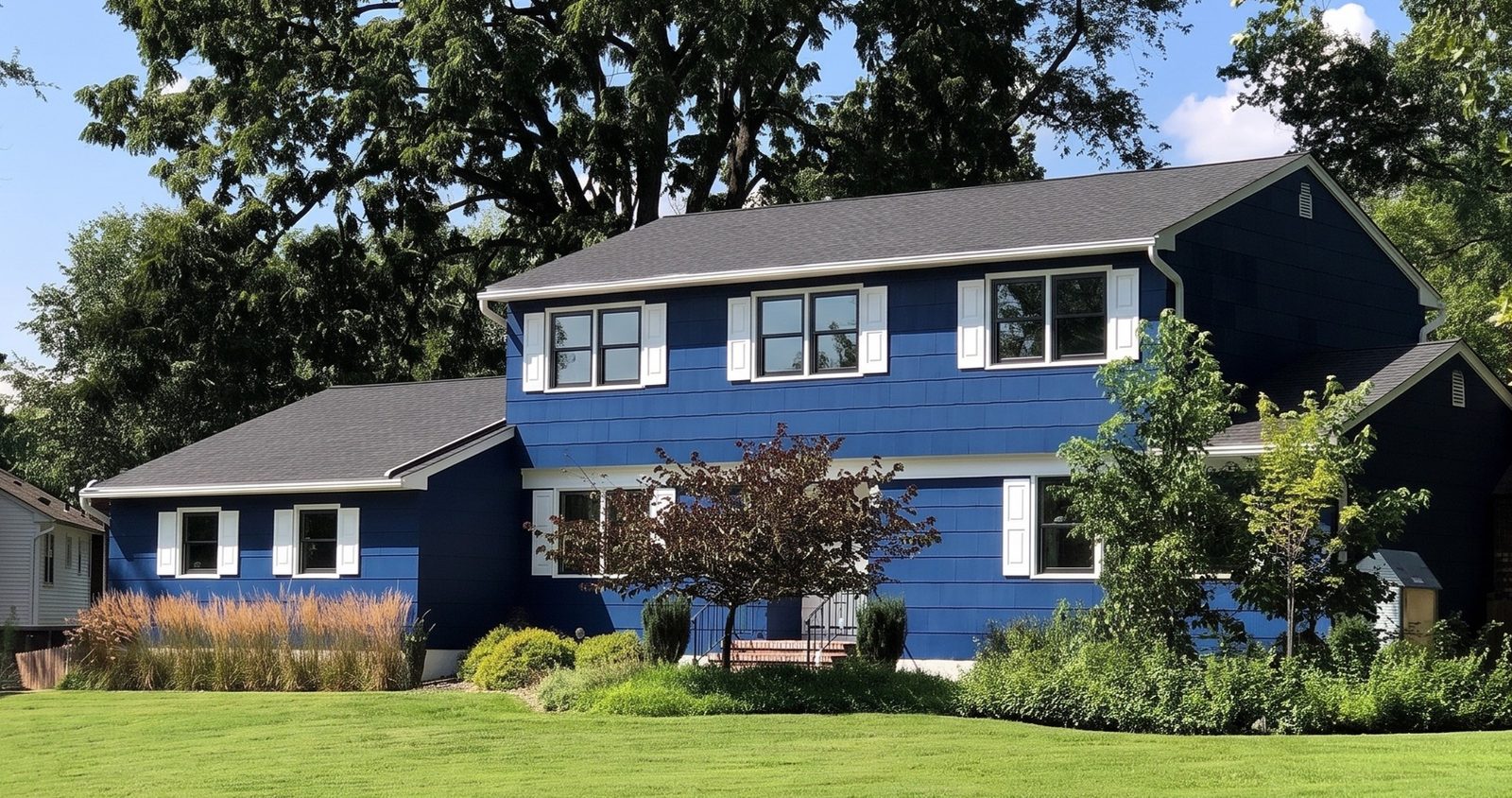
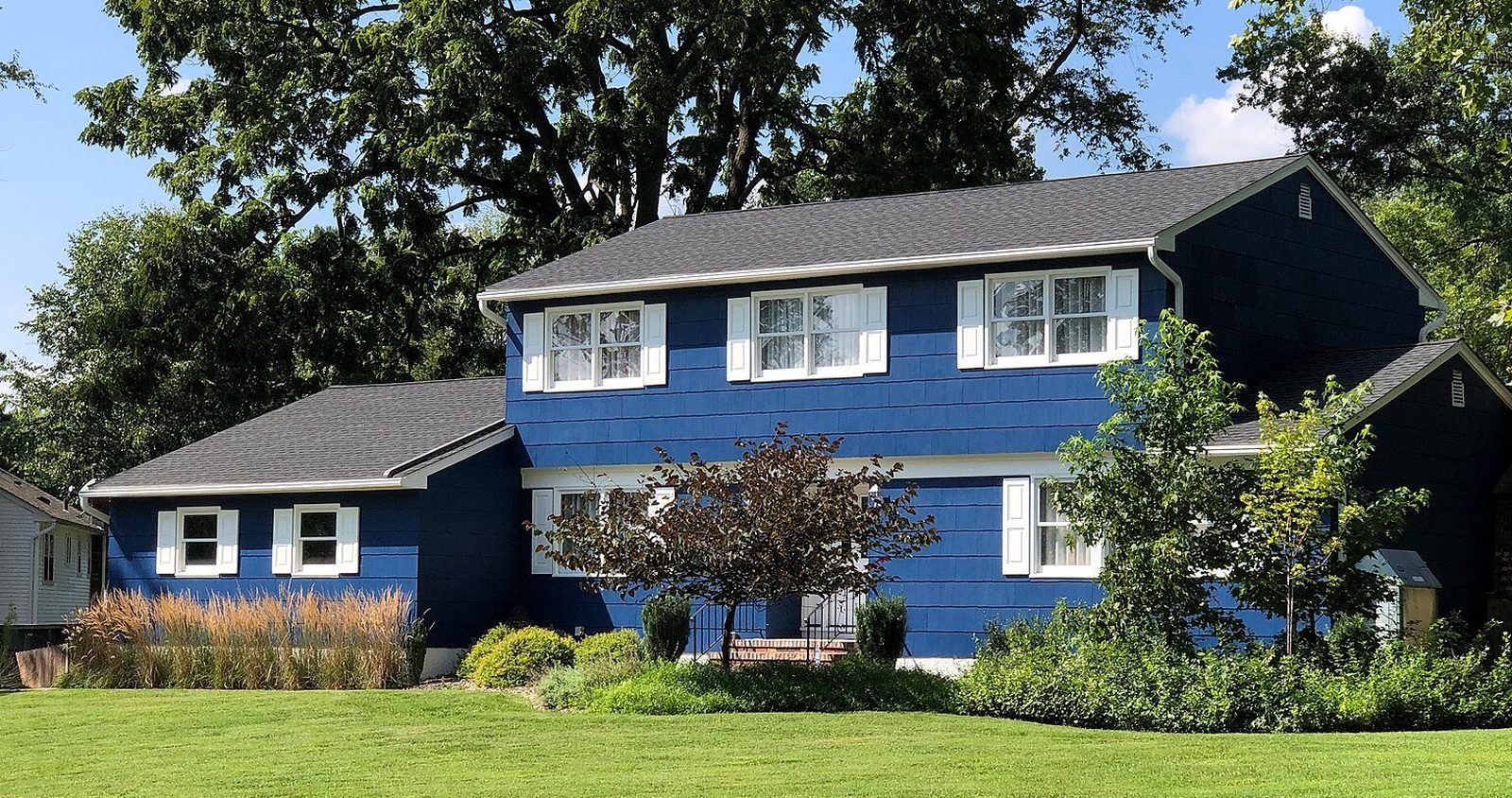
Take one photo of the front from the street, render the look they lean toward, then render the alternative from the same photo. The pair at the top of this page is the black version of a blue colonial. Here is the other look for the same house: white frames with colonial grids. Let them flip between the two and point at one. That point is your look check, and it's the easiest yes of the night.
If they can't choose between two looks, don't push past it into the price. Ask what's holding them back, render a third look if they name one, and only then move on. An unsettled look comes back later as "we want to think about it."
How do you ask for the order?
Plainly, once, and then stop talking. The silence after the ask feels long, but it's their turn to think, and filling it with a new feature or a sweetener tells them you expect a no. Rilla, which analyzes recorded sales visits, says top performers in the HVAC conversations it studied talk less than the team average3. Right after the ask is where talking less pays off most.
Pick the kind of ask that fits the signals you've had. If they've picked an option and asked about install dates, an assumptive close (moving straight to the next step) is natural. If they've been quiet, ask directly. Either way, ask about the thing they chose, not about "the windows" in general.
The old one-visit playbook did the opposite. In JLC's "Confessions of a One-Call Closer," a former window salesperson describes a pre-close built to set a high price, repeated asks, and a monthly payment pitched against the homeowner's energy bill, and says they no longer sell that way4. Drop the repeated asks: a yes squeezed out on the fifth try is the one most likely to cancel.
Closing techniques for window sales, and when they backfire
Direct ask
- Sounds like
- "Do you want to go ahead with the white with grids?"
- Use it when
- Almost always. It's clear and easy to answer.
- It backfires when
- You ask before the look and the price are settled.
Choice close
- Sounds like
- "Would you rather start with the front or do the whole house at once?"
- Use it when
- They want the work but are unsure about scope.
- It backfires when
- Both choices are bigger than what they asked for.
Assumptive close
- Sounds like
- "Let's get you on the schedule. Is a weekday install easier for you?"
- Use it when
- They've picked an option and asked about timing.
- It backfires when
- They haven't said yes to anything yet. Then it's pressure.
Summary close
- Sounds like
- "So: twelve windows, black outside, white inside, no grids, installed before the cold. Does that sound right?"
- Use it when
- The order has many parts and you want them agreed.
- It backfires when
- The summary adds things they didn't ask for.
"Today only" price
- Sounds like
- "If you sign tonight, I can take a big chunk off."
- Use it when
- Never. See the next section.
- It backfires when
- Every time: it makes your first number look padded.
| Technique | Sounds like | Use it when | It backfires when |
|---|---|---|---|
| Direct ask | "Do you want to go ahead with the white with grids?" | Almost always. It's clear and easy to answer. | You ask before the look and the price are settled. |
| Choice close | "Would you rather start with the front or do the whole house at once?" | They want the work but are unsure about scope. | Both choices are bigger than what they asked for. |
| Assumptive close | "Let's get you on the schedule. Is a weekday install easier for you?" | They've picked an option and asked about timing. | They haven't said yes to anything yet. Then it's pressure. |
| Summary close | "So: twelve windows, black outside, white inside, no grids, installed before the cold. Does that sound right?" | The order has many parts and you want them agreed. | The summary adds things they didn't ask for. |
| "Today only" price | "If you sign tonight, I can take a big chunk off." | Never. See the next section. | Every time: it makes your first number look padded. |
The ask, and what to say after it
"You've picked the black with no grids, all twelve windows, and the price is on the sheet. Do you want to go ahead?"
Then say nothing until they answer.
If they say yes: "Great. Let's go through the paperwork together, and I'll show you exactly what happens next."
If they hesitate: "That's fine. What part are you still unsure about?"
If the answer is a stall, the lines for "we want to think about it" are in the think-about-it guide linked below.
What is the post-close, and how does it stop cancellations?
The post-close is the ten minutes after the signature. Most reps rush it, and it's where cancellations are won or lost. A homeowner who signs in a happy rush and then lies awake that night will call on Monday. One who understood every line will not.
Federal rules give a buyer the right to cancel a sale of $25 or more made at their home until midnight of the third business day, and the seller must tell them about it and give them a cancellation form5. Many states add their own rules; the details are in window sale cancellations. Bring it up yourself. JLC advises telling customers about their right to cancel, along with answering expected objections early, to cut cancellations6.
Never ask a homeowner to give that right up. Washington's Attorney General alleged that window seller Penguin Windows asked customers to sign a letter agreeing not to cancel; Penguin denied wrongdoing and agreed not to interfere with cancellation rights7. This is general information, not legal advice: check your state's rules with your lawyer.
- Read the order back line by line: windows, frame material, color, grilles, glass, install method, what gets hauled away.
- Show them the render of what they ordered, so the picture in their head matches the paperwork, and match the color to the real sample, not the screen.
- Explain the next steps and who will call them: final measure, order, install day, cleanup.
- Point to the cancellation notice, say what it means in plain words, and leave the form with them.
- Ask what question they think they'll have at two in the morning, and answer it now.
The post-close
"Before I go, let's make sure you know exactly what you bought and what happens next."
"Here's the order, and here's the render of your house in the color and grids you picked. The sample is the exact color; the render is the look you chose."
"This page is your right to cancel. You have until midnight on the date written there. I'd rather you call me with any question first, but the choice is yours."
"What do you think you'll wonder about tonight? Let's answer it now."
Should you offer a same-day discount on windows?
It's a familiar closing tool in the trade, and a risky one. It comes in a few forms: a first-visit discount, a "today only" price, a price that drops after a call to the manager, or a big list price with a special reduction for signing tonight.
The legal problem is the reference price. The FTC's Guides Against Deceptive Pricing say a former price only supports a price comparison if it's the real price the item was openly offered at, regularly, for a reasonably substantial time; an inflated price set up so it can be cut makes the bargain a false one8. Washington's Attorney General alleged that Seattle window seller Evans Glass misrepresented that its windows ordinarily sold for much more and that prices were specially reduced; the company denied wrongdoing and agreed to limits on its marketing1.
The pressure problem comes with it. The FTC lists a contractor who pushes for an immediate decision among the warning signs of a home improvement scam9, and in its settlement Penguin also agreed not to keep a presentation going after a customer clearly asks to end it7. In a JLC article, a window company executive blamed the industry's "pressure sales and drop-down selling techniques" for costing it homeowners' trust10.
And the practical problem: the homeowner can cancel for days afterward anyway, and a price that drops when they hesitate tells them every number you gave was soft. This is general information, not legal advice. Rules differ by state, so have your lawyer look at any pricing policy before your reps use it.
- Give options instead of discounts: a different frame material, the worst windows now and the rest later, or a simpler grille pattern. The money conversation is in window price objection.
- Offer payment options if you have them, described accurately. See window replacement financing.
- If a price really does depend on timing, say why in one plain sentence and put the date on paper.
Same-day offers: the problem and an honest version
"Sign tonight and I'll take a big chunk off."
- The problem
- If nobody ever pays the first price, the discount isn't real.
- An honest version
- Give your real price first, in writing, and keep it.
The call to the manager
- The problem
- A staged price drop makes every later number look padded.
- An honest version
- Carry real pricing authority, or say plainly what you need to check and when you'll call back.
"This price expires when I leave."
- The problem
- Pressure for an immediate decision, the warning sign the FTC names.
- An honest version
- Write the price with a real end date and the reason, such as a supplier's price change.
"Sign tonight to keep this install date."
- The problem
- Fine only if it's true.
- An honest version
- Name the date, why it's open, and what the next opening is.
A manufacturer promotion
- The problem
- Fine if it's real and dated.
- An honest version
- Show the promotion's own end date in writing.
| The offer | The problem | An honest version |
|---|---|---|
| "Sign tonight and I'll take a big chunk off." | If nobody ever pays the first price, the discount isn't real. | Give your real price first, in writing, and keep it. |
| The call to the manager | A staged price drop makes every later number look padded. | Carry real pricing authority, or say plainly what you need to check and when you'll call back. |
| "This price expires when I leave." | Pressure for an immediate decision, the warning sign the FTC names. | Write the price with a real end date and the reason, such as a supplier's price change. |
| "Sign tonight to keep this install date." | Fine only if it's true. | Name the date, why it's open, and what the next opening is. |
| A manufacturer promotion | Fine if it's real and dated. | Show the promotion's own end date in writing. |
What do you do when the close doesn't happen?
Find the real reason, book the next step before you stand up, and leave with their permission to follow up. "Think about it" usually hides a specific worry, and let me think about it in window sales has the lines for drawing it out. The full list of objections and answers is in window sales objections.
Whether to aim for a decision on the first visit at all is its own question, covered in one call close window sales. For the exact words at each step, from the phone call to the post-close, see the window sales script.
Where the render fits in the close
At the look check, right before the price. Render the look they lean toward and the alternative from the same photo, hand them the phone, and let them pick. The pick is a real yes, and it means the price conversation that follows is only about the price.
Leave the phone face up on the table at the ask, showing the look they chose. They're deciding about their house, not a line on a sheet.
And use it in the post-close: walk through the order with the render of what they bought, then send it to them so the picture is on their phone through the cancellation window.