
Should a window company offer financing?
Most window jobs are a big check to write at once. Siro puts the median windows and doors deal in its data at $7,5381. Some homeowners can write that check. Others have room for a monthly payment but not the lump sum, and without a payment option they wait, shrink the job, or call the company that has one.
Money comes up at every table anyway. Rilla says its analysis of recorded sales conversations found that top performers talk about financial terms more than lower-performing reps2. That's an HVAC finding from a company that sells call recording, so treat it as a hint, not a rule.
Be clear with yourself about what financing does. It doesn't lower the price. It changes how the homeowner pays it, and it adds a cost on your side that you need to understand before your first rep says "no interest."
What are the ways to offer financing on window jobs?
A simple setup covers most homeowners: one contractor program for convenience at the table, plus a plain answer for the homeowner who'd rather use their own bank.
Window financing companies come in a few kinds: banks and consumer finance companies with home improvement contractor programs, platforms that send one application to several lenders, and programs a window manufacturer or distributor has set up with a lender for its dealers. Ask your supplier first whether it has one, then compare it with at least one outside lender using the questions below.
Ways homeowners pay for window replacement over time
A contractor program through a consumer lender
- How it works
- You sign up with the lender. The homeowner applies at the table or online, the lender pays you, and the homeowner repays the lender.
- What to check first
- The fee for each plan, when and how you get paid, and what your reps may and may not say.
The homeowner's own bank or credit union
- How it works
- The homeowner arranges a personal loan, or a home equity loan or line of credit, on their own.
- What to check first
- Nothing for you to sign, but the timing is theirs. Give them an itemized written quote the bank can use.
A credit card
- How it works
- Common for deposits and small jobs.
- What to check first
- Your card processing costs, and your state's rules before you add any card surcharge.
PACE, where it exists
- How it works
- Repaid through an assessment on the property tax bill, in places where state and local law have set up a program.
- What to check first
- The program's rules for contractors, and whether the homeowner understands it stays with the property. More below.
Your own payment plan
- How it works
- You let the homeowner pay you in installments.
- What to check first
- You've become the lender. Talk to your lawyer and accountant first; lending rules may apply to you.
Deposit, then pay on completion
- How it works
- Not financing, just a schedule: a deposit at signing and the balance when the job is done.
- What to check first
- Whether your state limits deposits on home improvement contracts.
| Option | How it works | What to check first |
|---|---|---|
| A contractor program through a consumer lender | You sign up with the lender. The homeowner applies at the table or online, the lender pays you, and the homeowner repays the lender. | The fee for each plan, when and how you get paid, and what your reps may and may not say. |
| The homeowner's own bank or credit union | The homeowner arranges a personal loan, or a home equity loan or line of credit, on their own. | Nothing for you to sign, but the timing is theirs. Give them an itemized written quote the bank can use. |
| A credit card | Common for deposits and small jobs. | Your card processing costs, and your state's rules before you add any card surcharge. |
| PACE, where it exists | Repaid through an assessment on the property tax bill, in places where state and local law have set up a program. | The program's rules for contractors, and whether the homeowner understands it stays with the property. More below. |
| Your own payment plan | You let the homeowner pay you in installments. | You've become the lender. Talk to your lawyer and accountant first; lending rules may apply to you. |
| Deposit, then pay on completion | Not financing, just a schedule: a deposit at signing and the balance when the job is done. | Whether your state limits deposits on home improvement contracts. |
How do you set up a financing program?
- Decide what you need. A promotional plan to help the price-sensitive buyer, a standard-rate plan that costs you less, or both. Two or three plans is plenty; a long menu confuses reps and homeowners alike.
- Talk to two or three lenders that work with home improvement contractors, and to your local bank or credit union. Ask each one the same questions (below), and compare the answers side by side.
- Read the dealer agreement with your lawyer before you sign, especially fees, when you get paid, chargebacks, and what you owe if a homeowner disputes the job.
- Write a one-page sheet for reps: each plan's name, who it suits, and the lender's own wording for describing it.
- Train every rep on that sheet before they offer financing, and listen for how they describe it on ride-alongs.
- Put the plans on your quote, so the total and each payment option sit side by side. Some manufacturer selling apps build this in: the App Store listing for Infinity Designer, Marvin's in-home selling app for Infinity windows and doors, says it compares quotes side by side across options, product types and financing offers3.
- Agree with the lender, in writing, what happens to a loan or application when a homeowner cancels inside the cancellation period, and who tells whom.
Questions to ask a lender before you sign up
What does each plan cost me as the contractor, and is that a share of the amount financed or a flat amount? Can I have it in writing?
When do I get paid: at signing, at completion, or when the homeowner signs off on the job? What paperwork do you need from me?
If a homeowner disputes the work or stops paying, what can you take back from me, and for how long?
On the promotional plans, what happens if the balance isn't paid off by the end of the promotion? Is the interest waived, or deferred and charged later?
What disclosures do you give the homeowner, and what are my reps allowed to say about rates and payments?
Who answers the homeowner's questions after the sale, and how do I see where an application stands?
Get every answer in writing. A lender that won't put its fees on paper has told you what you need to know.
What are dealer fees on zero-interest financing?
Someone pays for a zero-interest or very low-rate promotion, and it's usually you. The lender charges the contractor a fee for offering the plan, often called a dealer fee or merchant fee, and takes it out of what it pays you for the job. In general, the longer the promotion and the lower the rate, the bigger the fee. Ask each lender for the fee on every plan it offers you.
Work out what each plan costs you before you offer it. If the fee is a share of the amount financed, multiply the amount financed by that share: that's what comes off your check on that job. Then estimate how many of last year's jobs would have used the plan, and you have its yearly cost. Set that against the extra jobs you expect the plan to win, and drop the plans that don't pay their way.
That fee comes straight out of your margin unless your pricing already allows for it. There are honest ways to handle it:
- Build an average financing cost into all your prices, so cash and financed buyers pay the same price for the same job, and a homeowner choosing a plan doesn't change your number. It's simple to explain, but cash buyers then carry part of the cost, so keep the average honest and review it each year.
- Offer fewer promotional plans. A standard-rate plan often costs you less, and plenty of homeowners just want a payment that fits.
- Show the total for each plan on the quote. If the price differs by plan, say so and say why. Ask your lawyer before charging financed buyers more than cash buyers: your dealer agreement may limit it, and it can change what the homeowner must be told.
- Don't inflate a "regular price" so a cash discount looks big. The FTC's Guides Against Deceptive Pricing say a former price is a fair basis for a comparison only if the item really was offered at that price to the public, regularly, for a reasonably substantial period4.
- Never let "no interest" stand alone. If interest is deferred, the homeowner needs to hear, in the lender's words and before they sign, what happens if the balance isn't paid in time.
How should you present financing at the kitchen table?
Total first, payment second. A homeowner who only hears a monthly figure hasn't heard the price, and finds out later. Later is often inside the cancellation period: a buyer can cancel a sale of $25 or more made at home until midnight of the third business day afterward5. What that means for your deals is in window sale cancellations.
Mention that financing is available early, when you go over the plan for the visit, so it doesn't sound like a rescue when the price lands. Then walk the house, show the render, give the total, and only then the payment options.
Let the lender's documents carry the terms. Your job is to explain each option in plain words, not to promise approval, a rate or a payment before the homeowner applies.
Keep energy savings out of it. The old pitch set the monthly payment against the homeowner's energy bill, as a former one-call closer describes in JLC6. Savings promises carry their own risks; see window energy savings claims.
Presenting the payment options
The total for the windows we picked is [total]. That's everything: windows, install, trim and haul-away.
Some people pay that at once. Others would rather have a payment. We work with [lender], and there are two plans: [plan A] and [plan B]. Here's what each one looks like on paper, including the total you'd pay.
You apply with the lender, not with me, and they'll show you every term before you sign anything. Would one of these work better for you than paying it at once?
Use the lender's approved wording for each plan. Never quote a rate or an approval before the lender does.
What about PACE financing for windows?
PACE (property assessed clean energy) programs let homeowners pay for qualifying energy improvements through an assessment on their property tax bill, in places where state and local law have set one up. Because it's tied to the property rather than the person, it can affect a later sale or refinance, and the rules around selling it have been changing.
If you're thinking about offering it, get the program's contractor rules in writing, learn what the homeowner must be told and by whom, and have your lawyer review it before a rep mentions it. Never present it as free money or as a government program that pays for the windows. Whether it's available at all, and on what terms, depends on where the house is.
Which financing mistakes get window companies in trouble?
- Quoting a payment without the total, or a total without each plan's terms.
- Promising approval, a rate or a payment before the lender has decided.
- Filling in the application for the homeowner, or guessing at their income for them.
- Telling them the windows will pay for themselves in energy savings.
- Pushing for a signature tonight to lock in a plan. The FTC lists pressure for an immediate decision among the warning signs of a home improvement scam7.
- Offering financing only to the people who look like they need it. Mention it to everyone, the same way.
- Talking a homeowner into a payment they told you is too much. That's the deal most likely to cancel, and the one you'd least want to keep.
- Putting a monthly payment or "no interest" in an ad, mailer or yard sign without the lender's approved wording. Ads that state credit terms have disclosure rules of their own; ask the lender what its approved ad copy says, and have your lawyer look at anything new.
- Forgetting that a loan secured by the home can come with its own right to cancel. Ask the lender which rights come with each plan, so your order dates line up with theirs.
Where the render fits when financing comes up
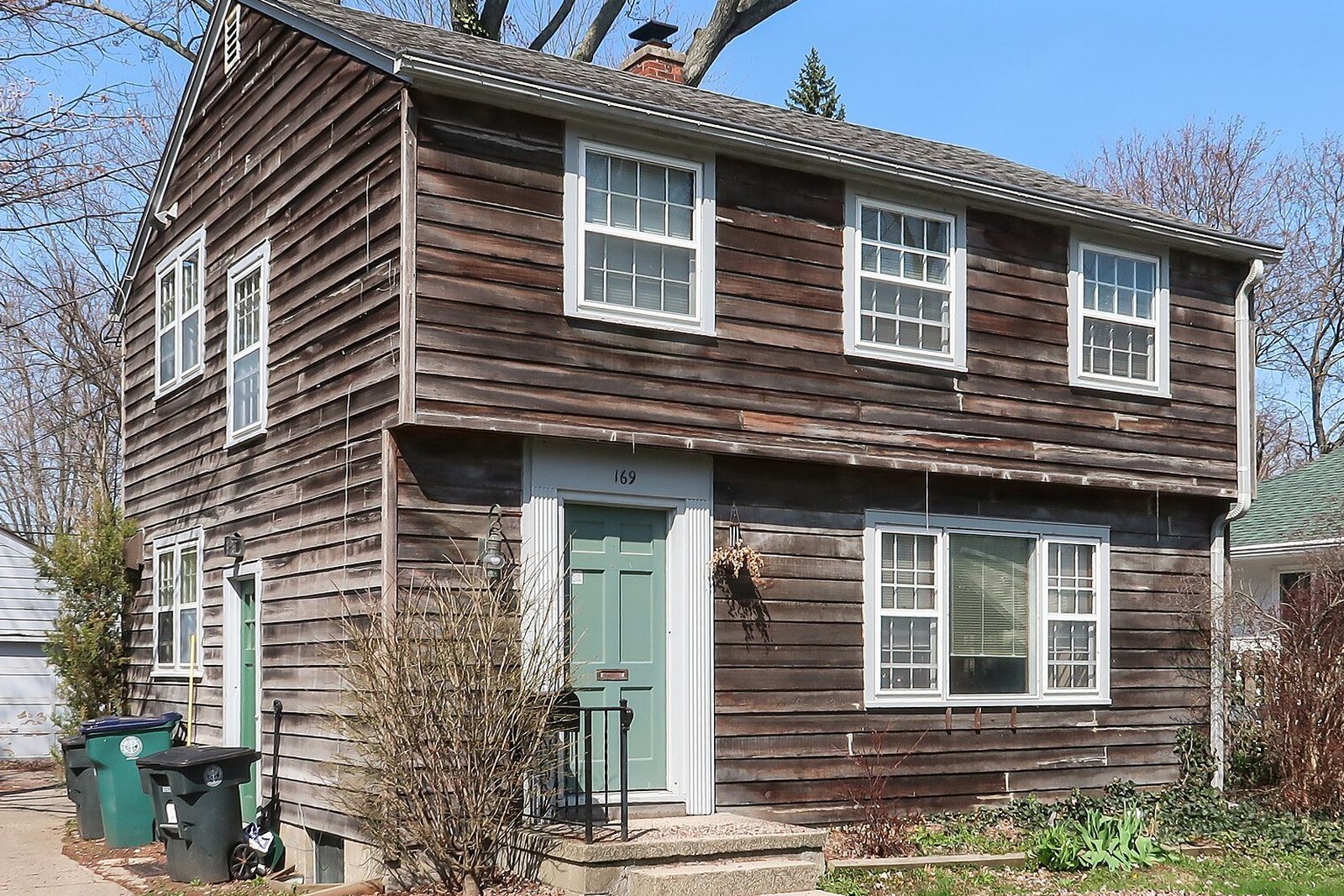
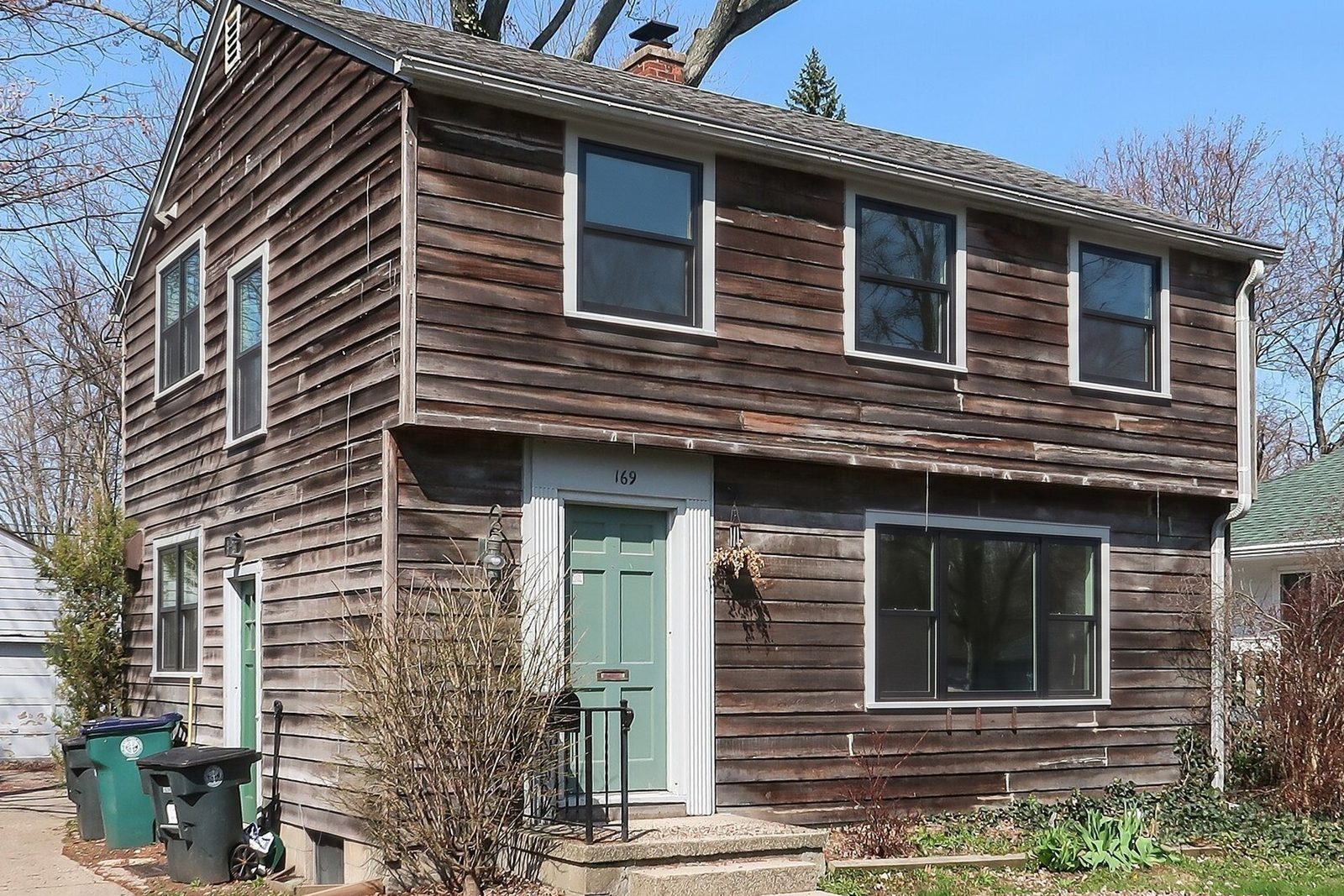
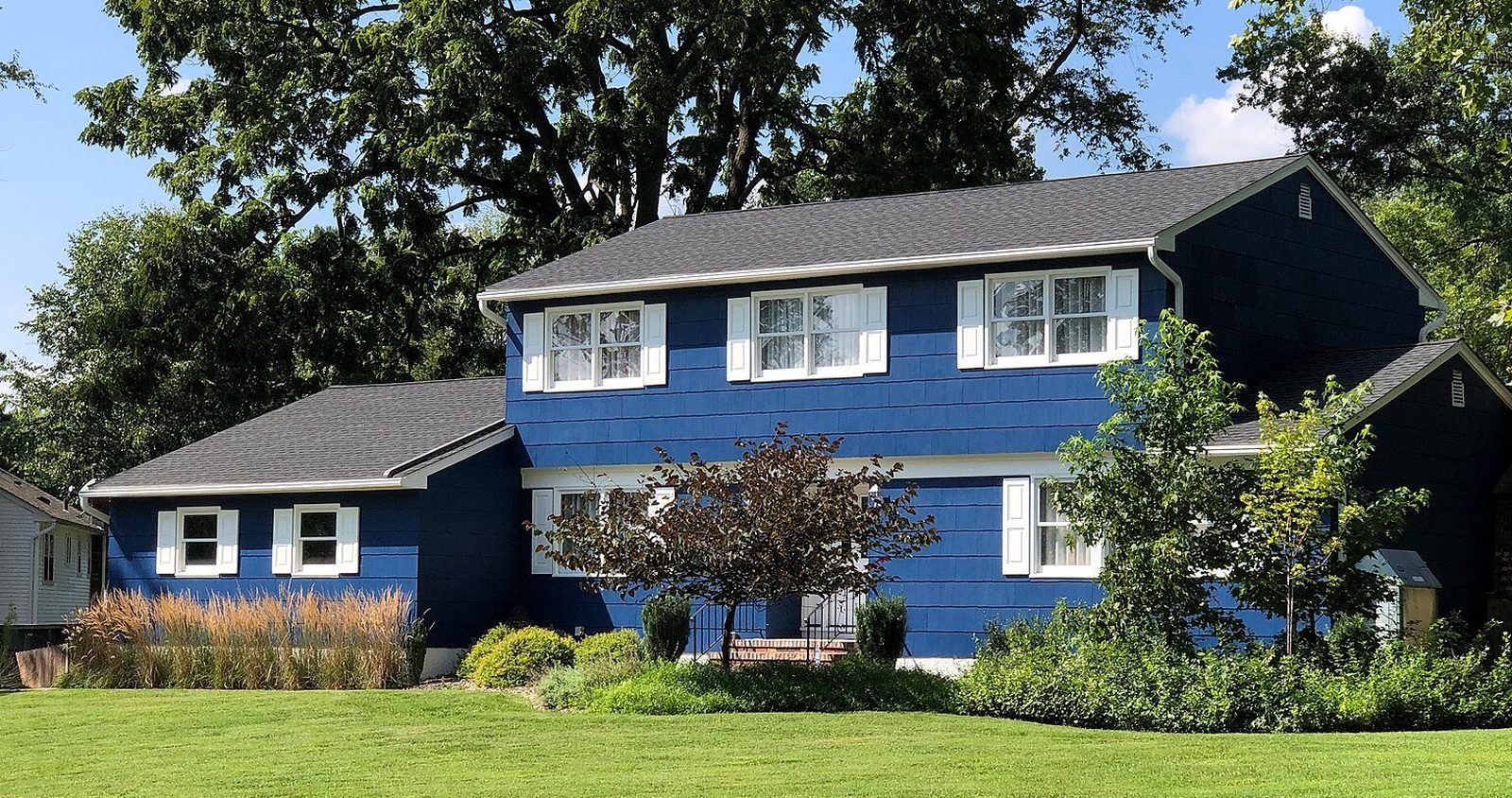
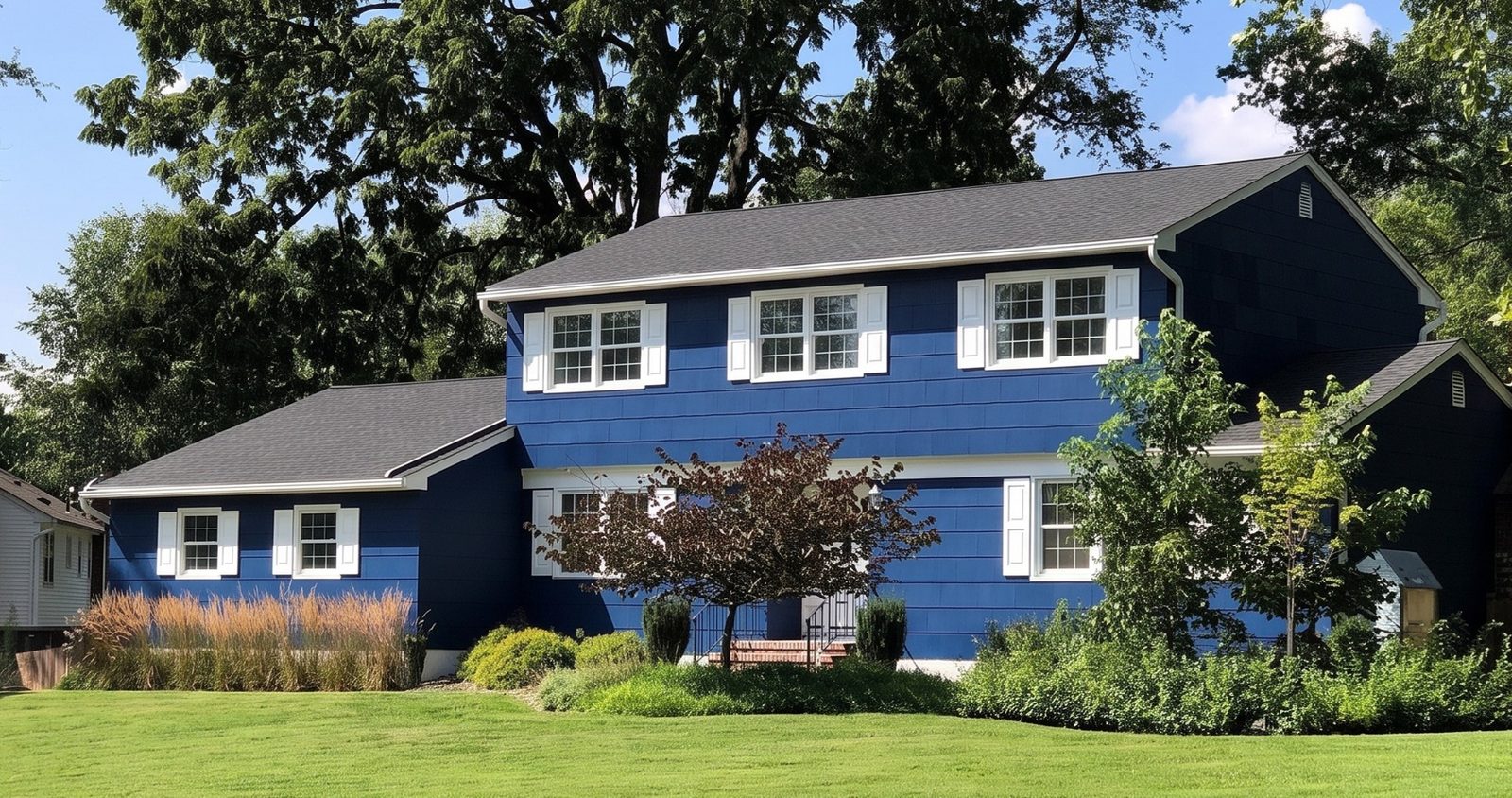
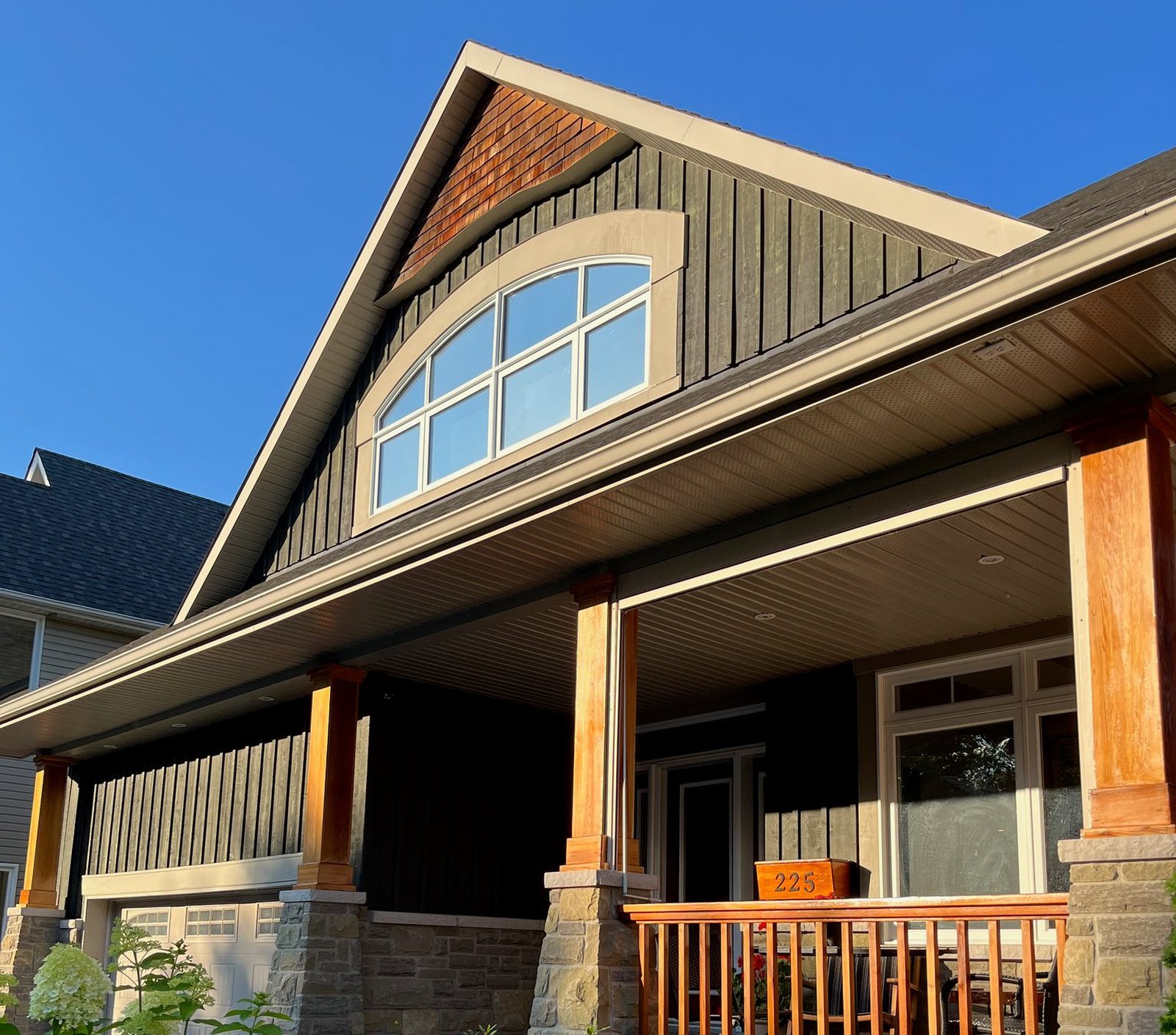
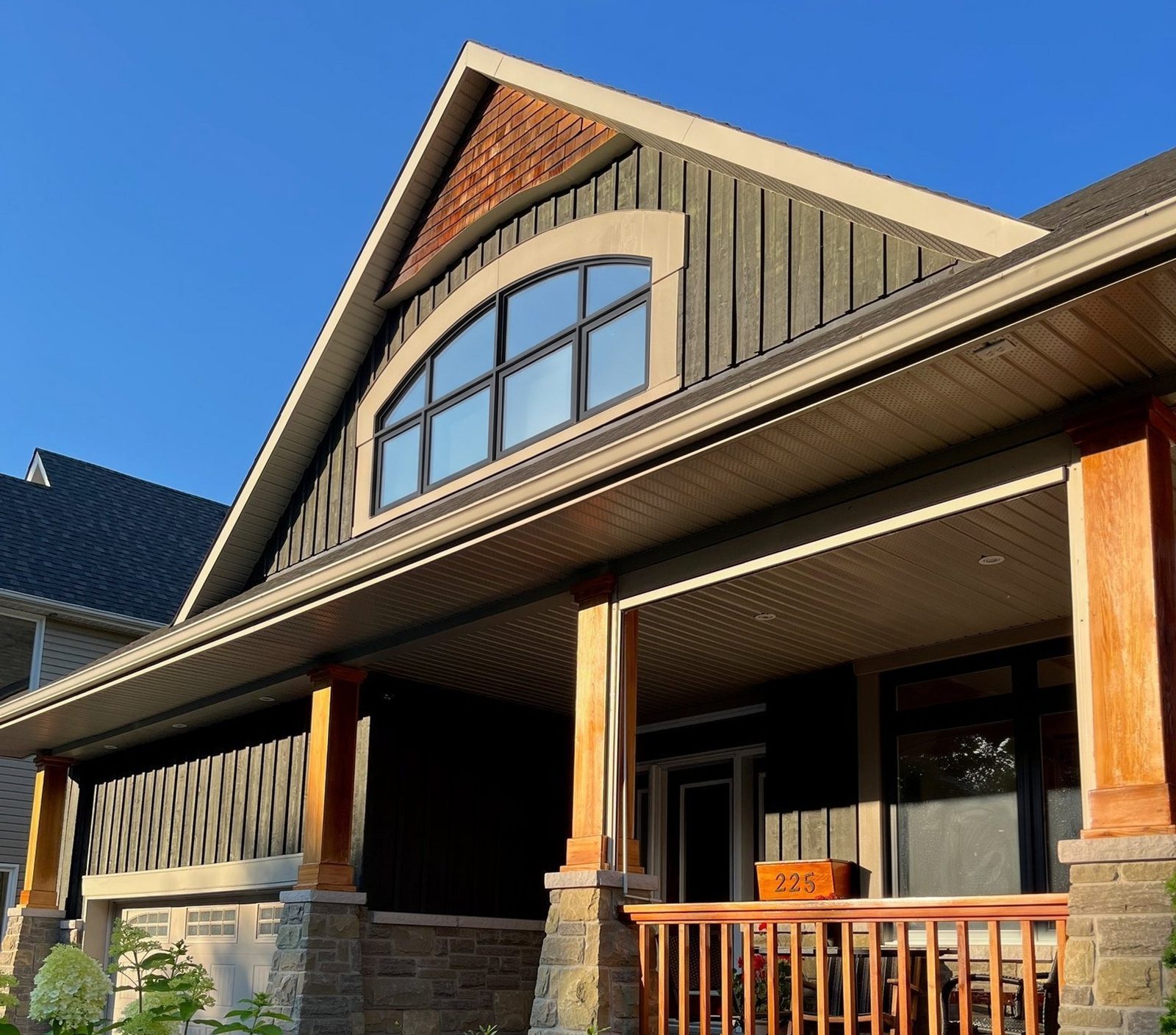
Right before the total, and again when the homeowner picks a plan. Render the option you're quoting from a photo of their house, then give the total and the payment options. When a homeowner steps down to a smaller job to fit a payment, like the front of the house now and the back next year, render that version too, so they can see what the smaller number buys.
Then text the render with the quote that night. A payment decision often involves someone who wasn't at the table, and the render shows them what the money is for. It shows the look only: it doesn't price, quote or approve anything.