What is a one-call close in window sales?
It's a sales model, not a closing line. The company sets up the first appointment so the homeowner has everything they need to decide that night: the problem looked at, the windows measured, the options shown on their house, a firm written price and the paperwork. If they're ready, they sign. If not, the rep books a next step.
The alternative is a two-call sale. The first visit is for looking and measuring; the second, a few days later, is for the design and the price. Both are common, and plenty of companies use both depending on the job. The real question is which one fits your leads, your pricing and your reps.
One-call close vs two-call sale for replacement windows
Visits before a decision
- One-call close
- One, usually long
- Two-call sale
- Two, shorter each
Who has to be home
- One-call close
- Every owner, the whole visit
- Two-call sale
- Every owner for the second visit at least
When the price is given
- One-call close
- At the end of the first visit, in writing
- Two-call sale
- At the second visit, after you've worked it up
What you need with you
- One-call close
- Measuring tools, samples, pricing you can commit to, financing details, contracts
- Two-call sale
- Measuring tools and samples; pricing comes later
Main risk
- One-call close
- Pressure, then cancellations within the cooling-off window
- Two-call sale
- The homeowner cools off or books a competitor in between
Best fit
- One-call close
- Standard replacement jobs you can price on the spot
- Two-call sale
- Custom or complicated jobs, or a homeowner who's clearly comparing
| What changes | One-call close | Two-call sale |
|---|---|---|
| Visits before a decision | One, usually long | Two, shorter each |
| Who has to be home | Every owner, the whole visit | Every owner for the second visit at least |
| When the price is given | At the end of the first visit, in writing | At the second visit, after you've worked it up |
| What you need with you | Measuring tools, samples, pricing you can commit to, financing details, contracts | Measuring tools and samples; pricing comes later |
| Main risk | Pressure, then cancellations within the cooling-off window | The homeowner cools off or books a competitor in between |
| Best fit | Standard replacement jobs you can price on the spot | Custom or complicated jobs, or a homeowner who's clearly comparing |
Why do window companies push for a one-call close?
Because every sit is expensive. LocaliQ's 2025 search-ad benchmarks put Doors & Windows Sales at $200.34 per lead3, and not every lead becomes an appointment that actually sits. A second visit costs another evening of a rep's time, and every day between visits is a day for the homeowner's interest to fade or for another company to come by.
Some companies set hard limits on going back. RAMCO of Memphis, profiled in JLC, gives reps 24 to 48 hours to go back and sell a deal when the homeowners invite them, and books any follow-up visit no more than 7 to 10 days after the first4. That's one company's policy, but the logic holds: the longer the gap, the colder the deal.
The one-call model carries baggage. In JLC's "Confessions of a One-Call Closer," a former window salesperson describes a pre-close built to set a high price and asking for the order again and again, and says they no longer sell that way5. The model itself isn't the problem. What a rep does to force it is. The tactics to avoid are covered in how to close window sales.
What has to be true before you try to close on the first visit?
Most one-call closes are won or lost before the rep rings the bell. In JLC's "No Going Back: Mastering the One-Call Close," a sales trainer argues that closing on the first visit depends mostly on preparation before the appointment, and says window and siding companies, which rarely get a second call, should gather information over the phone when the lead calls in6.
- Every owner at the table. Renewal by Andersen asks for all property owners for its whole consultation1. If one owner can't be there, a first-visit decision is off; how to prevent that at the set is in window appointment setting.
- Enough time booked. Pella describes a 90-minute appointment that covers options, measuring, install day and a quote7. Tell them the length when you book.
- A rough budget known before you present. Ask on the phone or early in the visit what they had in mind to spend. The exact setter lines are in the window sales script.
- Pricing you can commit to. If the price needs a back-office review, you can't close tonight, and pretending to call a manager makes it worse.
- Financing details with you, if you offer it, so "how would we pay for it?" has an answer that night.
- Your install lead time, so you can say when the work would actually happen.
- Paperwork ready, including the cancellation notice and form the FTC's rule requires for sales made at home2. Your state may require more.
- A way to settle the look on their house, so color and grids don't turn into "we'll drive around and look at houses first."
How do you run the visit so a decision tonight is easy?
Say up front that they'll have everything they need to decide by the end, and that deciding later is fine too. Homeowners relax when they know there's no ambush at the end, and relaxed people decide.
Then run the visit in an order that answers their questions before the price: why they called, the walk-through and measuring, the product, the look on their house, the written price, the decision. The step-by-step version is in window sales presentation. The time plan below is a starting point for a visit of about 90 minutes; adjust it to your product and your homeowners.
A time plan for a one-call window visit
Sit down and agenda
- About
- 5 minutes
- What must be settled for a decision tonight
- Everyone who decides is at the table, and they know a decision tonight is welcome but not required.
Why they called
- About
- 10 to 15 minutes
- What must be settled for a decision tonight
- The problem windows, the budget range, any other quotes, and anything that would stop a decision tonight.
Walk and measure
- About
- 25 to 30 minutes
- What must be settled for a decision tonight
- Measurements good enough to write a firm price. Anything you can't price tonight, like rot or a permit question, flagged now.
Product and install
- About
- 10 minutes
- What must be settled for a decision tonight
- A corner sample in their hands, your install lead time, and what install day looks like on their house.
Their house, two looks
- About
- 5 to 10 minutes
- What must be settled for a decision tonight
- The look picked on a render of their own house, so color isn't the reason to wait.
Written price and options
- About
- 10 minutes
- What must be settled for a decision tonight
- One line per option, explained before the total, with financing terms if you offer them.
Decision
- About
- 5 to 10 minutes
- What must be settled for a decision tonight
- A yes, the paperwork and the cancellation notice, or a second visit on the calendar.
| Part | About | What must be settled for a decision tonight |
|---|---|---|
| Sit down and agenda | 5 minutes | Everyone who decides is at the table, and they know a decision tonight is welcome but not required. |
| Why they called | 10 to 15 minutes | The problem windows, the budget range, any other quotes, and anything that would stop a decision tonight. |
| Walk and measure | 25 to 30 minutes | Measurements good enough to write a firm price. Anything you can't price tonight, like rot or a permit question, flagged now. |
| Product and install | 10 minutes | A corner sample in their hands, your install lead time, and what install day looks like on their house. |
| Their house, two looks | 5 to 10 minutes | The look picked on a render of their own house, so color isn't the reason to wait. |
| Written price and options | 10 minutes | One line per option, explained before the total, with financing terms if you offer them. |
| Decision | 5 to 10 minutes | A yes, the paperwork and the cancellation notice, or a second visit on the calendar. |
Setting up the decision at the start of the visit
"Here's how tonight works. We'll look at every window together, I'll measure, and I'll show you a couple of looks on a photo of your house."
"At the end you'll have a written price for each option. If it all makes sense, we can get you on the schedule tonight. If you need time, that's fine too, and we'll pick a day to talk again."
"Is there anything that would stop you from making a decision tonight, if everything made sense? Better to know now."
The last line surfaces a missing owner, a competing quote or a budget limit while there's still time to deal with it.
When should you not push for a one-call close?
When pushing would cost you more than waiting. The FTC lists pressure for an immediate decision among the warning signs of a home improvement scam8, and a homeowner who feels pushed is the one most likely to use the right to cancel. Washington's Attorney General settled with window seller Penguin Windows, which denied wrongdoing, on terms that included not continuing an in-home presentation after the customer clearly says they want it to end9. Cancellation rules differ by state; see window sale cancellations and check with your lawyer. This is general information, not legal advice.
- An owner isn't there. Present the look and the price, then book a time with both of them.
- They tell you they're getting other quotes. That's what the FTC tells homeowners to do8; make your quote the easiest to compare and set a follow-up. More in getting other quotes in window sales.
- The job needs something you can't price tonight, like rotted framing, a permit question or a historic district review.
- They seem unsure what they'd be signing. Slow down and let them take the paperwork away.
- They ask you to wrap up. Thank them, leave the price and the render, and go.
What should the second visit look like if they don't decide?
Book it before you leave, with every owner, within days rather than weeks. Ask what the visit needs to answer, and write it down in front of them. Then come back with exactly that: the second look rendered, the financing worked out, the answer from the supplier.
Send the render of the look they leaned toward that night. It keeps your proposal, and their house with your windows, on their phone while they decide. The texts and the call schedule are in how to follow up window sales.
Booking the second visit before you leave
"Totally fair. So I bring the right things next time, what would you need to see or hear to make a decision?"
"Let's put it on the calendar while we're both here. Does Thursday evening or Saturday morning work for both of you?"
"Tonight I'll send you the picture of your house in the look you liked, so you can show anyone you want before then."
How do you know if one-call closing is working for your company?
Track it, by rep and by lead source, for a few months. Four numbers tell the story: sales on the first visit, sales on a later visit, sales canceled within the cancellation window, and average job size. Siro's benchmark for windows and doors is a 29.1% average close rate across its customers' recorded appointments10; use it as a rough yardstick, not a target.
Read the numbers together. A rep with a high first-visit close rate and a high cancellation rate is probably pressuring people. A rep with almost no first-visit sales but a strong overall close rate may be leaving easy decisions for later. More on what to track is in window sales metrics.
Where the render fits in a one-call close
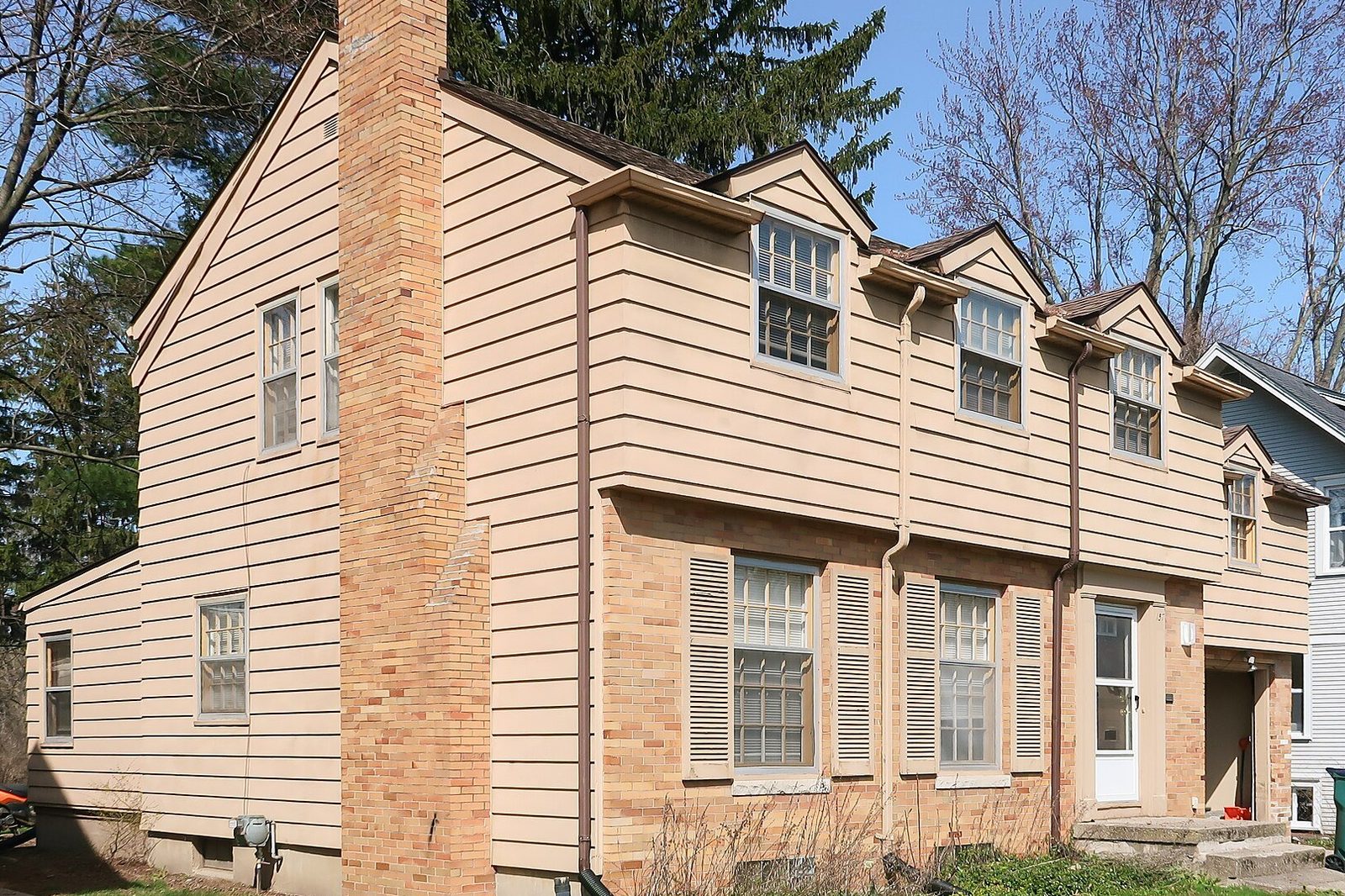
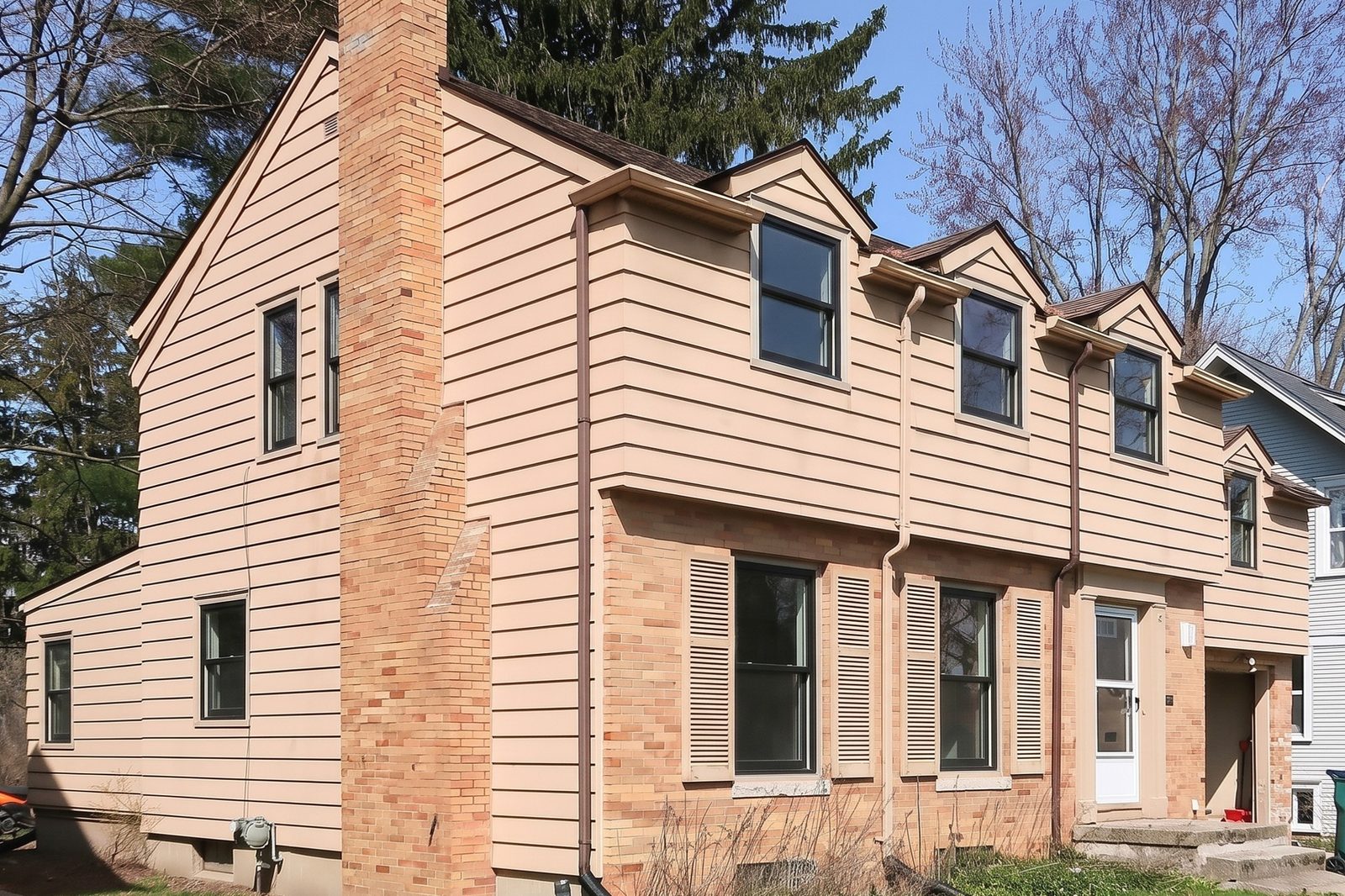
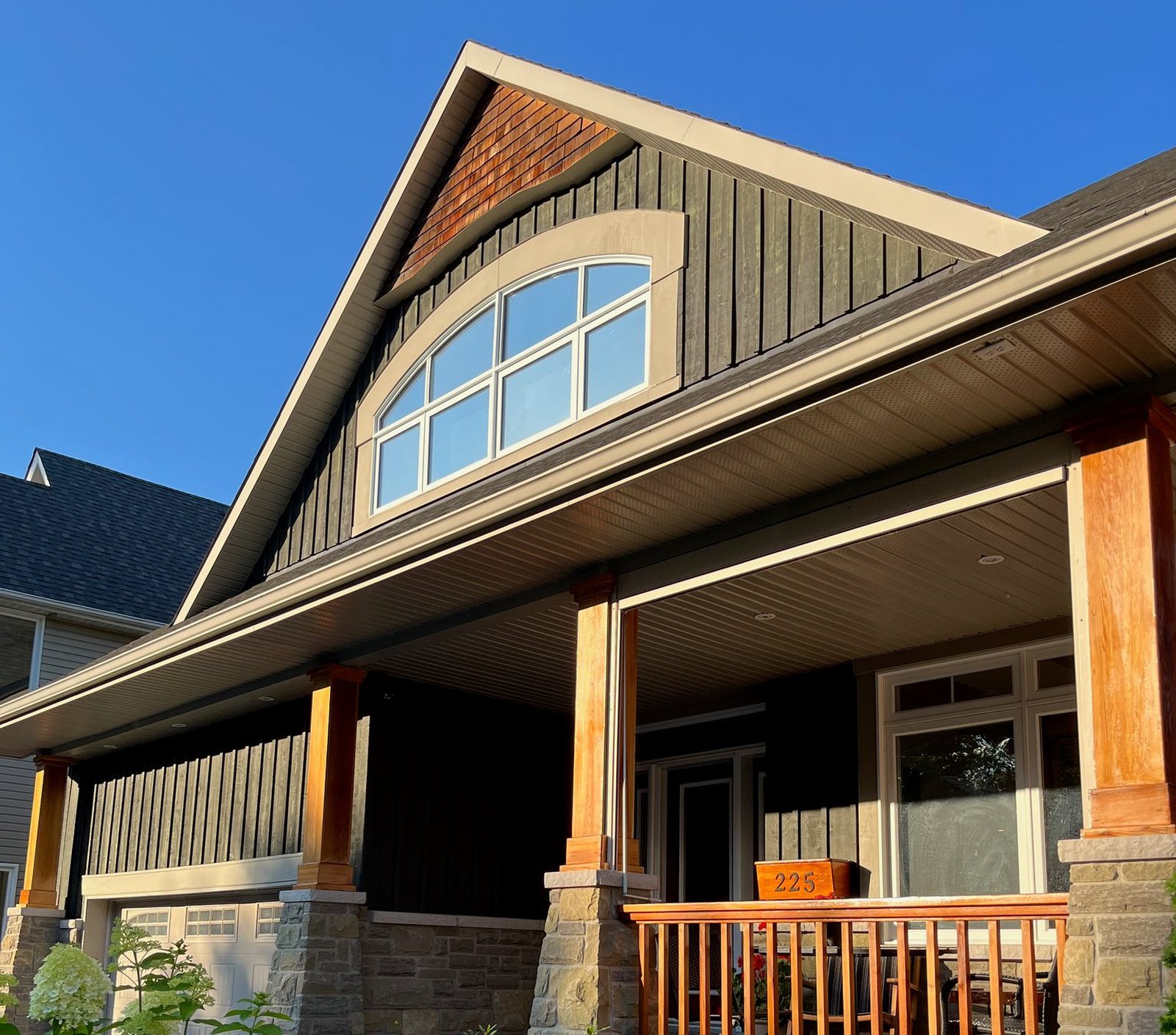
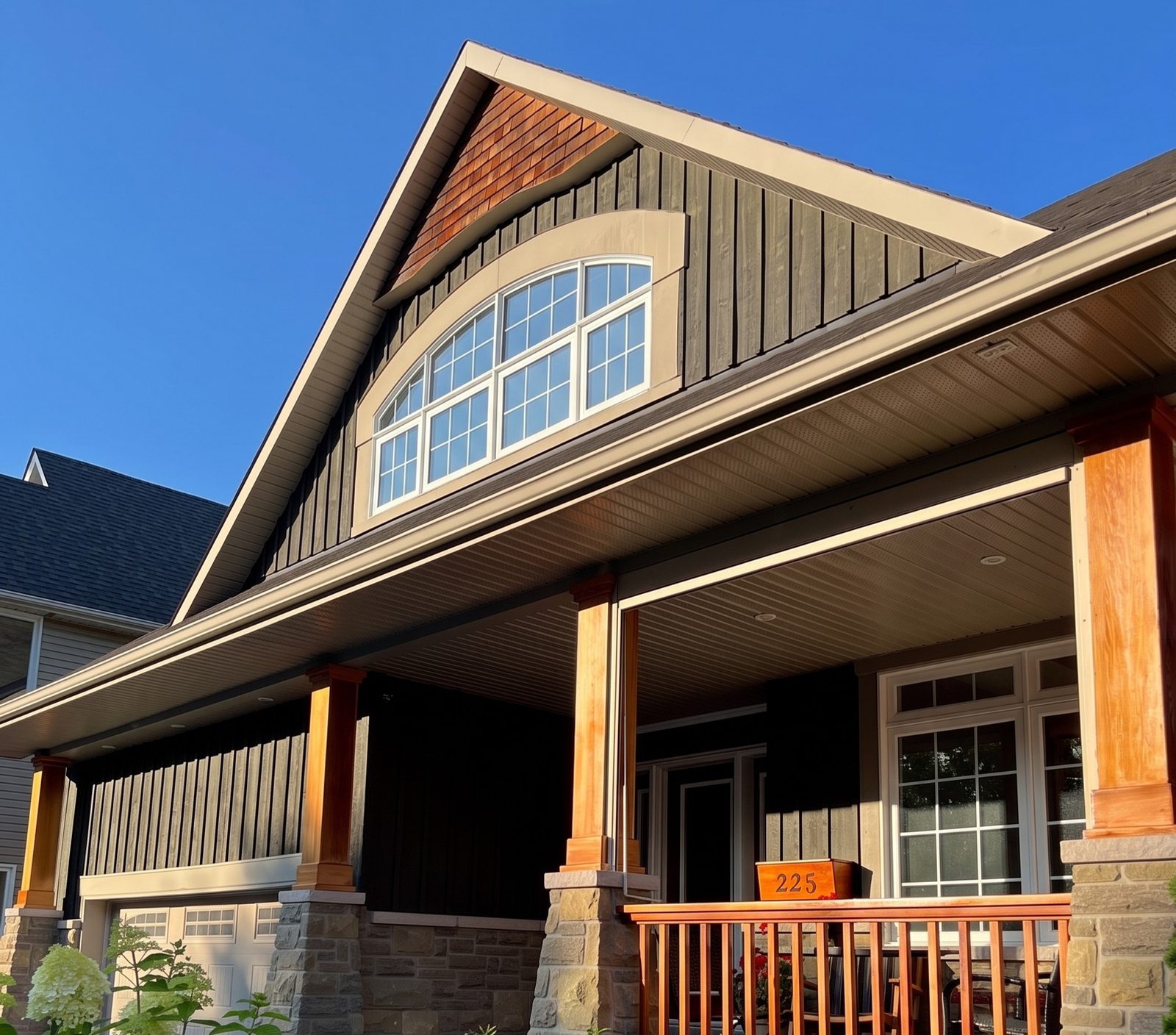
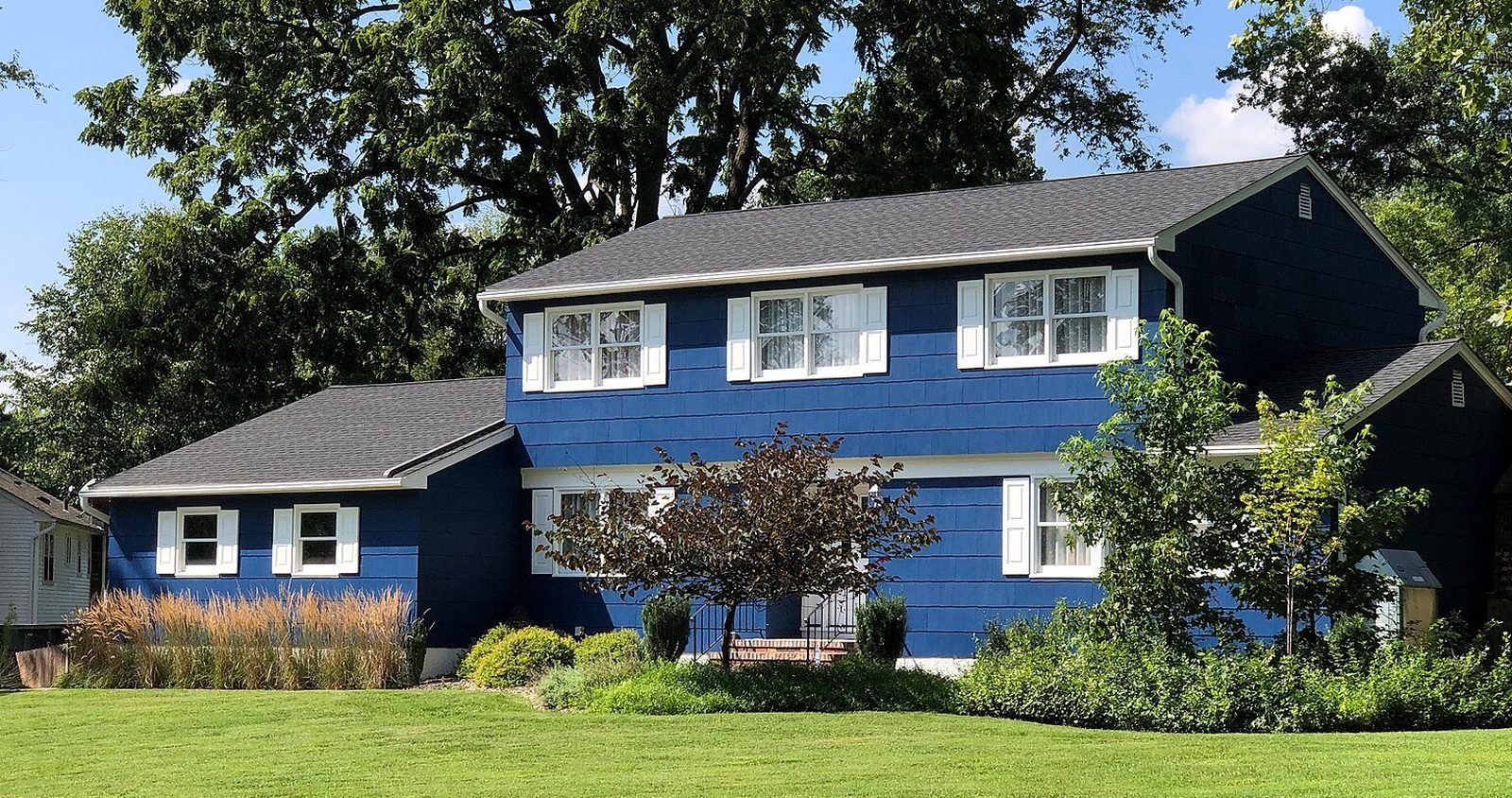
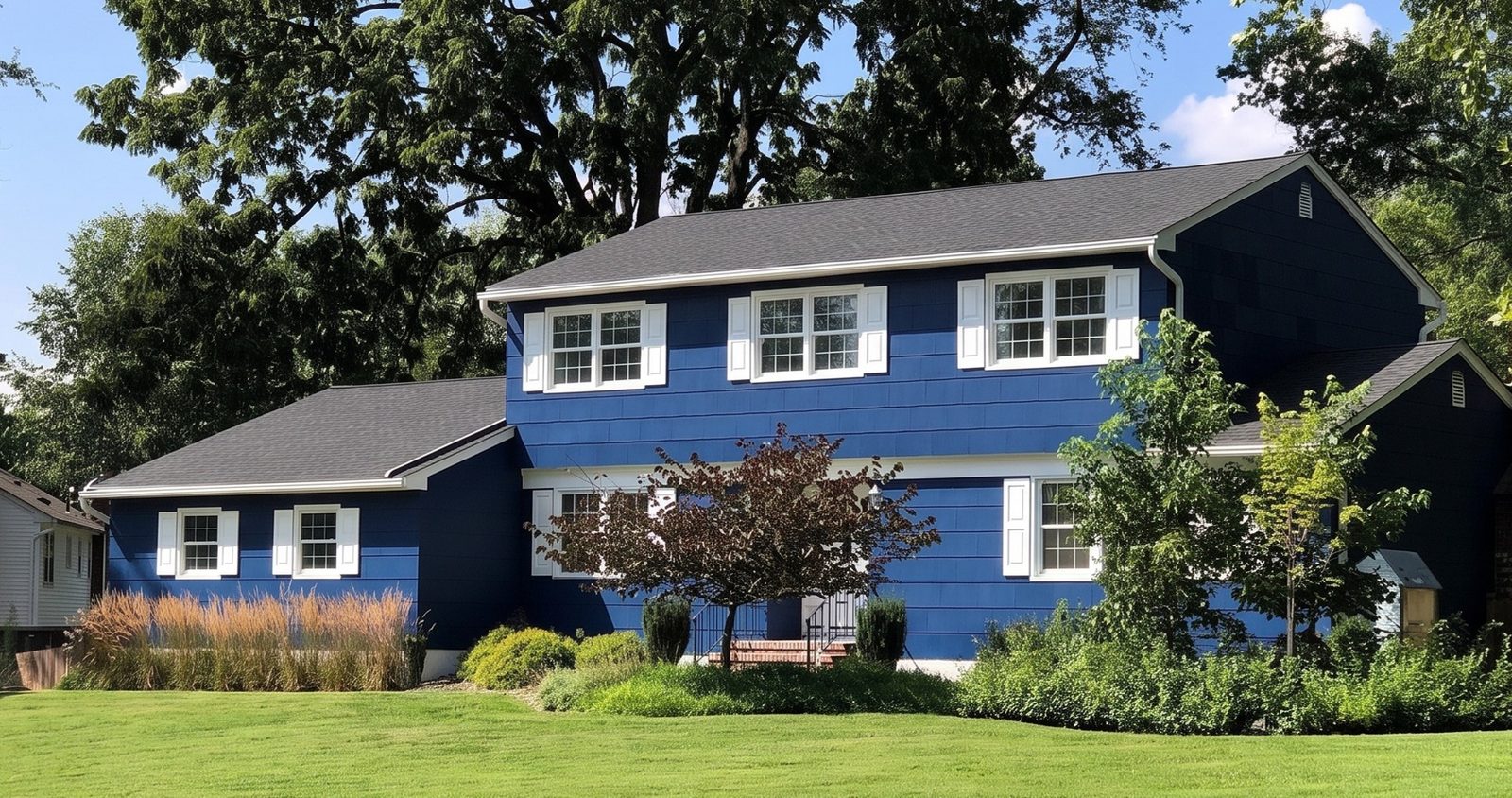
A one-call close needs every question answered in one sitting, and "what will it look like on our house?" is the one a sample can't answer. After you measure and before the price, take one photo of the front or the room they care about, render the look they lean toward, then the alternative from the same photo. Each takes 30 seconds, so it fits inside the visit.
If they decide tonight, the render goes into the order so everyone agrees on the look. If they don't, it goes to their phone that night, and it's the first thing you talk about at the second visit.