
Why do homeowners get three quotes for replacement windows?
Because that's what consumer guides tell them to do. The FTC tells homeowners to collect several written estimates, to skip the automatic lowest bid, and to ask for an explanation when the numbers are far apart1. Massachusetts' home improvement contractor guide goes further: interview at least three contractors and get a detailed estimate and timeline from each2. A homeowner who says "we're getting three quotes" is doing exactly what they were told.
So you won't talk them out of it, and you shouldn't try. A JLC column counts "we want to get other quotes" among the three objections in-home reps hear over and over3. The reps who win these don't fight the comparison. They set its terms, so every other quote gets measured against theirs.
What do you say when they tell you they're getting other quotes?
Agree first, then get three facts: how many companies, when they'll decide, and what will decide it. That lines up with the JLC column's advice: find out why they want more bids, how many and on what timeline, and follow up promptly3. The answers also tell you whether it's a real comparison or a polite way to end the night.
When they say "we're getting other quotes"
Good. You should. It's a big job, and you want to know you're paying a fair price for the right windows.
Can I ask how many companies you're seeing, and when you'd like to make a decision?
When you line them up, what will matter most to you: the price, the windows themselves, how the install is done, or who's doing it?
Here's what I'd suggest. I'll leave you a list of everything that's in my price. Ask the others to answer the same list, and you'll see quickly who's quoting what.
If they've already had another company out, ask what they liked about that visit. It tells you what the other quote is really selling.
What should homeowners compare between window quotes?
Window quotes look alike until you read the details. Two quotes for "twelve vinyl windows" can describe very different jobs. Fill in this list for your own quote, hand it over, and tell the homeowner to ask every company the same questions.
Have your own answers to the license row ready: your license number, if your state or county issues one, and a copy of your insurance certificate. Check the licensing rules that apply to you with your state licensing office and your lawyer. This is general information, not legal advice.
A window quote comparison checklist to leave with the homeowner
Product line
- Why it changes the price
- Many manufacturers sell several series under one brand name, at different prices.
- What to ask every company
- "Which series is this, exactly?"
Frame material and color
- Why it changes the price
- Vinyl, fiberglass, wood and clad wood are priced differently, and some lines charge more for colors.
- What to ask every company
- "What's the frame made of, and is the color on the inside too?"
Glass
- Why it changes the price
- Coatings and gas fills change the price and how the window performs. The U-factor on the NFRC label shows how well the window insulates, and lower is better4.
- What to ask every company
- "What's the U-factor on the label of the window you're quoting?"
Install method
- Why it changes the price
- An insert into the old frame and a full-frame tear-out are different jobs with different labor.
- What to ask every company
- "Are you replacing the whole frame, or setting new windows into the old one?"
What's included
- Why it changes the price
- Removal, haul-away, exterior trim or capping, interior trim, permits and cleanup are where quotes quietly differ.
- What to ask every company
- "What's not included in this price?"
Grilles
- Why it changes the price
- Grilles between the glass and grilles on the glass surface are different products.
- What to ask every company
- "Where do the grilles sit, and how do I clean around them?"
Warranty
- Why it changes the price
- Product and labor coverage often run for different lengths, and some transfer to a new owner.
- What to ask every company
- "Who pays for labor if something fails, and for how long?"
Who installs
- Why it changes the price
- Some companies use their own crews and some use subcontractors.
- What to ask every company
- "Who will be at my house on install day?"
License and insurance
- Why it changes the price
- The FTC advises hiring licensed and insured contractors, checking the license with the state or county, and asking for proof of insurance1.
- What to ask every company
- "Can I have your license number and a copy of your insurance certificate?"
Deposit and payment
- Why it changes the price
- How much is due up front, and when the rest is due, varies a lot.
- What to ask every company
- "How much is due now, and when is the balance due?"
| Compare | Why it changes the price | What to ask every company |
|---|---|---|
| Product line | Many manufacturers sell several series under one brand name, at different prices. | "Which series is this, exactly?" |
| Frame material and color | Vinyl, fiberglass, wood and clad wood are priced differently, and some lines charge more for colors. | "What's the frame made of, and is the color on the inside too?" |
| Glass | Coatings and gas fills change the price and how the window performs. The U-factor on the NFRC label shows how well the window insulates, and lower is better4. | "What's the U-factor on the label of the window you're quoting?" |
| Install method | An insert into the old frame and a full-frame tear-out are different jobs with different labor. | "Are you replacing the whole frame, or setting new windows into the old one?" |
| What's included | Removal, haul-away, exterior trim or capping, interior trim, permits and cleanup are where quotes quietly differ. | "What's not included in this price?" |
| Grilles | Grilles between the glass and grilles on the glass surface are different products. | "Where do the grilles sit, and how do I clean around them?" |
| Warranty | Product and labor coverage often run for different lengths, and some transfer to a new owner. | "Who pays for labor if something fails, and for how long?" |
| Who installs | Some companies use their own crews and some use subcontractors. | "Who will be at my house on install day?" |
| License and insurance | The FTC advises hiring licensed and insured contractors, checking the license with the state or county, and asking for proof of insurance1. | "Can I have your license number and a copy of your insurance certificate?" |
| Deposit and payment | How much is due up front, and when the rest is due, varies a lot. | "How much is due now, and when is the balance due?" |
How do you make your quote the one they compare against?
Be the reference. A quote that's clear, itemized and easy to read tends to become the yardstick the others get held up against. Leave yours already answered on the checklist above, with every option priced.
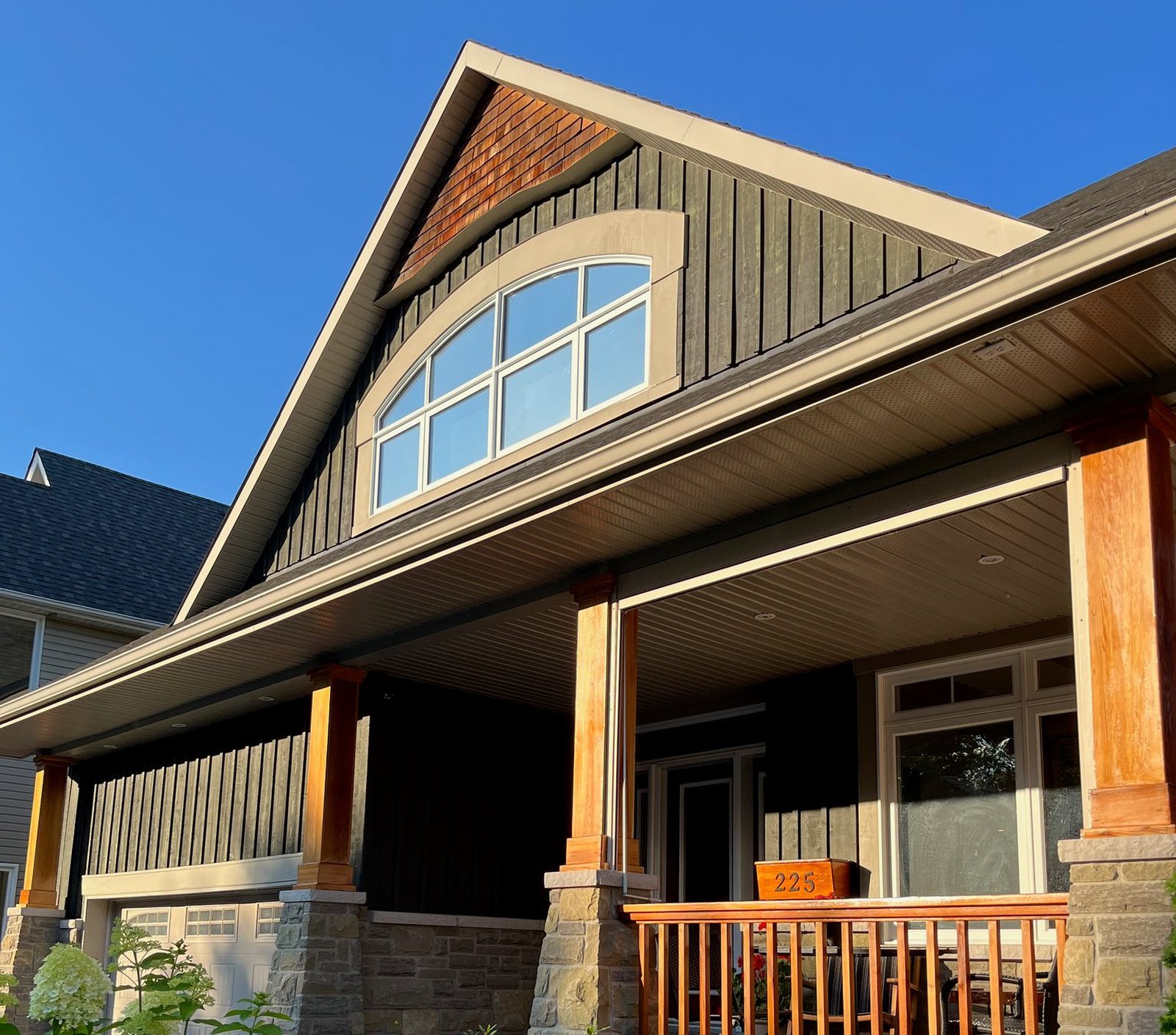
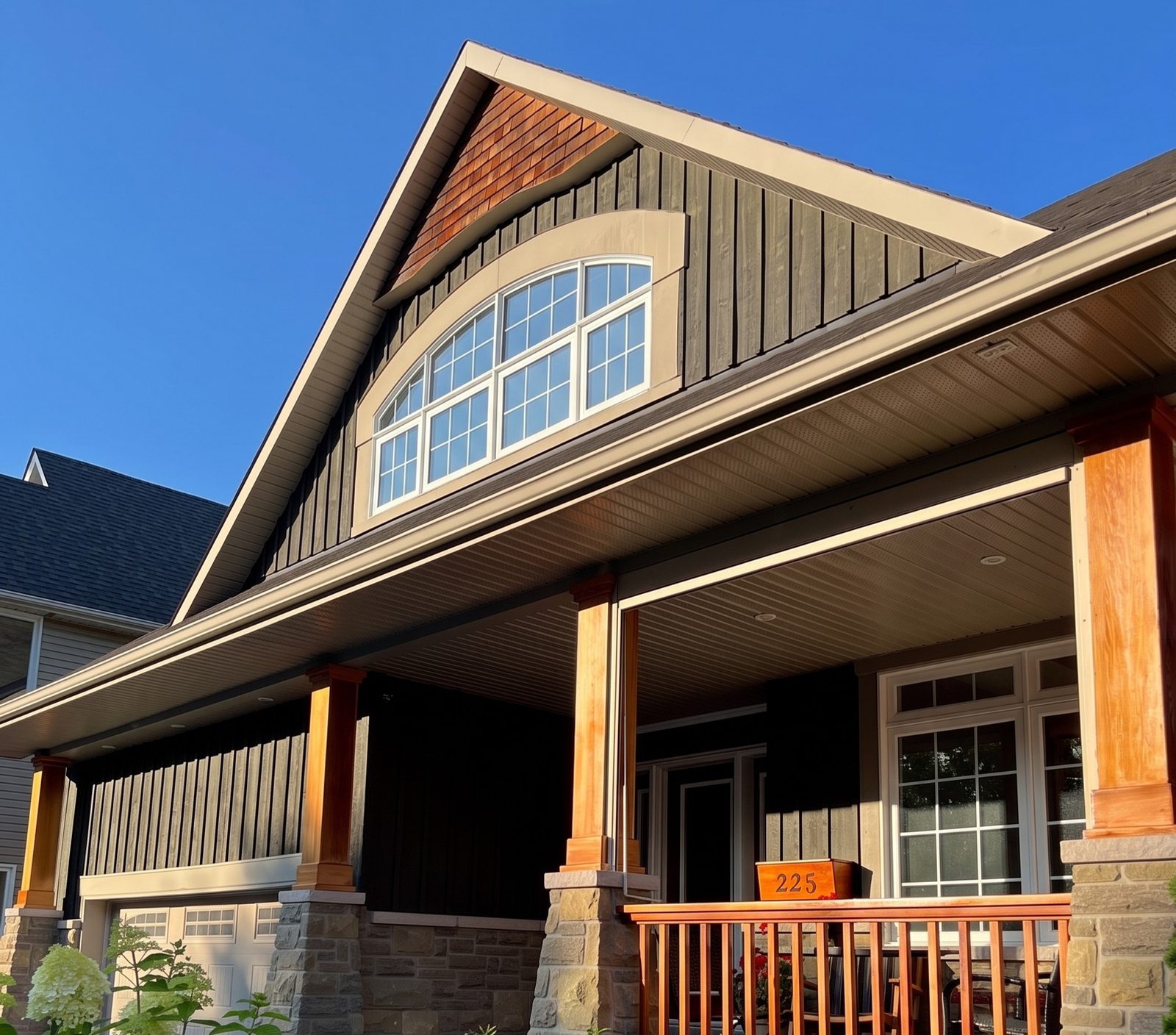
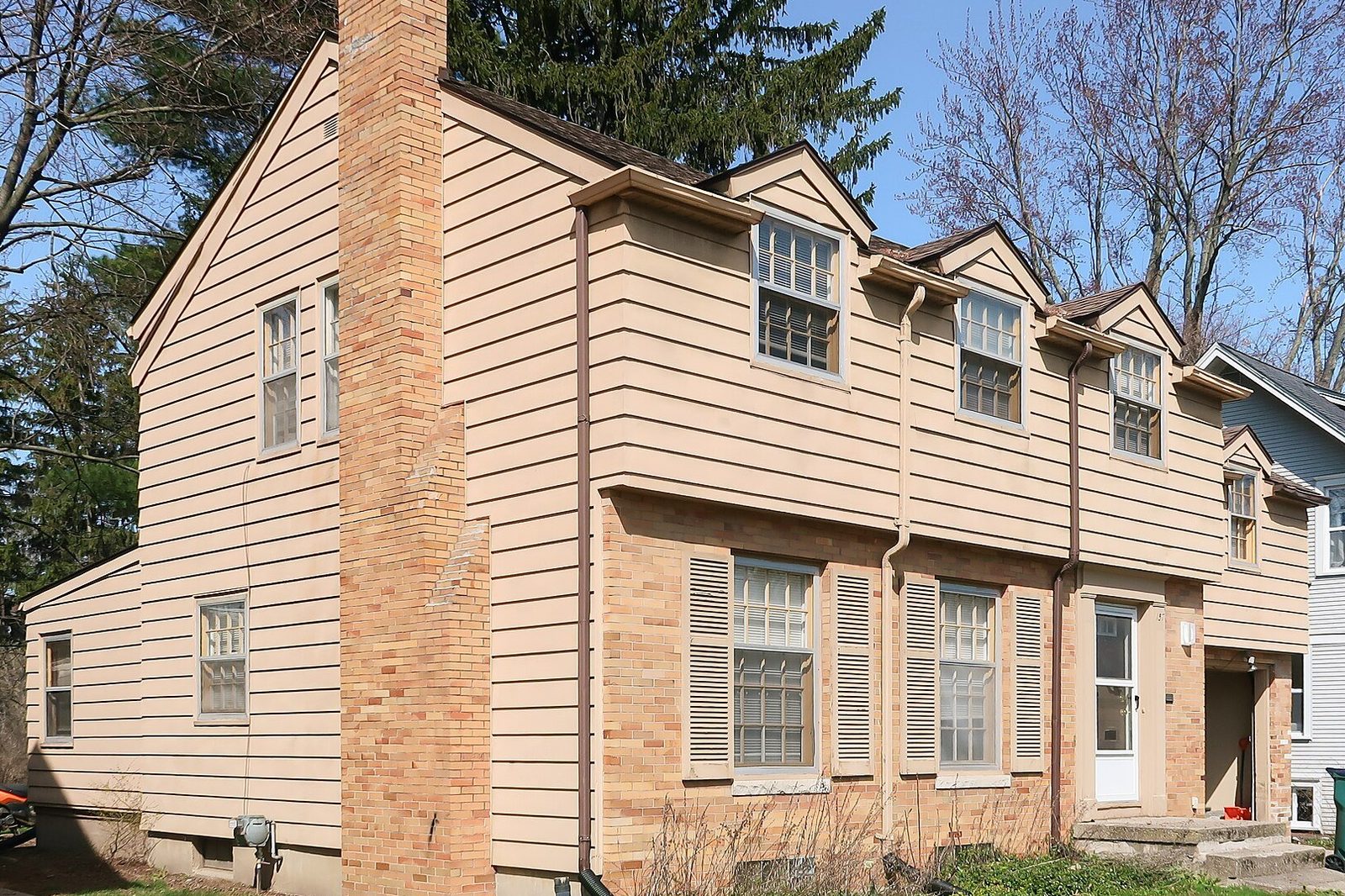
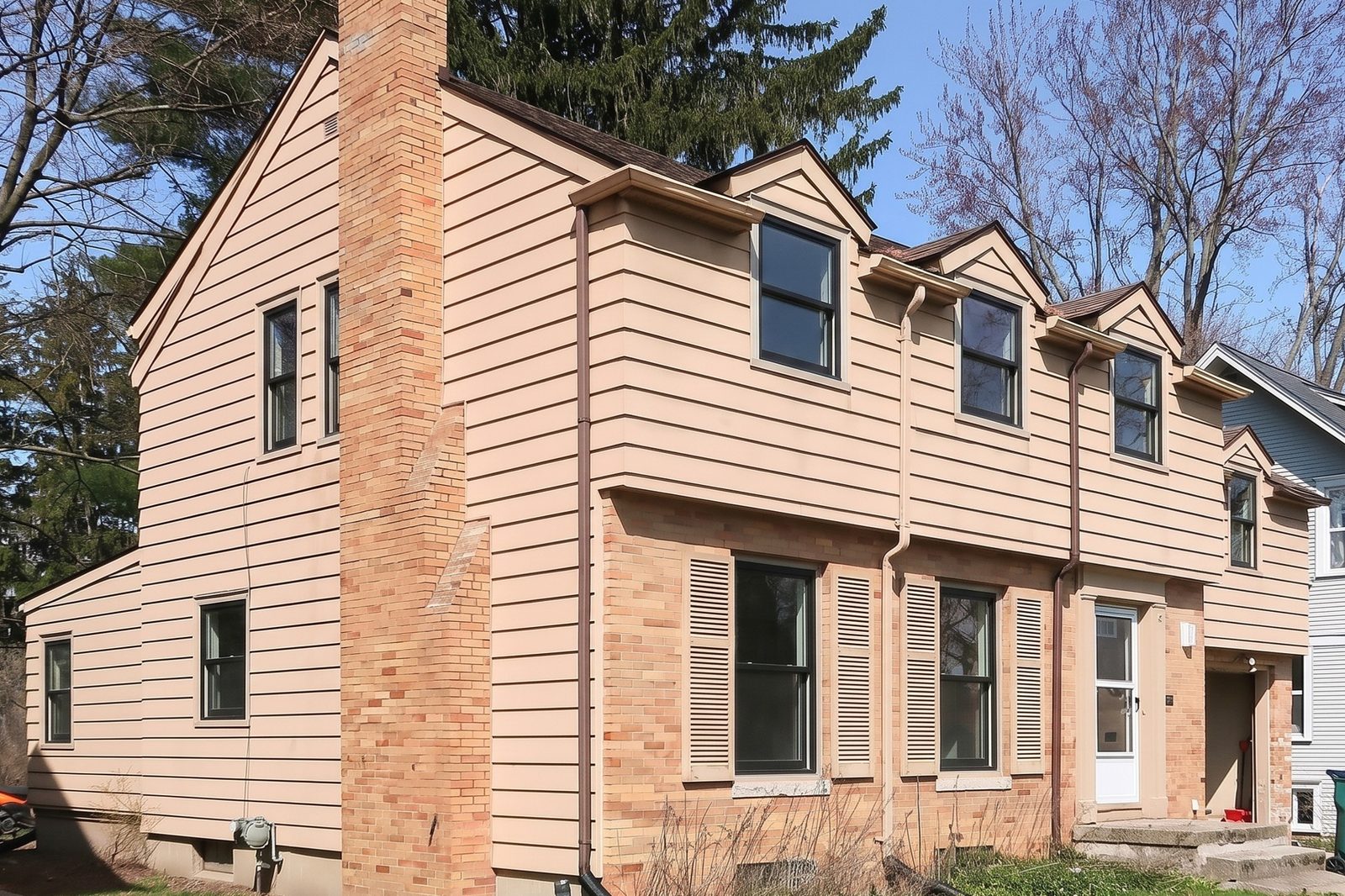
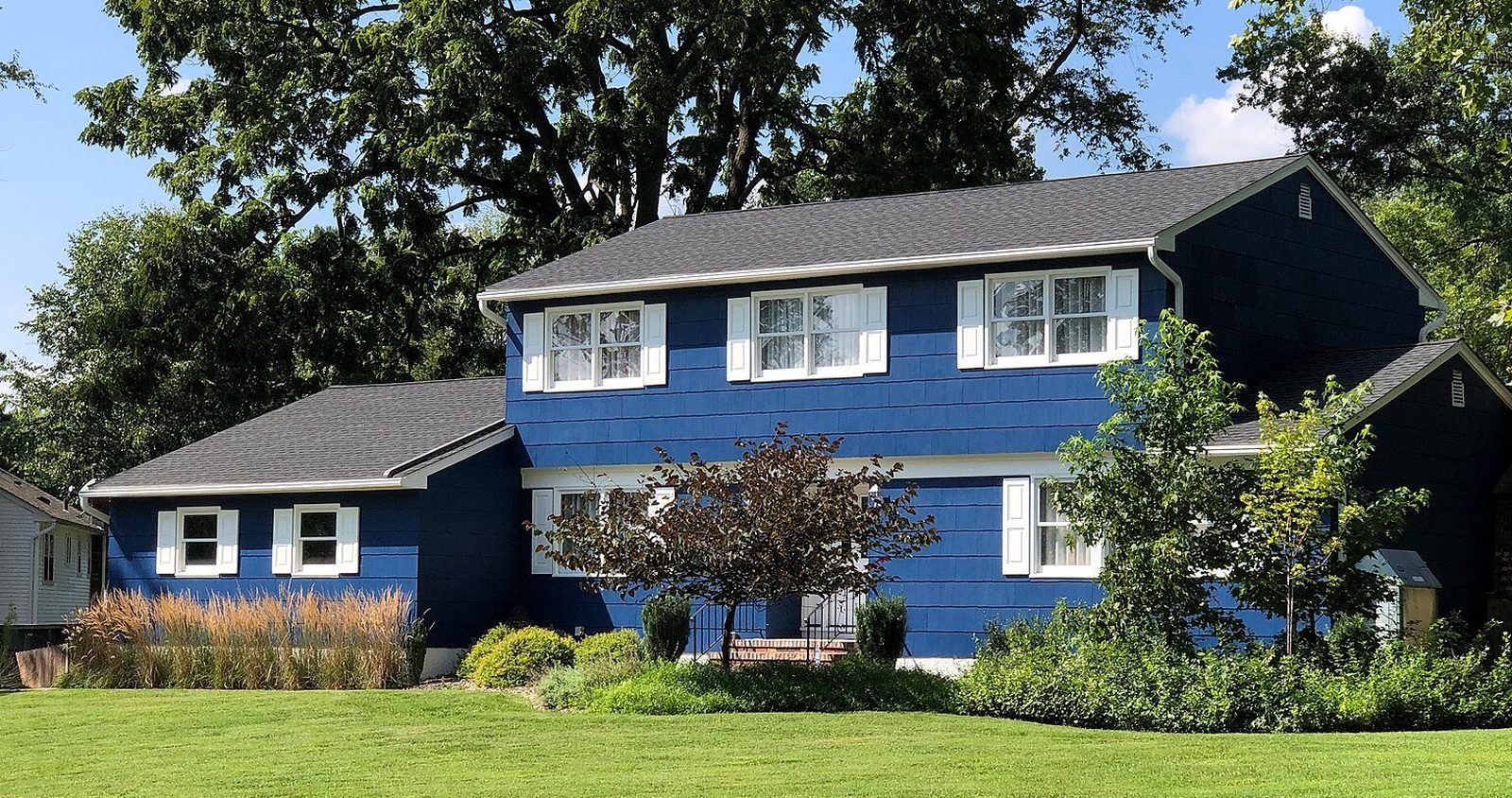
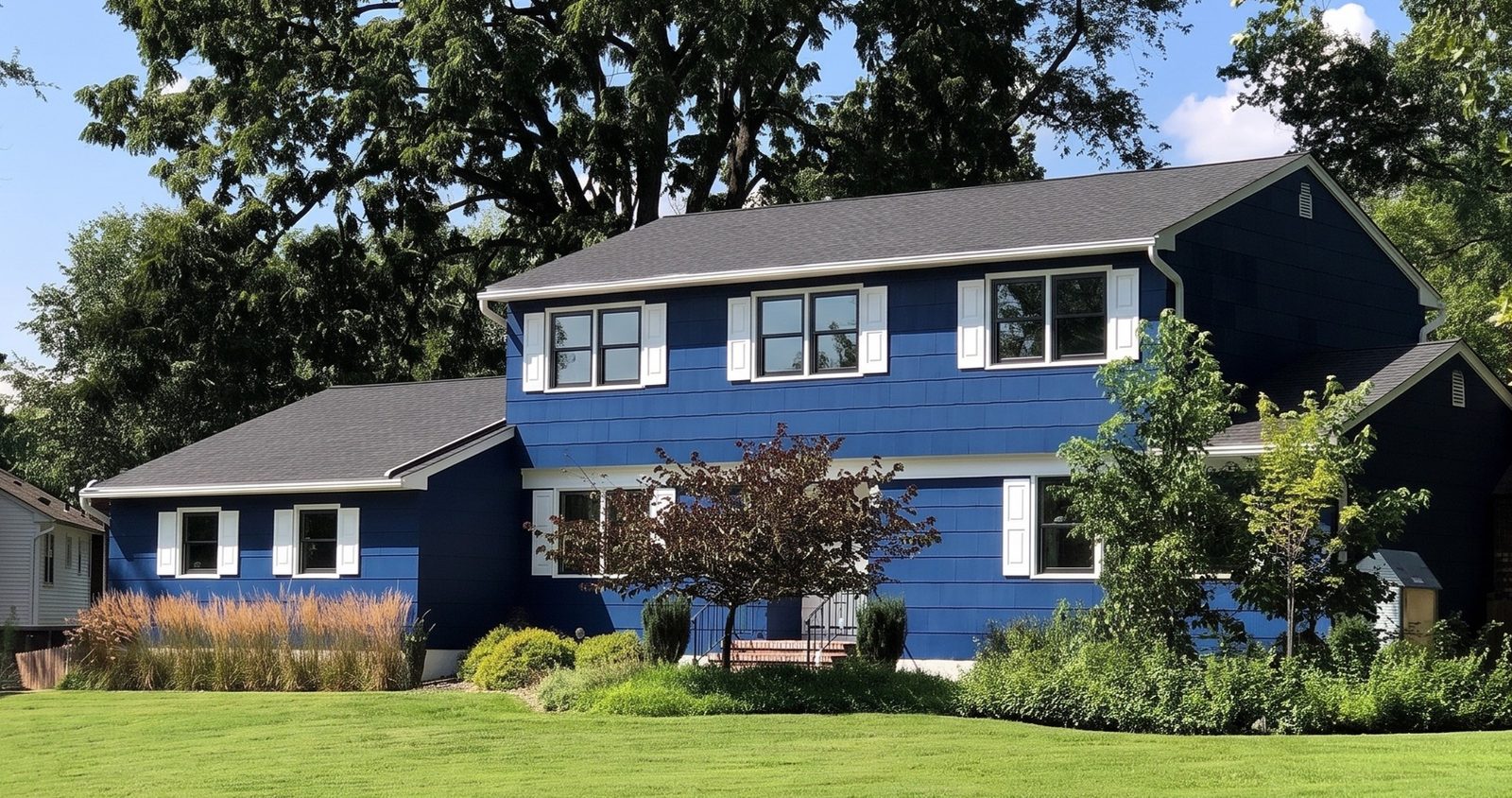
Then give them the one thing the other quotes won't have: their own house. Render the option you quoted from a photo you took during the visit and text it with the checklist. Whatever the next company brings to the table, the homeowner is already holding a picture of their own house with your windows in it.
Thanks for having me tonight. Here's the checklist with everything that's in my price, so you can line the quotes up side by side.
And here's your kitchen with the black frames we talked about, from the photo I took. When are the other companies coming out?
 Render
One tomorrow and one next Tuesday. We want to decide by the end of the month.
Sounds good. I'll call Wednesday, after your last one, to answer anything that came up.
What if their other quote is lower?
Offer to go through it with them, line by line. Most gaps come straight off the checklist: a lower-priced series, an insert instead of a full-frame job, no exterior capping, a shorter labor warranty. Point out the difference plainly and let them decide whether it matters to them.
If it really is the same job for less, you have three honest answers: show why yours is worth the difference, offer a lower-priced option of your own with the scope spelled out, or let it go. Decide which one before you're at the table. The full set of price answers is in window price objection.
Never run down the other company. Talk about the scope, not the people. Homeowners hear an attack on a competitor as a reason to doubt you both. If the other quote is from a national brand or a home center, see competing with Renewal by Andersen and competing with big-box window installers.
Which mistakes lose the comparison?
- "This price is only good tonight." The FTC's advice to homeowners treats a contractor who pushes for a decision on the spot as a scam warning sign1. A homeowner who is comparing quotes will hear a deadline as a reason to cross you off.
- Cutting your price before you've seen the other quote. You'd be bidding against a number that may not exist.
- A one-line quote. "Replace twelve windows" and a total can't be compared on anything but price, so it will be.
- Leaving without their timeline. If you don't know when they'll decide, you can't time the follow-up.
- Asking for copies of the other quotes to keep. Offer to go through them; don't collect them.
- Waiting for them to call you. If you're not in touch on the day they choose, you're not really in the running.
When should you follow up after they get other quotes?
The day after their last appointment. By then they've seen everyone, the details are fresh, and they're starting to choose. Calling before that only interrupts the comparison.
Call with a reason: the answer to a question from the checklist, a second look rendered from the same photo, or a cleaner copy of your quote. The full schedule is in how to follow up window sales, and if they stall instead of choosing, use let me think about it.
The call after their last quote
Hi, it's [name] from [company]. You said you'd have all your quotes in by today. How did they line up on the checklist?
Was there anything on theirs that wasn't on mine, or anything you'd like me to price a different way?
What's left for you to decide?
Where the render fits when they're comparing quotes
Leave it behind. The render is the part of your quote that's about their house, not a brochure: their own house or their own room, with the frame color and grilles you priced. Text it with the checklist after the visit, so the comparison happens with your windows already in the picture.
If they liked a color another company showed them, render that color, or the closest one on your list, from the same photo. Now the choice is between two looks on their house, and you're the one who showed them both.
It doesn't measure or price anything, and each window keeps its current style in the render. Your quote still has to win on scope and price.