What does a window company referral program need?
You probably get referrals already. A program turns the ones that happen by luck into ones you ask for, track and pay on time. It doesn't need software. It needs six decisions written on one page that every rep, installer and office person can explain the same way.
Put that page in the welcome packet, on the back of the business card and on your website, in the same words everywhere. A reward the customer has to ask about twice is a reward they stop mentioning to friends.
The six decisions behind a referral program
Who can refer
- What to settle
- Past customers only, or anyone: neighbors, agents, other trades
- A simple place to start
- Anyone, with one reward for customers and a separate written agreement for businesses
What counts
- What to settle
- A name and number, a booked visit, or a signed order
- A simple place to start
- A signed order from a homeowner who wasn't already in your system
The reward
- What to settle
- Cash, a gift card, credit on future work, or a donation
- A simple place to start
- One reward, the same for everyone, stated as a set amount
When you pay
- What to settle
- At signing, at install, or once the job is paid
- A simple place to start
- After the new customer's cancellation window has closed
How you track it
- What to settle
- A CRM field, a referral card, a code
- A simple place to start
- A "referred by" field filled in on the first call, every time
The fine print
- What to settle
- Limits, expiry, ties, what happens if the job cancels
- A simple place to start
- Three short lines on the back of the card, no more
| Decision | What to settle | A simple place to start |
|---|---|---|
| Who can refer | Past customers only, or anyone: neighbors, agents, other trades | Anyone, with one reward for customers and a separate written agreement for businesses |
| What counts | A name and number, a booked visit, or a signed order | A signed order from a homeowner who wasn't already in your system |
| The reward | Cash, a gift card, credit on future work, or a donation | One reward, the same for everyone, stated as a set amount |
| When you pay | At signing, at install, or once the job is paid | After the new customer's cancellation window has closed |
| How you track it | A CRM field, a referral card, a code | A "referred by" field filled in on the first call, every time |
| The fine print | Limits, expiry, ties, what happens if the job cancels | Three short lines on the back of the card, no more |
The referral card, word for word
Front: Know someone who's been talking about their windows? Send them our way.
Back: When someone you send us signs an order, we'll send you [reward] as a thank-you, [when you pay, for example "about two weeks after their install"]. They can text a photo of the front of their house to [number] and we'll send it back with new windows on it, no visit needed.
Fine print: The new customer must not already be in our system. Tell us your name when they call, or ask them to. One reward per new order; if the order is cancelled, there's no reward.
[Company], [phone], license [number].
Swap in your own reward and timing. Have a lawyer and an accountant in your state read the card before you print it.
How much should a window company pay for a referral?
Price the reward against what a lead costs you now. LocaliQ's 2025 search-ad benchmarks put a Doors & Windows Sales lead at $200.341, and Elevarus, which sells leads, estimates that a shared windows lead works out to about $220 to $310 per appointment that actually sits2. Those are costs before anyone buys. A referral reward is paid only when someone does, so it can be bigger than either figure and still cost you less per sale.
Work it out from your own books: take what you spent on paid leads last quarter and divide it by the sales they produced. That's what a sale costs you today. Pick a reward well under that number that a customer would still bother to mention to a friend.
Pay once the new sale is safe. A sale made in the home can be cancelled until midnight of the third business day under the FTC's Cooling-Off Rule3, and some states allow longer, so pay after that window closes, or at install. Tell the customer when to expect the reward, then pay on that day.
Referral reward options for a window company
A check
- Works well when
- You want the plainest message: "We pay you when your friend buys."
- Watch out for
- Tax reporting and state rules. Ask your accountant and a lawyer before you print an amount.
A gift card
- Works well when
- You want it to feel like a thank-you, not a commission.
- Watch out for
- Pick a store most people around you use, not one that only fits your own taste.
Credit on future work
- Works well when
- You also sell doors, screens or the windows they put off.
- Watch out for
- It only means something to customers who plan more work.
A donation in their name
- Works well when
- Your customers would rather not take money for a friend's purchase.
- Watch out for
- Let them choose from a short list of local causes.
Something for both sides
- Works well when
- The friend gets a small extra too, like an upgrade you'd offer anyway.
- Watch out for
- If you call the friend's extra free, don't raise the price to pay for it4.
| Reward | Works well when | Watch out for |
|---|---|---|
| A check | You want the plainest message: "We pay you when your friend buys." | Tax reporting and state rules. Ask your accountant and a lawyer before you print an amount. |
| A gift card | You want it to feel like a thank-you, not a commission. | Pick a store most people around you use, not one that only fits your own taste. |
| Credit on future work | You also sell doors, screens or the windows they put off. | It only means something to customers who plan more work. |
| A donation in their name | Your customers would rather not take money for a friend's purchase. | Let them choose from a short list of local causes. |
| Something for both sides | The friend gets a small extra too, like an upgrade you'd offer anyway. | If you call the friend's extra free, don't raise the price to pay for it4. |
When should you ask customers for referrals?
When the customer is happiest with you, and more than once. Your reps have their own install-day ask, covered in self-generated leads for window reps. The company program adds the touches nobody has to remember, because they're on the calendar.
Text a referral only after your customer has checked with their friend. A name passed on without asking starts the relationship as a cold call.
When the company asks for referrals
At signing
- Who asks
- The rep
- What they say or send
- Mention the program once and leave the card. Don't ask for names yet; they haven't seen your work.
Final walk-through
- Who asks
- The install lead or project manager
- What they say or send
- Ask after the cleanup, while the customer is looking at the new windows.
About a month later
- Who asks
- The office
- What they say or send
- A check-in text: how are the windows working? Attach a photo of the referral card.
The first cold snap or heat wave
- Who asks
- The office
- What they say or send
- Ask how the house feels this season, and remind them the offer stands.
The one-year anniversary
- Who asks
- The office
- What they say or send
- A thank-you note with the card, and a reminder of any service you include.
| When | Who asks | What they say or send |
|---|---|---|
| At signing | The rep | Mention the program once and leave the card. Don't ask for names yet; they haven't seen your work. |
| Final walk-through | The install lead or project manager | Ask after the cleanup, while the customer is looking at the new windows. |
| About a month later | The office | A check-in text: how are the windows working? Attach a photo of the referral card. |
| The first cold snap or heat wave | The office | Ask how the house feels this season, and remind them the offer stands. |
| The one-year anniversary | The office | A thank-you note with the card, and a reminder of any service you include. |
The final walk-through ask
Before I go, is there anything about the windows you'd like me to look at again?
Good. One more thing. We'd much rather meet people through customers like you than through ads. If you know anyone who's been talking about their windows, here's our card. When someone you send us goes ahead, we send you [reward] as a thank-you.
And if they'd like to see their own house first, they can text a photo of the front to the number on the card. We'll send it back with new windows on it, no visit needed.
Swap in your reward. Ask the customer to check with their friend before passing on a number.
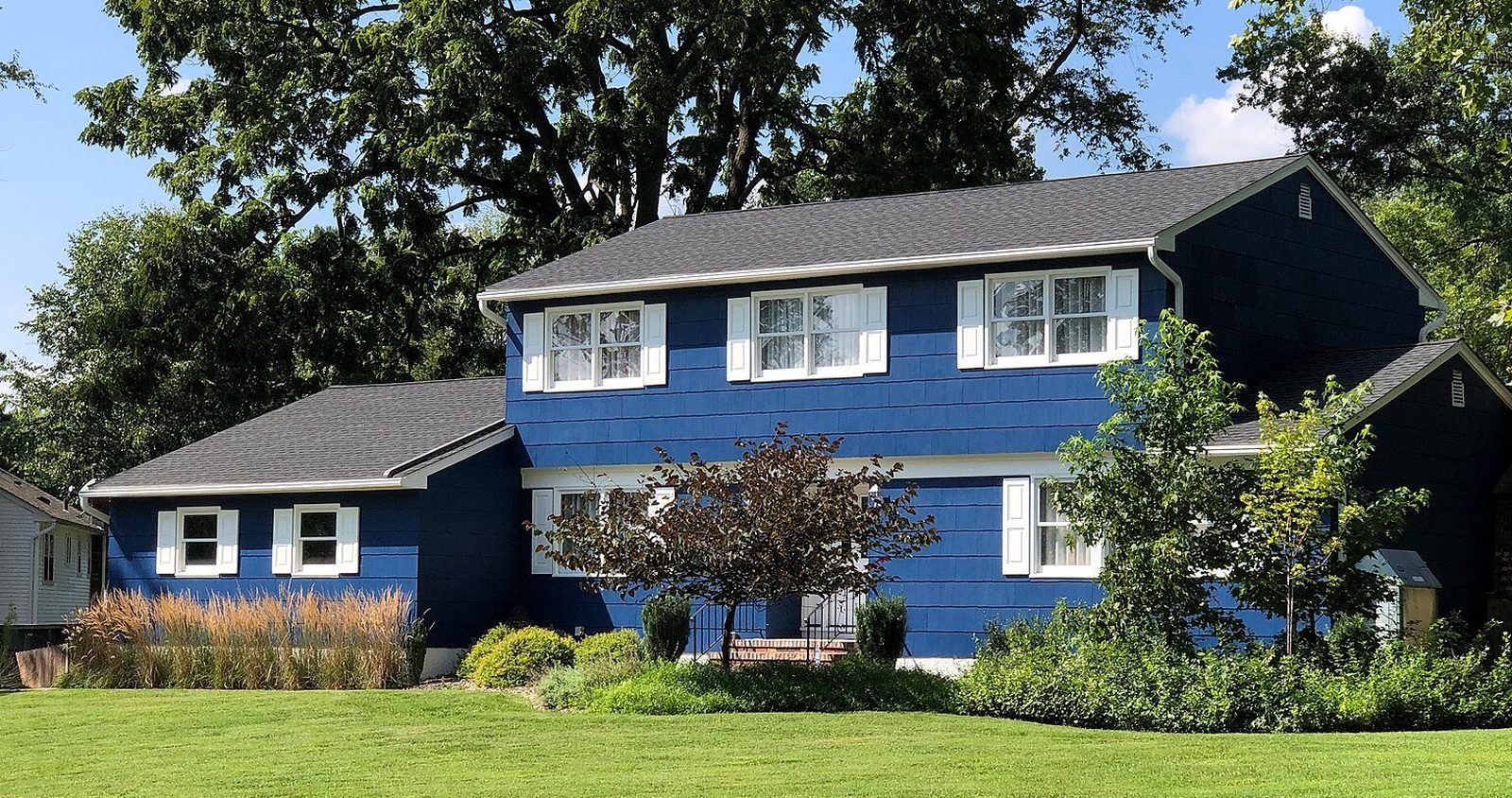
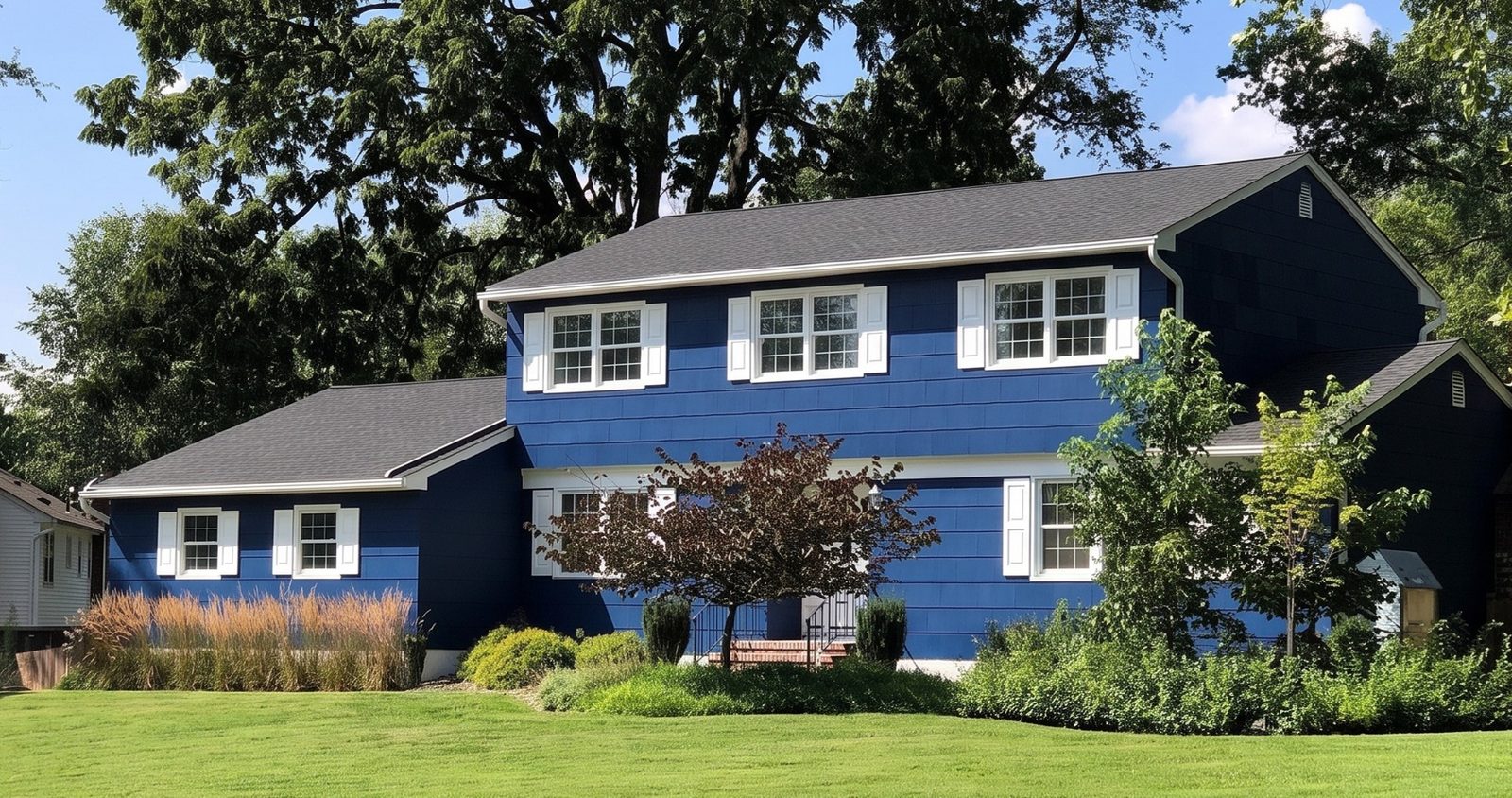
Hi, this is the window company your neighbor across the street used. They said you'd be OK with a text. Want to see your house with new windows? Just send a photo of the front.
Sure, here it is.
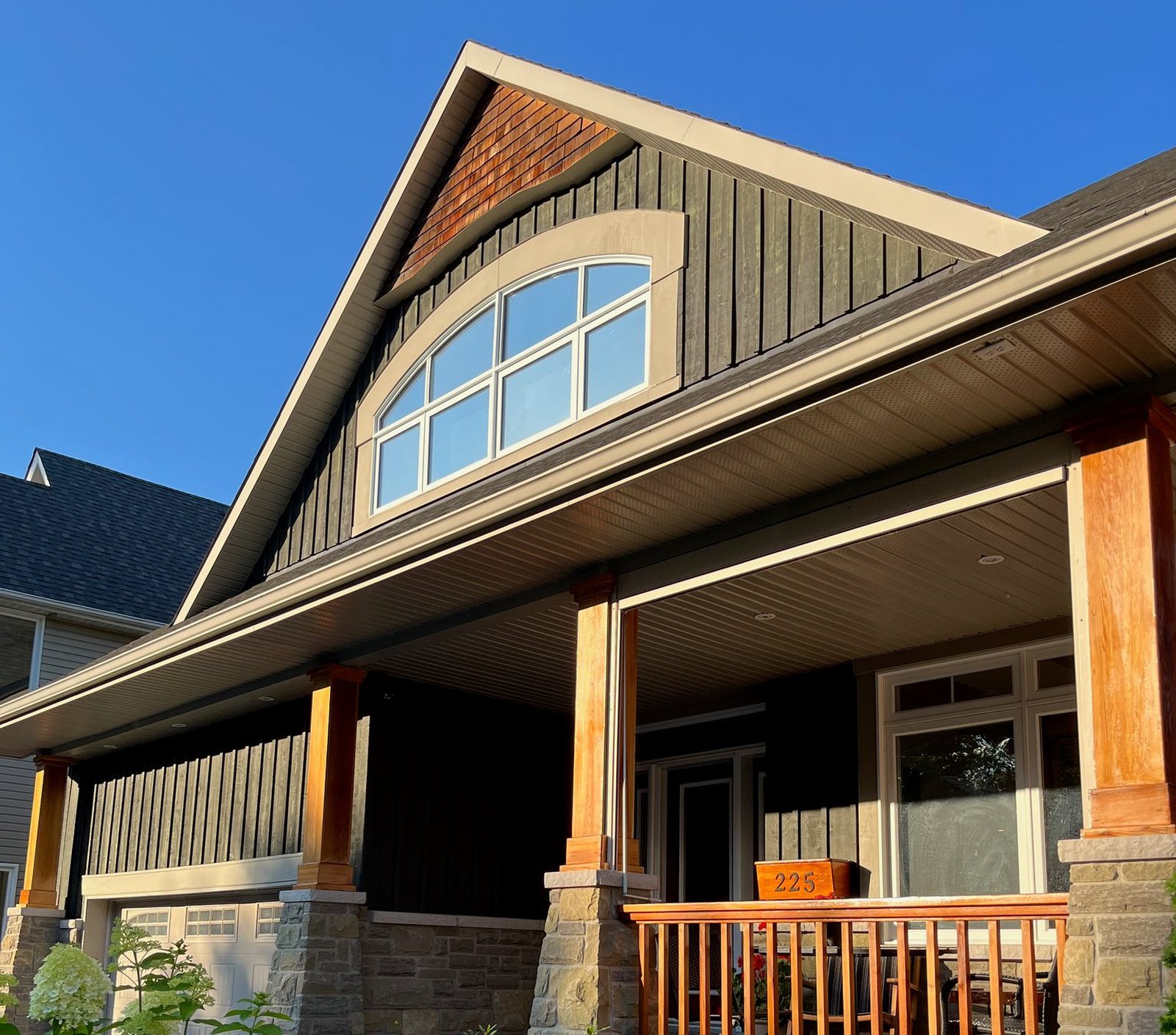
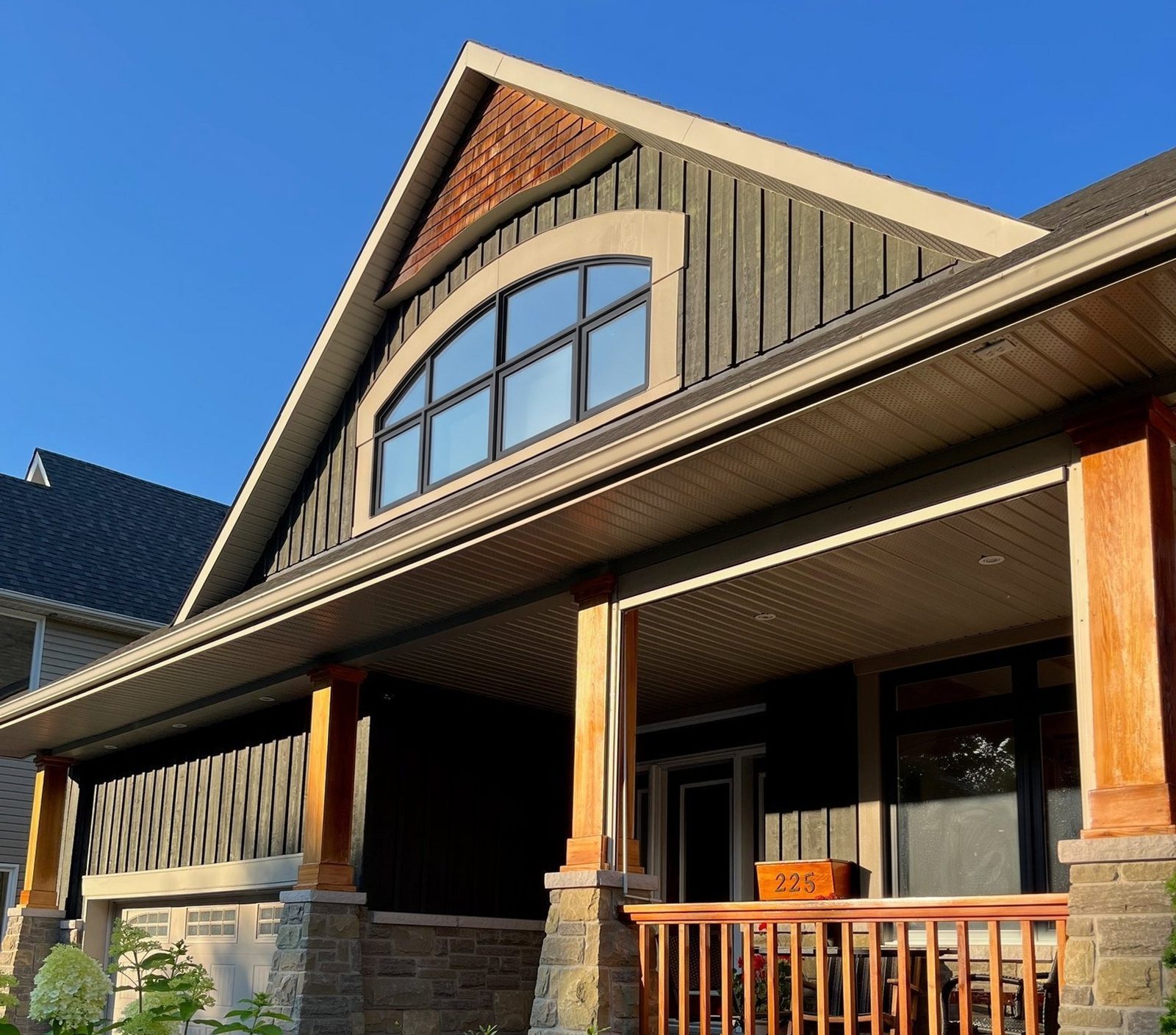
Thanks! Here it is with black frames. Same windows, just the new color. Want to see white with grids too?
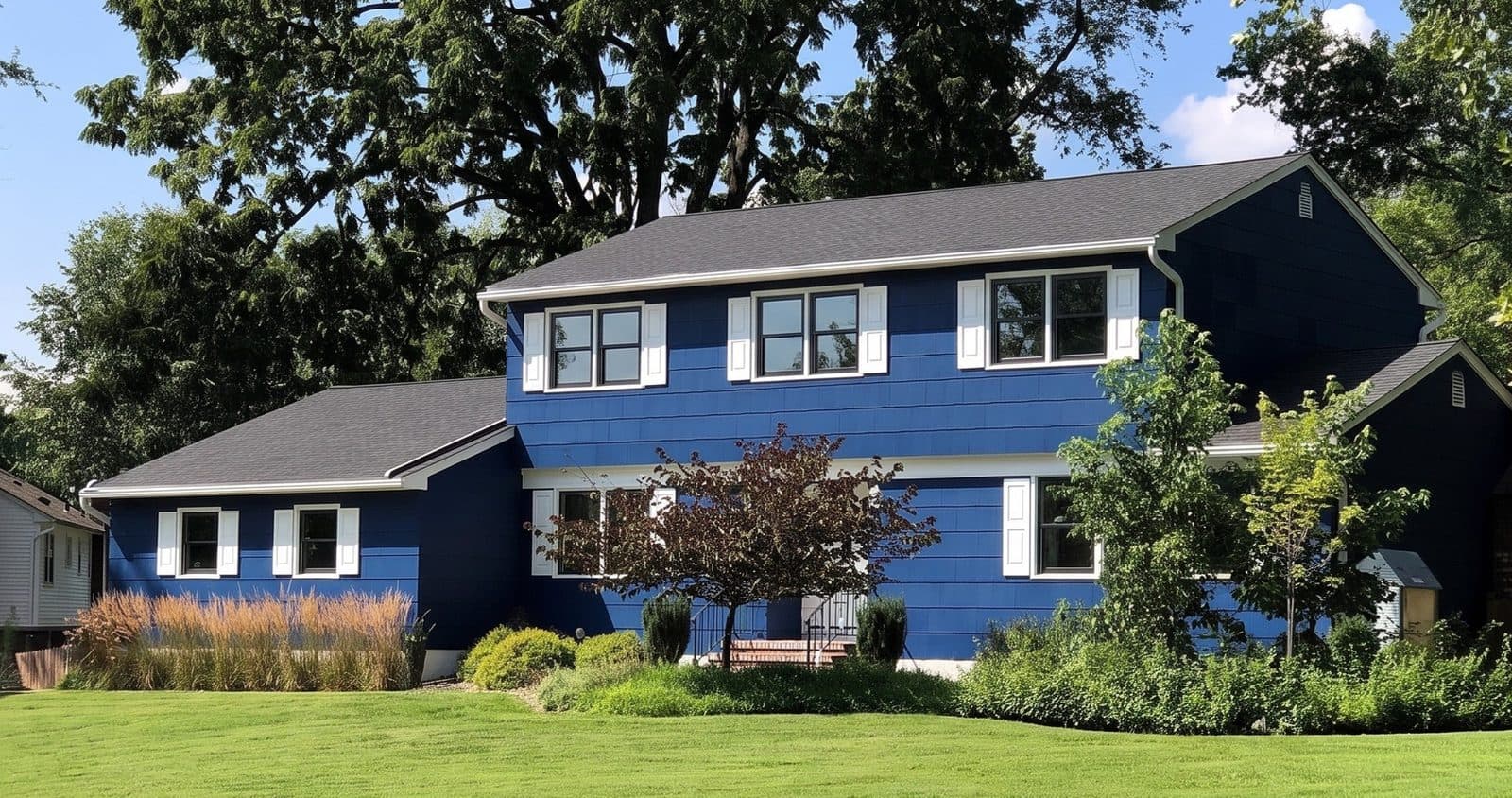 Render
Black looks great. What would it cost?
Depends on sizes and how many. I can stop by Thursday at 5 to measure and leave you a written price. Does that work?
Do yard signs work for window companies?
A yard sign works because of where it stands: in front of a house the whole street just watched get new windows. Neighbors see the crew, see the sign and know who to call. We couldn't find a public study of what yard signs return for window companies, so count your own: give the sign its own phone number or short web address, and log every call that comes from it.
Ask for permission in writing. A line on the contract ("OK to place a sign during the install and for [number] weeks after") saves an awkward talk on install day. Check your town's sign rules and any HOA rules before you print a stack, and pick the sign up on the day you promised.
The houses around the job are worth a visit too; that playbook is in door to door window sales.
- Your company name and one phone number or short web address, big enough to read from a passing car.
- What happened here, in a few words: "New windows by [company]."
- A take-one box on the post with a small flyer: what you do, the referral offer, and "Text a photo of your house to see it with new windows."
- Your license number, if your state requires it on advertising. California, for one, requires it on all forms of advertising5; ask your own state's licensing board.
- Nothing you can't back up. "Lowest prices in town" on a sign is an ad claim, and the FTC says ad claims must be truthful and backed by evidence6.
Asking to place the yard sign
While the crew's here this week, can we put a small sign in the front yard? It just says who did the windows.
We'll pick it up on [date]. If anyone stops to ask about it, feel free to send them our way, and if they go ahead, the referral thank-you is yours.
How do you build realtor partnerships as a window company?
Agents run into window problems at two moments: a seller getting a house ready to list, with fogged glass or a sash that won't stay up, and a buyer whose inspection report flags the windows. Both need a fast, written answer from someone reliable. That's your offer: a named contact who calls back the same day, a written quote the agent can hand to the client, and honest advice about what can wait.
Never give an agent a render to use as a listing photo. A listing shows the house that's for sale, and a render shows windows it doesn't have. The National Association of Realtors' Code of Ethics tells its members to present a true picture in their advertising7, and a render in a listing works against that. A render for the buyer is a different thing: labelled as a render, after the inspection, it shows what the house could look like once they replace the windows. Make it from a photo you took yourself at the quote visit, not from the listing photos, which aren't yours to use.
Be careful about paying agents. Under the NAR Code, a Realtor who recommends real estate products or services must disclose to the client any fee they get from the recommendation, other than real estate referral fees7, and your state's real estate license law may have its own rules. The simpler deal involves no money: you answer their calls first and do good work for their clients. If you want to pay, have a lawyer in your state review it first.
Introducing yourself to an agent
Hi, I'm [name] with [company]. We replace windows here in [town].
When an inspection flags windows, or a seller needs fogged glass fixed before the listing goes up, I can get out there within [timeframe] and give you a written quote to hand your client.
I'm not asking you to push us. Just keep my number for the next report that says "windows."
Never offer to edit listing photos. Offer a render for buyers, labelled as one.
How do you track referrals and know the program pays?
Ask "How did you hear about us?" on the first call, write the answer in a "referred by" field, and never leave it blank. Then count the same numbers for referrals that you count for every paid source: leads, appointments that sat, sales and average job. How to set those up is in window sales metrics.
Compare your referral close rate with your overall one. For a yardstick, Siro's in-home benchmarks put windows and doors at a 29.1% average close rate8. A referred homeowner starts the visit already trusting someone who bought from you, which should show in your numbers. Yours will tell you whether it does, and so what a referral is really worth to you.
Answer referrals the day they come in. A friend's trust fades if nobody calls for a week; the case for speed is in speed to lead for window companies.
What mistakes sink a window referral program?
- A reward nobody hears about. If the customer can't repeat the offer in one sentence, they won't repeat it at all.
- Paying late, or arguing over whether a referral counts. One slow check ends the referrals from that customer and from everyone they told.
- Tying the reward to a review. Keep the two asks apart: the FTC's 2024 rule bans incentives conditioned on a review being positive or negative9, and Google's policy treats incentivized reviews as fake engagement10. Reviews have their own playbook in how to get more reviews for a window company.
- Customers who post about you to earn the reward without saying so. A reward is the kind of connection the FTC's Endorsement Guides say must be disclosed when readers wouldn't expect it11, so when you invite customers to share the offer online, ask them to mention the reward in the post.
- Using a customer's house in marketing without asking. Their photo, their render and their address are theirs. Get a yes before any of them goes on a flyer or a post.
- Automated texts to referrals. A one-to-one text after the friend said OK is one thing; a blast is another. Check the rules first.
- Paying cash with no record. Keep who, what, when and why for every reward. The IRS's 1099 instructions list referral fees between professionals among its examples of nonemployee compensation12, so ask your accountant how rewards to customers should be reported. This is general information, not legal or tax advice.
Where the render fits in a referral program
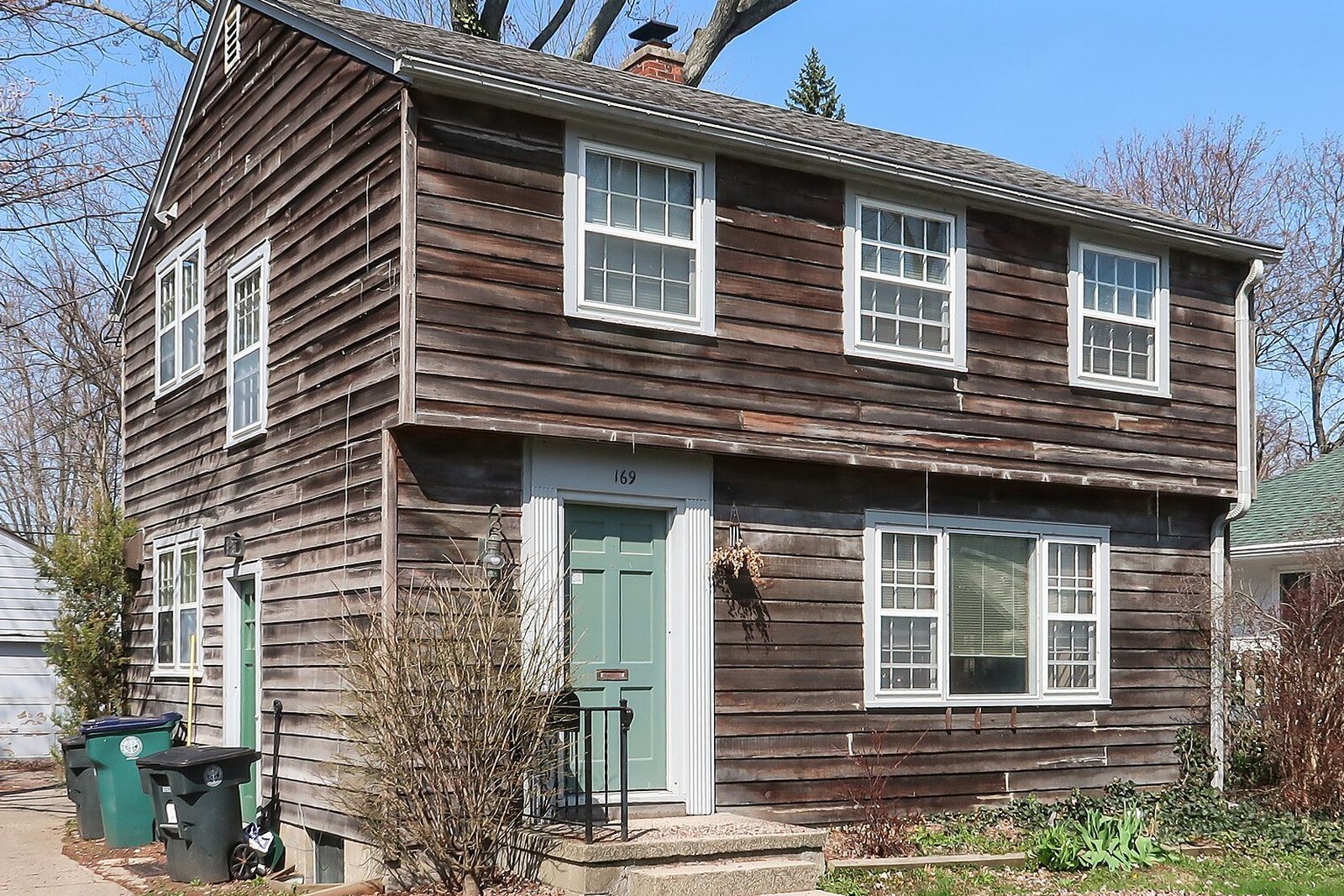
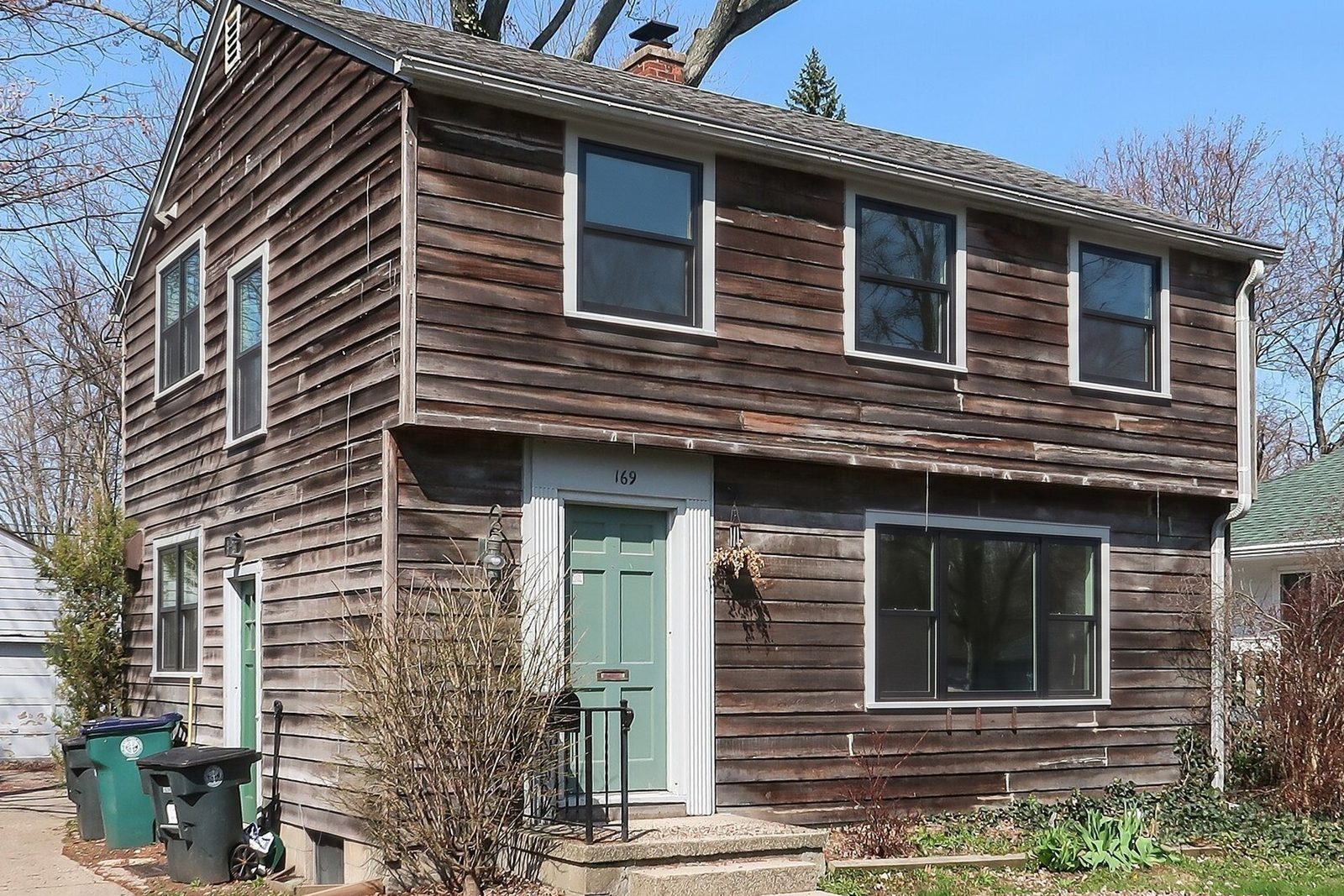
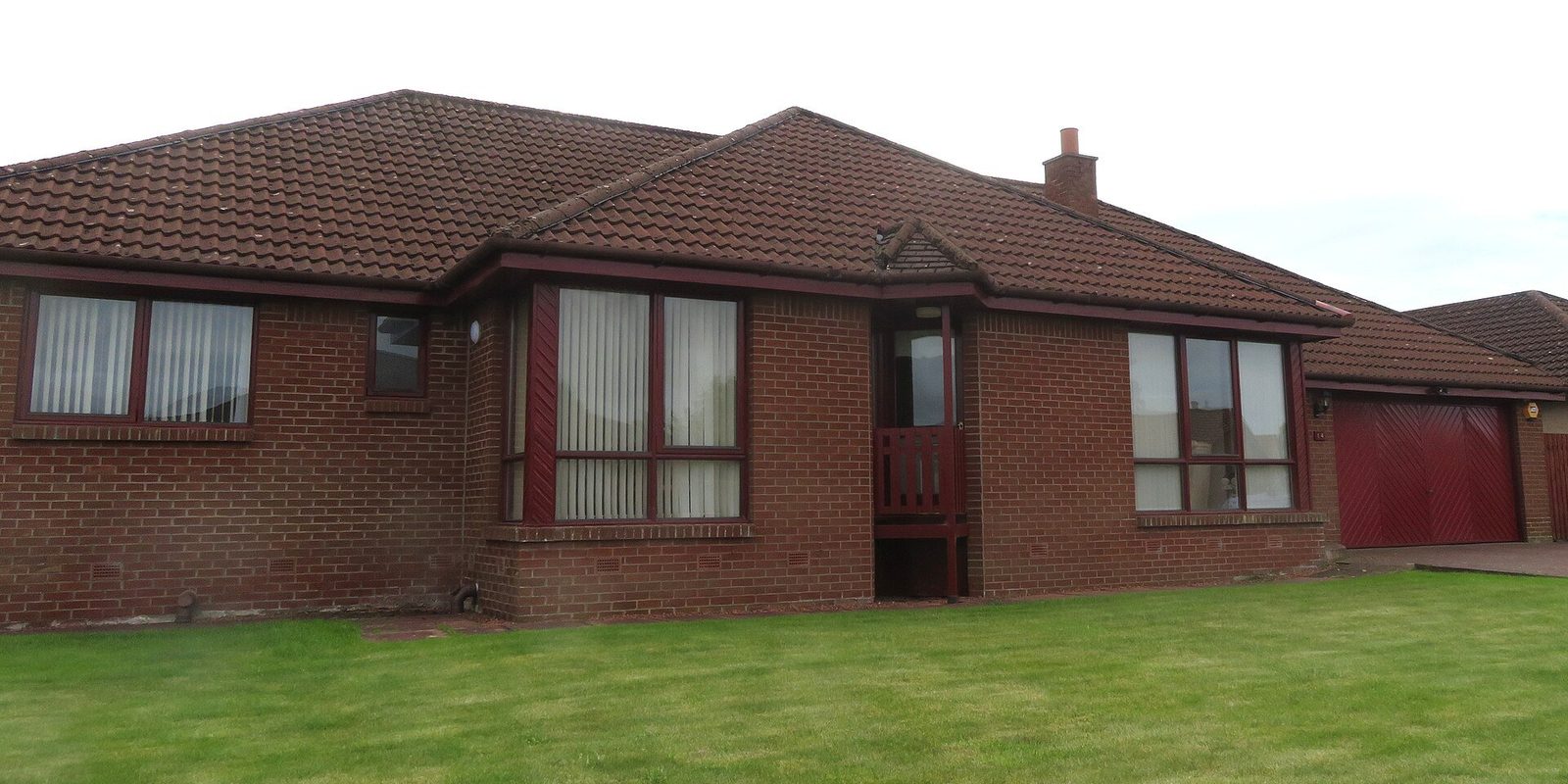
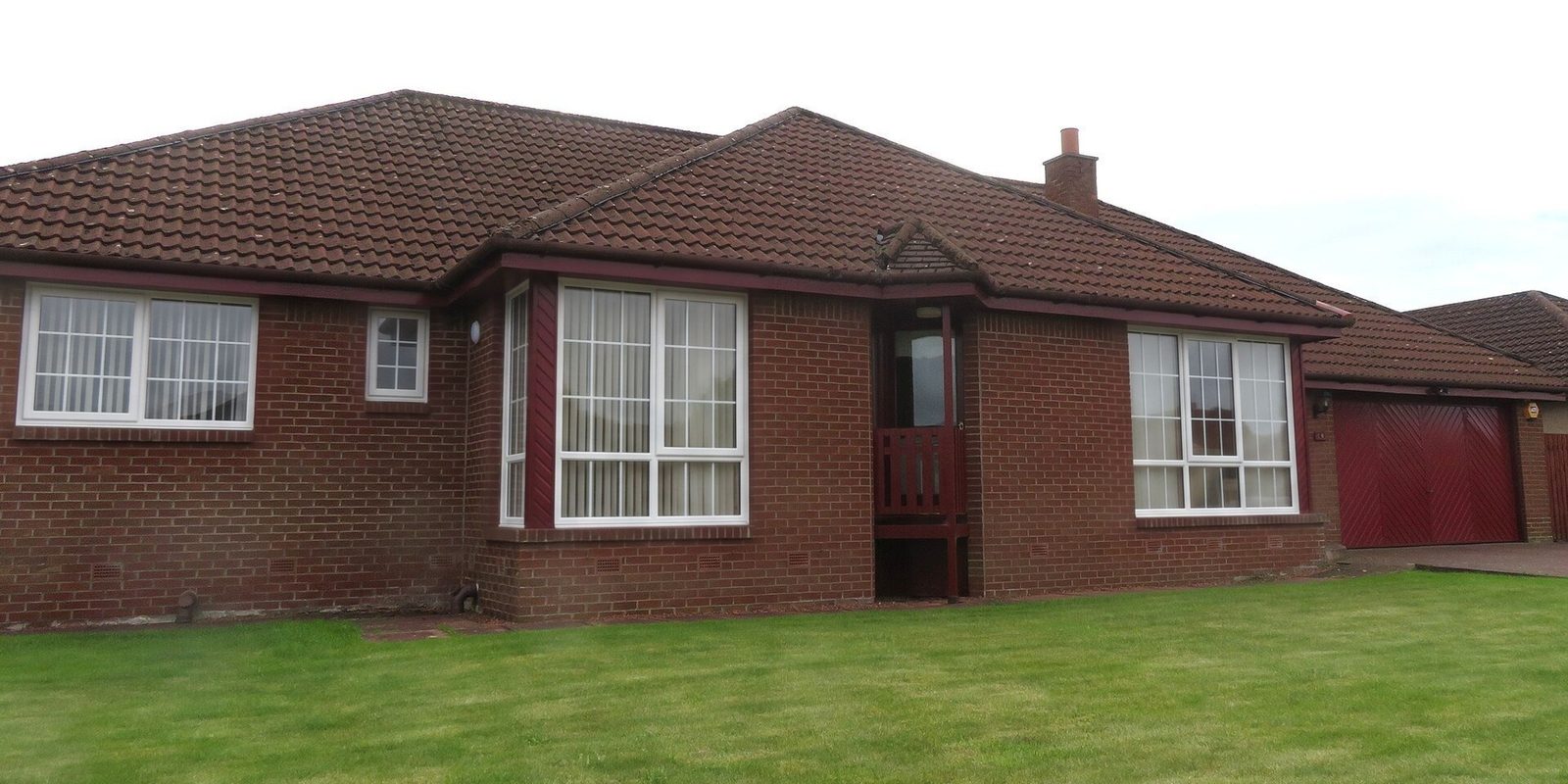
The render is the easy first step you hand every referral. A friend who hears "call this window company" has to decide to sit through a sales visit. A friend who hears "text them a photo and they'll show you your house with new windows" only has to take a picture. Your rep renders it in 30 seconds, sends it back, and the first conversation is about their house, not your pitch.
Put that offer everywhere the program lives: on the referral card, on the take-one flyer in the yard sign box, and in the walk-through ask. The same photo offer works on a postcard to the street, as in direct mail for window companies. For agents, render the buyer's house after the inspection, labelled as a render, and keep it out of the listing.
Each window keeps its current style in the render. It shows new frame colors, materials and grilles on the friend's own house, not a switch from double-hung to casement.