Does door to door still work for window companies?
It works when you knock with a reason. Cold knocking a random street is a long run of empty porches and "not interested." The street where your crew is installing this week is different: the neighbors can see the truck, the old windows coming out and the new ones going in, and you're the company they just watched work.
Windows also give you an edge most trades don't have: you can see the problem from the sidewalk. Foggy glass, peeling sills and old storm windows tell you which doors to knock first and what to say when they open.
Keep score from the first day. Track doors knocked, conversations, appointments set and appointments that actually sit, by rep and by street, so you know which streets and which reps are worth the evenings. What counts as a sat appointment is in window sales metrics.
Where and when should you knock for windows?
Before the first knock, call the city or county clerk. Ask whether you need a solicitor's permit, what hours are allowed, and whether there's a no-knock list. Carry the permit and your ID, and skip every door with a "No Soliciting" sign.
Knock when people are home and not sitting down to eat: late afternoon into early evening on weekdays, and late morning into the afternoon on Saturdays. That's our rule of thumb, not a study, so log the time of every conversation and set your own schedule from what you see after a month. Stop before dark, and stay inside the hours your town allows.
Then pick streets where you already have a reason to be there, in this order:
- Around a job you're installing. Knock the houses on both sides and across the street the day before, the day of and the week after. Ask your customer first whether you can say you're working on their house.
- Around past jobs. A happy customer from last spring is the best reference on that street, if they agree to be one.
- Neighborhoods built in the same years as your best customers' houses. Houses built together often have the same windows wearing out at the same time.
- Streets where you can see the problems from the sidewalk (the table below).
What you can see from the sidewalk, and how to bring it up
Foggy or cloudy glass between the panes
- What it often means
- The seal between the panes has failed
- How to bring it up
- "I noticed the big front window looks foggy. Is that inside the glass?"
Peeling paint or soft wood on the sills
- What it often means
- Water getting into wood frames
- How to bring it up
- "Do the sills on that side give you trouble when it rains?"
Storm windows over old sashes
- What it often means
- Original windows with a second set of sashes to clean and swap
- How to bring it up
- "Do you still swap the storms out every season?"
Some windows newer than the rest
- What it often means
- They replaced the worst ones and stopped
- How to bring it up
- "Looks like you did a few already. Are the rest on the list?"
Windows propped open, or never open
- What it often means
- Sashes that stick, are painted shut or have worn balances
- How to bring it up
- "Do all your windows still open and stay up?"
Chalky or yellowed vinyl frames
- What it often means
- Older vinyl that has weathered
- How to bring it up
- "Do you know how old the windows are?"
| What you see | What it often means | How to bring it up |
|---|---|---|
| Foggy or cloudy glass between the panes | The seal between the panes has failed | "I noticed the big front window looks foggy. Is that inside the glass?" |
| Peeling paint or soft wood on the sills | Water getting into wood frames | "Do the sills on that side give you trouble when it rains?" |
| Storm windows over old sashes | Original windows with a second set of sashes to clean and swap | "Do you still swap the storms out every season?" |
| Some windows newer than the rest | They replaced the worst ones and stopped | "Looks like you did a few already. Are the rest on the list?" |
| Windows propped open, or never open | Sashes that stick, are painted shut or have worn balances | "Do all your windows still open and stay up?" |
| Chalky or yellowed vinyl frames | Older vinyl that has weathered | "Do you know how old the windows are?" |
What do you say when the door opens?
Three things, in order: who you are, why you're on their step, and one question about their windows. Name your company and the word "windows" in the first sentence, and never pose as an inspector or an energy auditor. Washington's Attorney General went after one window seller over this: the office alleged its reps said they were only there for a free home energy audit. The company denied wrongdoing and settled2.
The general door script, start to finish, is in window sales script. Below are the openers for the two canvassing situations on this page, a near job and a sidewalk cue, plus what to say when the answer is "busy", "my spouse decides" or "no".
Door openers for window canvassing
Near a job: "Hi, I'm [your name], I'm with [company] and we sell and install windows. We're replacing the windows at the [customer's name] house two doors down this week, so you'll see our truck around. How are yours holding up?"
From a sidewalk cue: "Hi, I'm [your name], I sell windows for [company]. I was walking by and saw the front window looks foggy. Has it been like that a while?"
If they're interested but busy: "No problem. Mind if I take one photo of the front from the sidewalk? I'll text you your house with new windows tonight, and you can tell me if it's worth a visit."
If only one owner is home: "Would it make sense to come back when you're both here? I'll text you the picture so you can show them first."
If it's a no: "Got it. Thanks, and sorry to interrupt your evening." Then go, and log the door so nobody on your team knocks it again.
Only name the customer's house if they said you could. Log every door before you walk to the next one.
How do you show a homeowner new windows at the door?
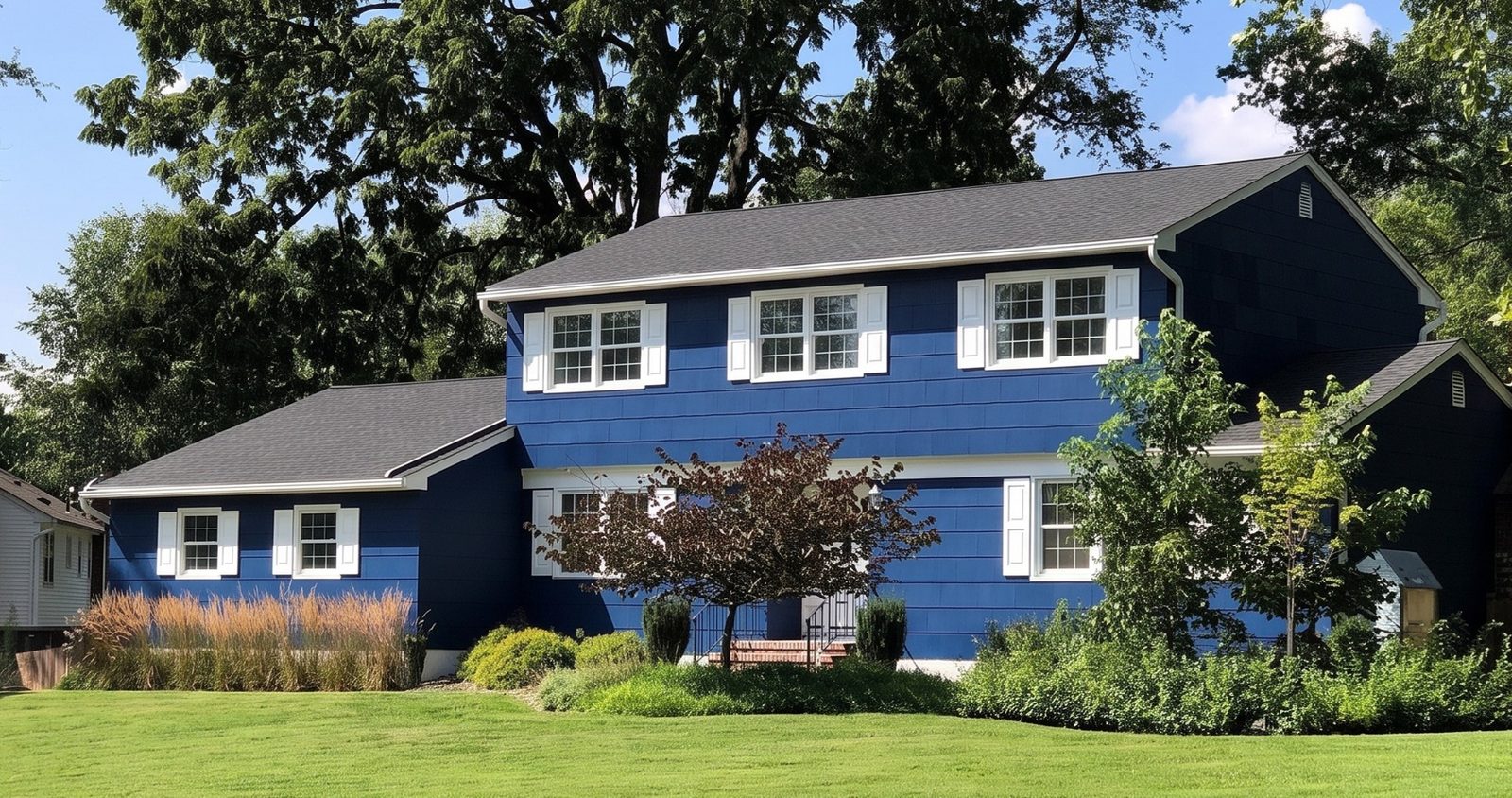
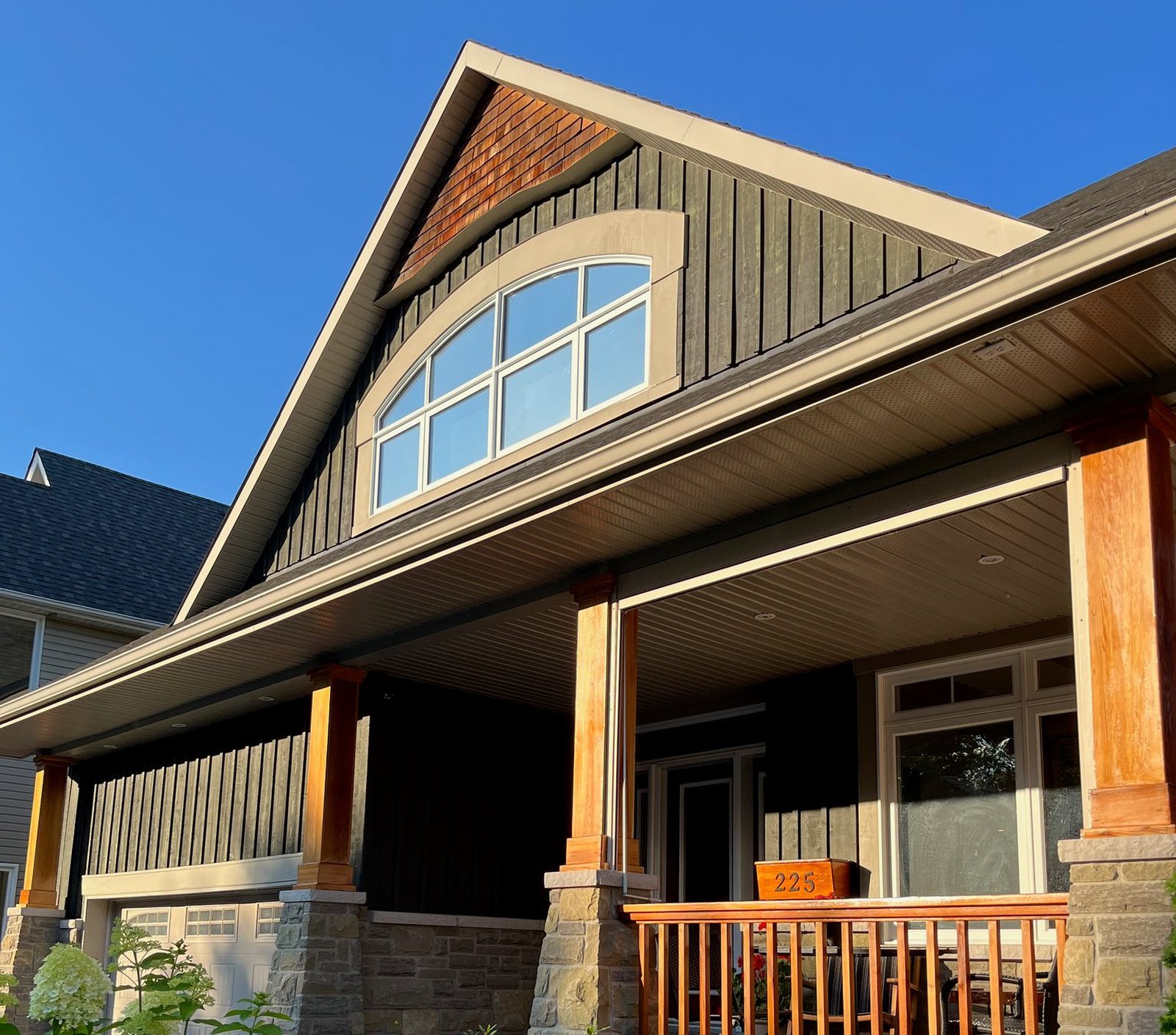
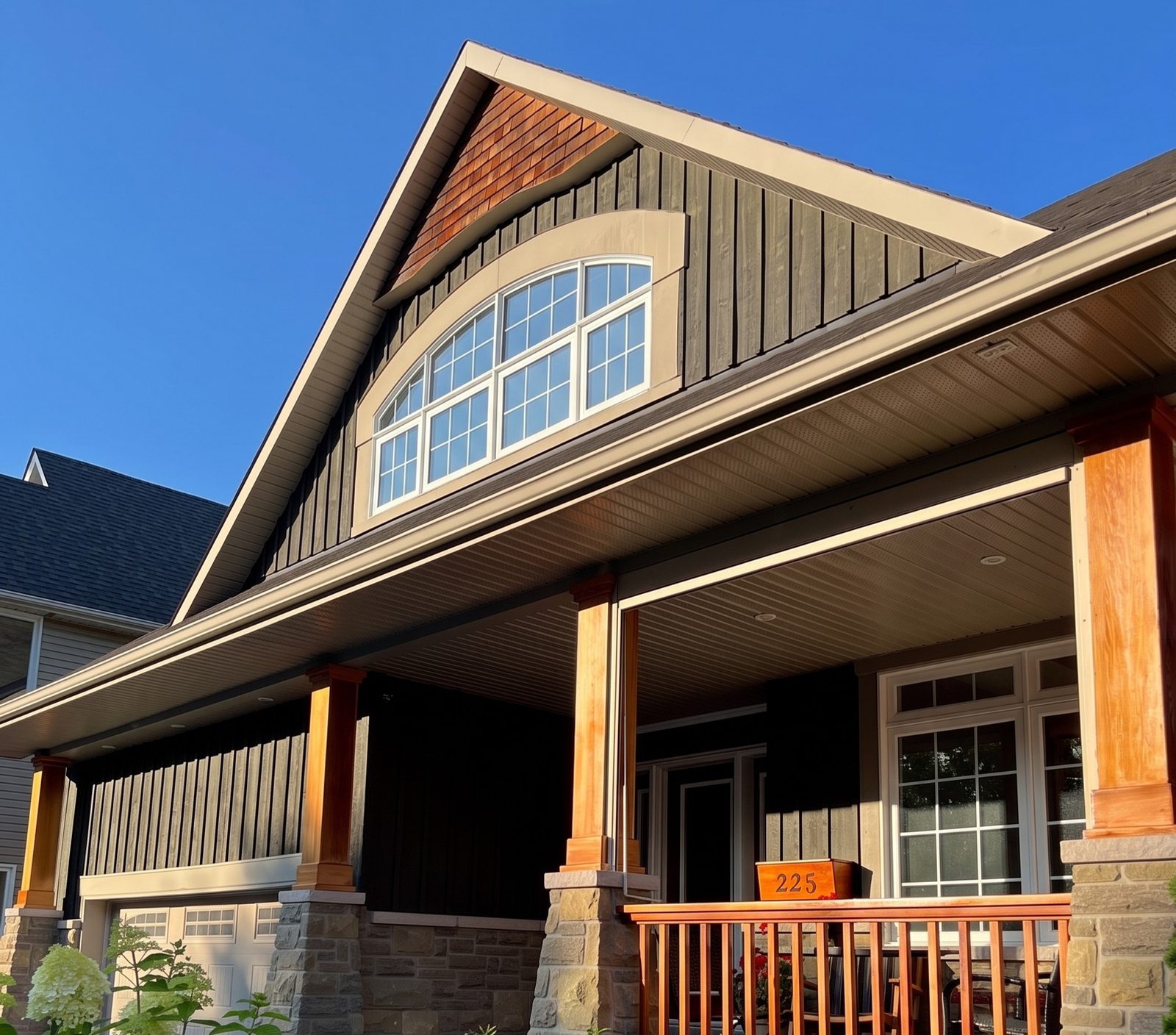
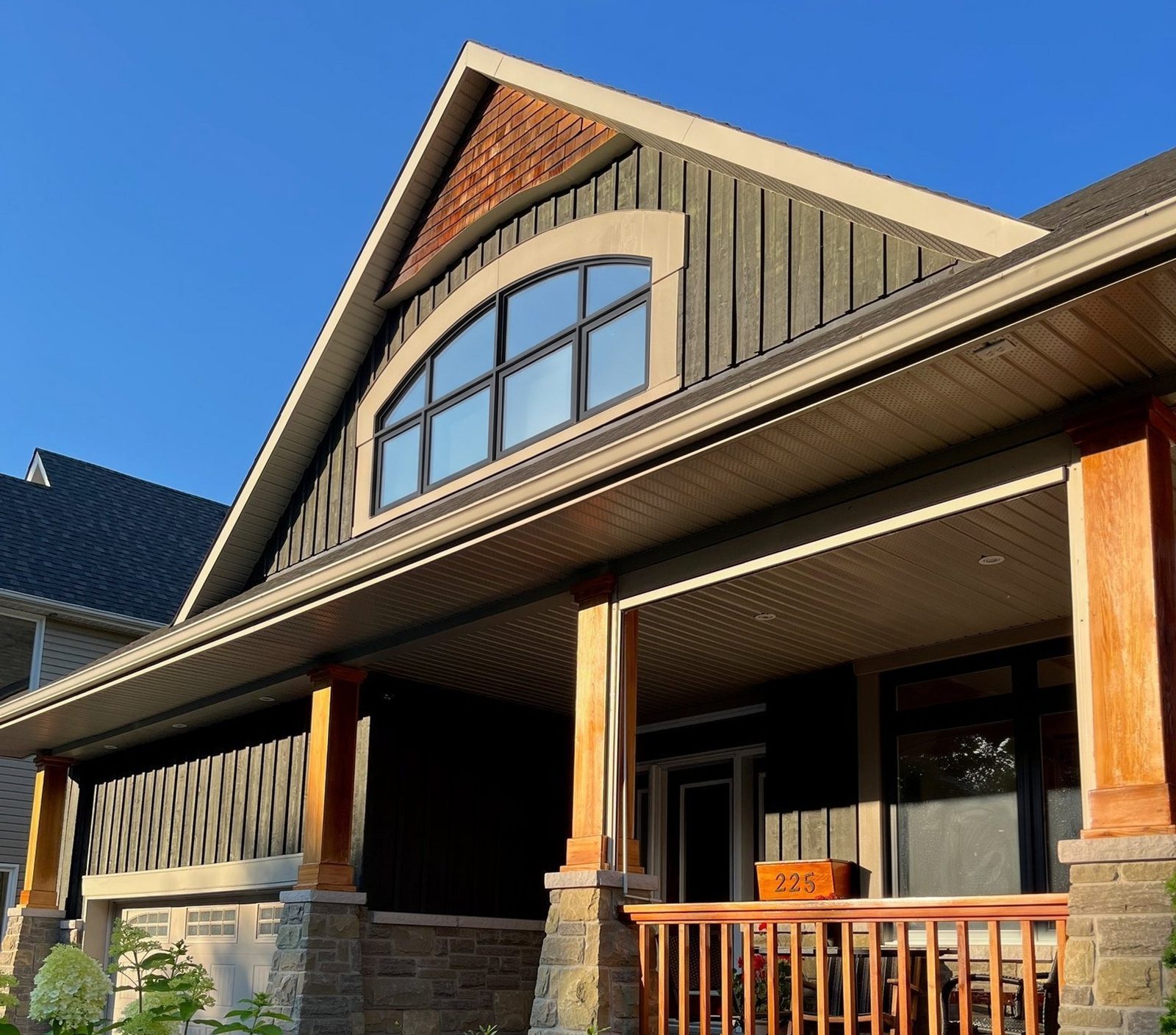
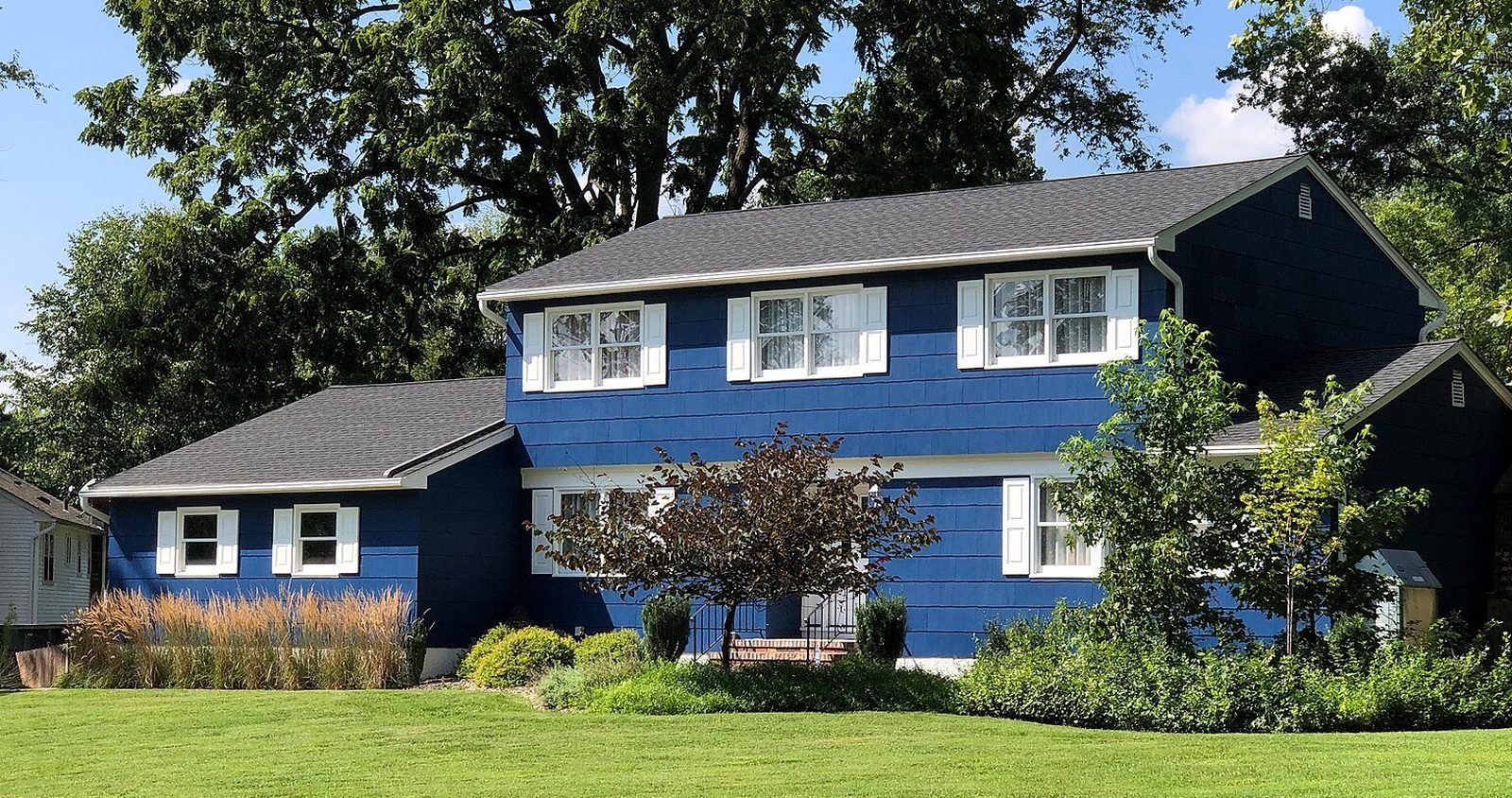
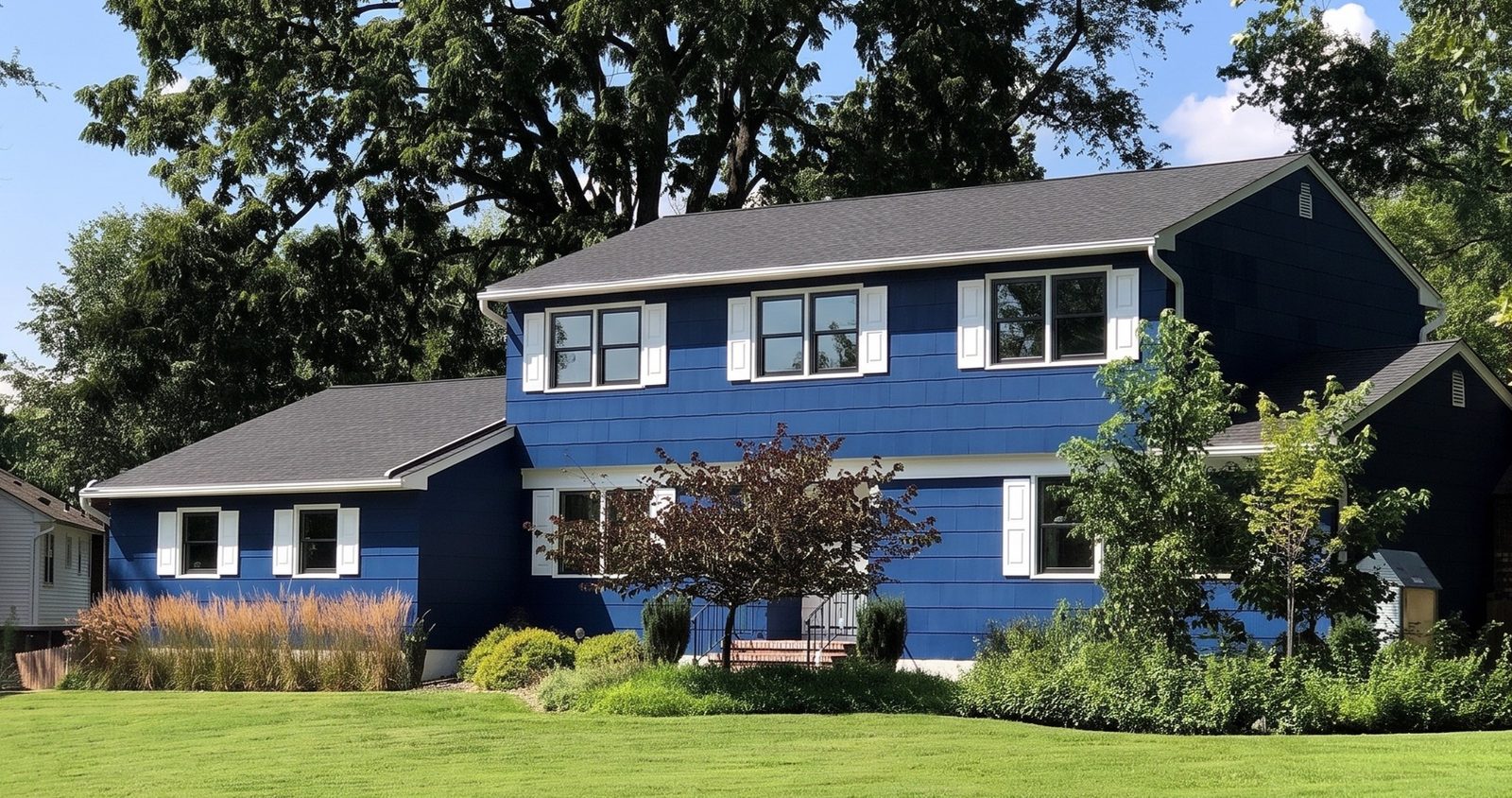
On your phone, with their own house. A brochure shows someone else's house, and "picture it with black frames" asks them to do the imagining. With their OK, step back to the sidewalk, take one photo of the front, pick the frame color and grilles they mention, and they're looking at their own house with new windows 30 seconds later. If they waver between two looks, render the second one from the same photo.
Call it what it is: a render, a preview of the look. It isn't a photo of a finished job and it isn't a price. Each window keeps the style it has now, so it shows new frame colors and grilles, not a switch from double-hung to casement.
- Ask first: "Mind if I take one photo of the front from the sidewalk?" Shoot from public ground and keep people out of the frame.
- Shoot the front straight on, in daylight, with the whole house in the picture. More in how to photograph a house for a window quote.
- Start with what they reacted to: "You said black? Let's see it."
- Hand them the phone so they can zoom in on their own windows.
- Offer to text it so the other owner can see it, and book the visit around it.
What should a window company door hanger say?
A door hanger has one job: get the homeowner to reach out. Leave one when nobody answers, never instead of knocking. One message, one offer, one way to reach you.
What goes on a window door hanger
Top of the front
- What to put there
- Who you are and why you were there: "We stopped by. We're installing windows on your street this week."
The picture
- What to put there
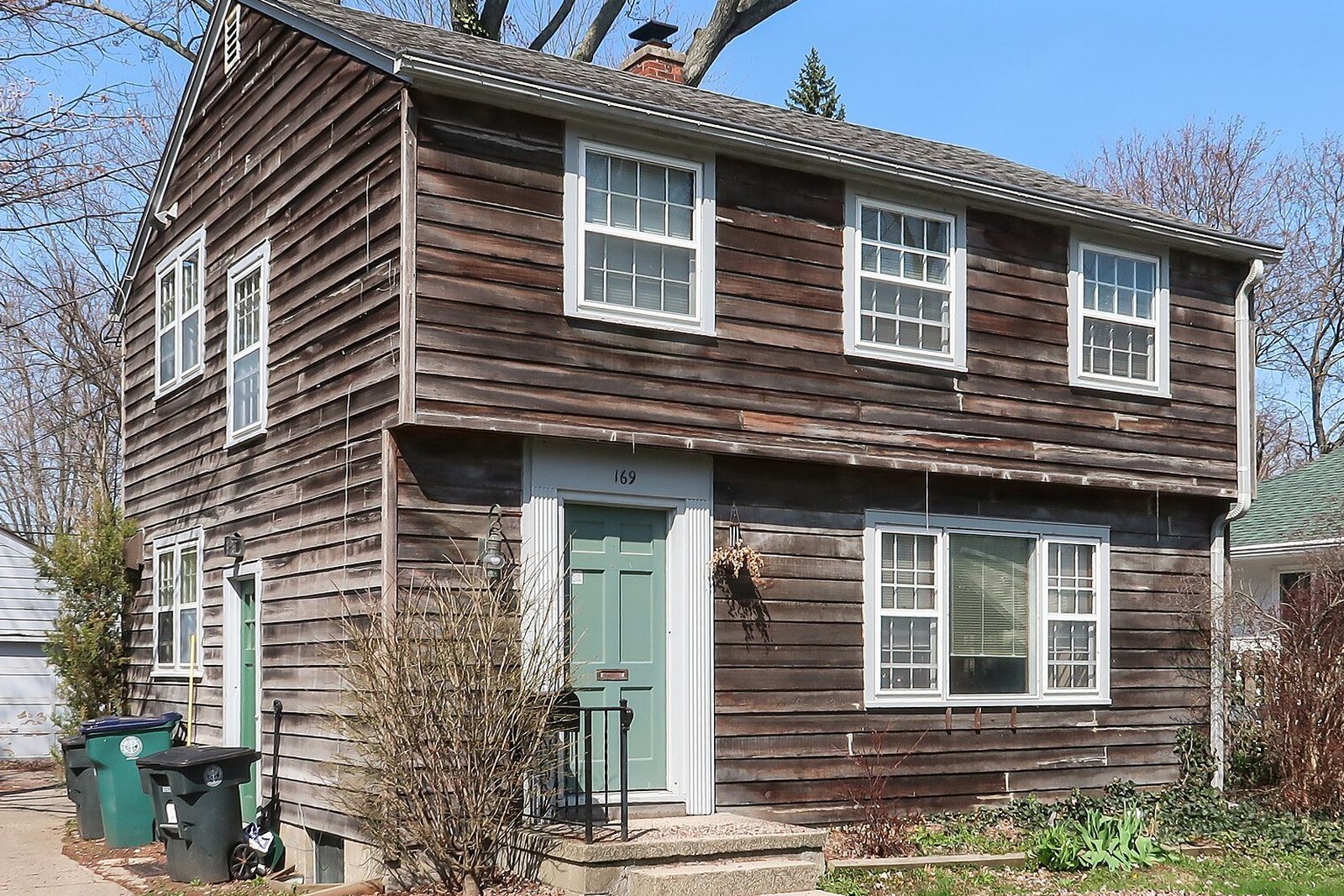
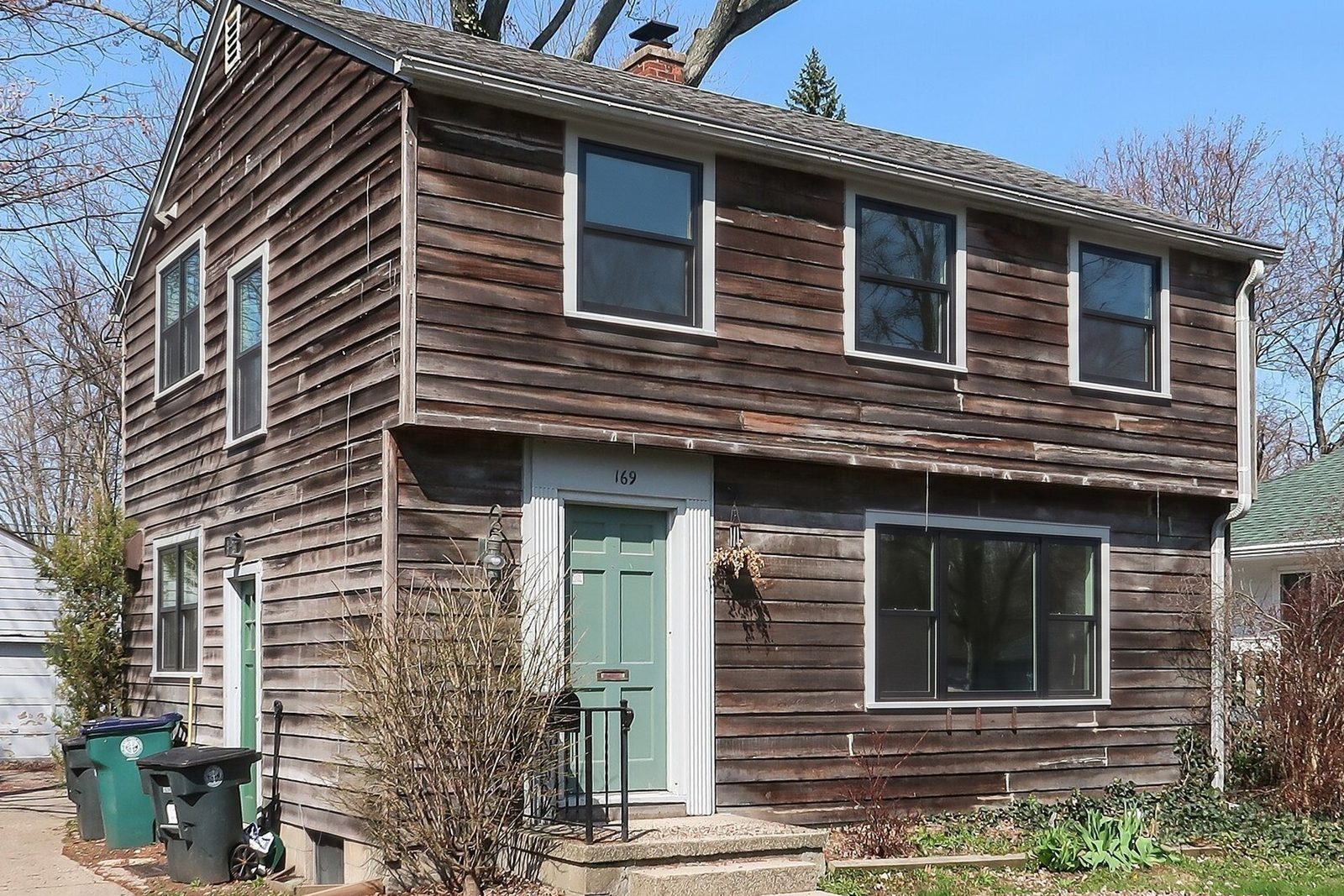
- A real house before and a render of it, labelled "Render", used with that owner's OK. Never a stock photo passed off as your work.
The offer
- What to put there
- "Text a photo of your house to [number] and we'll send it back with new windows." One offer, no fake deadline.
How to reach you
- What to put there
- One number that takes texts, your website, and a code just for this street so you can count the replies.
The fine print
- What to put there
- Your company's legal name, your license number where your state issues one, and the rep's name.
The back
- What to put there
- What happens at a visit, how long it takes, and that every owner should be there when you give the price.
| Part | What to put there |
|---|---|
| Top of the front | Who you are and why you were there: "We stopped by. We're installing windows on your street this week." |
| The picture | A real house before and a render of it, labelled "Render", used with that owner's OK. Never a stock photo passed off as your work. |
| The offer | "Text a photo of your house to [number] and we'll send it back with new windows." One offer, no fake deadline. |
| How to reach you | One number that takes texts, your website, and a code just for this street so you can count the replies. |
| The fine print | Your company's legal name, your license number where your state issues one, and the rep's name. |
| The back | What happens at a visit, how long it takes, and that every owner should be there when you give the price. |
Door hanger copy you can adapt
Front: "Sorry we missed you! We're replacing windows on [street] this week. Want to see your house with new windows?"
Middle: "Text a photo of the front of your house to [number]. We'll text it back with new windows in the color you pick. No visit needed to see it."
Back: "[Company], license [number]. Free in-home quote: we measure every window and give you a written price. Call or text [number]. Ask for [rep's name]."
Label any render on the hanger "Render". Hang it on the door handle and leave mailboxes and packages alone.
How should you pay window canvassers?
You can pay canvassers four ways, alone or mixed. The pay plan decides what they chase, so pick it on purpose and write down what counts (both owners home, the full presentation given) before anyone knocks.
- Paying per sat demo pays for what the closer can actually use, which is why it's the one to start from.
- Whether canvassers are employees or contractors, and how they must be paid, is set by federal and state law. Ask an accountant or an employment lawyer before you set it up. Rep pay plans are in window sales commission.
Ways to pay canvassers
Hourly
- What it rewards
- Showing up and knocking
- What to watch for
- Doors without results. Track conversations, not hours.
Per appointment set
- What it rewards
- Booking anything
- What to watch for
- Appointments nobody keeps and visits with one owner home. Pay only for appointments that confirm.
Per demo that sits
- What it rewards
- Visits where every owner sat through the presentation
- What to watch for
- Overselling at the door ("free inspection", "today-only price"). Call some homeowners and ask what they were told.
Per sale
- What it rewards
- Sales that close
- What to watch for
- Long waits for pay, so good canvassers drift away. Pair it with a smaller amount per sat demo.
| Pay model | What it rewards | What to watch for |
|---|---|---|
| Hourly | Showing up and knocking | Doors without results. Track conversations, not hours. |
| Per appointment set | Booking anything | Appointments nobody keeps and visits with one owner home. Pay only for appointments that confirm. |
| Per demo that sits | Visits where every owner sat through the presentation | Overselling at the door ("free inspection", "today-only price"). Call some homeowners and ask what they were told. |
| Per sale | Sales that close | Long waits for pay, so good canvassers drift away. Pair it with a smaller amount per sat demo. |
What mistakes cost window canvassers the street?
- Knocking a "no" twice. A second rep at the same door undoes the first one's good manners. Log the door before you step off the porch.
- Giving a price on the porch. With one owner home and nothing measured, it's a number you'll have to walk back at the table. Book the visit instead.
- Fake urgency, like "we're only in the neighborhood today" when you'll be back next week. If it isn't true, don't say it.
- Knocking the week after the crew leaves instead of the week they're there. The truck in the driveway is your best opener, so plan knocking around the install schedule.
- Photos taken without asking, or with people, kids or license plates in the frame.
- No tracking. Without doors, conversations and sat demos per street and per rep, you can't tell a bad street from a bad rep.
What rules apply to selling windows door to door?
This is general information, not legal advice. Rules differ by state and town, so check yours and ask a lawyer before you start.
- The right to cancel. The FTC's Cooling-Off Rule lets a buyer cancel a sale of $25 or more made at their home until midnight of the third business day, and you must tell them about that right and give them a cancellation form when they sign1. Many states add their own rules. More in window sale cancellations.
- Permits and hours. Cities and counties set their own rules for door-to-door selling. Ask the clerk before your first street, and carry what they give you.
- No Soliciting signs and no-knock lists. Respect both, and mark those doors in your app so nobody on the team knocks them.
- Your license. The FTC tells homeowners to hire licensed, insured contractors and to check the license with their state or county3. Carry yours, and print the number on your card and your hanger.
- No pressure on the porch. The FTC lists a contractor who pushes for an immediate decision among the warning signs of a home improvement scam3. Don't sell at the door; book the visit.
- Texts after the knock. A homeowner who hands you their number expects your text, but automatic and marketing texts have their own consent rules.
Where the render fits at the door
At three moments in a canvassing shift. On the porch, right after they point at the window that bothers them: one photo from the sidewalk, and they're looking at their own house with new frames 30 seconds later. Before you walk away: text it to them, so it's waiting when the other owner gets home and the visit you book starts from a look they already like.
And when nobody answers: put the offer on the door hanger. A flyer asks them to call a salesperson; "text us a photo of your house and we'll send it back with new windows" asks them to send a picture and get one back.