What is a self-generated lead in window sales?
A self-generated lead, or self-gen, is an appointment you found yourself instead of one the company's ads, lead sellers or call center handed you. The homeowner is talking to you because of you: they bought from you before, they live next to a job you sold, a customer sent them, or they know you.
Companies treat self-gen very differently, so know which kind of shop you're in. Some job posts sell the opposite of self-gen: Florida Window & Door's post advertises pre-set, pre-qualified in-home appointments with no cold calling1, and a Renewal by Andersen post in Alabama describes pre-set, pre-confirmed appointments with no cold calling2. Other companies expect reps to fill part of their own calendar and pay them more for it.
Either way, your own pipeline is the part of your income nobody can cut when the marketing budget shrinks. Here's where it comes from:
Where a window rep's own leads come from
Your past customers
- Why it works
- They already trust you and know your product. Some did only part of the house, or still have a patio door or a second floor to do.
- Start this week
- List everyone you've sold, with what they bought and what they put off.
Neighbors of your jobs
- Why it works
- They watched your crew work and can walk next door to look at the result.
- Start this week
- Before each install, ask your customer whether you can mention their house to the neighbors.
Referrals from customers
- Why it works
- Their friend's word does the trust-building for you.
- Start this week
- Ask on install day, after the cleanup, with a specific offer.
Your own old quotes
- Why it works
- You've met them, measured and priced. Something in their life may have changed.
- Start this week
- Ask your manager first: these are usually company leads, and some companies work them in a rehash program. Check the calling rules before you call an older quote.
People you know
- Why it works
- Friends, family, your kids' coaches, your club. Many people would rather buy from someone they know.
- Start this week
- Tell them once, plainly: "I sell windows for [company] now. If you ever wonder what yours would look like new, send me a photo." Then let them come to you.
Service and warranty visits
- Why it works
- A homeowner with one problem window often has others that are just as old.
- Start this week
- Ask whoever runs service calls to pass you the houses with old windows.
| Source | Why it works | Start this week |
|---|---|---|
| Your past customers | They already trust you and know your product. Some did only part of the house, or still have a patio door or a second floor to do. | List everyone you've sold, with what they bought and what they put off. |
| Neighbors of your jobs | They watched your crew work and can walk next door to look at the result. | Before each install, ask your customer whether you can mention their house to the neighbors. |
| Referrals from customers | Their friend's word does the trust-building for you. | Ask on install day, after the cleanup, with a specific offer. |
| Your own old quotes | You've met them, measured and priced. Something in their life may have changed. | Ask your manager first: these are usually company leads, and some companies work them in a rehash program. Check the calling rules before you call an older quote. |
| People you know | Friends, family, your kids' coaches, your club. Many people would rather buy from someone they know. | Tell them once, plainly: "I sell windows for [company] now. If you ever wonder what yours would look like new, send me a photo." Then let them come to you. |
| Service and warranty visits | A homeowner with one problem window often has others that are just as old. | Ask whoever runs service calls to pass you the houses with old windows. |
How are self-generated leads paid?
Some companies that want self-gen pay a higher rate for it, because you did the marketing. Here's one example, from a job listing: a Window Works Co. in-home sales consultant post pays 8% on company-provided leads up to $2M in volume and 10% above that, and 10% on self-sourced leads up to $2M and 13% above3. That's one post, not an industry standard. Plans vary by company and change often; more examples are in window sales commission.
Get the self-gen terms in writing before you start, and in some states the law expects it. California requires the commission contract for work there to be in writing and to explain how commissions are computed and paid4, and New York's labor department says commissioned salespeople need a written agreement, signed by both sides, that explains how wages, draws and commissions are calculated5. This is general information, not legal advice: check your state and ask a lawyer.
Before you spend your evenings on self-gen, get answers to these:
- What rate does a self-generated job pay, and does it count toward the same volume tiers as company leads?
- How and when do you register a self-gen lead? Log it in the company's system, with you as the source, before the first visit.
- Who owns the lead if you leave, go on vacation, or the job needs a second visit from someone else?
- Who pays for your cards, door hangers and printed renders: you or the company?
- Can the company hand your lead to another rep, and what do you get if it does?
- Do self-gen jobs follow the same price book, paperwork and approvals as company leads? They should.
How do you get new leads from past customers?
Past customers are the easiest self-gen there is, and the easiest to lose track of once the install is done. Keep a simple list: name, address, install date, what they bought, what they put off, and the photo you took at the first visit.
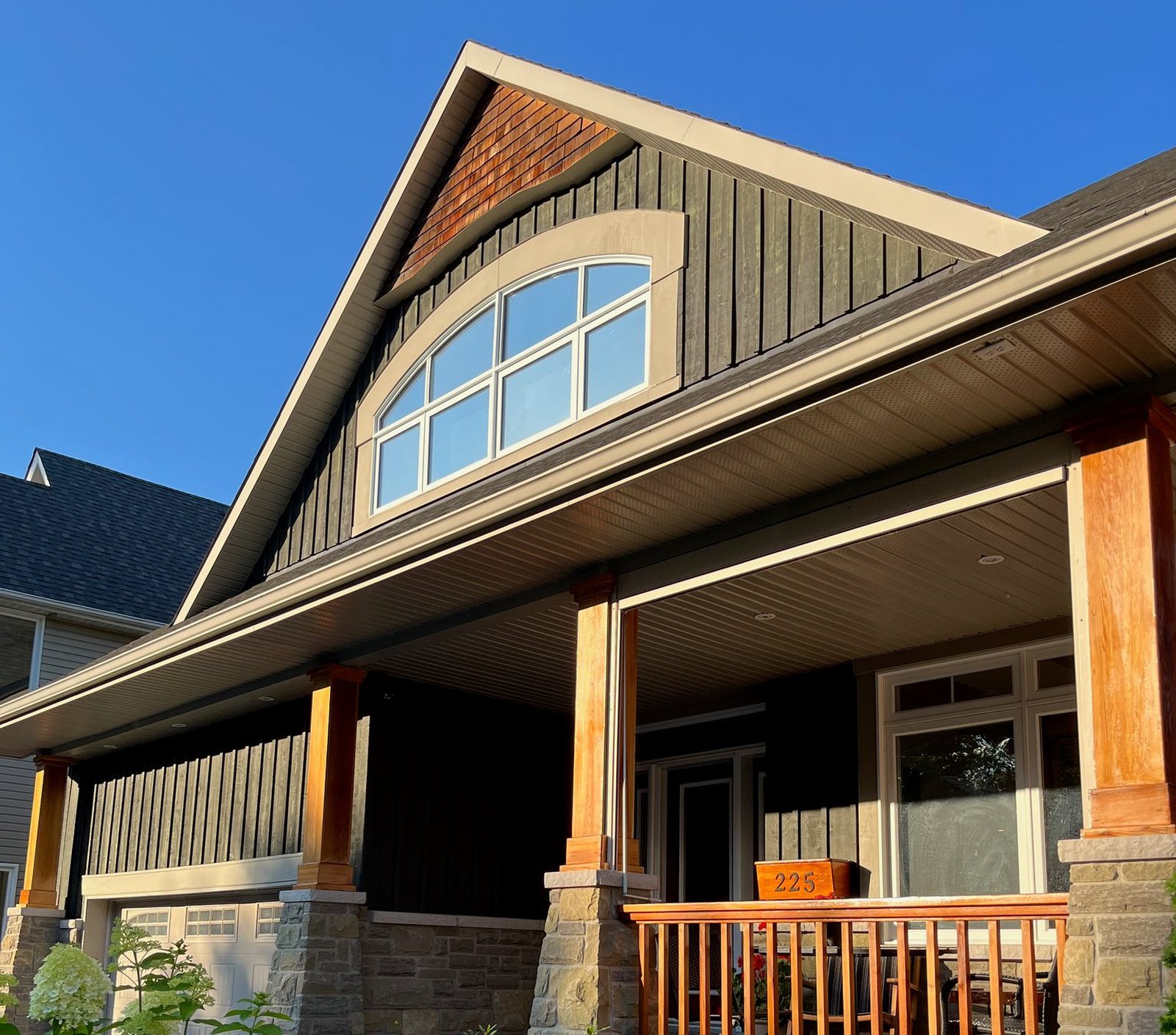
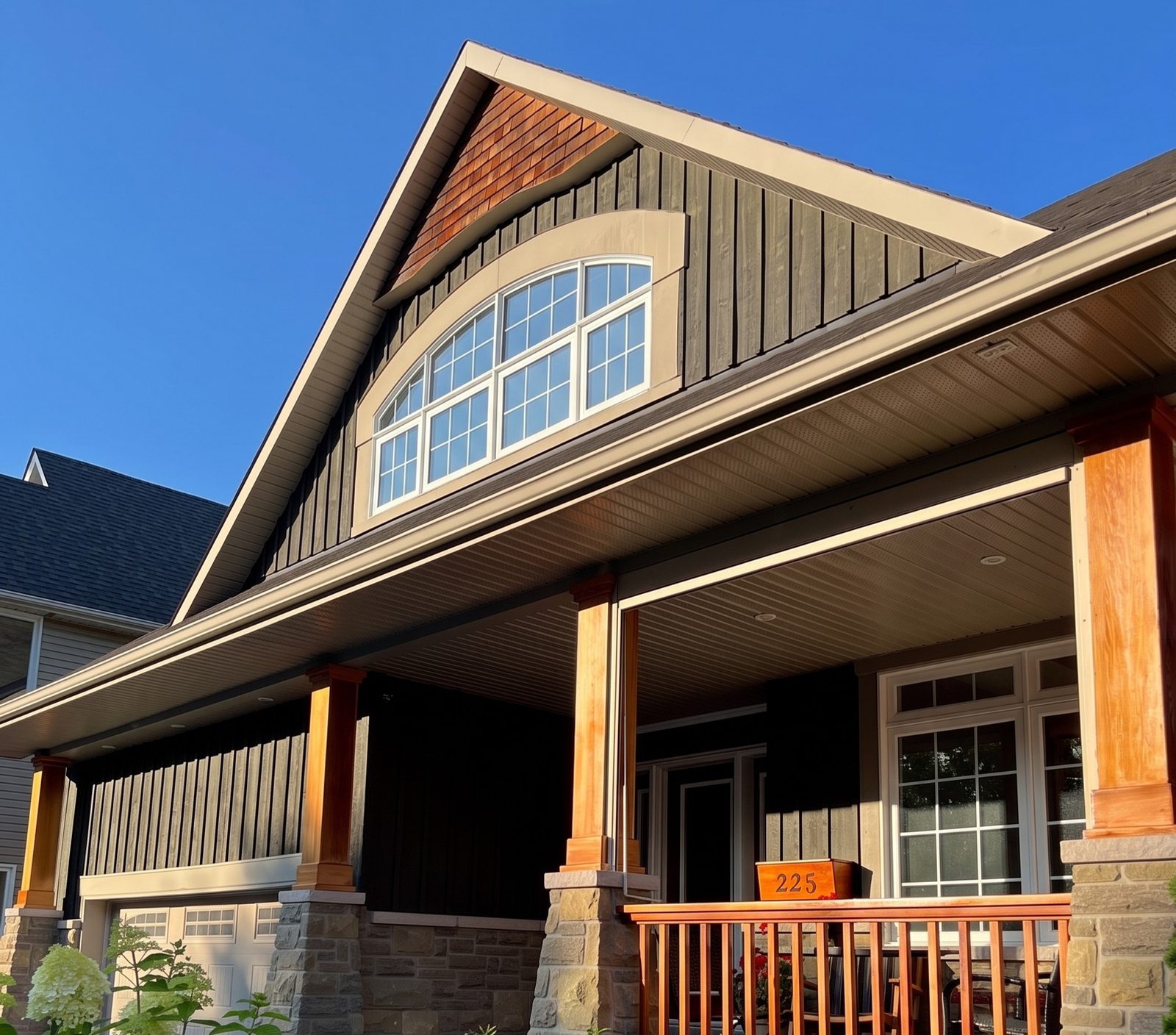
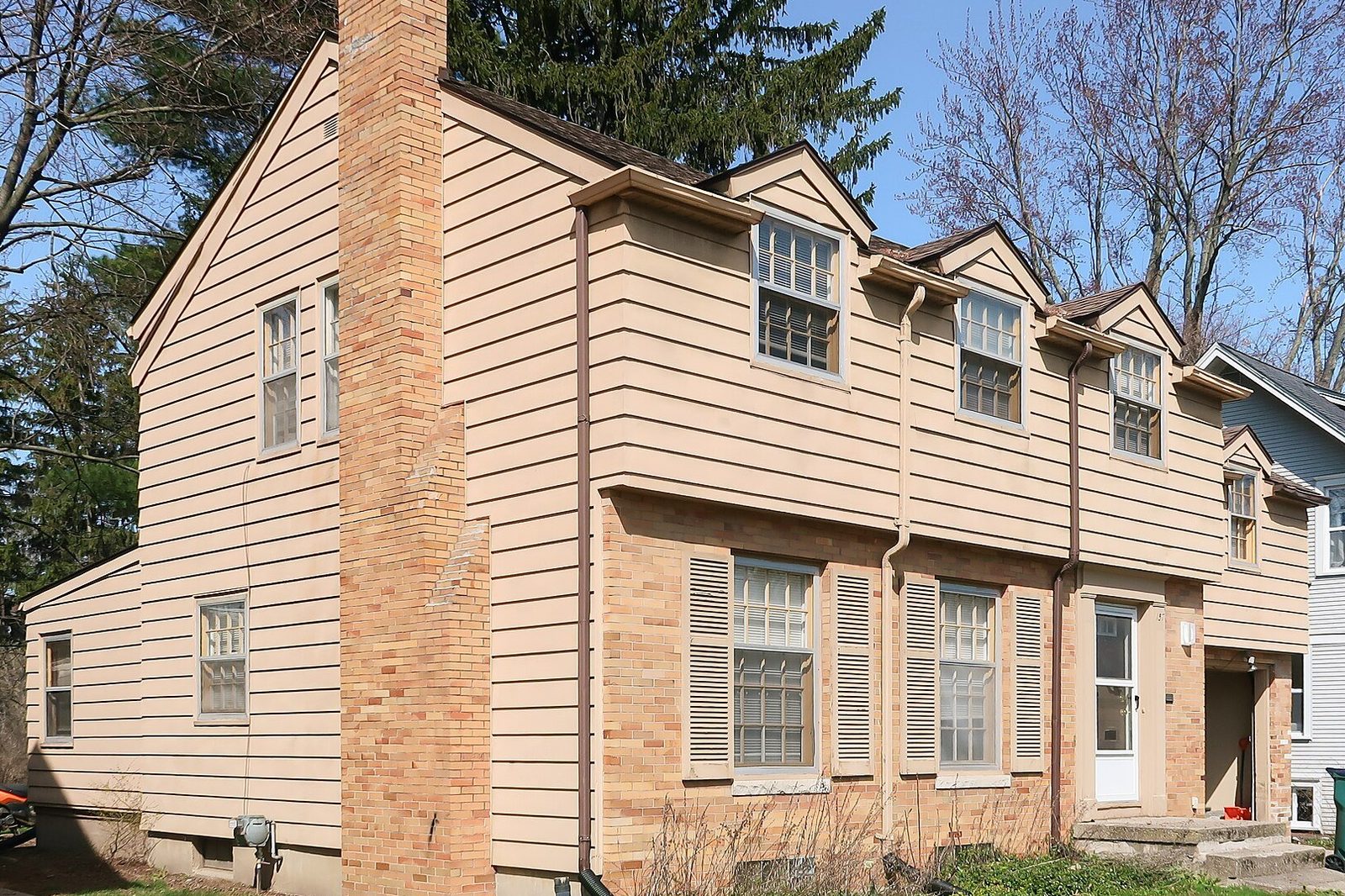
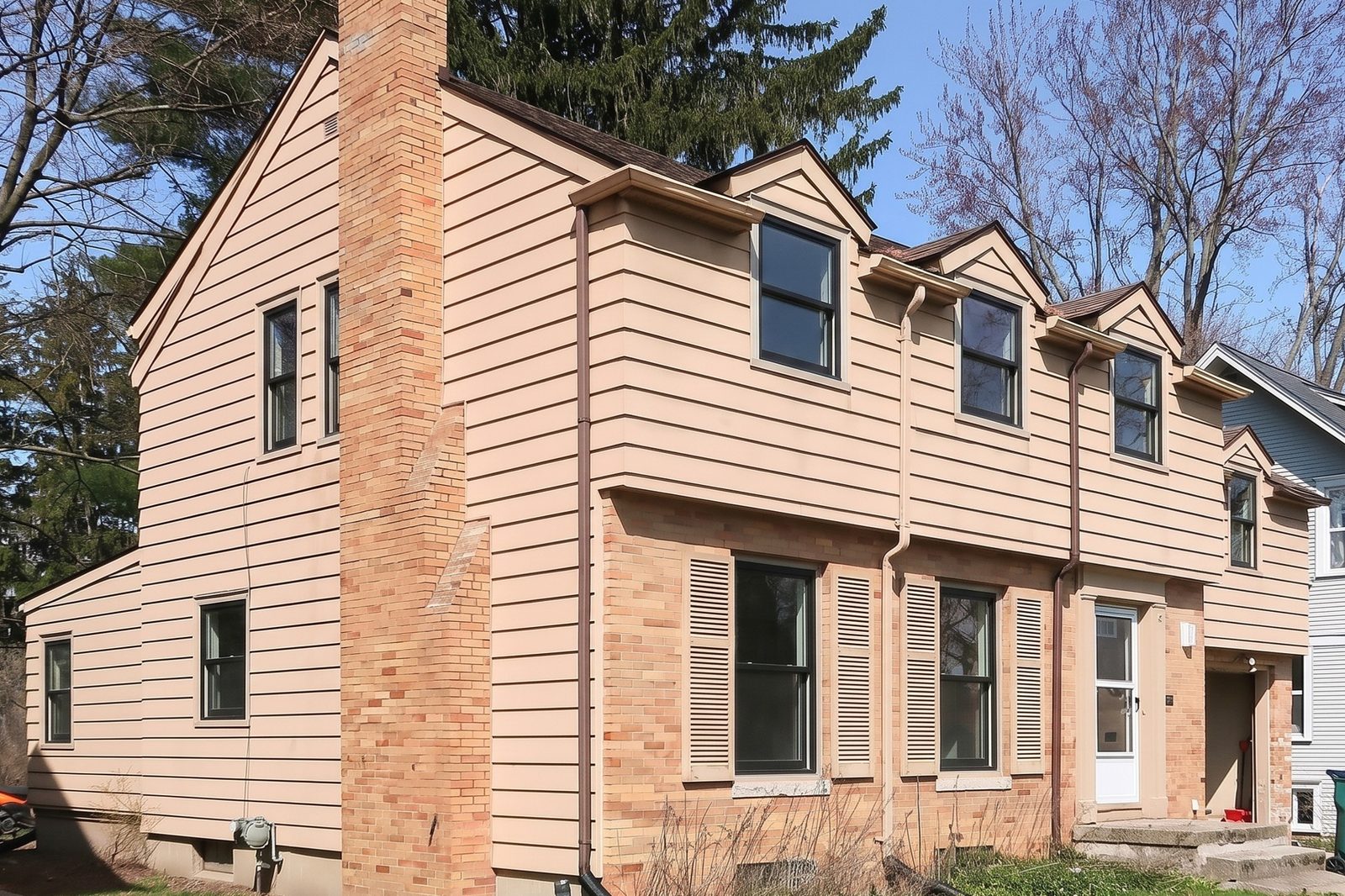
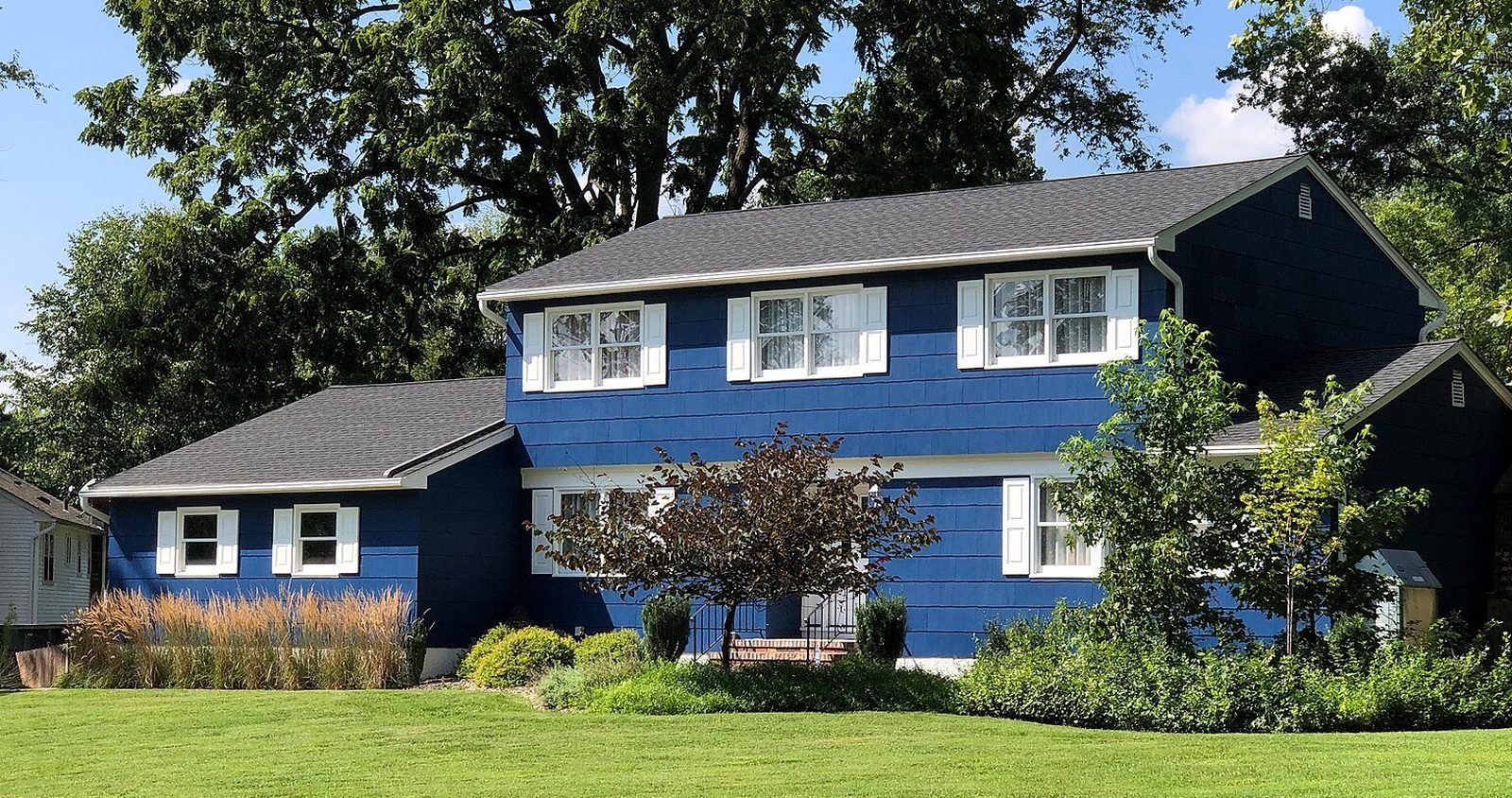
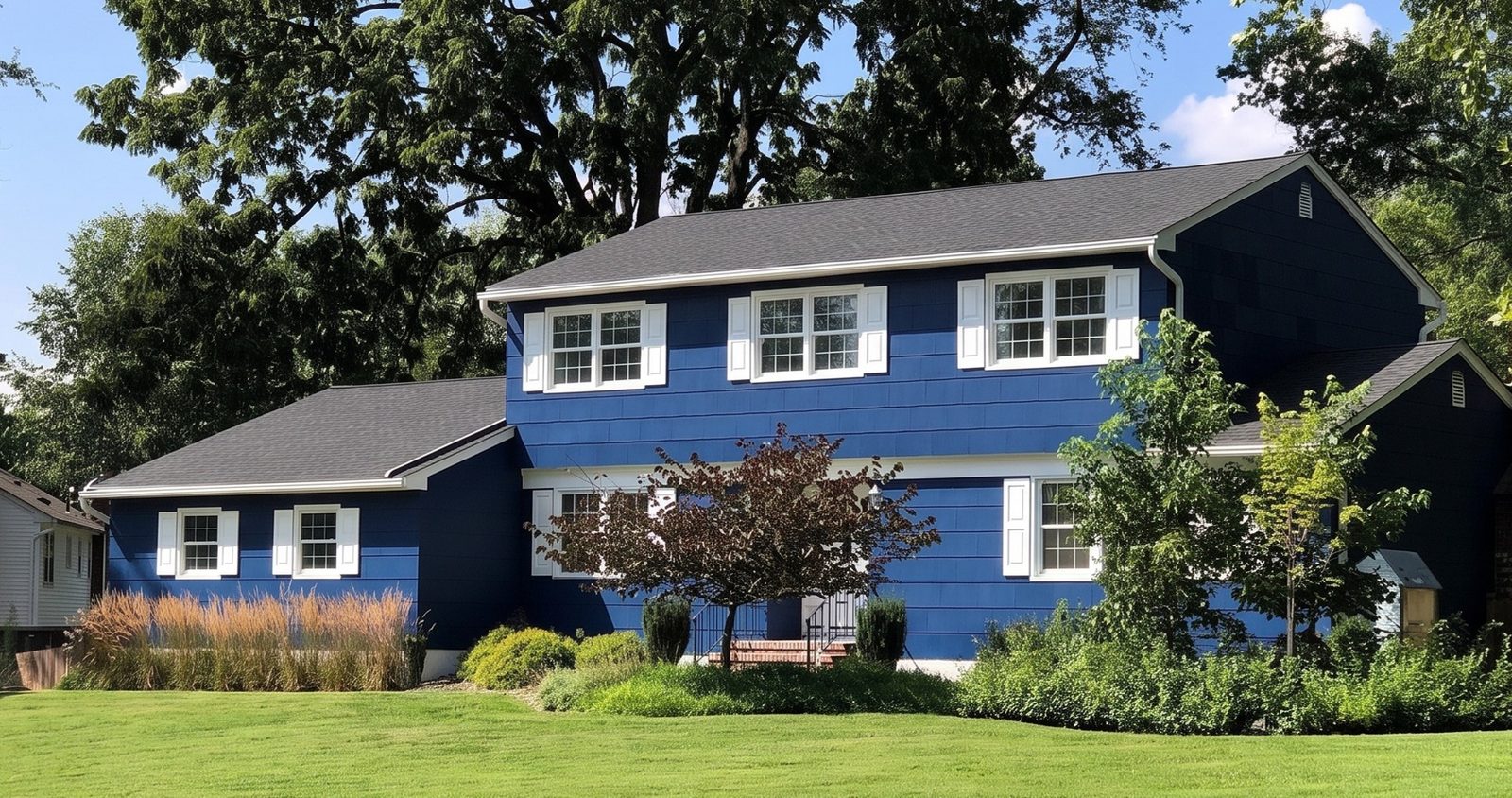
Reach out with a reason, a few times a year at most: the anniversary of the install, a change of season, a new color line, or the windows they put off. The strongest reason is a render of the part they didn't do yet, like the back bedrooms or the room over the garage, in the same frame color as the windows they already have.
Texting past customers is still texting. FCC rules require consent for texts sent with an autodialer and written consent for autodialed marketing texts, and let people take back consent, for example by replying STOP6. Send personal, one-to-one messages, honor every opt-out, and ask your lawyer before you send anything to a list.
Hi, it's [name] from [company]. It's been about a year since we did your front windows. Hope they're treating you well.
You said the living room was next on the list, so I rendered it in black to match the front, from the photo I took last year. Want me to come measure?
 Render
That looks really good. We were just talking about those. Could you come Saturday?
Saturday at 10 works. I'll bring the price for those windows and a black corner sample so you can see the real finish.
How do you turn one install into more appointments?
Every job you sell puts your work on a street where nobody has to imagine it. You, the rep who sold it, have the best reason to be there: with your customer's permission you can say whose house it is, and the neighbors can walk over and see it.
Plan it the week before the install, not the morning of. Ask your customer two things: may you mention their house to the neighbors, and do they mind if a neighbor asks them about you. People who just bought are often glad to show off, and a neighbor who hears about you from them is warmer than any cold knock.
The knocking itself, with door openers, door hangers and local permits, is in door to door window sales. The part that's yours alone is the introduction from your own customer:
Asking your customer to introduce you
Install's on Tuesday. While the crew's here, I'd like to say hello to a few of your neighbors. Is it OK if I mention we're doing your windows?
And if anyone asks you about us, feel free to give them my number. I'll show them their own house with new windows before anybody has to schedule a visit.
Thanks. I'll stop by after the crew's done to walk every window with you.
Mention a customer's house, and show their photos or renders, only with their OK.
How do you ask for referrals without being pushy?
Ask once, at the right moment, for something specific. The right moment is when the customer is happiest: the end of install day, with the old windows gone and the crew cleaned up, or the first time they tell you how quiet the house is now.
"Do you know anyone who needs windows?" gets "I'll think about it." A specific, easy offer gets names: you'll show their friend their own house with new windows from one photo, no visit and no obligation. The company's referral rewards, yard signs and realtor partners are a separate program, covered in window company referral program.
Answer a referral the same day it comes in. They already trust you because a friend does; a week of silence spends that trust.
The install-day referral ask
I'm glad it came out the way you pictured it. Can I ask you a favor?
Is there anyone you know, a neighbor, a friend, family, who's been talking about their windows?
If they send me one photo of the front of their house, I'll send it back with new windows on it. No visit, no obligation. Here's my card, or text me their name and number once they've said it's OK.
Reach out only to people who agreed to hear from you. Ask your customer to check with their friend first.
What does a weekly self-gen routine look like?
Self-gen dies when it's the thing you do when the calendar is empty. Put it on the calendar instead. Here's a routine for a rep who also runs company appointments. It's our starting point, not a benchmark, so change the counts to fit your week, and log every lead with its source so you know which ones are worth your evenings.
A weekly self-gen routine for a window rep
Monday
- What to do
- Text five past customers with a reason: the season, an anniversary, or a render of the part of the house they put off.
- Log the source as
- Past customer
Before each install
- What to do
- Ask the customer about mentioning their house, and plan which neighbors you'll visit.
- Log the source as
- Install neighbor
Install day
- What to do
- Visit the houses around the job; ask your customer for a referral after the cleanup.
- Log the source as
- Install neighbor or referral
Every day
- What to do
- Answer each referral and neighbor who sent a photo the same day, with their render and a call.
- Log the source as
- Whatever source brought them
Friday
- What to do
- Go through your list: who's waiting on a render, a price or a call. Register every new lead before you visit.
- Log the source as
- Nothing new; this is upkeep
Once a month
- What to do
- Count self-gen appointments set, sat and sold by source, and drop the source that never sits.
- Log the source as
- Your tracker or the company system
| When | What to do | Log the source as |
|---|---|---|
| Monday | Text five past customers with a reason: the season, an anniversary, or a render of the part of the house they put off. | Past customer |
| Before each install | Ask the customer about mentioning their house, and plan which neighbors you'll visit. | Install neighbor |
| Install day | Visit the houses around the job; ask your customer for a referral after the cleanup. | Install neighbor or referral |
| Every day | Answer each referral and neighbor who sent a photo the same day, with their render and a call. | Whatever source brought them |
| Friday | Go through your list: who's waiting on a render, a price or a call. Register every new lead before you visit. | Nothing new; this is upkeep |
| Once a month | Count self-gen appointments set, sat and sold by source, and drop the source that never sits. | Your tracker or the company system |
What mistakes kill self-generated leads?
- Not registering the lead before the visit. If it isn't in the system with your name and the source, it may not be yours when it closes.
- Pitching friends and family like strangers. One plain mention is enough; a second pitch at a barbecue can cost you the friend and every referral they would have sent.
- Promising a price you haven't cleared. A self-gen job still gets the company's price, paperwork and approvals, and a sale made in the home still carries the federal right to cancel7.
- Texting a list in bulk without consent. See the texting rules above, and ask your lawyer before anything automated goes out.
- Calling the visit something it isn't. A "free inspection" that turns into a pitch burns the whole street. Washington's Attorney General went after a window seller whose reps, the state alleged, said they were coming only to do a free home energy audit; the company denied wrongdoing8.
- Showing a render as if it were a finished job. It's a preview of the look on their house. Say so every time.
- Stopping when the company calendar fills up. Company leads rise and fall with someone else's budget; your own list only grows if you keep working it.
Where the render fits in self-gen
The render is your door opener. Past customers, neighbors and referrals all wonder the same thing: what would my house look like with new windows? A rep who can answer that from one photo has a reason to reach out that isn't "just checking in."
Use it at three moments. In the text to a past customer, show the part of the house they put off. On an install neighbor's step, ask before you take one photo of the front from the sidewalk, then hand them the phone with their house and new windows on it. And make it the referral offer: "Send me one photo and I'll show you." Each render takes 30 seconds, so you can make one for every conversation, not just the promising ones.
Each window keeps its current style in the render. You can show new frame colors, materials and grilles, not a switch from double-hung to casement.