What is a rehash in window sales?
A rehash is a second, company-run attempt to sell a lead that didn't buy the first time. Some companies call it unsold lead recovery. The rep sat with the homeowners, measured, priced and left without a signature. Days or weeks later, someone from the company calls back, learns what stopped the sale, and tries to set another visit. Some companies also rehash one-leggers and visits that ended before the price.
It isn't the rep's follow-up. Follow-up is the texts and calls the rep sends in the first week or two after the visit, covered in how to follow up window sales. A rehash is a program the company runs on every unsold lead, with written rules for who calls, when, and who gets paid if it closes. If you run both, the rep's follow-up comes first and the rehash starts when it ends, so the homeowner never hears from two people in the same week.
Why bother? Because the lead is already paid for. LocaliQ's 2025 benchmarks put a doors and windows search-ad lead at $200.341, and Elevarus, a lead seller, estimates that a $95 shared windows lead works out to about $220 to $310 for each appointment that actually sits2. Even in windows, where Siro's benchmarks put the average close rate at 29.1%, roughly seven of every ten sits end without a sale3.
Those homeowners met you, let you measure and saw a price. They're the cheapest second chance in your files, as long as you come back with a reason. A sales trainer writing in JLC points out that window and siding companies rarely get a second call4, so the one a rehash earns has to count.
Rep follow-up vs company rehash
Who runs it
- Rep follow-up
- The rep who ran the appointment
- Rehash
- A sales manager, a rehash caller or setter, or the original rep under company rules
When
- Rep follow-up
- The night of the visit and the week or two after
- Rehash
- After the rep's window closes: in the schedule below, about two weeks after the visit
Which leads
- Rep follow-up
- The rep's own no-sales
- Rehash
- Every unsold lead the company paid for, plus one-leggers and visits that ended early
What it brings
- Rep follow-up
- The render from the visit, an answer to a question, a second look
- Rehash
- A fresh reason to talk: a new look on their house, a smaller first phase, a different line or payment option
Who's paid if it sells
- Rep follow-up
- The rep
- Rehash
- Whatever your written pay plan says. Settle it before the first rehash call.
| Rep follow-up | Rehash | |
|---|---|---|
| Who runs it | The rep who ran the appointment | A sales manager, a rehash caller or setter, or the original rep under company rules |
| When | The night of the visit and the week or two after | After the rep's window closes: in the schedule below, about two weeks after the visit |
| Which leads | The rep's own no-sales | Every unsold lead the company paid for, plus one-leggers and visits that ended early |
| What it brings | The render from the visit, an answer to a question, a second look | A fresh reason to talk: a new look on their house, a smaller first phase, a different line or payment option |
| Who's paid if it sells | The rep | Whatever your written pay plan says. Settle it before the first rehash call. |
Who should run the rehash: the original rep, a manager or a call center?
We know of no public data comparing these models, so pick the one your team can run every week without fail. Each works, and each breaks in a predictable place.
Whichever you choose, write down a hand-off rule with a date on it. In a JLC article, RAMCO of Memphis describes a tight clock: when homeowners want a rep back, that rep has 24 to 48 hours to return and sell, and any follow-up visit is booked within 7 to 10 days of the first appointment5. That's one company's policy, not a benchmark, but the idea travels well: the rep owns the lead for a short, known time, then it moves to the rehash program and everyone knows when.
Settle the pay at the same time. If a manager or a second rep closes the deal, does the first rep get a share? Put it in the written pay plan (more in window sales commission). Reps who expect to lose deals to the rehash team stop writing honest notes, and honest notes are what make a rehash work.
Three ways to run a window sales rehash
The original rep goes back
- How it works
- The rep who ran the first visit calls, under the company's rules and deadline, and books the second visit.
- Works best when
- The homeowners liked the rep, and the stall was timing or a missing owner.
- Watch for
- The same rep may give the same pitch. Require a new reason before a second visit goes on the calendar.
A manager or senior closer
- How it works
- A sales manager calls to ask how the visit went, then sets a second visit, alone or with the first rep.
- Works best when
- The first visit went sideways: the wrong product, a rushed price, a bad fit between rep and family.
- Watch for
- Two people on one family can feel like a squeeze. The second person brings something new, not more pressure.
A setter or call center
- How it works
- A setter works the unsold list by phone and books a rehash visit with whichever rep is free.
- Works best when
- You have more unsold leads than your reps can call back, and reps are busy with fresh appointments.
- Watch for
- The setter must read the rep's notes before dialing. Calling a list brings in the Do Not Call and texting rules below.
| Model | How it works | Works best when | Watch for |
|---|---|---|---|
| The original rep goes back | The rep who ran the first visit calls, under the company's rules and deadline, and books the second visit. | The homeowners liked the rep, and the stall was timing or a missing owner. | The same rep may give the same pitch. Require a new reason before a second visit goes on the calendar. |
| A manager or senior closer | A sales manager calls to ask how the visit went, then sets a second visit, alone or with the first rep. | The first visit went sideways: the wrong product, a rushed price, a bad fit between rep and family. | Two people on one family can feel like a squeeze. The second person brings something new, not more pressure. |
| A setter or call center | A setter works the unsold list by phone and books a rehash visit with whichever rep is free. | You have more unsold leads than your reps can call back, and reps are busy with fresh appointments. | The setter must read the rep's notes before dialing. Calling a list brings in the Do Not Call and texting rules below. |
When should a rehash start, and when should it stop?
Start while the visit is fresh and the price on the table is still current, and stop the moment they say no. When someone asks you to stop, stop, and add them to your company's own do-not-call list. The FTC's business guidance says a company may not call a consumer who asked to be put on that company's list6, so it's a rule, not a courtesy.
If your callers can't reach every unsold lead each week, work them in this order: both owners were at the table and saw a price; the rep logged a reason you can actually answer; they named a time, like "after the holidays"; then the rest.
Here's a schedule a small company can run. It's our starting point, not a study: stretch or shrink it to fit how long your homeowners really take to decide.
A rehash schedule for one unsold window lead
The day of the visit
- Who
- Original rep
- What happens
- Logs why it didn't sell, who was at the table and the options and prices shown, and saves the house photo and every render shown.
The first two weeks
- Who
- Original rep
- What happens
- The rep's own follow-up: the render that night, a call within two days, a second look within a week. If they invite the rep back, the rep goes.
About day 14
- Who
- Manager or rehash caller
- What happens
- The lead moves to the rehash list. A short call about how the visit went. Find the real reason. Offer a second visit only if there's something new to show.
Weeks 3 to 6
- Who
- Whoever sets the second visit
- What happens
- The second visit, built around the new reason: another look from the same photo, a first phase, or a different line.
Months 2 to 3
- Who
- Rehash caller
- What happens
- One check-in when something real has changed, like an open install date, a new color, or a price change with a date and a reason.
After that
- Who
- Nobody, unless they reach out
- What happens
- Move them to your seasonal list if they agreed to hear from you. Check the calling rules before anyone calls an older lead.
| When | Who | What happens |
|---|---|---|
| The day of the visit | Original rep | Logs why it didn't sell, who was at the table and the options and prices shown, and saves the house photo and every render shown. |
| The first two weeks | Original rep | The rep's own follow-up: the render that night, a call within two days, a second look within a week. If they invite the rep back, the rep goes. |
| About day 14 | Manager or rehash caller | The lead moves to the rehash list. A short call about how the visit went. Find the real reason. Offer a second visit only if there's something new to show. |
| Weeks 3 to 6 | Whoever sets the second visit | The second visit, built around the new reason: another look from the same photo, a first phase, or a different line. |
| Months 2 to 3 | Rehash caller | One check-in when something real has changed, like an open install date, a new color, or a price change with a date and a reason. |
| After that | Nobody, unless they reach out | Move them to your seasonal list if they agreed to hear from you. Check the calling rules before anyone calls an older lead. |
What should you say on a rehash call?
Say what the call is in the first sentence: someone from the company, calling about the visit. Don't dress it up as a survey if you're hoping to sell. Ask how the visit went, ask the one question that matters, then either offer something new or let it go.
Read the rep's notes before you dial. Nothing tells a homeowner "nobody listened" faster than a caller asking which windows they wanted after they spent an evening walking someone through them.
The rehash call from a sales manager
Hi, this is [name], I run the sales team at [company]. [Rep] came out about your windows on [day]. Do you have two minutes?
I call everyone we visit. How did it go? Did [rep] answer everything you wanted to know?
What's the main thing that kept you from going ahead: the price, the timing, the look, or something about us?
If there's something new: "That makes sense. [Rep] said you liked the white with grids but weren't sure about it. I had it rendered on the photo of your house so you can see it next to the black. Can I text it to you?"
If there isn't: "Thanks for being straight with me. Is it all right if I check back in the spring, or would you rather we didn't call again?"
Swap in your names and their details, and say "I call everyone we visit" only if you do. If they'd rather not hear from you, log it and stop.
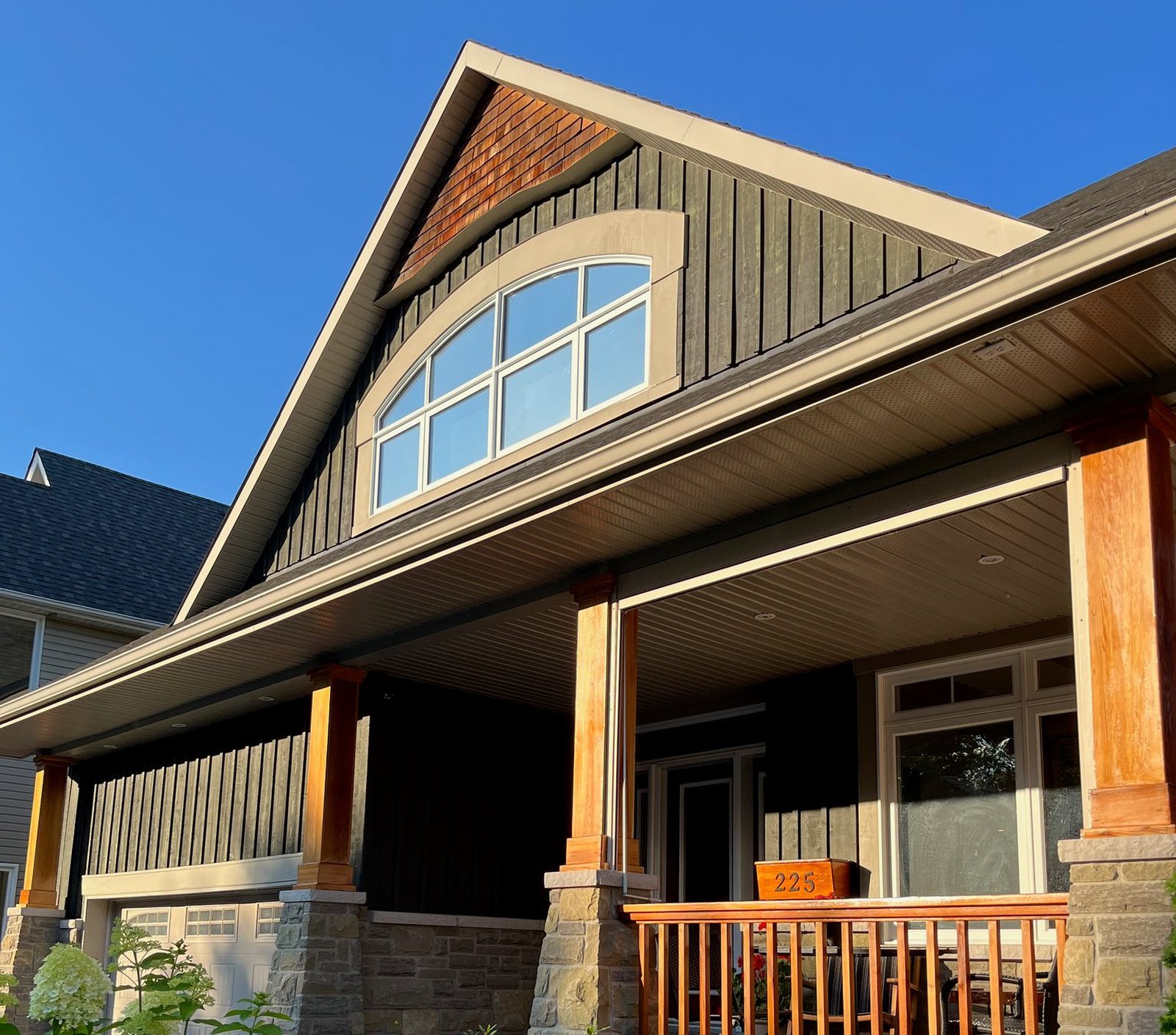
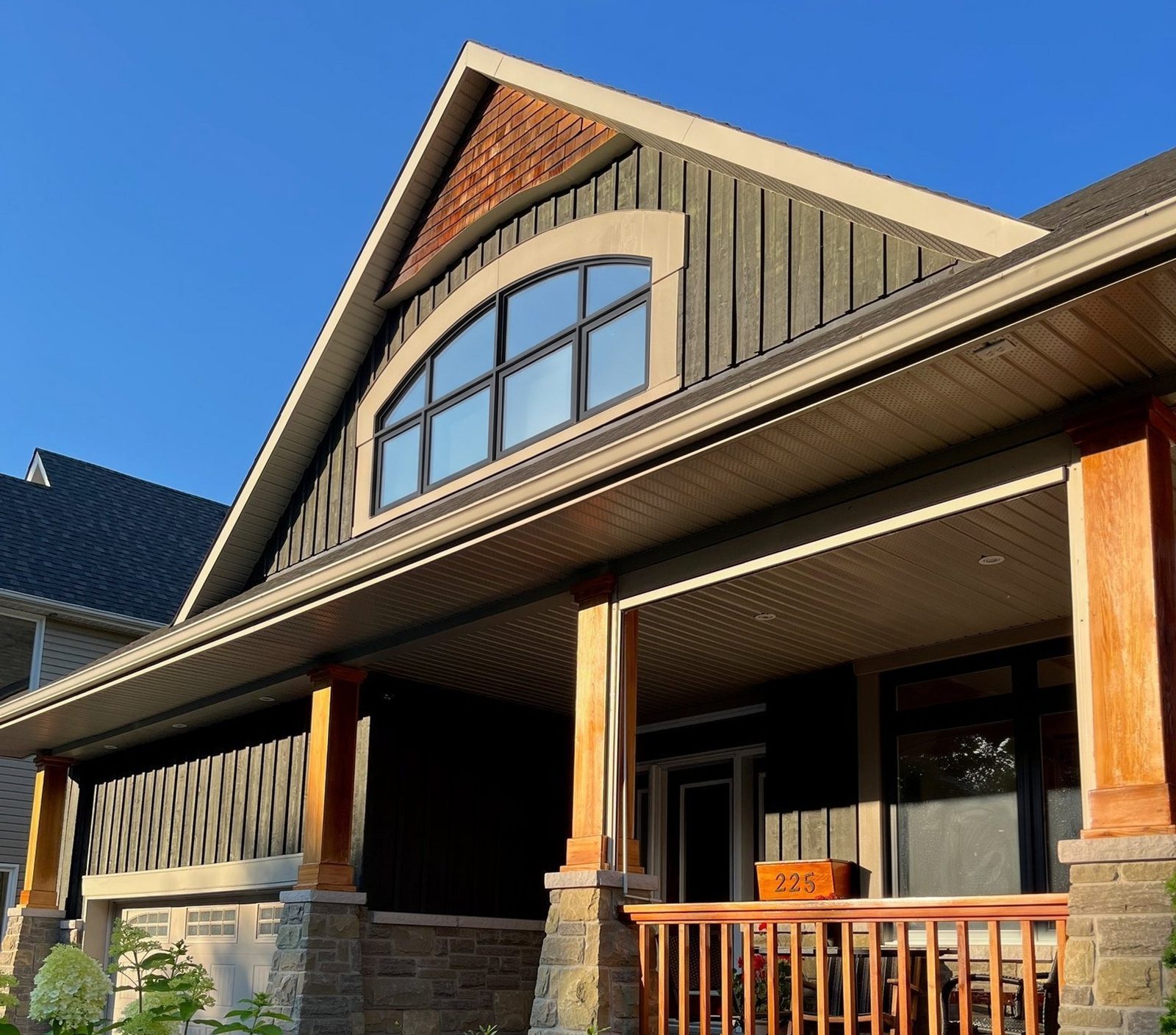
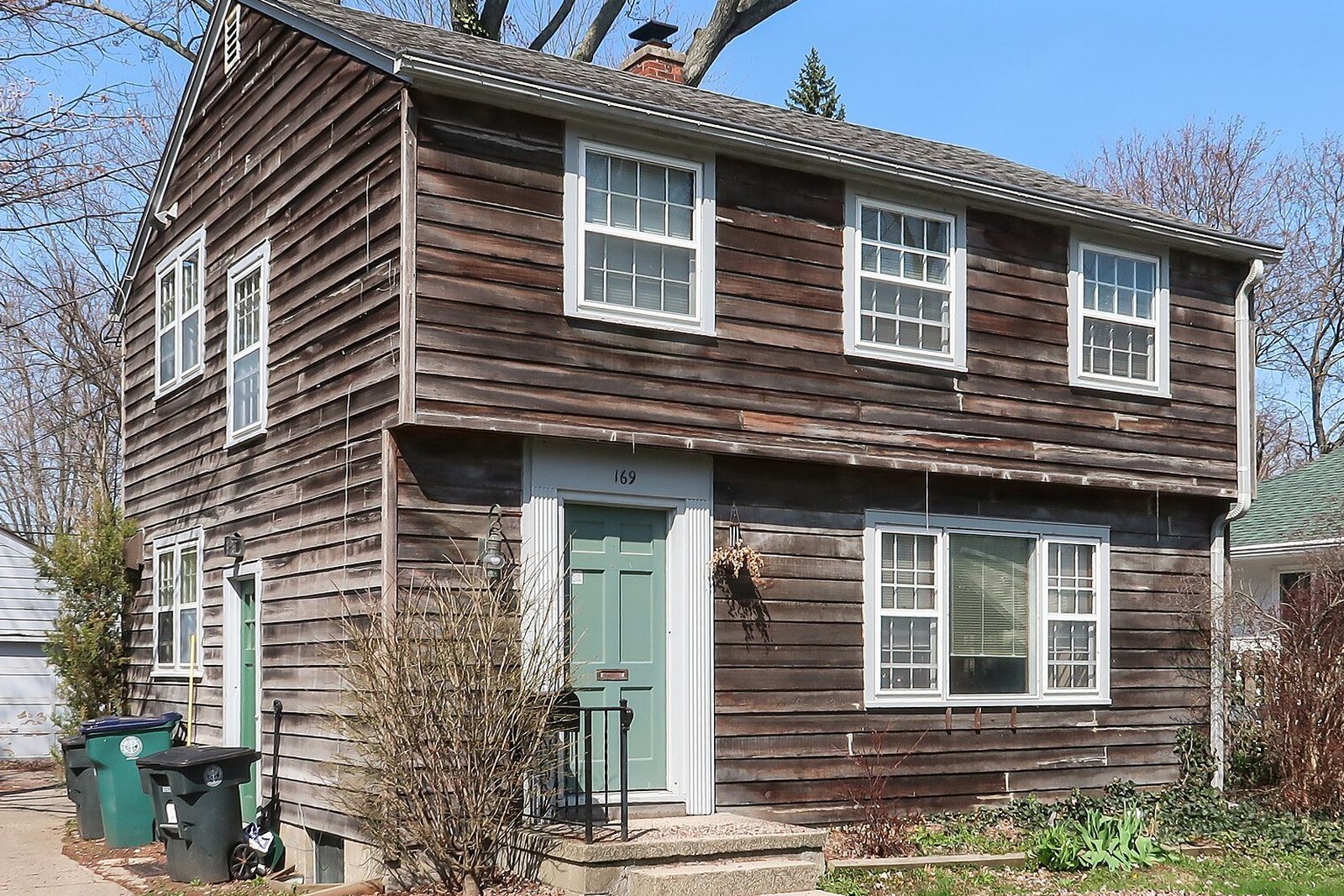
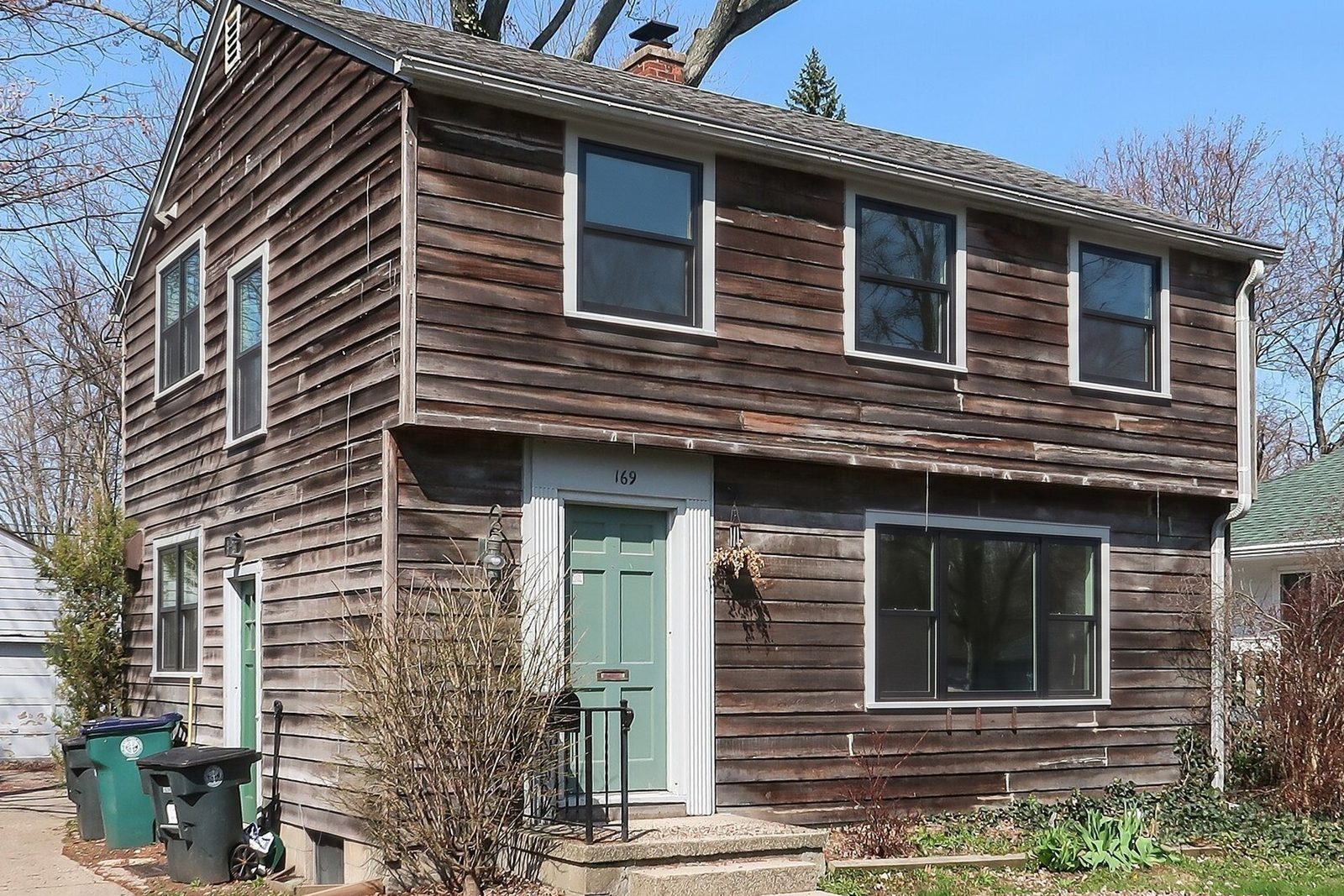
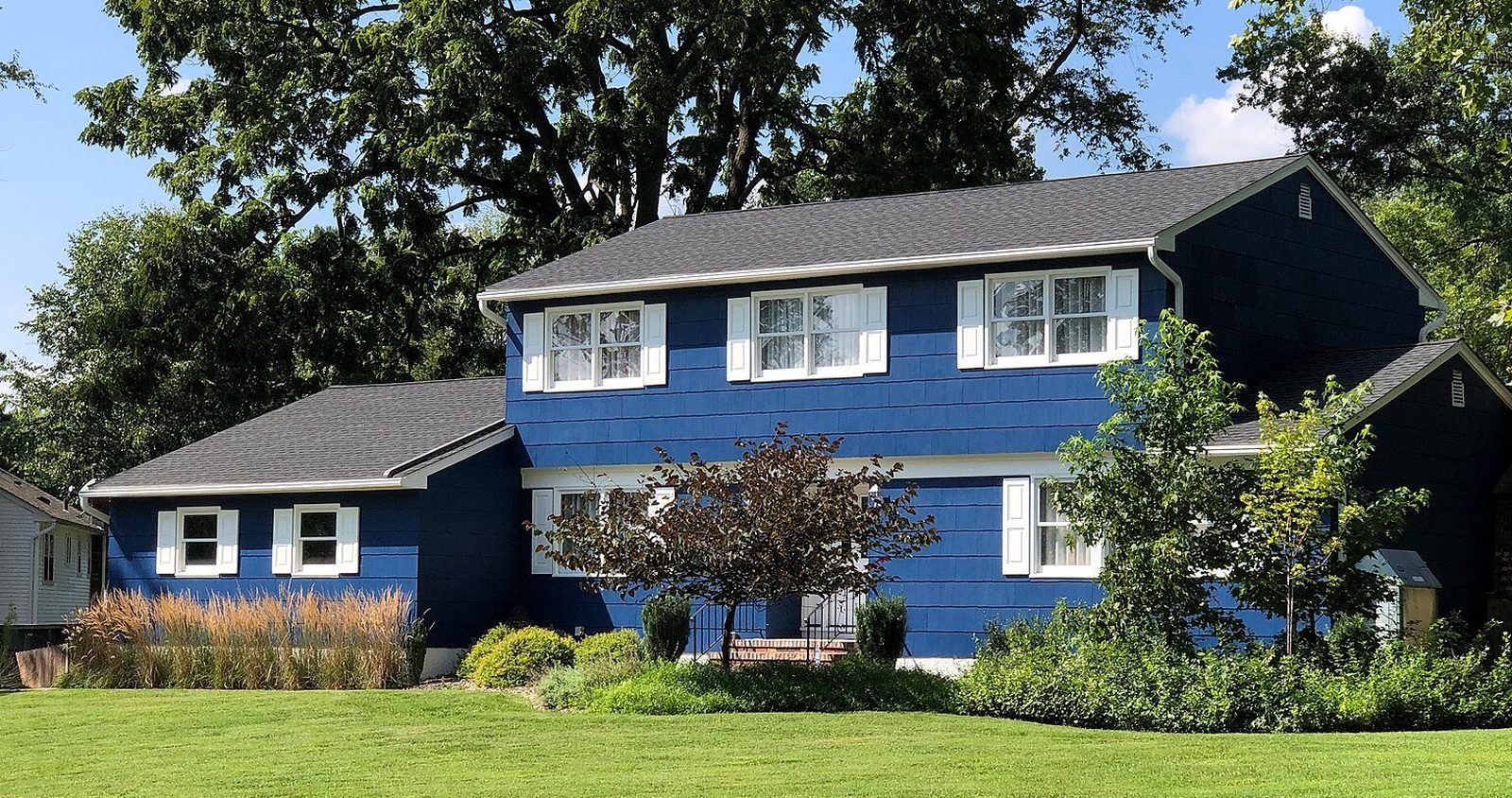
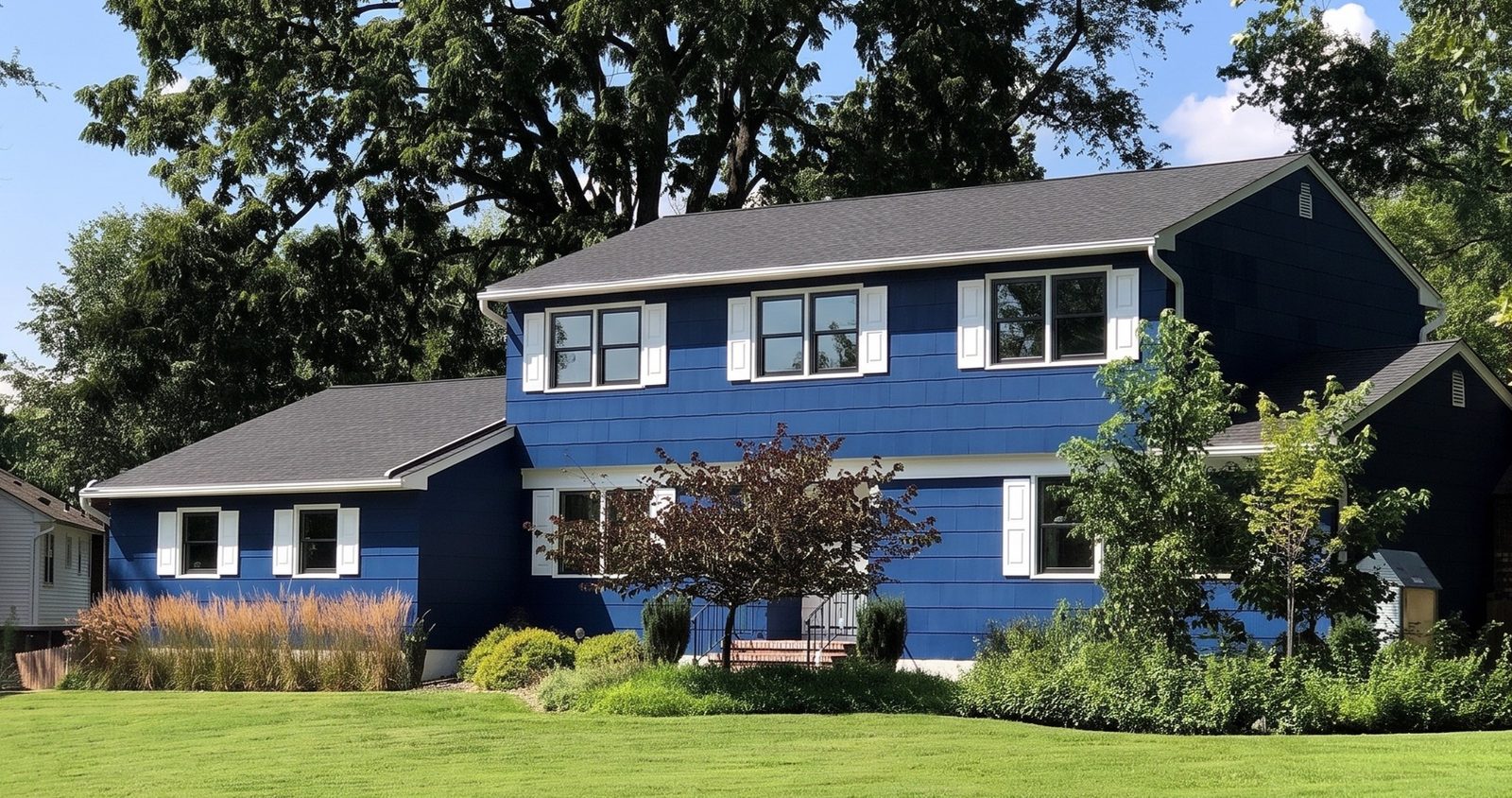
Hi, it's [name], the sales manager at [company]. Thanks for talking with me today. Here's your house with white frames and colonial grids, from the photo [rep] took at the visit.
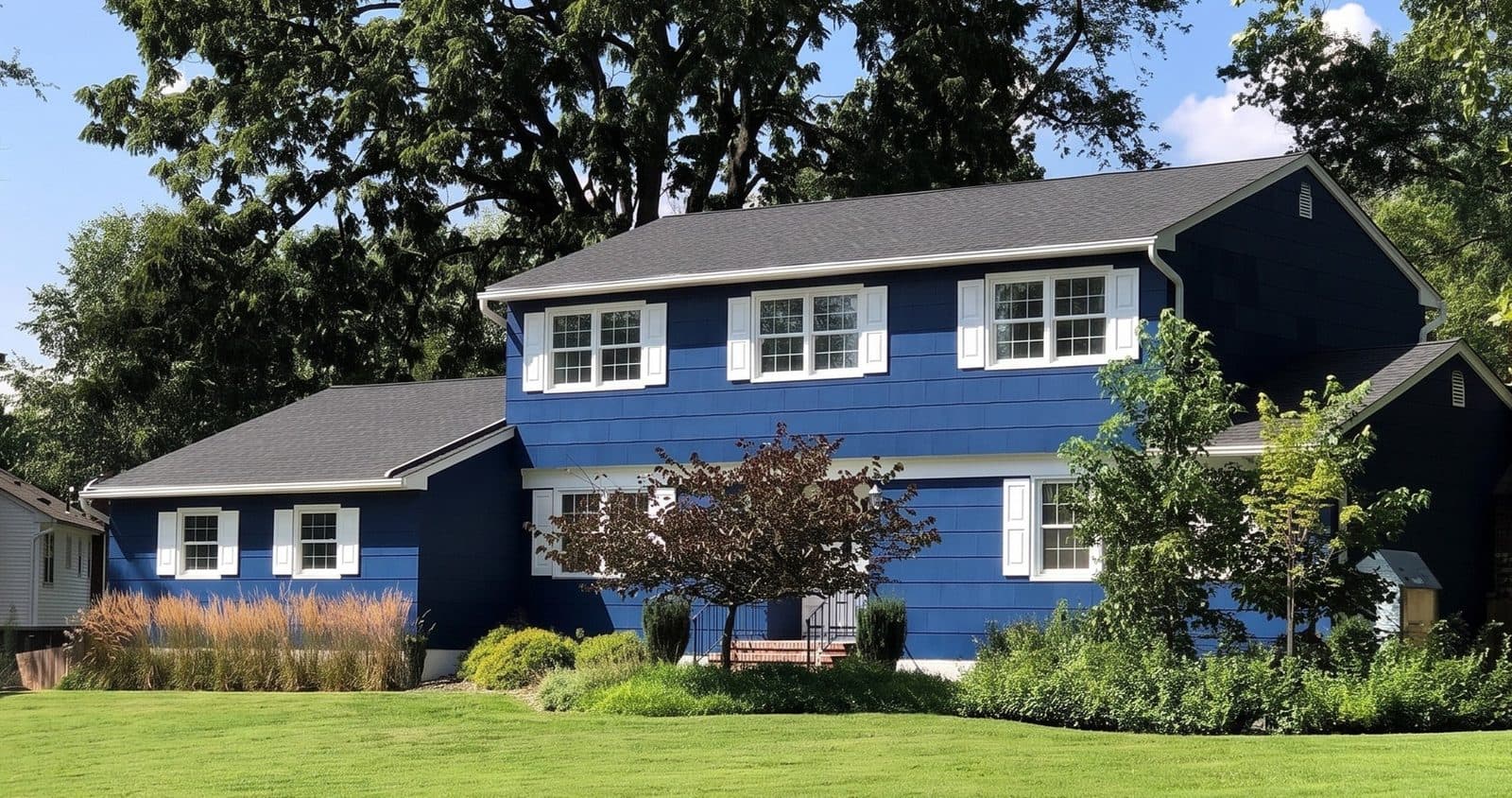 Render
It's the same photo as the black one you saw, so you can flip between them. If one of them feels right, we can come back with the price for that look. No rush.
Oh, that's nicer than I expected. Can you send the black one again too?
Sending it now. Want [rep] to stop by Thursday evening with both and the price for each?
What new reason can you bring back to an unsold lead?
A rehash with nothing new is a second ask, and they already said no once. Bring a real change tied to the reason they gave. JLC reads "I want to think about it" as a sign the homeowner is worried about paying an unfair price, getting poor work or getting a weak product7. Answer that worry, not the words.
Match what you bring to what the rep wrote down on the night:
Match the rehash to the reason it didn't sell
The price felt too high
- What to bring back
- Find out what they're comparing it to first. JLC suggests questions about the product, the install method, promotions and options, to learn whether a lower-priced line is needed or the expectation is off8. Then offer a real alternative, like a different frame material or the worst windows first.
- Window price objection
They wanted other quotes
- What to bring back
- Ask why they want more bids, how many and on what timeline, then follow up promptly, as JLC suggests8. Bring an itemized quote that's easy to hold next to the others.
- Homeowner wants other quotes
They wanted to think it over
- What to bring back
- Name the worry behind it and answer that one thing: the warranty, the install crew or the product.
- Let me think about it
Only one owner was there
- What to bring back
- A visit for both owners, with the same renders and prices the first one saw. In a Remodeling magazine article on one-leggers, Legacy Remodeling of Pittsburgh says its reps check on arrival whether there's a real buyer, and if not, may measure and book a return visit9.
- Window appointment setting
They weren't sure about the look
- What to bring back
- The look they didn't see: a second color or grille pattern rendered from the same photo, so only the windows change.
- Window visualizer
The timing was wrong
- What to bring back
- A check-in on the date they named, or a first phase for the windows that bother them most.
- Partial window sales
| Why it didn't sell | What to bring back | |
|---|---|---|
| The price felt too high | Find out what they're comparing it to first. JLC suggests questions about the product, the install method, promotions and options, to learn whether a lower-priced line is needed or the expectation is off8. Then offer a real alternative, like a different frame material or the worst windows first. | Window price objection |
| They wanted other quotes | Ask why they want more bids, how many and on what timeline, then follow up promptly, as JLC suggests8. Bring an itemized quote that's easy to hold next to the others. | Homeowner wants other quotes |
| They wanted to think it over | Name the worry behind it and answer that one thing: the warranty, the install crew or the product. | Let me think about it |
| Only one owner was there | A visit for both owners, with the same renders and prices the first one saw. In a Remodeling magazine article on one-leggers, Legacy Remodeling of Pittsburgh says its reps check on arrival whether there's a real buyer, and if not, may measure and book a return visit9. | Window appointment setting |
| They weren't sure about the look | The look they didn't see: a second color or grille pattern rendered from the same photo, so only the windows change. | Window visualizer |
| The timing was wrong | A check-in on the date they named, or a first phase for the windows that bother them most. | Partial window sales |
What should a rehash never do, and which rules apply?
A rehash goes wrong when it becomes a second, harder push. These are the mistakes that cost window companies their name, and sometimes a visit from the state. This is general information, not legal advice: check your state's rules and talk to your lawyer before the program starts.
- Inventing a price drop. The FTC's pricing guides say a former price is a fair basis for a comparison only if it's the real price you offered the public regularly for a reasonably substantial time, and an inflated price set up so you can cut it is a false bargain10. If the second price is lower, say exactly what changed.
- Dropping the price every time they say no. A window company executive quoted in JLC blamed part of an industry sales slump on "pressure sales and drop-down selling techniques" that, once people discussed them online, cost homeowners' trust11.
- Pushing for a decision on the phone or at the door. The FTC lists pressure for an immediate decision among the warning signs of a home improvement scam12.
- Asking them to give up the right to cancel. In a 2010 settlement, Washington's Attorney General alleged that a window seller asked customers to sign a letter agreeing not to cancel, which the state said broke the law giving buyers three business days to cancel; the company denied wrongdoing13. A sale signed at the second visit in their home carries the federal right to cancel, just like any other in-home sale14.
- Calling an old list without checking. The FTC's Do Not Call FAQ for businesses lets a company call someone on the national registry for up to three months after that person makes an inquiry6. A quote from last spring may be past that, so ask your lawyer which unsold leads you can still call.
- Automating texts without consent. FCC rules require prior consent for texts sent with an autodialer and written consent for autodialed marketing texts, and people can take back consent, for example by replying STOP15. Calling hours apply to a rehash list too: the FCC's rule bars telephone solicitations before 8 a.m. or after 9 p.m., local time where the person is16. Treat texts as covered. State rules come on top.
- Sending a second rep who re-measures, re-asks and re-pitches from scratch. It tells the family nobody listened the first time. The second visit starts from the notes, the prices shown and the renders already in the file.
How do you know if your rehash program is working?
Track rehash results apart from first-visit results. Mixed together, a busy rehash team can hide a weak first visit. Log these for every unsold lead, and read them once a month by reason and by rep.
If one rep's no-sales close on rehash far more often than everyone else's, look at that rep's first visit before you praise the rehash team. The wider set of numbers to track is in window sales metrics.
What to log for each unsold window lead
Why it didn't sell
- Why it matters
- In the rep's words, written that night. It decides what the rehash brings back.
Who was at the table
- Why it matters
- A one-legger needs a different rehash than a couple who both said no.
Options and prices shown
- Why it matters
- So the second visit starts where the first stopped, and any price change has a reason you can write down.
House photo and renders
- Why it matters
- The photo lets you render a new look without another trip out.
Rehash contacted, set, sat and sold
- Why it matters
- Each step with a date. Where the chain breaks tells you what to fix.
Who sold it, and what they brought
- Why it matters
- So you learn which new reasons actually win deals back.
| Field | Why it matters |
|---|---|
| Why it didn't sell | In the rep's words, written that night. It decides what the rehash brings back. |
| Who was at the table | A one-legger needs a different rehash than a couple who both said no. |
| Options and prices shown | So the second visit starts where the first stopped, and any price change has a reason you can write down. |
| House photo and renders | The photo lets you render a new look without another trip out. |
| Rehash contacted, set, sat and sold | Each step with a date. Where the chain breaks tells you what to fix. |
| Who sold it, and what they brought | So you learn which new reasons actually win deals back. |
Where the render fits in a rehash
The render is the reason for the rehash call. "Just checking in" gives the homeowner nothing to say yes to. "I had the white with grids rendered on your house, want to see it?" does, and it answers the question that stalls plenty of window sales: what will our house actually look like?
Use the photo the rep took at the first visit. Render the look they hesitated over, or the one nobody showed them, and send it in the text after the rehash call. Each render takes 30 seconds, so a rehash caller can make one for every lead on the list, not just the warm ones. If there's no photo in the file, ask them to text one of the front in daylight.
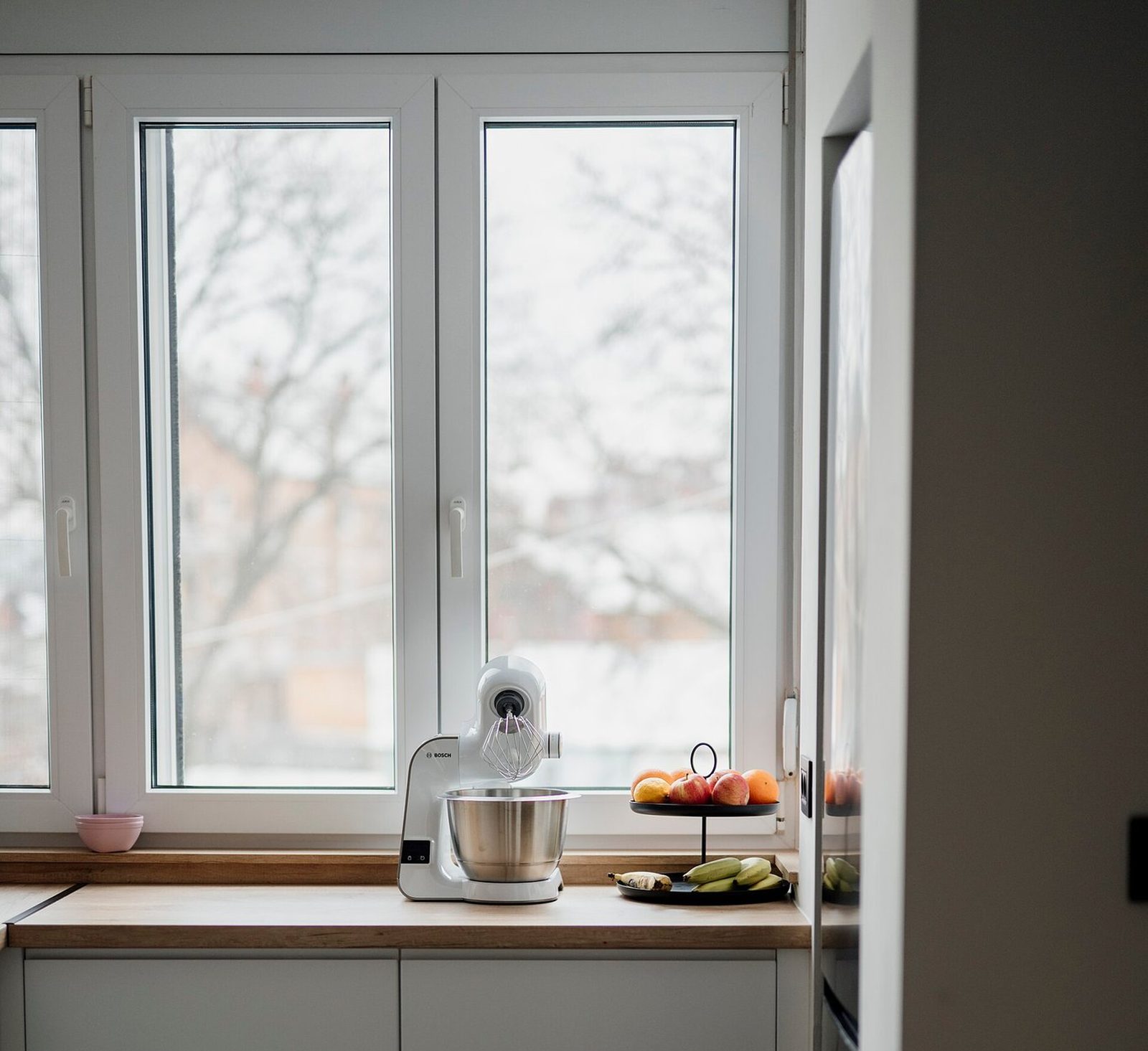
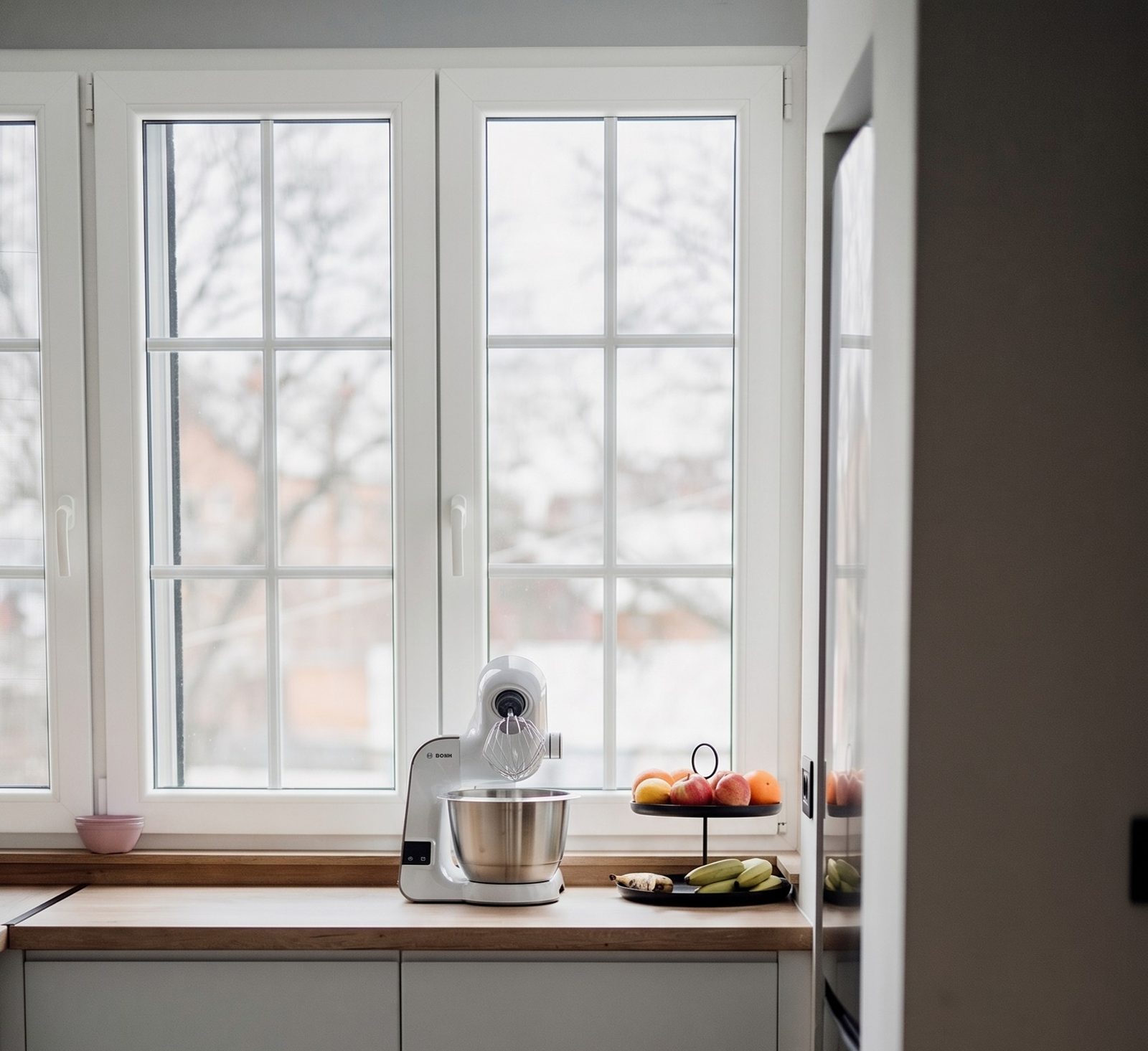
Bring both looks to the second visit, side by side, from the same photo. Call it a render, a preview of the look, never a photo of a finished job. Each window keeps its current style; the render shows new frame colors, materials and grilles.