Why do reviews matter so much for a window company?
Because replacing windows is a big, rare purchase from a company the homeowner has never used, done by a crew that will be inside their house for a day or more. Many will look you up before they book. The FTC even tells homeowners to search a contractor's name online with words like "scam," "review" or "complaint" before hiring2. Your reviews are what they find.
Reviews also move you up the map. Google says review count and review score factor into local ranking3. The rest of local search is in SEO for window companies.
And they back up every other channel. A homeowner who sees one of your Facebook ads for window companies, or gets a referral from a neighbor, can check your reviews before calling.
When should you ask a window customer for a review?
On install day, in person, at the end of the final walk-through. The customer has just seen the finished windows, the mess is gone and the crew is still standing there. At the sale it's too early, because they haven't got anything yet. A month later the moment has passed.
When to ask for a review on a window job
At the sale
- Ask?
- Not yet
- What to do
- Tell them you'll ask after the install: "If we do the job right, I'll ask you to tell people."
Measure day
- Ask?
- No
- What to do
- Be on time and careful. That's part of the ask, later.
Install day, after the walk-through
- Ask?
- Yes, in person
- What to do
- Walk every window with them, open and lock each one, hand over the warranty papers, then ask
The same evening
- Ask?
- Yes, by text
- What to do
- Send the review link with thanks from the crew
Three or four days later
- Ask?
- One reminder
- What to do
- Only if they haven't left one. Then stop.
After a service call that fixed a problem
- Ask?
- Yes
- What to do
- A problem handled well is worth a review too
| Moment | Ask? | What to do |
|---|---|---|
| At the sale | Not yet | Tell them you'll ask after the install: "If we do the job right, I'll ask you to tell people." |
| Measure day | No | Be on time and careful. That's part of the ask, later. |
| Install day, after the walk-through | Yes, in person | Walk every window with them, open and lock each one, hand over the warranty papers, then ask |
| The same evening | Yes, by text | Send the review link with thanks from the crew |
| Three or four days later | One reminder | Only if they haven't left one. Then stop. |
| After a service call that fixed a problem | Yes | A problem handled well is worth a review too |
The install-day ask, at the end of the walk-through
That's every window opened, closed and locked, and the screens are in. Is there anything you're not happy with? I'd rather fix it today than hear about it next month.
Then one favor. A lot of people check reviews before they let a company into their house, so if you'd tell people honestly how today went, it helps us. I'll text you the link tonight so it's one tap.
Ask about problems first and mean it. If something's wrong, book the fix before you mention a review, then send the review text like you do for everyone else: skipping the unhappy ones is the review gating Google's rules forbid.
What should a review request text say?
Short, personal, one link, and the same words for every customer. Thank them, ask for an honest review, and don't hint at what you hope they'll write. Send it from the phone of the rep or installer they met, not a no-reply number, so they know who's asking.
End it with an invitation to report problems. It works as a last check: a sticking sash you hear about tonight is a service call, and the same sash found next week can be a one-star review.
If you send these from software rather than by hand, check the texting rules first. General information, not legal advice.
The review request text, and the one reminder
Hi [name], it's [your name] from [company]. Thanks for having us today. If you have two minutes, an honest review helps other homeowners decide: [link]. If anything isn't right with the windows, text me here and we'll fix it.
A few days later, only if they haven't posted: Hi [name], [your name] again. Just checking the windows are working well. If you get a minute for that review, here's the link: [link]. If not, no problem at all.
Same words for every customer. Offer nothing in return, and don't send it only to the ones you think are happy.
Hi [name], it's [your name] from [company]. Thanks for having us today. If you have two minutes, an honest review helps other homeowners decide: [link]. If anything isn't right with the windows, text me here and we'll fix it.
The one in the back bedroom sticks when I try to open it.
Sorry about that. Our install lead will call you tomorrow morning to set a time to adjust it. Thanks for telling me.
How do you make leaving a review easy?
Every extra step loses people. Take the searching and the guessing out of it.
- One link. Copy the review link from your Google Business Profile and use it everywhere, so nobody has to search for you.
- A QR code with that link on the leave-behind folder, the warranty card and the final invoice.
- The link in every rep's email signature and in the job-complete email.
- Google first. Once reviews come in steadily there, add one other site homeowners in your area use, rather than five at once.
- Ask the person you dealt with, in the room. A text from the rep who sat at their kitchen table is harder to ignore than one from a stranger.
- Put it on the install checklist: who was asked, and when. Then it happens on every job, not only on the good days.
- Track the asking, not a review quota per crew. A quota pushes people to lean on customers or to skip the ones who seemed unhappy, which is the gating described below.
What does the FTC's fake review rule ban?
In August 2024 the FTC announced a final rule banning fake consumer reviews, including reviews that misrepresent who wrote them or whether the writer used the product, and said it can seek civil penalties for knowing violations1. Here's what it covers, in window company terms.
What the FTC's review rule bans, for a window company
Fake reviews
- What that looks like at a window company
- A rep, a relative or a paid service writing up jobs that never happened, or buying a batch of glowing reviews1
- Do this instead
- Ask real customers, every one of them
Incentives tied to what the review says
- What that looks like at a window company
- A gift card for a glowing review, or money off the next job if the review is positive1
- Do this instead
- Ask for an honest review and offer nothing in return
Insider reviews that hide the connection
- What that looks like at a window company
- The owner or a sales manager reviewing the company without saying who they are, or a manager asking installers or relatives for reviews without telling them to say how they're connected1
- Do this instead
- Staff and family stay out of your reviews. Thank the crew by name in your reply to a real customer instead
Review sites you control posing as independent
- What that looks like at a window company
- A "best window companies in [city]" site you own that puts your company first1
- Do this instead
- Send people to the review sites they already know
Review suppression
- What that looks like at a window company
- Threatening to sue over an honest review, intimidating a customer into taking one down, or showing only the good ones on your site as if they were all of them1
- Do this instead
- Reply calmly in public and fix the problem
| The rule bans | What that looks like at a window company | Do this instead |
|---|---|---|
| Fake reviews | A rep, a relative or a paid service writing up jobs that never happened, or buying a batch of glowing reviews1 | Ask real customers, every one of them |
| Incentives tied to what the review says | A gift card for a glowing review, or money off the next job if the review is positive1 | Ask for an honest review and offer nothing in return |
| Insider reviews that hide the connection | The owner or a sales manager reviewing the company without saying who they are, or a manager asking installers or relatives for reviews without telling them to say how they're connected1 | Staff and family stay out of your reviews. Thank the crew by name in your reply to a real customer instead |
| Review sites you control posing as independent | A "best window companies in [city]" site you own that puts your company first1 | Send people to the review sites they already know |
| Review suppression | Threatening to sue over an honest review, intimidating a customer into taking one down, or showing only the good ones on your site as if they were all of them1 | Reply calmly in public and fix the problem |
What do Google's rules and your contract add to the FTC's?
Two more sets of rules shape how you ask. Google's apply to every review on your profile, and one federal law reaches into your sales agreement.
- No rewards at all on Google. Google says offering customers free or discounted goods or services in exchange for posting, changing or removing reviews is fake engagement and strictly prohibited4, whatever the review says. That's stricter than the FTC's rule, which targets incentives tied to whether the review is positive or negative.
- No review gating. Google says business owners shouldn't discourage negative reviews or selectively ask for positive ones5, and the FTC's guide for marketers says not to ask only the customers you expect to leave positive reviews6. So no survey that sends happy customers to Google and unhappy ones to a private form.
- No gag clauses. The Consumer Review Fairness Act voids form-contract clauses that bar or penalize honest reviews and makes it illegal to offer contracts that contain them7. If your sales agreement has a non-disparagement clause, take it to your lawyer.
- This is general information, not legal advice. Check your state's consumer protection rules and talk to your lawyer before you change how you ask for reviews.
How should a window company reply to a bad review?
Slowly, once, and mostly offline. Read it twice, pull the job file and talk to whoever was on the job before you write a word. If you can reach the customer, call first: plenty of bad reviews are a problem that hasn't been fixed yet.
Then reply in public for the next homeowner who reads it, not to win the argument. Google's own tips for local ranking include responding to reviews3. Reply to good reviews too: thank them by first name, mention the crew, two lines at most, and never the same pasted line twice.
- Thank them and name the problem in general terms.
- Say what you're doing about it, and give a name and a number to call.
- Leave out job details, addresses, prices and anything personal.
- Don't argue the facts in public, blame the customer or reply angry. Wait a day if you need to.
- Never threaten legal action over an honest review1. Don't make a refund or a fix depend on them changing or deleting the review; fix it because it's broken.
- If the reviewer was never your customer, report it through the review site's own process and reply briefly that you can't find a record of the job.
- Once the problem is fixed, say so in a follow-up reply. Some people update their review on their own; don't push them to.
A reply to a bad review about an install
Thanks for telling us, [first name]. A drafty window and a crew that showed up late aren't what we want anyone to get from us, and I'm sorry.
I've asked our install manager to call you this week and come out to look at it. If you'd rather call first, I'm [your name], and my direct line is [number].
First name only, or none. No job details, no blame, no excuses about the weather or the factory.
Where the render fits on install day
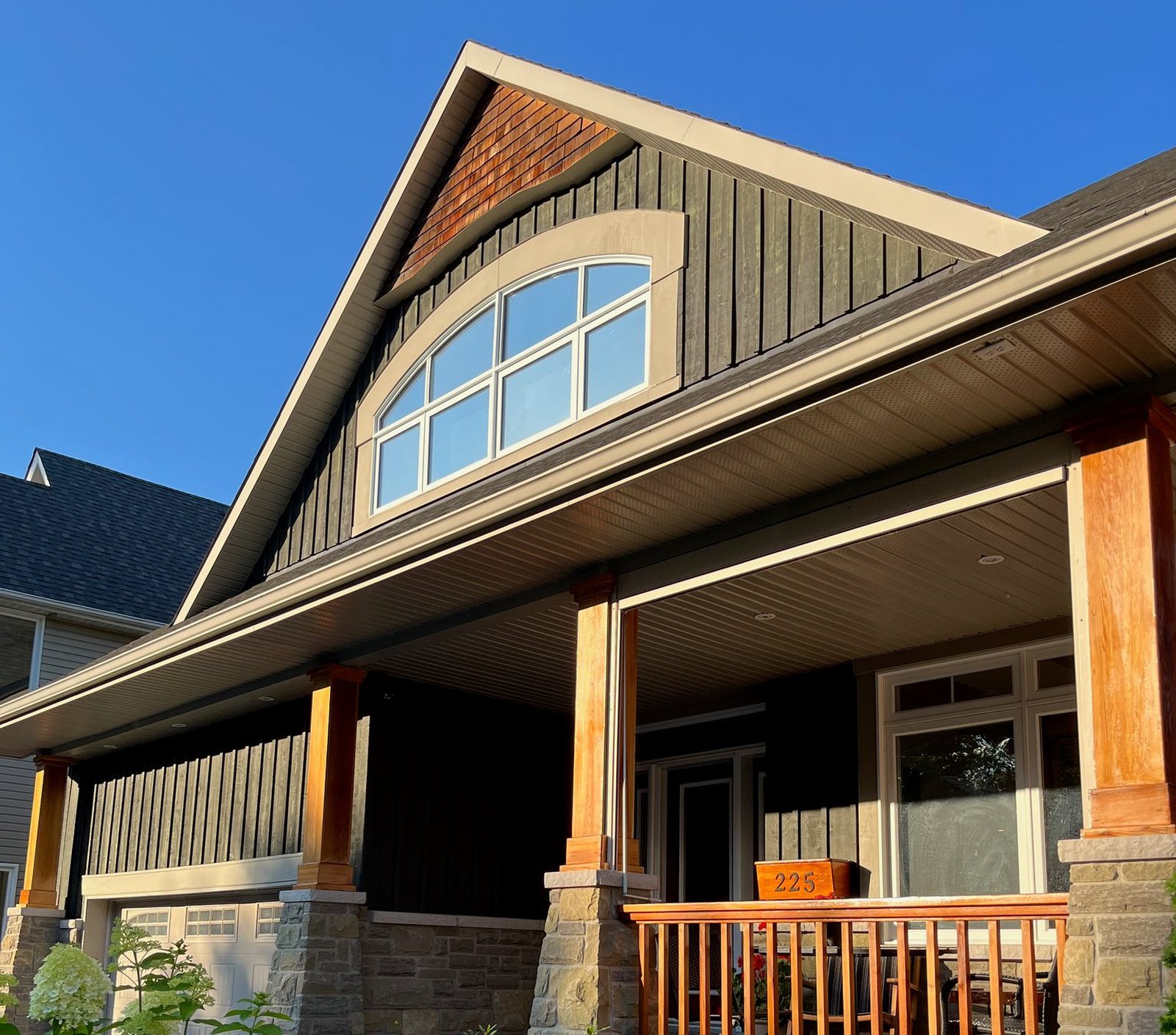
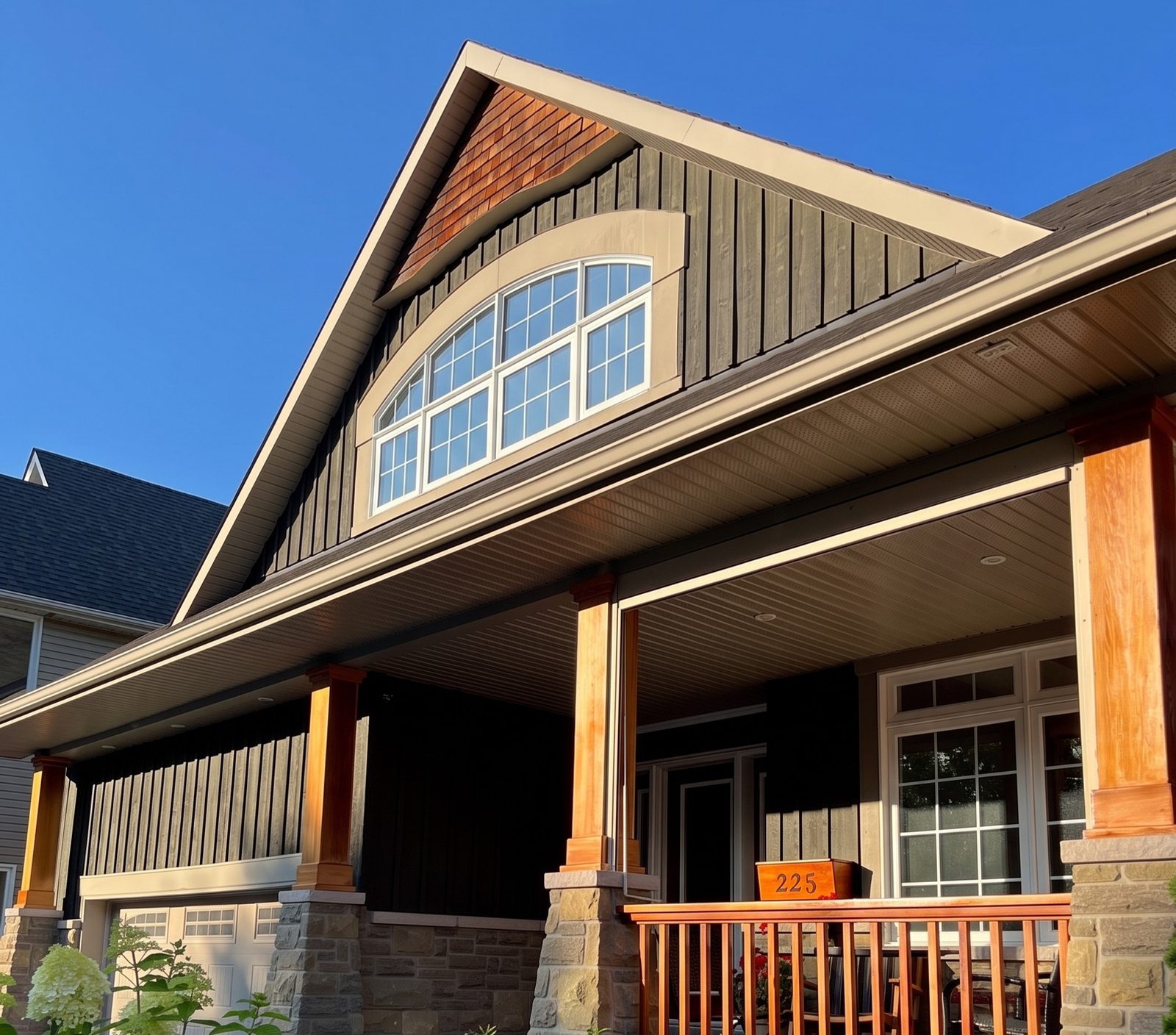
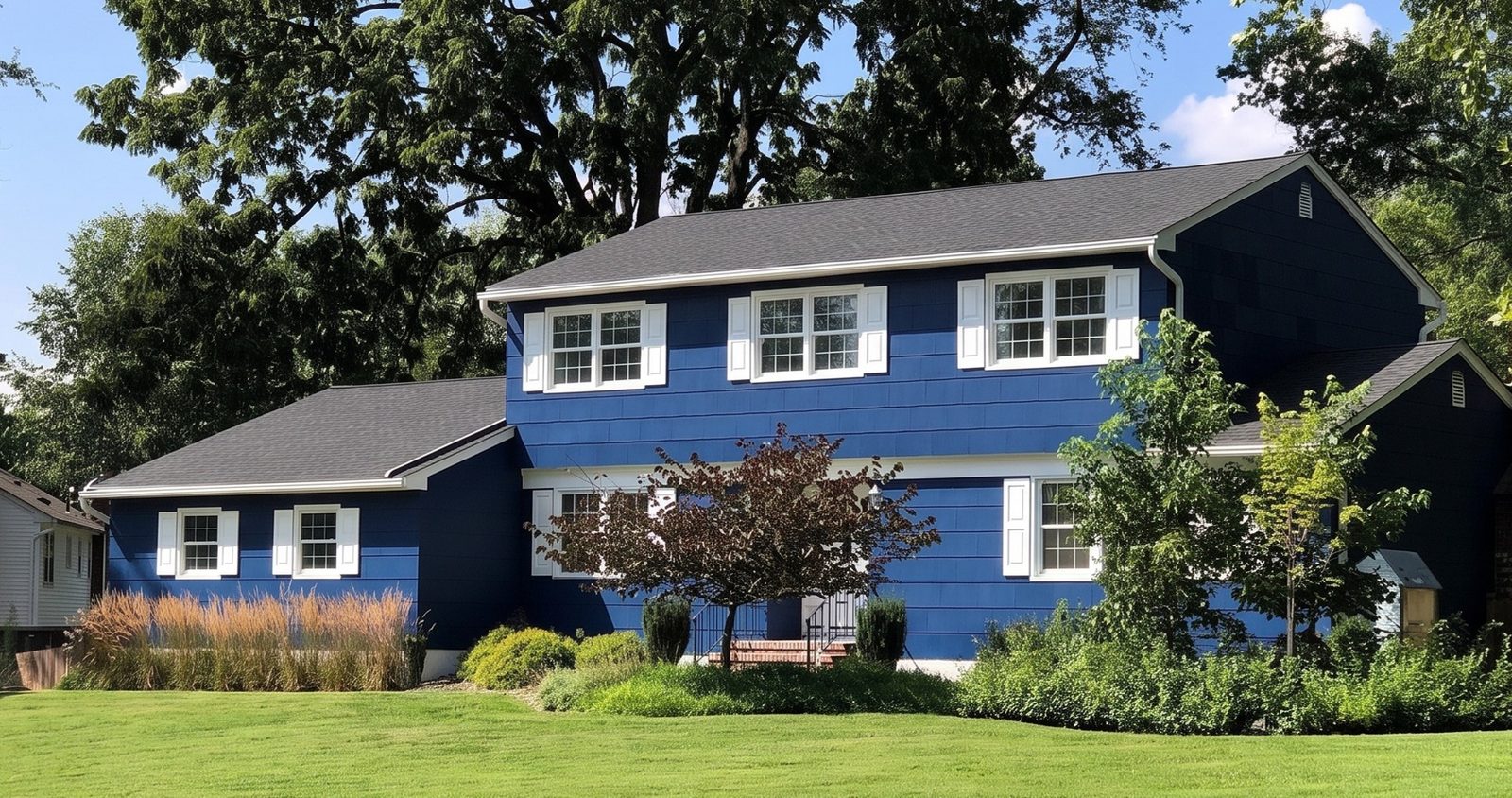
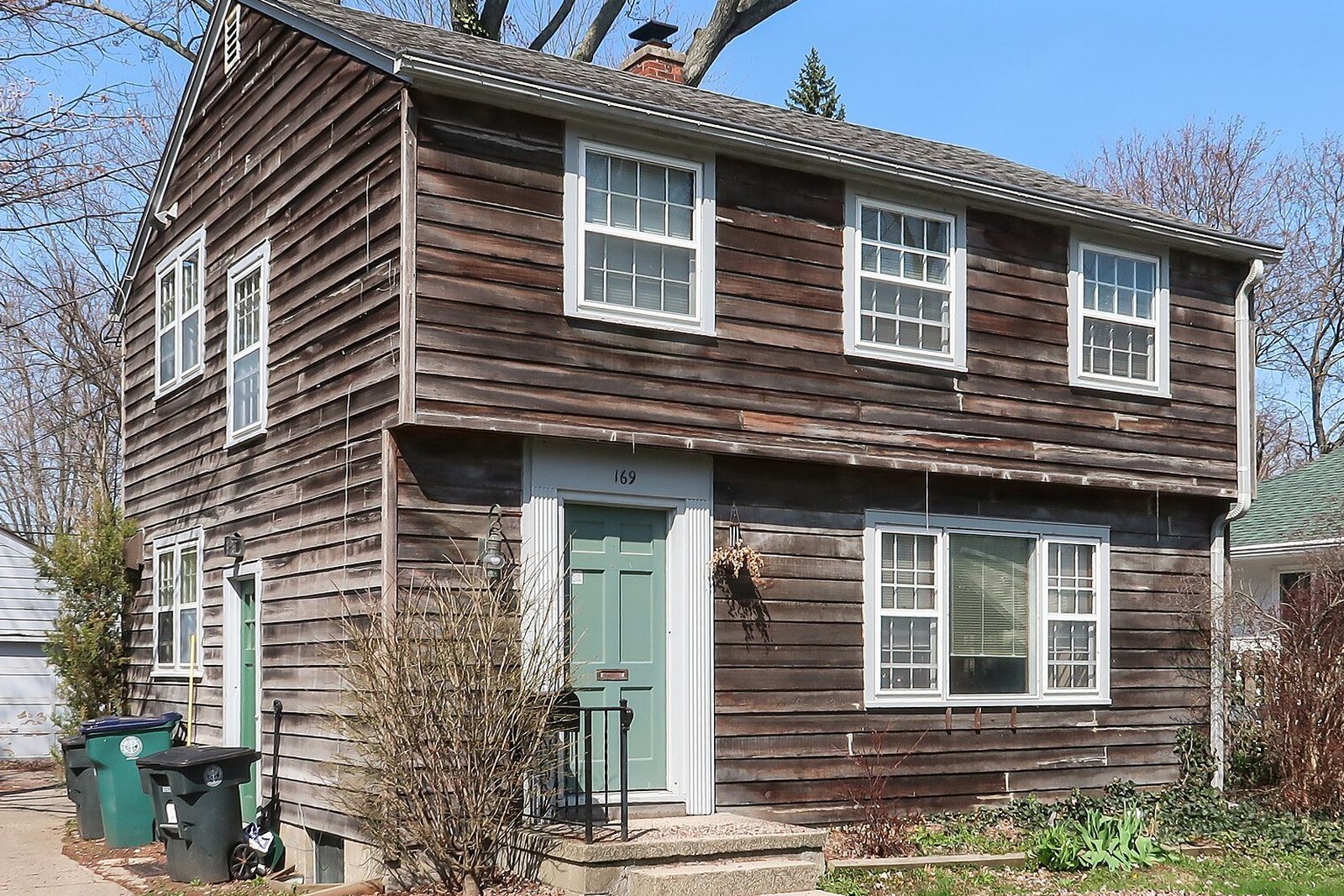
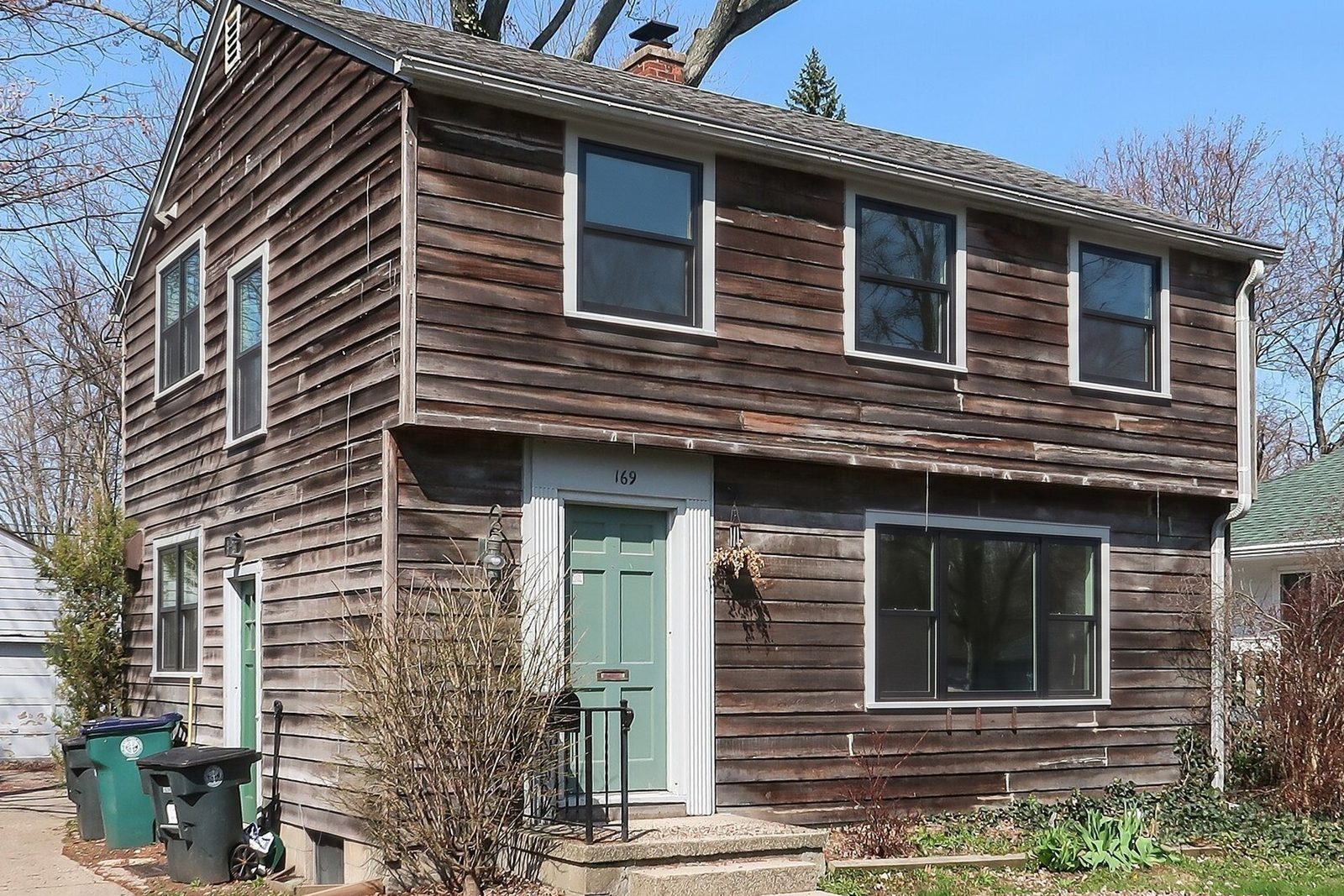
At the final walk-through, as a reminder of the choice. Pull up the render you made at the sale and say what they picked: "Black frames, no grids, same window styles, the look you chose at the kitchen table." Both owners see that the house now looks the way they decided it would, which leads naturally into the review ask. If one of them expected something different, you hear it now, while the crew is still there, not in a review next week.
A render is a preview of the look, not a spec sheet: frame widths and small details won't match the install exactly, so use it to confirm the color and grille choice, never as a yardstick for the work. And keep it out of the reviews themselves. Don't put the render in your replies, and don't ask the customer to post it: review photos should show their real windows.