What is a good window upsell, and what is padding?
A good upsell fixes something the homeowner already told you about. They said the back bedroom is freezing every January, so you show them a better glass package. They said they love the dark windows on the house down the street, so you show them dark frames on their own house. Padding is the opposite: options added because they raise the ticket, explained after the price is already on the table.
Homeowners can tell the difference, and they compare notes. Looking back at a drop in window sales after an earlier round of tax credits expired, one window company executive told JLC that "pressure sales and drop-down selling techniques" had cost the industry homeowners' trust once people discussed them online1. That's one executive's view from an older article, but an extra someone was talked into is also an easy one to cancel.
So keep one rule: one upgrade, one reason, one price. If you can't name the reason in the homeowner's own words, don't offer it.
Which window upgrade options should you offer?
Only the ones that match what you heard on the walk-through. This table is a typical upgrade menu, with the line from the homeowner that should make you reach for each one.
Window upgrade options, when to raise them and how to show them
Exterior color
- Raise it when they say
- "I like the dark windows on the corner house."
- How to show it
- Render their house in that color next to the white you'd quote as standard.
- Watch for
- The price gap depends on the line, and dark vinyl needs the right construction (see the pricing question below).
Interior color or finish
- Raise it when they say
- "White plastic looks cheap inside" or "I want it to match the wood trim."
- How to show it
- Render the room from inside, then hold up the real finish sample.
- Watch for
- Not every line offers every interior. Andersen's 400 Series sheet, for example, lists wood interiors and factory-painted white, dark bronze and black2.
Grilles
- Raise it when they say
- "The house looks plain" on an older home, or "we had grids and want them gone."
- How to show it
- Render with grids and without from one photo.
- Watch for
- Some grilles are built in at the factory. Andersen, for one, says its full divided light grilles must be ordered with the window and can't be added later3. Settle it before you order.
Frame material
- Raise it when they say
- They want slimmer frames, a darker color, or plan to stay for decades.
- How to show it
- Render their color in the new material, then hand them the corner sample.
- Watch for
- The render shows how the frame looks on their house. Strength, weight and how it's built sell on the sample.
Glass package
- Raise it when they say
- Cold rooms, a chill when they stand by the glass, long winters, or a west wall that bakes every afternoon.
- How to show it
- The label numbers for each option, side by side, with the price difference.
- Watch for
- Savings claims need proof; see the triple pane question below.
Privacy glass
- Raise it when they say
- A bathroom window that faces the neighbors.
- How to show it
- A glass sample. A render won't show it.
- Watch for
- Write it on the order for that one opening only.
Hardware and screens
- Raise it when they say
- A crank or a lock they fight with every day.
- How to show it
- The real part in their hand.
- Watch for
- Small add-ons get their own line, not a bump in the total.
| Upgrade | Raise it when they say | How to show it | Watch for |
|---|---|---|---|
| Exterior color | "I like the dark windows on the corner house." | Render their house in that color next to the white you'd quote as standard. | The price gap depends on the line, and dark vinyl needs the right construction (see the pricing question below). |
| Interior color or finish | "White plastic looks cheap inside" or "I want it to match the wood trim." | Render the room from inside, then hold up the real finish sample. | Not every line offers every interior. Andersen's 400 Series sheet, for example, lists wood interiors and factory-painted white, dark bronze and black2. |
| Grilles | "The house looks plain" on an older home, or "we had grids and want them gone." | Render with grids and without from one photo. | Some grilles are built in at the factory. Andersen, for one, says its full divided light grilles must be ordered with the window and can't be added later3. Settle it before you order. |
| Frame material | They want slimmer frames, a darker color, or plan to stay for decades. | Render their color in the new material, then hand them the corner sample. | The render shows how the frame looks on their house. Strength, weight and how it's built sell on the sample. |
| Glass package | Cold rooms, a chill when they stand by the glass, long winters, or a west wall that bakes every afternoon. | The label numbers for each option, side by side, with the price difference. | Savings claims need proof; see the triple pane question below. |
| Privacy glass | A bathroom window that faces the neighbors. | A glass sample. A render won't show it. | Write it on the order for that one opening only. |
| Hardware and screens | A crank or a lock they fight with every day. | The real part in their hand. | Small add-ons get their own line, not a bump in the total. |
Which upgrades can homeowners actually see?
Color and grilles. Nobody sees a lower U-factor from the curb. They do see black frames against white siding every time they pull into the driveway, or colonial grids on a house that has had plain glass for twenty years. That makes color and grilles the easiest upgrades to explain and the hardest to judge from a two-inch chip.
Dark exteriors are having a moment. In the 2026 Houzz Outdoor Trends Study, 39% of homeowners renovating their exteriors chose black trim4. That's trim, not windows, so treat it as a sign of taste rather than a window number, and ask about dark frames instead of assuming.
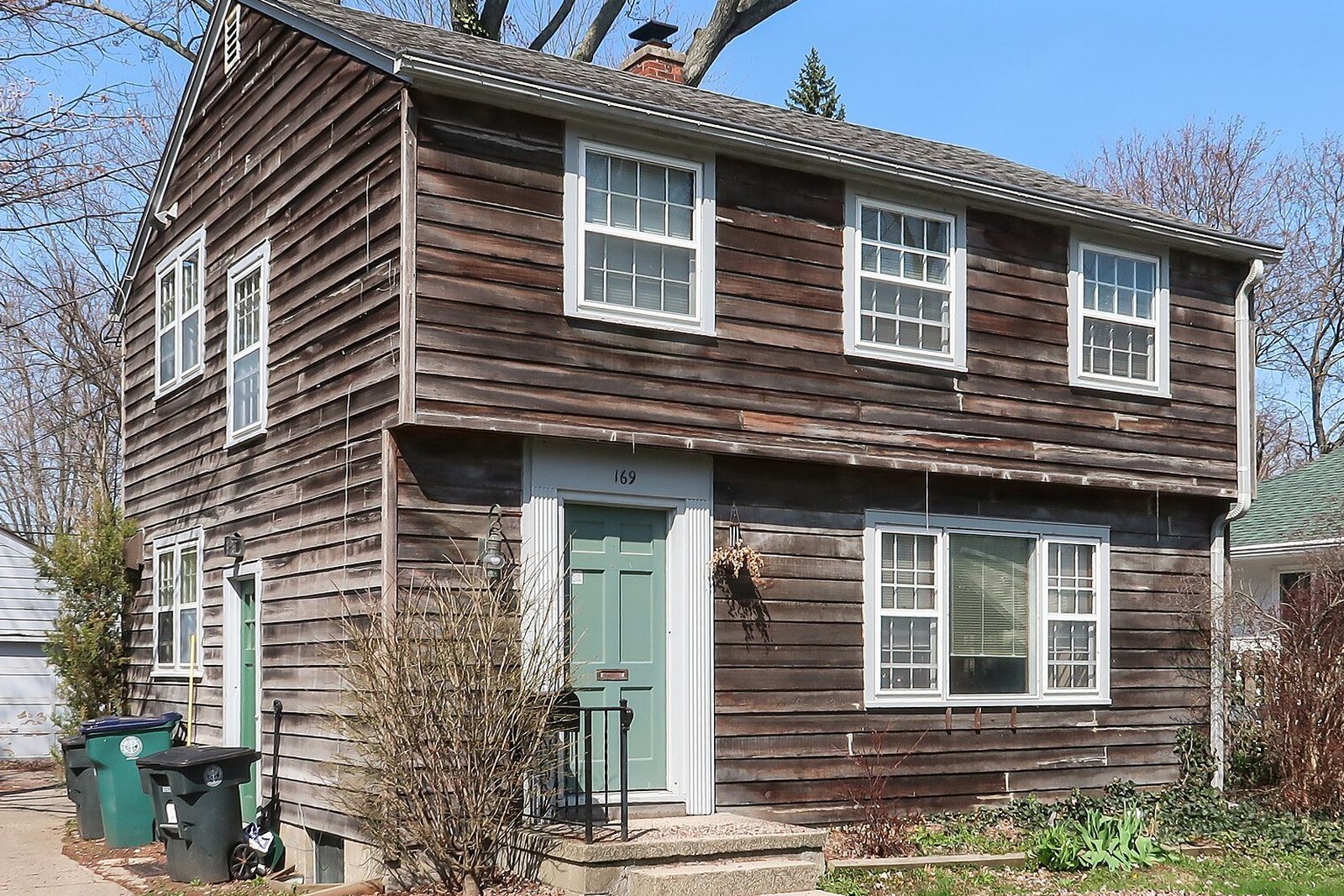
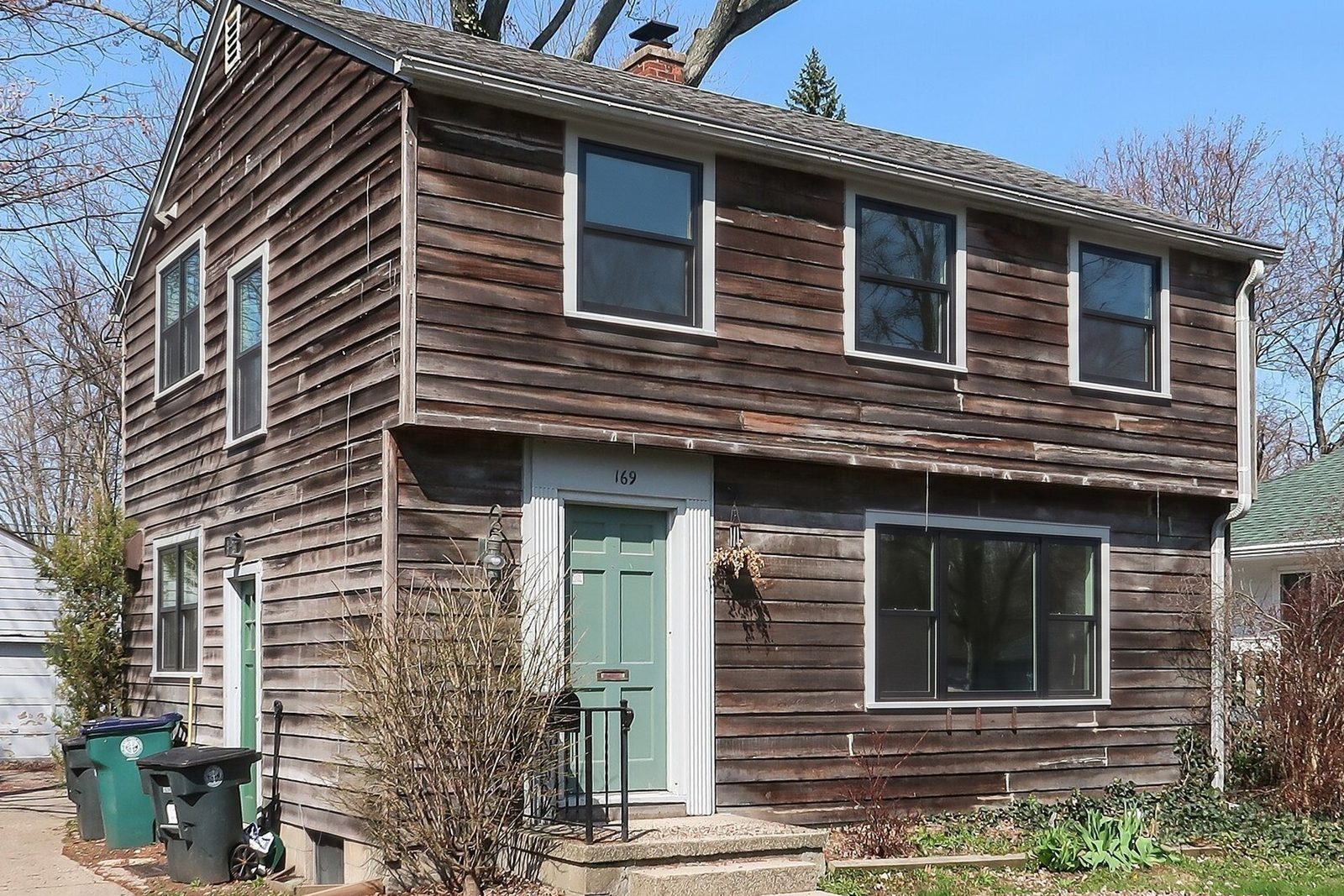
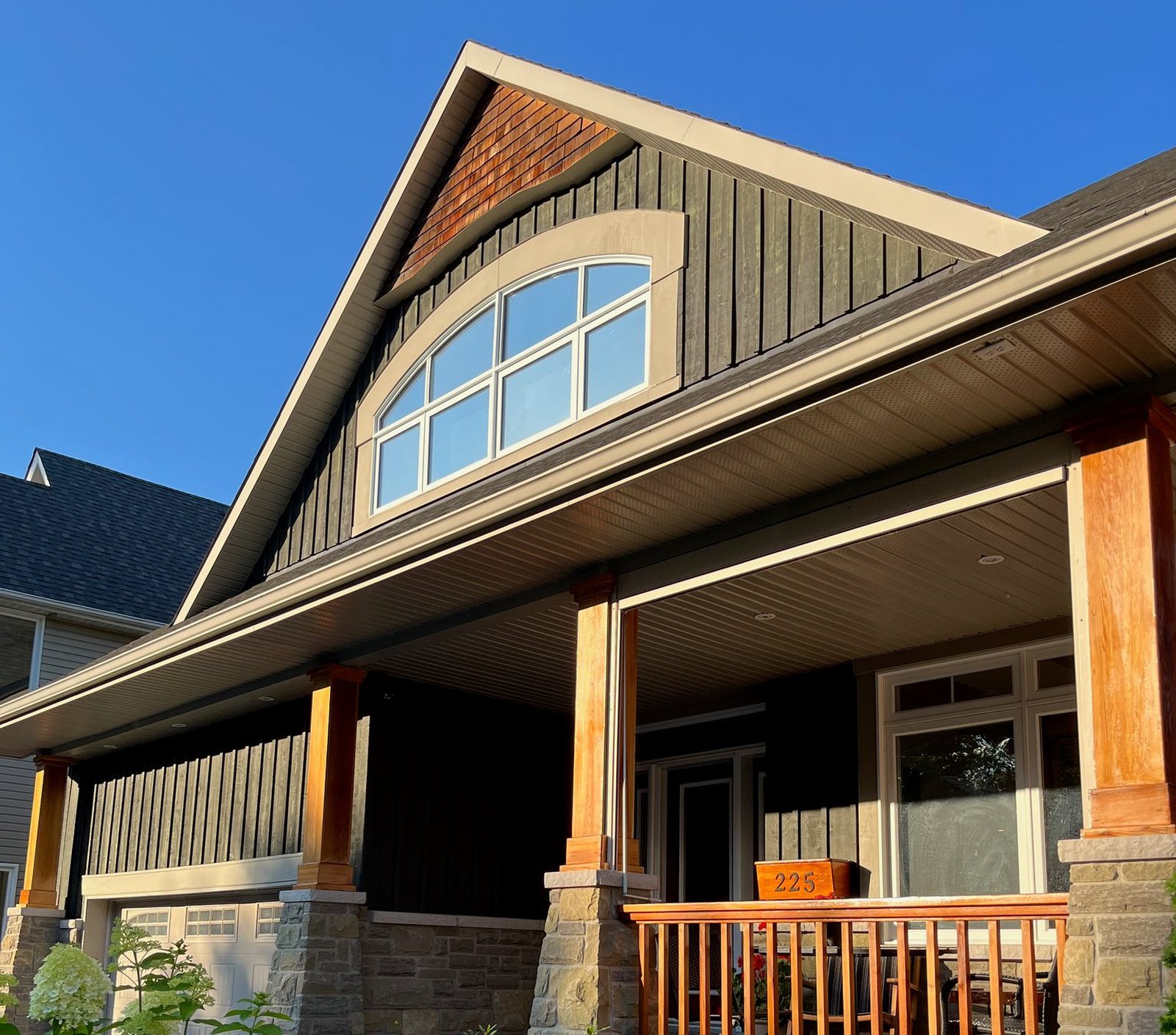
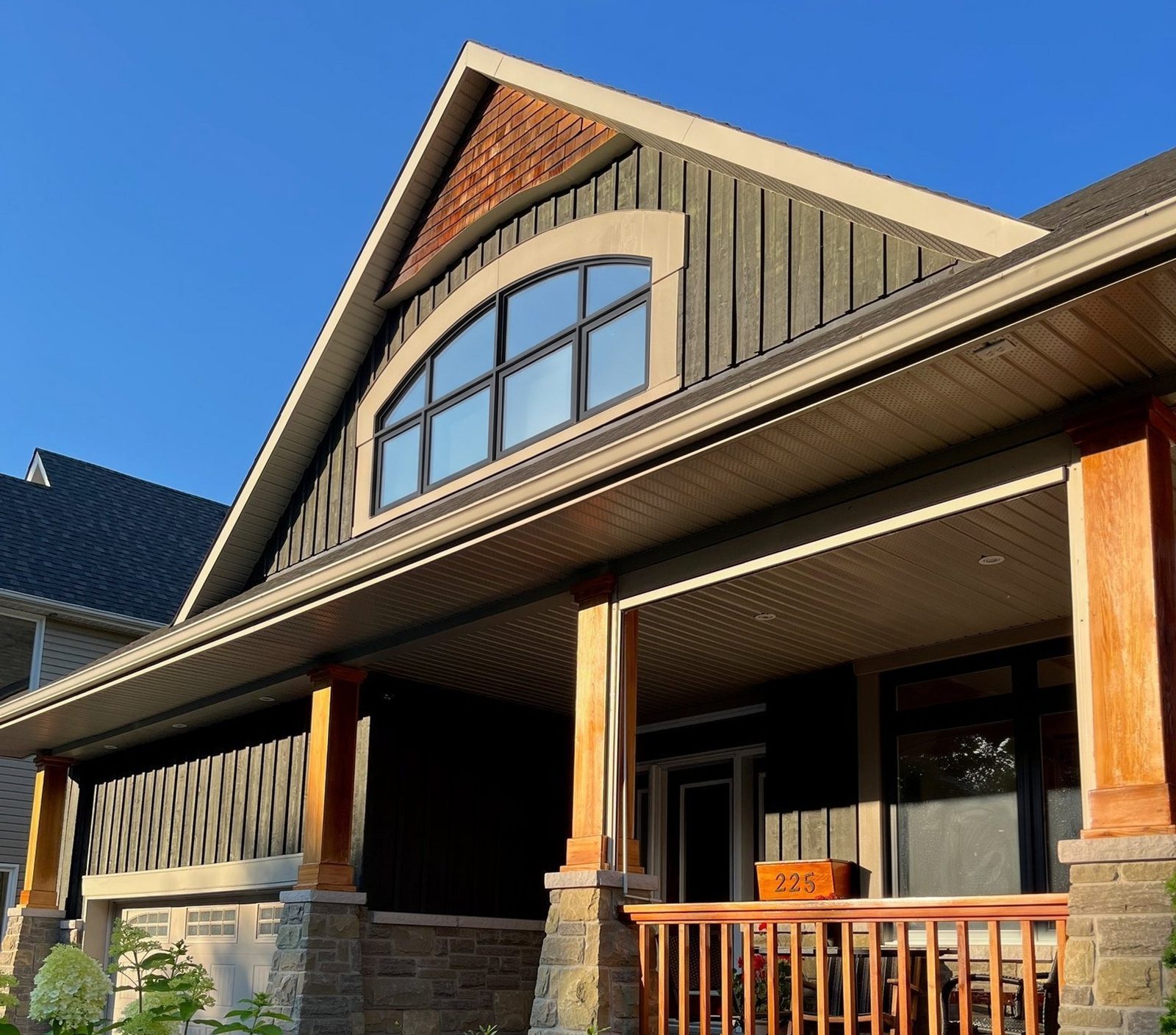
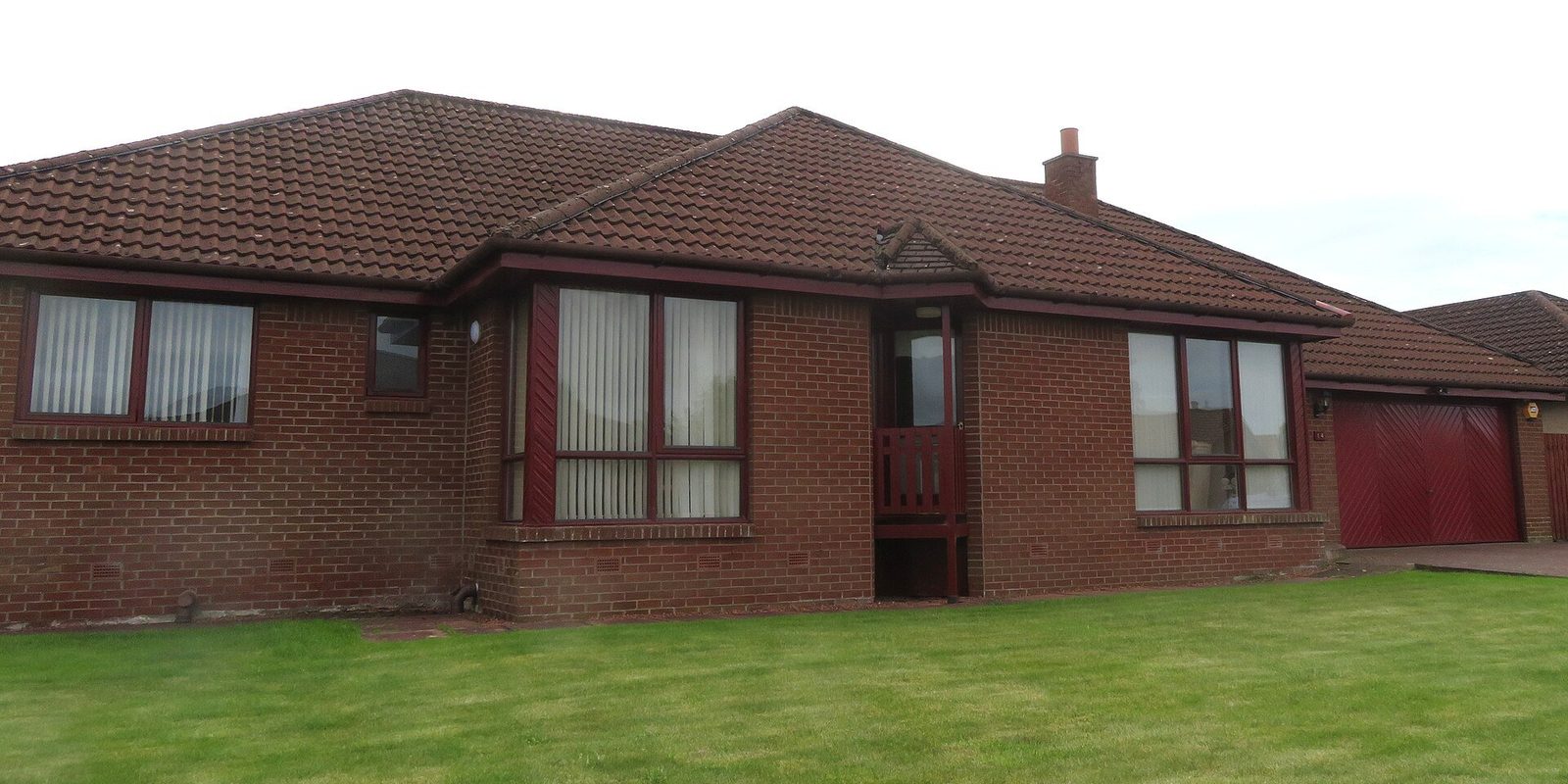
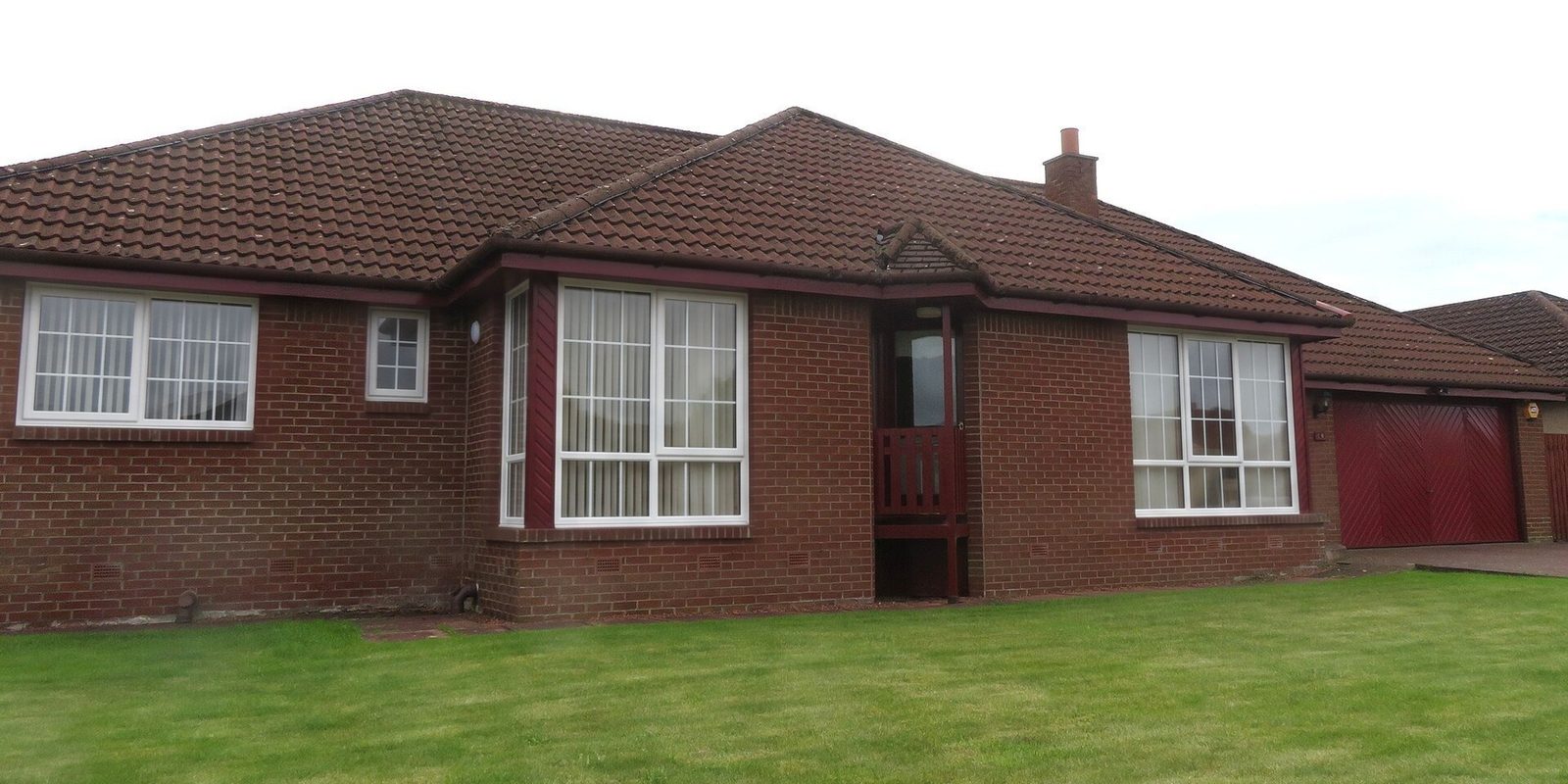
Below is one blue colonial three ways, all from a single photo: the house as it is today with white windows, then black frames, then white with colonial grids. That's the whole color and grilles conversation on one screen, and it's their kind of house, not a brochure's.
One house: today, black frames, white with colonial grids
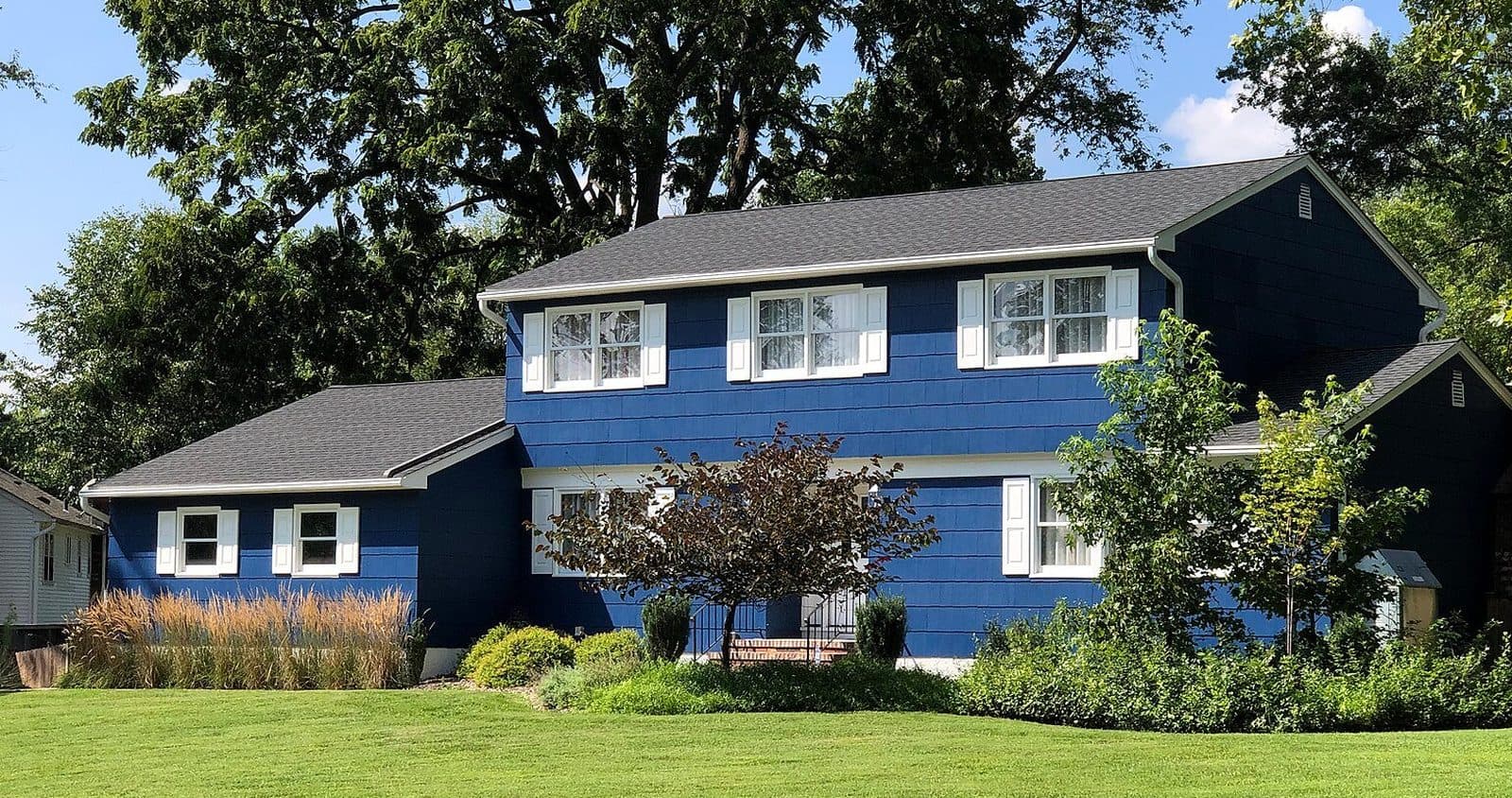 Photo
Today
The real photo
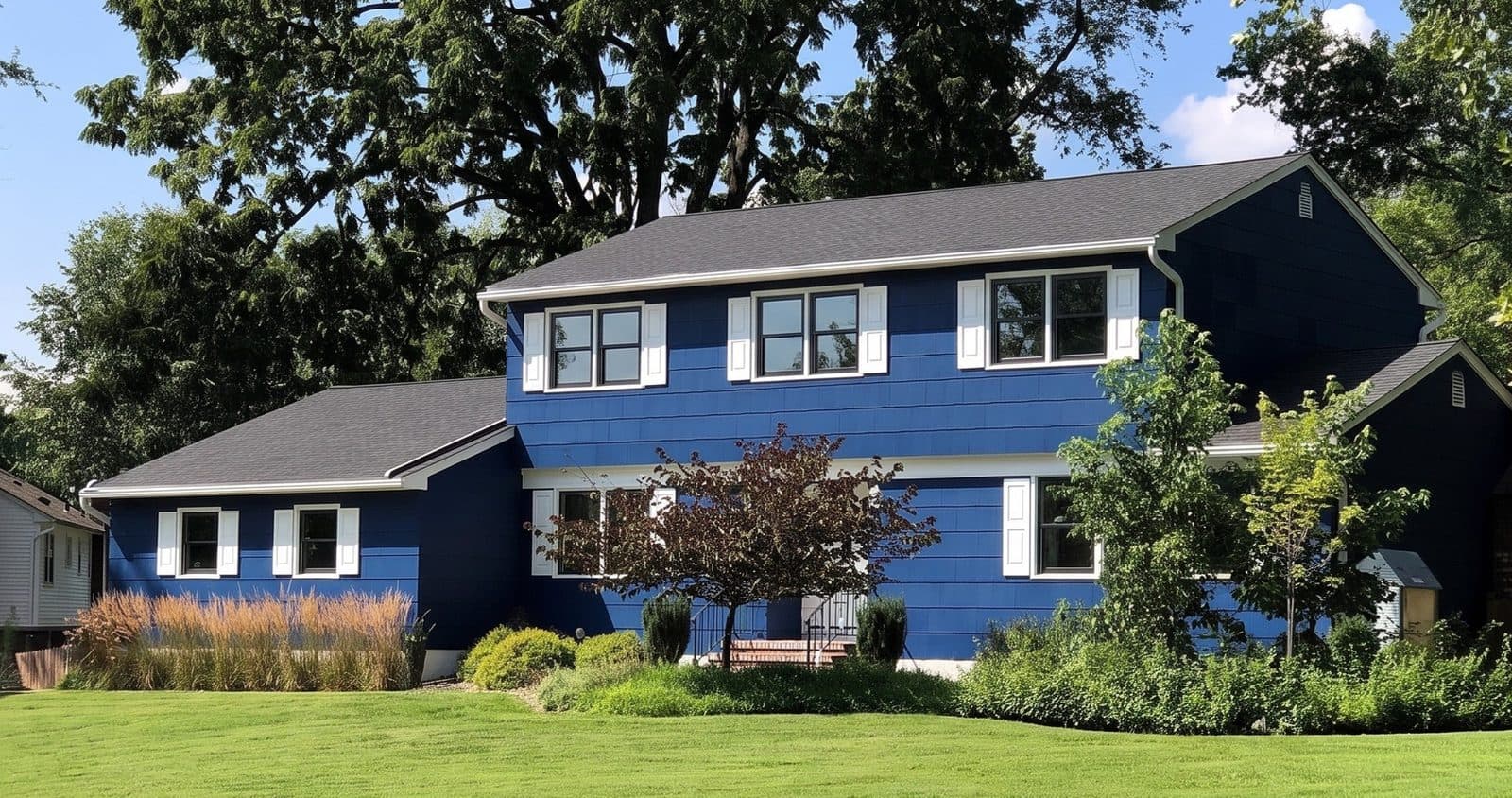 Render
Black fiberglass, no grilles
Try this look on your photo
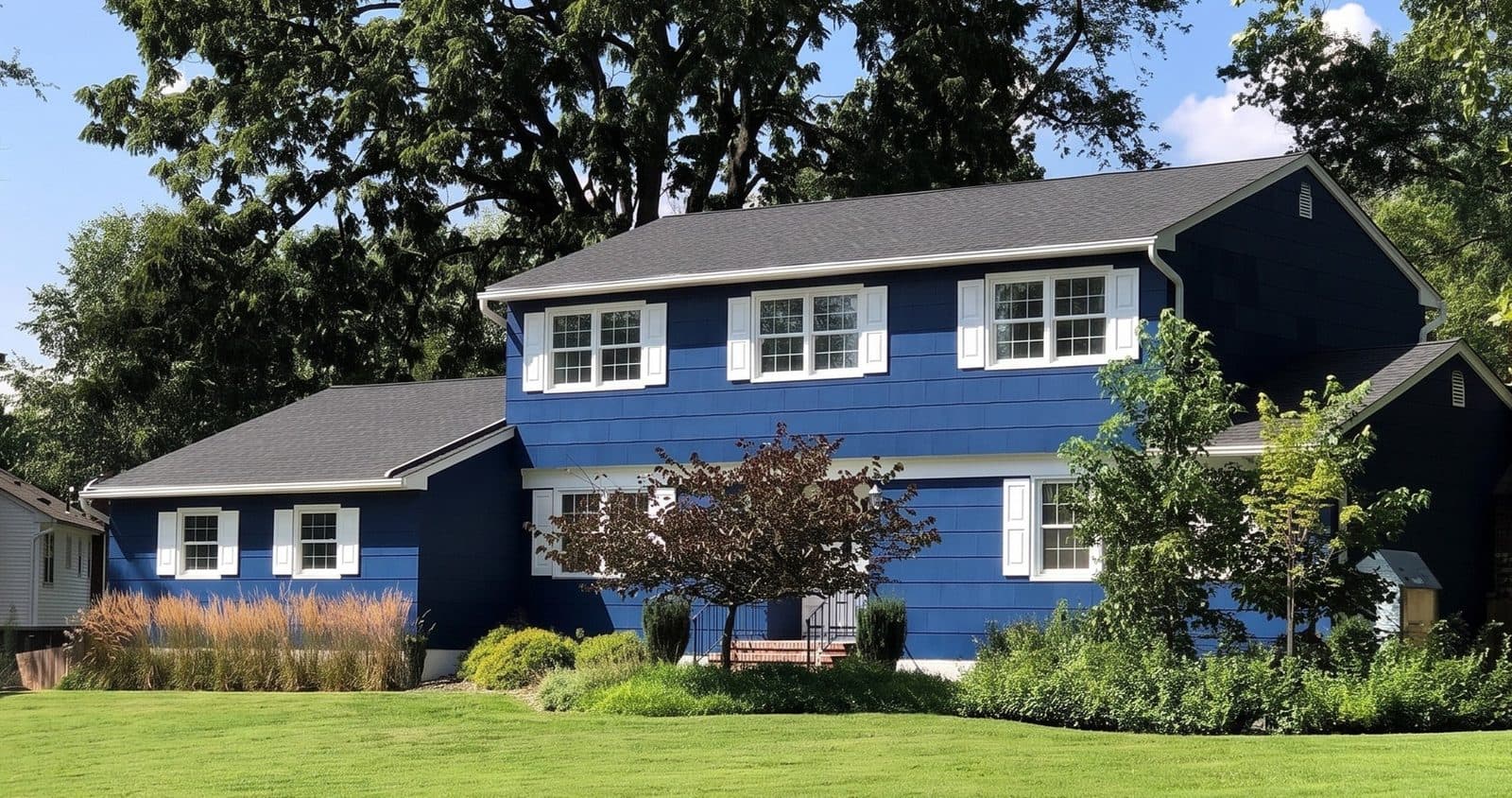 Render
White vinyl, colonial grilles
Try this look on your photo
How do you offer an upgrade without being pushy?
Ask before you show. Find out what they like during the walk-through, the same way JLC suggests learning what the customer plans to spend before you present5. Then offer only the upgrades that match what you heard.
Show the standard option first, then the upgrade, then the difference in dollars for the whole job. A homeowner who has already seen good windows on their house at the standard price knows they can say no to the upgrade and still win. That is what makes a yes feel safe.
If you sell in tiers, keep the upgrade they asked about inside one of them rather than tacking it on at the end.
Offering a color upgrade at the table
You mentioned the black windows on the house at the corner. Want to see what that would look like on yours?
Here's your house with the white I quoted. And here's the same photo in black. Flip between them and take your time.
The black adds [amount] to the whole job. If you like the white better, that's a good window too, and it's the price you already have.
Give the difference for the whole job, then stop talking and let them look.
When is triple pane worth offering?
When the homeowner lives with long, cold winters, plans to stay, and is bothered by cold coming off the glass. For colder climates, the Department of Energy suggests gas-filled windows with low-e coatings to cut heat loss6. Triple pane is a step beyond that, and whether the step pays off depends on the climate, the house and the price gap.
Ask three things before you raise it. How many more winters will you be here? Which rooms are cold? When you stand by that window, is the cold coming off the glass, or is air leaking around a loose old sash? A leak is a fit problem that new windows deal with whatever the glass. The third pane is about heat moving through the glass itself, so offer it only when that's the complaint.
Then let the label do the selling. ENERGY STAR explains that the U-factor on a window's NFRC label measures how well it insulates, and lower is better7. Show the U-factor of the standard glass and of the upgrade, with the price difference for the whole job, and let them weigh it. Where winters are mild, the gap may not be worth the money to them, and saying so earns more trust than one more line on the quote. On the hurricane coasts the glass talk is a different sale.
Be careful with savings. Windows matter to energy use: the Department of Energy says heat gain and loss through windows account for 25% to 30% of residential heating and cooling energy use6. That is not what a glass upgrade saves. In 2012, FTC staff warned window makers about unsupported savings claims, such as new windows cutting heating and cooling costs by more than 30%8. Don't put a savings number on the quote unless you can back it; window energy savings claims covers what you can say.
And don't sell the upgrade on the federal tax credit. The IRS says the energy efficient home improvement credit can't be claimed for property placed in service after December 31, 20259. ENERGY STAR says rebates for windows may be available through the local utility10, so look up the homeowner's utility before you mention one. This is general information, not tax advice.
Showing a glass upgrade
You said the back bedroom is the cold one. Here's the label on the glass I quoted, and here's the triple pane. That number is the U-factor, and lower means it holds heat in better.
For the four windows in the back, the triple pane adds [amount] to the whole job. I won't promise you a number on the heating bill, because it depends on your house.
If you're planning to stay a long time, it's worth a look. If not, the glass I quoted is a good choice too.
Offer it for the rooms they named, not every opening, and keep any savings figure off the quote.
How should upgrades appear on the price?
As their own lines, with numbers from your own price book. The cost of color depends on the maker and the line. US Window & Door says black frames typically cost 10 to 15% more than white11. Pella says black exterior frames cost nothing extra within the same Pella product line, though a black interior stain on wood windows does12. If your line charges for color, say so plainly. If it doesn't, don't present it as an upgrade.
Dark vinyl needs the right construction. Ply Gem says black and other dark colors absorb heat, which can warp vinyl windows, and that its black vinyl uses a black capstock over a white co-extruded layer to limit heat gain13. Ask your supplier how its dark vinyl is made before you sell it for a wall that gets full afternoon sun.
Don't invent a regular price so an upgrade can look free. The FTC's Guides Against Deceptive Pricing say a former price is a fair basis for a comparison only if it was the real price offered to the public for a reasonably substantial period14. If an upgrade really is included, list it as included. States have their own pricing and advertising rules, so check yours with your lawyer.
Then write each upgrade on the contract in words: exterior color, interior finish, grille pattern, glass package, and which openings get each one. A homeowner who signed for "black" and gets dark bronze will remember the conversation differently than you do.
How upgrade lines can read on a written quote (example wording)
Base job
- Example wording
- "12 windows as listed, white vinyl, standard glass, installed: [price]"
- Why it's written that way
- The number every option is measured against.
Color
- Example wording
- "Black exterior, white interior, all 12 openings: add [amount]"
- Why it's written that way
- Says what changes and on which windows.
Grilles
- Example wording
- "Colonial grilles, 5 street-facing openings only: add [amount]"
- Why it's written that way
- Not every opening has to get them.
Glass
- Example wording
- "Triple pane, 4 back bedroom windows: add [amount]. Label U-factor [standard] vs [upgrade]"
- Why it's written that way
- The number they're paying for is on the page.
Included
- Example wording
- "Black exterior: included in this line at no charge"
- Why it's written that way
- Only when it truly is included, with no made-up regular price.
| Line | Example wording | Why it's written that way |
|---|---|---|
| Base job | "12 windows as listed, white vinyl, standard glass, installed: [price]" | The number every option is measured against. |
| Color | "Black exterior, white interior, all 12 openings: add [amount]" | Says what changes and on which windows. |
| Grilles | "Colonial grilles, 5 street-facing openings only: add [amount]" | Not every opening has to get them. |
| Glass | "Triple pane, 4 back bedroom windows: add [amount]. Label U-factor [standard] vs [upgrade]" | The number they're paying for is on the page. |
| Included | "Black exterior: included in this line at no charge" | Only when it truly is included, with no made-up regular price. |
What upselling mistakes cost window sales?
Most of these come from adding options for the ticket instead of for the homeowner.
- Stacking options. Each extra choice gives a tired couple another thing to decide tonight. Two looks is plenty, and a third only if they ask.
- Upgrading every opening by default. Some homeowners want grids on the street side and clear glass out back. Ask which windows the upgrade is for.
- Raising the upgrade after the price. Shown before the number, it's an option. Added after, it looks like the price is moving.
- Promising energy savings you can't prove, or a tax credit that has ended.
- Treating the screen as the swatch. Marvin says finish samples shown on screen are approximate and colors can vary by screen15. Confirm the color with the real chip before the order goes in.
- Pushing for tonight. The FTC lists a contractor who pressures the homeowner for an immediate decision among the warning signs of a home improvement scam16, and an upgrade price that disappears when you leave is that kind of pressure.
- Leaving the upgrade off the paperwork, or describing it as "premium package" instead of naming each item.
- Discounting the upgrade when the price gets pushback. Go back to the standard option instead; window price objection has the lines for that.
Where the render fits in the upgrade talk
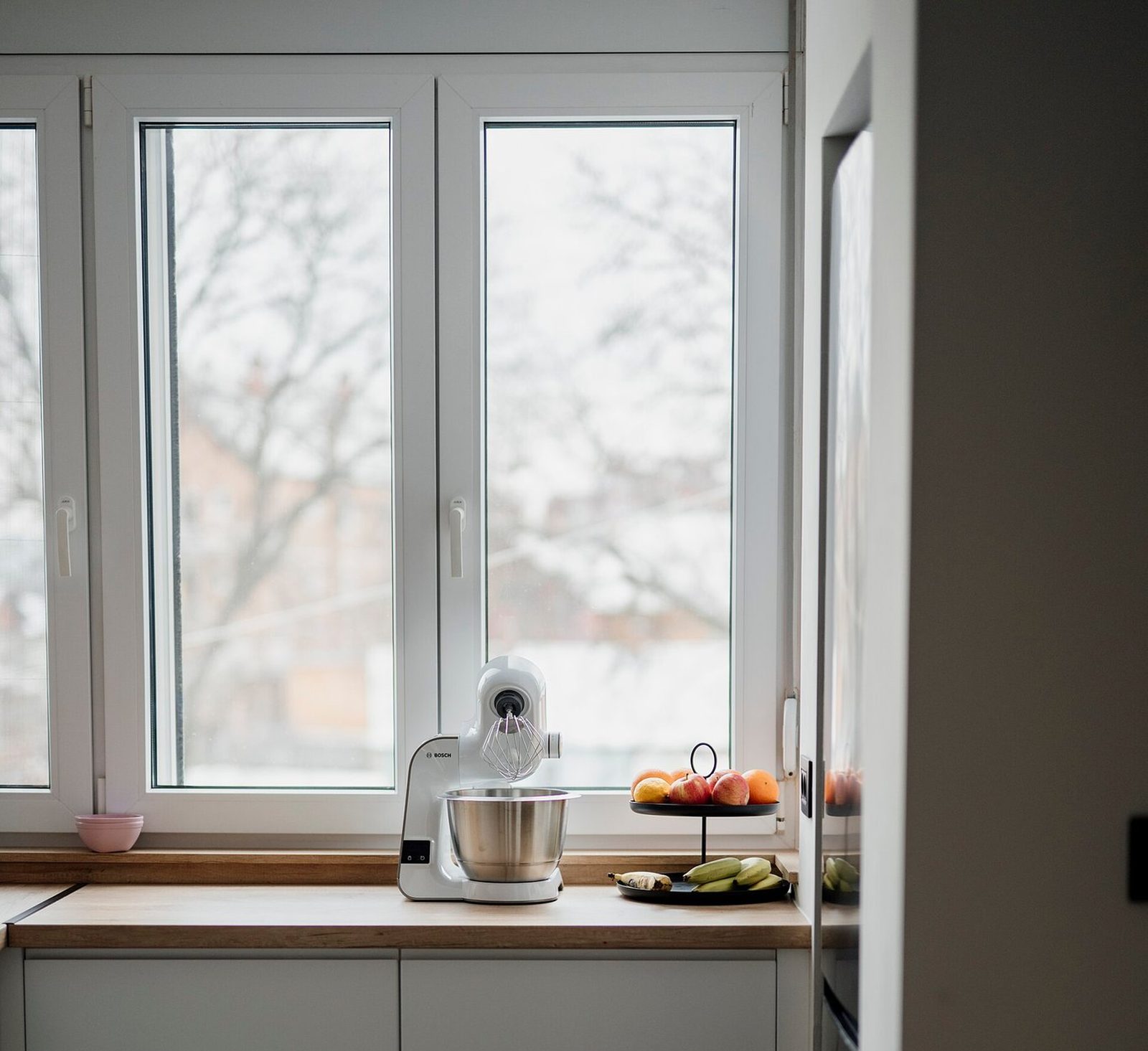
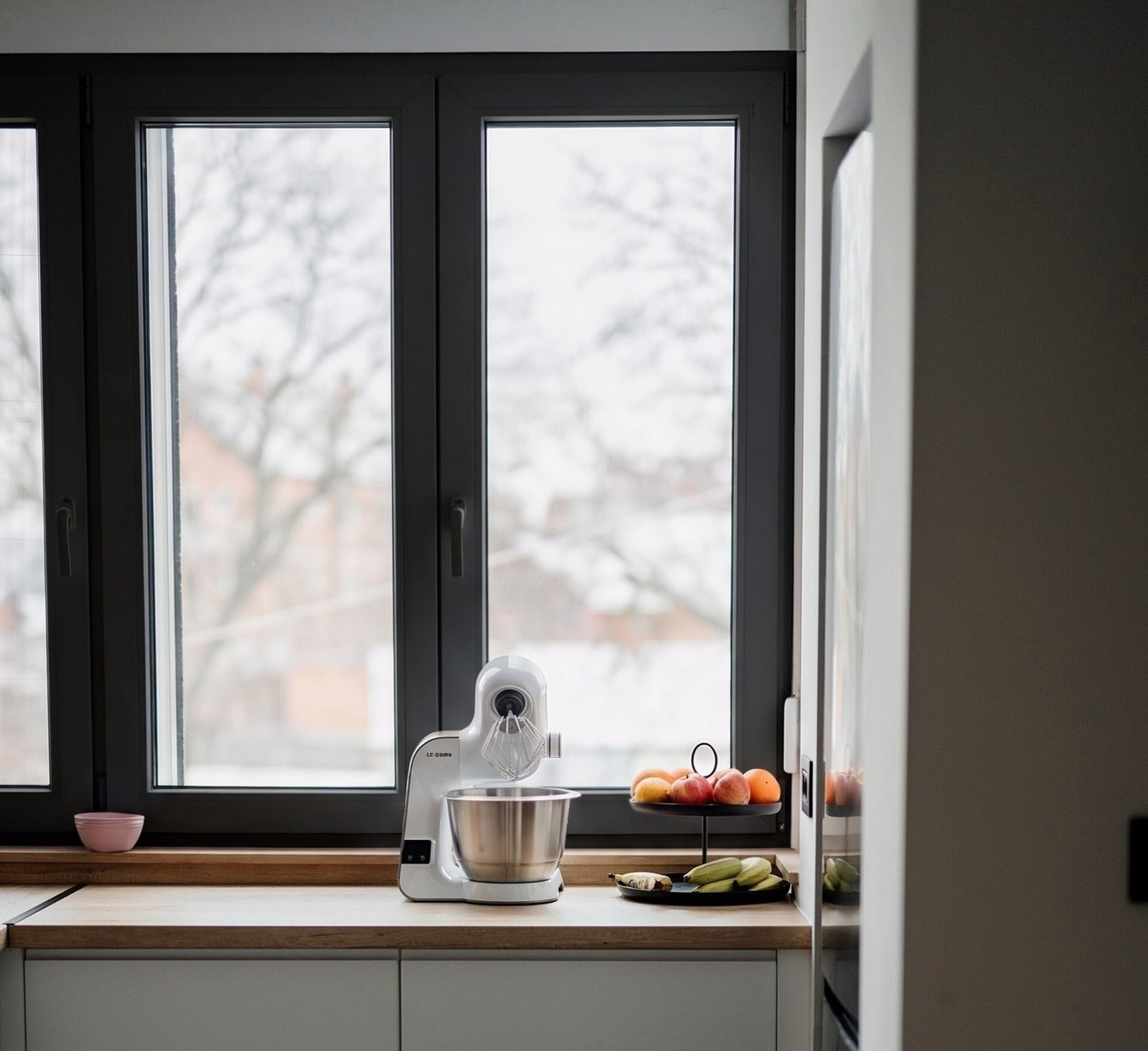
Right after the walk-through, before any price. Take one photo of the front in daylight, or of the room they care about most. Render the standard look you'd quote, then the upgrade they asked about, from that same photo. They compare their house to their house, and the only thing that changes is the windows.
It shows frame material, color and grilles, and each window keeps the style it has now. Pick the color closest to the line you sell: besides standard colors, the list includes colors named after popular manufacturer lines. It can't show glass, hardware or what's inside the frame, so those upgrades still sell on samples and labels, and the real chip has the last word on color.
Then text both renders that night with the quote, each one labeled with its price difference. The upgrade conversation keeps going with the spouse who missed the visit, and they're comparing pictures of their own house, not part numbers.