Is a home show worth it for a window company?
It is when the people walking the aisles live where you work and own houses old enough to need windows, and when you leave with appointments instead of a box of names. Before you pay for a booth, get straight answers from the organizer, then do the math on what an appointment will cost you.
Add up the booth, staff hours, travel, samples and printing, and divide by the appointments you expect to book. Compare that with what a sat appointment costs you from paid leads. LocaliQ's 2025 benchmarks put a doors and windows search-ad lead at $200.342, and that's before anyone agrees to a visit. If the show can't match your other sources per sat appointment, skip it or take a smaller booth.
Questions to ask a home show organizer
Where did last year's visitors come from?
- Why it matters
- A crowd from outside your service area is foot traffic, not leads.
How many window, door and siding companies are booked?
- Why it matters
- Three window booths in one aisle turn your pitch into a price comparison.
Where is our booth, and what's next to it?
- Why it matters
- A spot near the entrance or a busy exhibit sees more people than a back corner.
What does the fee include?
- Why it matters
- Power, internet, carpet, tables, signs and staff parking can all cost extra.
What are the hours, setup and teardown times?
- Why it matters
- You need enough trained people for every hour the doors are open.
Can we take orders, take deposits or run a drawing?
- Why it matters
- Shows set their own rules, and drawings have state rules too.
| Ask | Why it matters |
|---|---|
| Where did last year's visitors come from? | A crowd from outside your service area is foot traffic, not leads. |
| How many window, door and siding companies are booked? | Three window booths in one aisle turn your pitch into a price comparison. |
| Where is our booth, and what's next to it? | A spot near the entrance or a busy exhibit sees more people than a back corner. |
| What does the fee include? | Power, internet, carpet, tables, signs and staff parking can all cost extra. |
| What are the hours, setup and teardown times? | You need enough trained people for every hour the doors are open. |
| Can we take orders, take deposits or run a drawing? | Shows set their own rules, and drawings have state rules too. |
What should a window company home show booth look like?
Like a place where something happens, not a table to hide behind. People walk past brochures. They stop for a window they can open and a screen showing a house they recognize. If you also run a showroom, much of the same thinking applies; see window and door showroom ideas.
- An open front. Put the table at the back or the side so nothing stands between your staff and the aisle.
- A working sample window people can open, tilt and lock, plus corner samples of each frame material you sell.
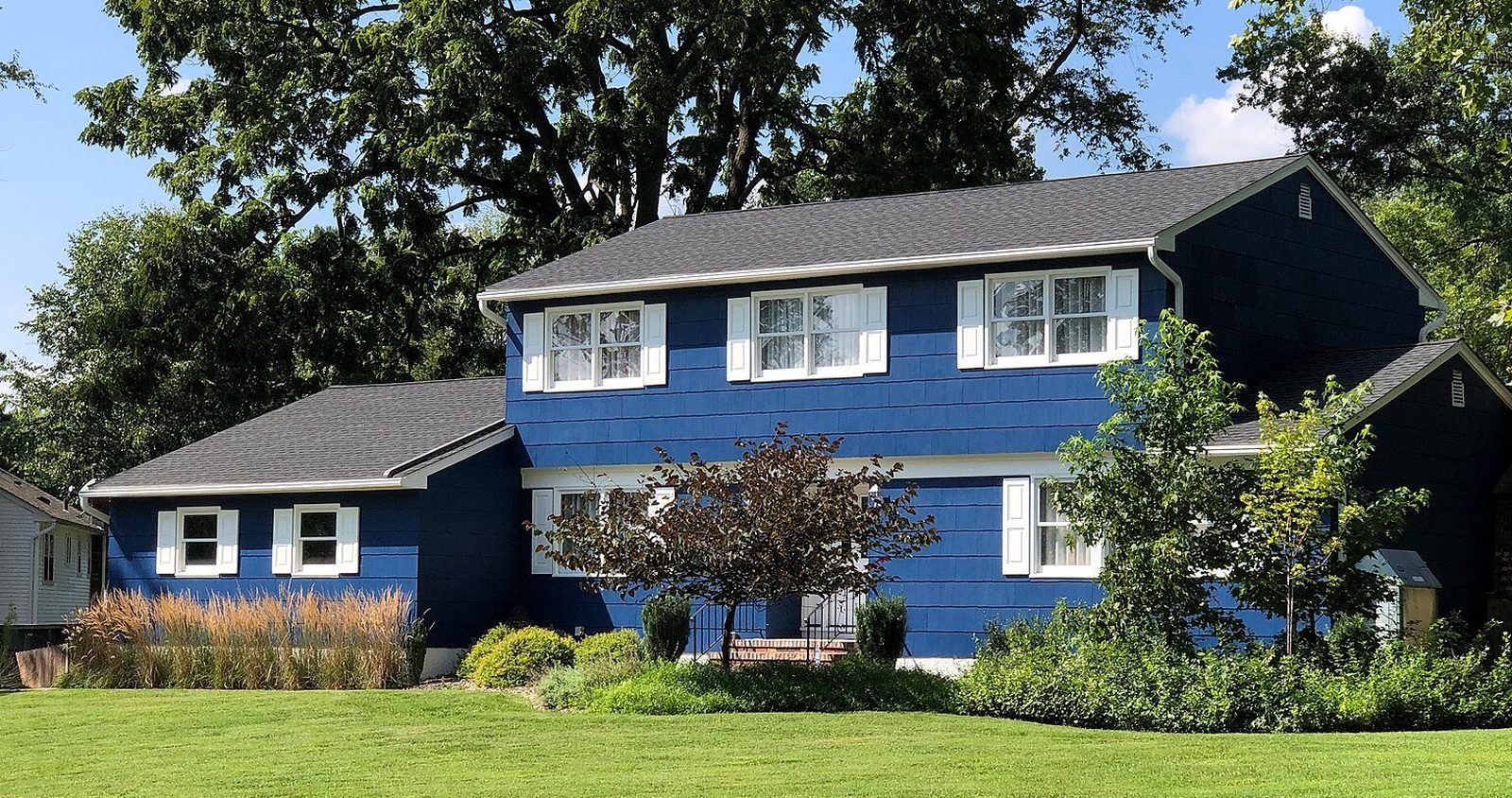
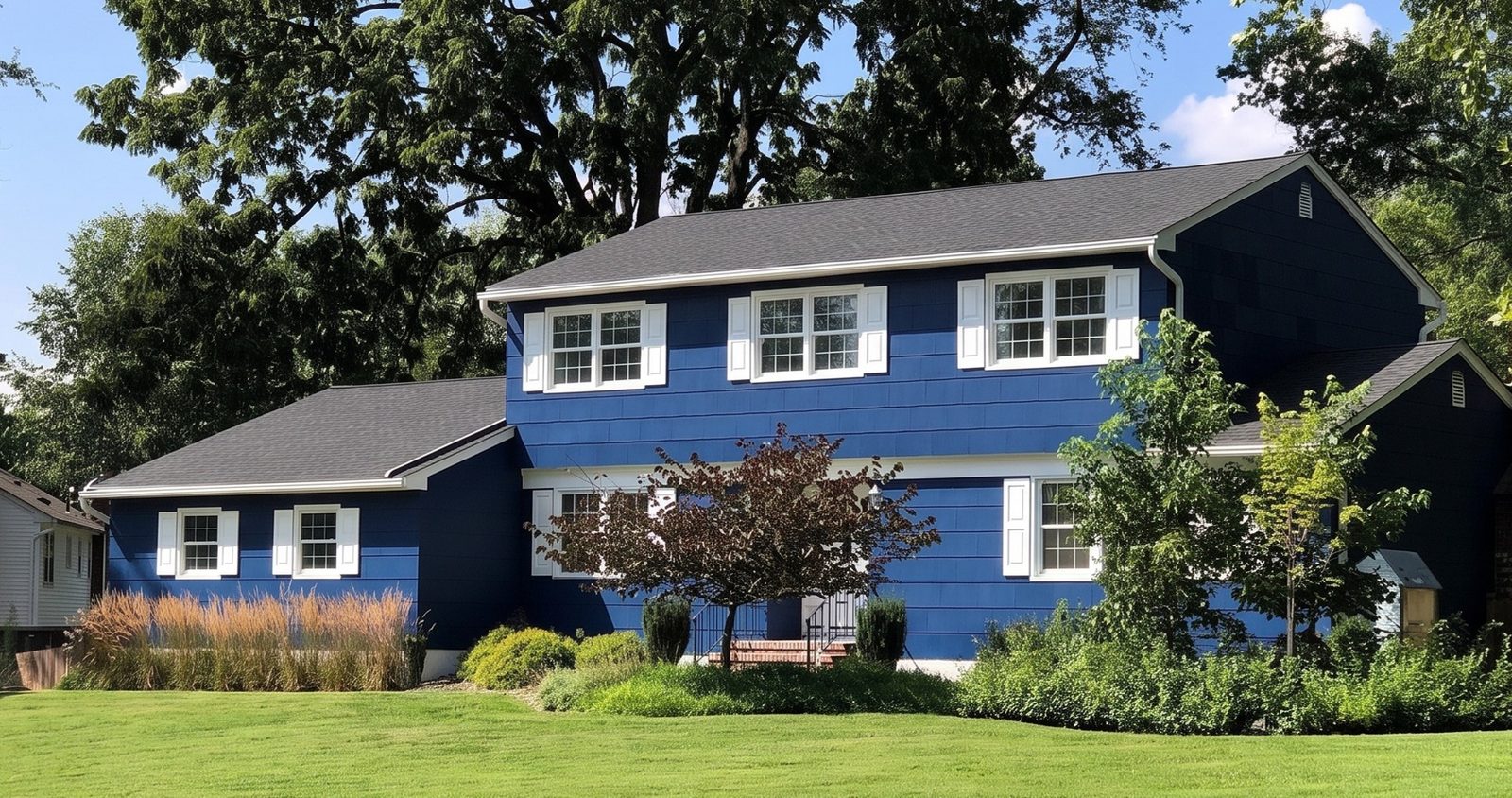
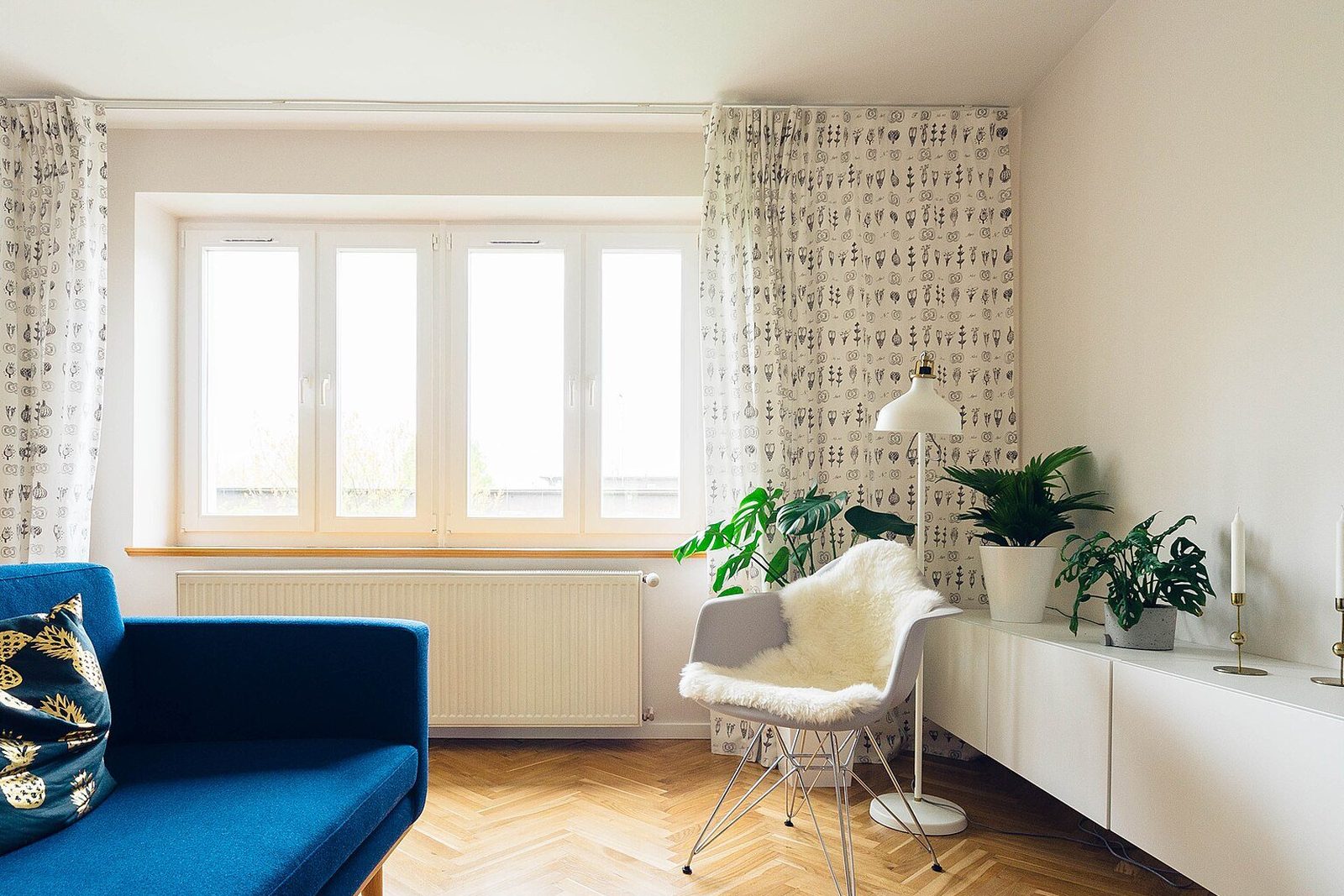
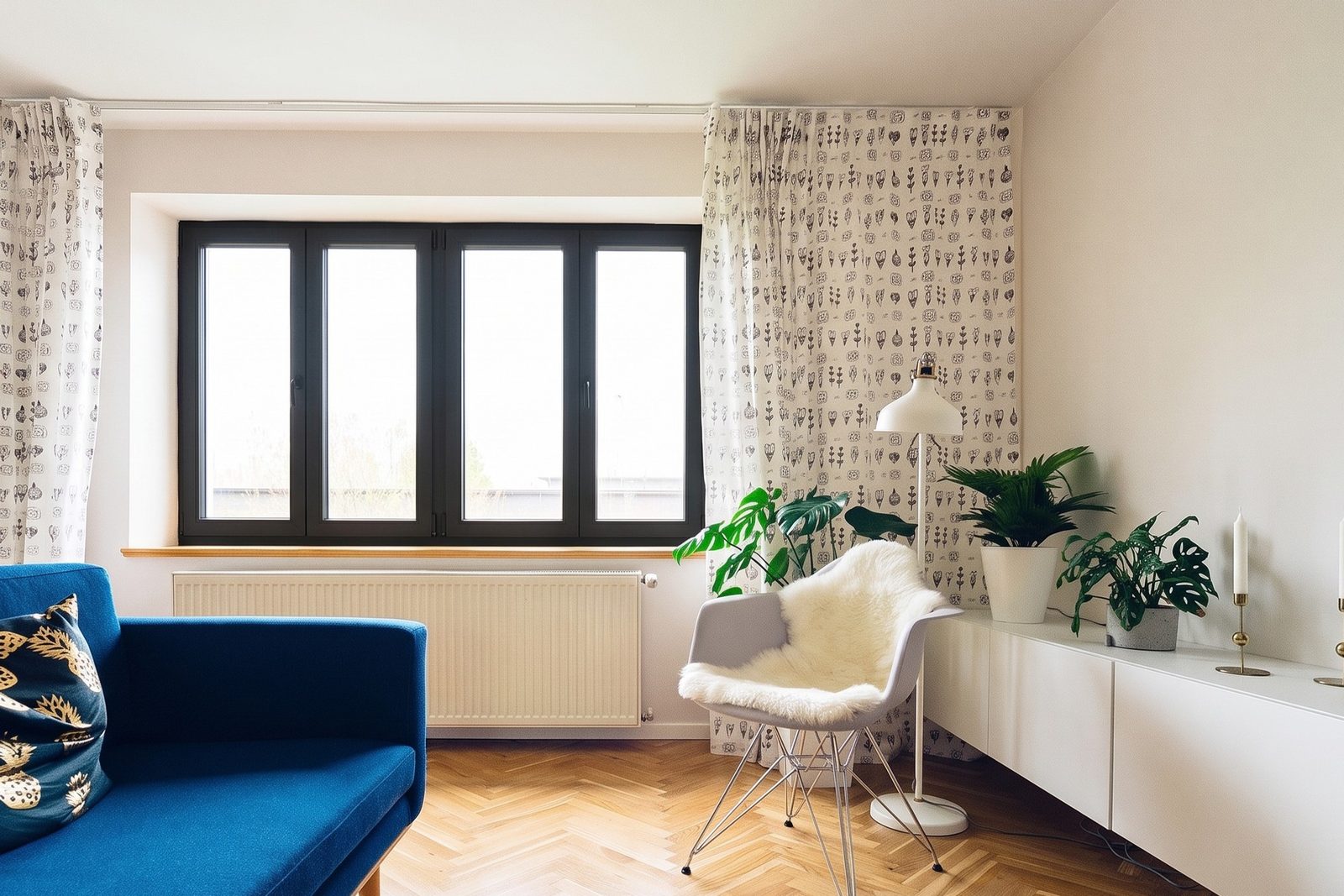
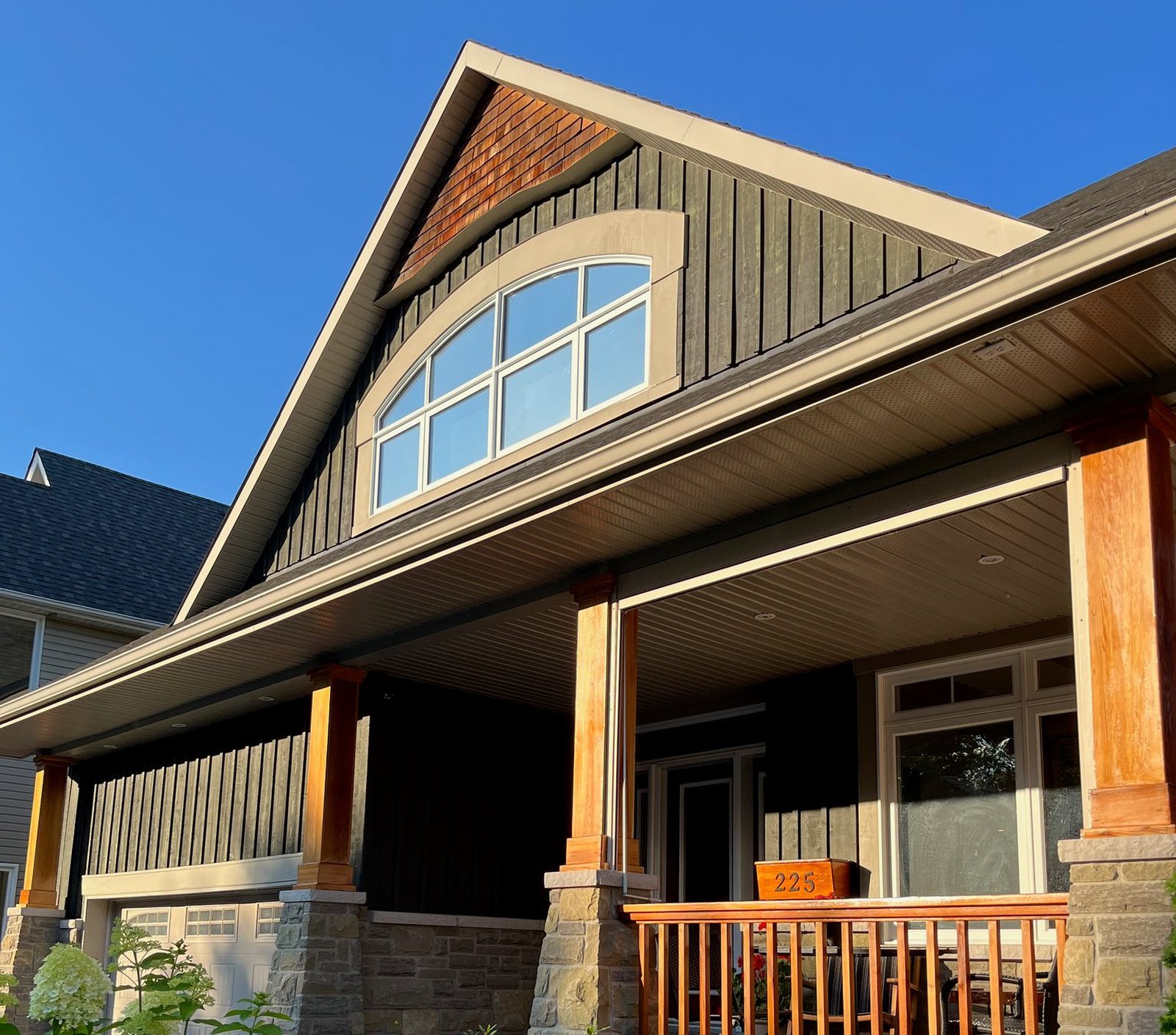
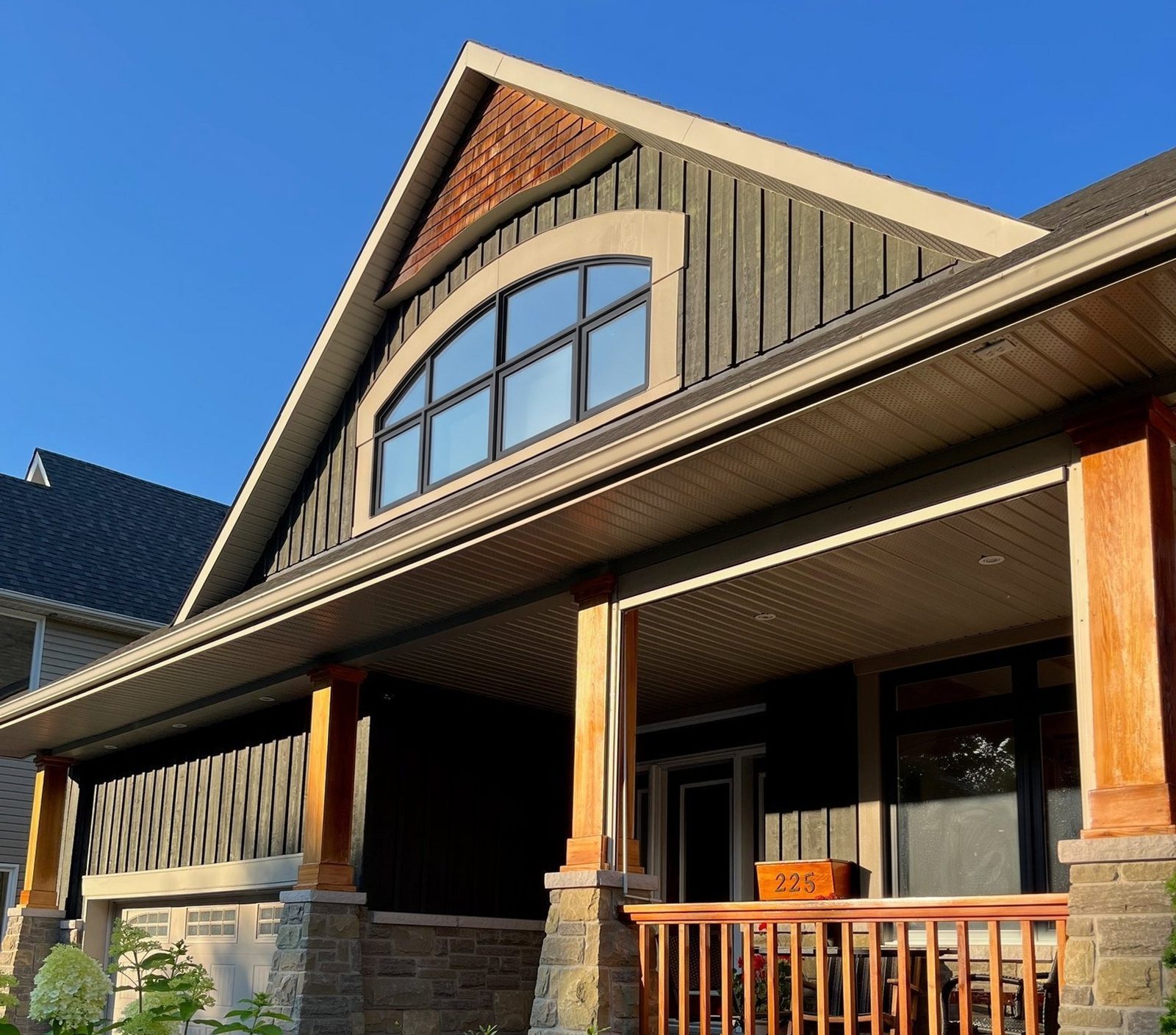
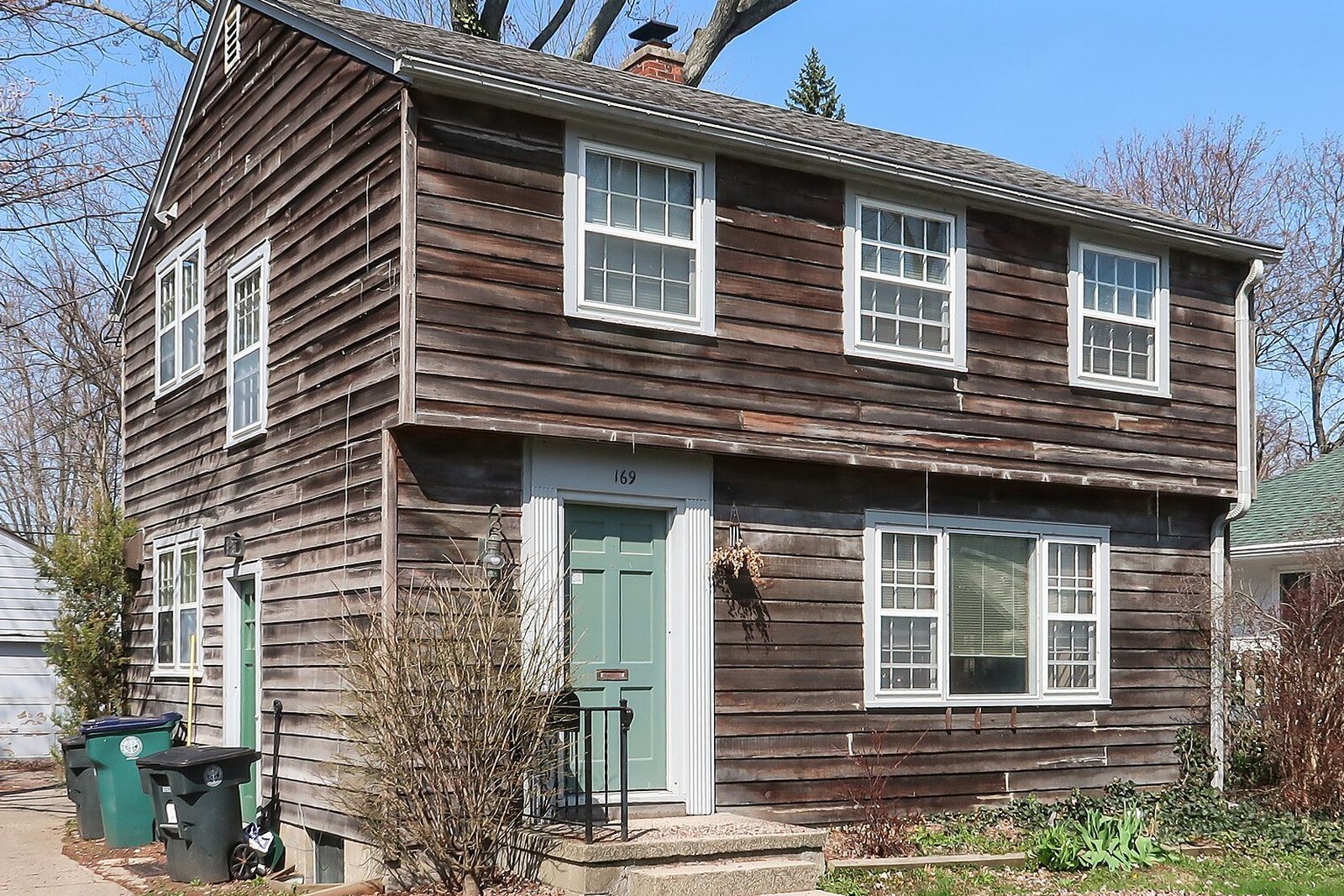
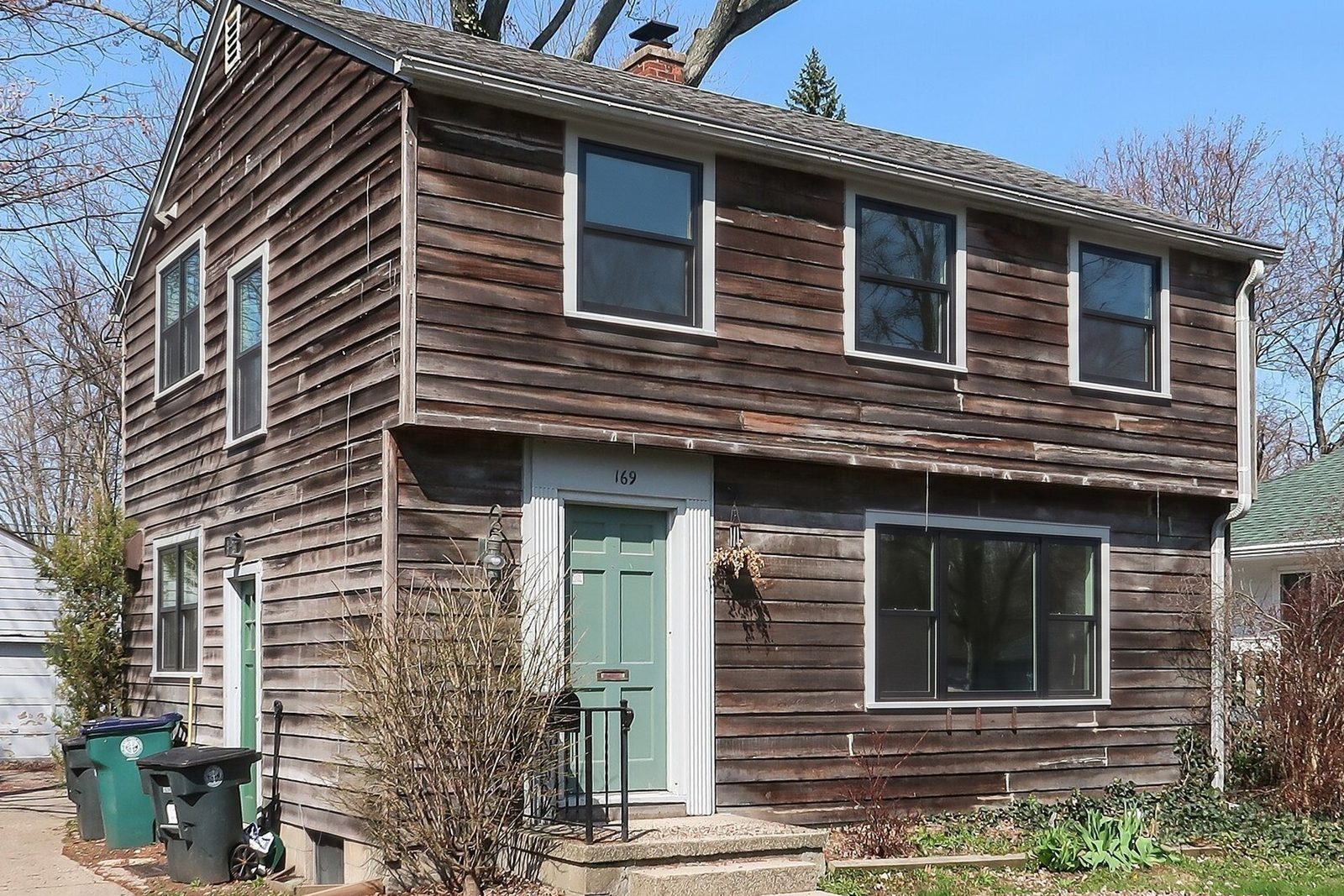
- A big screen running before and after pairs of local-style houses, each labelled as a render.
- One sign with one promise you can keep, like "See your house with new windows." Skip "lowest price" slogans: ad claims must be truthful and backed by evidence3.
- A tablet with your booking calendar open and two chairs beside it, so you can book on the spot.
- Power strips and chargers. A dead tablet on Saturday afternoon ends your busiest hours.
- Your own internet. Bring a phone hotspot and test it during setup, because rendering and booking both stop when the hall's Wi-Fi does.
How do you get visitors to stop at a window booth?
Ask about their house, not about windows. Most visitors carry a phone, and Pew found that 91% of US adults own a smartphone4. Many have a photo of their house on it, or can snap one at home tonight. That photo is your opener.
Ask for a photo of the front, render the look they're curious about while they watch, and hand them the tablet. Now you're talking about their house, and "what would that cost?" tends to come from them.
Keep the render honest at the booth. It shows new frame colors, materials and grilles on the windows they have now, not a change of style, and it's a preview of the look, not a promise of the finished job.
The booth opener
Hi there. Do you have a picture of your house on your phone? I can show you what it looks like with new windows.
Great. What are you curious about: black, white, something else?
Here it is. Same house, same windows, new frames. Want to see it with grids?
If you'd like a real price, someone can measure this week. What day works for you and anyone else who'd decide?
No photo on their phone? Book the visit anyway and ask them to text a photo of the front tonight; their render goes back with the confirmation. Ask before you take or keep anyone's photo, and never put a visitor's house on the big screen without their OK.
How do you book appointments at a home show instead of collecting leads?
A name on a slip is a lead you'll chase on Monday, after the visitor has talked to a whole aisle of other contractors. A time on your calendar is a visit. So book it at the booth: day, time, address, every owner's name and the best number, entered while the visitor watches.
Ask, right then, whether you can text the confirmation and the render, and note the answer. FCC rules say texts sent with an autodialer need the owner's consent first, and autodialed marketing texts need written consent5. A one-to-one confirmation to someone who just booked is different from adding them to a blast list, but check the federal rules and your state's own.
If you run a drawing, know what you're collecting: entries from people who wanted the prize, not people who want windows. Prize promotions have their own state rules, so ask a lawyer before you run one, and put every entrant in the third pile below.
Sort every booth conversation into one of three piles
Booked
- What it means
- A date and time are set, with every decision maker named
- What to do next
- Text the confirmation and their render that night, and confirm again the day before.
Call me
- What it means
- Interested, but no time set yet
- What to do next
- Call within a day of the show with two times to choose from. The FTC's Do Not Call FAQ allows calls for up to three months after a consumer's inquiry6.
Drawing or brochure only
- What it means
- Dropped a slip or took a flyer
- What to do next
- If the slip asked and they said yes to hearing from you, one message with the photo offer, then stop unless they answer.
| Pile | What it means | What to do next |
|---|---|---|
| Booked | A date and time are set, with every decision maker named | Text the confirmation and their render that night, and confirm again the day before. |
| Call me | Interested, but no time set yet | Call within a day of the show with two times to choose from. The FTC's Do Not Call FAQ allows calls for up to three months after a consumer's inquiry6. |
| Drawing or brochure only | Dropped a slip or took a flyer | If the slip asked and they said yes to hearing from you, one message with the photo offer, then stop unless they answer. |
What should happen after the home show?
The show isn't over when the lights go off. Leads you don't touch in the first days go to whoever calls first. In the study of lead response reported in Harvard Business Review, firms that reached out within an hour were nearly seven times as likely to qualify a lead as firms that waited even an hour longer7.
Selling at the show itself? The FTC's Cooling-Off Rule covers certain sales at a seller's temporary location, like a convention center or fairground, not only sales at the buyer's home1. Give the same cancellation notice and forms you would at the kitchen table1, check your state's rules, and don't push: the FTC lists pressure for an immediate decision among the warning signs of a home improvement scam8. This is general information, not legal advice.
Home show follow-up, day by day
Each night of the show
- What to do
- Enter every conversation, text booked visitors their confirmation and render, and split up the call-me pile.
The first weekday after
- What to do
- Call everyone in the call-me pile and confirm the first week's appointments.
The next two weeks
- What to do
- Run the appointments, starting each one from the render made at the booth.
Week two
- What to do
- One message with the photo offer to the drawing entrants who agreed to hear from you.
About a month after
- What to do
- Count appointments, sits, sales and revenue from the show, and compare the cost per sale with your other sources.
| When | What to do |
|---|---|
| Each night of the show | Enter every conversation, text booked visitors their confirmation and render, and split up the call-me pile. |
| The first weekday after | Call everyone in the call-me pile and confirm the first week's appointments. |
| The next two weeks | Run the appointments, starting each one from the render made at the booth. |
| Week two | One message with the photo offer to the drawing entrants who agreed to hear from you. |
| About a month after | Count appointments, sits, sales and revenue from the show, and compare the cost per sale with your other sources. |
What mistakes waste a home show booth?
- Staffing it with whoever is free. Every shift needs someone who can explain the product and book a visit.
- Sitting behind a table looking at phones.
- Collecting slips and calling them leads.
- Showing renders as installed jobs. Label every one, on the screen and in the texts.
- Putting a visitor's photo on the big screen, or keeping it, without asking.
- Leaving the slips in a box until Monday.
- Booking a visit with one owner when two are on the deed. Ask who else decides and pick a time they can both make; more in window appointment setting.
- Not tracking the show as its own source, so next year's booth is a guess. The same tracking habits work for postcards; see direct mail for window companies.
Where the render fits at a home show
At the front of the booth, where the conversation starts. A visitor hands you a phone with their house on it, and in 30 seconds they're looking at it with black frames, or white with grids. That's the moment the visit stops being about your booth and starts being about their house.
Then use the same render three more times: save it with the lead when you book, text it with the confirmation that night, and open the in-home visit with it, so the rep at the kitchen table picks up where the booth left off.
Between visitors, keep the big screen running labelled before and after pairs, so people in the aisle see what you'll do for them before they stop.