What is a window showroom actually for?
A showroom rarely sells windows by itself. Replacement windows still need someone at the house to measure, so the showroom has three jobs: show that you're a real business with a real address, let people touch and operate what they're buying, and get a visit on your calendar. Judge every display, and every dollar of rent, by whether it moves a visitor toward that appointment.
Assume every walk-in is comparing. The FTC tells homeowners to get several written estimates and not to pick the lowest bid by default1, so the person in front of you has seen, or will see, other companies. The showroom is your chance to be the one they remember on the drive home.
How should you lay out a window and door showroom?
Lay it out in the order a visitor should move: greet, touch, compare, see their own house, book. Keep the walkway a loop so people pass each zone once, and put the design table at the far end, so they've opened the windows and held the chips before they sit down.
A showroom laid out in the order a visitor moves
1. Entry
- What goes there
- A counter with a person behind it, one short sign saying what you sell and install, your license number, somewhere to set down a bag
- Why it's there
- A person should meet visitors, not a brochure rack.
2. Working windows
- What goes there
- Full-size units in each style you sell, mounted at real sill height so people can open, tilt and lock them
- Why it's there
- Operating a window is the one thing a website and a brochure can't do.
3. Frame and color wall
- What goes there
- Corner cuts and color chips for each frame material, with the inside color shown next to the outside
- Why it's there
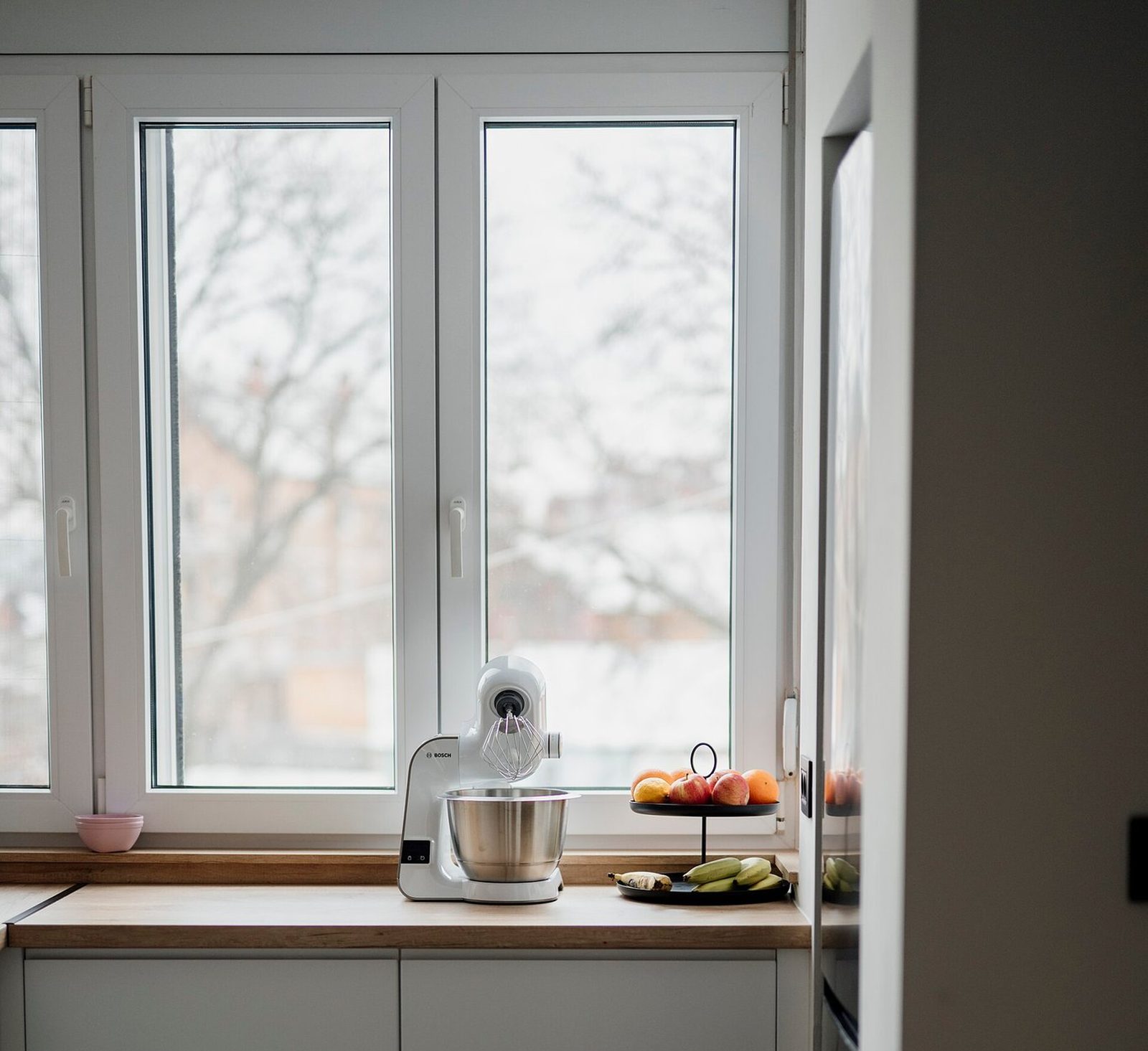
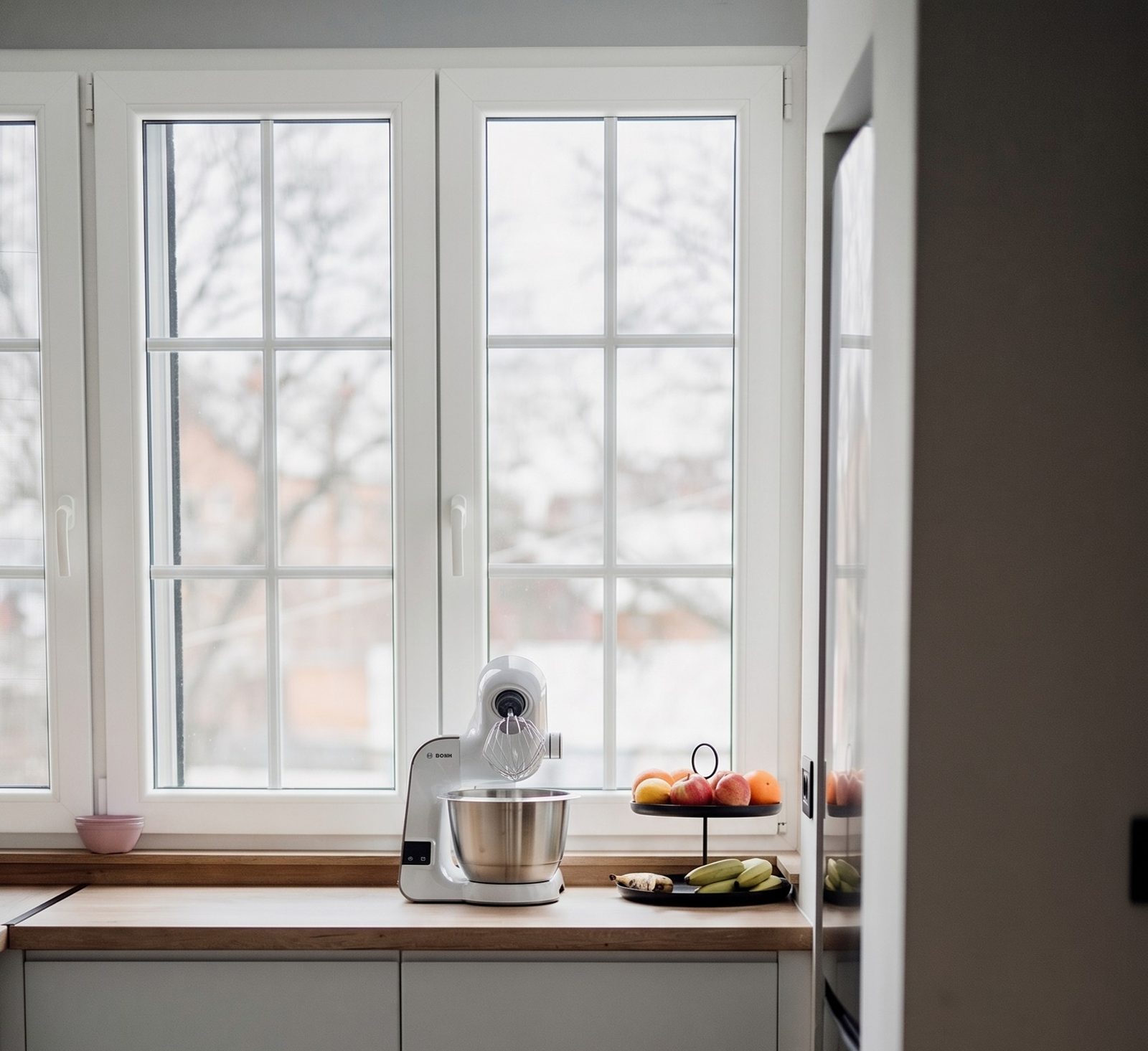
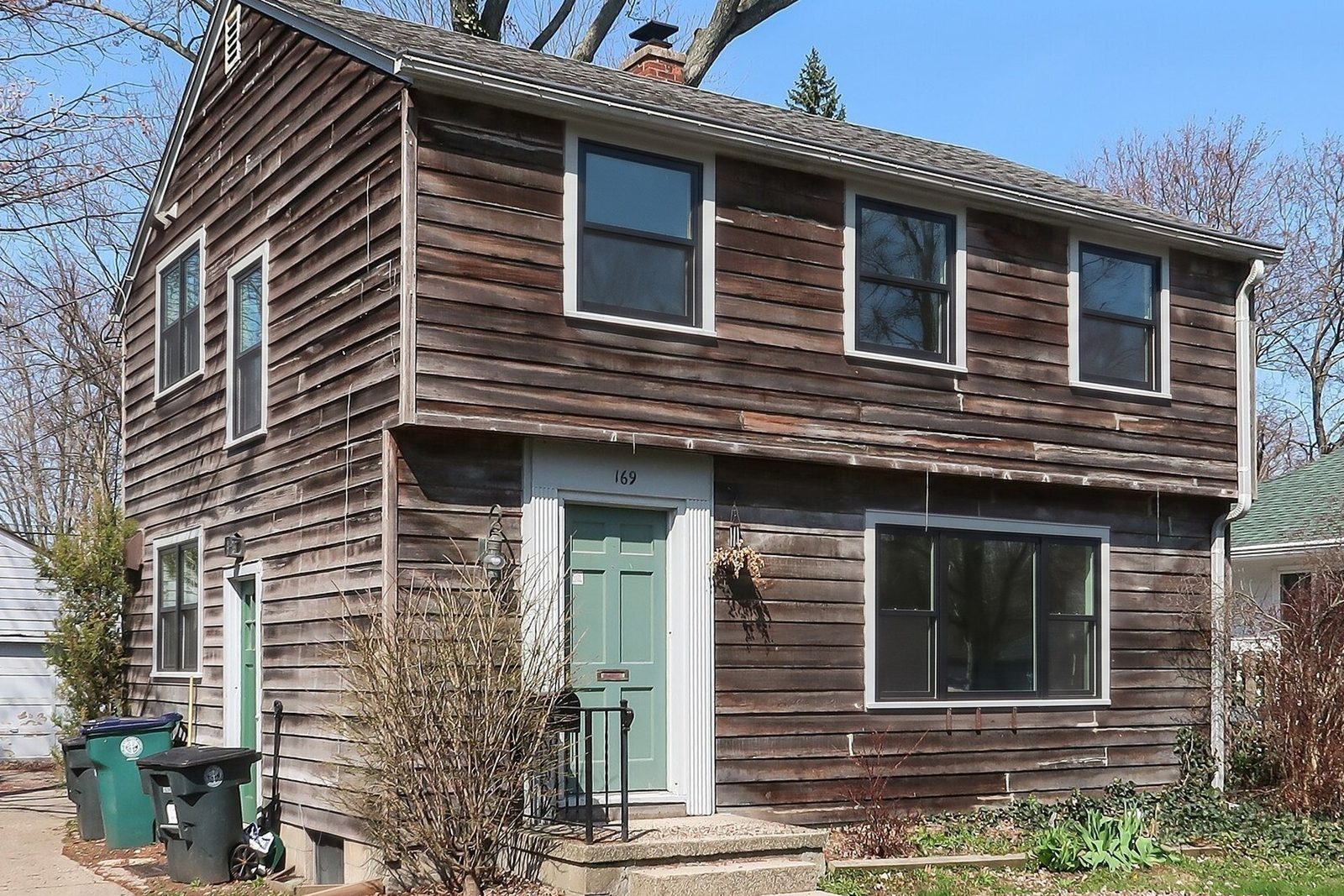
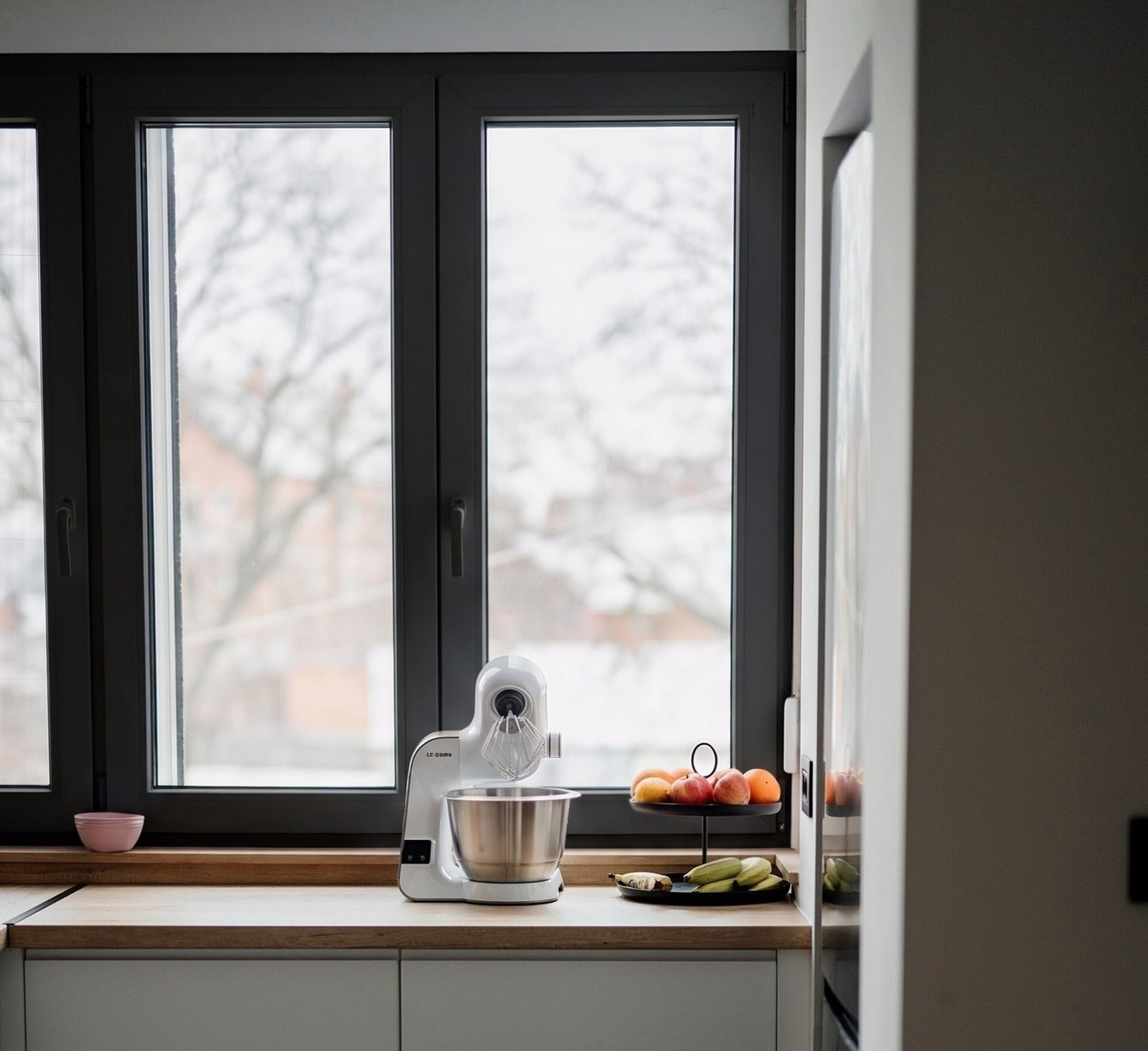
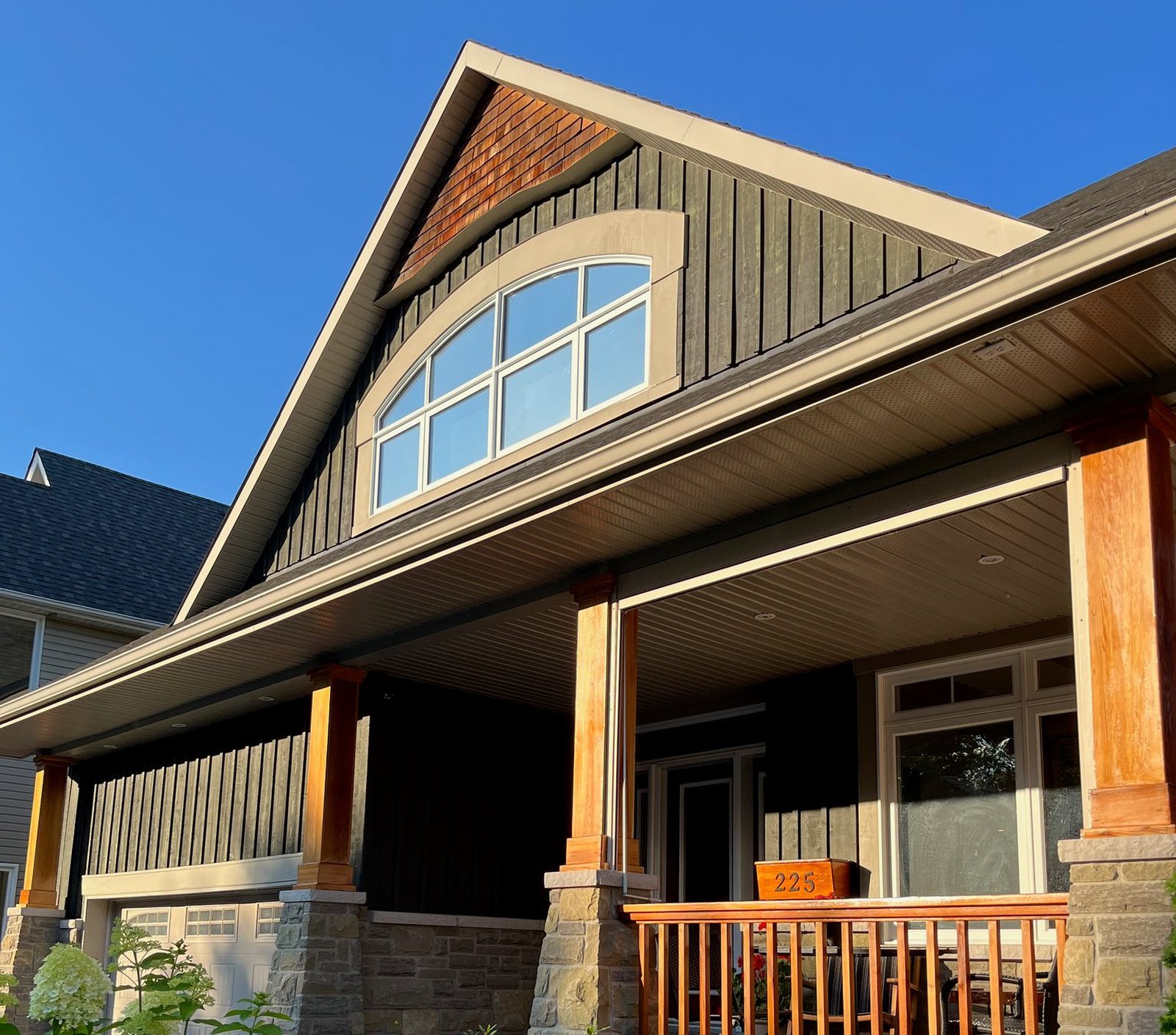
- Some colored frames come with a white interior (example below), and a visitor should see both sides before signing.
4. Grille and glass board
- What goes there
- Grille types and patterns side by side, glass samples with their labels
- Why it's there
- Grilles and glass are where quotes differ, and where visitors get lost.
5. Door wall
- What goes there
- Entry and patio doors with working hardware and locks
- Why it's there
- A door can be the add-on that grows the job.
6. Design table
- What goes there
- A screen, chairs for two or three, good light and the chip wall within reach
- Why it's there
- Where browsing turns into a booked visit (set-up below).
7. Exit
- What goes there
- A calendar, a sign-up sheet with a texting consent line, a card with a rep's name
- Why it's there
- Nobody leaves without a next step.
| Zone | What goes there | Why it's there |
|---|---|---|
| 1. Entry | A counter with a person behind it, one short sign saying what you sell and install, your license number, somewhere to set down a bag | A person should meet visitors, not a brochure rack. |
| 2. Working windows | Full-size units in each style you sell, mounted at real sill height so people can open, tilt and lock them | Operating a window is the one thing a website and a brochure can't do. |
| 3. Frame and color wall | Corner cuts and color chips for each frame material, with the inside color shown next to the outside | Some colored frames come with a white interior (example below), and a visitor should see both sides before signing. |
| 4. Grille and glass board | Grille types and patterns side by side, glass samples with their labels | Grilles and glass are where quotes differ, and where visitors get lost. |
| 5. Door wall | Entry and patio doors with working hardware and locks | A door can be the add-on that grows the job. |
| 6. Design table | A screen, chairs for two or three, good light and the chip wall within reach | Where browsing turns into a booked visit (set-up below). |
| 7. Exit | A calendar, a sign-up sheet with a texting consent line, a card with a rep's name | Nobody leaves without a next step. |
Which window displays matter most?
- Windows people can operate. Mount them where a visitor can reach the lock and lift the sash, and keep them working. A sticky sash on your floor tells a visitor how your installs will feel.
- Both sides of every color. Pella, for example, added nine exterior colors to its 250 and 350 Series vinyl windows, and says each comes with a white interior except white and almond2. Show the inside chip next to the outside one so nobody is surprised.
- Grille types side by side. Andersen sells full divided light, simulated divided light, removable interior grilles and grilles between the panes3. Seeing them together explains the price differences faster than a rep can.
- Glass with its label. ENERGY STAR explains that the lower the U-factor on a window's NFRC label, the better it insulates4. Put a real label next to each glass sample, and keep energy talk to what the label says; window energy savings claims covers what you can safely say.
- Black frames in daylight. Black is a common request and a common doubt. Put a black corner sample near a real window, not under warm shop lights.
- Real chips near the screen. Marvin says colors shown on screen are approximate and to see actual samples at a local dealer5. Keep the chip wall within arm's reach of the design table.
- Labels on everything, matching the names on your quotes (the table below).
What every display label should say
Product line
- What to write
- The brand and series, exactly as your quote names them
- Why
- Visitors compare quotes line by line.
Frame material
- What to write
- Vinyl, fiberglass, wood, composite or aluminum
- Why
- It's the first thing people ask about, and the biggest price split.
Colors
- What to write
- The outside color and the inside color, by name
- Why
- Some colored frames have a white interior.
Glass
- What to write
- The glass package and the U-factor from its NFRC label
- Why
- The lower the U-factor, the better the window insulates4.
Grilles
- What to write
- The grille type and pattern
- Why
- Grilles between the glass and grilles on the glass look different up close.
Next step
- What to write
- "Ask to see this on your own house"
- Why
- It sends people to the design table.
| Field | What to write | Why |
|---|---|---|
| Product line | The brand and series, exactly as your quote names them | Visitors compare quotes line by line. |
| Frame material | Vinyl, fiberglass, wood, composite or aluminum | It's the first thing people ask about, and the biggest price split. |
| Colors | The outside color and the inside color, by name | Some colored frames have a white interior. |
| Glass | The glass package and the U-factor from its NFRC label | The lower the U-factor, the better the window insulates4. |
| Grilles | The grille type and pattern | Grilles between the glass and grilles on the glass look different up close. |
| Next step | "Ask to see this on your own house" | It sends people to the design table. |
How do you set up a design table where visitors see their own house?
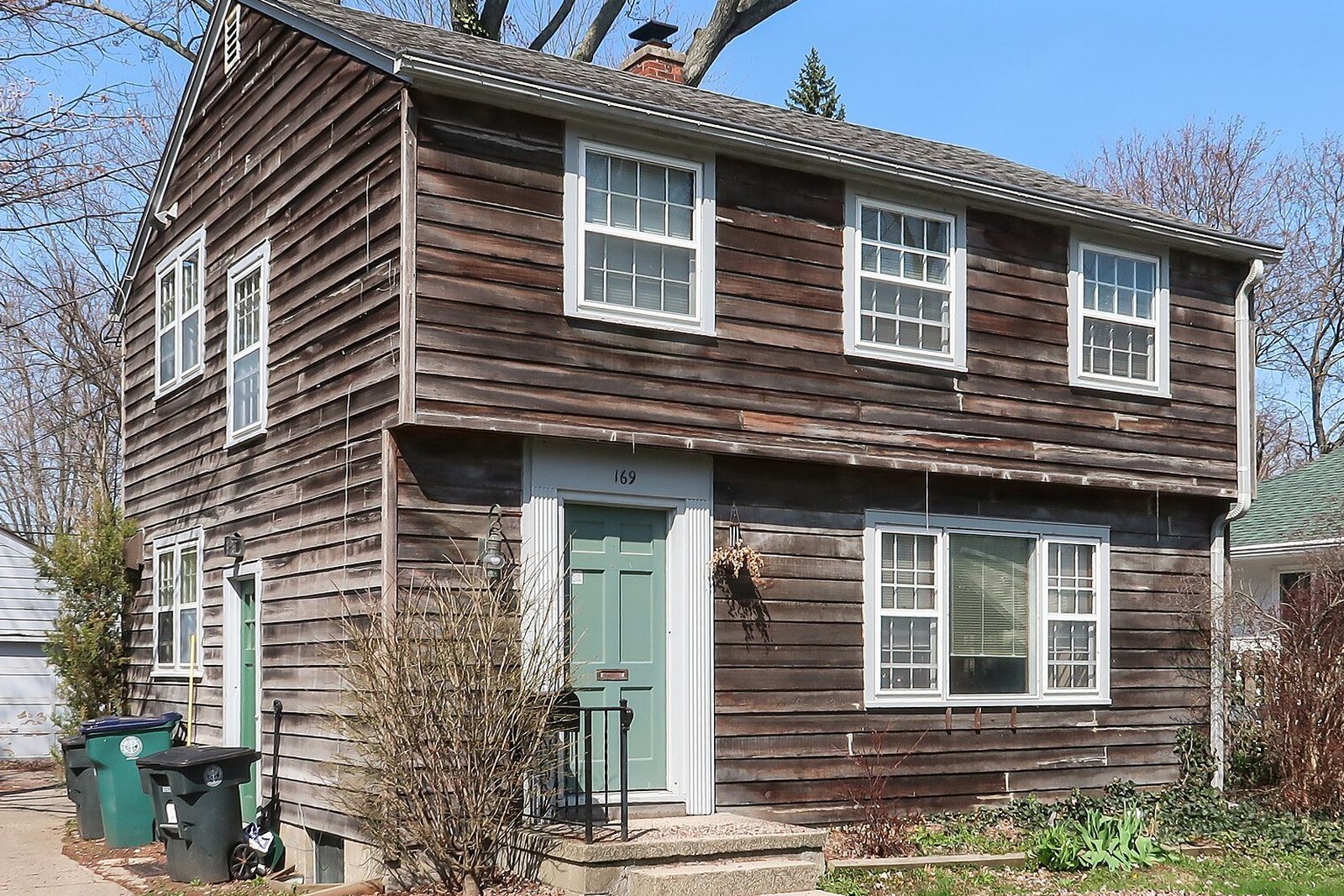
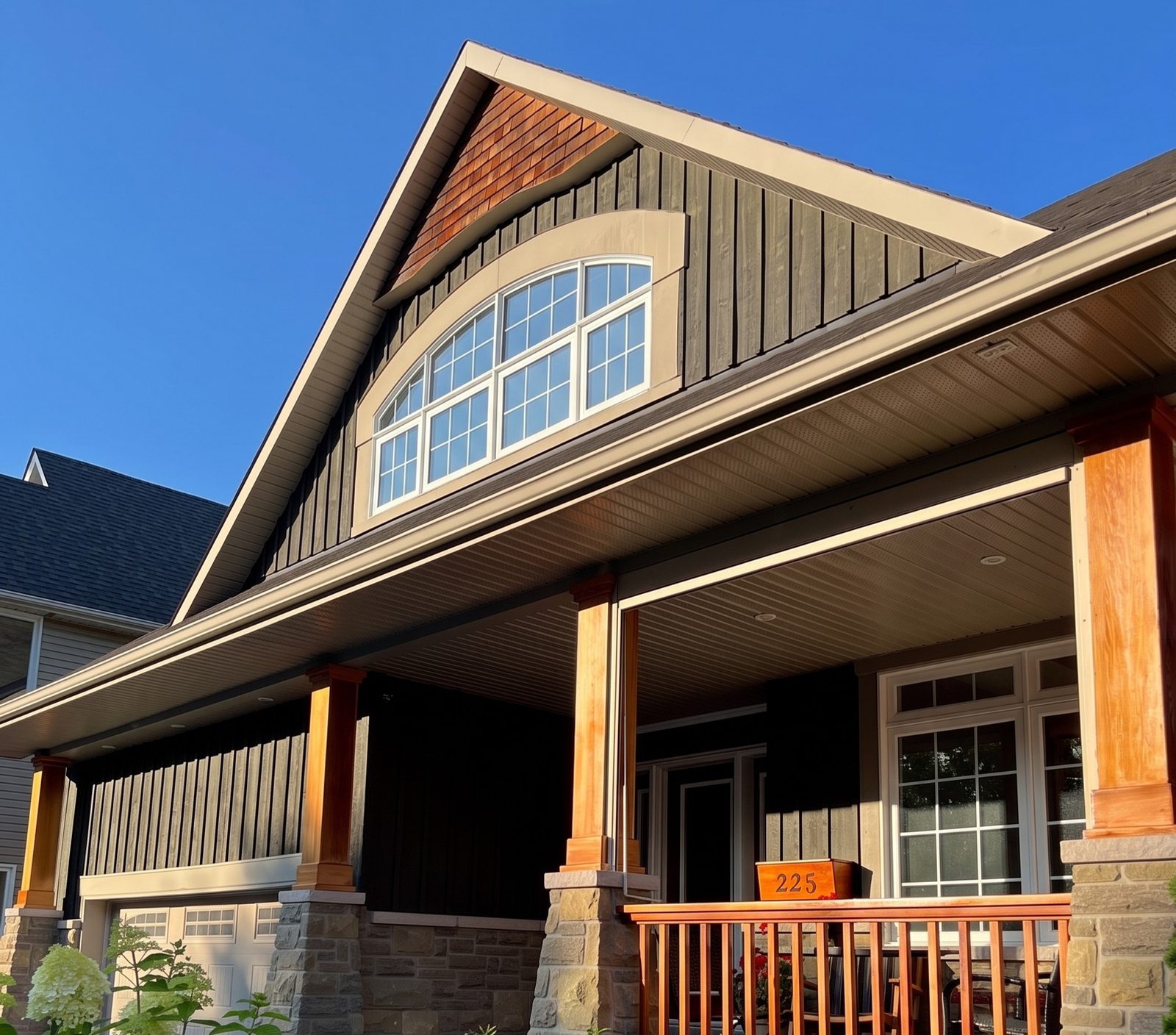
Ask for a photo of the house. Many visitors have one on their phone; if they don't, hand them the photo tip card and ask them to text one tonight, then send the render back. At the design table, staff pick the frame material, color and grilles the visitor liked on the wall, and the render of their own house is on the screen in 30 seconds. Then render their second choice from the same photo and let them compare. Each window keeps its current style, so use the working displays to show style differences.
What the table needs:
- A tablet or laptop, plus a large screen the visitor can see from their chair.
- Wi-Fi you test every week, not the day a visitor sits down.
- A photo tip card for people without a good photo: the whole front of the house, in daylight, with the windows clearly visible, or the room they care about most. House photos for window quotes has the full list.
- The chip wall within reach, so the real chip settles the color after the render settles the look.
- A consent line on the sign-in sheet before anyone gets a text (the rules are below).
At the design table
Do you have a photo of the house on your phone? The front is best, or whichever side has the windows you're replacing.
Which did you like on the wall, the black or the white? Let's put it on your house.
Here it is. Same house, same windows, new frames. Want to see the other one next to it?
That's the look. For an exact price, someone needs to measure. Is a weekday evening or Saturday morning better?
Call it a render, a preview of the look. It is not a photo of a finished job, and the real chip decides the color.
What should staff say when someone walks in?
Ask about the project before you talk about product. A visitor who explains what's wrong with their windows tells you which display to walk them to.
Greeting a walk-in
Hi, welcome in. Are you just starting to look, or do you have a project in mind?
What's bothering you about the windows you have now? Drafts, the look, or something that won't open?
Have a look around. Everything on that wall opens, so try them. When you're ready, I can show you any of these on a photo of your own house.
One person greets, one person runs the design table. If you only have one, greet first and let them browse.
How do you follow up after a showroom visit?
Send the render the same day, to the visitors who gave you their number and asked for it. The person at home who didn't come in is often part of the decision, and the render is how they see it.
Get consent first, and keep it. FCC rules ban autodialed texts to a cell phone without the owner's consent, autodialed marketing texts need written consent, and people can take consent back by replying STOP6. Check the rules, and your state's, before you automate anything. This is general information, not legal advice.
Thanks for coming by the showroom today. Here's your house with the white grilles you liked, from the photo you showed me.
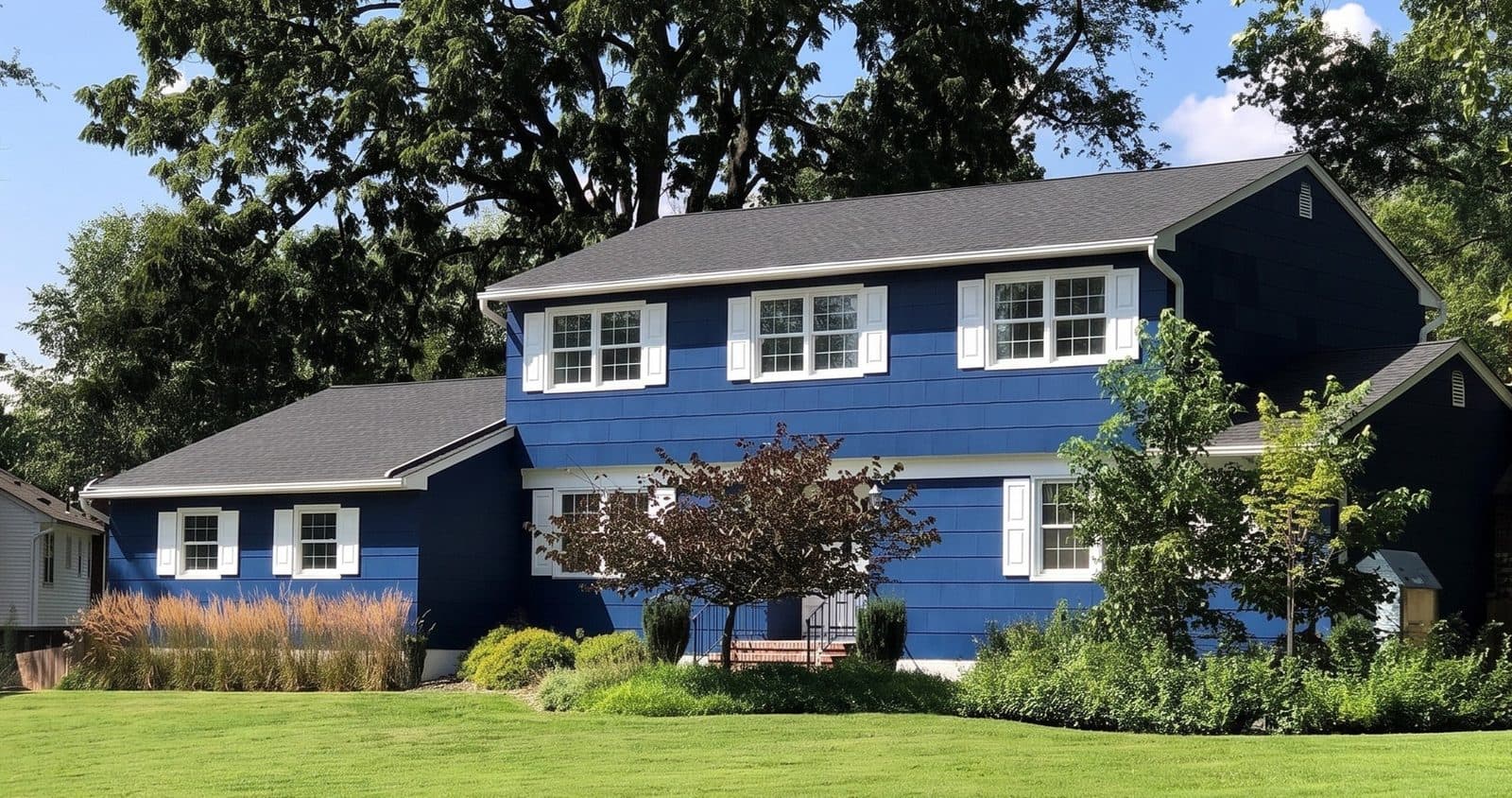 Render
Thanks! Can you send the one without grilles too? I want to show my husband both.
Sending it now. When you're both ready, I can come measure. Saturday morning is open.
How do you keep a showroom selling week to week?
Count three numbers every week: walk-ins, visitors who sat at the design table, and measures booked. If people sit at the table but don't book, work on the script. If they never reach the table, work on the layout and the greeting.
A showroom upkeep and tracking routine
Every morning
- Do this
- Open and lock every window and door on display, wipe the glass, and check the design table's screen and Wi-Fi.
Every week
- Do this
- Count walk-ins, design-table sits and measures booked. Check new labels against current quotes.
Every month
- Do this
- Replace faded or chipped color samples, pull displays for lines you dropped, and ask staff which questions no display answered.
Every quarter
- Do this
- Compare measures booked from the showroom with what it costs to run, and move the displays nobody touches.
| When | Do this |
|---|---|
| Every morning | Open and lock every window and door on display, wipe the glass, and check the design table's screen and Wi-Fi. |
| Every week | Count walk-ins, design-table sits and measures booked. Check new labels against current quotes. |
| Every month | Replace faded or chipped color samples, pull displays for lines you dropped, and ask staff which questions no display answered. |
| Every quarter | Compare measures booked from the showroom with what it costs to run, and move the displays nobody touches. |
What showroom mistakes cost dealers appointments?
- Displays nobody can open, or that stick when they do.
- A wall of brochures where a person should be standing.
- Samples with no labels, or names that don't match anything on your quotes.
- A design table with no chips nearby, so the screen becomes the color sample.
- Old displays from lines you no longer sell, or prices on display cards that no longer match the price book.
- Letting a visitor leave without a measure on the calendar or a render on their phone.
- Pushing for a decision on the spot. The FTC lists pressure for an immediate decision among the warning signs of a home improvement scam1.
Do you need a showroom to sell windows?
No. Plenty of replacement companies sell entirely in the home, and big brands run the consultation at the house: Pella describes a 90-minute in-home appointment where its expert shows design, material and color options and measures7. A showroom earns its rent when you get walk-in traffic, sell to builders and designers, or keep losing customers who want to see the product first.
Without one, take the showroom on the road: a sample case in the car, a booth at home shows (see home show booth ideas for window companies), and the design table on a tablet. For running the visit at the house, see window sales presentation. If you're opening a showroom as a new dealer, start with how to become a window dealer.
Where the render fits in a showroom
At the design table, after the visitor has opened the windows and held the chips. They hand over the photo on their phone, staff pick the frame material, color and grilles they liked, and their own house with the new windows is on the big screen in 30 seconds. Then the second choice, from the same photo.
It turns a browser into a booked measure: the render settles the look, and the visit at the house settles the exact price. With their OK, text it before they reach the car, so whoever stayed home sees it too. Kitchen and living room photos work as well, for visitors who care most about the view from inside.
Set it up free before you buy anything: the first render needs no account, and a free account adds 3 more, no card.