What does a Google Ads lead cost a window company?
More than in most trades. LocaliQ's 2025 home services search benchmarks put Doors & Windows Sales at $200.34 per lead, second only to Roofing & Gutters1. The same report puts the conversion rate for Doors & Windows Sales at 4.41%, one of the lowest of its 16 home services subcategories1. Put simply, about 4 in every 100 people who click become a lead1.
And a lead isn't an appointment. Elevarus, a company that sells window leads, estimates that a $95 shared lead ends up costing about $220 to $310 per appointment that actually sits, once missed contacts, no-shows and reschedules are counted2. That's a lead seller's estimate for bought leads, not for your ads, but the lesson carries over: the price of a lead is where the math starts, not where it ends.
So the real question isn't whether Google Ads is expensive. It's whether your close rate and your average job can carry the cost of each sale. Siro's in-home sales data puts the average close rate for windows and doors at 29.1%3 and its median windows and doors deal at $7,5384. Both come from companies that record their appointments, so use your own numbers as soon as you have them.
How much should a window company spend on Google Ads?
Work back from the sales you want, not from what an agency suggests or what a competitor spends. Here's the order of the math with published benchmarks plugged in. Your own numbers will differ, sometimes a lot, by market and season, so the table under the example is for running yours.
- Example goal: five more window sales a month from Google.
- At Siro's 29.1% close rate for windows and doors3, five sales take about 17 sits.
- If 45 to 65% of set appointments sit, the range Elevarus estimates for shared windows leads2, 17 sits take about 26 to 38 sets.
- If half of your Google leads book an appointment (an assumption: use your own rate as soon as you have it), 26 to 38 sets take about 52 to 76 leads.
- At LocaliQ's $200.34 per lead1, 52 to 76 leads cost about $10,400 to $15,200 a month in ad spend.
- That's about $2,100 to $3,000 of ad spend behind each of the five sales1. Hold it up against your gross profit on an average job, not the contract price.
- If the budget only works at a close rate you've never hit, the budget is wrong, not the ads.
Working back from a sales goal to an ad budget
Sits needed
- Formula
- Sales goal ÷ close rate
- Where your number comes from
- Your signed jobs against appointments that happened, by lead source.
Set appointments needed
- Formula
- Sits ÷ set-to-sit rate
- Where your number comes from
- Your calendar: appointments booked against appointments that happened with every owner home.
Leads needed
- Formula
- Sets ÷ lead-to-set rate
- Where your number comes from
- Your lead log: leads in against appointments booked.
Monthly ad budget
- Formula
- Leads × cost per lead
- Where your number comes from
- Your Google Ads account after a few weeks of data. A benchmark until then.
Cost per sale
- Formula
- Budget ÷ sales
- Where your number comes from
- Hold it up against your gross profit on an average job.
| Step | Formula | Where your number comes from |
|---|---|---|
| Sits needed | Sales goal ÷ close rate | Your signed jobs against appointments that happened, by lead source. |
| Set appointments needed | Sits ÷ set-to-sit rate | Your calendar: appointments booked against appointments that happened with every owner home. |
| Leads needed | Sets ÷ lead-to-set rate | Your lead log: leads in against appointments booked. |
| Monthly ad budget | Leads × cost per lead | Your Google Ads account after a few weeks of data. A benchmark until then. |
| Cost per sale | Budget ÷ sales | Hold it up against your gross profit on an average job. |
Which keywords should a window company bid on?
Bid on searches from homeowners who want windows replaced and installed, in the towns you serve. Keep the account small to start. A few tight ad groups you can watch every week beat a long keyword list nobody reads, and each ad group gets its own ads and a landing page that answers that search.
Start with phrase and exact match, so you decide which searches you pay for. Leave broad match for later, in its own campaign with a firm budget and a full negative list, once your tracking shows which keywords turn into appointments.
Keyword groups for a window replacement account
Replacement, by place
- Example searches
- replacement windows [town], window replacement near me, window replacement company [county]
- Why it's there
- The clearest buying searches. The landing page should name the area.
Cost and quotes
- Example searches
- window replacement cost, new windows quote, how much are new windows
- Why it's there
- People pricing the job. Offer a free measure and a written price; never a teaser price you can't hold.
Materials and colors you sell
- Example searches
- vinyl replacement windows, fiberglass windows installed, black window frames
- Why it's there
- Further along: they've picked a direction. Send them to a page about that product.
Brands you're a dealer for
- Example searches
- [brand] windows dealer [town], [brand] replacement windows
- Why it's there
- Read your dealer agreement first. Some makers set rules about advertising on their name.
Your own company name
- Example searches
- [your company] windows, [your company] reviews
- Why it's there
- Usually cheap, and it means a competitor bidding on your name isn't the only ad above your listing.
| Ad group | Example searches | Why it's there |
|---|---|---|
| Replacement, by place | replacement windows [town], window replacement near me, window replacement company [county] | The clearest buying searches. The landing page should name the area. |
| Cost and quotes | window replacement cost, new windows quote, how much are new windows | People pricing the job. Offer a free measure and a written price; never a teaser price you can't hold. |
| Materials and colors you sell | vinyl replacement windows, fiberglass windows installed, black window frames | Further along: they've picked a direction. Send them to a page about that product. |
| Brands you're a dealer for | [brand] windows dealer [town], [brand] replacement windows | Read your dealer agreement first. Some makers set rules about advertising on their name. |
| Your own company name | [your company] windows, [your company] reviews | Usually cheap, and it means a competitor bidding on your name isn't the only ad above your listing. |
What negative keywords should a window company use?
Negative keywords tell Google which searches should never show your ads. The word "windows" on its own pulls in software, cars, cleaning and DIY, and each of those clicks costs about what a homeowner's does. Add the list below before the first ad runs, keep it at the account level so every new campaign starts with it, then read the search terms report every week and keep adding.
Match each negative to the job. A one-word negative like "repair" blocks every search that contains it; a phrase negative like "windows 11" blocks only searches with those words together. Negatives don't stretch to plurals and misspellings the way your keywords do, so add those yourself: repair and repairs, tint and tinted. And check that a negative doesn't block a search you want: "free" on its own would also block "free estimate."
Starter negative keyword list for window replacement
Microsoft and computers
- Negative keywords
- microsoft, windows 10, windows 11, windows update, download, laptop, pc, product key
- Why
- Searches about the operating system, which shares your main word.
Cleaning
- Negative keywords
- cleaning, cleaner, washing, squeegee
- Why
- Window washers' customers.
Tint and film
- Negative keywords
- tint, tinting, film, privacy film, frosted
- Why
- Film installers' customers, and car tint.
Cars and auto glass
- Negative keywords
- car, auto, windshield, truck, power window, regulator
- Why
- Auto glass shops' customers.
Repairs you don't do
- Negative keywords
- repair, crank, balance, screen, glass only, foggy glass, seal
- Why
- Add only the ones you don't do. If you replace failed glass, give it its own ad group instead.
Coverings
- Negative keywords
- blinds, shades, curtains, shutters, treatments
- Why
- Window coverings, not windows.
DIY and how-to
- Negative keywords
- diy, how to, tutorial, video, yourself
- Why
- People doing the job themselves.
Jobs
- Negative keywords
- jobs, hiring, salary, career, apprentice
- Why
- Job seekers. Recruit in a separate campaign if you need installers.
Free windows
- Negative keywords
- free windows, grant, government program
- Why
- People looking for free windows. If you take part in a real program, say exactly what it is in its own ads.
Products you don't sell
- Negative keywords
- storm windows, skylight, mobile home, commercial, storefront, glass block
- Why
- Add only what you don't install.
| Group | Negative keywords | Why |
|---|---|---|
| Microsoft and computers | microsoft, windows 10, windows 11, windows update, download, laptop, pc, product key | Searches about the operating system, which shares your main word. |
| Cleaning | cleaning, cleaner, washing, squeegee | Window washers' customers. |
| Tint and film | tint, tinting, film, privacy film, frosted | Film installers' customers, and car tint. |
| Cars and auto glass | car, auto, windshield, truck, power window, regulator | Auto glass shops' customers. |
| Repairs you don't do | repair, crank, balance, screen, glass only, foggy glass, seal | Add only the ones you don't do. If you replace failed glass, give it its own ad group instead. |
| Coverings | blinds, shades, curtains, shutters, treatments | Window coverings, not windows. |
| DIY and how-to | diy, how to, tutorial, video, yourself | People doing the job themselves. |
| Jobs | jobs, hiring, salary, career, apprentice | Job seekers. Recruit in a separate campaign if you need installers. |
| Free windows | free windows, grant, government program | People looking for free windows. If you take part in a real program, say exactly what it is in its own ads. |
| Products you don't sell | storm windows, skylight, mobile home, commercial, storefront, glass block | Add only what you don't install. |
How should you set up location, landing pages and the first reply?
- Location: target the zip codes or towns you actually install in. In the location options, show ads to people who are in or regularly in those places, not to people who are only interested in them, or you'll pay for clicks from people researching a house you'll never see.
- Schedule: run ads when someone can answer the phone, or run them all day and make sure after-hours forms get a text right away and a call first thing. Speed matters more than the hour: see speed to lead for window companies.
- Calls: put your number in the ads and use call tracking, so calls are counted like forms. If you record calls, some states require the consent of everyone on the call5, so check your state's rules and ask your lawyer.
- Landing page: one page per ad group, with the area named, a short form, a tap-to-call number, photos of your own installs and what happens after they ask. Don't send ads to your home page. More in window company website.
- Form: ask for name, phone, zip and which windows (the whole house or a few rooms), and invite a photo of the house. Put a plain consent line on the form before you send any automatic texts6.
Search ad text to start from
Headline: Replacement Windows [Town]
Headline: Free Measure, Written Price
Headline: See Your Home, New Windows
Description: Text us a photo of your house and we'll send it back with the frame color you want.
Description: We measure every window, then give you an exact written price. Serving [area].
Google limits how long each headline and description can be, and the ad editor counts the characters for you; a long town name may need a shorter headline. Keep only what's true for you, and no savings numbers or sale prices you can't back up.
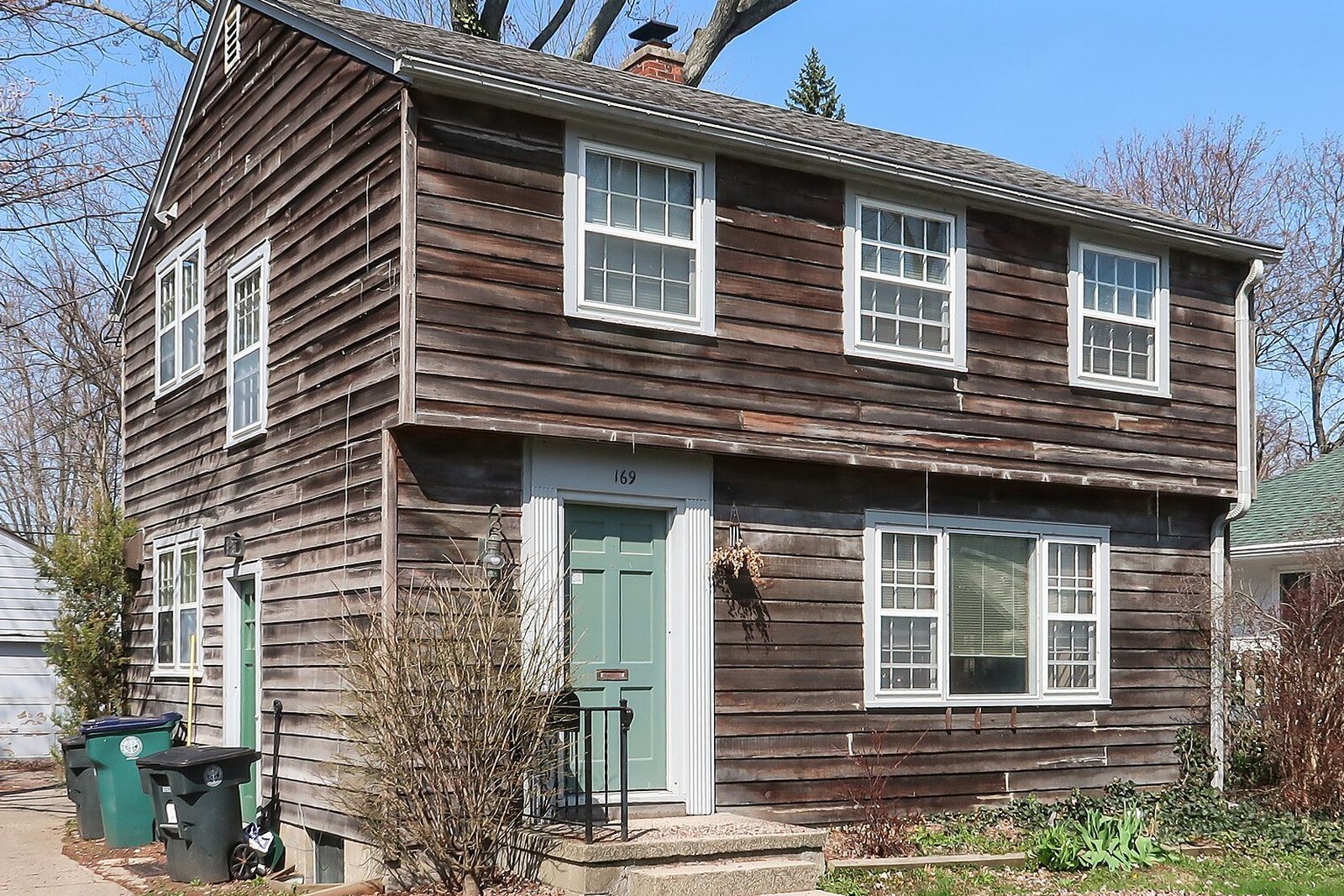
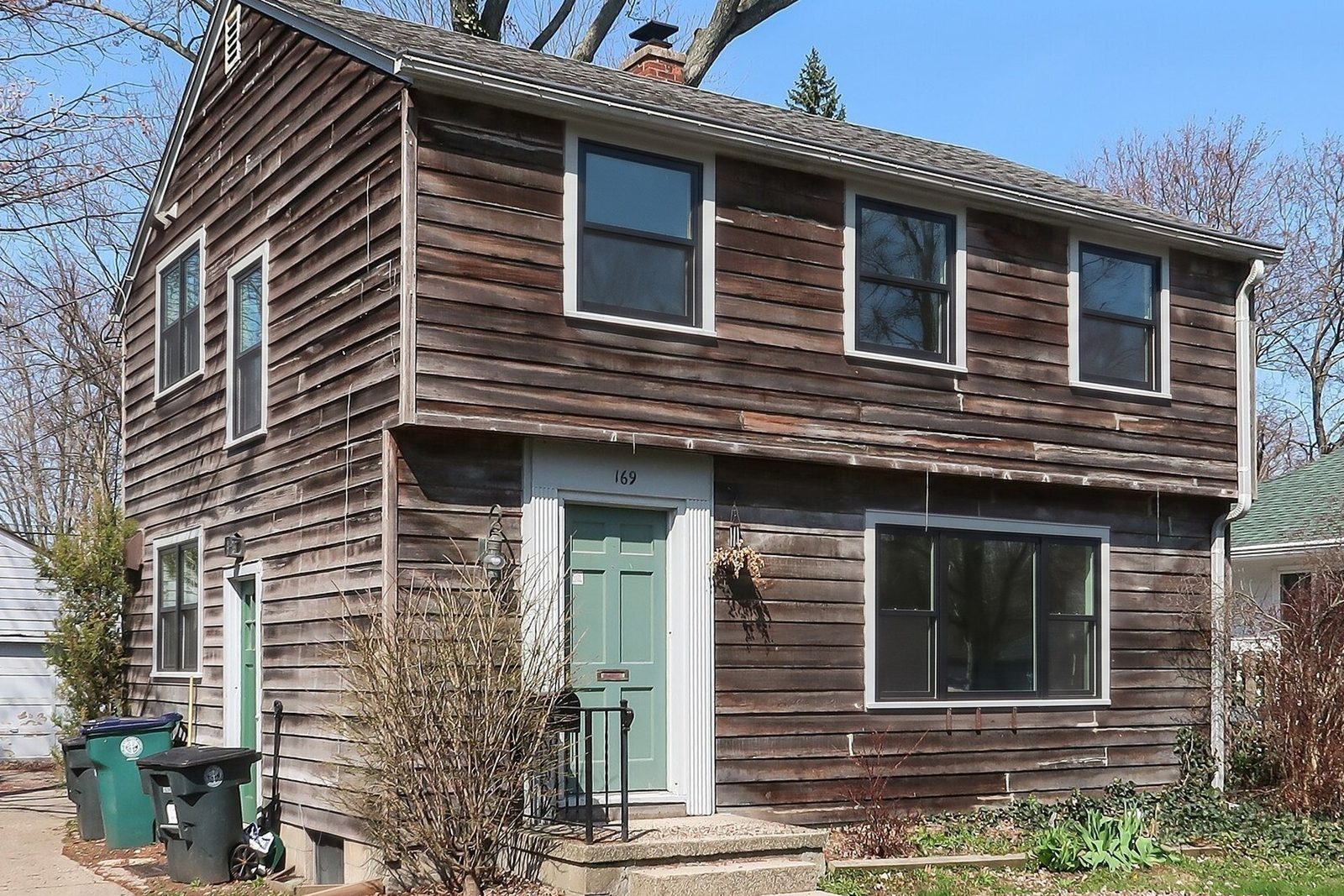
Hi, it's [rep] at [company]. Thanks for asking about new windows. Is it the whole house or a few rooms?
Mostly the front. We were thinking white with grids. Here's a picture.
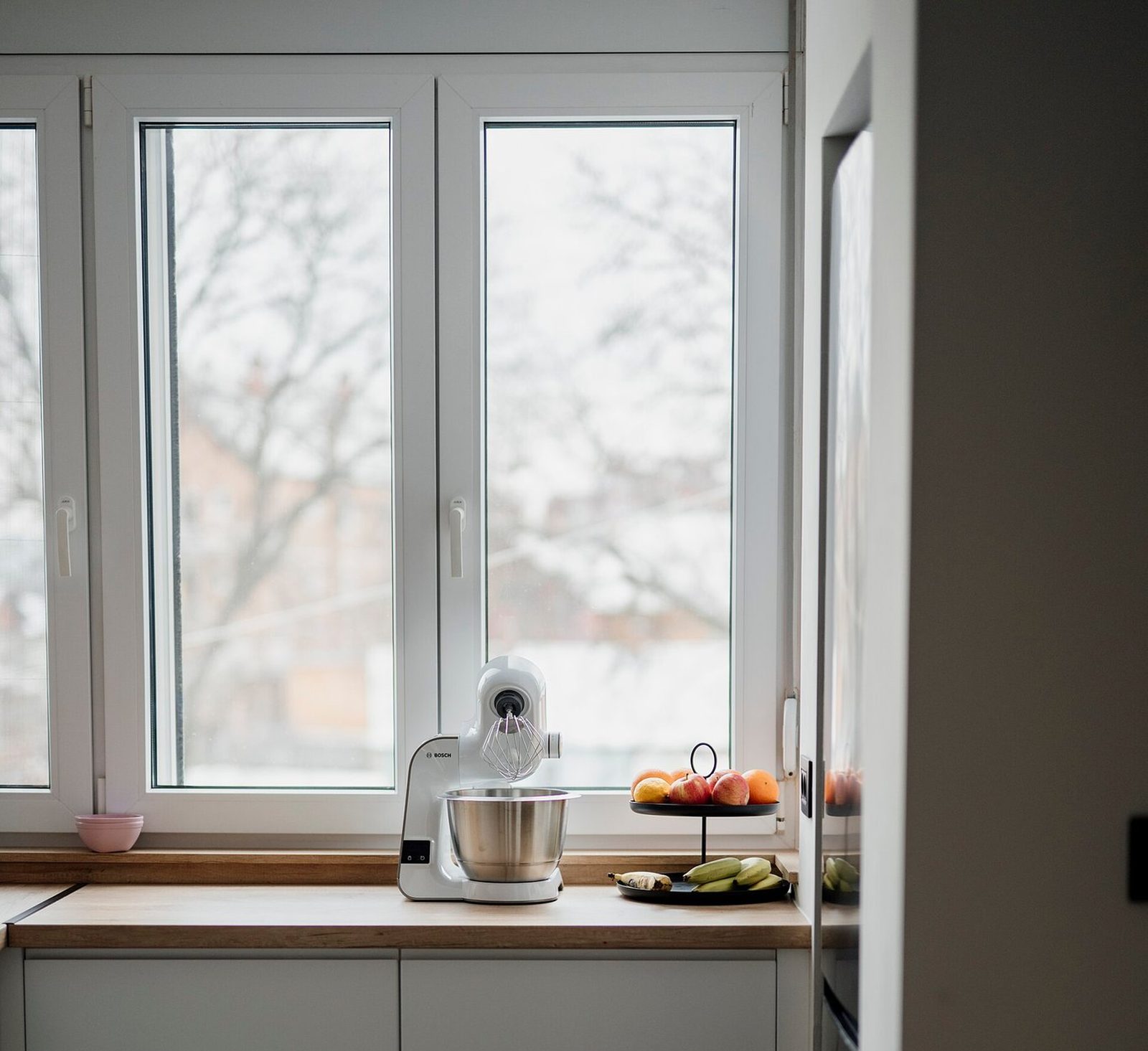
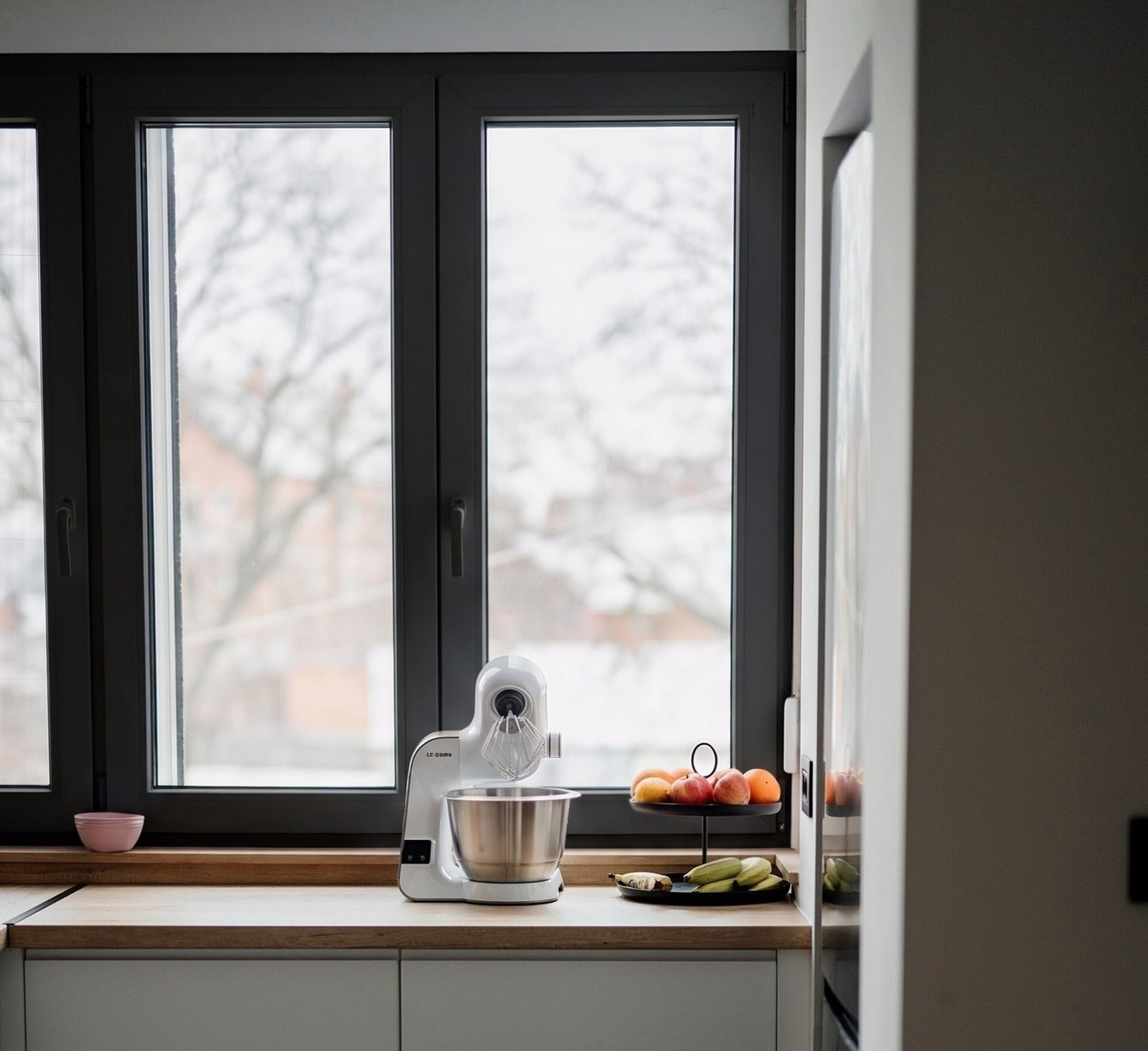
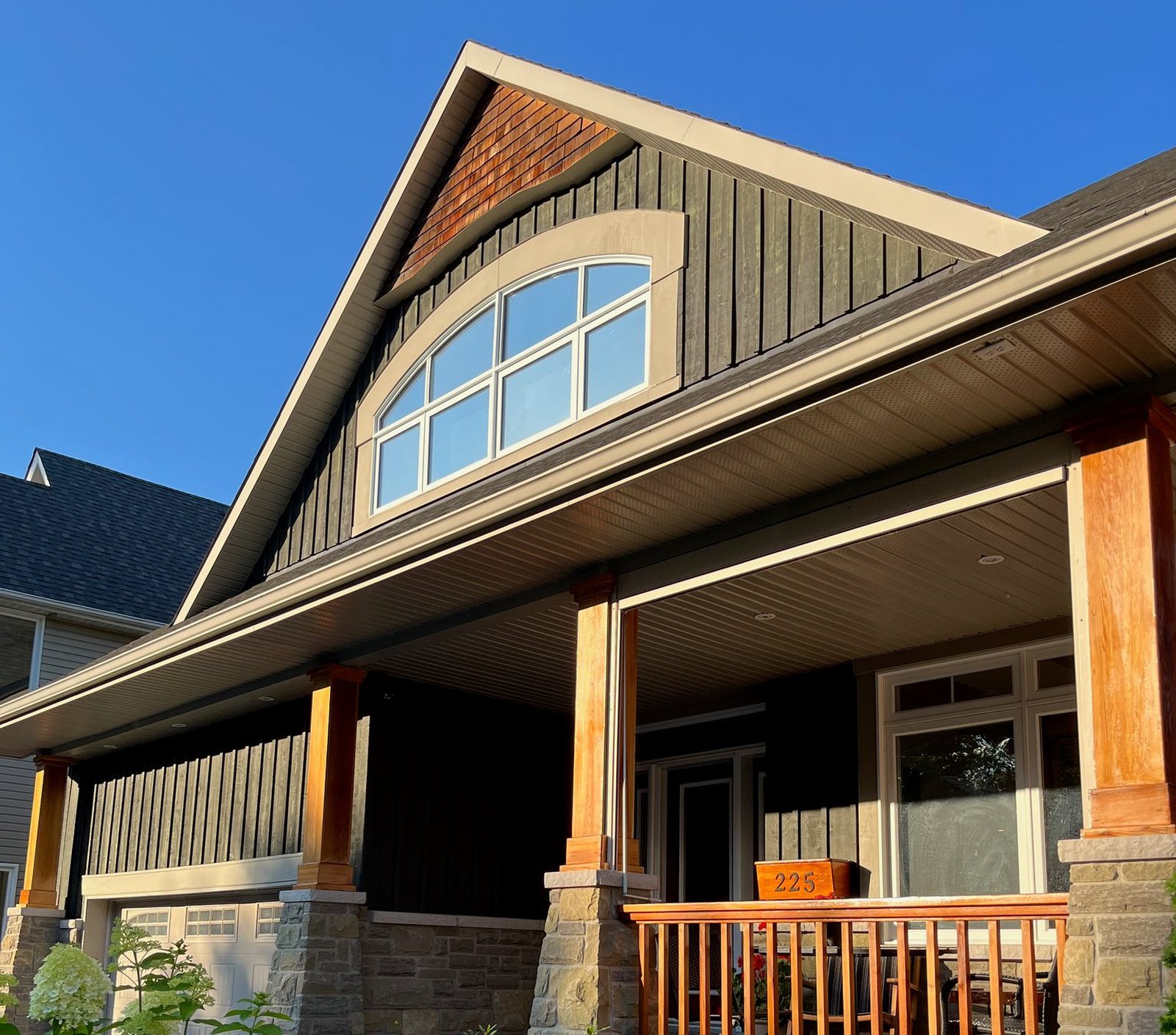
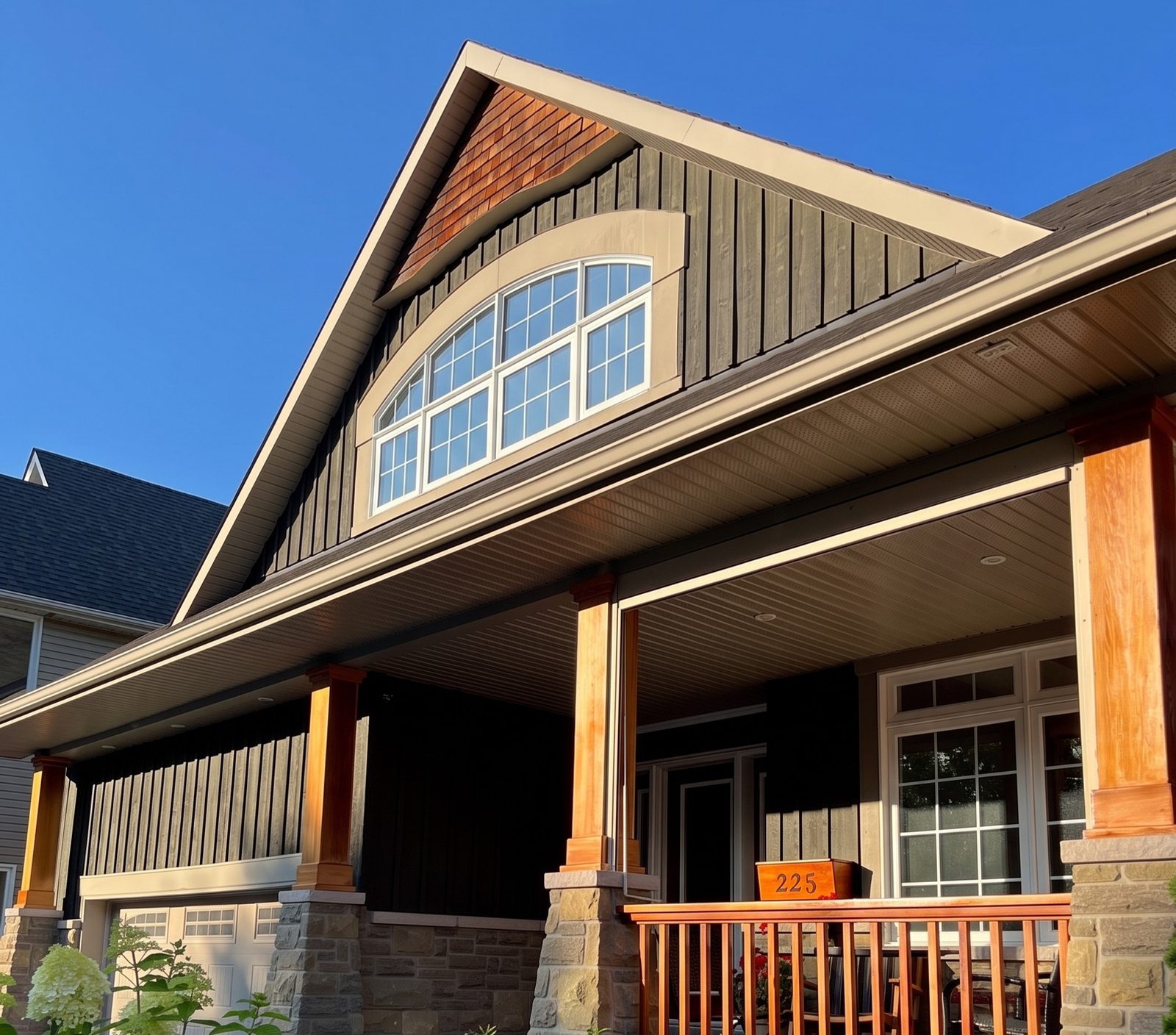
Here's your house with white frames and colonial grids, from your photo. Same windows, new look. When can we come measure and give you an exact price, Thursday at 6 or Saturday at 10?
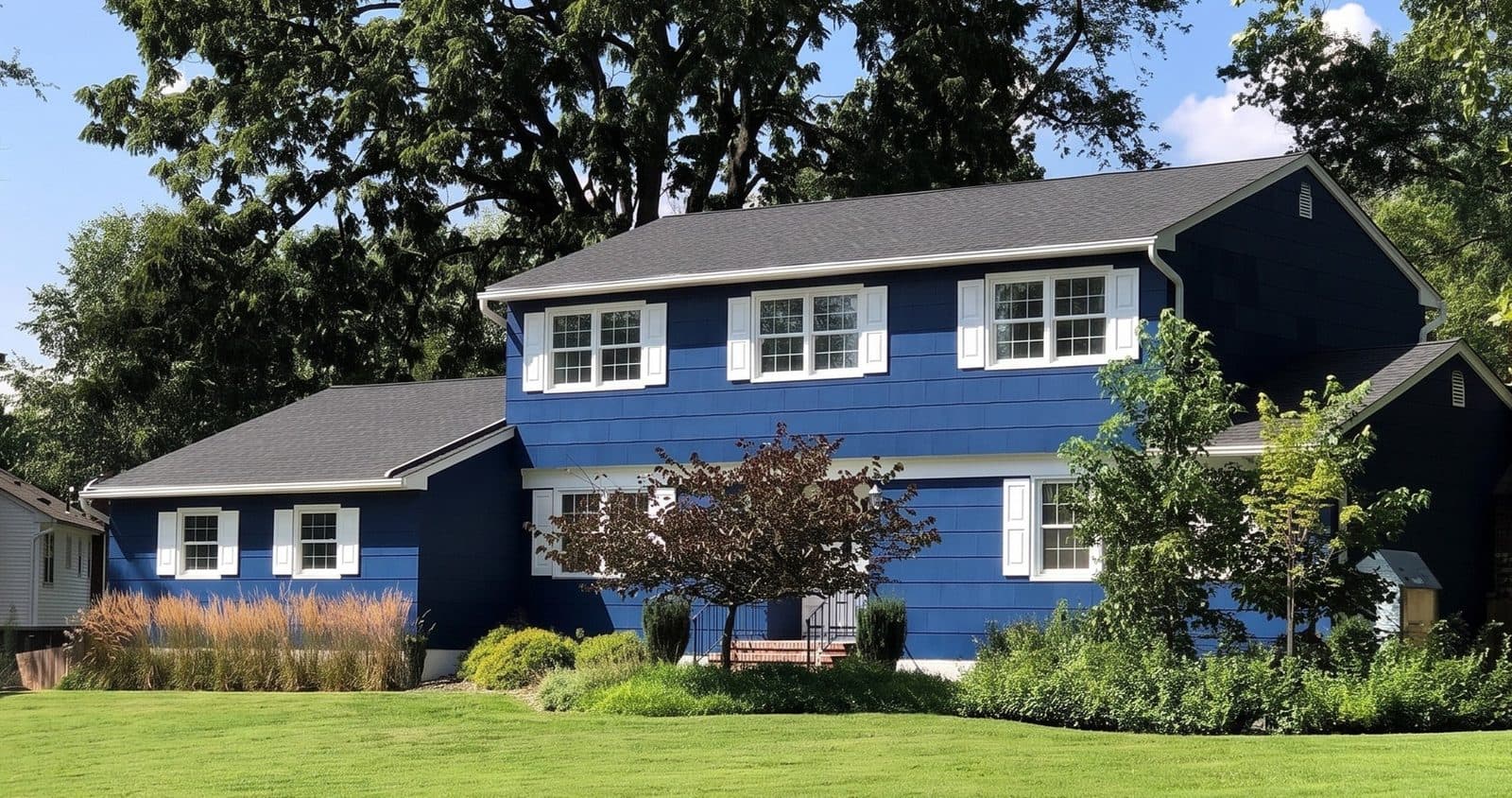 Render
How do you track which Google Ads keywords turn into sales?
Google can see clicks and form fills. You can see appointments and signed contracts. Connect the two, or the account will keep spending on whatever is easiest to get, not on what sells.
- Count calls and forms as conversions in Google Ads, and only real ones: a conversation, not a hang-up or a robocall.
- Keep the click ID with each lead in your CRM or lead log, so every lead carries its campaign and keyword.
- Import set appointments, sits and sales back into Google Ads as offline conversions, so automated bidding learns from appointments, not just forms.
- Every month, put the four numbers below side by side for each campaign. Cut keywords that bring leads but no sits, even if the leads are cheap. The rest of the numbers worth tracking are in window sales metrics.
The four numbers to judge Google Ads on
Cost per lead
- How to work it out
- Ad spend ÷ leads
- What it tells you
- Whether the ads and the landing page work.
Cost per set appointment
- How to work it out
- Ad spend ÷ appointments booked
- What it tells you
- Whether the leads are real and your team reaches them fast.
Cost per sit
- How to work it out
- Ad spend ÷ appointments that happened
- What it tells you
- Whether you book people who show up with every owner home.
Cost per sale
- How to work it out
- Ad spend ÷ signed jobs
- What it tells you
- Whether the campaign makes money.
| Number | How to work it out | What it tells you |
|---|---|---|
| Cost per lead | Ad spend ÷ leads | Whether the ads and the landing page work. |
| Cost per set appointment | Ad spend ÷ appointments booked | Whether the leads are real and your team reaches them fast. |
| Cost per sit | Ad spend ÷ appointments that happened | Whether you book people who show up with every owner home. |
| Cost per sale | Ad spend ÷ signed jobs | Whether the campaign makes money. |
What mistakes do window companies make with Google Ads?
- Judging on clicks or cost per lead alone. A cheap lead that never sits is the most expensive one you buy.
- Broad match with no negative keywords on day one.
- Accepting automatic settings and recommendations without reading them, such as showing search ads on other networks you didn't choose.
- Sending every ad to the home page.
- Nobody answering the phone. A call that rings out is a paid click gone, and the homeowner taps the next ad.
- Promising what you can't prove. In 2012 the FTC announced settlements with five replacement window sellers over energy efficiency and savings claims it charged were deceptive7. Keep savings numbers out of your ads unless you can back them up; see window energy savings claims.
- Not owning the account. If an agency runs it, the Google Ads account and its data should be in your company's name. What to ask an agency is in window company marketing ideas.
- Stopping and starting every week. Set a test budget and a test period, and read the results at the end.
Where the render fits in a Google Ads lead
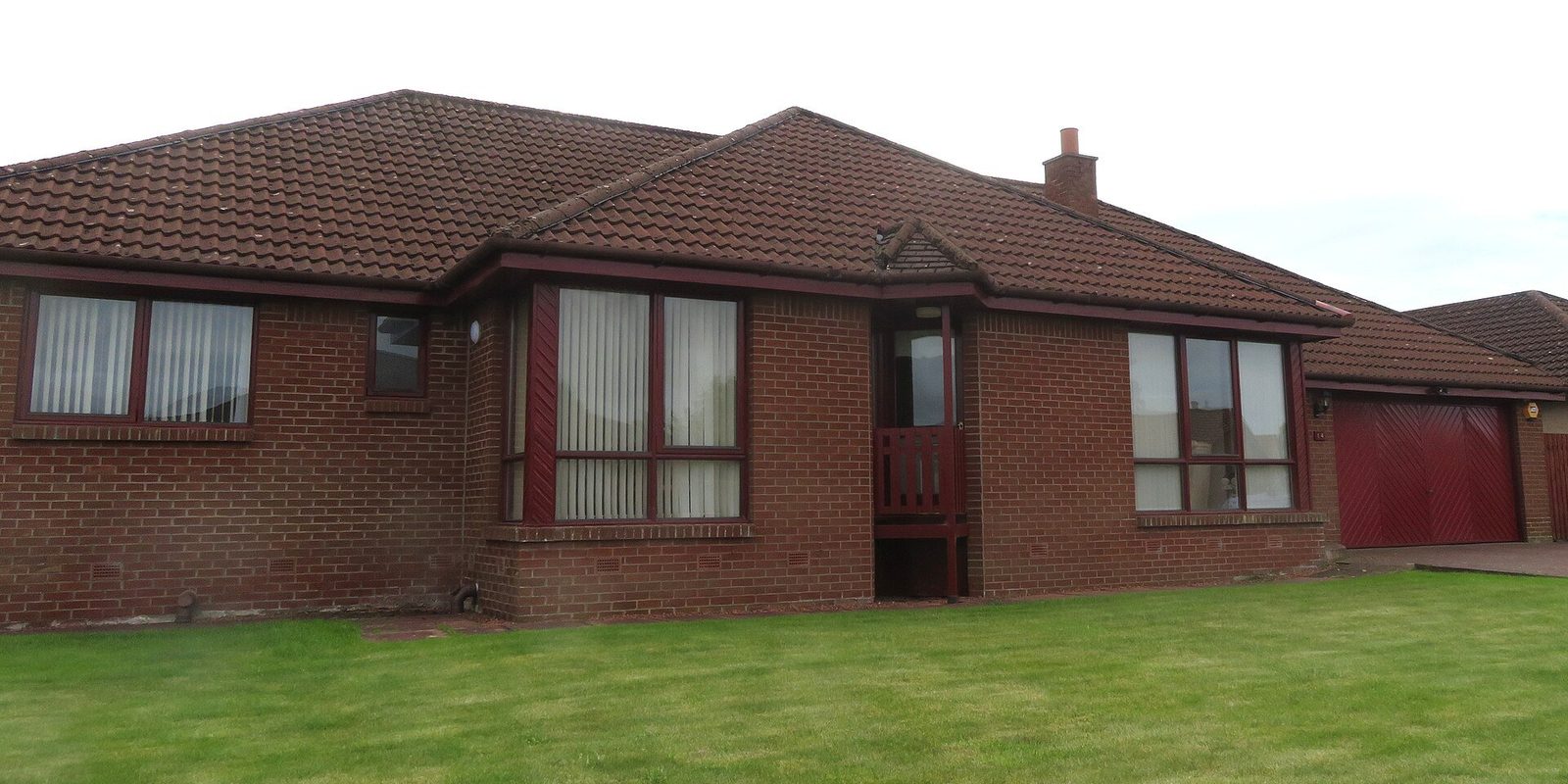
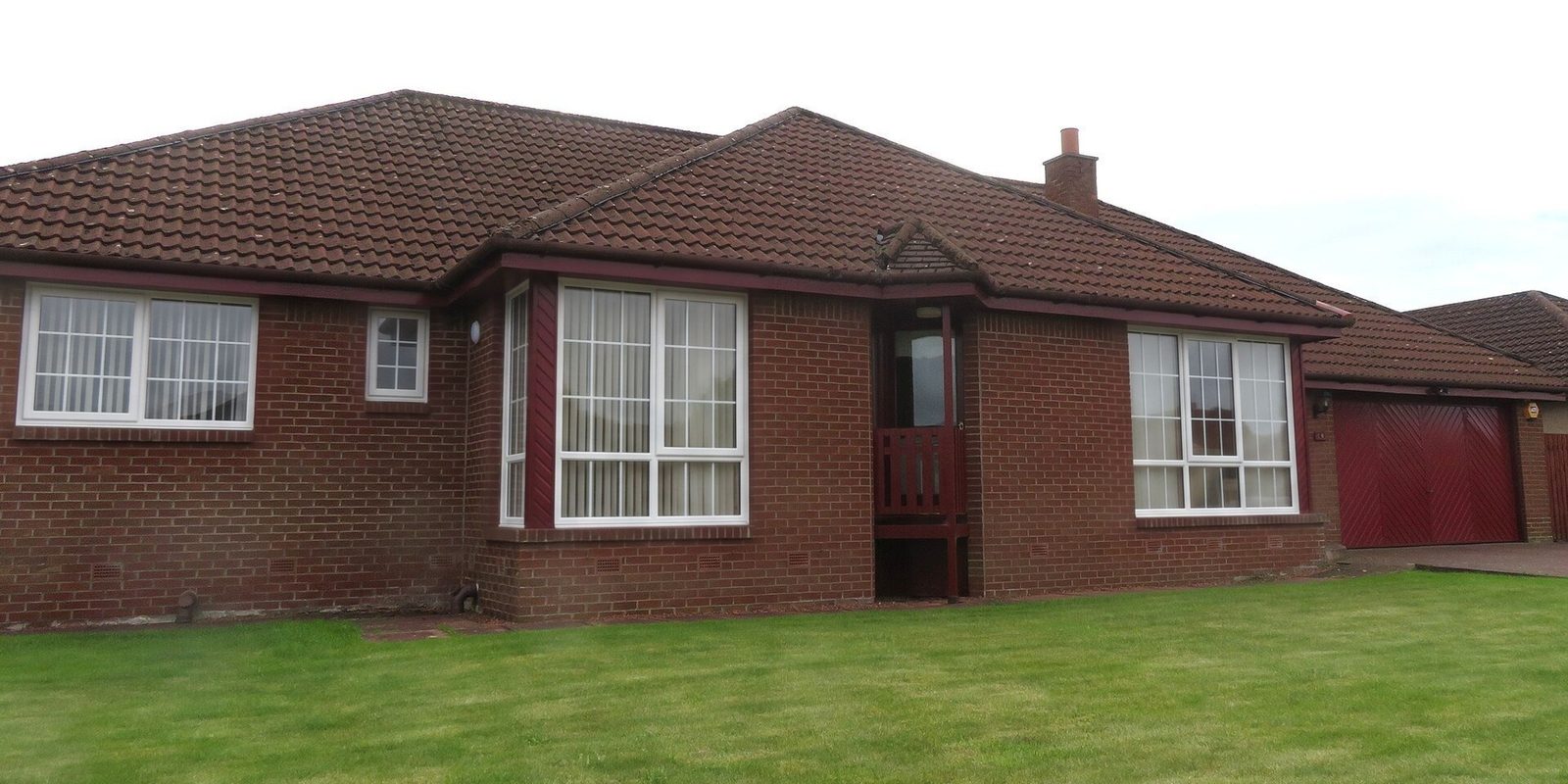
Right after the click. A homeowner who fills in your form may have filled in other companies' forms too, and most callbacks sound alike. Their own house with new windows gives them a reason to answer yours. Ask for one photo of the front, or of the room they mentioned, pick the frame material, color and grilles they asked about, and text the render. It takes 30 seconds, so it fits inside the first conversation.
It's also worth tracking. Log which ad leads send a photo, and compare their set-to-sit rate with the leads that don't. If the photo leads sit more often in your numbers, ask for a photo on every campaign's form.
Use the same photo again at the appointment and in the follow-up text. Each window keeps the style it has now, so present the render as a preview of the look, not the finished job, and give the exact price after you measure.