How is selling to a property manager different from selling to a homeowner?
The windows are the same. The buyer isn't. A homeowner decides at the table with a partner. A landlord decides like the owner of a small business. A condo or HOA board decides in a meeting, usually after comparing bids, and sometimes only after the owners vote.
Three buyers, three ways of buying
Who decides
- Homeowner
- The owners at the table
- Landlord or property manager
- The owner, or a manager with a spending limit
- Condo or HOA board
- The board, sometimes with an owner vote
What they're buying
- Homeowner
- A home that looks and feels better
- Landlord or property manager
- Fewer complaints and service calls, and units that rent
- Condo or HOA board
- A building-wide fix the owners will accept
How they buy
- Homeowner
- One visit, sometimes two
- Landlord or property manager
- A walk-through and a written quote, often per unit
- Condo or HOA board
- A written bid against a spec, compared with other bids
How long it takes
- Homeowner
- Days or weeks
- Landlord or property manager
- Weeks, often timed to vacancies
- Condo or HOA board
- Months, paced by board meetings
What a render is for
- Homeowner
- Picking a look at the table
- Landlord or property manager
- Choosing one standard look for every unit
- Condo or HOA board
- Showing owners their building before they vote
| Homeowner | Landlord or property manager | Condo or HOA board | |
|---|---|---|---|
| Who decides | The owners at the table | The owner, or a manager with a spending limit | The board, sometimes with an owner vote |
| What they're buying | A home that looks and feels better | Fewer complaints and service calls, and units that rent | A building-wide fix the owners will accept |
| How they buy | One visit, sometimes two | A walk-through and a written quote, often per unit | A written bid against a spec, compared with other bids |
| How long it takes | Days or weeks | Weeks, often timed to vacancies | Months, paced by board meetings |
| What a render is for | Picking a look at the table | Choosing one standard look for every unit | Showing owners their building before they vote |
What do landlords want from a window company?
Fewer problems, at a cost they can plan for. Start with the units that generate complaints and work outward from there.
- Fix the complaint windows first: drafts, fogged glass, broken balances, sashes that won't lock. Every tenant call about a window is a service visit the manager has to arrange.
- Work around tenants. Offer to do vacant units between leases and occupied units one at a time, inside a set time window. Ask the manager how much notice tenants get before you enter; that depends on the lease and on state law.
- Standardize. One frame material, one color and one grille pattern across every unit keeps repairs and future orders simple. Render one unit in two options and let the owner pick the standard.
- Price per window and per unit. Owners compare costs across buildings, so make your quote easy to multiply.
- Look for rebates before you quote. ENERGY STAR says window rebates may be available through the local utility1. Check the utility where the building is, including any program for rental or multifamily properties.
- Ask who pays for heating and cooling. If tenants pay their own utility bills, the owner won't see an energy saving directly, so lead with fewer complaints, fewer service calls and easier turnovers.
- Be careful with energy numbers. The Department of Energy says heat gain and loss through windows account for 25% to 30% of residential heating and cooling energy use2. That's a share of energy use, not a promised saving, and in 2012 letters FTC staff warned replacement window makers that energy savings claims must be backed by competent and reliable scientific evidence3. More in window energy savings claims.
How do condo associations and HOAs buy replacement windows?
A condo window replacement project, or a bulk replacement across an HOA, runs in writing, through a process, at the board's pace. The steps below are typical. The association's documents and your state's law decide the details, so ask the manager which rules apply before you bid.
A condo or HOA window replacement project, step by step
1. Who is responsible
- What the board needs from you
- Nothing to sell yet. Ask the manager for the section of the declaration or bylaws that says who owns and maintains the windows.
- Where a render helps
- Not yet.
2. The spec
- What the board needs from you
- Help them write one: frame material, exterior color, grille pattern, glass and install method.
- Where a render helps
- Render the building in two or three looks that fit the spec, so the board picks a look, not a chip.
3. Bids
- What the board needs from you
- An itemized bid against the spec, by building and unit, with the schedule, your insurance and your license.
- Where a render helps
- A labelled render of the chosen look on the cover of your bid.
4. Board meeting
- What the board needs from you
- A short presentation, and answers about access, noise, schedule and cleanup.
- Where a render helps
- One page with today's photo of the building and the render side by side.
5. Owner notice or vote
- What the board needs from you
- A plain-language summary owners can read in two minutes.
- Where a render helps
- The same render, so owners see what the board picked.
6. Installation
- What the board needs from you
- A unit-by-unit schedule and a notice for each owner or tenant.
- Where a render helps
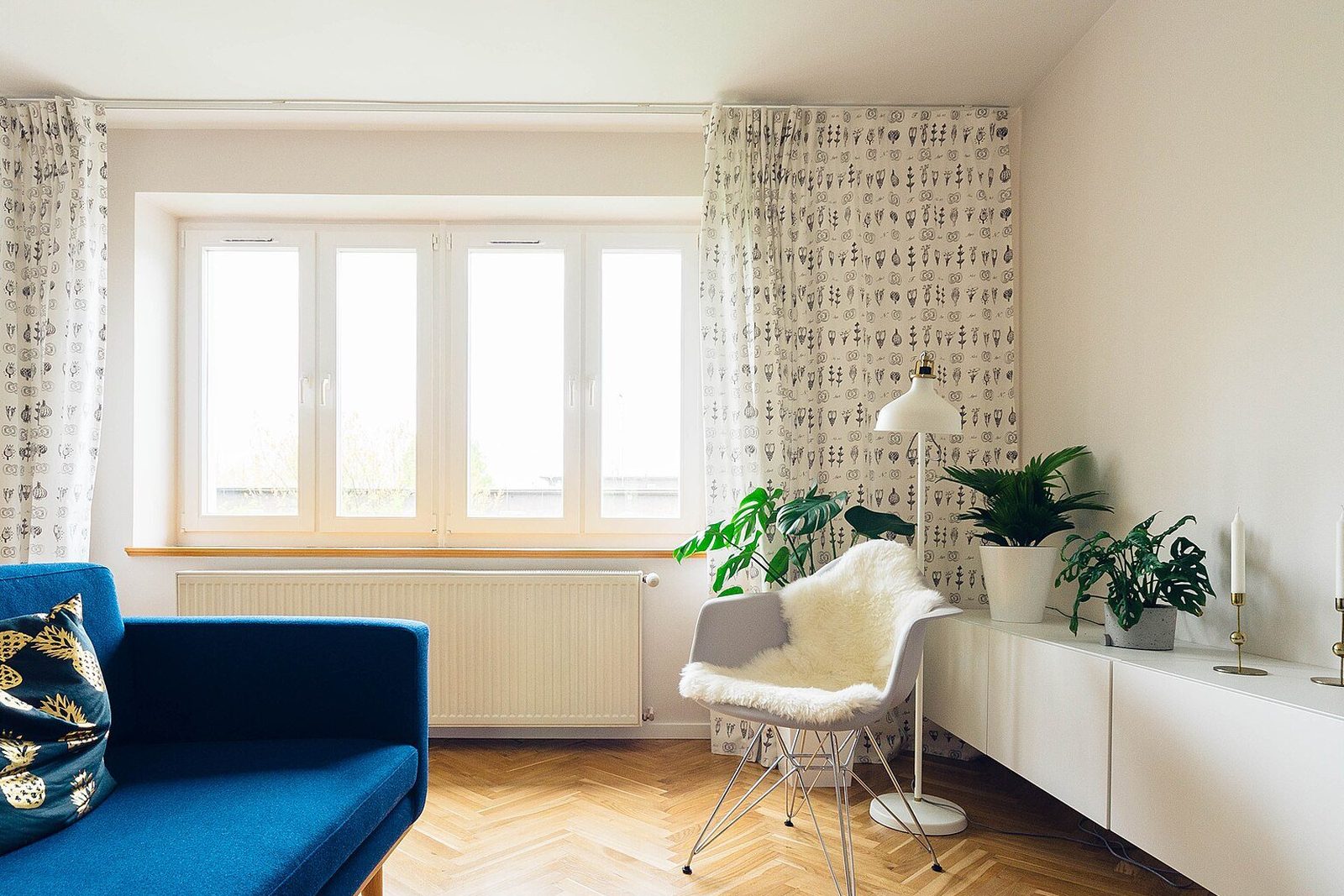
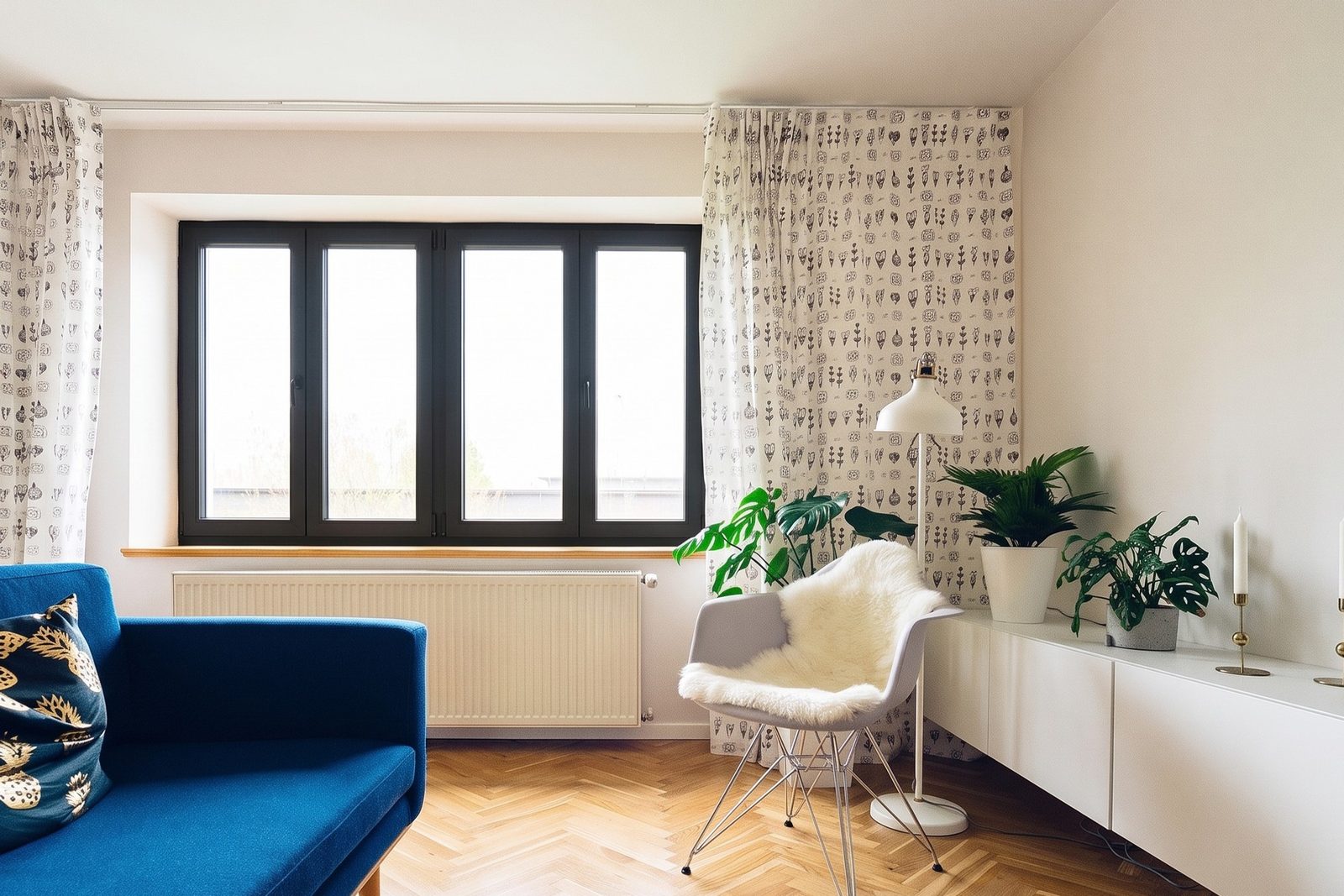
- Optional: a render of a typical room, for the notice.
| Step | What the board needs from you | Where a render helps |
|---|---|---|
| 1. Who is responsible | Nothing to sell yet. Ask the manager for the section of the declaration or bylaws that says who owns and maintains the windows. | Not yet. |
| 2. The spec | Help them write one: frame material, exterior color, grille pattern, glass and install method. | Render the building in two or three looks that fit the spec, so the board picks a look, not a chip. |
| 3. Bids | An itemized bid against the spec, by building and unit, with the schedule, your insurance and your license. | A labelled render of the chosen look on the cover of your bid. |
| 4. Board meeting | A short presentation, and answers about access, noise, schedule and cleanup. | One page with today's photo of the building and the render side by side. |
| 5. Owner notice or vote | A plain-language summary owners can read in two minutes. | The same render, so owners see what the board picked. |
| 6. Installation | A unit-by-unit schedule and a notice for each owner or tenant. | Optional: a render of a typical room, for the notice. |
What goes in a condo window replacement bid?
Write it so a board member who has never bought a window can compare it with the others. Boards that collect several bids are doing what the FTC tells homeowners to do: get several written estimates, and ask why when they differ a lot4. Make yours the one that's easy to read.
- Scope: which buildings, units and windows are included, and which aren't.
- A window schedule: counts by size, type and location, from your own measurements.
- The product: series, frame material, color, grilles and glass, with the NFRC label values. ENERGY STAR explains that the lower a window's U-factor, the better it insulates5.
- Install method: full-frame or insert, and how the inside and outside trim are finished.
- Access plan: how many units a day, how much notice each household gets, and how rooms are protected and cleaned.
- Schedule and phasing: by building or by side of the building, and what happens when the weather turns.
- Warranty: product and labor terms in writing, with one number to call.
- License and insurance: the FTC tells homeowners to hire licensed, insured contractors and to check the license with the state or county4. Expect boards and managers to ask the same: attach your certificate, and ask whether the association or management company needs to be listed on it.
- Price: per window, per unit and in total, with alternates such as an upgrade color or grille pattern priced separately.
- Payments tied to finished phases, not to calendar dates.
How do you present windows to a condo board?
Briefly. Boards sit through long agendas. Aim for ten minutes, bring a printed copy for every member, and ask for one decision.
A short presentation to a condo or HOA board
Thanks for having us. You asked for bids to replace the windows in [buildings]. I'll take ten minutes and leave the rest for questions.
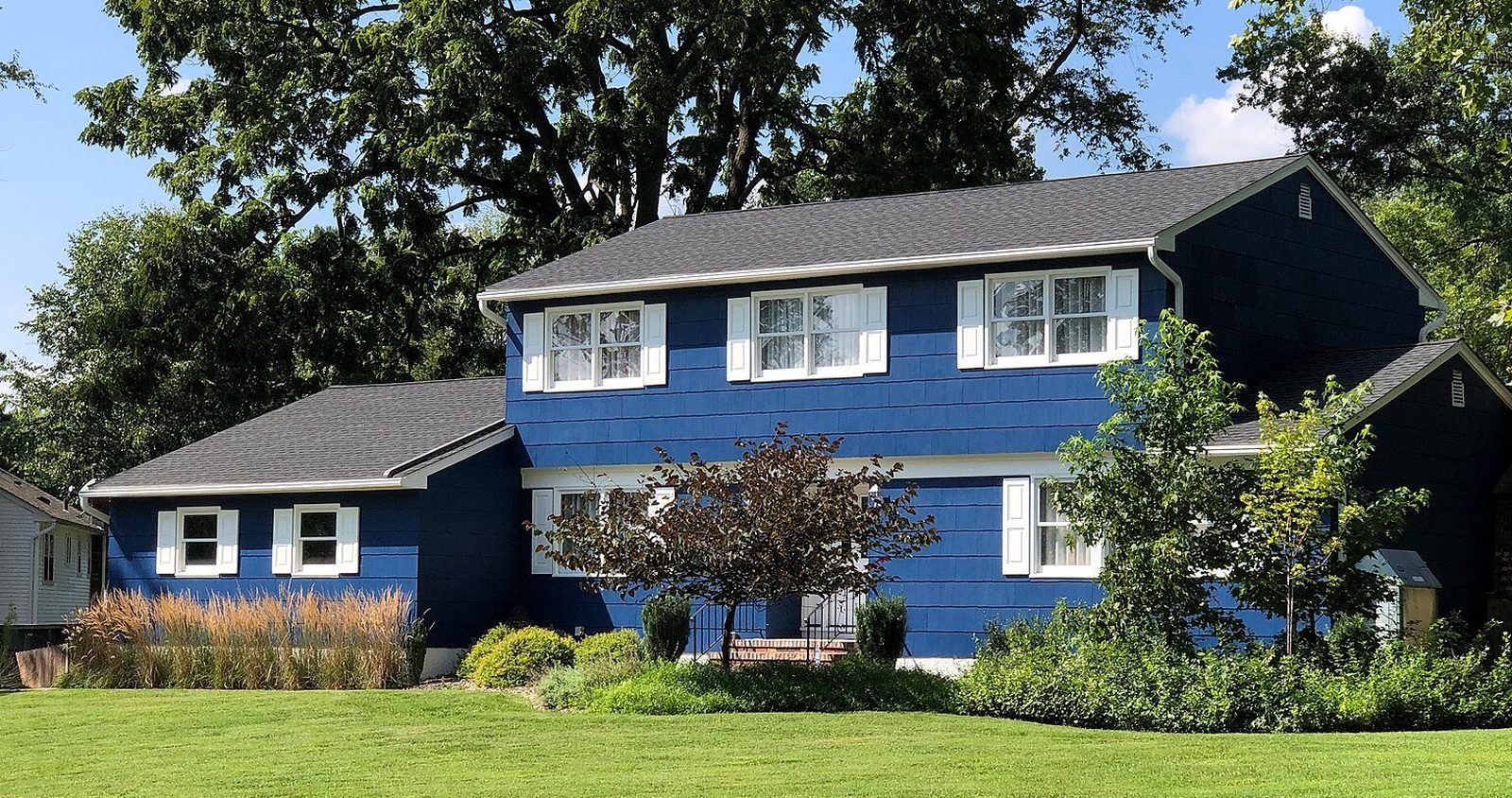
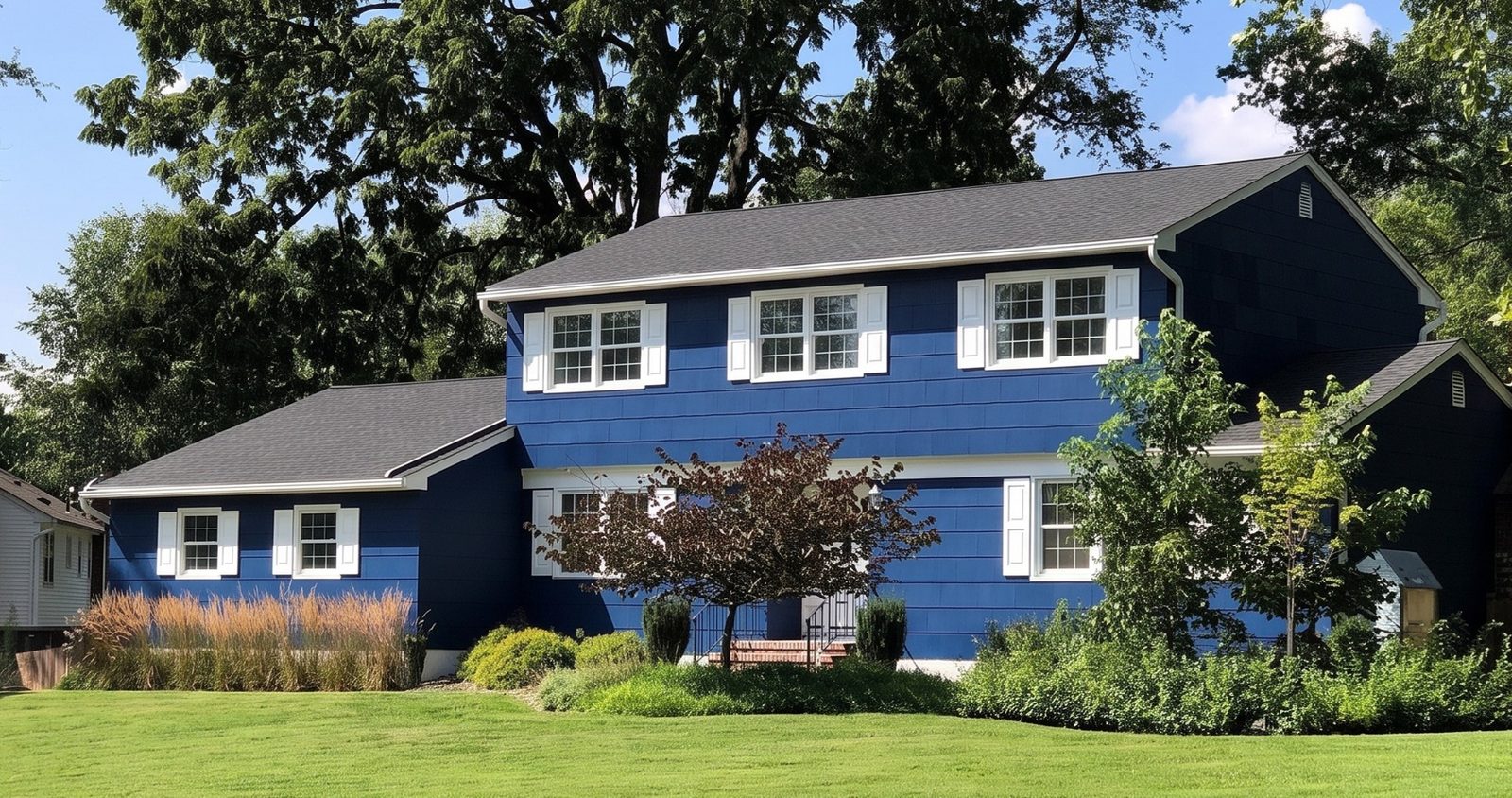
This is a photo of [building] as it looks today. Next to it is a render of the same photo with the windows in our bid: [material], [color], [grille pattern]. It's a render, not a photo of finished work, and the color should be confirmed with the real sample I brought.
Our bid is priced per window, per unit and in total, with [the upgrade] priced separately as an alternate.
We install [number] units a day. Each household gets [notice] notice, and we protect and clean every room we work in.
What we'd like from the board tonight is a decision on the spec, or the date when you'll make it.
Fill in the brackets from your own bid. Pass the corner sample around while you talk about color.
How do you use a render in a board packet or a rental listing?
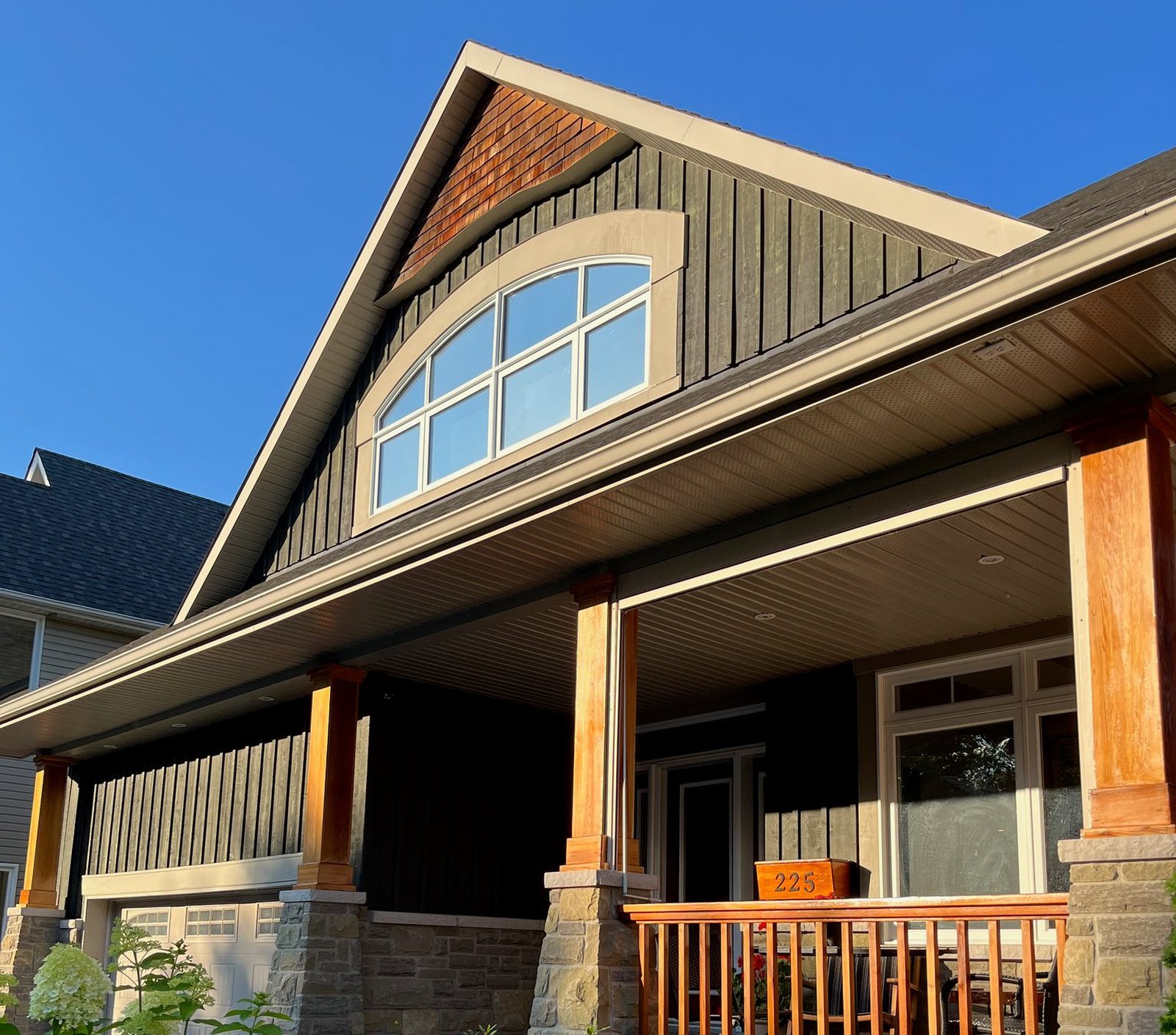
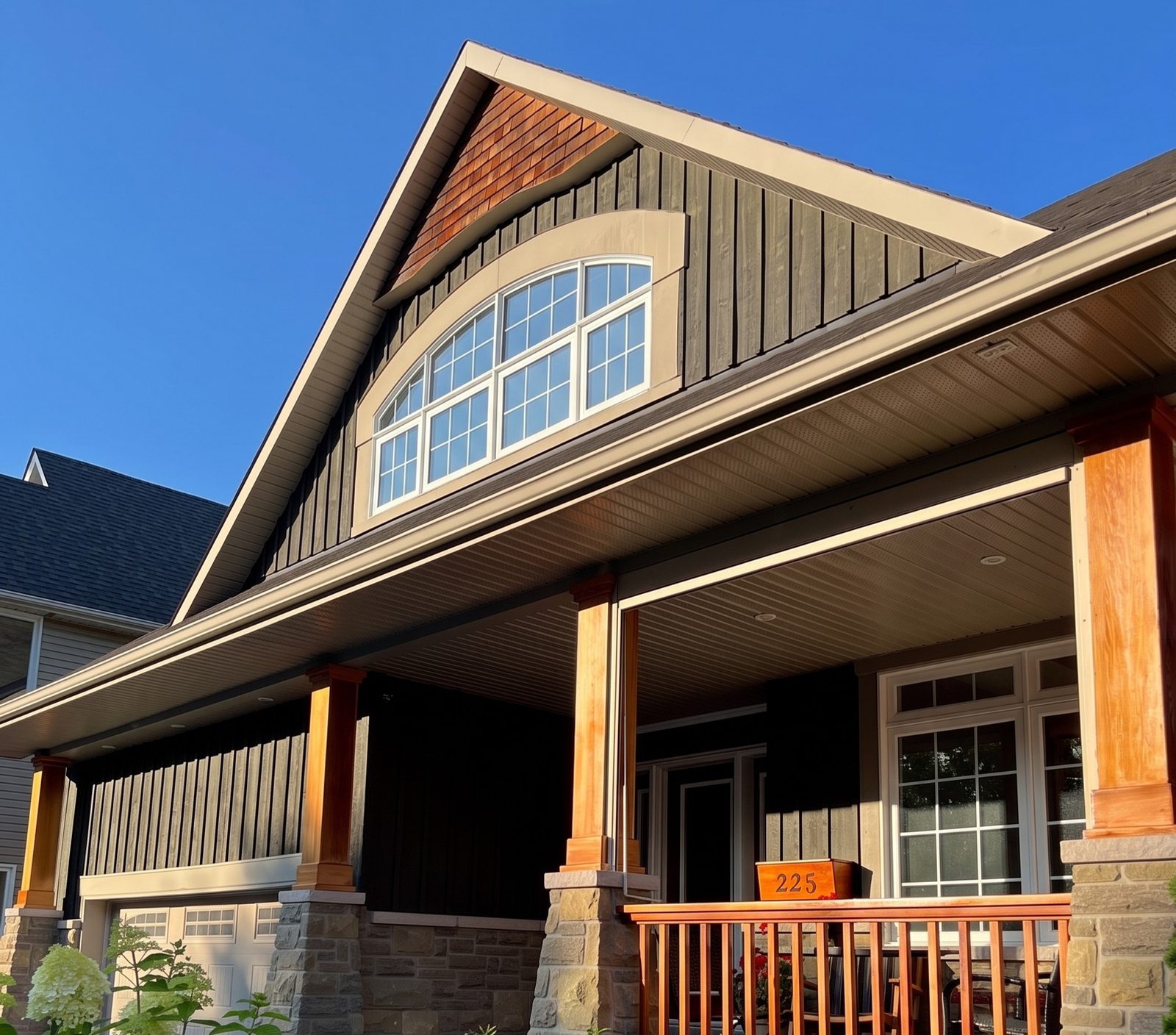
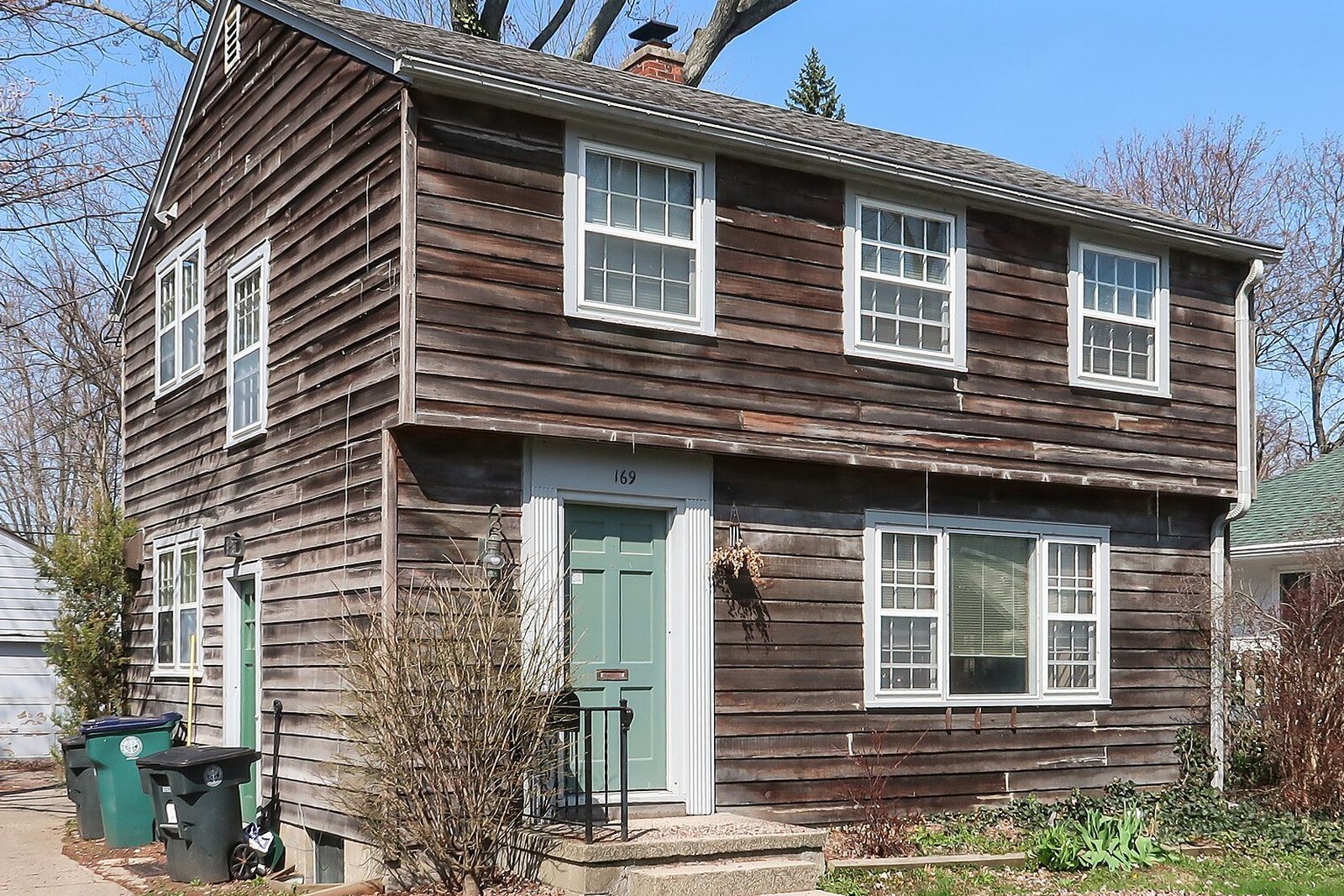
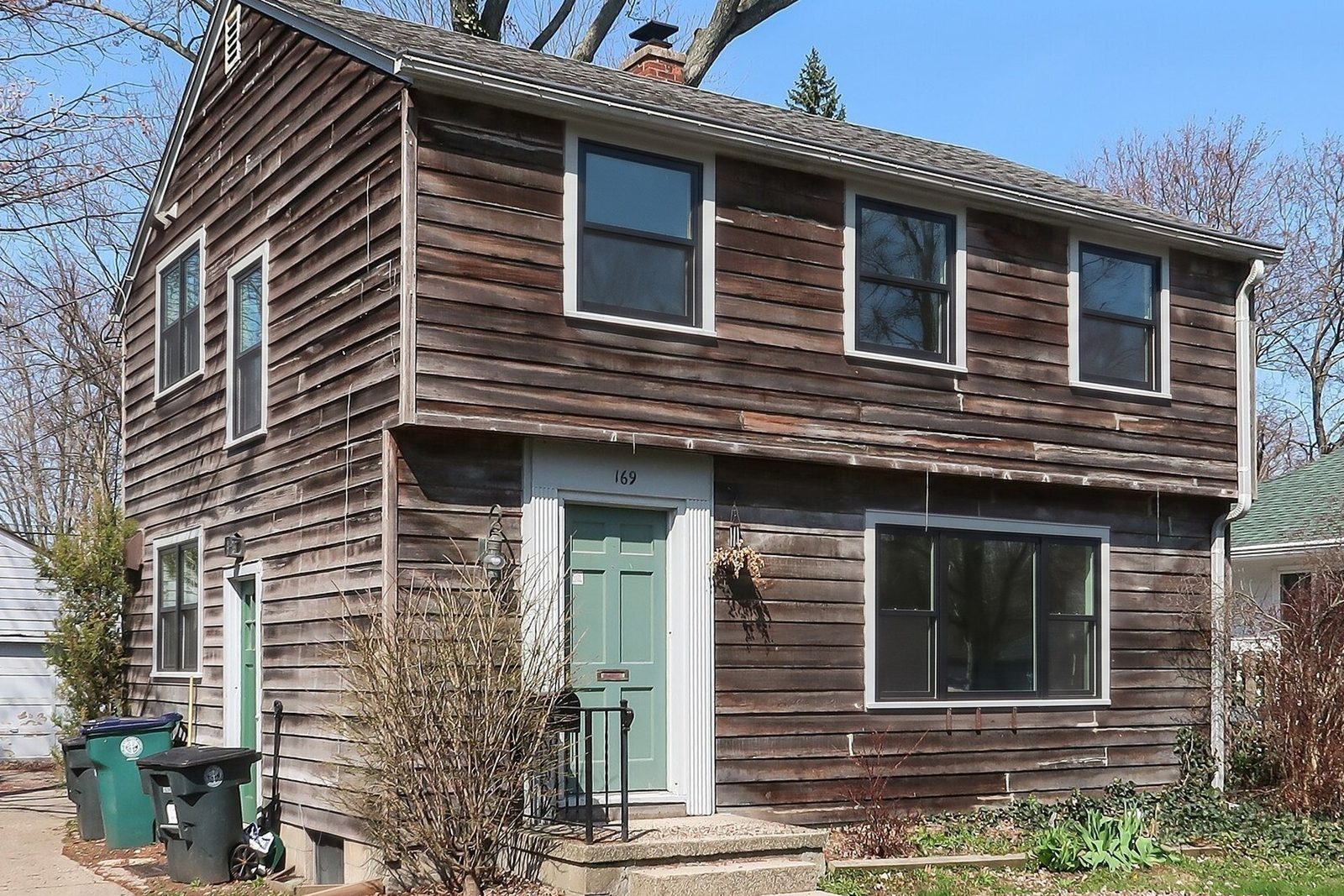
In a board packet, put today's photo and the render side by side on one page, with a caption that names what changes: frame material, color and grilles. Each window keeps its current style in the render, so it answers how the building will look, not whether a window type should change.
For a landlord, a render of a typical unit helps the owner pick one look for every unit. A rental listing is an ad, and the FTC's advertising FAQs for small business say ad claims must be truthful and not deceptive6. If the owner wants the planned windows in a listing, label the render plainly as planned work, put it next to real photos of the unit as it is today, and swap in real photos once the windows are in. A render should never stand in for a unit's current condition, and the owner should check the listing with their own lawyer.
Label every render you hand over: "Render of proposed windows. Not a photo of completed work."
The board meets next week. Can you send a picture of the building with the black frames from the spec, for the packet?
Here it is, from the photo I took Tuesday. It's labelled as a render, not a photo of finished work, and today's photo goes next to it on the same page.
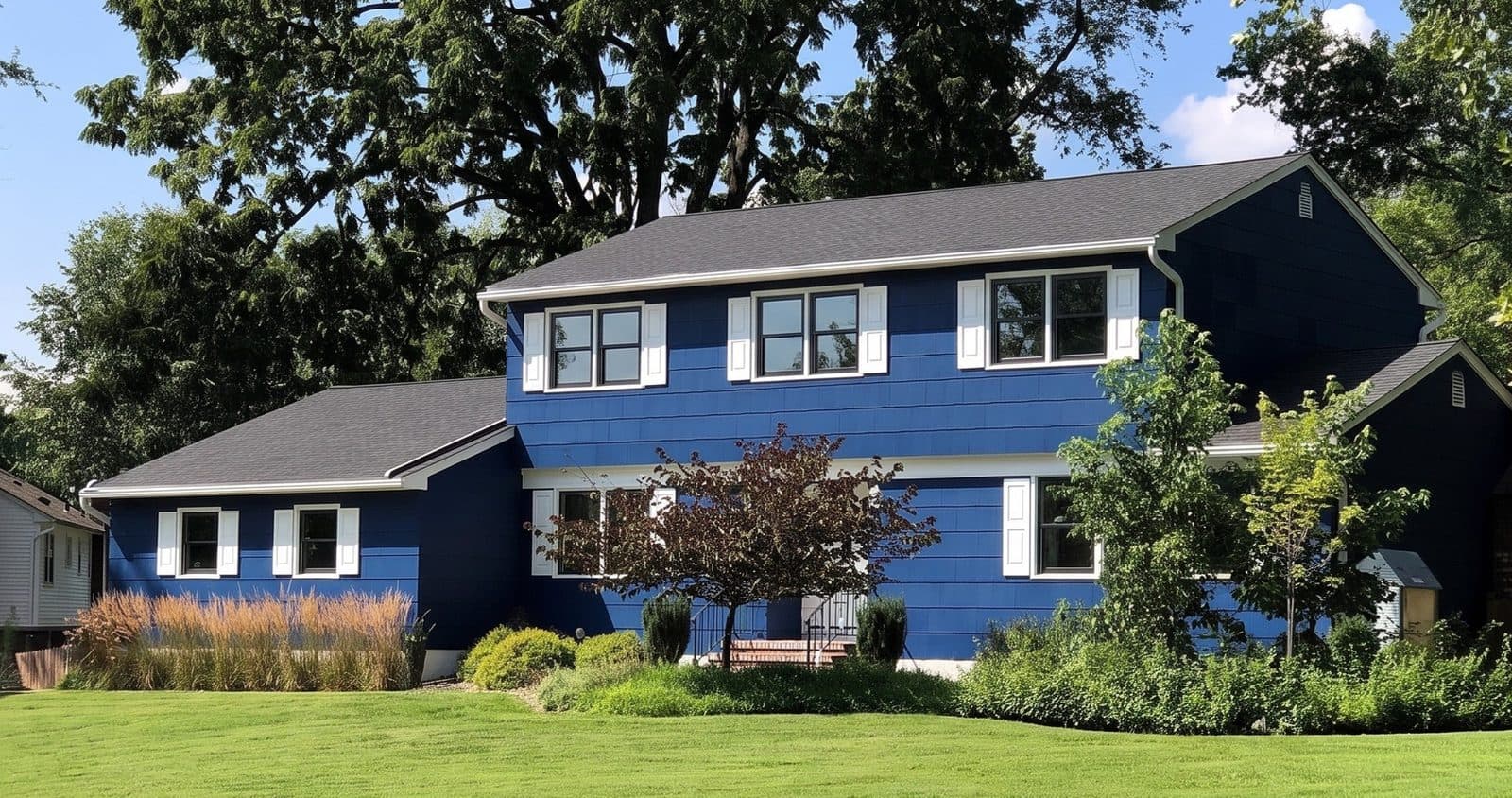 Render
Which rules should you check before bidding a building?
This is general information, not legal advice. Check your state's rules, the association's documents and your own lawyer before you bid.
- Who owns the windows. The declaration or bylaws, along with state condo or HOA law, decide whether the windows belong to the association, the owners, or a mix.
- Bids and votes. Some associations must collect competing bids, or get an owner vote, for large projects or special assessments. Ask the manager what applies.
- Single owners. One owner replacing their own windows often needs the board's approval first.
- Tenant access. How much notice you need before entering a rented unit depends on the lease and on state law.
- Historic buildings. For historic rehabilitation projects, the National Park Service says windows too deteriorated to repair should be replaced with windows that match the historic ones in material, size, muntin configuration and reflective quality7.
- Permits and safety rules. Ask the local building department which permits the job needs, and whether replacement windows must meet current egress or safety glass rules.
- Lead in older buildings. Ask whether the paint has been tested for lead, and check the EPA's and your state's lead-safe renovation rules before you bid; hiring window installers lists the lead-safe questions to settle first.
Where the render fits in a property deal
With a landlord, at the walk-through. Photograph one typical unit and the front, render two looks, and let the owner pick the standard for every unit before you price it.
With a condo or HOA board, in the packet. Today's photo and a labelled render sit side by side on the page they vote from, and the same image goes in the notice to owners. Everyone looks at one picture of their own building instead of imagining a color chip on every window they own.