What does a window sales manager's week look like?
Training gets a new rep to their first solo lead; that part is in window and door sales training. Managing is what happens every week after that, for every rep, the veterans included. The job is to see what happens inside the homes, fix one thing at a time, and keep the follow-up from slipping.
Put the rhythm on the calendar and protect it. When a manager gets busy, ride-alongs are the first thing dropped, and they're the one part of the week you can't replace with a report.
A weekly rhythm for a window sales manager
Monday morning
- What
- Sales meeting
- How long
- 45 minutes
- What comes out of it
- Everyone's numbers on one sheet and one objection to drill this week.
Monday and Tuesday
- What
- One-on-one with each rep
- How long
- 15 minutes each
- What comes out of it
- One thing to work on, written down and agreed.
Tuesday to Thursday
- What
- Ride-alongs
- How long
- Each rep at least once a month; weekly for anyone in their first 90 days
- What comes out of it
- A filled-in checklist and a debrief in the car.
Wednesday
- What
- Role-play
- How long
- 30 minutes
- What comes out of it
- The week's objection, run until every rep handles it well.
Every evening
- What
- Lead results
- How long
- A call or text per rep
- What comes out of it
- Sold or not, why, and the next step that's booked.
Friday
- What
- No-sale and follow-up review
- How long
- About an hour
- What comes out of it
- Every open deal has a next step, and every follow-up text has been looked at.
| When | What | How long | What comes out of it |
|---|---|---|---|
| Monday morning | Sales meeting | 45 minutes | Everyone's numbers on one sheet and one objection to drill this week. |
| Monday and Tuesday | One-on-one with each rep | 15 minutes each | One thing to work on, written down and agreed. |
| Tuesday to Thursday | Ride-alongs | Each rep at least once a month; weekly for anyone in their first 90 days | A filled-in checklist and a debrief in the car. |
| Wednesday | Role-play | 30 minutes | The week's objection, run until every rep handles it well. |
| Every evening | Lead results | A call or text per rep | Sold or not, why, and the next step that's booked. |
| Friday | No-sale and follow-up review | About an hour | Every open deal has a next step, and every follow-up text has been looked at. |
What should a weekly window sales meeting cover?
The same agenda every week, so reps come ready, and nothing that belongs in a one-on-one. Nobody gets corrected in front of the team. Numbers get read, not argued; which numbers to put on the sheet, and how to calculate them, is in window sales metrics.
- One-on-ones: ask how last week's one thing went, look at their no-sales together, and agree on one thing for this week. Write it down where you'll both see it on Friday.
- Keep a running list of the questions homeowners ask that reps can't answer. That list is next month's training.
A 45-minute sales meeting agenda for a window team
0 to 5
- Item
- Last week's numbers
- What happens
- One sheet: leads run, sits, sales, average sale and cancellations, by rep and by lead source.
5 to 10
- Item
- One win
- What happens
- The rep who closed it describes the moment the homeowners decided, and what they saw or heard right before.
10 to 20
- Item
- One loss
- What happens
- A no-sale from last week: what the homeowners said at the end, and what they probably meant.
20 to 35
- Item
- Role-play
- What happens
- Two reps run the objection of the week in front of the team. A JLC column on in-home sales names three that come up over and over: price, other quotes and "think it over"2. Rotate through them.
35 to 40
- Item
- Follow-up of the week
- What happens
- One same-night follow-up text and its render on the screen, and the rep who sent it says why they sent what they did.
40 to 45
- Item
- The week ahead
- What happens
- Lead volume, open install dates reps can offer, and any product or price change.
| Minutes | Item | What happens |
|---|---|---|
| 0 to 5 | Last week's numbers | One sheet: leads run, sits, sales, average sale and cancellations, by rep and by lead source. |
| 5 to 10 | One win | The rep who closed it describes the moment the homeowners decided, and what they saw or heard right before. |
| 10 to 20 | One loss | A no-sale from last week: what the homeowners said at the end, and what they probably meant. |
| 20 to 35 | Role-play | Two reps run the objection of the week in front of the team. A JLC column on in-home sales names three that come up over and over: price, other quotes and "think it over"2. Rotate through them. |
| 35 to 40 | Follow-up of the week | One same-night follow-up text and its render on the screen, and the rep who sent it says why they sent what they did. |
| 40 to 45 | The week ahead | Lead volume, open install dates reps can offer, and any product or price change. |
What goes on a ride-along checklist?
A ride-along shows you what the numbers can't: whether the rep listens, how they handle the price, and whether they do the steps they say they do. The rep runs the visit. Introduce yourself honestly ("I'm the sales manager, I'm along to see how we do") and then stay quiet unless something is going wrong for the homeowner.
Ride-along checklist for window sales managers
Before the door
- Check
- Confirmed the time and that every owner would be home; read the lead sheet.
- Why it matters
- A JLC article on confirming appointments treats getting the spouse or all interested parties home as central, and says a "maybe" likely means an incomplete demonstration3.
Walk-through
- Check
- Opened and closed the windows with the homeowners, measured every one, and asked about budget early.
- Why it matters
- JLC says money is usually the biggest objection and suggests learning what the customer plans to spend before presenting4.
Listening
- Check
- The homeowners did most of the talking during discovery.
- Why it matters
- Reps who talk through discovery present a solution to a problem they never heard.
The look
- Check
- Took a usable photo, rendered the look they leaned toward and one alternative, called it a render, kept the color sample on the table.
- Why it matters
- The look gets settled before the price, and nobody mistakes a preview for a finished job.
Price
- Check
- One written, itemized price per option. No price drop the moment they pushed back.
- Why it matters
- A number that falls on the first push makes the whole quote look padded.
The ask
- Check
- Asked for the order once, plainly, then stopped talking.
- Why it matters
- Asking once is a close. Asking six times is pressure.
Paperwork
- Check
- Explained the right to cancel and handed over the forms.
- Why it matters
- The FTC requires the seller to tell the buyer about the three-day right and give a cancellation form5.
Respect
- Check
- Wrapped up when the homeowners wanted to stop; no push for an immediate decision.
Leaving
- Check
- A next step on the calendar, and the render sent that night.
- Why it matters
- A no-sale with no next step usually goes quiet.
| Stage | Check | Why it matters |
|---|---|---|
| Before the door | Confirmed the time and that every owner would be home; read the lead sheet. | A JLC article on confirming appointments treats getting the spouse or all interested parties home as central, and says a "maybe" likely means an incomplete demonstration3. |
| Walk-through | Opened and closed the windows with the homeowners, measured every one, and asked about budget early. | JLC says money is usually the biggest objection and suggests learning what the customer plans to spend before presenting4. |
| Listening | The homeowners did most of the talking during discovery. | Reps who talk through discovery present a solution to a problem they never heard. |
| The look | Took a usable photo, rendered the look they leaned toward and one alternative, called it a render, kept the color sample on the table. | The look gets settled before the price, and nobody mistakes a preview for a finished job. |
| Price | One written, itemized price per option. No price drop the moment they pushed back. | A number that falls on the first push makes the whole quote look padded. |
| The ask | Asked for the order once, plainly, then stopped talking. | Asking once is a close. Asking six times is pressure. |
| Paperwork | Explained the right to cancel and handed over the forms. | The FTC requires the seller to tell the buyer about the three-day right and give a cancellation form5. |
| Respect | Wrapped up when the homeowners wanted to stop; no push for an immediate decision. | The FTC lists pressure for an immediate decision as a warning sign of a home improvement scam6. In a 2010 settlement, a window seller agreed with Washington's Attorney General not to continue a presentation after a customer clearly says they want it to end, and denied wrongdoing7. |
| Leaving | A next step on the calendar, and the render sent that night. | A no-sale with no next step usually goes quiet. |
The debrief in the car
Before I say anything: how do you think that went? What would you do differently if you walked back in?
Here's one thing you did that I want you to keep doing: [the specific moment].
Here's one thing to change on the next one: [one thing]. Let's run it in role-play tomorrow.
One keep, one change, within ten minutes of leaving the house. A list of ten fixes gets none of them done.
How should you hand out leads to your reps?
In writing, by a rule the whole team can see. Leads that seem to go to whoever the manager likes are the fastest way to lose good reps. Pick one of these, or a mix, and review it every quarter.
- Whatever the method, a rep who hasn't sent the same-night follow-up or logged the result of their last lead goes to the back of the line until they do.
- Decide up front whether leads a rep generates or gets by referral stay with that rep, and put that in the written rule too.
- How to calculate net sales per lead is in window sales metrics.
Ways to hand out window leads
Rotation
- How it works
- Each rep gets the next lead in turn.
- Good for
- New or small teams; nobody can call it unfair.
- Watch for
- Your best closer sits at home while a struggling rep runs a good lead.
By results
- How it works
- Reps with the best net sales per lead run, after cancellations, get first pick or more leads.
- Good for
- Getting the most from leads you paid for.
- Watch for
- New reps never get enough leads to improve. Measure net sales, not signatures.
By area
- How it works
- Each rep owns part of your territory.
- Good for
- Less driving; reps learn the neighborhoods and the houses.
- Watch for
- Lead flow is uneven between areas, so pay can be too.
Protected share
- How it works
- New reps get a set number of leads a week, picked by the manager.
- Good for
- The first 90 days, when a rep needs practice on real homes.
- Watch for
- Giving them your biggest jobs before they're ready.
| Method | How it works | Good for | Watch for |
|---|---|---|---|
| Rotation | Each rep gets the next lead in turn. | New or small teams; nobody can call it unfair. | Your best closer sits at home while a struggling rep runs a good lead. |
| By results | Reps with the best net sales per lead run, after cancellations, get first pick or more leads. | Getting the most from leads you paid for. | New reps never get enough leads to improve. Measure net sales, not signatures. |
| By area | Each rep owns part of your territory. | Less driving; reps learn the neighborhoods and the houses. | Lead flow is uneven between areas, so pay can be too. |
| Protected share | New reps get a set number of leads a week, picked by the manager. | The first 90 days, when a rep needs practice on real homes. | Giving them your biggest jobs before they're ready. |
How do you run window sales contests that don't backfire?
Keep them short, small and tied to deals that stick. A JLC article on sales contests describes contests aimed at monthly, quarterly or annual goals, or at lifting a team after a run of rejections, run as daily spiffs, weekly drawings or semi-annual contests; one Renewal by Andersen dealer in Albuquerque might give a $100 gas card to the first rep to call in a deal that day8.
The trap is paying on signatures. Under the FTC's Cooling-Off Rule, a homeowner can cancel an in-home sale for a full refund until midnight of the third business day5, and your state may add its own rules, so a contest that pays on signatures counts deals that may not survive the week, and nudges reps toward the pressure that causes cancellations. Count only sales still on the books after the cancellation period; window sale cancellations covers that window. Contests sit on top of pay, never in place of it: pay plans are in window sales commission.
- Reward things reps control, like same-night follow-ups, as well as results. A rep in a slow lead week can still win something.
- Run several contests with different ways to win, so the same rep doesn't take every prize and the rest stop trying.
- Watch the cancellation numbers during any contest. If they climb, end the contest.
Window sales contest formats and what to count
Daily spiff
- How it works
- First rep to call in a sale that day gets a small prize.
- Count only
- Sales still on the books after the cancellation period.
Weekly drawing
- How it works
- One ticket per sale and one per same-night follow-up sent; draw on Friday.
- Count only
- Follow-ups the manager has actually seen.
Team goal
- How it works
- A monthly number on the board; everyone wins if the team gets there.
- Count only
- Net sales, after cancellations.
Skill contest
- How it works
- Best role-play of the month, picked by the team.
- Count only
- The role-play itself. No sales involved.
Semi-annual
- How it works
- A bigger prize for six months of results.
- Count only
- Net sales and cancellations together, so nobody wins by overselling.
| Format | How it works | Count only |
|---|---|---|
| Daily spiff | First rep to call in a sale that day gets a small prize. | Sales still on the books after the cancellation period. |
| Weekly drawing | One ticket per sale and one per same-night follow-up sent; draw on Friday. | Follow-ups the manager has actually seen. |
| Team goal | A monthly number on the board; everyone wins if the team gets there. | Net sales, after cancellations. |
| Skill contest | Best role-play of the month, picked by the team. | The role-play itself. No sales involved. |
| Semi-annual | A bigger prize for six months of results. | Net sales and cancellations together, so nobody wins by overselling. |
How should you review reps' follow-ups and renders?
Every Friday, go through every no-sale from the week with the rep who ran it. Three questions: what did you send that night, what's the next step, and when is it? A deal with no next step isn't pending. It's lost and nobody has said so.
Set a house rule for going back. RAMCO of Memphis, in a JLC article, gives reps 24 to 48 hours to go back and sell a deal when the homeowners invite them, and books any return visit no more than 7 to 10 days after the first9. Pick your own numbers, write them down, and check them here. How to run the second visit is in window sales rehash.
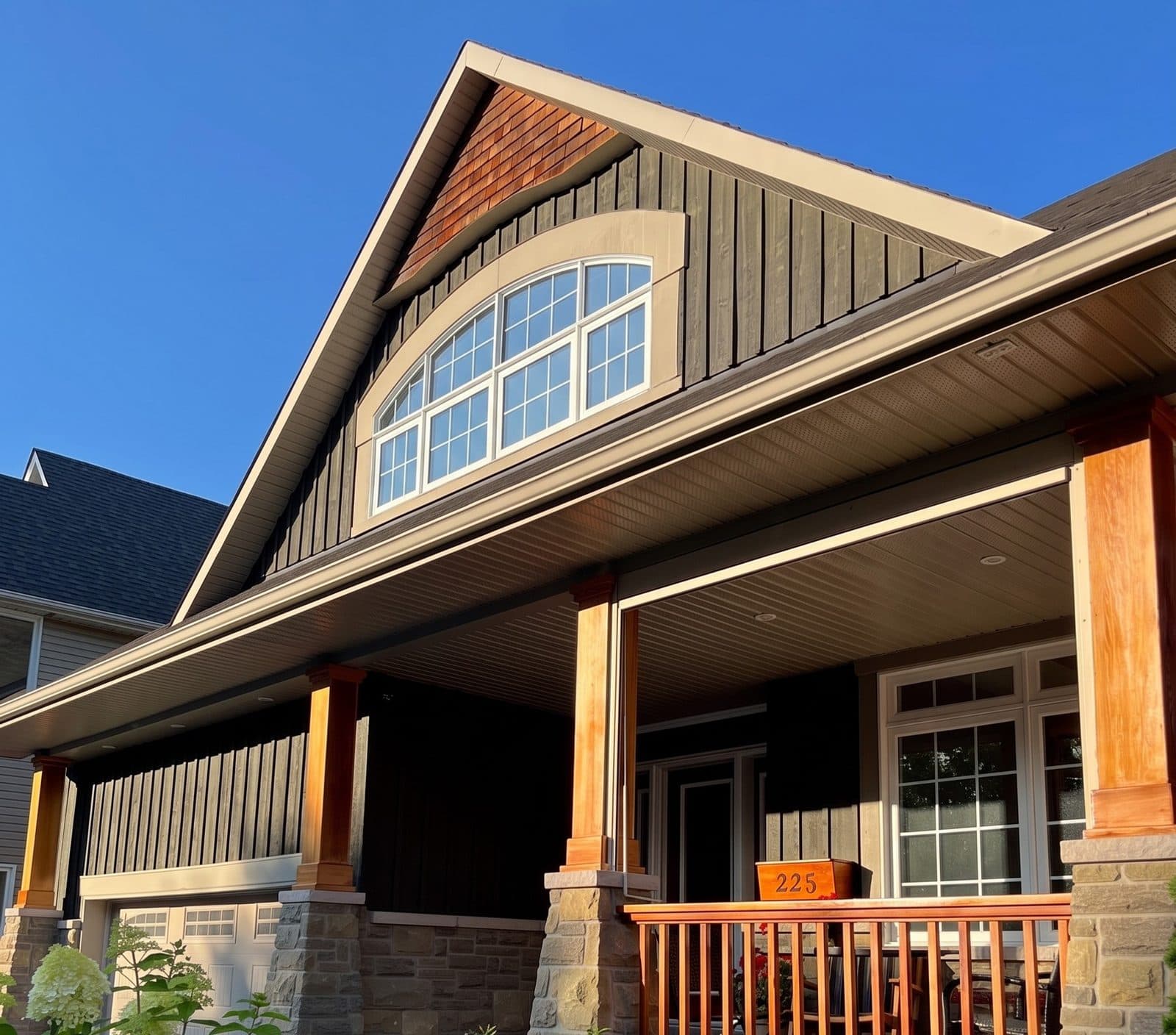
Then read the texts themselves. The example below is a good thread: it went out the same night, the render is called a render, and the rep's last message books the next step. That last message is the coaching point. A thread that ends on "let me know what you think" usually goes quiet.
- Sent the same night, with the render of the look the homeowners leaned toward attached as a picture.
- Called a render, not a photo of a finished job.
- One easy question or one clear next step, not three.
- The rep's name and company in the first message.
- No fake deadline. If a price really changes on a date, the date and the reason are in the text.
- Sent one-to-one from the rep. FCC rules ban autodialed texts to cell phones without prior consent and require written consent for autodialed marketing texts10, so check the rules before anyone automates follow-ups.
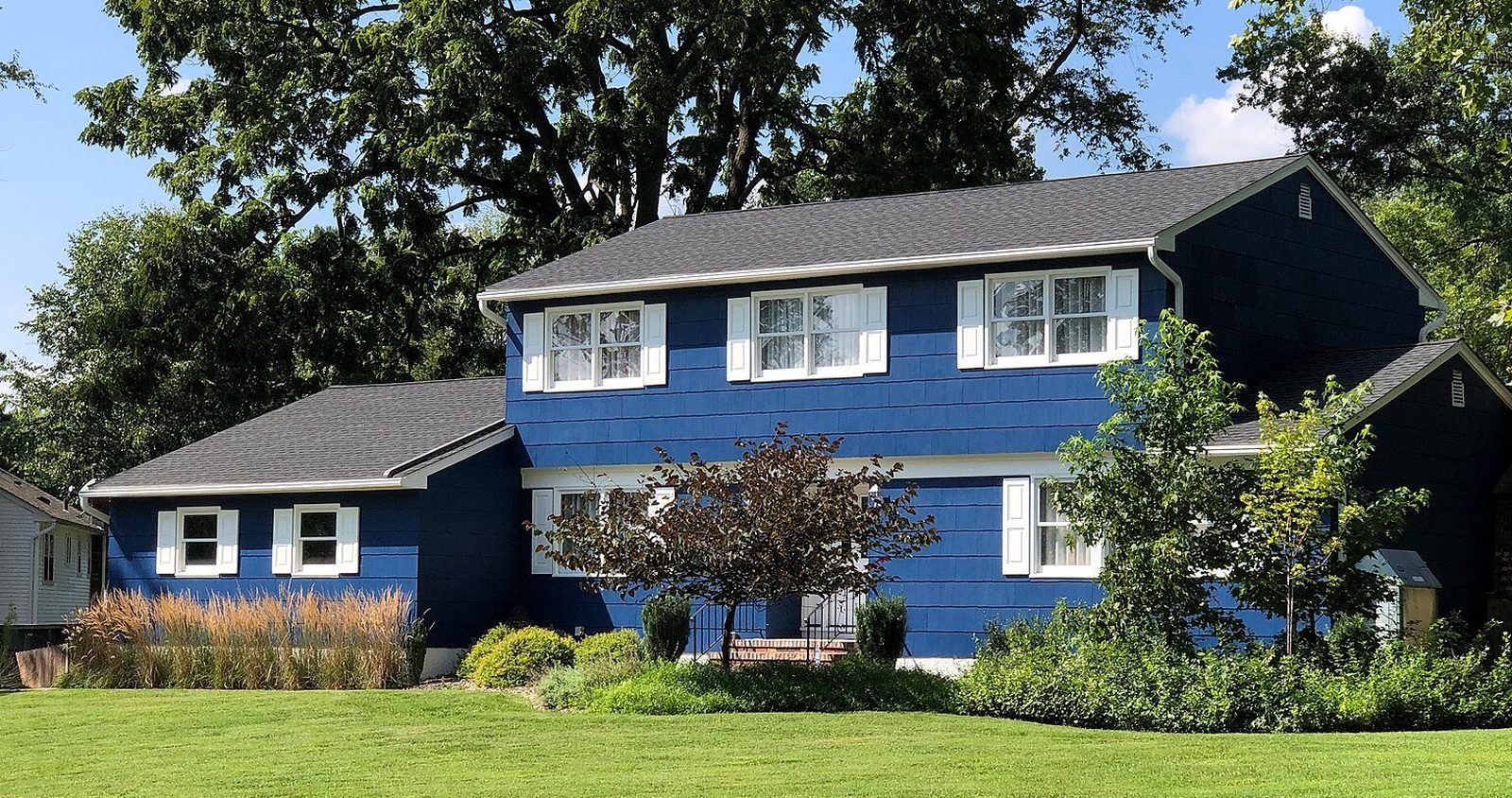
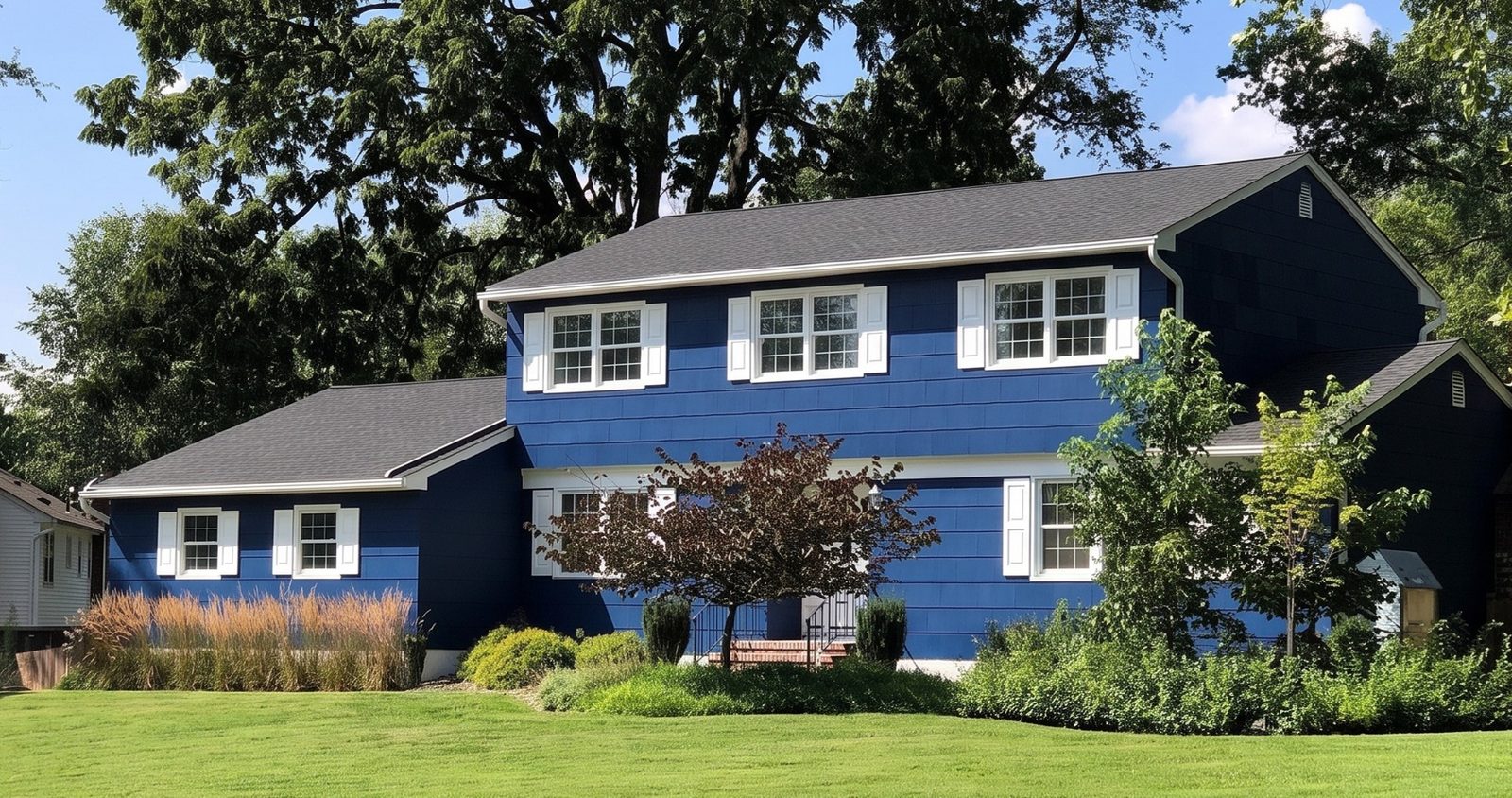
Hi, it's [rep name] from [company]. Thanks for having me over tonight. Here's a render of your house with the white grids we talked about, from the photo I took out front.
 Render
Looks good! How much more are the grids?
I'll have the price with and without them for Thursday at 6, like we said. See you then.
Can you record in-home sales appointments?
You can't ride along on every visit. That's the case for recording them. Rilla, a company that analyzes recorded sales conversations, says that in the HVAC sales calls it studied, top performers talked less than the team average and talked about financial terms more than lower performers11. That kind of pattern is hard to see from a sales report and easy to hear on a recording.
But you're recording people in their own home, and the law on that varies. The Reporters Committee for Freedom of the Press, which keeps a state-by-state recording guide, says some states require, under most circumstances, the consent of everyone in a conversation, and that the rules can differ within a state depending on the kind of conversation1. That matters here: a visit at the kitchen table is an in-person conversation, not a phone call. Summaries of which states are "all-party" states vary, so don't build a policy on one list.
The simplest team policy is the strictest one: ask every adult at the table, at the start of every visit, in every state, and don't record if anyone says no or hesitates. Tell your reps in writing that their visits are recorded too. Have your lawyer check the policy, and the recording app's settings, for each state you sell in before the first recording. This is general information, not legal advice.
- Keep recordings where only managers can hear them, and decide how long you keep them.
- Use them for one-on-one coaching. Playing a rep's worst moment to the whole team is the fastest way to lose them.
- Stop recording if a homeowner asks, even halfway through.
Asking to record at the start of the visit
Before we start: we record our appointments so my manager can coach me. It's only used for training. Is it OK with both of you if I record today?
If either of you would rather I didn't, that's completely fine. Nothing about the visit changes.
Once it's running: just so it's on the recording, you're both OK with me recording this visit for training?
If anyone hesitates, don't record. If someone joins later, ask them too. Say "only used for training" only if your written policy says so. Get your state's rules from your lawyer before you use this.
Where the render fits in managing the team
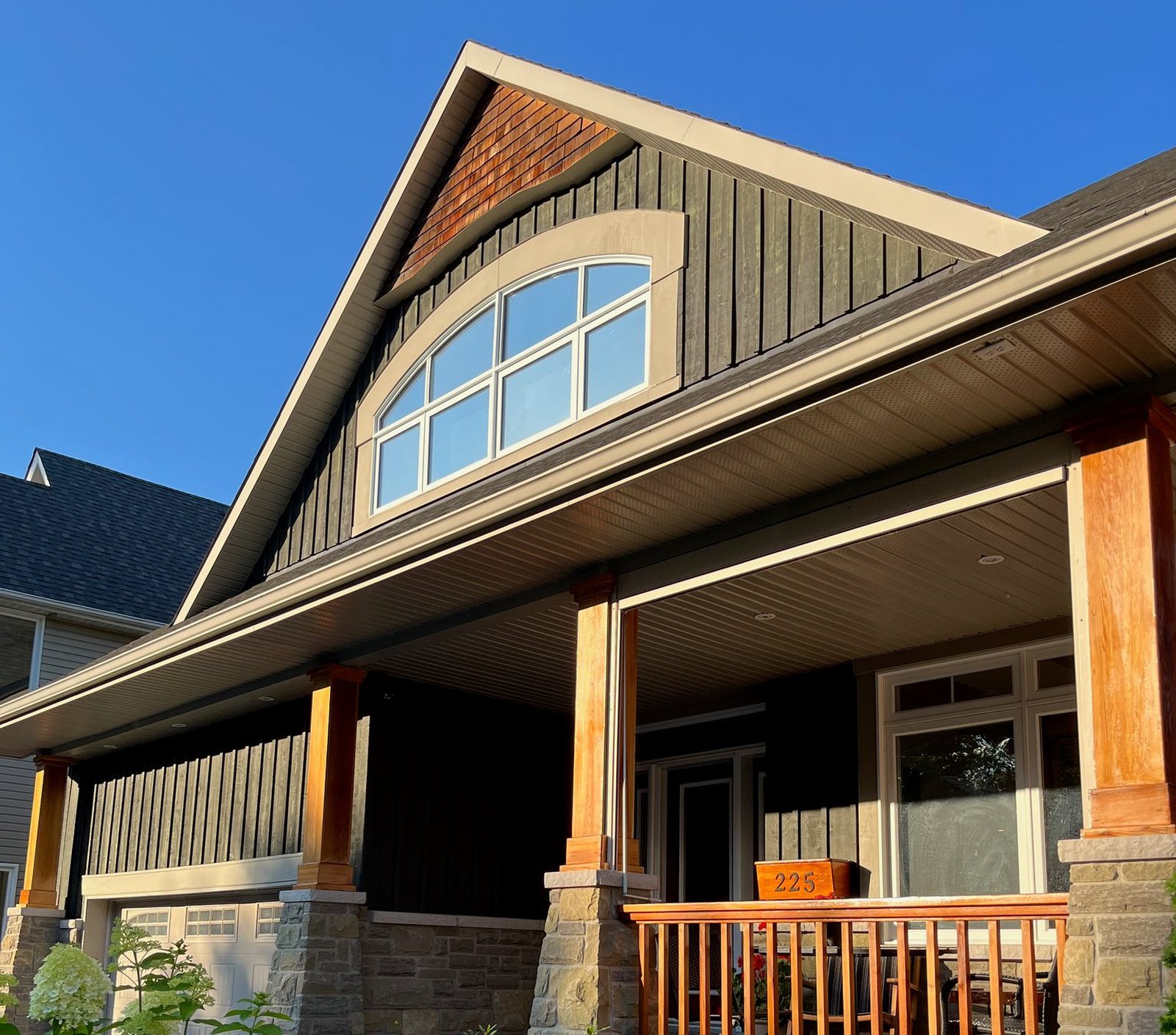
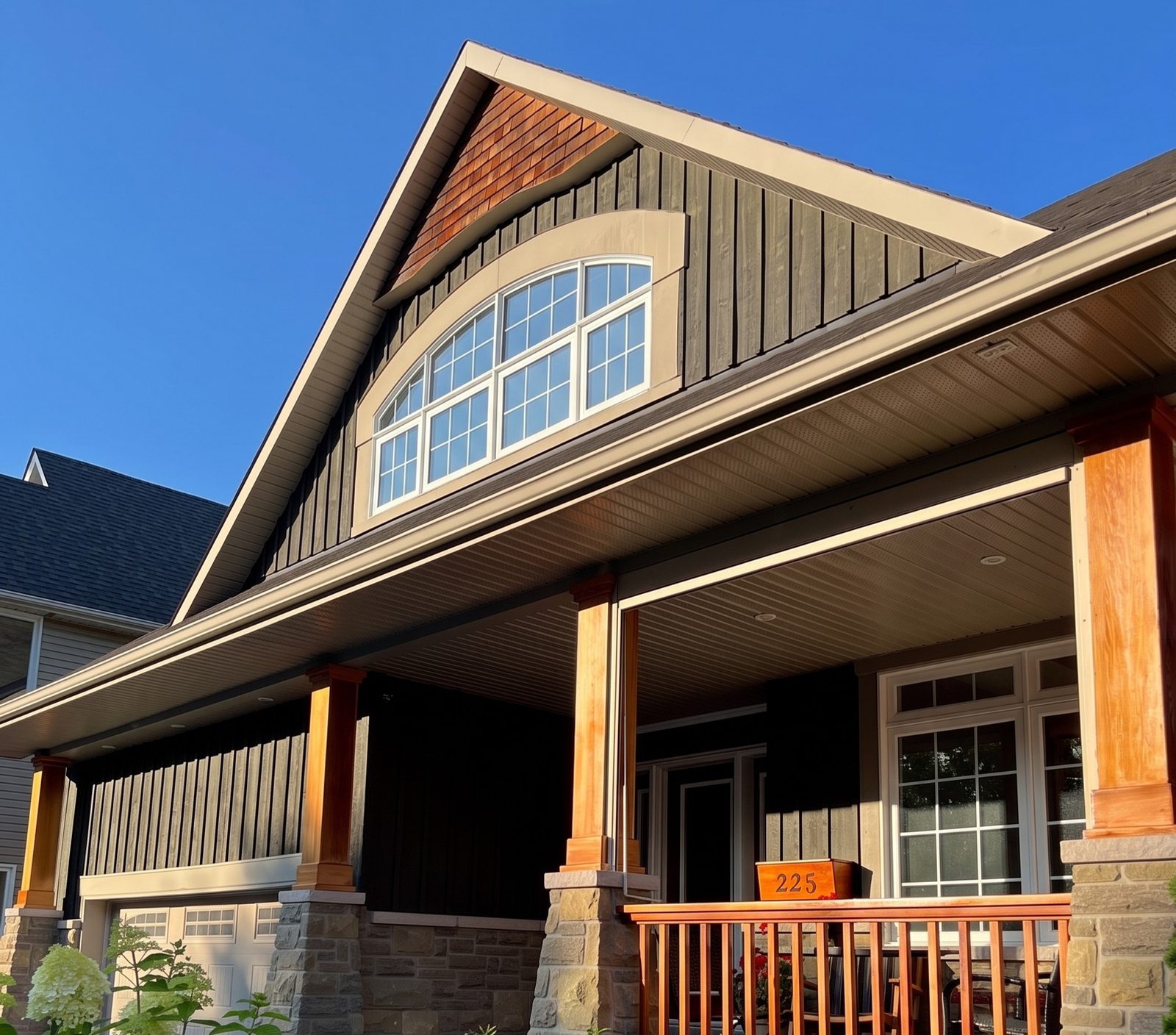
On the ride-along checklist and in the Friday review. Both turn the render into something you can check, not something reps say they do: did they take a usable photo, render the look the homeowners leaned toward and an alternative, and call it a render?
In the follow-up review, the render is in the text thread, so you see what the homeowner saw that night. In the Monday meeting, put one good thread on the screen and let the rep who sent it explain why it worked. That's coaching from the house itself, not from a number on a sheet.