Should you hire a salesperson or someone from the trade?
Both can work, and the industry has argued about it for years. In a 2011 Pro Remodeler panel, Charlie Gindele, president of Dial One Window Replacement Specialists in California, said he would hire a salesperson and teach them the business, and that he looks for energy and people skills in someone who likes to make money. He also said remodeling sales is a much longer and different process than selling windows and doors2. A remodeler on the same panel took the other side: hire a remodeler and make them a salesperson2.
JLC, writing about remodeling sales, says the ideal salesperson combines people skills with basic construction knowledge, and profiles a remodeler whose first full-time salesperson was his former lead carpenter3. That's a design-and-estimate job, though. A window visit is shorter and centers on one product, so the product side is quicker to teach than it is in remodeling. The temperament isn't. Hire for that and train the rest.
Be wary of closers from high-pressure shops. In a JLC article on the drop in window sales after the tax credits expired, a window company executive blamed part of the slump on the industry's "pressure sales and drop-down selling techniques," which he said cost homeowners' trust4. A rep who learned to sell that way will bring it to your homeowners, and to your cancellation numbers.
Where window sales reps come from, and what each background brings
In-home sales in another trade (roofing, siding, HVAC, baths)
- What they bring
- The kitchen-table visit, the paperwork, the follow-up
- What you'll have to teach
- Your windows, your install day, your pricing
- Watch for
- Habits from a shop that sold on pressure or fake discounts
Window installers and carpenters
- What they bring
- Real product knowledge; homeowners believe them
- What you'll have to teach
- Running a presentation, asking for the order, the contract
- Watch for
- Getting too technical, or talking people out of options
Retail and big-box sales
- What they bring
- Comfort with strangers and product questions
- What you'll have to teach
- Running a visit in someone's home, a longer sales cycle, commission pay
- Watch for
- Waiting for customers to come to them
Car and furniture sales
- What they bring
- Closing and negotiating
- What you'll have to teach
- Selling with one honest price that doesn't drop
- Watch for
- The habit of starting high and dropping
Career changers (teaching, nursing, the military)
- What they bring
- Patience, explaining, being believed
- What you'll have to teach
- Everything about windows and selling
- Watch for
- Discomfort asking for the order
| Background | What they bring | What you'll have to teach | Watch for |
|---|---|---|---|
| In-home sales in another trade (roofing, siding, HVAC, baths) | The kitchen-table visit, the paperwork, the follow-up | Your windows, your install day, your pricing | Habits from a shop that sold on pressure or fake discounts |
| Window installers and carpenters | Real product knowledge; homeowners believe them | Running a presentation, asking for the order, the contract | Getting too technical, or talking people out of options |
| Retail and big-box sales | Comfort with strangers and product questions | Running a visit in someone's home, a longer sales cycle, commission pay | Waiting for customers to come to them |
| Car and furniture sales | Closing and negotiating | Selling with one honest price that doesn't drop | The habit of starting high and dropping |
| Career changers (teaching, nursing, the military) | Patience, explaining, being believed | Everything about windows and selling | Discomfort asking for the order |
What should you have ready before you hire a window sales rep?
More than a job ad. JLC's checklist for hiring a first remodeling salesperson starts before the interview: a marketing system that already produces enough quality leads, a documented sales process, prices with enough margin to cover the new hire, sales goals and a performance-based pay plan, and a way to track gross profit and figure commissions1. A new rep with no leads and no process will leave, and they'll be right to.
- Leads to run. A new rep sitting at home on a Tuesday night is learning that the job doesn't pay. Know where the appointments will come from before the start date.
- A written way of running the visit, so training has something to teach. Start from the window sales script if you don't have one.
- A pay plan on paper, with real examples of what a rep earns on a typical job. How companies structure it is in window sales commission.
- A training plan and a senior rep who's agreed to take the new hire on ride-alongs. The plan is in window and door sales training.
- The kit: corner samples, color samples, a tablet, measure sheets, contracts and a way to show homeowners their own house with the new windows.
- Employee or independent contractor: decide with your accountant or employment lawyer before you write the ad, because it changes the ad, the pay plan and the paperwork. The IRS looks at three groups of facts: behavioral control, financial control and the type of relationship5. Your state may use its own test.
- Licensing: ask your state contractor board and your city whether salespeople need their own registration or license, not just the company. Homeowners are told by the FTC to check a contractor's license with the state or county6, so expect them to ask your rep too.
Where do you find good window sales reps?
Mostly through people, not job boards. In a JLC article, remodelers call sales one of the hardest jobs to fill, with plenty of candidates but many poorly suited7. Dial One's Gindele said in the Pro Remodeler panel that his best salespeople had probably found him: people already in the industry who had worked for competitors and weren't happy there2. Make it easy for those people to find you, and ask the people who know them.
- Your own reps and installers. They know what the job takes and who could do it. Pay a referral bonus once the new hire has stayed and is selling, not on the hire date.
- Your suppliers' and distributors' reps. They visit every dealer in your area and hear who's unhappy where.
- In-home reps from other trades, met at home shows, supply houses and on jobs you share.
- Your past customers. The JLC article mentions a builder whose first sales hire was a former client7. Someone who bought from you already believes in what you sell.
- Job boards last. They bring volume; screen hard with the tryout below.
Asking your team for a referral
We're hiring one more in-home rep. You know what this job takes better than any ad does. Who's the best salesperson you know who isn't happy where they are?
If we hire someone you sent and they're still here and selling after [time], you get [referral bonus]. It's in writing.
Don't oversell it to them. Tell them what a slow week looks like too. I'd rather they turn it down now than quit in a month.
Set the referral bonus terms on paper before you ask.
What should a window sales rep job description say?
What the week actually looks like, what the pay actually is, and who does well at it. A JLC article on selling in a tough economy recommends a hiring package for salespeople: search criteria, a job description, interview questions and pay terms8. The template below is a starting point. Replace every bracket with your own facts, especially the pay.
- Leave out "unlimited earning potential" with no numbers behind it. Experienced reps read it as "no base and no leads." Ask your employment lawyer whether your state or city requires a pay range in job ads.
- Leave out "rock star," "hungry closer" and anything about age or gender. Describe the work and the results you expect.
- Don't promise anything the pay plan doesn't back up in writing.
Job description template: in-home window sales consultant
Title: In-home window sales consultant, [city or area].
About us: [Company] replaces windows and doors in [area] with [our own install crews / installers we've worked with for years]. We sell [product lines].
What you'll do: Run [number] set appointments a week at homeowners' houses, mostly evenings and Saturdays. Walk the house with the homeowners, measure every window, show their options on samples and on a render of their own house, give a written price, and follow up with the ones who don't decide that night.
What's not part of the job: [Cold calling / door knocking / installing]. Be honest here about which of these you expect.
Who does well here: You listen more than you talk. You can explain a window to someone who has never thought about one. You ask for the order once, plainly, and take no for an answer. Window or in-home sales experience helps; we teach the product.
Pay: [Base, draw or straight commission, and how commission is figured]. Last year our full-time reps earned between [low] and [high].
Training: [Number] weeks before you run leads on your own: product and install, daily role-play, ride-alongs with our senior reps, then appointments with a senior rep along. [How training time is paid.]
Requirements: A driver's license and a reliable vehicle, a smartphone, evenings and Saturdays, and [any state or city salesperson registration].
To apply: [How to apply]. Tell us about the last thing you sold and why the customer bought it.
Fill the brackets with real numbers from your current reps. Describe the work, not the kind of person you picture, and have whoever handles your employment law read the ad before it goes up.
How do you interview window sales reps?
A short phone screen, one sit-down interview, a role-play tryout, and a ride-along before the offer. The tryout tells you the most, because it shows how they talk to a homeowner instead of how they talk about themselves.
- The tryout: send a one-page product sheet the day before. You play the homeowner from a written card for about twenty minutes: discovery, choosing a look, the price, and "we want to think about it."
- Count their questions. Rilla's CEO says top in-person sales performers in the conversations it records ask about 25 open-ended questions an hour, against about five for other reps9. You aren't looking for a number, just for someone who asks before they tell.
- The ride-along: take your top candidate to one real appointment as an observer before you make the offer. Tell the homeowners who they are and ask if it's OK when you confirm the visit. Watch how they act with the homeowners, and let them see a real evening, drive included.
- The offer: put the pay plan in writing, with a worked example, and get it signed before day one. California requires commission agreements in writing, with a signed copy for the employee10, and New York's labor department says commissioned salespeople need a written agreement signed by both sides11. Check your own state; this is general information, not legal advice.
Interview questions for window sales reps
"Tell me about the last thing you sold to someone who wasn't sure."
- A good answer
- They asked questions and found the real worry.
- A red flag
- The story is all about how they closed.
"A homeowner asks if new windows will cut their energy bill in half. What do you say?"
- A good answer
- They won't promise a number and explain why.
- A red flag
- "Sure, probably."
"What did you do the last time a customer said no?"
- A good answer
- Asked why, followed up, and stopped when asked to.
- A red flag
- Kept pushing, or blamed the customer.
"Walk me through a normal week at your last job."
- A good answer
- Organized; follow-up is part of the week.
- A red flag
- Vague about how they spent their time.
"Why are you leaving?"
- A good answer
- Specific and fair to the old employer.
- A red flag
- Everyone there was the problem.
"What would you want to see on a ride-along with us?"
- A good answer
- Questions about the product, the install and the homeowners.
- A red flag
- Only questions about pay.
| Ask | A good answer | A red flag |
|---|---|---|
| "Tell me about the last thing you sold to someone who wasn't sure." | They asked questions and found the real worry. | The story is all about how they closed. |
| "A homeowner asks if new windows will cut their energy bill in half. What do you say?" | They won't promise a number and explain why. | "Sure, probably." |
| "What did you do the last time a customer said no?" | Asked why, followed up, and stopped when asked to. | Kept pushing, or blamed the customer. |
| "Walk me through a normal week at your last job." | Organized; follow-up is part of the week. | Vague about how they spent their time. |
| "Why are you leaving?" | Specific and fair to the old employer. | Everyone there was the problem. |
| "What would you want to see on a ride-along with us?" | Questions about the product, the install and the homeowners. | Only questions about pay. |
What should a new window rep's first six weeks look like?
Four weeks of training, then two weeks of first solo leads with you close by. The week-by-week training plan, role-play drills and sign-off list are in window and door sales training; this is the hiring side of those weeks. JLC recommends a 30/60/90-day training program for new salespeople8, so six weeks is a start, not the finish.
Expect some lost deals in the early solo weeks. A JLC article on building a sales team quotes a remodeler saying a rookie will probably lose leads the company could have sold, and has to be allowed to earn their wings12. Pick those leads with that in mind.
- Agree on the 90-day standard before the start date, and make it about the work as well as the sales: visits run, measure sheets right, follow-ups sent the same night, cancellations.
- A rep who does all of that and isn't closing yet is a coaching problem. A rep who skips it is a hiring problem.
- Pay the referral bonus, if one is owed, on the date you put in writing. Your team is watching whether you keep that promise.
- What the manager does every week after that is in managing a window sales team.
Onboarding a new window sales rep
Before day one
- What has to happen
- Signed pay plan and offer letter, hiring paperwork done, any state or city salesperson registration started, phone and tablet set up, samples and business cards ordered.
- Who owns it
- Owner or office manager
Day one
- What has to happen
- Meets the install crew and the office, gets the training plan and the sign-off list, and knows who their senior rep is.
- Who owns it
- Sales manager
Weeks 1 to 4
- What has to happen
- Training: product, role-play, ride-alongs, then supervised visits.
- Who owns it
- Sales manager and senior rep
Weeks 5 and 6
- What has to happen
- First solo leads, picked by the manager. Every no-sale reviewed; at least one ride-along.
- Who owns it
- Sales manager
Day 30
- What has to happen
- A sit-down on what's going well, what isn't, and whether the job is what the ad said.
- Who owns it
- Owner or sales manager
Day 90
- What has to happen
- Review against the standard agreed before the start date. Keep coaching, or part ways.
- Who owns it
- Owner and sales manager
| When | What has to happen | Who owns it |
|---|---|---|
| Before day one | Signed pay plan and offer letter, hiring paperwork done, any state or city salesperson registration started, phone and tablet set up, samples and business cards ordered. | Owner or office manager |
| Day one | Meets the install crew and the office, gets the training plan and the sign-off list, and knows who their senior rep is. | Sales manager |
| Weeks 1 to 4 | Training: product, role-play, ride-alongs, then supervised visits. | Sales manager and senior rep |
| Weeks 5 and 6 | First solo leads, picked by the manager. Every no-sale reviewed; at least one ride-along. | Sales manager |
| Day 30 | A sit-down on what's going well, what isn't, and whether the job is what the ad said. | Owner or sales manager |
| Day 90 | Review against the standard agreed before the start date. Keep coaching, or part ways. | Owner and sales manager |
Where the render fits in hiring
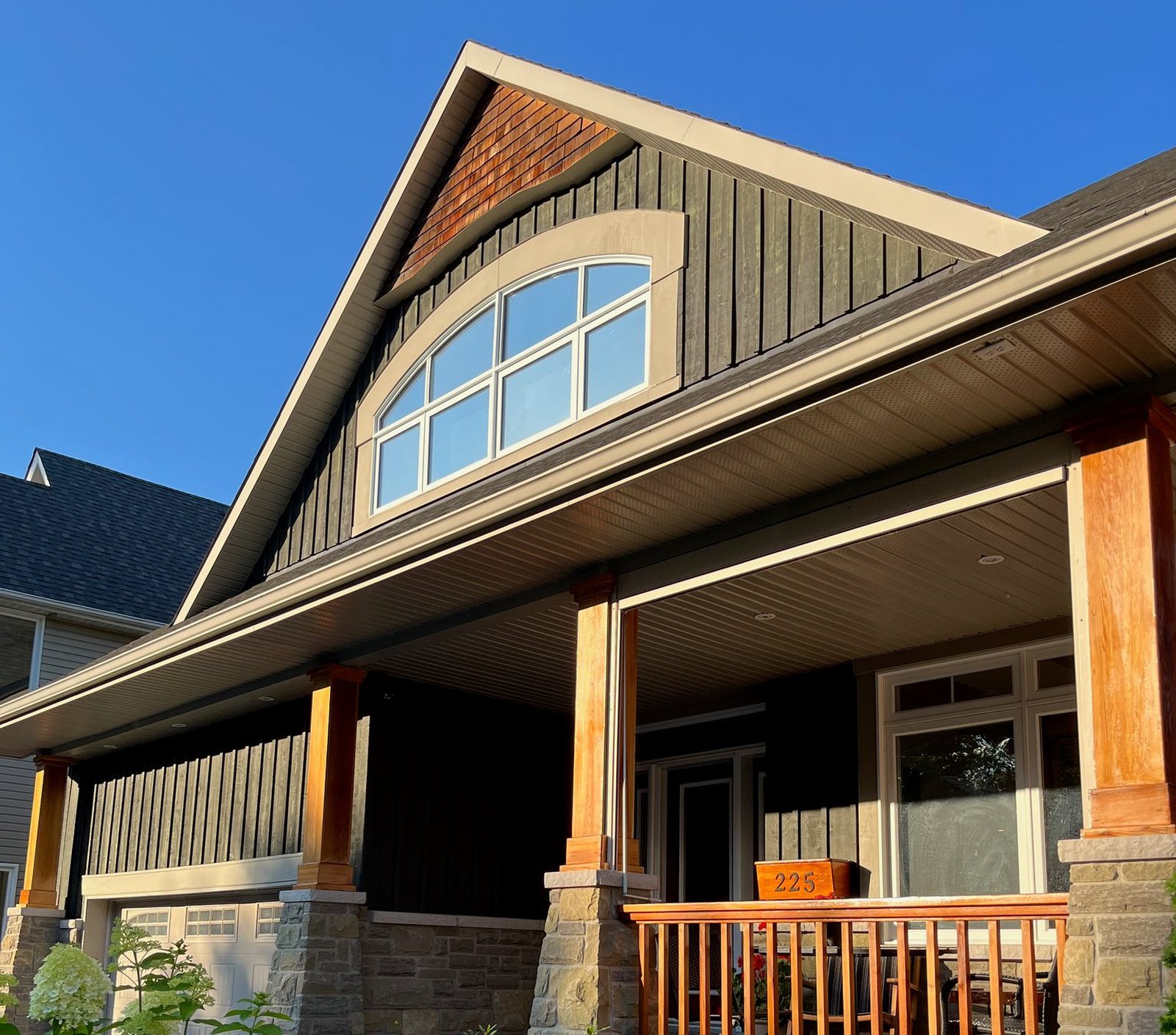
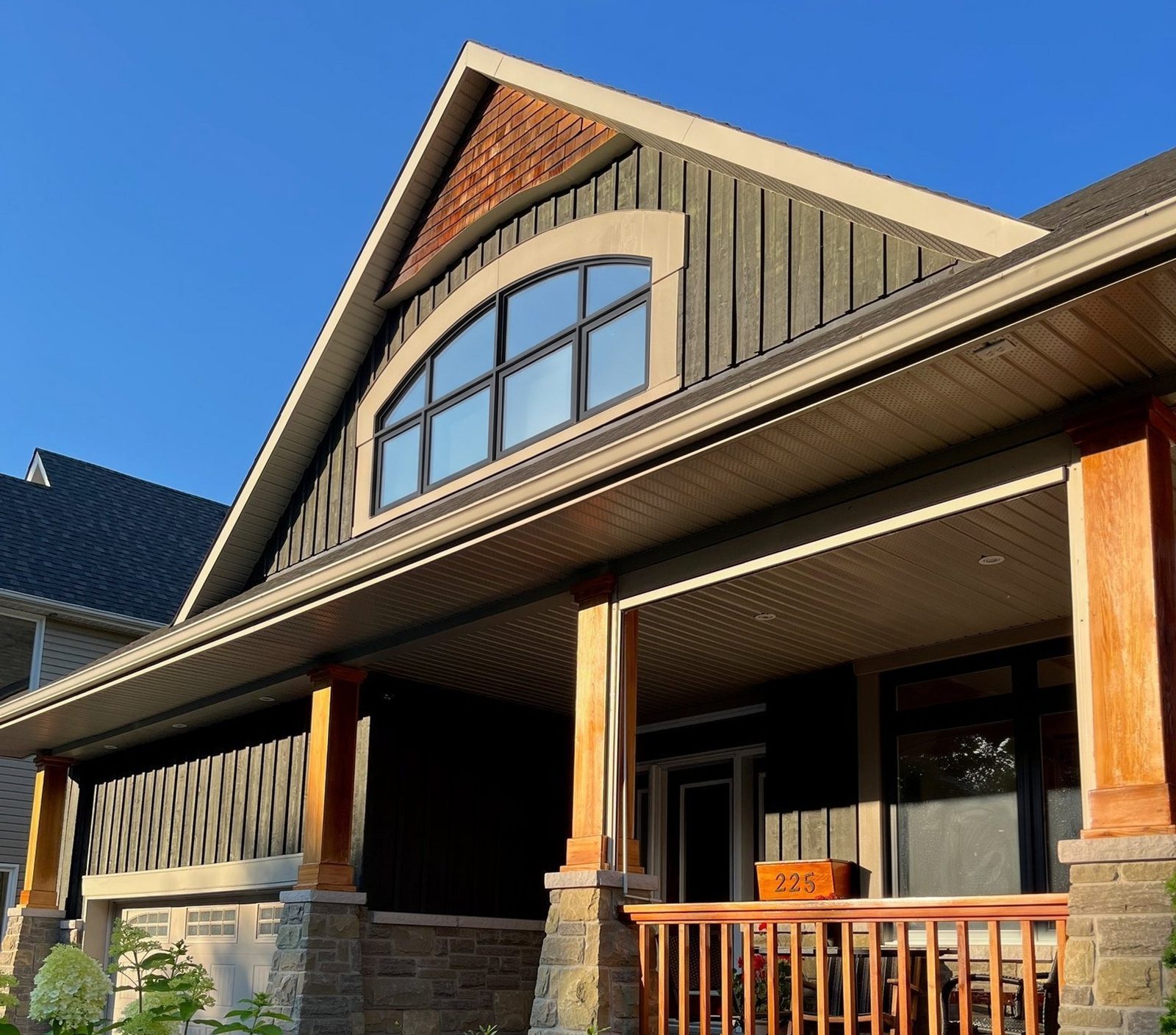
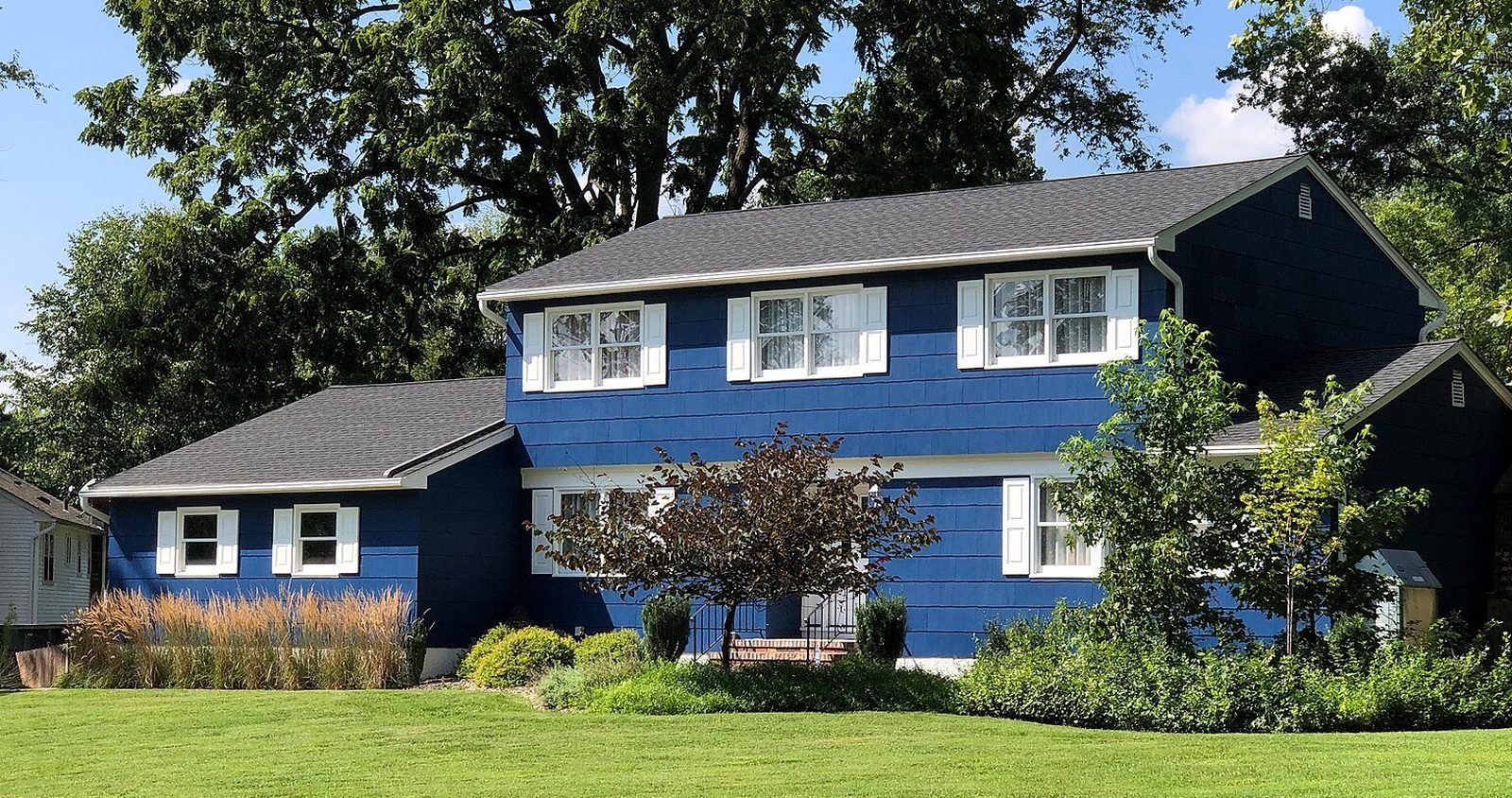
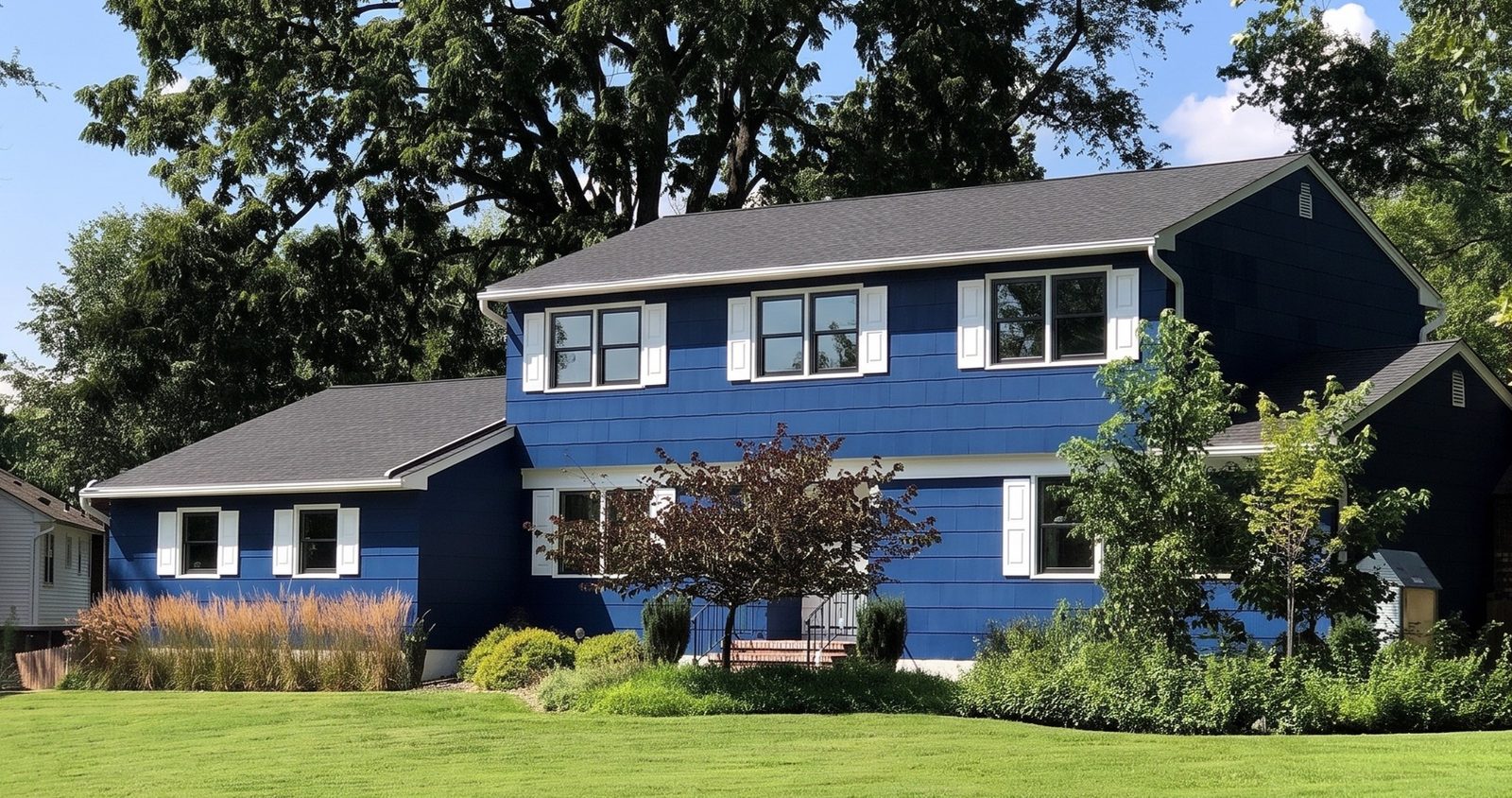
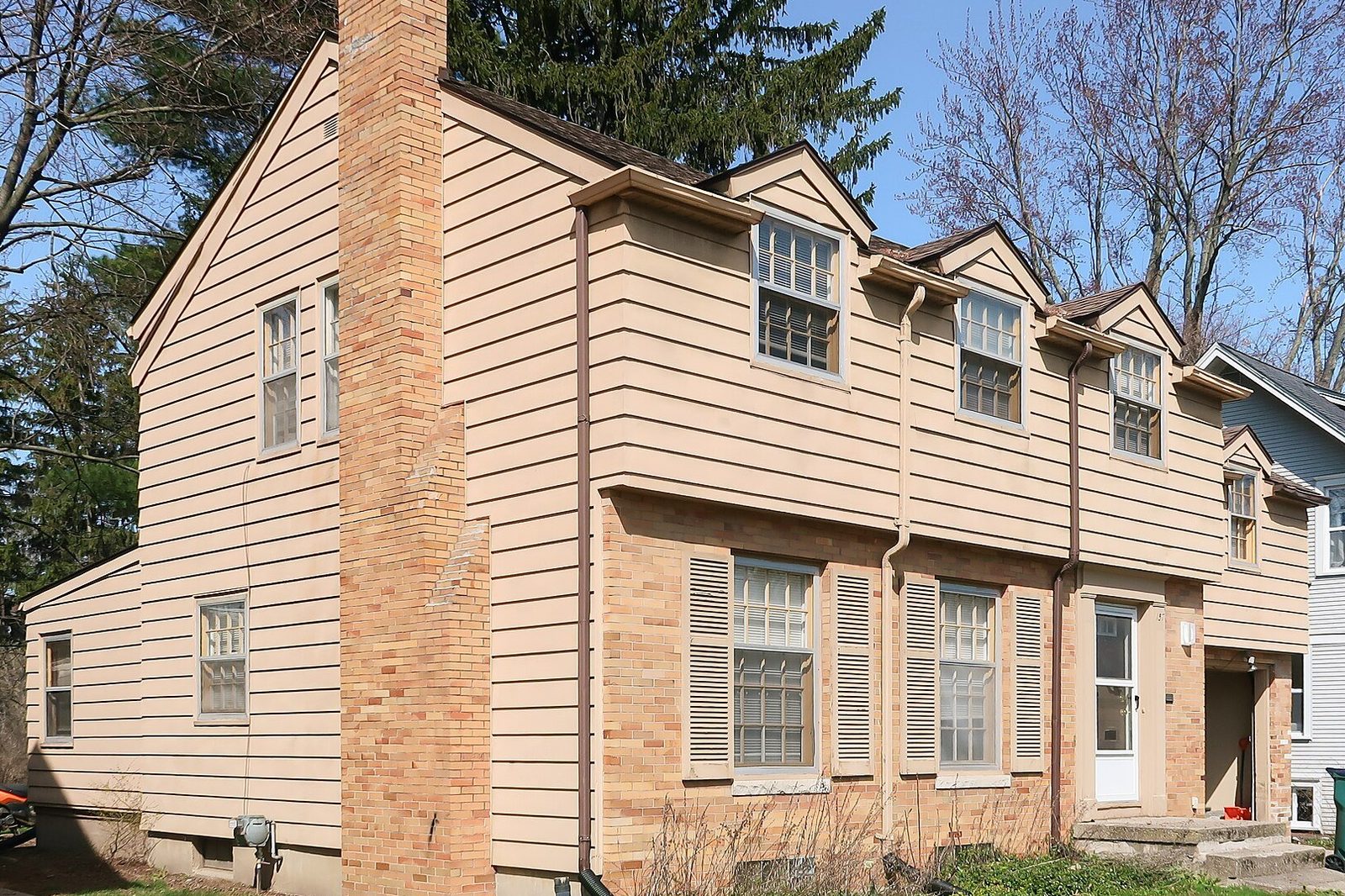
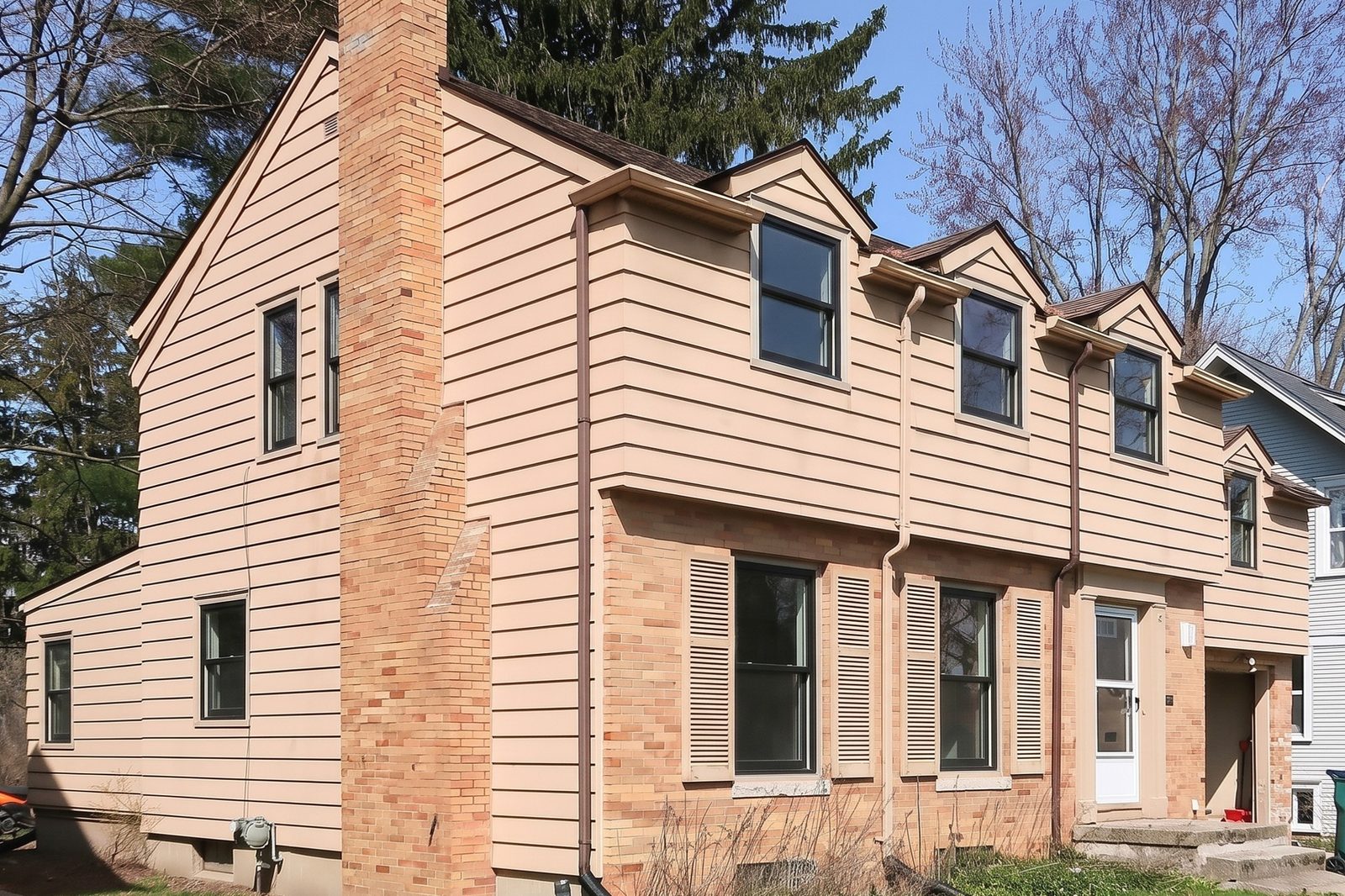
In the tryout. Hand the candidate a photo of a house and two renders of it, say black frames and white frames with grids, and ask them to help you, the homeowner, choose. In two minutes you'll see whether they ask what you like about each one or launch into a speech about the product. Listen for whether they call it a render and keep it from sounding like a promise.
In the first weeks, it's a job a new hire can do on ride-alongs from day one: take the photos, run the renders, and hand the phone to the senior rep to present. It doesn't replace the training. It gives the new rep something useful to do while they learn the rest.